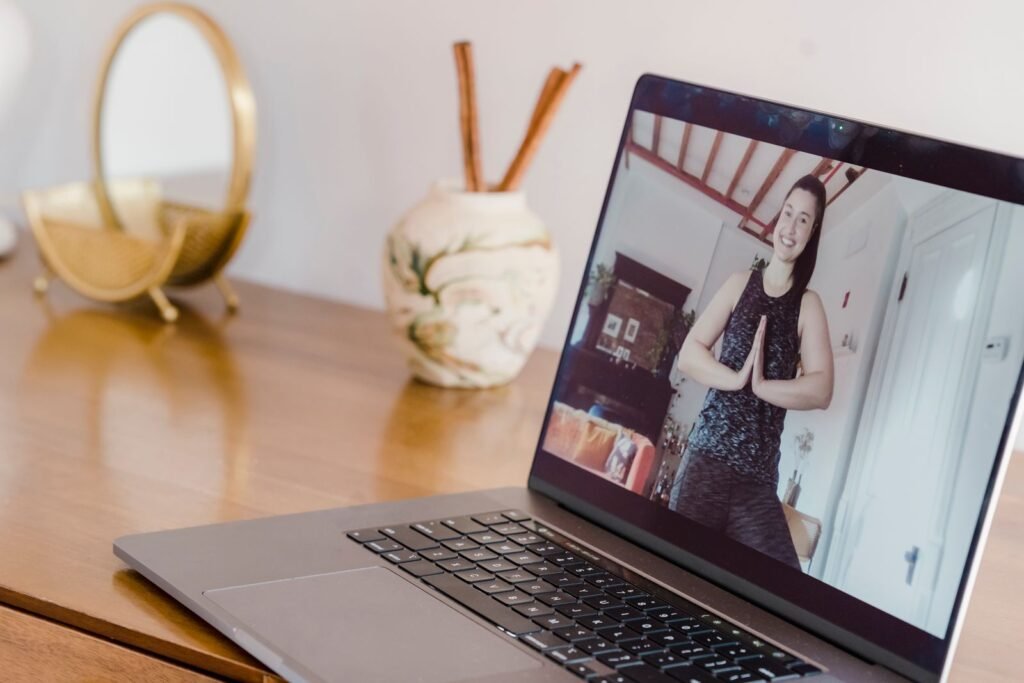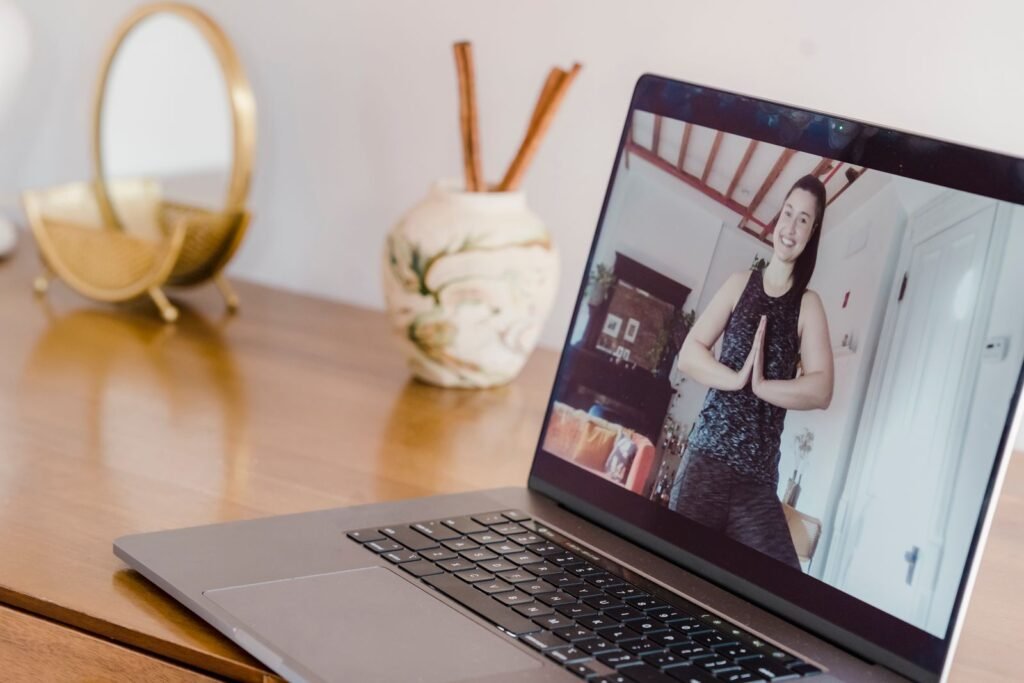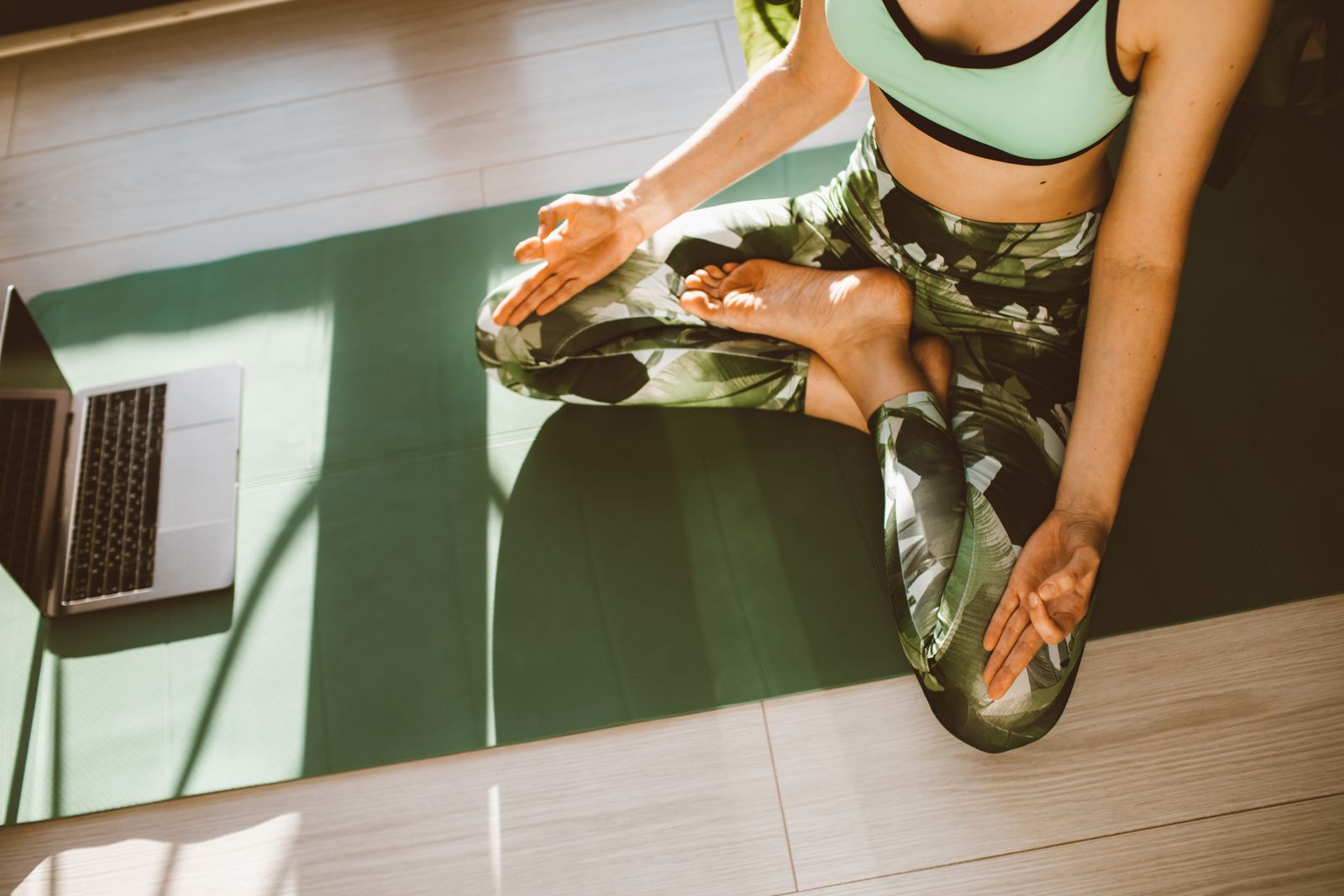
The best online yoga classes combine a certified, experienced instructor with live or structured sessions, clear progressions for your actual skill level, and real-time feedback on your form, not just a pre-recorded video you play and hope you’re doing correctly. The strongest options today mix live interactive classes (where a teacher can see and correct you) with on-demand libraries organized by style, duration, and goal, plus a community or accountability layer that keeps you practicing after the first week. Whether you want free beginner content, a structured program from India’s yoga lineages, or 1-1 personal coaching, the right choice depends on how much feedback and structure you personally need to stay consistent.
What Makes an Online Yoga Class Actually “Good”?
Quality in online yoga comes down to four things: instructor credibility, feedback loops, structure, and fit for your body. A good class is taught by someone with recognized training, commonly a 200-hour or 500-hour Yoga Alliance certification or an equivalent lineage-based certification from a recognized Indian institution, and explains alignment cues rather than just naming poses. Feedback loops matter because yoga is a physical practice; a class where an instructor can see you on camera and correct your downward dog or warrior pose alignment prevents injuries that a passive video cannot catch. Structure means classes build on each other week to week instead of being a random grab-bag, and fit means the pacing, language, and modifications match your actual body and experience, not an idealized student.
Live Classes vs On-Demand Videos: Which Should You Choose?
Live online yoga classes happen at a scheduled time with real-time instructor interaction, usually over video conferencing software, while on-demand videos are pre-recorded and available anytime. Here’s how the two formats compare:
| Factor | Live Classes | On-Demand Videos |
|---|---|---|
| Feedback | Real-time correction from an instructor | None, you self-monitor |
| Scheduling | Fixed time slot | Anytime, fits unpredictable schedules |
| Best for | Beginners, injury recovery, complex poses | Practitioners with an existing foundation |
| Session length | Usually 30-60 minutes | Flexible, from quick to full-length |
If you’re newer to yoga or recovering from an injury, live classes are worth the scheduling friction because incorrect alignment in poses like trikonasana or backbends can strain the lower back over time. If you already have a foundation and just want variety or a quick session, a strong on-demand library covering 10-minute yoga or 15-minute routines fits busy days better.
What Are the Best Free Online Yoga Classes?
Free online yoga classes are widely available and can be genuinely excellent for building a foundation, especially if you’re testing whether yoga fits your routine before committing to a paid program. The tradeoff is that free content is almost always pre-recorded and one-directional: no one is watching your form. Free classes work best for people practicing easy yoga poses, gentle stretching, or short daily sessions where injury risk is low. They work less well for anyone attempting deeper backbends, inversions, or arm balances like bakasana, where a small alignment error compounds quickly. A sensible approach is to start free to build a habit, then upgrade to live or 1-1 sessions once you’re attempting more advanced poses or specific therapeutic goals.
How Do the Best Online Yoga Classes in India Differ?
Online yoga classes rooted in Indian teaching lineages tend to emphasize the fuller tradition, not just the physical postures. That means more attention to pranayama (breathwork), the philosophical foundations covered in texts like the Bhagavad Gita, and ethical principles such as the yamas and niyamas. Instructors trained in India often teach in styles like Iyengar yoga, with its precise alignment focus and use of props, or classical Hatha yoga, which moves more slowly and holds poses longer than Western vinyasa-style flows. If you want yoga taught with cultural and philosophical context rather than purely as fitness, look specifically for instructors with training from recognized Indian yoga institutes, and confirm they teach in a language and pace that works for you, since some Indian-led online classes are bilingual or Hindi-first.
What Should Complete Beginners Look for in an Online Class?
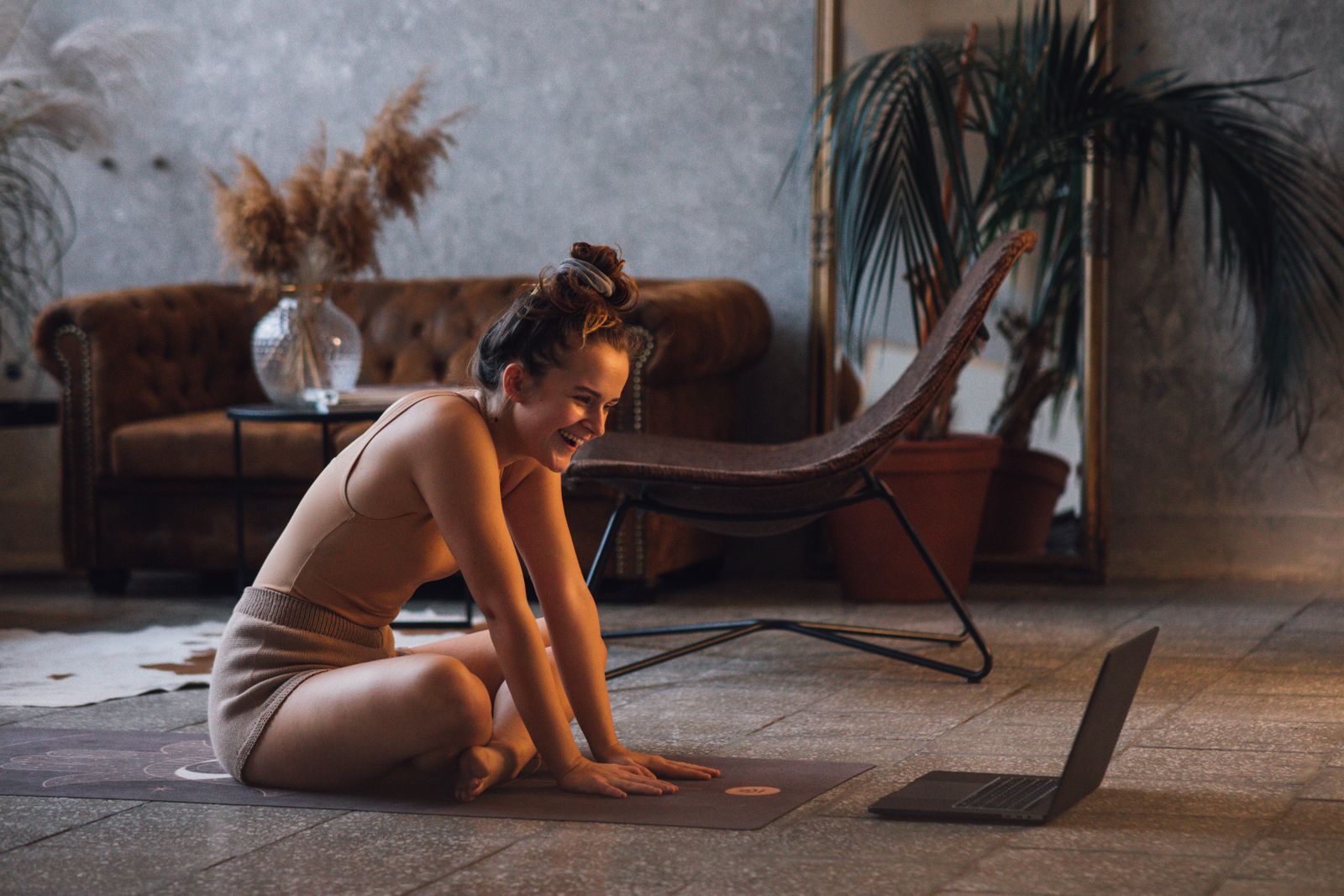
Beginners should prioritize classes explicitly labeled for beginners, with an instructor who demonstrates modifications rather than assuming you can already do the full expression of a pose. The best beginner-focused online yoga classes start with breath awareness, basic standing poses, and simple seated stretches before introducing anything like inversions or deep backbends. Look for a class that spends time on foundational poses such as tadasana (mountain pose), cat-cow, and child’s pose, and that explains why alignment matters rather than just showing it. A genuinely beginner-friendly program will also address common early mistakes; if a class never mentions what can go wrong, it’s likely aimed at an already-experienced audience despite the “beginner” label. For extra guidance, see our full breakdown of yoga mistakes to avoid.
How Much Should You Expect to Pay?
Pricing for online yoga spans a wide range depending on the level of personalization. Free content costs nothing but offers no feedback. Subscription-based on-demand libraries typically sit in a low monthly range and give you unlimited access to a video catalog. Live group classes cost more per session because you’re paying for a real instructor’s time split across a group. 1-1 personal online yoga coaching costs the most per session but delivers the highest value per hour, since the entire class is customized to your body, goals, and pace, and progress is far faster because every cue is specific to you rather than a generalized group instruction. If you have a specific goal, like recovering from back pain or preparing for a physically demanding event, the cost of 1-1 sessions is usually justified by how much faster and safer the results are.
Is 1-1 Personal Online Yoga Worth It Over Group Classes?
1-1 online yoga is worth it when you have a specific physical limitation, an injury history, or a goal that a generic group sequence won’t address. In a group class, the instructor has to teach to the average student in the room, which means modifications for your particular shoulder issue or hip tightness often get lost. In a 1-1 session, the entire hour is designed around your body: your instructor sees exactly how far your hamstrings allow you to fold, adjusts pacing in real time, and can build a multi-week progression targeting your specific goal, whether that’s managing anxiety, improving flexibility, or building strength safely after a long break from movement. Group classes remain excellent for motivation, community, and cost efficiency once you have a solid foundation.
What Yoga Styles Are Best Taught Online?
Some yoga styles translate better to a screen than others. Slower, alignment-focused styles like Hatha and Iyengar yoga work well online because the instructor has time to cue each adjustment clearly and you have time to actually make it before the next instruction. Flowing styles like vinyasa yoga and power yoga also work well for people who already know the poses, since the pace mirrors an in-studio class. Restorative and gentle styles, along with practices like yoga nidra, are particularly well suited to online formats since they require less physical correction and more verbal guidance. Styles that rely heavily on hands-on adjustment from a teacher, like some partner-assisted deep backbends, are harder to teach safely online and benefit most from a live format where the instructor can watch closely rather than a pre-recorded video.
Which Online Class Formats Support Specific Health Goals?
Online yoga classes increasingly specialize by health goal rather than just style, and matching the format to your goal matters more than the platform’s popularity. For stress and mental health, look for classes built around yoga for anxiety or general benefits of yoga for the nervous system, often combining gentle asana with pranayama. For physical pain, targeted online sequences exist for back pain and joint issues, usually taught more slowly with detailed alignment cues. For weight and fitness goals, more dynamic online classes built around power yoga or vinyasa flows raise heart rate more than restorative styles. Specialized populations, including prenatal yoga, yoga for seniors, and yoga for kids, are also widely available online, and these should always be taught by instructors with specific training in that population rather than general instructors improvising modifications.
How Do You Know If an Online Yoga Instructor Is Actually Qualified?
Check for a recognized certification, commonly a 200-hour or 500-hour credential from a body like Yoga Alliance, or training from a well-established Indian yoga institution if you’re specifically seeking traditional instruction. Beyond the certificate, look at how the instructor teaches: do they explain the “why” behind alignment cues, do they offer modifications for different body types and experience levels, and do they mention contraindications for people with injuries or conditions like high blood pressure or pregnancy? An instructor who only demonstrates the “ideal” version of a pose without acknowledging that most bodies need adjustments is a signal to look elsewhere, particularly if you’re managing a physical limitation or are new to the practice.
What Equipment Do You Actually Need for Online Yoga?
Most online yoga classes require minimal equipment to get started:
- A mat with enough grip to prevent slipping
- Comfortable clothing that allows full range of motion
- A device with a stable connection for video if you’re taking a live class
- A yoga block or two (optional) for support in poses where your hands don’t yet reach the floor
- A strap (optional) for poses requiring a longer reach, such as certain seated forward folds
- A sturdy, armless chair if you’re doing chair yoga or a seated practice
You don’t need a large room; a space roughly the size of your mat with enough overhead clearance for raised arms is sufficient.
How Do You Stay Consistent With an Online Yoga Practice?
Consistency is the single biggest predictor of whether online yoga delivers results, and it’s also the biggest challenge compared to attending an in-person studio, since there’s no physical commute forcing the habit. Scheduling live classes at a fixed time works better for most people than relying on on-demand content “whenever there’s time,” because a scheduled class creates external accountability. Starting with shorter sessions, like 10-minute or 15-minute routines, and building up gradually also improves adherence compared to committing to hour-long classes immediately. Pairing yoga with an existing habit, such as practicing right after your morning coffee or right before winding down at night, and tracking streaks are both practical ways to maintain a routine explored further in our guide to building a self-care yoga routine.
Should You Use a Yoga App or Live Online Classes?
Yoga apps and live online classes serve different needs and aren’t mutually exclusive. Apps excel at variety, letting you browse hundreds of short sessions by mood, duration, or focus area, and they’re ideal for solo practice on your own schedule. Live online classes excel at correction, accountability, and progression, since a real instructor tracks your development over weeks rather than treating each session as isolated. Many practitioners use both: an app or on-demand library for daily maintenance practice, and live classes weekly for deeper instruction and form correction. For a closer look at how yoga apps stack up, see our comparison of the best yoga apps available today.
What’s the Difference Between Online Yoga Classes and Studio Classes?
Online yoga classes remove the commute and let you practice in comfortable, private surroundings, which lowers the barrier to consistency for many people. Studio classes offer hands-on adjustments from an instructor walking the room and the social energy of practicing alongside others, which some people find more motivating. The biggest practical difference is feedback quality: even a well-run live online class relies on the instructor watching a video feed, which can miss subtle alignment issues a hands-on adjustment in a studio would catch instantly. If you’re searching for something closer to a studio experience without leaving home, prioritize live 1-1 or small-group formats over large on-demand libraries. You can compare formats further in our guide to online yoga classes generally, or search for online yoga classes near you if you want an instructor familiar with your local time zone and scheduling norms.
Questions People Ask About Best Online Yoga Classes
Are online yoga classes as effective as in-person classes?
Online yoga classes can be just as effective as in-person ones for building flexibility, strength, and stress relief, provided the class includes real feedback, either through live instructor interaction or careful self-monitoring using mirrors. The main gap is hands-on physical adjustment, which online formats can’t fully replicate, making careful attention to alignment cues especially important when practicing at home.
What is the best online yoga class for complete beginners?
The best beginner online yoga classes are explicitly labeled for beginners, move slowly through foundational poses, and explain modifications rather than assuming prior flexibility or strength. Look for instructors who address common early mistakes and build gradually from basic standing and seated poses before introducing more advanced sequences or transitions.
Can I learn yoga from free online classes alone?
Yes, free online classes can teach the basics of yoga effectively, especially gentle stretching and beginner sequences where injury risk is low. For more advanced poses, therapeutic goals, or persistent alignment questions, supplementing free content with at least occasional live or 1-1 instruction improves both safety and progress.
How long should an online yoga class be for beginners?
Beginners generally do well starting with 15 to 20 minute sessions, which are long enough to build a habit and see gradual improvement without becoming overwhelming or physically taxing. As comfort and strength increase, sessions can extend to 30 to 60 minutes, matching the length of most standard studio classes.
Do online yoga classes work for managing back pain?
Online yoga classes can help manage certain types of back pain when the sequence is specifically designed for that purpose and taught slowly with clear alignment cues, but they are not a substitute for medical advice. Anyone with a diagnosed spinal condition should consult a doctor or physical therapist before starting an online yoga program targeting back pain.
Is it better to take live classes or record my own practice for feedback?
Live classes generally offer faster feedback since an instructor can catch alignment issues as they happen, while recording your own practice and reviewing it works as a reasonable middle ground when live classes aren’t accessible. Many practitioners find combining both, live sessions periodically and self-review in between, builds awareness fastest.
Try This for Yourself
Reading about the best online yoga classes only goes so far; the fastest way to find out what actually works for your body is to try a session built around your specific goals and experience level. Explore FitStrot’s online yoga classes for live, instructor-led sessions with real-time feedback, whether you’re a complete beginner or working toward a specific health or fitness goal.
Related reading: best yoga apps, online yoga classes explained, finding online yoga classes near you, yoga for beginners, and FitStrot’s online yoga classes.