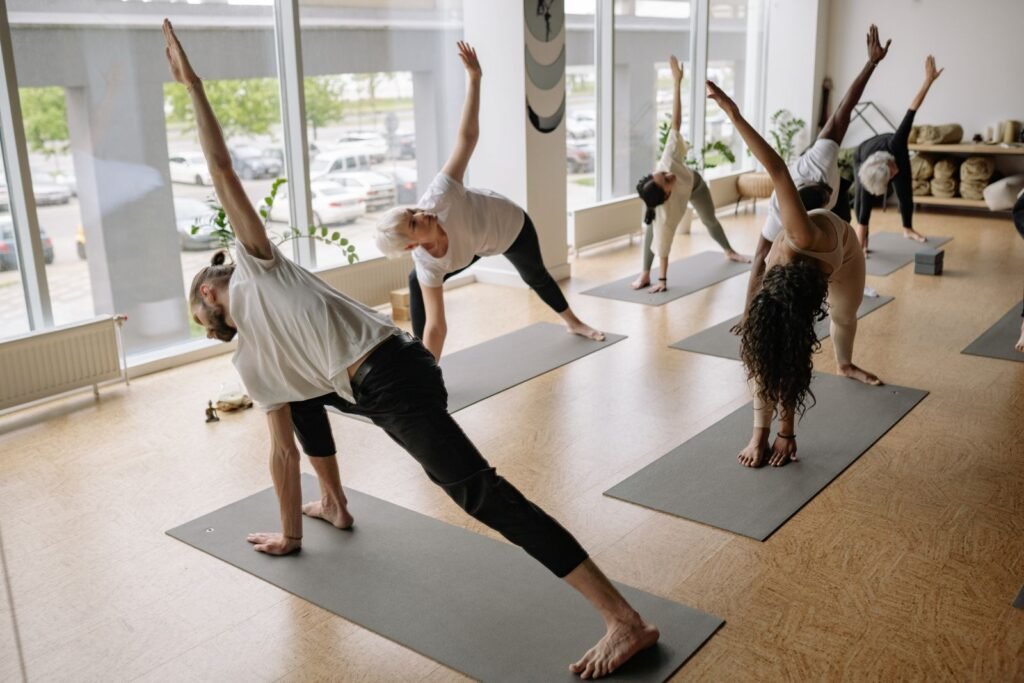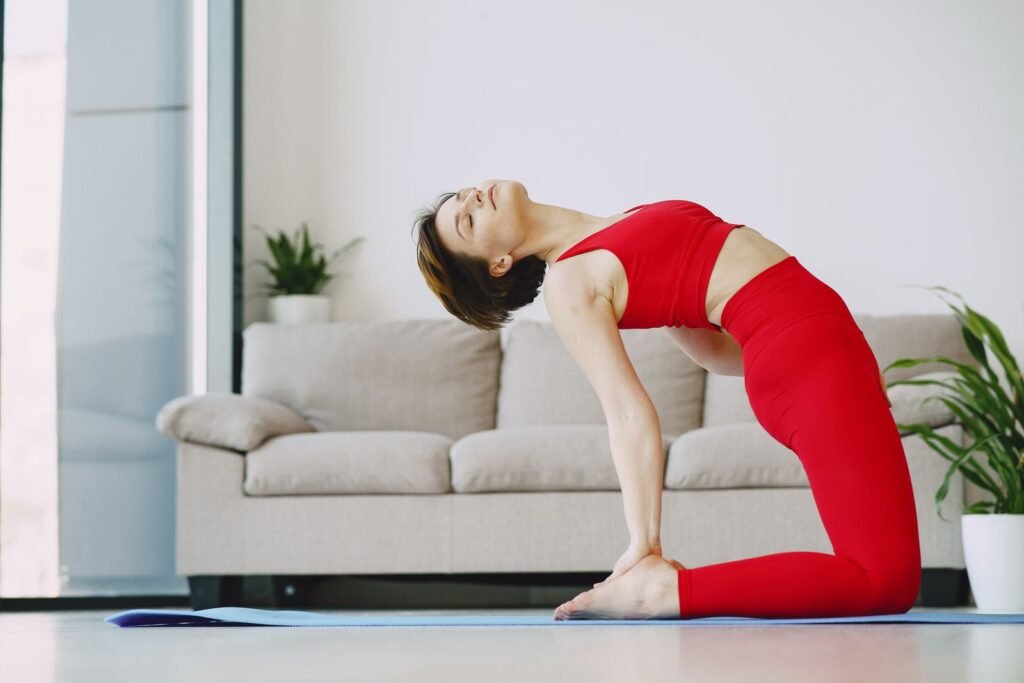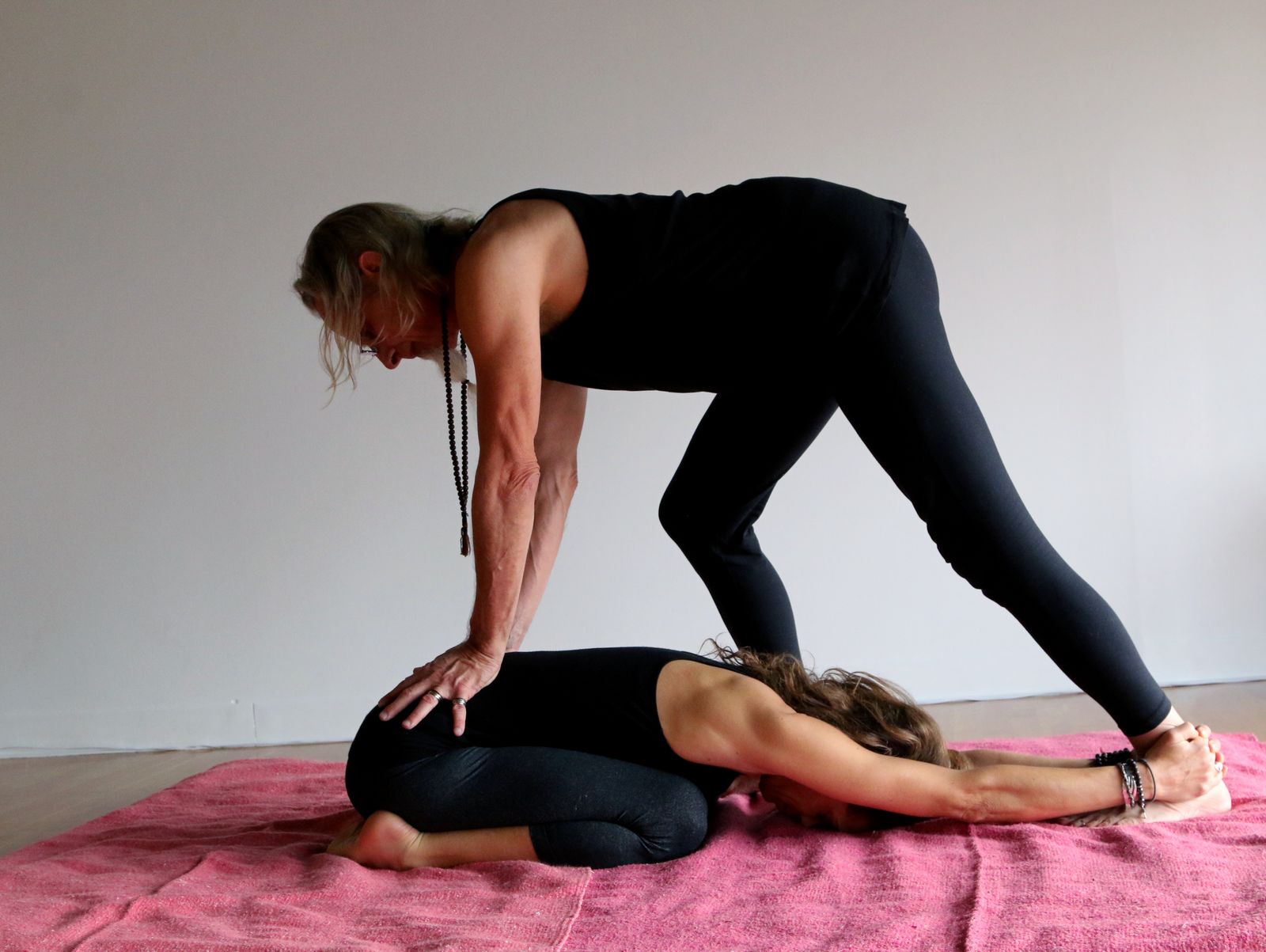
The most common yoga mistakes to avoid are holding your breath during poses, forcing flexibility instead of building it gradually, ignoring basic alignment cues, comparing your practice to others in the room, practicing on a full stomach, skipping warm-ups, and treating yoga as a competition rather than a personal practice. Each of these habits quietly works against the very things yoga is meant to give you: steadier breath, safer joints, and a calmer mind. The good news is that every one of them is fixable once you know what to look for, and small corrections early on tend to save people months of frustration, plateaued progress, or nagging injuries later. This guide walks through the mistakes that show up most often, especially for beginners and for people who practice mostly at home, and gives you clear, practical ways to fix each one.
Why Do Yoga Mistakes Matter More at Home?
When you practice in a studio, a teacher can see your knee drifting past your toes in a lunge or notice that you’re gripping your shoulders up around your ears. When you practice from a video or on your own, as many people exploring online yoga classes do, that feedback loop disappears. Small errors get repeated dozens of times a week, and repetition is exactly what turns a minor habit into a real pattern in the body. This doesn’t mean home practice is inferior to studio practice; it simply means self-awareness has to do more of the work a teacher would otherwise do. Learning to recognize these mistakes yourself, and building a short self-check into your yoga routine, is one of the most valuable skills you can develop if most of your practice happens on your own mat rather than in a group setting.
Are You Holding Your Breath During Poses?
This is arguably the single most common yoga mistake to avoid, and it happens almost automatically. As soon as a pose gets physically demanding, like a long-held Warrior II or a deep twist, the natural tendency is to brace and hold the breath, the same way you might hold your breath while lifting something heavy. In yoga, breath is not incidental; it’s the mechanism that signals your nervous system to stay in a parasympathetic, “rest and digest” state rather than a stress response. When you hold your breath, you’re effectively telling your body you’re under threat, which increases muscle tension and makes the pose feel harder than it needs to. The fix is simple to describe though it takes practice to master: keep an audible, even breath moving through the nose in every pose, a technique closely related to pranayama breathing, and if you notice you can’t breathe smoothly, that’s usually a sign to back off the intensity of the pose rather than push through it.
Are You Forcing Flexibility Instead of Building It?
Bouncing into a stretch, using bodyweight to force a deeper fold, or comparing your hamstring flexibility to someone else’s Instagram photo are all versions of the same mistake: treating flexibility as something to force rather than something that develops with consistent, gentle exposure. Muscles and connective tissue respond to steady, sustained stretch far better than to sudden or forceful stretch, and forcing a stretch too soon is a common cause of pulled hamstrings, strained lower backs, and irritated hip flexors in new practitioners, particularly around deep poses like flexibility-focused forward folds or splits. Props such as blocks and straps aren’t a sign you’re not “good enough” at yoga; they’re a legitimate way to meet your body where it currently is while still getting the full benefit of the pose. This patience pays off especially well if you’re building a morning yoga routine, where a slow, steady warm-up matters more than how deep any single pose looks.
Are You Ignoring Basic Alignment Cues?
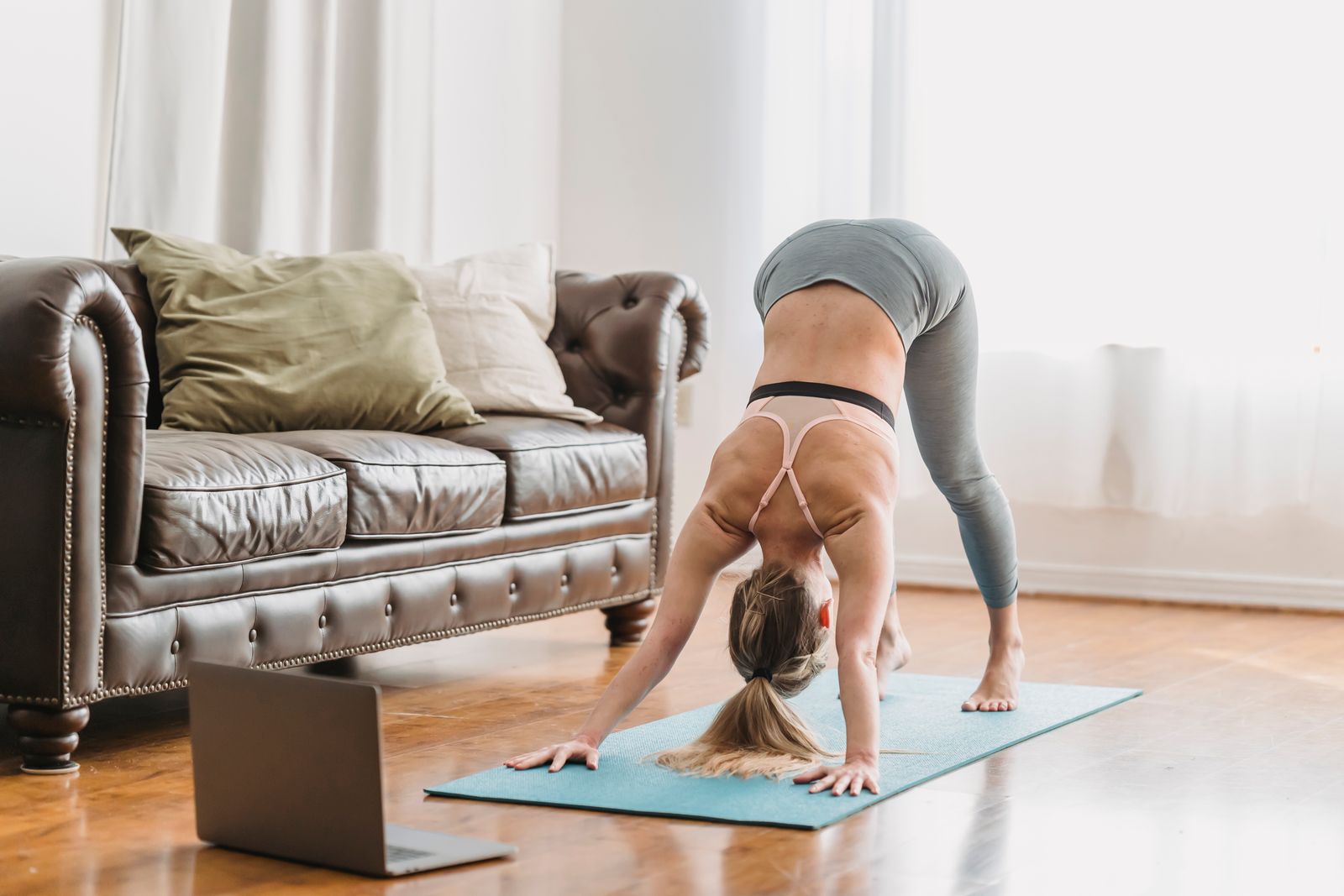
Alignment isn’t about looking a certain way in a pose for aesthetic reasons; it’s about distributing load through joints in a way that’s sustainable over years of practice, not just one class. A few alignment mistakes come up again and again:
- Front knee collapsing inward in lunges and Warrior poses
- Hyperextending the elbows in plank or Downward Dog
- Rounding the lower back in forward folds instead of hinging from the hips
- Letting the knee travel past the ankle in a deep lunge
None of these will necessarily hurt you the first time, but repeated over hundreds of sessions, they can contribute to knee strain, wrist discomfort, or lower back irritation. A useful habit is to periodically record yourself or practice in front of a mirror during your first few weeks, simply to see what your body is actually doing versus what you assume it’s doing, since the two are often surprisingly different.
Are You Skipping the Warm-Up?
Jumping straight into deep backbends, splits, or inversions without warming up the spine, hips, and shoulders first is a mistake that’s easy to make when time is tight, especially in a short home session. Cold muscles and stiff joints don’t move the same way warm ones do, and pushing a cold body into a deep stretch is a much more likely path to strain than doing the same stretch after five to ten minutes of gentle movement. A simple warm-up sequence of Cat-Cow, gentle spinal twists, hip circles, and a few rounds of Sun Salutations is usually enough to prepare the body for a more demanding practice, and it’s worth treating as non-negotiable rather than optional, even on days when you’re short on time. This is especially relevant if you’re deciding on the best time to do yoga for your schedule, since early morning sessions in particular tend to start with a stiffer body that needs a bit more warming up than an evening practice would.
Are You Practicing on a Full Stomach?
Twists, deep forward folds, and inversions all compress the abdominal area, and doing them shortly after a large meal is uncomfortable at best and can lead to nausea or cramping at worst. Most yoga traditions recommend practicing on a relatively empty stomach, generally leaving two to three hours after a full meal before a vigorous practice, though a very light snack an hour or so beforehand is usually fine if you need the energy. This is a small, practical mistake to avoid, but it’s one that quietly discourages a lot of beginners who assume the discomfort means yoga “isn’t for them,” when really it just means the timing needs adjusting.
Are You Comparing Your Practice to Others?
Whether it’s the person on the next mat in a studio class or an instructor in an online video, comparing your range of motion, balance, or strength to someone else’s is one of the most psychologically damaging habits in yoga, because bodies differ enormously in bone structure, joint mobility, past injuries, and years of practice. Someone with naturally more open hips will always fold deeper in a forward bend than someone with tighter hip flexors, regardless of effort, and that’s simply anatomy rather than a reflection of how “good” either person is at yoga. This comparison mistake is worth naming explicitly because it’s one of the main reasons people quit yoga early, concluding they’re “not flexible enough” for a practice that was never meant to be judged by depth of pose in the first place. If you’re weighing yoga vs gym training as a long-term choice, know that yoga’s non-competitive, individualized nature is actually one of its defining strengths, not a weakness to work around.
Are You Using the Wrong Mat or No Props at All?
A yoga mat that’s too thin, too slick, or worn out can quietly undermine an entire practice by making balance poses harder than they should be and increasing the risk of a slip in Downward Dog or a lunge. On the other side of this mistake, many beginners avoid using blocks, straps, or a bolster entirely because they see props as a sign of weakness, when experienced practitioners use them regularly to refine alignment in advanced poses. A block under the hand in a triangle pose, or a strap looped around the foot in a seated forward fold, doesn’t make the pose “easier” in a bad sense; it makes the pose correct for your current body, which is exactly the point.
Are You Overdoing Backbends and Inversions Too Soon?
Deep backbends like Wheel Pose and inversions like headstand or shoulder stand are genuinely advanced actions that place significant load on the spine, neck, and shoulders, and attempting them before building adequate core, shoulder, and back strength is a common cause of yoga-related strain. These poses aren’t off-limits to beginners forever, but they belong later in a progression, built up through preparatory poses like Bridge Pose, Cobra, and supported shoulder work over weeks or months rather than attempted cold in an early class. If you’re unsure whether a pose is appropriate for your current level, a good rule of thumb is that if you need to brace or strain to get into it, your body isn’t ready for it unsupported yet.
Are You Neglecting Rest Days and Recovery?
Yoga has a reputation as a gentle practice, which leads some people to assume it doesn’t require rest days the way running or weight training does. In reality, more demanding styles like Vinyasa yoga or Power Yoga place real demands on muscles and connective tissue, and daily intense practice without any lighter or restorative days can lead to overuse strain, particularly in the wrists, shoulders, and lower back. Building at least one or two lighter days into a weekly routine, whether that’s gentle stretching, restorative yoga, or simply rest, tends to produce steadier long-term progress than practicing hard every single day without a break.
Are You Choosing the Wrong Style for Your Goals?
Not every yoga style suits every goal, and mismatching the two is a subtler mistake that shows up as frustration rather than injury. Someone hoping to build strength and stamina who only ever practices slow, restorative yoga may feel like “yoga isn’t working,” while someone looking for deep relaxation who keeps choosing fast-paced Power Yoga may end up more wound up than when they started. Understanding the different types of yoga available, from Hatha and Yin to Ashtanga and Vinyasa, makes it much easier to match your practice to what you actually want out of it, whether that’s flexibility, strength, stress relief, or a combination of all three.
Are You Ignoring Pain Signals?
There’s an important difference between the mild discomfort of a stretch, sometimes described as a “good” ache, and sharp, shooting, or joint-level pain, and confusing the two is a mistake that can turn a minor tweak into a lasting injury.
| Normal Stretch Sensation (“Good” Ache) | Warning Sign (Stop and Modify) |
|---|---|
| Mild tension in the belly of a muscle | Sharp or shooting sensation in a joint |
| Eases within a few minutes of leaving the pose | Lingers well after the practice session |
| Feels the same or slightly easier with repetition | Gets worse each time you attempt the pose |
Any pain that lingers or worsens with repetition is a clear signal to modify the pose, use props, or skip it altogether, and to consult a professional if it persists. Pushing through joint pain in the belief that “yoga doesn’t hurt” is one of the more damaging misconceptions floating around casual conversations about the practice.
How Yoga Mistakes Differ From Mistakes in Other Workouts
If you’re comparing yoga vs exercise more broadly, it’s worth noting that yoga mistakes tend to be quieter and slower to show consequences than mistakes in, say, heavy weightlifting or high-impact cardio. A poor lifting mistake often causes immediate, obvious strain, while a yoga alignment mistake might only become a problem after months of repetition. This makes self-awareness, rather than just intensity control, the more important skill in yoga specifically, and it’s part of why beginners benefit so much from guided instruction, whether through a live teacher or a well-structured online class, in the early months of practice.
Questions People Ask About Yoga Mistakes
What is the most common mistake beginners make in yoga?
Holding the breath during challenging poses is widely considered the most common beginner mistake. It happens instinctively when a pose feels demanding, but it works against yoga’s core purpose of calming the nervous system. Practicing a slow, audible breath through the nose in every pose, and easing off intensity whenever breathing becomes strained, addresses this mistake directly.
Can yoga mistakes cause injury?
Yes, though most yoga injuries develop gradually rather than suddenly. Repeated poor alignment, forcing flexibility, or skipping warm-ups can contribute to strain in the knees, wrists, shoulders, and lower back over weeks or months of practice. Injuries are far less common when practitioners prioritize alignment, breath, and gradual progression over depth or speed.
Is it a mistake to use props like blocks and straps?
No, using props is not a mistake, and avoiding them often is. Blocks, straps, and bolsters help align the body correctly for its current flexibility and strength level, and experienced practitioners use them regularly. Skipping props to force a “fuller” version of a pose is actually one of the more common mistakes beginners make.
How soon after eating should I avoid practicing yoga?
Most guidance suggests waiting roughly two to three hours after a substantial meal before a vigorous yoga session, since twists, folds, and inversions compress the abdomen. A light snack about an hour beforehand is generally fine if you need energy for the practice.
Should beginners avoid backbends and inversions?
Beginners don’t need to avoid these poses forever, but attempting deep backbends or inversions before building adequate core, shoulder, and back strength is a common and avoidable mistake. Building up gradually through preparatory poses over several weeks is a safer approach than attempting an advanced pose unsupported early on.
How do I know if I’m practicing yoga correctly at home?
Recording yourself occasionally, checking alignment against a mirror, and paying close attention to whether your breath stays smooth and even throughout a pose are all practical ways to self-check without a teacher present. If a pose consistently causes sharp pain rather than mild tension, that’s a sign to modify it or seek guidance from an instructor.
Try This for Yourself
Reading about yoga mistakes is useful, but the fastest way to actually correct them is with real-time feedback from a qualified instructor who can watch your alignment and breath as you move. If you’d like personalized guidance to build a safe, effective practice from the start, explore FitStrot’s online yoga classes and get expert correction built right into your routine.
Related reading: Morning Yoga, Yoga vs Gym, Best Time to Do Yoga, Yoga vs Exercise, and FitStrot’s Online Yoga Classes.