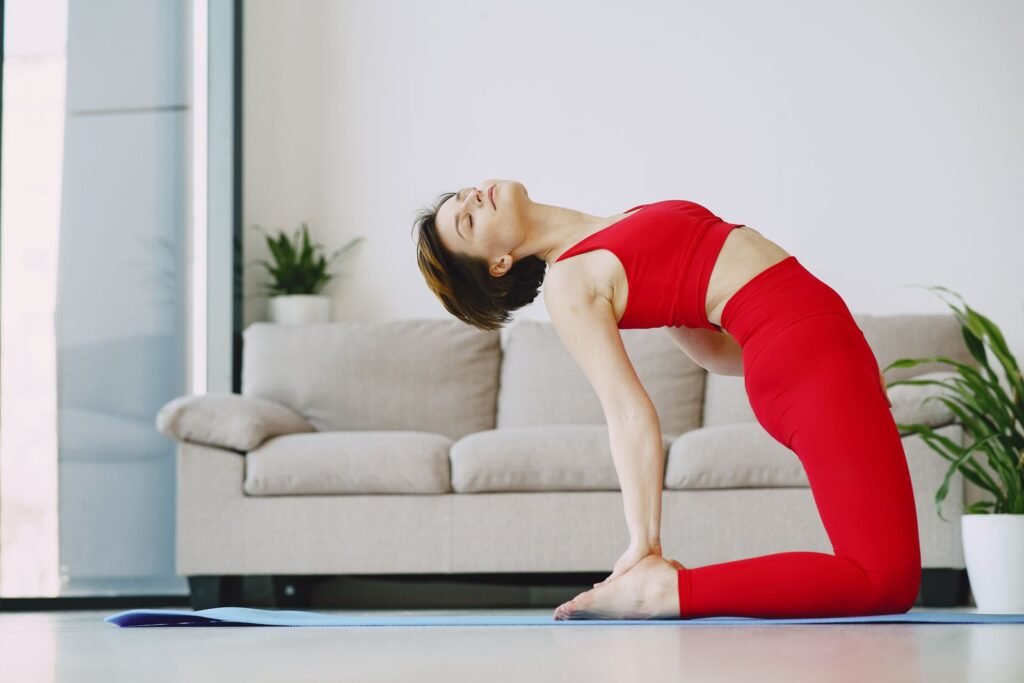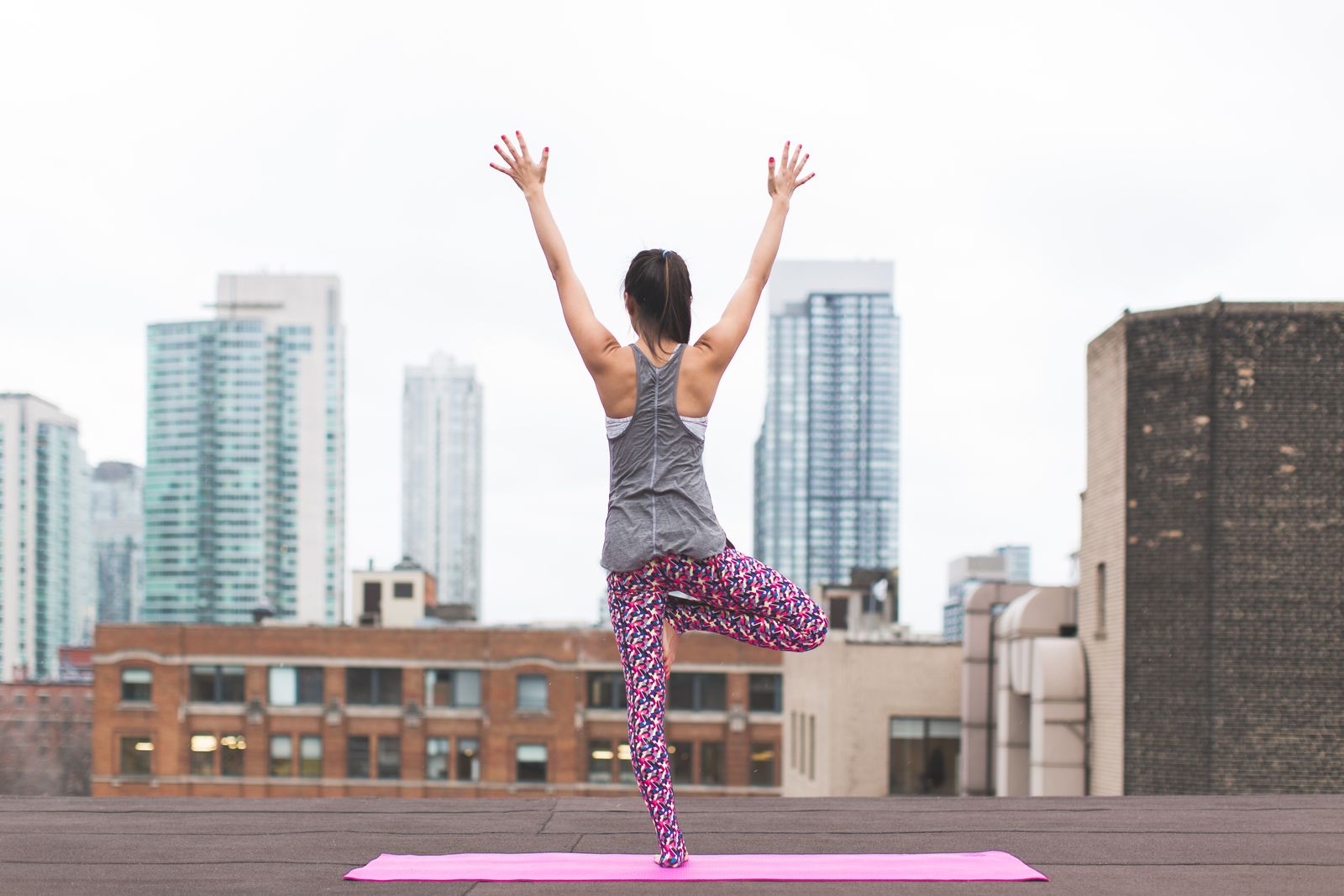
Yoga for back pain works by combining gentle spinal mobilization, targeted stretching of the muscles that support the lower back, and slow, controlled strengthening of the core and hips. For most people with non-specific low back pain, a short daily practice of poses like Cat-Cow, Child’s Pose, Sphinx Pose, and Supine Twist reduces stiffness and muscle tension within a few weeks. Research reviewed by the American College of Physicians recommends yoga as a first-line, non-drug option for chronic low back pain, alongside exercise and physical therapy. The key is moving slowly, avoiding deep twists combined with forward bends, and stopping short of sharp pain rather than pushing through it.
Why Does Yoga Help With Back Pain?
Back pain is rarely caused by one single structure failing. More often it’s a combination of tight hip flexors, weak deep core muscles, stiff thoracic spine, and poor movement habits that overload the lumbar spine. Yoga addresses several of these at once. Poses like Cat-Cow mobilize each vertebral segment individually, which restores the small rocking movements the spine is designed to make. Hip-opening postures such as Pigeon Pose release tension in the hip flexors and glutes that otherwise pull on the pelvis and strain the lower back. Slow, breath-led movement also calms the nervous system, and a calmer nervous system tends to lower muscle guarding, which is the protective tightening that often makes back pain worse. A 2022 systematic review referenced by the National Center for Complementary and Integrative Health found yoga produced modest but real improvements in back-related function and pain compared with no exercise at all, and multiple reviews have found its effects broadly comparable to standard physical therapy.
What Are the Best Yoga Poses for Back Pain?
Not every pose belongs in a back pain routine, and sequencing matters as much as the poses themselves. The most consistently recommended postures are:
- Cat-Cow (Marjaryasana-Bitilasana): On hands and knees, alternate arching and rounding the spine to warm up the entire back.
- Child’s Pose (Balasana): A resting stretch that gently lengthens the lower back and relieves compression.
- Sphinx Pose: A low backbend on the forearms that builds gentle extension strength without straining the lumbar spine.
- Supine Twist: Lying on your back with knees dropped to one side, this releases tension along the spine without loading it.
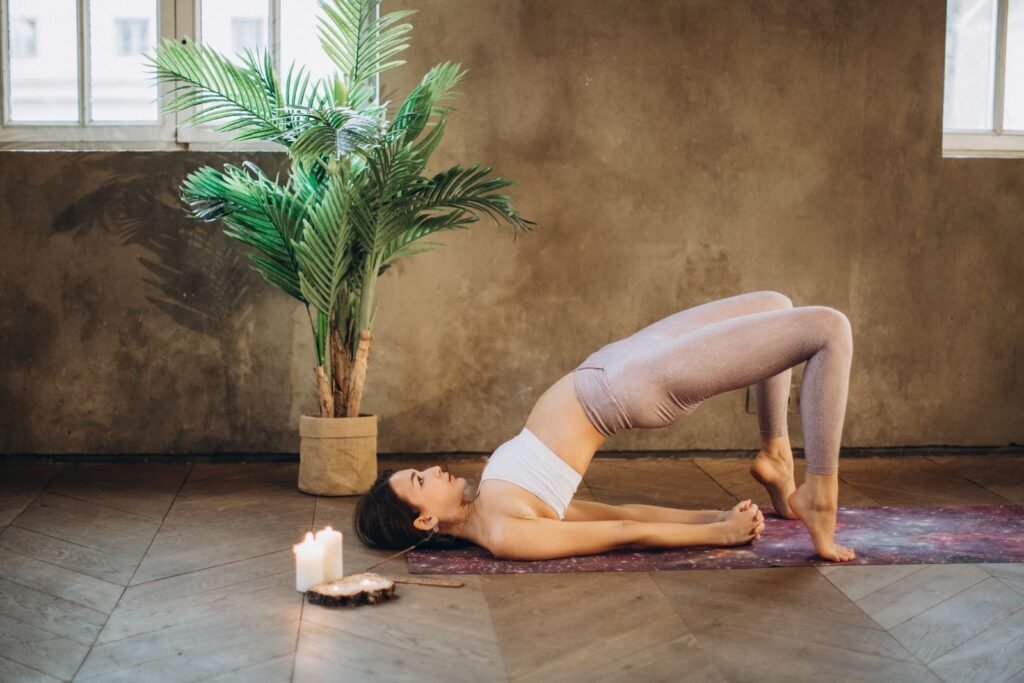
- Bridge Pose (Setu Bandhasana): Strengthens the glutes and hamstrings, which take pressure off the lower back when they’re doing their job properly.
- Legs-Up-The-Wall (Viparita Karani): A fully passive pose that decompresses the spine and calms the nervous system.
For a full breakdown of sequencing and hold times, see our dedicated guide to yoga for lower back pain, which walks through a 20-minute routine pose by pose.
Is Yoga Safe If You Have a Herniated Disc or Sciatica?
Yoga can be safe and helpful for many people with disc-related pain and sciatica, but it needs modification. Harvard Health’s guidance on safe yoga practice for back pain specifically warns against combining twisting and extending movements at the same time, since that combination can compress spinal joints and irritate an already-inflamed disc. If you have a diagnosed herniated disc, spinal stenosis, or radiating leg pain, avoid deep forward folds that round the spine aggressively, skip full wheel and deep backbends until a professional has cleared you, and favor gentle extension poses like Sphinx over full Cobra. Always tell your instructor about your specific diagnosis before class, and get clearance from your doctor or physiotherapist first if you have a structural spine condition, recent surgery, or a fracture. Sciatica in particular often responds well to gentle nerve-gliding movements combined with hip-opening poses, since tight piriformis muscles frequently contribute to nerve compression.
How Often Should You Practice Yoga for Back Pain Relief?
Consistency beats intensity when it comes to yoga for back pain relief. Clinical yoga programs studied in trials for chronic low back pain commonly used sessions of 60-90 minutes, once or twice a week, over a period of around 12 weeks. But for everyday relief, a shorter daily practice of 15-20 minutes tends to work better for most people than one long weekly class, because the spine responds well to frequent, gentle movement rather than infrequent, intense stretching. If you’re new to a back-focused practice, start with three sessions a week and build toward daily practice as your body adapts. Morning sessions help work through the stiffness that accumulates overnight, while evening sessions can help release tension built up from a day of sitting or standing.
What Is Therapeutic Yoga for Back Pain?
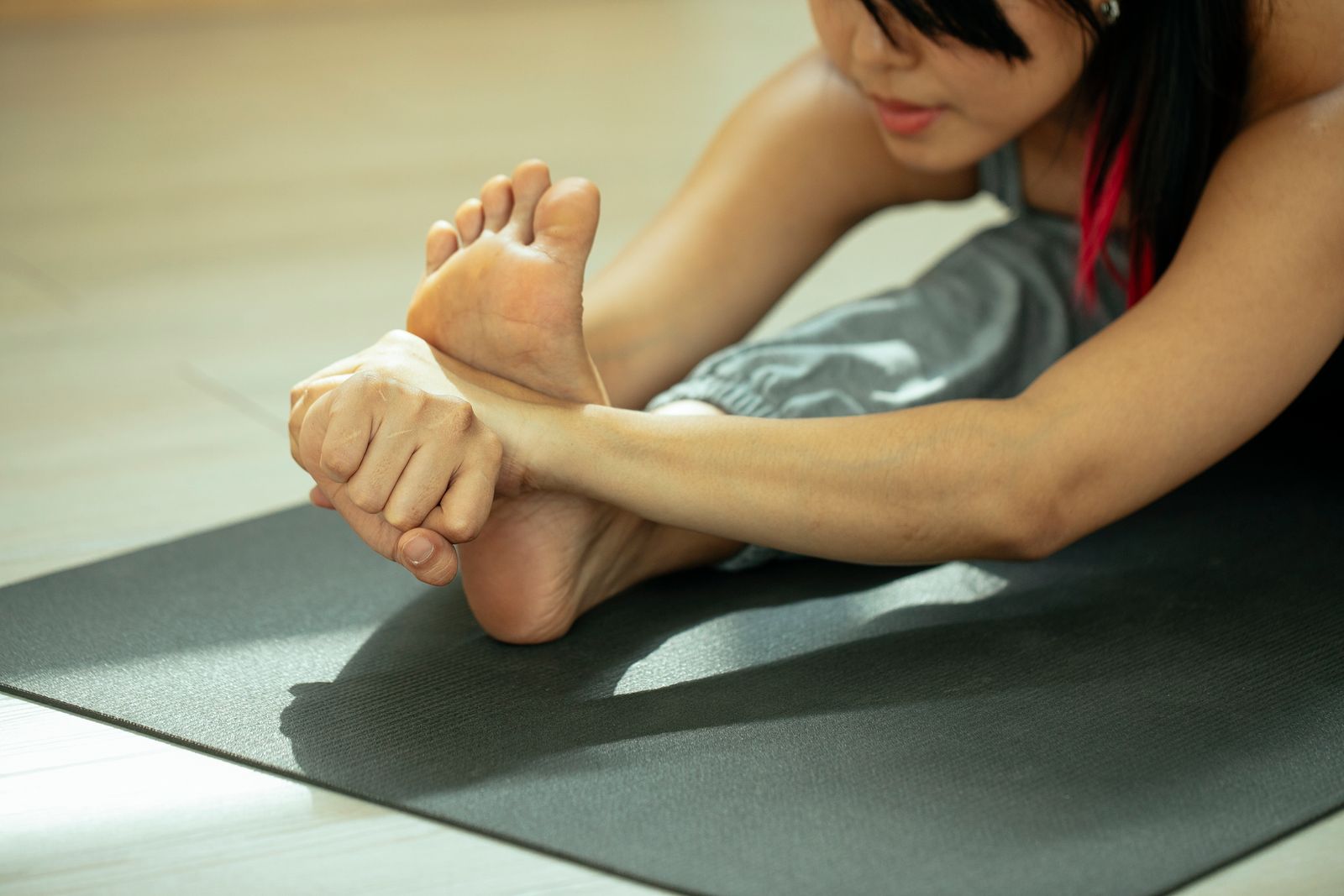
Therapeutic yoga is a more clinical, individualized approach that adapts traditional postures to a person’s specific diagnosis, working closely with the guidance a physical therapist or a yoga therapist trained in medical applications would give. Rather than following a standard class sequence, therapeutic yoga starts with an assessment of which movements provoke pain and which relieve it, then builds a small, personalized set of poses around that. It typically uses more props, including bolsters, blocks, straps, and walls, to reduce load on the spine while still training the surrounding muscles. This approach is especially useful for people managing chronic conditions such as degenerative disc disease, spondylolisthesis, or post-surgical recovery, where a generic class sequence could aggravate the injury. If your pain has lasted longer than three months or has a clear structural diagnosis, therapeutic yoga delivered one-on-one is generally a safer starting point than a group class.
Can Hatha Yoga Help With Back Pain?
Hatha yoga is often the best entry point for back pain because of its slower pace and longer holds compared to faster-flowing styles. Poses are typically held for several breaths rather than transitioned through quickly, which gives you time to check alignment and back off before you reach a painful range. Because hatha classes usually include more instruction and fewer rapid transitions, there’s less risk of moving into a compromising position under momentum. If you’re choosing between styles for back pain specifically, hatha and gentle restorative classes are safer starting points than power yoga or fast-paced vinyasa yoga, both of which can involve quick spinal loading that isn’t ideal while you’re still building core stability.
How Does Yoga for Back Pain Differ From Yoga for Neck Pain?
Back pain and neck pain often share root causes, particularly poor posture and prolonged sitting, but the corrective poses differ in emphasis. Yoga for back pain and neck pain together typically combines lower-spine mobilization, such as Cat-Cow and Child’s Pose, with upper-back and shoulder work, since a rounded upper back and forward head posture place chronic strain on both the neck and the lower back as compensation. Poses like Thread the Needle and gentle shoulder rolls address the neck and upper back specifically, while Sphinx Pose and Bridge Pose continue to support the lumbar spine. If your pain spans both regions, look for a routine that treats the spine as one connected system rather than two separate problems, since tightness in one area frequently transfers strain to the other. Our dedicated guide to yoga for neck pain covers the upper-body side of this in more depth.
Can Yoga Help When Back Pain Radiates Into Your Leg?
Yoga for back pain and leg pain requires extra caution because radiating leg pain often signals nerve involvement, most commonly from sciatica or a disc issue pressing on a nerve root. In these cases, poses that stretch the piriformis and hamstrings gently, such as a supported Pigeon Pose or a reclined figure-four stretch, can relieve pressure on the sciatic nerve. However, deep forward folds and aggressive hamstring stretches can sometimes worsen nerve-related leg pain rather than help it, so the guidance here is more individualized than for general back stiffness. If numbness, tingling, or weakness accompanies the leg pain, see a doctor before starting any new stretching routine, since these can be signs that need clinical evaluation rather than home practice alone.
Is Yoga Safe During Pregnancy for Back Pain?
Pregnancy yoga for back pain is one of the most searched and most misunderstood topics in this space, largely because the guidance changes by trimester. As pregnancy progresses, the growing uterus shifts your center of gravity forward, and the hormone relaxin loosens ligaments throughout the pelvis and spine, which together commonly contribute to lower back and pelvic girdle pain. Gentle prenatal yoga for back pain during pregnancy typically avoids deep twists, prone poses lying on the belly, and anything that involves lying flat on the back for extended periods after the first trimester, since this position can compress a major blood vessel. Safe alternatives include supported Cat-Cow on hands and knees, wide-legged Child’s Pose modified to make room for the belly, seated side stretches, and Legs-Up-The-Wall with a slight side lean. Always practice with an instructor experienced in prenatal modifications, and read our full guide on prenatal yoga for trimester-specific sequencing.
What Does Yoga for Back Pain in Hindi-Speaking Communities Typically Include?
Search interest in yoga for back pain in Hindi reflects how deeply traditional Indian yoga therapy already addresses this exact concern, often searched under phrases like “kamar dard ke liye yoga.” Traditional sequences frequently taught in India for back and waist pain include Bhujangasana, or Cobra Pose, Makarasana, or Crocodile Pose, and Marjariasana, or Cat Pose, often combined with pranayama breathing practices to reduce the stress-related muscle tension that frequently accompanies chronic pain. These postures overlap closely with what Western physical therapy now recommends for lower back pain, which isn’t a coincidence: many contemporary evidence-based back care programs draw directly from classical hatha yoga sequencing. If you’re looking for instruction in Hindi, prioritize the same safety principles covered throughout this article: slow movement, no combined twist-and-bend positions, and stopping at the first sign of sharp pain regardless of the language the class is taught in.
What Breathing Techniques Support Back Pain Relief?
Breath work is an underused part of most back pain routines, but it directly affects how much tension your muscles hold. Diaphragmatic breathing, where the belly expands on the inhale rather than the chest and shoulders lifting, activates the deep core muscles that stabilize the lumbar spine, including the transverse abdominis. Practicing slow diaphragmatic breathing for five to ten minutes before a yoga session can reduce the guarding response that makes stretches feel tighter and less effective. Pairing breath with movement, inhaling to lengthen the spine and exhaling to deepen a stretch, is a core principle across yoga styles and is especially valuable in restorative yoga, where poses are held for several minutes and breath becomes the primary tool for release. Our broader guide to pranayama breathing techniques covers additional practices worth pairing with a back-focused routine.
What Mistakes Make Back Pain Worse During Yoga?
Several common errors turn a potentially helpful practice into one that aggravates pain. Rushing into deep forward folds without warming up the hamstrings and lower back first is one of the most frequent mistakes, since cold muscles resist stretching and the spine compensates by rounding excessively. Combining a twist with a forward bend, as Harvard Health specifically cautions against, is another common error that can compress spinal discs. Holding your breath during challenging poses increases intra-abdominal pressure unevenly and tends to increase muscle tension rather than release it. Comparing your flexibility to other students in a class, rather than working within your own pain-free range, is a subtler but very common mistake that leads people to push past the point where a stretch stops helping and starts causing micro-strain. Finally, skipping cool-down poses like Child’s Pose or Legs-Up-The-Wall means the nervous system doesn’t get the signal to fully relax, which can leave muscles more guarded after class than before it.
How Does Yoga Compare to Other Treatments for Back Pain?
Clinical reviews, including a 2022 Cochrane review, have found that yoga produces effects broadly comparable to other forms of back-related exercise and physical therapy at the three-month mark, rather than being clearly superior or inferior. This matters practically: yoga isn’t a replacement for physical therapy when you have a specific structural diagnosis, but it’s a legitimate, evidence-supported option alongside it, particularly because it also addresses the stress and sleep disruption that often accompany chronic pain. Compared with pain medication, yoga carries no drug interactions and no dependency risk, which is part of why the American College of Physicians lists it among first-line recommendations before medication for chronic low back pain. It’s also frequently combined with other movement practices; many people managing back pain alongside excess weight find that pairing a back-focused practice with a broader routine, such as our guide to yoga for weight loss, addresses both the mechanical load on the spine and the muscular support around it.
Which Other Conditions Often Accompany Back Pain?
Back pain rarely travels alone, and addressing related conditions often accelerates relief. Poor circulation and prolonged standing can contribute to varicose veins, which share some of the same postural and lifestyle risk factors as chronic back strain. Tension headaches and migraine frequently co-occur with upper back and neck tightness, since the muscles connecting the base of the skull to the shoulders are part of the same chain implicated in poor posture. Digestive discomfort and poor sleep are also commonly reported alongside chronic back pain, both of which respond to the same nervous-system-calming poses used for back relief, such as Legs-Up-The-Wall and supported Child’s Pose. Treating the whole picture, rather than isolating the back as a single problem, tends to produce more durable results. Our guide to the general benefits of yoga covers how this whole-body approach plays out across many common conditions.
What Should a Beginner’s First Week of Back-Pain Yoga Look Like?
Start small and prioritize consistency over intensity in your first week. Days one and two: ten minutes of Cat-Cow, Child’s Pose, and gentle Knees-to-Chest, done slowly with attention to breath. Days three and four: add Sphinx Pose and Supine Twist, still keeping the session under fifteen minutes. Days five and six: introduce Bridge Pose to begin building the glute and hamstring strength that supports the lower back, and finish every session with Legs-Up-The-Wall for two to three minutes. Day seven: rest, or repeat a gentle ten-minute sequence if your body feels good. If you experience any sharp, shooting, or radiating pain at any point, stop immediately, since that’s different from the mild stretching sensation yoga should produce, and it warrants a conversation with a physical therapist or physician before continuing. For newcomers to yoga generally, our overview of the types of yoga and a guide built specifically for yoga for beginners are useful starting points before committing to any single style.
Questions People Ask About Yoga for Back Pain
Can yoga make back pain worse?
Yes, if poses are done too quickly, without warming up, or by combining a twist with a forward bend. Yoga can aggravate back pain in people with undiagnosed disc issues or spinal instability. The fix isn’t avoiding yoga altogether but slowing down, using props, and choosing gentle styles like hatha or restorative yoga over fast-paced vinyasa until your back is stronger.
How long does it take for yoga to relieve back pain?
Many people notice reduced stiffness within one to two weeks of daily gentle practice, though clinical trials studying yoga for chronic low back pain typically measured meaningful improvements in function and pain over roughly 12 weeks. Consistency matters more than any single session, so expect gradual, cumulative improvement rather than instant relief.
What is the best yoga pose to start with for back pain?
Cat-Cow is widely considered the best starting pose because it moves the entire spine gently through flexion and extension without loading it, making it appropriate for almost every level of back pain. Child’s Pose is a close second as a resting, decompressing stretch that most people tolerate well.
Can I do yoga for back pain every day?
Yes, a short daily practice of 15-20 minutes is generally safer and more effective than one long weekly session, since the spine responds well to frequent, gentle movement. Just avoid pushing into new, more intense stretches every single day, and allow your body to adapt gradually.
Do I need special equipment to start yoga for back pain?
No special equipment is required, though a yoga mat, one or two blocks, and a bolster or firm pillow make many poses more accessible and safer, particularly for beginners with limited flexibility. Props reduce the range you need to reach into a pose, which lowers the risk of straining an already sensitive back.
Should I see a doctor before starting yoga for back pain?
If your pain has lasted more than a few weeks, radiates into a leg, or is accompanied by numbness, tingling, or weakness, see a doctor or physical therapist before starting. For general, non-specific muscle stiffness, gentle beginner sequences are usually safe to try, but stop immediately if any movement causes sharp pain.
Try This for Yourself
Reading about back-pain yoga only goes so far; the relief comes from consistent, guided practice tailored to your body. FitStrot’s online yoga classes pair you with instructors who can adjust poses in real time for your specific pain pattern, whether that’s general stiffness, sciatica, or pregnancy-related discomfort, so you’re not guessing your way through a generic routine alone.
Related reading: yoga for lower back pain, yoga for migraine, yoga for varicose veins, yoga for weight loss, and FitStrot’s online yoga classes.