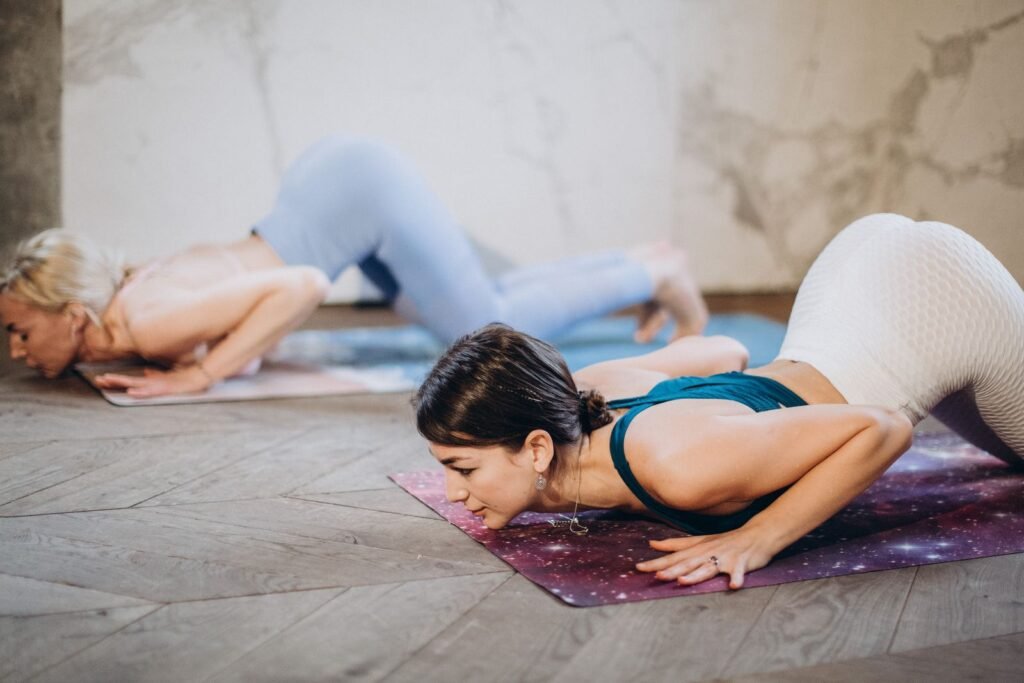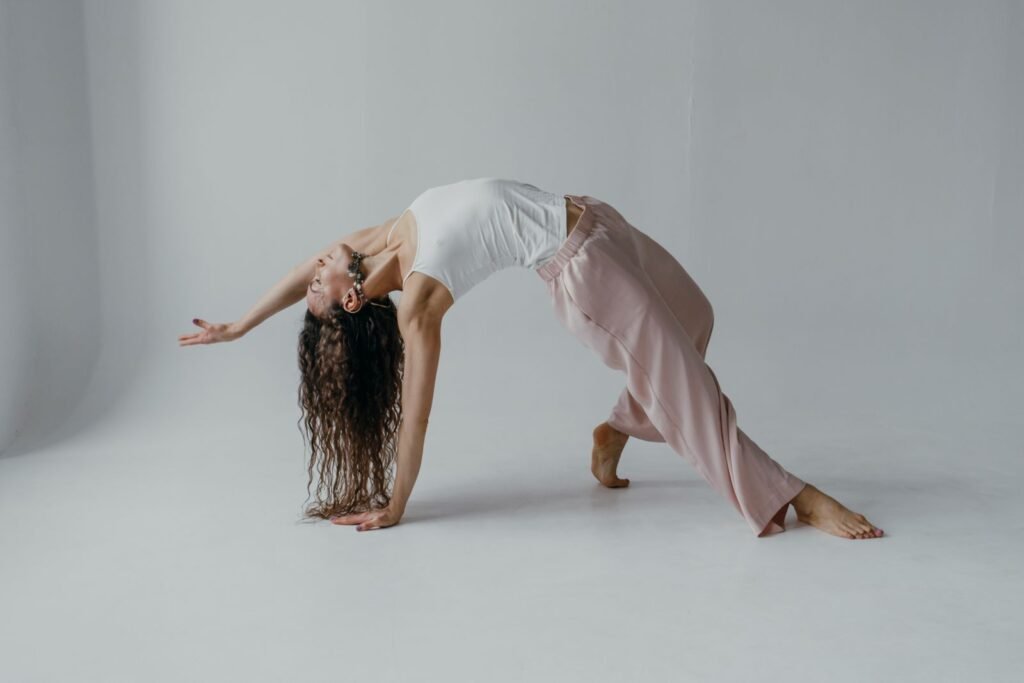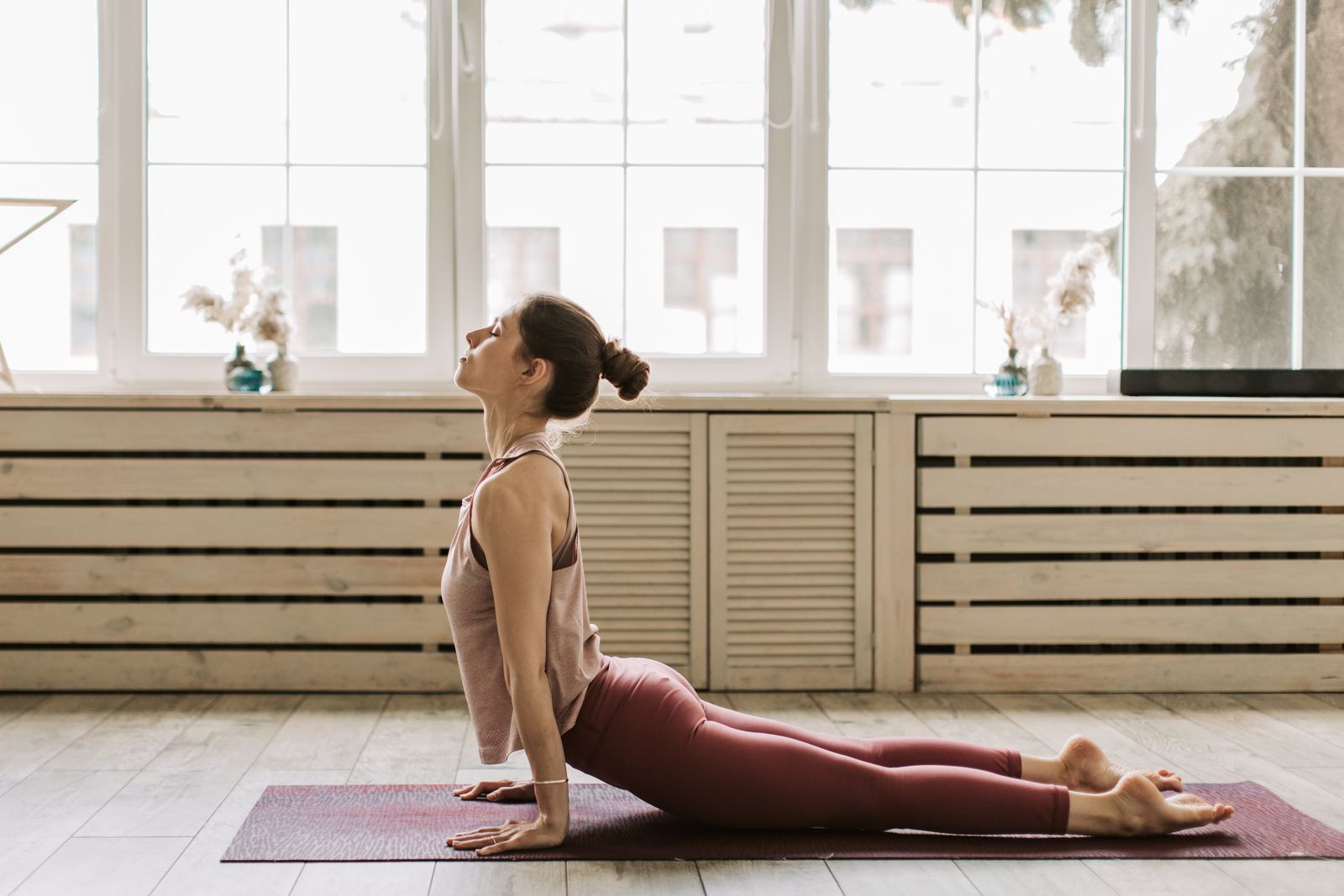
Hatha yoga is the branch of yoga built on physical postures (asanas), controlled breathing (pranayama), and short periods of stillness or meditation, practiced at a slower, more deliberate pace than flow-based styles. The word “hatha” combines “ha” (sun) and “tha” (moon), pointing to the practice’s core goal: balancing opposing energies in the body through posture, breath, and focused attention. In modern studios, “hatha” usually means a beginner-friendly class where each pose is held for several breaths rather than linked into a continuous sequence, making it one of the most accessible entry points into yoga for people who are new to movement-based practice.
What Is Hatha Yoga, Exactly?
At its root, hatha yoga is an umbrella term that historically included nearly every physical style of yoga practiced today, including ashtanga yoga and vinyasa yoga. Over the last century, “hatha” narrowed in common usage to describe classes that move slowly, hold postures for longer counts, and place equal weight on breath control and physical alignment. A typical hatha class includes a warm-up, a series of standing and seated asanas, some balance work, and a closing relaxation or short meditation. It is rarely aerobic in the way a cardio class is, but it builds strength, joint mobility, and body awareness through sustained, controlled effort.
What Does the Word “Hatha” Actually Mean?
Sanskrit scholars generally translate “hatha” two ways: as “sun and moon” (ha-tha), symbolizing the union of opposing forces, or as “force” or “effort,” referring to the physical discipline required to hold postures and regulate breath. Both translations point to the same idea: hatha yoga is a deliberate, effortful practice designed to bring the body and nervous system into balance before attempting deeper meditative states. This is why classical texts describe asana and pranayama as preparatory tools rather than the end goal of practice.
What Is the Hatha Yoga Pradipika?
The Hatha Yoga Pradipika is one of the oldest and most influential surviving manuals on hatha yoga, commonly dated to the 15th century and attributed to the sage Svatmarama. The text is organized into four chapters covering asana (posture), shatkarma (purification practices) and pranayama (breath control), mudra (energetic seals) and bandha (locks), and finally meditation and samadhi. It is often studied alongside two other classical hatha texts, the Gheranda Samhita and the Shiva Samhita, and together these three works form the foundation of most traditional hatha yoga teacher training curricula used today.
Why the Pradipika Still Matters
The Hatha Yoga Pradipika matters because it is one of the few surviving texts that systematically links physical postures to breathwork and subtle-body concepts like nadis (energy channels) and chakras (energy centers). Many poses and breathing techniques taught in modern studios, including pranayama breathing techniques and seated meditative postures, can be traced back to descriptions in this text, even though contemporary teaching has adapted the language and sequencing considerably.
Where Can You Find a Hatha Yoga Pradipika PDF?
Because the Hatha Yoga Pradipika is a centuries-old text, translated versions are widely available as free PDFs through public archives and yoga education sites, including Sanskrit-to-English editions with commentary. Readers searching for a Hatha Yoga Pradipika PDF in Hindi will also find translated editions distributed by yoga institutes and spiritual publishing houses in India. If you’re new to the text, look for an edition with a translator’s commentary rather than a bare verse-by-verse translation. The commentary helps explain Sanskrit terms like “nadi,” “prana,” and “bandha” in accessible language, which makes the philosophy far easier to connect to an actual physical practice.
What Are the Core Asanas Described in the Pradipika?
The Hatha Yoga Pradipika describes a relatively small number of core postures compared to the hundreds catalogued in modern yoga, reflecting its origins as a meditation-preparation manual rather than a fitness system. Among the most frequently cited postures from the text is Kurmasana, the tortoise pose, a seated forward-folding posture used to cultivate stillness and internal focus. Other asanas referenced in the classical text include Padmasana (lotus pose), Siddhasana (accomplished pose), Bhadrasana (auspicious pose), and Matsyendrasana (a seated spinal twist). These postures were designed primarily to allow the practitioner to sit comfortably and steadily for extended pranayama and meditation, not to build general physical fitness the way many modern sequences do.
Kurmasana and Its Place in the Text
Kurmasana appears in the Pradipika’s first chapter, which is devoted entirely to asana. The tortoise pose is traditionally associated with turning attention inward, much like a tortoise withdrawing into its shell, and it is often taught today as a deep hip and hamstring stretch that also calms the nervous system. If you’re building a home practice around classical postures, pairing Kurmasana with yoga for flexibility work and a short seated breath practice mirrors how the pose was traditionally used.
What Are the Most Common Hatha Yoga Poses Today?
Modern hatha classes draw from a much broader pose library than the classical texts, blending traditional postures with standing and balancing poses developed later. Common hatha yoga poses you’ll encounter in a typical class include:
- Tadasana (Mountain Pose): A grounding standing posture used to establish alignment at the start of class.
- Adho Mukha Svanasana (Downward-Facing Dog): A full-body stretch that builds shoulder and hamstring flexibility.
- Vrikshasana (Tree Pose): A balancing posture that strengthens the standing leg and improves focus.
- Bhujangasana (Cobra Pose): A gentle backbend that opens the chest and strengthens the lower back.
- Balasana (Child’s Pose): A resting posture used between more demanding poses.
- Paschimottanasana (Seated Forward Fold): A calming stretch for the spine and hamstrings.
- Setu Bandhasana (Bridge Pose): A backbend that strengthens the glutes and opens the front of the hips.
For a deeper breakdown of how these postures are sequenced for different goals, see our guide to yoga poses for beginners and beginner yoga sequences.
What Are the Benefits of Hatha Yoga?
Hatha yoga’s slower pace makes its benefits easier to notice and sustain over time compared to faster-moving styles. Practitioners commonly report improvements in flexibility, joint mobility, and postural awareness after consistent practice, since holding poses for multiple breaths gives muscles and connective tissue more time to lengthen safely. The breathing component supports nervous system regulation, which is why many people use hatha yoga as a tool for stress management alongside dedicated practices like yoga for stress relief and yoga for anxiety. Because it does not require significant cardiovascular fitness or prior flexibility, hatha yoga is also one of the most commonly recommended styles for older adults, beginners, and people recovering from injury, often used alongside yoga for back pain and gentle mobility routines.
Hatha Yoga vs Vinyasa: What’s the Real Difference?
The main difference between hatha and vinyasa yoga is pacing and structure. Hatha classes hold individual postures for several breaths at a time, with clear starts and stops between poses, which makes it easier to focus on alignment and breath in each shape. Vinyasa classes link postures together into continuous, flowing sequences synchronized with breath, creating a more dynamic and often more physically demanding class. Neither style is inherently “better”: hatha suits people who want to build a strong foundation in alignment and breath control, while vinyasa suits people who want a more cardiovascular, movement-driven practice. Many practitioners use hatha as their foundational practice before moving into faster-paced styles like vinyasa or ashtanga yoga.
How Is Hatha Yoga Different From Kriya Yoga and Karma Yoga?
Hatha yoga, kriya yoga, and karma yoga represent three distinct traditional paths within the broader yoga tradition, and understanding the difference helps clarify what each is actually for. Hatha yoga is a physical and energetic practice centered on posture and breath. Kriya yoga is a meditative path built around specific techniques for directing energy and awareness inward, often taught within a guru-disciple lineage. Karma yoga, by contrast, is not a physical practice at all: it is the path of selfless action, where daily work and service become the vehicle for spiritual growth. A well-rounded yoga education often draws from all three, using hatha’s physical grounding to support the meditative depth of kriya practices and the ethical framework of karma yoga.
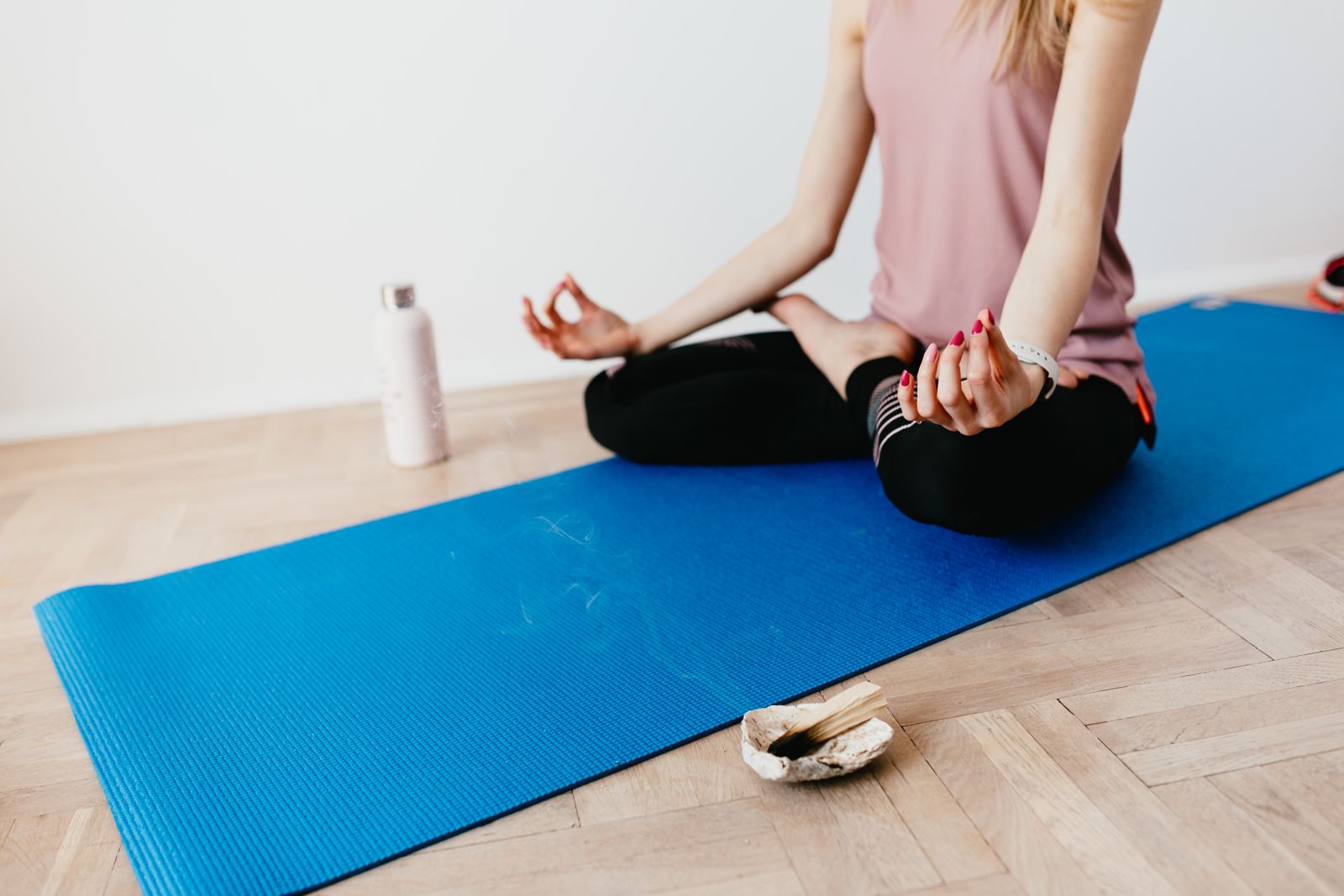
Where Do Hatha Yoga Images Come From, and What Do They Usually Show?
Searches for hatha yoga images typically surface photos of seated meditative postures, standing balance poses, and calm studio or outdoor settings, reflecting the practice’s emphasis on stillness and controlled movement rather than fast-paced flows. If you’re using images to plan a home practice or a studio class, look for reference photos that clearly show foot and hand placement, spine alignment, and breath cues, since hatha yoga’s benefits depend heavily on precise alignment held over time rather than momentum. Photos alone are a useful visual reference, but they cannot correct alignment the way a live or video-guided instructor can, which is one reason structured online yoga classes tend to produce better long-term results than following static images.
How Do You Start a Hatha Yoga Practice at Home?
Starting hatha yoga at home requires very little equipment: a mat, comfortable clothing, and about 20 to 30 minutes of uninterrupted time. Begin with a short warm-up of gentle joint rotations, move into three or four standing poses held for five to eight breaths each, add one or two seated postures like Paschimottanasana or Kurmasana, and close with a few minutes of quiet breathing or Savasana (corpse pose). Consistency matters more than duration in the early weeks: a focused 20-minute session four times a week builds more flexibility and body awareness than an occasional 90-minute class. For a structured path, our guide to a beginner yoga sequence walks through a full progression week by week.
Common Mistakes Beginners Make in Hatha Yoga
The most common mistake in hatha yoga is rushing through poses instead of holding them, which defeats the purpose of the style entirely. Other frequent errors include holding the breath during difficult postures instead of breathing steadily, forcing flexibility in poses like forward folds before the hips and hamstrings are ready, and skipping the closing relaxation, which is where much of the nervous-system benefit actually consolidates. Working with a qualified instructor, even through online yoga classes, helps correct these habits early before they become ingrained.
Is Hatha Yoga Good for Weight Loss and Fitness Goals?
Hatha yoga is not primarily a cardiovascular or calorie-burning practice, so it plays a supporting role in weight loss rather than driving it directly. Its real fitness value lies in improving mobility, reducing stress-related overeating through better cortisol regulation, and building the postural strength that makes other forms of exercise safer and more effective. People pursuing fat loss typically pair hatha yoga with more metabolically demanding activities, such as online zumba classes or strength training, while using hatha sessions for recovery, mobility, and stress management on lighter training days.
What Should You Look for in a Hatha Yoga Class or Teacher?
A good hatha yoga class should include clear breath cues for every posture, adequate time to hold and release each pose safely, and modifications for different ability levels. Look for instructors who explain alignment in plain language rather than relying purely on Sanskrit terminology, and who build in rest points rather than pushing continuously toward more advanced poses. Whether you choose an in-person studio or online yoga classes, the quality of instruction matters more than the format: a well-taught 30-minute online class will do more for your body than an unstructured hour spent guessing at poses from images or videos.
Questions People Ask About Hatha Yoga
What is hatha yoga?
Hatha yoga is a branch of yoga focused on physical postures, controlled breathing, and brief meditation, practiced at a slower pace with poses held for several breaths at a time. It forms the physical foundation from which most modern yoga styles, including vinyasa and ashtanga, originally developed and remains one of the most beginner-friendly entry points into a regular yoga practice.
What is hatha yoga and its benefits?
Hatha yoga combines posture, breathwork, and stillness to improve flexibility, joint mobility, and stress regulation. Regular practice is commonly associated with better posture, calmer breathing patterns, and improved body awareness. Because it moves slowly and requires little equipment, it also suits beginners, older adults, and people easing back into movement after injury or inactivity.
What is hatha yoga good for?
Hatha yoga is especially good for building flexibility, improving alignment awareness, and calming the nervous system through controlled breathing. It’s also a strong entry point for beginners who want to learn correct form before moving into faster-paced styles like vinyasa or ashtanga, and it pairs well with other wellness routines like stress management and gentle mobility work.
What is hatha yoga Pradipika?
The Hatha Yoga Pradipika is a classical 15th-century manual on hatha yoga, commonly attributed to the sage Svatmarama. Written in four chapters, it covers asana, pranayama, mudra and bandha, and meditation, and remains one of the foundational texts referenced in traditional yoga teacher training programs today.
What is hatha yoga vs vinyasa?
Hatha yoga holds individual postures for several breaths with clear pauses between poses, prioritizing alignment and breath control. Vinyasa yoga links postures into continuous, flowing sequences synchronized with breath, creating a faster-paced, more physically demanding class. Both share the same underlying postures but differ significantly in pacing and structure.
What is hatha yoga definition?
The definition of hatha yoga is a style of yoga that unites physical posture (asana), breath control (pranayama), and brief meditative stillness, historically aimed at preparing the body and mind for deeper meditation. In modern usage, it typically refers to slower-paced classes where postures are held rather than flowed between.
Try This for Yourself
Reading about hatha yoga only goes so far: the real benefits show up once you start holding poses, regulating your breath, and building consistency week over week. If you want expert guidance rather than guesswork, join a live, instructor-led class through FitStrot’s online yoga classes and get proper alignment cues, breathing guidance, and a structured progression built around your current fitness level.
Related reading: Ashtanga Yoga, Kriya Yoga, Karma Yoga, Vinyasa Yoga, and FitStrot’s Online Yoga Classes.