The yamas and niyamas are the first two limbs of the eight-limbed path described in the Yoga Sutras of Patanjali, and together they form yoga’s ethical foundation. The five yamas (ahimsa, satya, asteya, brahmacharya, and aparigraha) are restraints that guide how you treat the world around you, while the five niyamas (saucha, santosha, tapas, svadhyaya, and ishvara pranidhana) are observances that guide how you treat yourself. In short, yamas are about your outward conduct and niyamas are about your inner discipline. Long before any physical pose is introduced, these ten principles set the moral and psychological groundwork that the rest of yoga, including pranayama and asana, is meant to be built on top of.
What Is Yama in Yoga?
Yama, in yoga, refers to a set of ethical restraints or “great vows” that shape how a practitioner interacts with other people and the wider world. The Sanskrit word yama roughly translates to “restraint” or “discipline,” and Patanjali lists five of them in the second chapter of the Yoga Sutra, known as the Sadhana Pada. These are described as universal observances meant to apply “regardless of class, place, time, or circumstance,” part of why they’ve stayed relevant for roughly two thousand years. Practicing the yamas is considered the first step of the 8 limbs of yoga, coming before niyama, asana, and every other limb, because ethical grounding is treated as a prerequisite for deeper practice.
Yama Meaning in Yoga: Where Does the Word Come From?
The word “yama” comes from Sanskrit and is often translated as “restraint,” “control,” or “vow.” In older Vedic texts, the same root shows up in words related to reining something in, like holding the reins of a horse. Applied to yoga, that image is useful: the yamas aren’t about suppressing who you are, they’re about directing your energy so it doesn’t cause harm. Yoga teacher trainings frequently describe the yamas as “restraints on behavior toward others,” distinguishing them from the niyamas, which are personal observances directed inward. That outward-versus-inward split is the simplest way to remember the difference between the two limbs as you read through each one below.
What Are the Five Yamas?
The five yamas are ahimsa, satya, asteya, brahmacharya, and aparigraha. Each one addresses a different dimension of how a person relates to others, and together they read almost like an ethical checklist for daily living.
- Ahimsa (non-violence): Refraining from causing harm in thought, word, or action, toward others and toward yourself.
- Satya (truthfulness): Speaking and acting with honesty, while also considering the impact of your words.
- Asteya (non-stealing): Not taking what isn’t freely given, including other people’s time, credit, or energy.
- Brahmacharya (moderation): Traditionally translated as celibacy, but more broadly understood today as mindful use of energy and avoiding overindulgence.
- Aparigraha (non-greed or non-hoarding): Letting go of the need to accumulate or control more than you need, including outcomes and attachments.
Many teachers introduce these in beginner yoga classes as a way to frame practice as more than stretching, since the yamas ask you to bring the same restraint you show on the mat into how you treat coworkers, family, and strangers.
What Is Pranayama Yoga? How Does It Connect to the Yamas?
Pranayama is the fourth limb of yoga, the practice of consciously regulating the breath, and it sits directly after asana in Patanjali’s sequence, meaning it’s built on the ethical foundation the yamas and niyamas establish first. The word combines “prana” (life force or breath) with “ayama” (extension or control), so pranayama literally means extending or controlling the breath. In practice, this looks like counted inhalations, holds, and exhalations designed to calm the nervous system, sharpen focus, or generate heat in the body, depending on the technique. Because pranayama directly affects the mind’s steadiness, it’s traditionally taught only once a student has some grounding in yama and niyama, since breath control without ethical and mental discipline can become manipulation rather than a tool for clarity.
What Are the Main Pranayama Yoga Types?
There isn’t one single pranayama technique; there’s a family of them, each with a different physiological effect. Some of the most commonly taught types include:
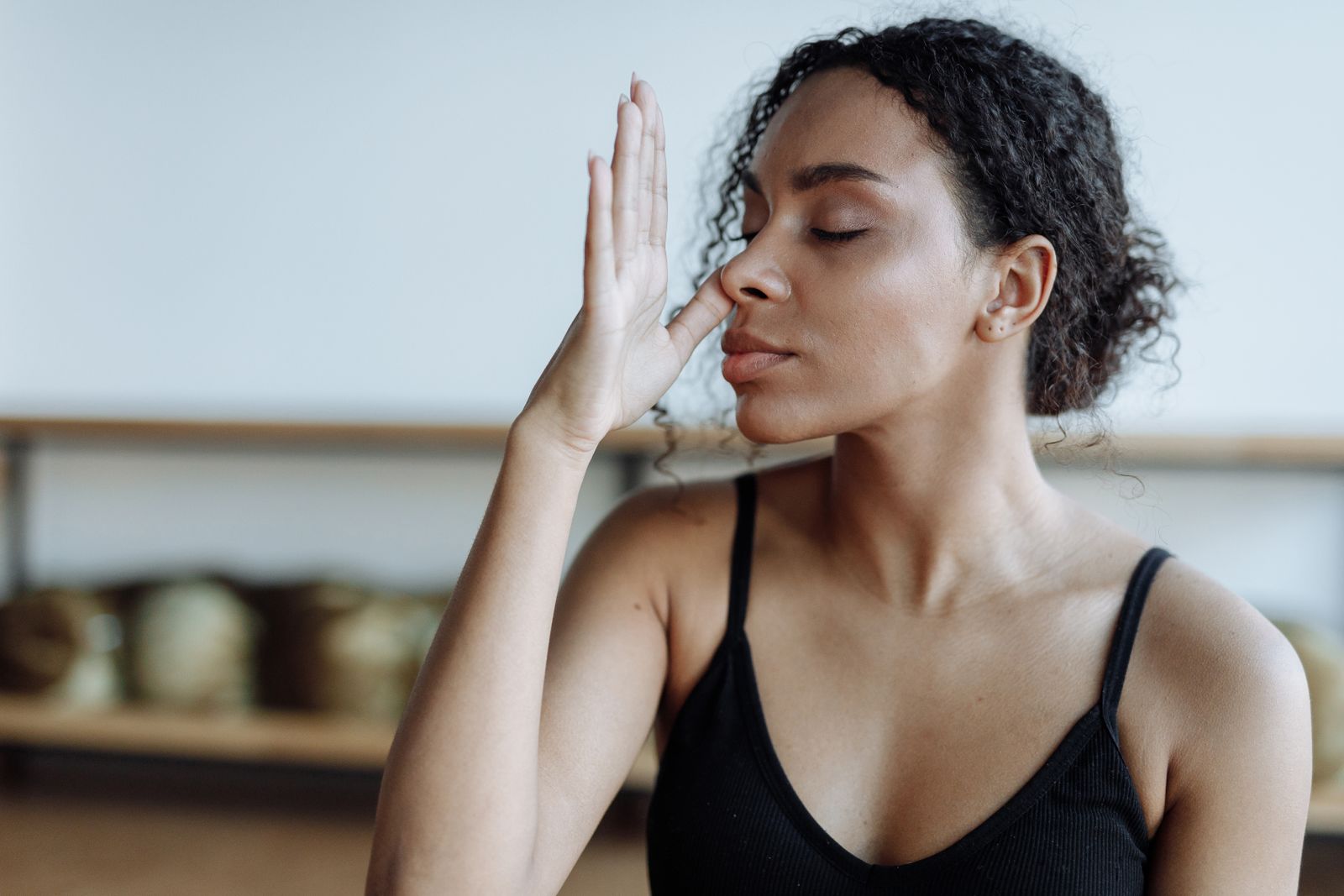
- Nadi Shodhana (alternate nostril breathing): Balances the nervous system by alternating airflow between nostrils, commonly used to calm the mind before meditation.
- Kapalabhati (skull-shining breath): Short, forceful exhalations paired with passive inhalations, often used as an energizing, cleansing practice.
- Bhastrika (bellows breath): Rapid, forceful inhalation and exhalation of equal intensity, generally taught for building internal heat and alertness.
- Ujjayi (victorious/ocean breath): A slow breath with a gentle constriction at the back of the throat, frequently paired with vinyasa yoga and other flowing styles.
- Sheetali and Sitkari (cooling breaths): Techniques that draw air in through the mouth or a curled tongue, traditionally described as cooling for the body.
Each type serves a different purpose, so which one you use depends on whether you want to energize, calm, or focus the mind, and beginners are generally advised to learn Nadi Shodhana or simple diaphragmatic breathing before moving to more forceful techniques like Bhastrika.
What Are Common Pranayama Yoga Steps for Beginners?
A simple, safe way to begin pranayama practice follows a basic sequence, regardless of which technique you eventually specialize in. First, sit in a comfortable, upright position, whether cross-legged on the floor or in a chair, with the spine long and shoulders relaxed. Second, close the eyes and take a few natural breaths to settle before attempting any control. Third, begin with diaphragmatic breathing, filling the belly rather than just the chest, for several rounds. Fourth, introduce a specific technique, such as counting an equal-length inhale and exhale, or trying Nadi Shodhana with the fingers lightly closing off one nostril at a time. Fifth, keep sessions short at first, around five to ten minutes, and never force the breath to the point of strain or dizziness. This mirrors how beginner yoga practice in general is taught: start simple, build consistency, then add complexity.
What Are the Pranayama Yoga Benefits?
Pranayama is widely taught as a tool for calming the nervous system, and many practitioners and teachers describe noticeable reductions in stress and anxiety after consistent practice, though individual results vary and pranayama isn’t a substitute for medical care when anxiety or breathing issues are severe. Slow, controlled breathing techniques are commonly associated with activating the parasympathetic nervous system, the body’s “rest and digest” state, part of why pranayama is often recommended before yoga for stress relief or meditation. Some styles, like Kapalabhati and Bhastrika, are instead described as energizing, said to increase alertness and internal heat rather than promote calm. Because breath and emotional state are closely linked, pranayama is also frequently paired with yoga for anxiety programs and used as a grounding technique before dharana, the sixth limb focused on concentration.
What Are the Five Niyamas?
If the yamas govern how you treat others, the niyamas govern how you treat yourself. The five niyamas are saucha, santosha, tapas, svadhyaya, and ishvara pranidhana.
- Saucha (cleanliness): Purity of body, mind, and surroundings, from tidying your space to clearing mental clutter.
- Santosha (contentment): Cultivating gratitude and acceptance for the present moment, rather than constant striving for more.
- Tapas (discipline or “heat”): The willingness to embrace effort and even discomfort in service of growth, often described as the disciplined “fire” behind consistent practice.
- Svadhyaya (self-study): Reflecting on your own thoughts, patterns, and behavior, traditionally including the study of sacred or philosophical texts.
- Ishvara Pranidhana (surrender): Letting go of the need to control every outcome and trusting something larger than the individual ego, however a practitioner chooses to understand that.
These observances are less about interpersonal ethics and more about the inner architecture of a steady, self-aware mind, which is why they’re commonly framed as preparation for the more meditative limbs later in the path, including dhyana and samadhi.
What Is Yoga Niyamas’ Role Compared to the Yamas?
Niyama comes right after yama in the Sadhana Pada, and the two limbs are often taught as a pair because they mirror each other: yamas are restraints aimed outward, niyamas are observances aimed inward. Where ahimsa asks you not to harm others, saucha asks you to keep your own body and mind clear. Where asteya asks you not to take from others, santosha asks you to stop taking from your own peace of mind through constant comparison or dissatisfaction. Teachers frequently point out that you can’t fully practice one without some grounding in the other, since ethical behavior toward others and disciplined care for yourself tend to reinforce each other in daily life. This pairing is also why yamas and niyamas are almost always taught together rather than as separate topics, even though technically they’re two distinct limbs within the eight limbs of yoga.
What Is Yama in Yoga in Hindi?
In Hindi and in the original Sanskrit, “yama” (यम) is generally translated as “संयम” (sanyam) or “नियंत्रण” (niyantran), both of which mean restraint or self-control. The concept is typically explained as “नैतिक अनुशासन,” or ethical discipline, referring to the code of conduct that governs a practitioner’s behavior toward the outside world, other people, and living beings. In traditional Indian yoga schools and ashrams, the yamas are often taught alongside their Sanskrit shlokas from the Yoga Sutra, since the terminology itself, being rooted in Sanskrit, carries closely related meaning across Hindi and other Indian languages. The five yamas, ahimsa, satya, asteya, brahmacharya, and aparigraha, keep their original Sanskrit names in Hindi-language teaching as well, since these terms don’t have single-word Hindi equivalents that capture their full philosophical meaning.
How Do the Yamas and Niyamas Fit Into the 8 Limbs of Yoga?
The yamas and niyamas are the first two of eight limbs described in the Yoga Sutra, followed by asana (posture), pranayama (breath control), pratyahara (withdrawal of the senses), dharana (concentration), dhyana (meditation), and samadhi (absorption or union). This sequence is often described as moving from the outer to the inner: first you address your conduct in the world (yama), then your personal habits (niyama), then your physical body (asana), then your breath (pranayama), before finally turning attention fully inward through the last four limbs. Modern yoga classes tend to focus heavily on asana, the physical postures, sometimes skipping the ethical groundwork entirely. Understanding where yama and niyama sit in this sequence helps explain why many long-time practitioners eventually get curious about the philosophy behind the poses, not just the poses themselves.
Why Are the Yamas and Niyamas Still Relevant Today?
The yamas and niyamas were written down roughly two thousand years ago, yet they map surprisingly well onto modern struggles: digital honesty (satya), respecting others’ time and attention (asteya), avoiding compulsive consumption (aparigraha), and maintaining a clear, uncluttered mind in a distraction-heavy world (saucha). Because Patanjali framed these as universal principles rather than religious commandments tied to one culture, they’ve been adopted across nearly every style of modern yoga, from hatha yoga to power yoga, regardless of the physical intensity of the practice. Many teacher training programs, including 200-hour and 300-hour certifications, require dedicated study of the yamas and niyamas precisely because they’re considered the ethical backbone that keeps physical practice from becoming purely about performance or appearance.
How Can You Start Practicing the Yamas and Niyamas?
You don’t need a meditation cushion or a teacher training certificate to start working with the yamas and niyamas; you can begin with small, specific choices in ordinary life. Pick one yama or niyama at a time rather than trying to embody all ten simultaneously. For a week, focus only on satya, noticing moments where you’re tempted to exaggerate or soften the truth. The following week, shift to santosha, practicing gratitude for what’s already present instead of chasing the next thing. Journaling is a common tool for this kind of practice, tying directly into svadhyaya, since writing down observations about your own behavior is itself a form of self-study. Pairing this reflection with a consistent physical practice, such as gentle yoga or a short daily morning yoga routine, gives the ethical work of the yamas and niyamas a physical anchor, rather than leaving it purely abstract.
What Do Pranayama Yoga Poses and Images Usually Show?
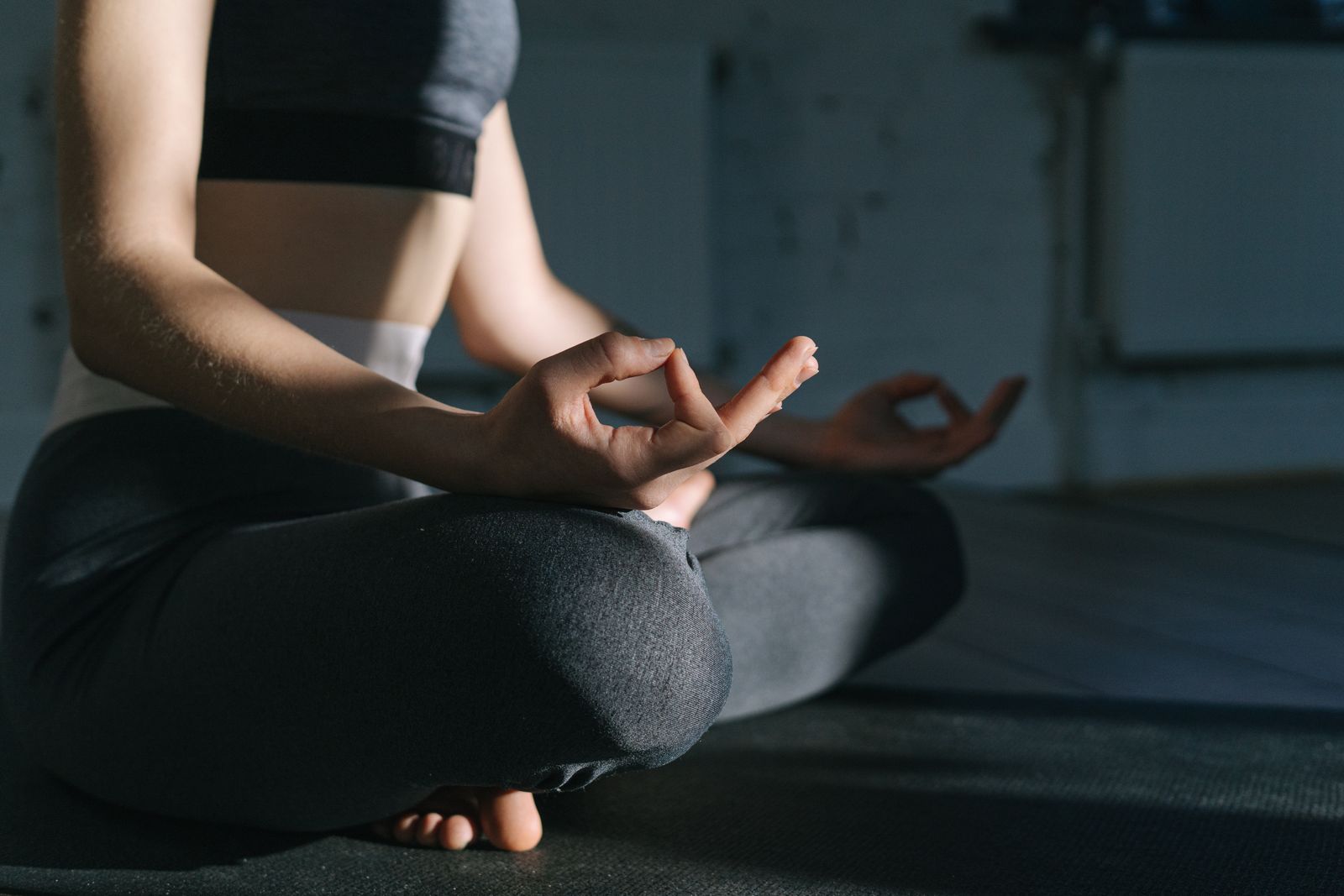
Searches for pranayama yoga poses and images typically return a seated posture, often a cross-legged position like Sukhasana or a simple kneeling position, with the spine tall and the hands often resting in a mudra, or symbolic hand gesture, on the knees. Some images show the hand near the nose in the Vishnu Mudra position used for Nadi Shodhana, where the thumb and ring finger alternately close off each nostril. Unlike dynamic asana practice, pranayama images tend to emphasize stillness and an upright spine rather than movement, since the physical goal is simply a stable, comfortable seat that allows the diaphragm to move freely. This is also why pranayama is frequently taught at the end of an asana class, once the body is already warmed up and can sit still comfortably, rather than at the very start of a session.
Questions People Ask About Yamas and Niyamas
What is yama in yoga?
Yama in yoga refers to a set of five ethical restraints, ahimsa, satya, asteya, brahmacharya, and aparigraha, that guide how a practitioner behaves toward others and the world. It’s the first of the eight limbs described in Patanjali’s Yoga Sutra, meant to be practiced before physical postures and breathwork, since ethical grounding is treated as the foundation the rest of yoga practice builds on.
What is yama in yoga in Hindi?
In Hindi, yama (यम) is generally explained using words like संयम (sanyam), meaning restraint, or नियंत्रण (niyantran), meaning control. It refers to the same set of five ethical restraints found in the original Sanskrit Yoga Sutra. The five yamas keep their Sanskrit names in Hindi-language teaching, since no single Hindi word fully captures each concept’s philosophical depth.
What is the difference between yama and niyama?
Yamas are restraints directed outward, governing how you treat other people and the world, while niyamas are observances directed inward, governing how you treat yourself. Ahimsa (non-violence toward others) is a yama; santosha (contentment within yourself) is a niyama. Together they form the ethical foundation of the eight limbs of yoga, taught before physical postures and breathwork.
What is pranayama yoga?
Pranayama is the fourth limb of yoga, the practice of consciously controlling the breath through specific techniques like alternate nostril breathing or Kapalabhati. The word combines “prana” (breath or life force) with “ayama” (extension or control). It’s typically practiced after asana and is used to calm or energize the nervous system depending on the technique.
How many yamas and niyamas are there?
There are five yamas (ahimsa, satya, asteya, brahmacharya, aparigraha) and five niyamas (saucha, santosha, tapas, svadhyaya, ishvara pranidhana), for ten principles total. Some older texts, such as the Hatha Yoga Pradipika, list additional yamas and niyamas beyond Patanjali’s five, but the ten from the Yoga Sutra remain the most widely taught version in modern yoga.
Try This for Yourself
Reading about the yamas and niyamas is a good start, but they’re meant to be lived and practiced, ideally alongside real breathwork and asana rather than as an isolated philosophy lesson. If you want guided support putting these principles into practice, from pranayama techniques to a full asana sequence, try a live online yoga class with FitStrot and experience how the ethical and physical sides of yoga reinforce each other.
Related reading: What Is Yoga?, Yoga Sutras of Patanjali, The 8 Limbs of Yoga, The Yoga Sutra Explained, and explore FitStrot’s online yoga classes to begin practicing.