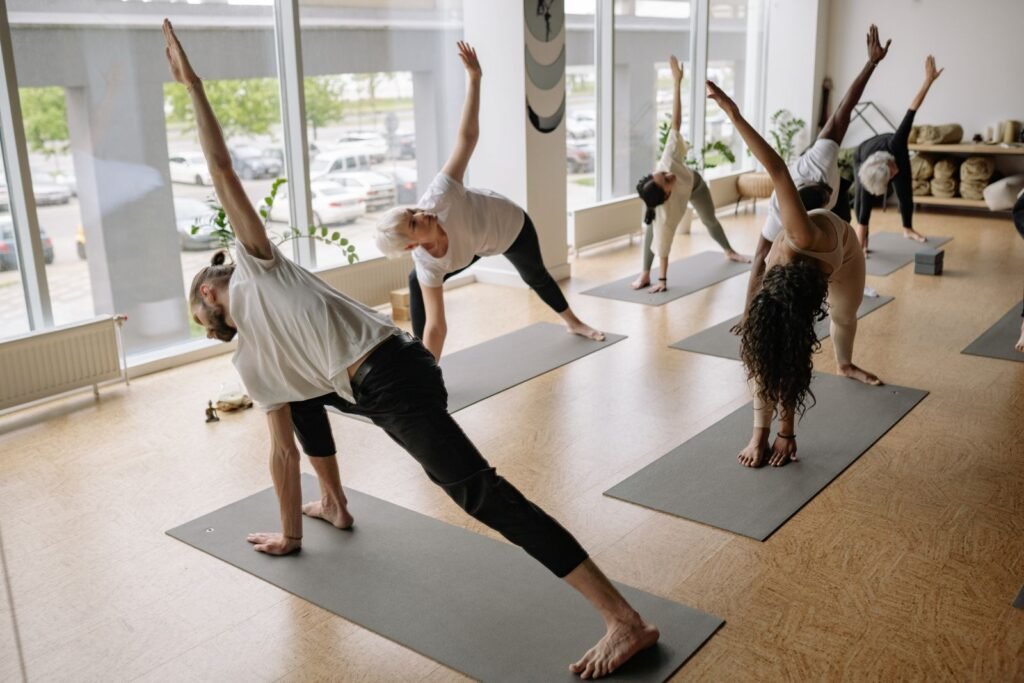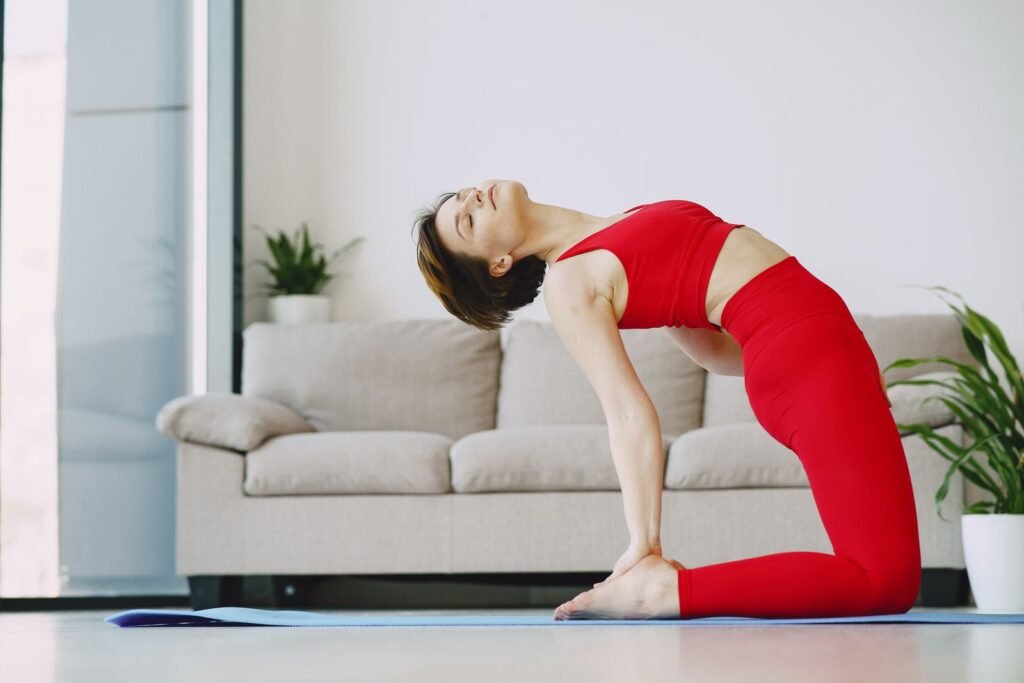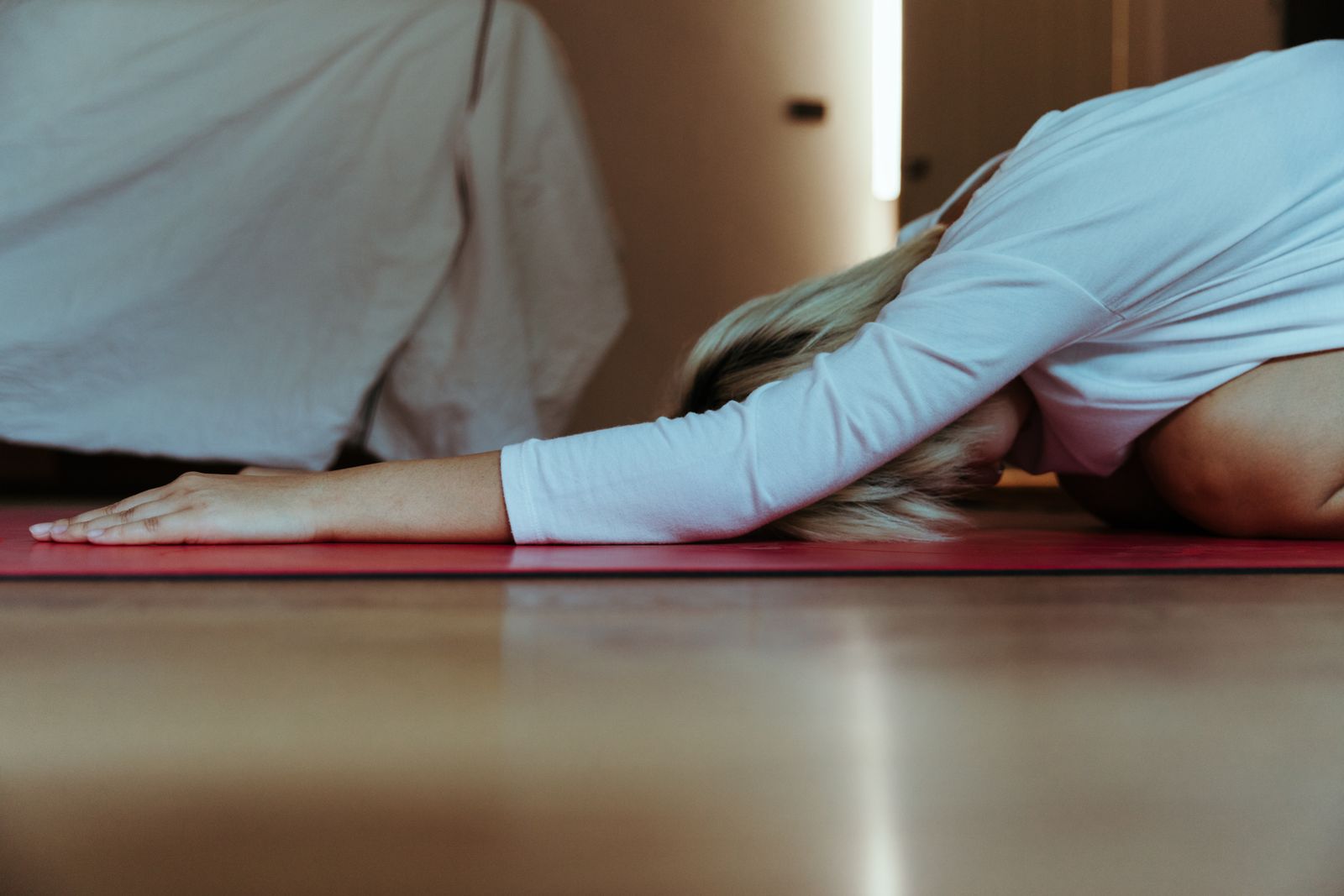
A 15 minute yoga session is a short, focused practice that combines breathwork, a small sequence of standing and floor poses, and a brief moment of stillness to build strength, ease tension, and calm the nervous system in a single sitting. It works because yoga’s benefits come from consistency and quality of attention, not sheer duration — a well-structured quarter-hour flow that moves through sun salutations, a hip opener, a twist, and a short relaxation can lower stress hormones, loosen tight muscles, and sharpen focus almost as effectively as a longer class. For anyone juggling work, family, or travel, 15 minutes is often the difference between practicing daily and not practicing at all.
Why 15 Minutes Is Enough to Matter
The biggest barrier to a consistent yoga habit isn’t motivation — it’s time. Most people assume a “real” practice needs 60 or 90 minutes, so they skip the days when they only have a quarter hour, and the habit quietly dies. A 15 minute yoga routine flips that logic. It treats short, repeatable sessions as the foundation, and it works because the body responds to frequency as much as it responds to length. A daily 15-minute practice that includes a few sun salutations, a hip or hamstring stretch, and two minutes of slow breathing gives you a dose of movement, mobility work, and nervous-system regulation every single day, which compounds over weeks in a way that one long weekly class cannot match. If you’re building a broader habit, pairing a short session like this with a daily yoga mindset is one of the most reliable ways to see real change in flexibility, posture, and stress levels.
What Does a 15 Minute Yoga Sequence Actually Include?
A well-designed short practice is not a random handful of poses — it’s a deliberate arc. Most effective 15-minute sequences follow four phases: a 1-2 minute warm-up (seated breathing or gentle neck and shoulder rolls), a 6-8 minute dynamic section (typically 3-5 rounds of sun salutations or a linked yoga flow), a 3-4 minute targeted section (a hip opener, forward fold, or twist depending on what your body needs that day), and a 2-3 minute cool-down (a supported reclined pose followed by a brief savasana). This structure matters because it ensures you get a little of everything — mobility, strength, and relaxation — rather than spending all 15 minutes stretching or all 15 minutes flowing.
15 Minute Power Yoga: What Makes It Different?
15 minute power yoga is a faster, strength-oriented version of the short practice, built around continuous movement rather than held stretches. Where a gentle 15-minute session might linger in a seated fold, power yoga keeps the heart rate elevated with brisk vinyasa transitions — chaturanga to upward-facing dog to downward dog, repeated through several rounds, often with added holds in chair pose, plank, or warrior poses to build muscular endurance. It’s the better choice on mornings when you want an energizing, sweat-inducing session that doubles as strength training, while a slower 15-minute flow is better suited to evenings or recovery days. Both formats fit the same time slot, so many people alternate between them across the week depending on energy levels and goals. If you already enjoy power yoga in a longer format, condensing it to 15 minutes is simply a matter of trimming repetitions rather than intensity.
Morning vs. Evening: Which 15 Minutes Should You Practice?
Timing changes what a short practice should emphasize. A morning yoga session in 15 minutes works best when it prioritizes waking up stiff joints and raising body temperature before you ask your muscles to do anything more demanding — think gentle spinal waves, a few sun salutations, and a standing forward fold to release the low back after a night of stillness. An evening session, by contrast, should slow down: longer exhales, hip openers like pigeon or reclined figure-four, and a longer final relaxation to help transition the nervous system out of “doing” mode and into rest. Neither is more “correct” than the other — the right time is whichever slot you can realistically protect every day.
Can 15 Minutes of Yoga Actually Reduce Stress?
Yes, and the mechanism is fairly well understood even in short sessions. Slow, extended exhalation — a core feature of almost any yoga breathing pattern — activates the parasympathetic nervous system, which is the body’s built-in counterbalance to the stress response. Combining that breathing with gentle movement and a few minutes of stillness at the end gives the body a concentrated dose of the same physiological shift that longer practices produce, just compressed into a smaller window. Research on brief mindfulness and breath-focused practices generally supports the idea that even short daily sessions can meaningfully lower perceived stress over time, particularly when practiced consistently rather than occasionally. This is also why a 15-minute session pairs so well with dedicated yoga for stress relief techniques and simple pranayama breathing techniques like alternate nostril breathing or a slow four-count exhale.

A Sample 15 Minute Yoga Routine You Can Follow Today
Here is a simple, repeatable structure you can use without any equipment beyond a mat:
| Time | What to Do |
|---|---|
| Minute 0-2 | Seated or standing, three-part breath, arms overhead on inhale and released on exhale, 8-10 rounds |
| Minute 2-8 | Three to four rounds of sun salutation A, moving at a pace where breath and movement stay linked |
| Minute 8-11 | Seated forward fold, followed by a seated twist on each side, held 45-60 seconds per side |
| Minute 11-13 | Legs-up-the-wall or a reclined figure-four stretch for the hips and low back |
| Minute 13-15 | Savasana, lying flat with eyes closed, letting the breath return to its natural rhythm |
This same skeleton works whether you’re practicing solo at home or following along with a guided online class. It also overlaps closely with a good yoga for beginners sequence, since the poses involved are foundational rather than advanced.
What Poses Give the Most Benefit in a Short Session?
When time is limited, pose selection matters more than pose quantity. If you only have time for four poses, these cover mobility, strength, and relief in a way few other combinations can match:
- Downward-facing dog — stretches the entire posterior chain (calves, hamstrings, spine, and shoulders) in a single shape, making it one of the highest-value poses per second spent.
- Cat-cow — mobilizes the spine through flexion and extension and is especially useful for people who sit most of the day.
- Low lunge or crescent lunge — opens the hip flexors, which tend to shorten from prolonged sitting and contribute to low back discomfort, a concern also addressed in more detail in yoga for back pain.
- Seated or supine twist — decompresses the spine and aids digestion.
For a deeper look at foundational shapes, basic yoga poses breaks down alignment cues for each one individually.
How Does a 15 Minute Yoga Session Affect Sleep and Recovery?
A short evening practice can meaningfully improve sleep onset by lowering physical tension and shifting the nervous system out of an alert state before bed. Gentle forward folds, supported hip openers, and a longer exhale-focused breathing pattern in the final few minutes signal to the body that it’s safe to downshift, which is why many people find a 15-minute wind-down more effective for sleep than scrolling a phone for the same amount of time. This same logic underpins yoga for sleep routines, which use many of the same poses in a slightly longer format.
Is 15 Minutes of Yoga a Day Enough for Flexibility?
For most people, yes — especially over months rather than days. Flexibility gains come from consistent, repeated exposure to end-range stretching, and a daily 15-minute session provides that repetition far more reliably than an occasional 90-minute class. The key is holding key stretches long enough for the tissue to actually adapt, generally 30-60 seconds per side for hips, hamstrings, and shoulders, rather than rushing through a pose for a few breaths. Over weeks, this steady, moderate-dose approach tends to produce more durable flexibility improvements than sporadic intense sessions, because the body responds better to frequent, manageable stimulus than to occasional overload.
Can You Build Strength in Just 15 Minutes?
You can build meaningful strength, particularly in the core, shoulders, and legs, if the sequence includes isometric holds rather than only flowing movement. Holding plank for 30-45 seconds, pausing in chair pose for several breaths, or slowing down the transition through chaturanga all place real load on the muscles, and doing this daily creates a cumulative training effect similar to a short bodyweight circuit. It won’t replace a dedicated strength program for someone training for a specific performance goal, but for general functional strength, joint stability, and posture support, a well-designed 15-minute power yoga session performed most days of the week produces noticeable results within four to six weeks.
How Does a Short Practice Compare to a Full 60-Minute Class?
A 60-minute class allows for a longer warm-up, more pose variety, deeper holds, and often a more complete cool-down with extended relaxation — there’s simply more room to explore. A 15-minute practice sacrifices that breadth in exchange for consistency; it’s easier to do every day, which matters because the physiological and postural benefits of yoga are cumulative. In practice, many experienced practitioners use both: shorter daily sessions to maintain the habit and address whatever the body needs that day, plus one or two longer classes each week for deeper work. If you’re deciding between the two, think of the 15-minute practice as maintenance and the longer class as an investment — both are valuable, but they serve different purposes.
What Equipment Do You Need for a Quick Home Practice?
Almost none. A yoga mat provides cushioning and grip, which matters for standing balance poses and any transitions through plank, but a folded blanket or towel on a non-slip floor can work in a pinch. A wall is useful for legs-up-the-wall and for checking alignment in standing poses. Beyond that, comfortable clothing that allows a full range of motion and a quiet corner of a room are the only real requirements. This low barrier to entry is part of why a 15-minute session is so sustainable — there’s no equipment to set up, no drive to a studio, and no reason to skip it on a busy day. For those who like a bit more support underfoot, a short yoga props guide can help you decide whether a block or strap is worth adding to a quick routine.
How Do You Stay Consistent With a Short Daily Practice?
Consistency tends to come down to removing friction rather than relying on willpower. Practicing at the same time each day — right after waking, or right before bed — turns the session into a habit anchor rather than a decision you have to make fresh every morning. Keeping the mat unrolled and visible, rather than stored away, removes a small but real barrier. Following a set sequence, rather than deciding what to practice each time, also reduces decision fatigue; this is one reason structured routines and guided classes tend to have better adherence than free-form practice. Tracking streaks, even informally, gives many people enough momentum to protect the habit through busy weeks. Building a broader yoga habit-building system around your 15-minute practice — reminders, a dedicated space, a simple log — tends to matter more long-term than any single sequence you choose.
Who Should Modify or Avoid Certain Poses in a Short Session?
Because a 15-minute practice moves quickly, it’s worth being deliberate about modifications rather than skipping them to save time. People with wrist sensitivity should come down onto forearms during plank and downward dog variations. Anyone with knee discomfort should pad lunges and kneeling poses with a folded blanket. Pregnant practitioners should avoid deep twists and prolonged time on the back past the first trimester, favoring supported, open variations instead. If you have a diagnosed injury or a chronic condition, it’s worth checking with a healthcare provider or an experienced instructor before starting any new sequence, including a short one — brevity doesn’t remove the need for appropriate modification. Practitioners working around joint issues may also find it useful to compare notes with yoga for knee pain or prenatal yoga guidance before adapting a short sequence to their needs.
How Does a 15 Minute Practice Fit Into a Larger Yoga Journey?
Short sessions work well as both an entry point and a maintenance tool across different types of yoga. A beginner can use 15 minutes to learn foundational alignment in poses like downward dog and warrior without the fatigue of a longer class clouding their form. Someone more advanced might use a quick session to maintain mobility on a rest day between strength training, or to supplement a weekly studio practice. Practices like vinyasa yoga, hatha yoga, and gentler restorative styles like yin yoga all adapt naturally to a 15-minute container, which is part of why short sequences remain useful no matter how experienced you are. Over time, many practitioners find that a short daily habit becomes the stable core around which everything else — longer classes, workshops, specific goal work like yoga for weight loss — gets layered.
Questions People Ask About 15 Minute Yoga
Is 15 minutes of yoga a day actually effective?
Yes. A focused 15-minute session that includes movement, a targeted stretch, and a brief relaxation delivers meaningful benefits for flexibility, stress reduction, and posture, especially when practiced daily. Consistency matters more than session length, so a short daily habit often outperforms an occasional long class over weeks and months.
What is the best time of day for a 15 minute yoga practice?
There’s no single best time — morning sessions tend to focus on waking up the body and building energy, while evening sessions favor slower movement and relaxation before sleep. The most effective time is whichever slot you can protect consistently, since adherence matters more than the specific hour.
Can 15 minute power yoga replace a cardio workout?
It can serve as a light-to-moderate cardio session, since continuous vinyasa transitions elevate heart rate and build muscular endurance. It’s unlikely to match a dedicated cardio session in calorie burn or cardiovascular training effect, but it’s a reasonable substitute on days when a full workout isn’t feasible.
Do I need to warm up before a short yoga session?
A brief warm-up of one to two minutes — gentle breathing, neck rolls, or cat-cow — is worth including even in a 15-minute practice. It reduces the risk of straining cold muscles during deeper stretches or transitions and helps you settle into the session mentally before moving into more demanding poses.
How quickly will I see results from daily 15 minute yoga?
Many people notice improved mood and reduced tension within the first one to two weeks. Measurable gains in flexibility and strength typically emerge over four to six weeks of consistent daily or near-daily practice, since tissue adaptation and habit formation both take repeated exposure over time.
Should beginners start with 15 minute yoga or a longer class?
Beginners often do better starting with 15-minute sessions because the shorter format keeps focus sharp and reduces the fatigue that can compromise form in a longer class. Once foundational poses feel familiar, gradually extending session length or adding a weekly longer class is a natural progression.
Try This for Yourself
The best way to know whether a 15-minute practice fits your life is to actually try one with proper guidance rather than piecing a routine together from memory. FitStrot’s online yoga classes offer structured, instructor-led short and long sessions you can follow from anywhere, so you get correct alignment, appropriate modifications, and a sequence designed to build results over time rather than guesswork.
Related reading: morning yoga, daily yoga, yoga flow, benefits of yoga, and FitStrot’s online yoga classes.