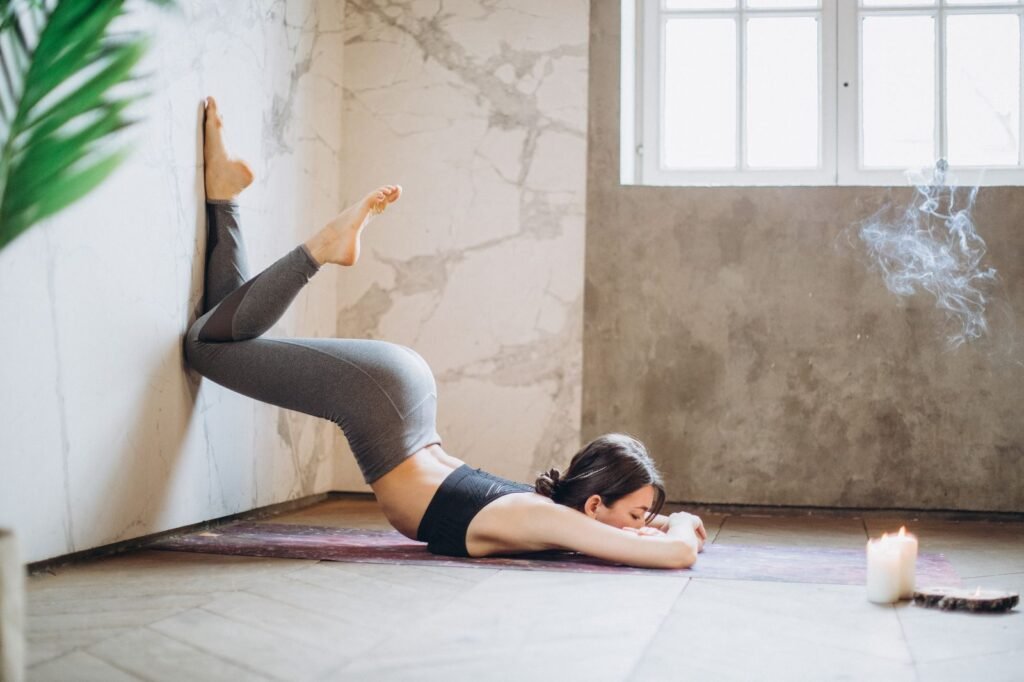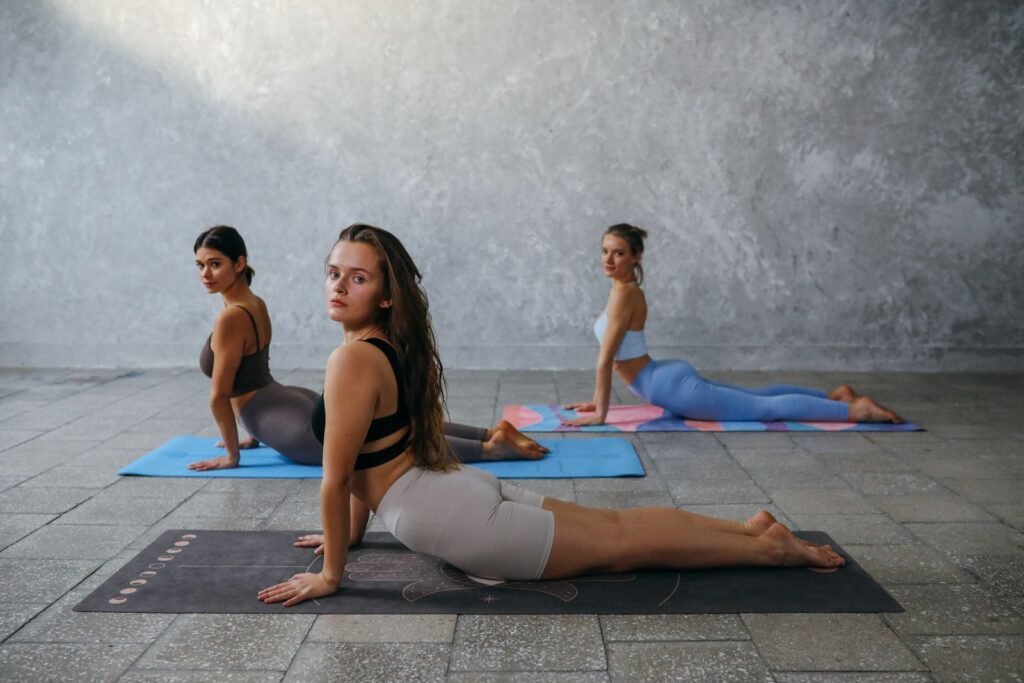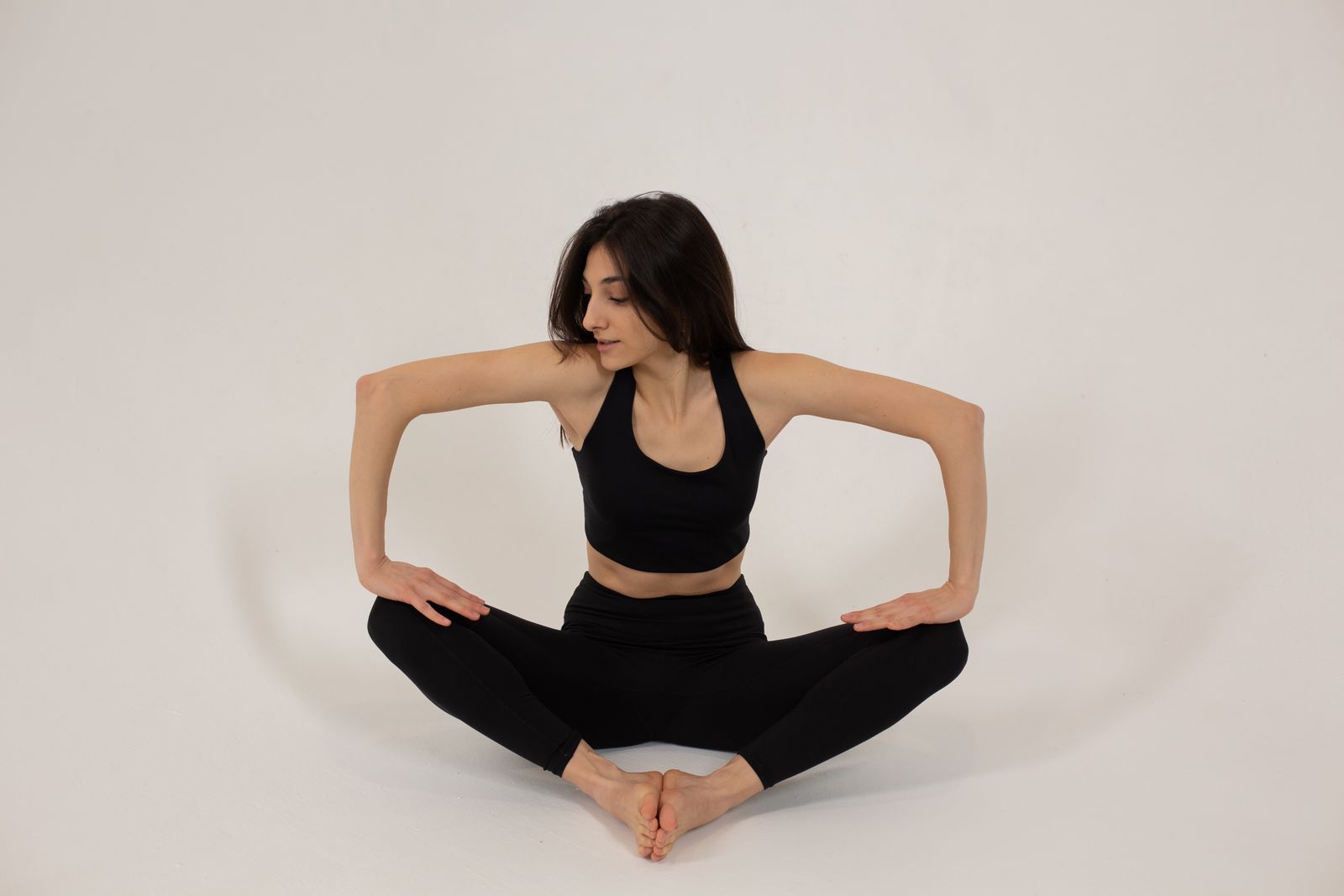
Easy yoga poses are simple, low-impact postures such as Child’s Pose, Cat-Cow, Easy Pose (Sukhasana), and Standing Forward Bend that require no prior flexibility, strength, or experience to perform safely. They are typically held for 15 to 60 seconds, use the breath as the main guide, and focus on gentle stretching and joint mobility rather than advanced balance or backbending. Because they carry a low risk of strain, easy yoga poses are the standard starting point for complete beginners, older adults, children, and anyone returning to movement after an injury, and they form the foundation that later supports more advanced yoga poses and sequences.
What Makes a Yoga Pose “Easy”?
A pose is generally classified as easy when it meets a few practical criteria: it does not require deep hip, hamstring, or shoulder flexibility; it can be modified with props like blocks, straps, or a folded blanket; it does not demand significant core or upper-body strength; and it carries low risk of joint strain even with imperfect alignment. Sukhasana, or Easy Pose, is literally named for this quality — it is a simple cross-legged seated position that anyone can sit in for a few breaths. By contrast, poses like Wheel or Crow are considered advanced because they demand specific strength, flexibility, or balance thresholds most beginners haven’t built yet. Understanding this distinction helps new students choose realistic starting points rather than attempting advanced yoga poses before the body is ready.
Why Should Beginners Start With Easy Yoga Poses?
Starting with easy yoga poses lets the body and nervous system adapt gradually, which reduces the risk of muscle strain, joint irritation, and the frustration that often causes people to quit yoga early. Easy poses also teach the fundamentals that every other pose builds on: how to stack the spine in a neutral position, how to engage the core without gripping, how to breathe steadily through discomfort, and how to notice the difference between a productive stretch and pain that signals a problem. Many types of yoga, including restorative, yin, and gentle hatha, are built almost entirely around easy poses, which shows that this category isn’t just a stepping stone — it’s a complete practice in its own right for people prioritizing relaxation and joint health over intensity.
What Are the Best Easy Yoga Poses for Beginners?
The following poses are commonly recommended across yoga teacher training programs and beginner classes because they are safe, low-risk, and effective at building foundational strength and flexibility:
- Easy Pose (Sukhasana) — a simple cross-legged seated position used for breathing and meditation
- Child’s Pose (Balasana) — a resting pose that gently stretches the hips, thighs, and lower back
- Cat-Cow (Marjaryasana-Bitilasana) — a flowing spinal mobility sequence performed on hands and knees
- Mountain Pose (Tadasana) — a standing posture that teaches proper alignment and weight distribution
- Standing Forward Bend (Uttanasana) — a gentle hamstring and lower-back stretch
- Downward-Facing Dog (Adho Mukha Svanasana) — a mild inversion that stretches the shoulders, hamstrings, and calves
- Bridge Pose (Setu Bandhasana) — a gentle backbend that strengthens the glutes and opens the chest
- Corpse Pose (Savasana) — a final relaxation pose that closes almost every yoga class
Each of these appears repeatedly across yoga poses names lists aimed at beginners because they require no special flexibility and can be modified with a block, blanket, or wall for extra support.
How Do You Do Easy Pose (Sukhasana) Correctly?
Sit on the floor or on a folded blanket, cross your shins so each foot rests loosely beneath the opposite knee, and let your knees settle toward the ground. Lengthen your spine upward from the base, relax your shoulders down and back, and rest your hands on your knees or in your lap. If your knees sit noticeably higher than your hips, sit on a cushion or folded blanket to tilt the pelvis forward slightly, which reduces strain on the lower back and hips. Hold for 30 seconds to several minutes while breathing steadily; this is one of the most common starting and ending positions in online yoga classes because it requires no equipment and works for almost every body type.
How Do You Do Child’s Pose (Balasana) Correctly?
Kneel on the mat with your big toes touching and knees spread about hip-width apart, then sit your hips back toward your heels as you fold your torso forward and rest your forehead on the mat. Extend your arms forward with palms down, or bring them alongside your body with palms facing up for a more restful variation. This pose gently stretches the hips, thighs, and lower back while calming the nervous system, which is why it’s frequently used as a rest position between more demanding poses. If your hips can’t comfortably reach your heels, place a folded blanket or bolster between your thighs and calves for support.
How Do You Do Cat-Cow Correctly?
Start on your hands and knees in a tabletop position, with wrists stacked under shoulders and knees under hips. On an inhale, drop your belly toward the mat, lift your chest and tailbone, and gaze slightly upward for Cow Pose. On an exhale, round your spine toward the ceiling, tuck your chin toward your chest, and draw your navel in for Cat Pose. Moving slowly between these two shapes for 8 to 10 breaths warms up the entire spine and is one of the most recommended yoga for back pain sequences because it mobilizes each vertebral segment without any loading or twisting.
What Are Easy Yoga Poses for Kids?
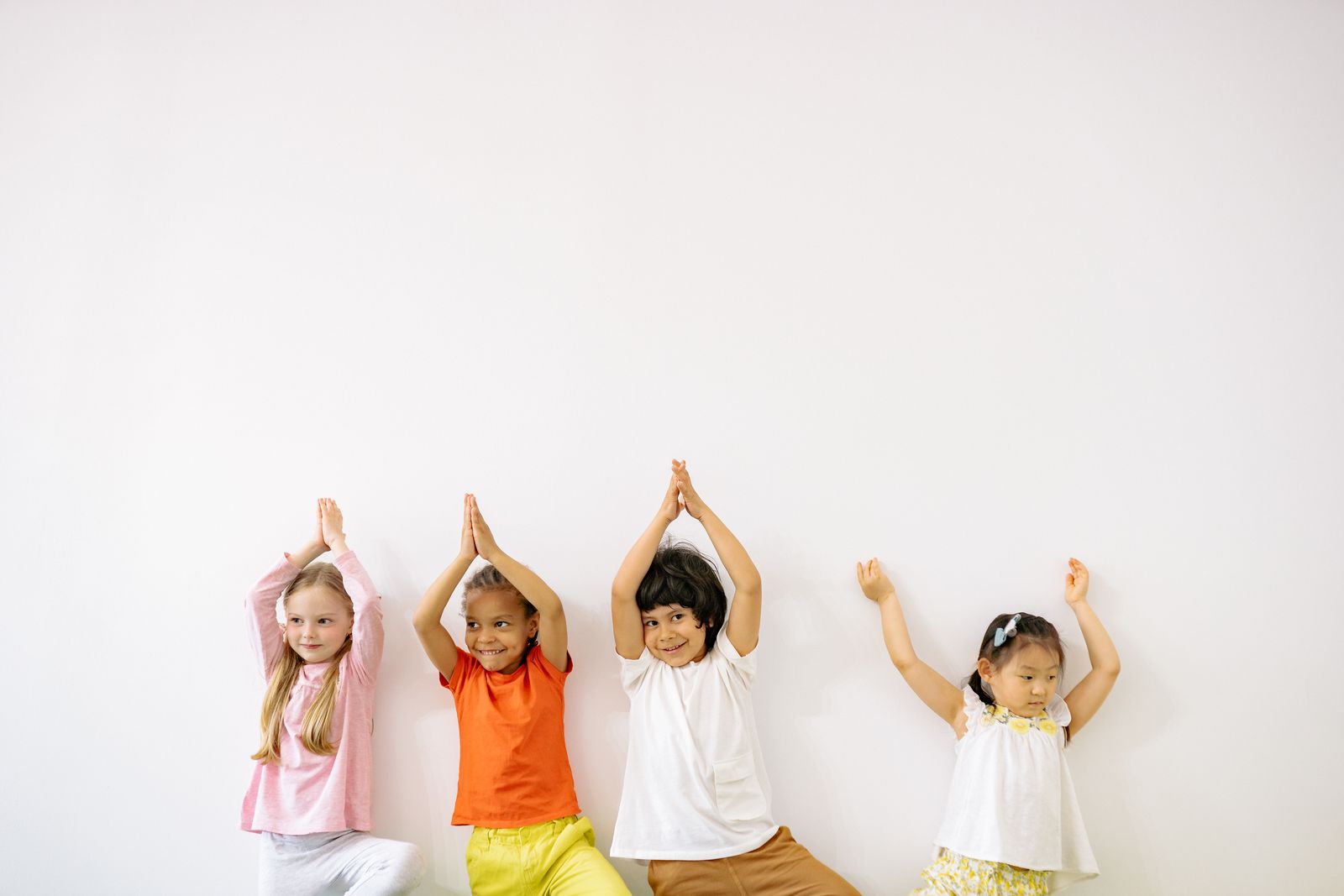
Children respond especially well to easy yoga poses that are framed as playful shapes rather than technical postures, since kids typically have more natural flexibility but shorter attention spans than adults. Popular options for kids include Cat-Cow (often called “Angry Cat” and “Happy Cow” in kids’ classes), Child’s Pose (framed as “resting like a turtle”), Tree Pose for balance games, Butterfly Pose for hip mobility, and simple seated breathing in Easy Pose. Teachers commonly use animal names, storytelling, and short holds of just 5 to 10 seconds to keep children engaged, and group settings that turn poses into a game tend to hold attention far longer than a strict, quiet studio-style class. These same principles apply whether the practice happens in a school gym, a living room, or a dedicated yoga for kids program.
What Are the 10 Easy Yoga Asanas Most Often Recommended?
Across yoga guides and teacher training checklists, a fairly consistent set of 10 easy asanas appears again and again as the recommended starting sequence:
- Tadasana (Mountain Pose)
- Sukhasana (Easy Pose)
- Balasana (Child’s Pose)
- Marjaryasana-Bitilasana (Cat-Cow)
- Uttanasana (Standing Forward Bend)
- Adho Mukha Svanasana (Downward-Facing Dog)
- Setu Bandhasana (Bridge Pose)
- Vrikshasana (Tree Pose)
- Bhujangasana (Cobra Pose)
- Savasana (Corpse Pose)
This sequence is popular because it moves through standing, seated, prone, and supine positions, giving beginners exposure to every major body orientation used in yoga asanas without requiring any single pose that demands significant flexibility or strength.
How Long Should You Hold an Easy Yoga Pose?
Most easy yoga poses are held for 15 to 60 seconds when practiced in a flowing sequence, or for 1 to 3 minutes when used as a resting or restorative pose, such as Child’s Pose or Easy Pose during meditation. Breath count is often a more useful guide than a clock for beginners: aiming for 5 to 8 slow breaths per pose naturally produces a hold time in that range without requiring you to watch a timer. Restorative and yin yoga styles extend these holds significantly, sometimes to 3 to 5 minutes per pose, to allow connective tissue rather than muscle to slowly release.
What Equipment Do You Need for Easy Yoga Poses?
One of the appeals of easy yoga poses is that they require minimal equipment. A basic yoga mat provides cushioning and grip for kneeling and hand placement, while a folded blanket can substitute for a bolster under the hips in seated poses or under the knees in kneeling poses. A yoga block placed under the hands in Standing Forward Bend or under the seat in Easy Pose reduces the range of motion required and makes the pose accessible to tighter bodies. None of these props are mandatory, however, and most easy poses can be practiced on a carpeted floor with a towel if dedicated equipment isn’t available yet.
Can Easy Yoga Poses Help With Stress and Sleep?
Slow, breath-linked movement combined with gentle stretching is commonly cited as a way to activate the parasympathetic nervous system, which is associated with lower heart rate and a calmer mental state. Poses like Child’s Pose, Easy Pose, and Legs-Up-the-Wall are frequently recommended in gentle evening routines because they don’t elevate heart rate the way standing or balancing poses can, making them suitable shortly before bed. While individual results vary and yoga is not a substitute for medical treatment of sleep or anxiety disorders, many practitioners report that a short easy-pose sequence before bed helps signal to the body that it’s time to wind down, similar to the calming intent behind yoga for stress relief practices.
How Do Easy Yoga Poses Differ From Easy Yoga Asanas With Names?
In practice, “easy yoga poses” and “easy yoga asanas with names” refer to the same category of postures — the distinction is mostly about how the content is organized. A list focused on names typically pairs each pose with its Sanskrit and English title (for example, Tadasana for Mountain Pose), which helps students recognize instructions in classes that use traditional Sanskrit cues. Learning both names isn’t strictly necessary to practice safely, but it does make it easier to follow along in a wider range of classes, including those taught by instructors trained in traditional lineages, and to search for more detail using resources like yoga poses names guides.
What Are Common Mistakes Beginners Make With Easy Poses?
Even simple poses can be practiced in ways that reduce their benefit or create unnecessary strain. Common mistakes include holding the breath instead of breathing steadily through the pose, forcing a deeper stretch than the body is ready for (particularly in seated forward folds), letting the shoulders creep up toward the ears in standing poses, and skipping warm-up movements like Cat-Cow before attempting deeper stretches. Another frequent error is comparing your flexibility to others in a class; easy poses are meant to meet your body where it is on a given day, and props exist specifically so that a “modified” version is not a lesser version. Working through a structured beginner yoga sequence with clear cues helps avoid most of these habits early on.
How Do Easy Yoga Poses Connect to Yoga Philosophy?
Beyond the physical benefits, easy poses are often a beginner’s first introduction to core ideas in yoga philosophy, particularly the concept of ahimsa, or non-harm, which in a physical practice translates to not forcing the body past its comfortable edge. The word “asana” itself is traditionally defined in classical yoga texts as a “steady, comfortable seat,” a definition that describes Easy Pose almost perfectly and is commonly cited to explain why gentleness, not intensity, was the original intent behind physical yoga postures. Approaching easy poses with this mindset — patience over performance — tends to carry over naturally into how a student eventually approaches more demanding postures and full yoga sequences.
How Do You Build a Simple Routine From Easy Yoga Poses?
A dependable way to start is to pick five to seven easy poses that move through different body orientations — for example, Mountain Pose, Cat-Cow, Child’s Pose, Downward-Facing Dog, Bridge Pose, and Easy Pose for a closing breath — and practice them in that order for 10 to 15 minutes most days of the week. Consistency with a small set of poses builds more lasting strength and flexibility than attempting a large, constantly changing list of postures. Once holding each pose for 5 to 8 breaths feels comfortable and stable, it’s a natural time to layer in one or two slightly more challenging poses, gradually expanding the routine into a fuller hatha yoga or vinyasa yoga practice.
Questions People Ask About Easy Yoga Poses
What is the easiest yoga pose to start with?
Easy Pose (Sukhasana), a simple cross-legged seated position, is typically the first pose taught because it requires no flexibility or strength and can be modified with a cushion for extra hip support. Child’s Pose and Mountain Pose are also common starting points since both can be held comfortably by nearly any beginner without props.
How many easy yoga poses should a beginner learn first?
Most beginner programs introduce 8 to 10 easy poses that cover standing, seated, kneeling, and lying positions before progressing further. Learning a smaller set well, with correct alignment and breathing, is generally more useful for building a foundation than trying to memorize a long list of poses all at once.
Are easy yoga poses good for weight loss?
Easy yoga poses alone burn relatively few calories compared to cardio or strength training, since they are low-intensity and held statically. However, they can support a weight loss routine indirectly by improving mobility, reducing stress-related eating triggers, and building consistency that makes it easier to stick with a broader fitness plan over time.
Can easy yoga poses be done every day?
Yes, most easy yoga poses are gentle enough to practice daily since they don’t place significant strain on muscles or joints. Daily practice, even for just 10 to 15 minutes, is often more effective for building flexibility and consistency than longer, less frequent sessions.
What age can kids start learning easy yoga poses?
Children as young as 3 or 4 can begin simple, playful versions of easy yoga poses, usually framed around animal names and short holds of just a few seconds. Structured classes with names, alignment cues, and longer holds are generally more appropriate starting around age 6 to 8, when attention span and body awareness have developed further.
Do you need to be flexible to start easy yoga poses?
No, easy yoga poses are specifically designed to require no prior flexibility, which is why they are the standard entry point for complete beginners. Flexibility develops gradually through consistent practice of these poses, rather than being a prerequisite for starting them.
Try This for Yourself
Reading through pose descriptions is a helpful starting point, but breathing rhythm, alignment, and safe modification are far easier to learn with live feedback from a real instructor. If you’d like personalized guidance on the poses covered in this guide, explore FitStrot’s online yoga classes and get matched with a teacher who can adapt a gentle sequence to your body, schedule, and goals.
Related reading: Yoga Poses, Yoga Asanas, Yoga Poses Names, Yoga for Kids, and FitStrot’s online yoga classes.