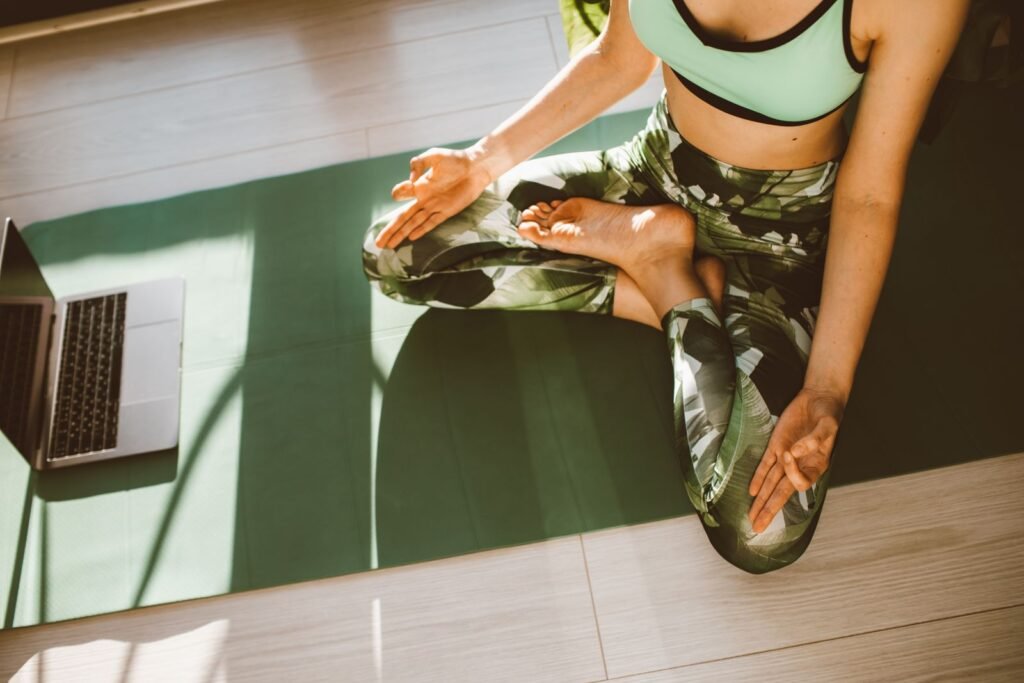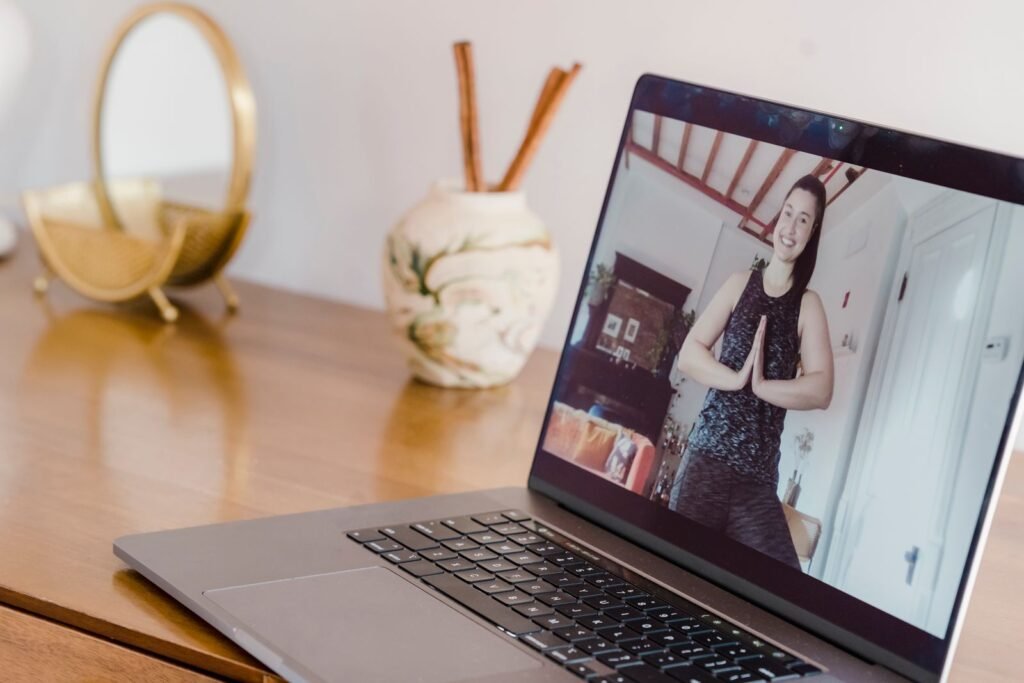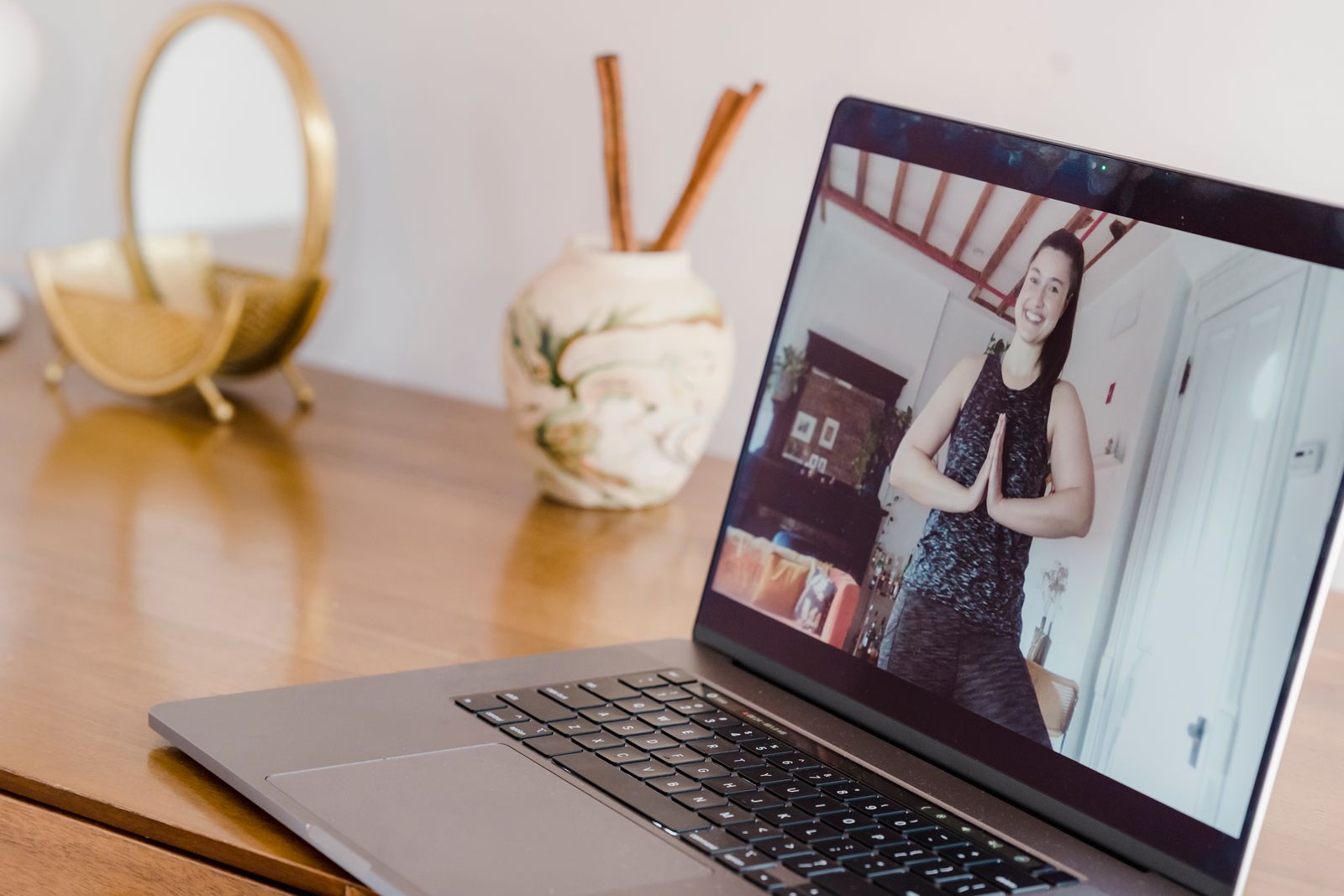
Free online yoga classes are live-streamed or pre-recorded sessions you can join at no cost through YouTube channels, app free tiers, community platforms, and studio-hosted donation classes. The best free options come from certified instructors, cover a clear style and level in the title, and don’t require a credit card to start. You can realistically build a full beginner-to-intermediate practice using only free resources for the first three to six months, mixing a structured YouTube channel for daily practice with an occasional donation-based live class for community and real-time feedback. Where free classes fall short is progression tracking, live correction of your form, and structured multi-week programs, all of which paid platforms and studios add once you’re ready to commit further.
This guide covers where to actually find free online yoga classes worth your time, how free classes compare across beginner and intermediate levels, what India-specific options exist, and where the “free yoga teacher training certification” search usually leads people astray.
Where Can You Find Free Online Yoga Classes?
Free online yoga classes exist in four main places: dedicated YouTube channels run by certified instructors, the free tiers of yoga and meditation apps, community or donation-based live streams hosted by studios, and public library or community center partnerships that stream sessions at no charge. YouTube channels tend to offer the deepest free libraries because ad revenue funds the content instead of subscriptions, but quality varies enormously since anyone can upload a video labeled “yoga class.” App free tiers usually cap you at a handful of sessions per week or limit you to shorter classes, using the free content as a preview of paid features. Donation-based live streams, often run by local studios that went partly online, offer the closest experience to an in-studio class, with real-time instructor feedback, in exchange for a “pay what you can” model instead of a fixed fee.
What Makes a Free Online Yoga Class Actually Good?
A genuinely good free class has three markers regardless of price:
- A visible instructor credential — commonly a 200-hour or 500-hour Yoga Alliance registration mentioned in the video description or channel bio.
- A clear style and level label — so you’re not guessing whether “flow yoga” means gentle or advanced.
- Full-body camera framing — so you can actually see foot and hand placement.
Free classes that skip all three, no credential mentioned, vague titles, and tight camera crops that only show the torso, are far more likely to teach unsafe alignment, particularly in standing balance poses and deep lunges. If a free class covers all three markers, it’s functionally comparable to many paid offerings for building a basic practice.
Are Free Online Yoga Courses Different From Free Single Classes?
Yes, and the distinction matters more than most people expect. A free online yoga course is a structured, multi-week or multi-session program designed to build a specific skill progressively, think a 30-day flexibility challenge or an 8-week beginner-to-intermediate Vinyasa yoga series, while a free single class is a standalone session with no built-in continuation. Courses are more valuable for actual skill development because each session assumes what you learned in the last one, reducing the constant re-explanation of basics that standalone videos repeat every time. If your goal is steady progress rather than an occasional stress-relief session, search specifically for course or program formats rather than browsing individual free videos at random.
What Should Complete Beginners Look for in Free Online Yoga Classes?
Free online yoga classes for beginners should explicitly use the word “beginner” in the title, not just “gentle” or “easy,” since those terms get used loosely across different channels and platforms. Look for a class that spends its first two to three minutes explaining foundational alignment, how to stack your hips over your knees in a lunge, or how to distribute weight evenly in Downward Dog, instead of assuming you already know it. A properly beginner-friendly free class also shows modifications on screen, a block or strap version next to the full pose, so you’re not left guessing when your hamstrings or shoulders aren’t ready for the full expression yet. Pairing your first few free sessions with our guide on how to start yoga gives you the vocabulary instructors typically assume you already have.
What Free Online Yoga Options Exist Specifically in India?
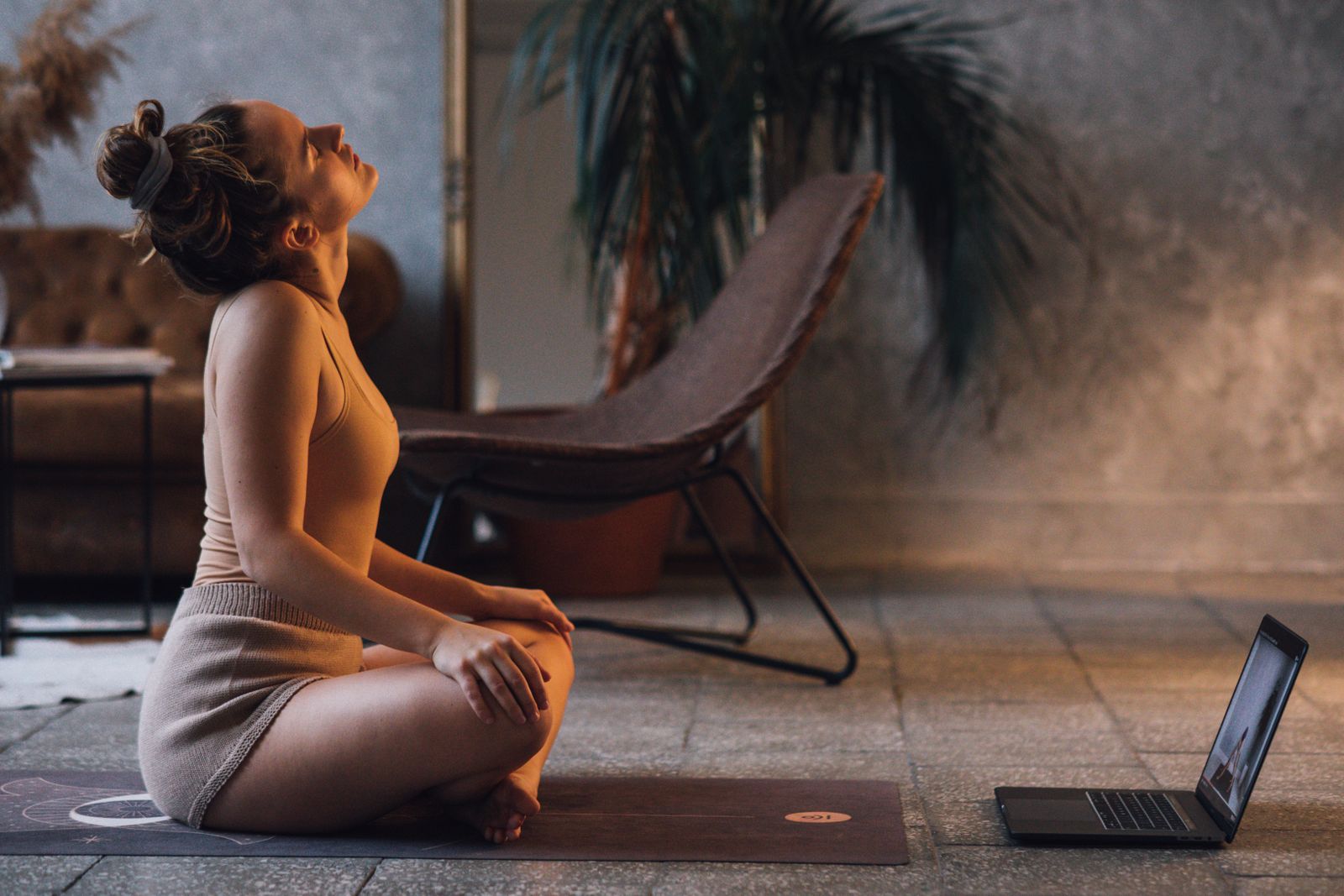
Free online yoga classes in India span government-backed programs, national broadcaster streams, and independent Indian instructors publishing full sessions in Hindi and English on YouTube. The Ministry of AYUSH has published free yoga protocol videos and guidance material as part of its ongoing public health promotion efforts, and several state governments have run free community yoga live streams tied to International Day of Yoga each June. Independent Indian instructors on YouTube often blend classical Hatha sequencing with contemporary cueing, which can feel more familiar if you learned yoga terminology from an Indian teacher previously or want pose names taught with their traditional Sanskrit roots alongside English. If you’d rather find an in-person option that also streams, searching for online yoga classes near me surfaces local Indian studios offering hybrid access.
What’s the Best Free Online Yoga for Intermediate Practitioners?
Free online yoga classes for intermediate practitioners should assume you already know foundational poses and basic breath-to-movement pairing, and instead focus on building sequences, longer holds, and transitions between poses rather than re-teaching alignment basics every session. Look for channels that offer themed weekly series, arm balance progressions, backbend prep sequences, or 45 to 60 minute flows, rather than only 10-minute quick sessions aimed at beginners. Power Yoga and faster Vinyasa sequences tend to have the deepest free intermediate libraries, since these styles translate well to video without needing hands-on correction as often as, for example, deep backbends do. If you’ve plateaued on free intermediate content, that’s usually the signal to add one paid or studio-based class monthly specifically for form correction rather than abandoning free resources entirely.
What’s the Difference Between Free and Best Free Online Yoga?
“Free” only means no cost; “best free” means no cost and no meaningful compromise on instruction quality, structure, or safety. The best free online yoga classes come from instructors who also teach at established studios or hold visible teacher training credentials, use consistent weekly upload schedules so you can build a routine around them, and organize their libraries by style, duration, and level rather than a single unsorted feed. A quick way to separate the two: check whether the channel or platform has been active and consistently uploading for at least a year, since inconsistent or abandoned free content is a common sign the instructor moved on or the sequencing was never planned as a coherent program.
Do Free Online Yoga Classes Actually Work as Well as Paid Ones?
For building a basic practice, flexibility, stress reduction, and general strength, research on remote yoga instruction, including studies examining online sessions during extended periods of restricted studio access, has found meaningful reductions in reported stress and improvements in wellbeing among regular online practitioners, and free classes taught by qualified instructors can deliver comparable results to paid ones for these goals. Where paid platforms pull ahead is live correction (an instructor watching you through video and adjusting a cue in real time), structured multi-week progression, and accountability features like streak tracking, all of which cost money to build and maintain. If your goal is advanced inversions, deep backbends, or injury rehabilitation, in-person or paid live instruction with actual feedback is the safer choice regardless of how good the free content looks on screen.
Is There Such a Thing as a Free Online Yoga Teacher Training Certification?
Genuine, accredited yoga teacher certifications, commonly the 200-hour Yoga Alliance registration that most studios and gyms require before hiring, are not available for free. These programs require a documented minimum number of contact hours covering anatomy, teaching methodology, philosophy, and supervised practice teaching, and the accreditation and instructor time behind that structure has a real cost. What does exist for free is introductory or “foundations” content, short courses covering yoga philosophy basics, beginner sequencing, or an overview of teaching cues, that can help you decide whether pursuing a paid certification is worth it before you commit. Treat any offer of a full “free certification” with skepticism, and verify the accreditation of any program you do pay for directly with Yoga Alliance before enrolling.
What Equipment Do You Need to Start With Free Online Yoga Classes?
You need a non-slip yoga mat, a device with a stable internet connection, and roughly six by four feet of clear floor space, enough to extend your arms fully overhead and lie flat for Savasana. A block or two, or a stack of thick books, plus a strap or long belt, cover most modification needs free beginner and intermediate classes call for. Free classes rarely include equipment as part of a subscription perk the way some paid platforms do, so budget for a basic mat and one or two props before your first session rather than skipping practice while you wait to buy gear. Our yoga at home guide covers exactly what to prioritize first if you’re setting up a practice space from scratch.
How Do Free Yoga Apps Compare to Free YouTube Classes?
Free yoga apps and free YouTube channels are built differently, and that shows up in how each one fits your week:
| Free Yoga Apps | Free YouTube Channels |
|---|---|
| Shorter sessions, roughly five to twenty minutes | Longer, more traditional full classes |
| Algorithm-curated by mood or body focus | Deeper libraries organized by style and instructor |
| Best content often gated behind a paid tier after a trial | Free indefinitely, funded by ad revenue |
| Best for a quick daily habit | Best for a full practice with proper warm-up and cool-down |
If you want a quick daily habit, an app free tier works well; if you want a full 60-minute practice with proper warm-up and cool-down, a YouTube channel is usually the better free option. Our yoga apps roundup covers which free tiers are actually worth using versus which exist mainly to funnel you toward a subscription.
How Do You Build a Consistent Routine Around Free Online Yoga Classes?
Most people who stick with free online yoga past the first month settle on two to four sessions weekly rather than daily practice, since that frequency is easier to sustain while still delivering measurable flexibility and stress benefits within six to eight weeks. A workable starting yoga routine pairs one longer 45 to 60 minute free class on a weekend with two shorter 15 to 20 minute weekday sessions from the same channel or app, so the sequencing stays consistent. Anchoring sessions to an existing habit, right after your morning coffee or immediately after logging off work, removes the decision fatigue that causes most people to skip free, unscheduled content specifically, since there’s no fixed class time forcing accountability the way a paid live class does. Our guides to morning yoga and evening yoga cover timing specifics for each option.
What Mistakes Do People Make When Relying Only on Free Online Yoga Classes?
The most common mistake is bouncing between unrelated free videos every session instead of following one channel’s structured sequence, which prevents the kind of progressive skill-building a real course delivers. A close second is skipping the warm-up section by joining a video a few minutes late, since cold muscles are far more prone to strain during early standing poses. Choosing a class level above your actual experience because the thumbnail looks approachable, and ignoring breath cues in favor of just copying the shapes on screen, round out the list. Our broader rundown of yoga mistakes to avoid applies just as directly to free formats as paid ones.
When Should You Upgrade From Free to Paid Online Yoga Classes?
Consider upgrading once you’ve plateaued on free content for four to six weeks with no visible progress, once you need live correction for a specific pose that keeps feeling wrong despite following the video carefully, or once you want a structured multi-week program tracking your attendance and progress automatically. Paid platforms and studio memberships also make more sense if you’ve decided yoga is a long-term habit rather than an occasional practice, since the accountability of a scheduled live class with real cost attached tends to improve consistency. Our comparison of the best online yoga classes breaks down free, paid, and one-on-one coaching options side by side if you’re at this decision point.
Questions People Ask About Free Online Yoga Classes
Are free online yoga classes safe for beginners?
Yes, as long as the instructor is visibly credentialed and the class explicitly targets beginners rather than assuming prior experience. Stick to slower-paced styles like Hatha for your first few weeks, confirm the camera shows the instructor’s full body, and stop immediately if a cue causes sharp pain rather than a normal stretch sensation.
Can you get a real yoga certification for free online?
No, accredited certifications like the 200-hour Yoga Alliance registration require documented contact hours and supervised teaching practice that carry real accreditation costs. Free content labeled as certification is typically an introductory overview, not a credential recognized by studios or gyms hiring instructors.
How many free online yoga classes should a beginner do per week?
Two to three sessions weekly is a realistic, sustainable starting point for most beginners, building measurable flexibility and stress-reduction benefits within six to eight weeks. Daily practice is fine if it feels good, but it isn’t necessary to see results, and starting with a lower frequency reduces the chance of quitting from early soreness or burnout.
Do free online yoga classes in India differ from international ones?
The core poses and sequencing are the same worldwide, but many Indian instructors incorporate traditional Sanskrit terminology and classical Hatha sequencing alongside government-backed public health initiatives like Ministry of AYUSH content. If you prefer pose names taught with their Sanskrit roots or want content tied to India’s International Day of Yoga programming, Indian-run channels are usually a better fit.
What’s the best free way to try yoga before committing to anything paid?
Pick one well-reviewed, clearly credentialed YouTube channel or app free tier, commit to its beginner series for two to three weeks, and track how your body responds. This gives you a real signal on whether you enjoy the practice and which style suits you, without any financial commitment, before deciding whether a paid platform or studio membership is worth the upgrade.
Try This for Yourself
Free online yoga classes are a genuinely solid way to start, but pairing them with an instructor who can see you and correct your form in real time is what turns an occasional habit into lasting progress. FitStrot’s online yoga classes pair you with certified instructors across styles and levels, live from wherever you have a mat and a stable connection, whenever you’re ready to go beyond free content.
Related reading: Yoga Apps, Online Yoga Classes, Online Yoga Classes Near Me, Best Online Yoga Classes, and FitStrot’s online yoga classes.