Prenatal yoga is a modified form of yoga designed specifically for pregnancy, combining gentle stretching, pelvic-floor awareness, breathing techniques, and relaxation to support the body through each trimester while easing common discomforts like back pain, swelling, and anxiety. Unlike a general yoga class, a prenatal yoga class removes poses that compress the abdomen, involve deep twists, or risk loss of balance, and replaces them with modifications that account for a shifting center of gravity, loosening ligaments, and a growing baby. Most healthcare providers consider prenatal yoga a safe, low-impact form of movement for uncomplicated pregnancies, though it’s always worth a quick check-in with your doctor or midwife before starting, especially if you’re new to exercise or have a high-risk pregnancy.
What Is Prenatal Yoga, Exactly?
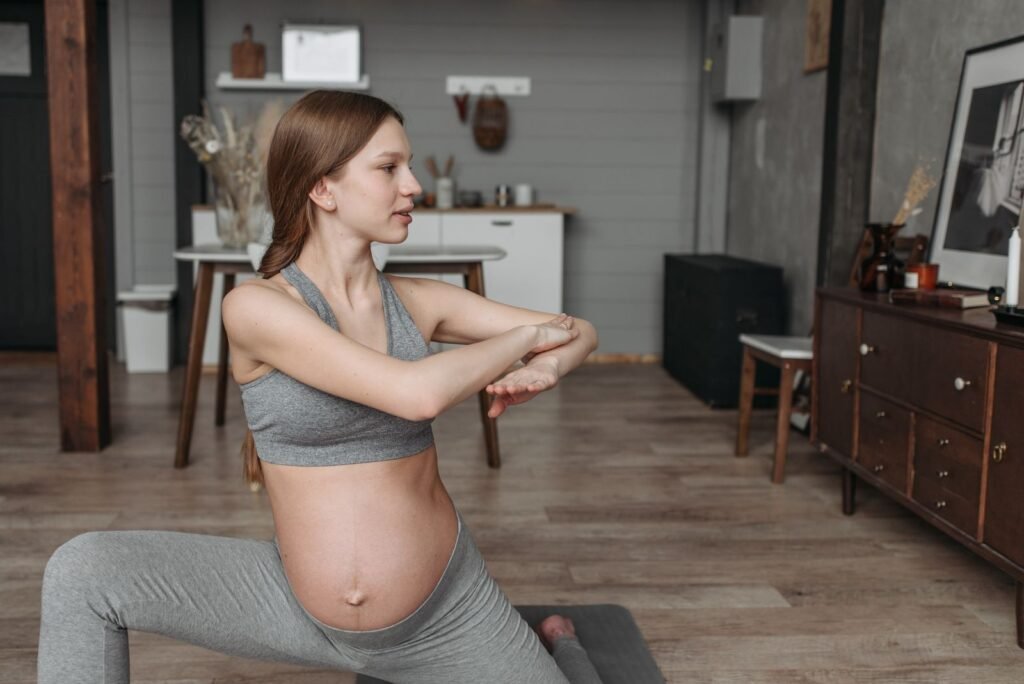
Prenatal yoga meaning goes beyond simply “yoga while pregnant.” It’s a specialized practice built around three physiological realities of pregnancy: the hormone relaxin loosening joints and ligaments, the uterus growing large enough to affect balance and blood flow, and the pelvic floor bearing more load with each trimester. A well-designed prenatal class addresses all three, using supported standing poses, wide-legged seated stretches, side-lying rest positions, and breath work instead of the deep backbends, closed twists, and prone (belly-down) poses found in a typical vinyasa or power class. The goal isn’t fitness in the conventional sense; it’s maintaining mobility, building the specific muscular endurance needed for labor, and creating a calm nervous-system baseline for the transition into parenthood.
What Are the Benefits of Prenatal Yoga?
The benefits of prenatal yoga cluster into physical, respiratory, and emotional categories. Physically, regular practice helps counteract the forward-leaning posture that develops as the belly grows, which is a major contributor to the lower back and hip pain reported by a large share of pregnant women in the second and third trimesters. Poses like Cat-Cow and modified Child’s Pose mobilize the spine gently and relieve pressure on the sciatic nerve. Respiratory benefits come from pranayama practices taught in almost every prenatal class, particularly slow diaphragmatic breathing and a labor-specific technique sometimes called “birth breath,” which trains the kind of controlled, extended exhale that’s genuinely useful during contractions. Emotionally, the combination of movement, breath, and a dedicated hour away from daily stressors is commonly cited by practitioners as one of the more valuable, if hard-to-quantify, benefits — a similar mechanism to what’s described in yoga for stress relief and yoga for anxiety.
When to Start Yoga During Pregnancy
Most instructors and prenatal care providers suggest waiting until after the first trimester, roughly week 12 to 14, before joining a group prenatal class, mainly because miscarriage risk is naturally higher in early pregnancy and it’s simpler to build a routine once morning sickness and first-trimester fatigue have eased. That said, gentle, restorative movement, breathing exercises, and pelvic-floor awareness work are generally considered fine from very early on for most low-risk pregnancies, provided a doctor has cleared exercise in general. If you already had an established yoga practice before conceiving, many teachers will let you continue familiar, gentle sequences through the first trimester with modifications, rather than starting from zero. The safest approach is always to loop in your OB-GYN or midwife at your next appointment and mention specifically that you want to start prenatal yoga, so they can flag anything particular to your pregnancy.
Is It Good to Do Yoga During Pregnancy?
Yes, for the majority of pregnancies without complications, prenatal yoga is considered one of the safer and more beneficial forms of exercise available. It’s low-impact, adjustable to any fitness level, and specifically designed to avoid the positions and movements that carry elevated risk during pregnancy, such as lying flat on the back for extended periods after the first trimester or holding deep abdominal twists. Research on exercise in pregnancy broadly associates moderate activity with better sleep, reduced risk of excessive weight gain, and lower rates of gestational diabetes in some populations, and prenatal yoga is one of the more accessible ways to hit that moderate-activity target without the joint impact of running or the balance demands of some gym equipment. It is not, however, a substitute for medical care, and any bleeding, sharp pain, dizziness, or reduced fetal movement during or after a session should be reported to your provider immediately.
Can You Do Yoga During Pregnancy If You’ve Never Practiced Before?
Absolutely — prenatal yoga is one of the more beginner-friendly entry points into yoga precisely because classes are built for a wide range of starting fitness levels, from women who ran marathons pre-pregnancy to those who’ve never set foot on a mat. A good instructor will offer modifications for every pose, use props like bolsters and blocks generously, and prioritize alignment and safety over depth of stretch. If you’re nervous about starting yoga for the first time while pregnant, look for a class explicitly labeled “prenatal” or “pregnancy yoga” rather than joining a general beginners’ yoga class, since a general class instructor may not know which cues and modifications matter for pregnancy.
How to Do Yoga During Pregnancy Safely
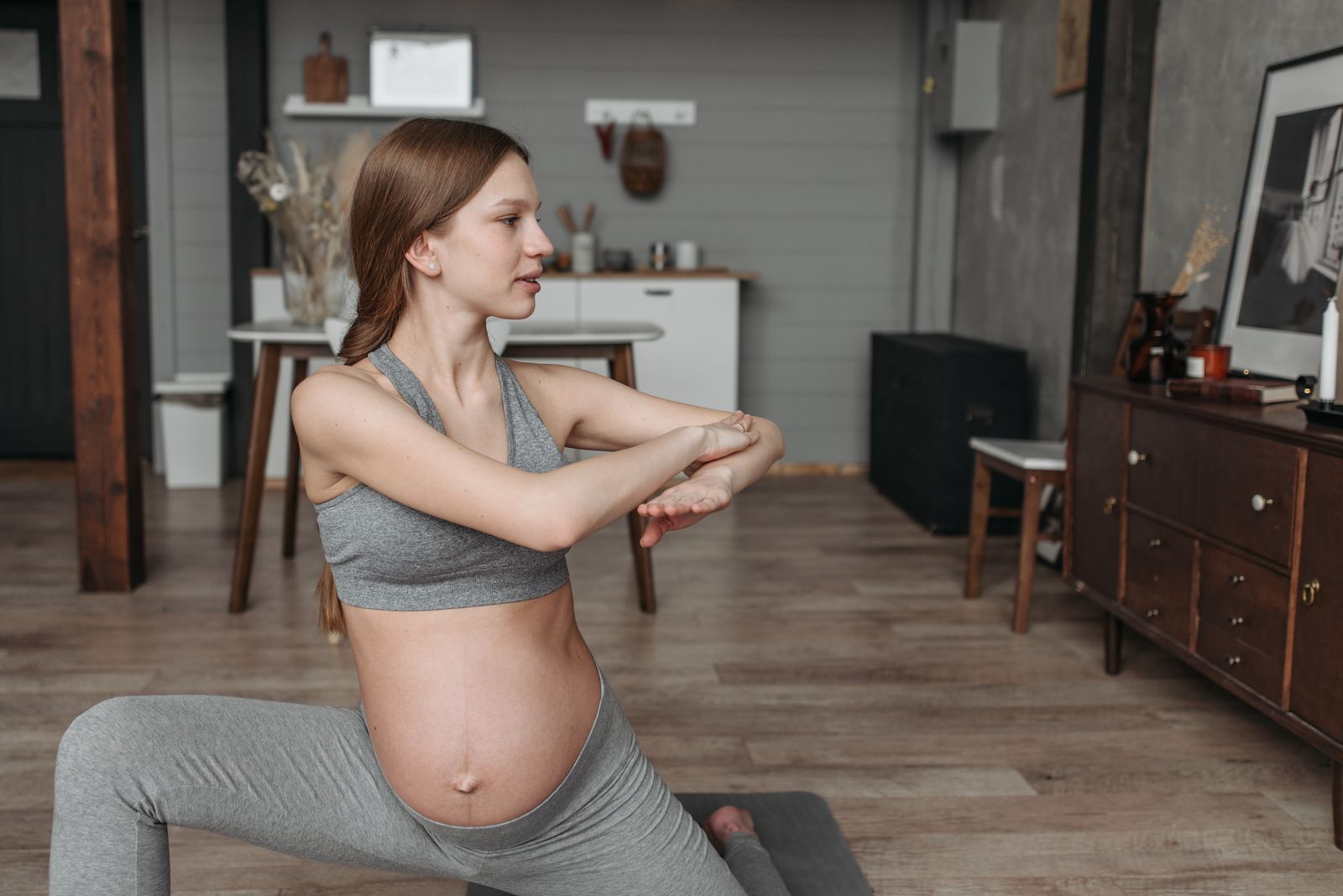
Safe prenatal yoga practice comes down to a handful of consistent rules that apply across trimesters:
- Avoid lying flat on your back (supine position) for more than a few minutes at a time after roughly week 16-20, since the weight of the uterus can compress the vena cava and reduce blood flow; most prenatal sequences use a bolster or wedge to keep you propped at an incline instead.
- Skip deep closed twists that compress the abdomen — open twists that rotate from the shoulders rather than squeezing the belly are the safer substitute.
- Avoid hot yoga or any heated room entirely, since overheating is one of the more consistently flagged risks in pregnancy exercise guidance.
- Widen your stance in standing poses to accommodate your changing balance, and keep a wall or chair nearby for support in poses like Tree Pose or Warrior II.
- Listen to your body’s signals more literally than usual: pregnancy hormones can make a stretch feel deceptively comfortable even when a joint is being pushed past its normal range, so aim for a moderate stretch sensation rather than the deeper stretch you might have chased pre-pregnancy.
What Poses Are Included in a Prenatal Yoga Class?
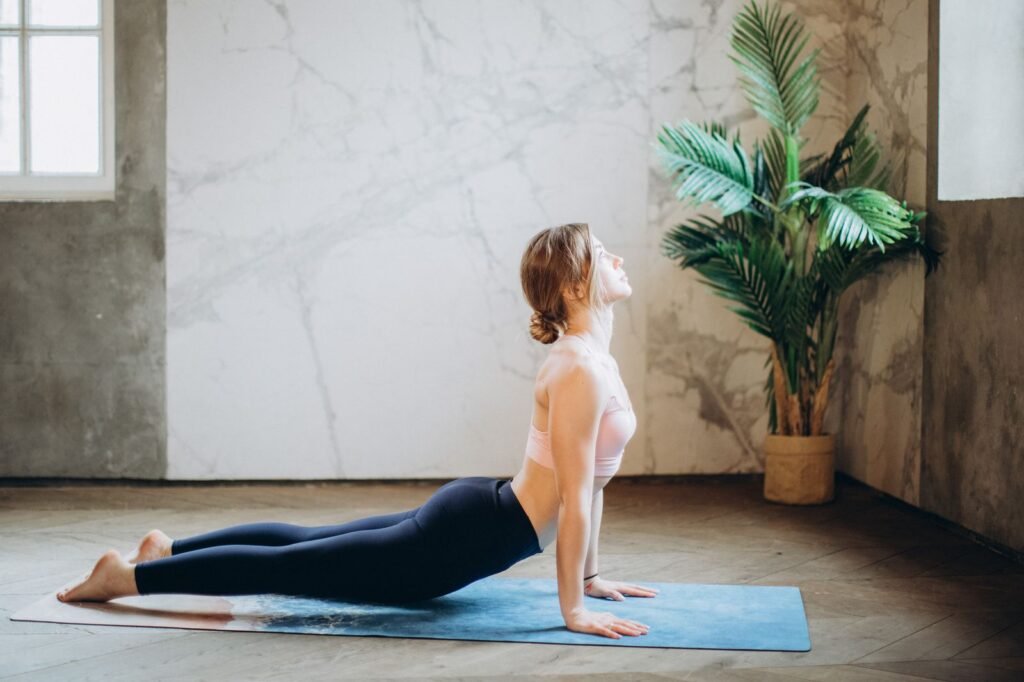
Prenatal yoga poses are chosen for stability, gentle mobility, and pelvic-floor engagement rather than intensity. Common poses include Cat-Cow (Marjaryasana-Bitilasana) for spinal mobility and lower back relief, a wide-legged version of Child’s Pose to give the belly room, supported Warrior II for leg strength without deep balance demands, seated Butterfly Pose (Baddha Konasana) to open the hips in preparation for labor, and Side-Lying Savasana for final relaxation instead of the traditional flat-on-the-back version. Many classes also incorporate a modified Cobbler’s Pose against a wall and gentle standing forward folds with bent knees. Deep backbends like full Wheel Pose, inversions such as headstand or shoulder stand, and any pose requiring you to lie prone on the belly are generally excluded once the bump becomes noticeable, though experienced practitioners with an established inversion practice sometimes continue modified versions with instructor guidance well into the second trimester.
What Should You Look For in a Prenatal Yoga Instructor?
A qualified prenatal yoga instructor should hold a dedicated prenatal yoga instructor certification in addition to a standard 200-hour yoga teacher training, since prenatal-specific training covers anatomy changes across each trimester, contraindicated poses, and how to safely cue modifications on the spot when a student’s needs change week to week. When evaluating a teacher or studio, ask directly about their prenatal yoga training background: how many hours of specialized coursework they completed, whether they’ve trained with a recognized prenatal yoga certification body, and how they handle common situations like a student experiencing round ligament pain or needing to skip inversions after a diagnosis of placenta previa. A good instructor will also ask you questions before class — your trimester, any pregnancy complications, and your general fitness background — rather than treating every prenatal student identically.
Is a Certification Required to Teach Prenatal Yoga?
In most countries, there’s no single legal licensing body that mandates a specific prenatal yoga instructor certification before someone can teach a prenatal class, which makes it especially important for students to vet instructors themselves rather than assuming all “prenatal yoga” classes meet the same standard. Reputable prenatal yoga certification programs typically run 20 to 85 hours beyond a base 200-hour teacher training and cover topics like trimester-specific anatomy, labor-preparation breathing, postpartum considerations, and how to modify poses for common pregnancy complications such as diastasis recti or pelvic girdle pain. If you’re considering becoming an instructor yourself, look for a prenatal yoga course that includes supervised teaching practice with real pregnant students, not just lecture-based content, since the hands-on judgment calls are where most of the real skill lives.
Prenatal Yoga Classes: What to Expect in Your First Session
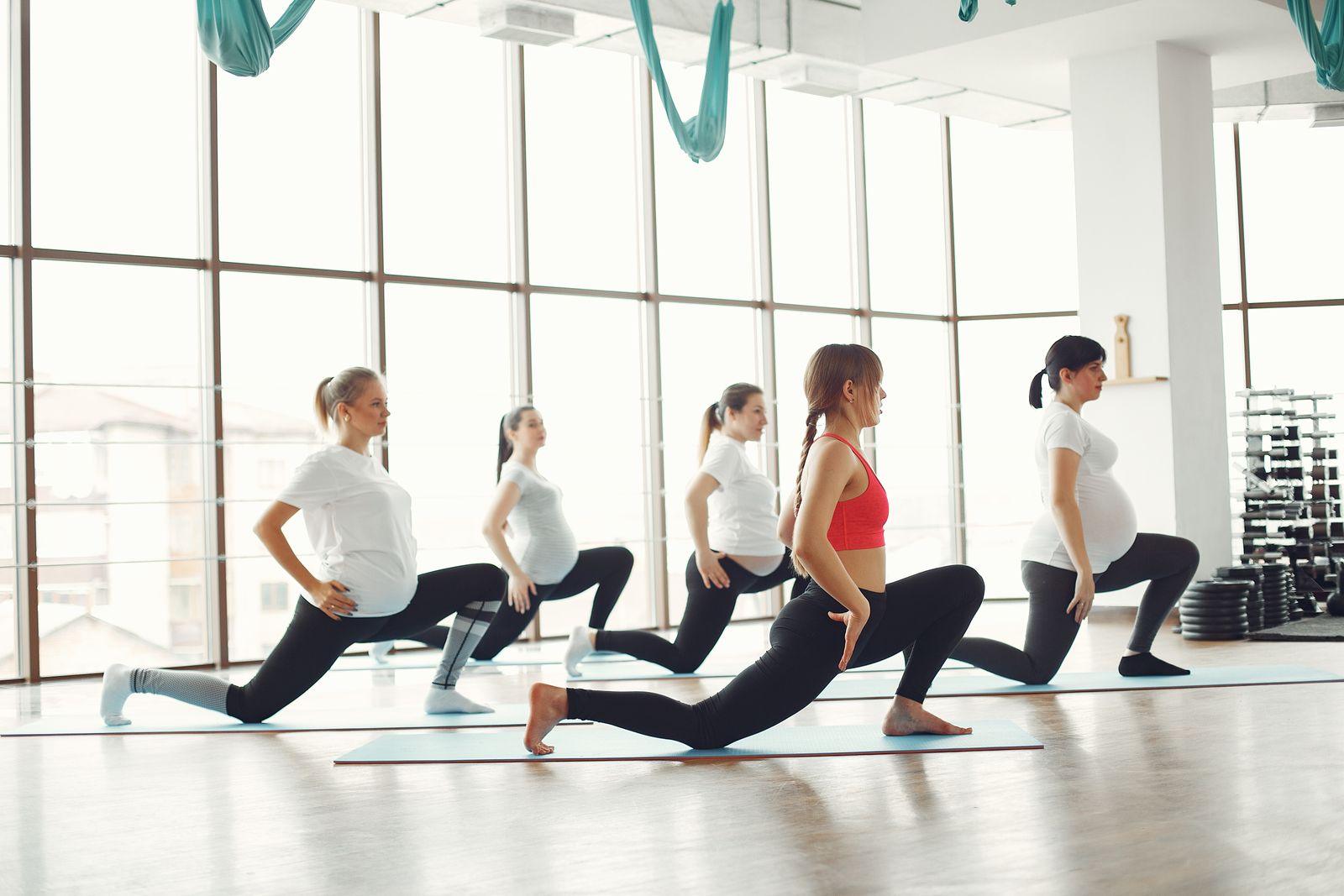
Prenatal yoga classes typically run 60 to 75 minutes and open with a check-in round where each student shares their trimester and how they’re feeling that day, information the instructor uses to adjust the sequence in real time. Expect a slower pace than a typical studio class, more time spent in each pose, frequent use of props like blocks, bolsters, and straps, and a heavier emphasis on breath work and relaxation at the end. Many studios and platforms, including yoga for pregnant women programs built specifically around this audience, offer both live group sessions and on-demand options, which matters for pregnant women dealing with unpredictable energy levels or nausea that can make committing to a fixed class time difficult. If you’re searching for something like “leaf prenatal yoga classes” or a similarly named local studio option, the same vetting rules apply: confirm the instructor’s prenatal-specific training and ask whether class size allows for individual modification cues.
Online vs In-Person Prenatal Yoga: Which Is Better?
Both formats can be effective, and the right choice usually comes down to logistics and personal preference rather than one being objectively superior.
| Factor | In-Person Prenatal Yoga | Online Prenatal Yoga |
|---|---|---|
| Hands-on adjustments | Instructor can physically guide alignment | Limited to verbal and visual cues |
| Social connection | Practicing alongside other pregnant women | Minimal unless it’s a live group format |
| Scheduling flexibility | Fixed class times, requires a commute | Live or on-demand, no commute needed |
| Comfort pausing or resting | Can feel observed when skipping a pose | Easy to pause, rest, or skip without feeling watched |
A hybrid approach — attending an in-person class occasionally for hands-on feedback while doing shorter online sessions on busier days — is a practical middle ground many instructors recommend, similar to patterns seen in general online yoga classes adoption.
How Does Prenatal Yoga Compare to Other Pregnancy-Safe Workouts?
Compared to walking, swimming, or prenatal Pilates, yoga’s distinct advantage is the built-in breath-and-relaxation component alongside the physical practice, which directly maps onto labor preparation in a way that pure cardio doesn’t. Swimming offers similar joint-friendly, low-impact benefits and is excellent for swelling relief, but doesn’t include the same structured breathing practice. Prenatal Pilates overlaps significantly with yoga in its focus on core and pelvic-floor stability but tends to be more repetition-based and less oriented toward relaxation and mindfulness. For pregnant women managing anxiety or sleep issues alongside physical discomfort, the meditative component that prenatal yoga shares with practices like yoga nidra tends to make it the more well-rounded option, though combining two or three of these activities across the week is common and often recommended by prenatal fitness specialists.
What Happens After Birth? Transitioning to Postnatal Yoga
Once your provider clears you for exercise after delivery, typically around six weeks for a vaginal birth and slightly longer after a cesarean, postnatal yoga becomes the natural next step. Postnatal classes focus on rebuilding core and pelvic-floor strength gradually, addressing diastasis recti if present, and accommodating the physical realities of recovery and new-parent sleep deprivation. Many of the same studios and instructors who teach prenatal yoga also teach postnatal, which can make the transition smoother since they’re already familiar with your pregnancy history. The overall arc — from yoga during pregnancy through labor preparation to postnatal recovery — is increasingly taught as a continuous program rather than three disconnected phases, which is part of why some studios market a combined prenatal-through-postnatal package.
Common Mistakes to Avoid in Prenatal Yoga
The most frequent mistake is continuing pre-pregnancy intensity habits into a prenatal practice, particularly pushing into a deeper stretch because it “feels fine” — pregnancy hormones can mask the discomfort that would normally signal you’re overstretching a joint, so track range of motion by feel and habit rather than sensation alone. A second common mistake is skipping the check-in with an instructor before the first class, which means the teacher can’t tailor cues to your specific trimester or any complications. A third is holding the breath during poses, a habit carried over from more vigorous styles like power yoga, when steady, continuous breathing is actually one of the central skills prenatal yoga is meant to build. Finally, many pregnant women stop moving entirely out of caution when in fact appropriately modified movement, including gentle yoga for back pain relief, tends to reduce rather than increase common pregnancy discomforts.
Questions People Ask About Prenatal Yoga
When to start yoga during pregnancy?
Most instructors suggest waiting until after the first trimester, around week 12-14, to join a group prenatal class, mainly because it’s simpler once early fatigue and nausea ease. Gentle breathing and pelvic-floor work are typically fine earlier for low-risk pregnancies. Always confirm timing with your OB-GYN or midwife first, especially if this is your first time exercising regularly.
Can we do yoga during pregnancy?
Yes, for the majority of uncomplicated pregnancies, yoga is considered a safe and beneficial form of low-impact exercise. It should be modified specifically for pregnancy rather than a general class, avoiding deep twists, prone poses, and extended time flat on the back. Always get individual clearance from your healthcare provider before starting.
Can I do yoga during pregnancy if I’ve never done yoga before?
Yes, prenatal yoga classes are specifically designed to welcome complete beginners alongside experienced practitioners. Instructors offer modifications for every pose and prioritize alignment over depth of stretch. Look for a class explicitly labeled “prenatal,” rather than a general beginners’ class, so the instructor understands pregnancy-specific cues and restrictions.
Can you do yoga during pregnancy in every trimester?
Yes, with different emphases each trimester. The first trimester often continues familiar gentle poses, the second introduces more props and standing-pose modifications as balance shifts, and the third focuses heavily on hip-opening, breathing, and labor-preparation work. Poses are adjusted continuously as the pregnancy progresses rather than following one fixed routine throughout.
How to do yoga during pregnancy safely?
Avoid lying flat on the back for extended periods after roughly week 16-20, skip deep closed twists and hot yoga entirely, and widen your stance in standing poses for better balance. Use props like bolsters and blocks generously, and treat any stretch sensation as a signal to ease off rather than push deeper, since pregnancy hormones can mask overstretching.
Is it good to do yoga during pregnancy?
Yes, for most pregnancies without complications, prenatal yoga is considered one of the safer and more beneficial exercise options, supporting flexibility, breathing control for labor, and emotional wellbeing. It is not a substitute for medical care, so any bleeding, sharp pain, or dizziness during practice should be reported to your provider right away.
Try This for Yourself
Reading about prenatal yoga poses and modifications is a useful starting point, but a live, guided class makes an enormous difference when you need real-time cues on alignment, breathing, and pacing tailored to your exact trimester. Join FitStrot’s online yoga classes to work with a certified prenatal-trained instructor who can build a safe, personalized routine around your due date, energy levels, and any complications your doctor has flagged.
Related reading: Yoga for Pregnant Women, Yoga During Pregnancy, Postnatal Yoga, Yoga for Beginners, and FitStrot’s Online Yoga Classes.