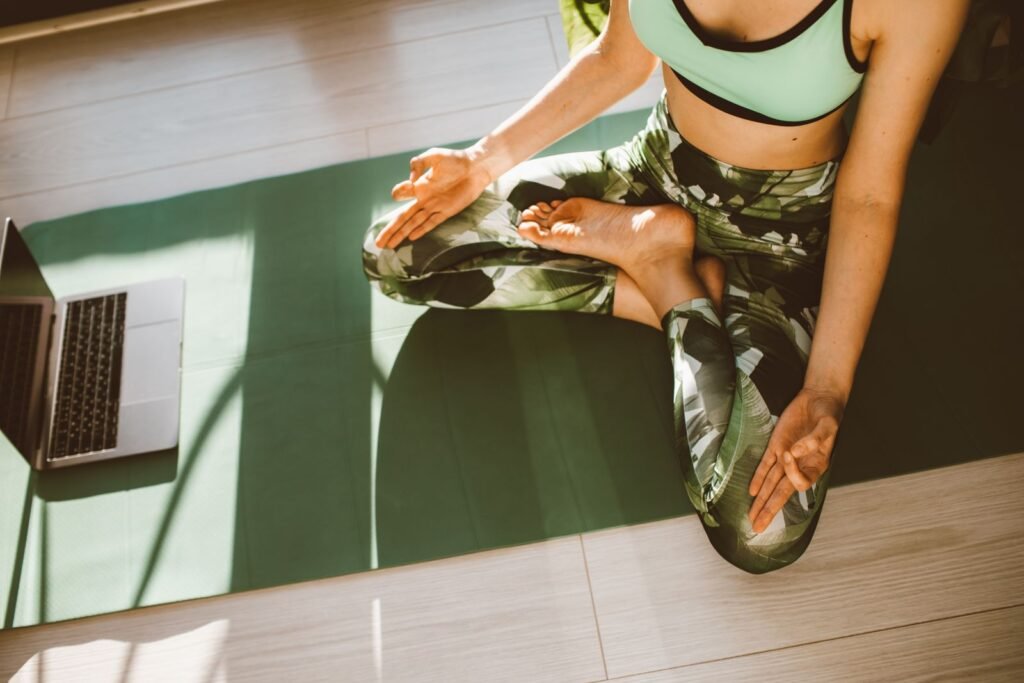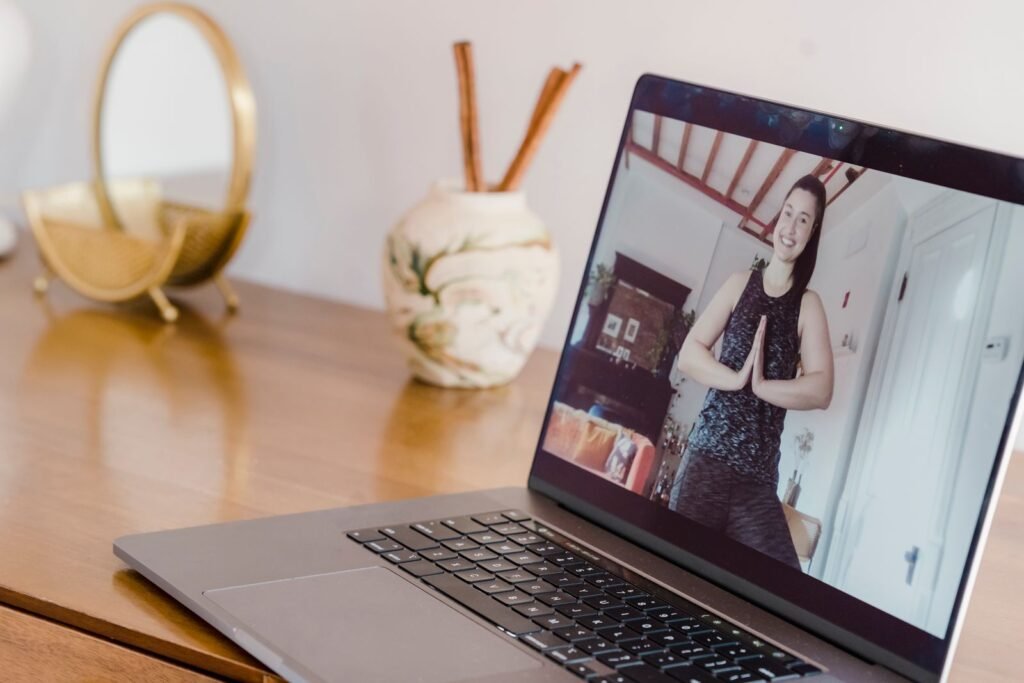
Online yoga classes near me now means something different than it did a few years ago: instead of only searching for a nearby studio, most people are looking for a live or on-demand class they can join from their own living room, at a time that fits their schedule, taught by a real instructor who can see and correct their form. The best online yoga classes give you studio-quality instruction, small-group or one-to-one attention, and a consistent weekly rhythm, without a commute, a membership contract, or a fixed class time. If you want structure and accountability, live online sessions with a real teacher beat generic pre-recorded videos almost every time.
This guide walks through how online yoga classes actually work, how to tell a good one from a mediocre one, what they cost, who they suit, and how to get started this week. It also compares them honestly against driving to a local studio, so you can make a decision instead of just collecting more open tabs.
What Do “Online Yoga Classes Near Me” Actually Mean Today?
The phrase is a holdover from local search habits, but the intent behind it has shifted. People typing “online yoga classes near me” are usually not looking for a studio’s physical address. They’re looking for a class in their own time zone, with scheduling that matches their routine, and often with the option to ask a live teacher questions in real time. Location still matters for one thing: time zone alignment for live sessions. Beyond that, “near me” has become shorthand for “convenient, credible, and available now.”
Understanding this shift matters because it changes what you should actually be comparing. Instead of comparing studios by distance, you should be comparing programs by class format (live vs. recorded), instructor qualifications, group size, and how well the platform handles feedback and correction. For a deeper breakdown of formats and providers, see our guide to online yoga classes.
Live Online Classes vs. On-Demand Videos: What’s the Real Difference?
Live online yoga classes happen on a video call at a scheduled time, with an instructor who can see your camera feed and correct your alignment in real time, similar to a small in-studio class. On-demand videos are pre-recorded sessions you can start whenever you like, but there’s no one watching your form and no way to ask a question mid-pose.
Live classes suit people who want structure, accountability, and real correction, especially beginners still learning alignment basics or anyone recovering from an injury who needs a trained eye watching their movement. On-demand libraries suit people with unpredictable schedules, frequent travelers, or advanced practitioners who mostly need a menu of sequences to choose from. Many people end up using both: a weekly live class for structure and correction, plus on-demand sessions to fill in shorter practice days. If you’re deciding between the two, our comparison of the best online yoga classes breaks down which platforms do each format well.
How Much Do Online Yoga Classes Cost?
Pricing for online yoga varies widely depending on format. Free YouTube-style sessions cost nothing but offer no feedback or accountability. Subscription apps and platforms with large video libraries typically charge a flat monthly fee for unlimited on-demand access. Live group classes with a real instructor are usually sold as class packs or monthly memberships, priced per session, and tend to cost more than a pure video subscription because you’re paying for a teacher’s live attention, not just streaming access. One-to-one live sessions cost the most per hour but deliver the most individualized correction, similar in value to one-on-one personal training in the general fitness world.
When comparing prices, check exactly what’s included: Does the fee cover unlimited classes or a capped number per month? Is there a cancellation fee for missed live sessions? Is a free trial class offered before you commit? A lower headline price is not a bargain if the class quality or instructor attention is thin.
What Should You Look for in an Online Yoga Instructor?
Not all instructors teaching online are equally qualified, and a polished video feed says nothing about training. Look for a certification from a recognized yoga alliance-style training body, a stated number of teaching hours, and experience specifically teaching online (which requires different cueing skills than in-person teaching, since the instructor can’t physically adjust you).
Ask or check whether the instructor:
- Explains anatomical cues clearly enough that you can self-correct without hands-on adjustment
- Offers modifications for different ability levels within the same class
- Has experience with your specific goals, whether that’s flexibility, stress relief, or recovery from a back pain issue
- Responds to questions during or after class rather than just running through a script
A good instructor bio and visible teaching history are the fastest way to filter out low-effort content mills from serious teachers.
Which Style of Online Yoga Class Should You Choose?
The right style depends entirely on your goal, not just what’s trending. Among the most common types of yoga offered online:
- Hatha yoga moves slowly through poses with longer holds, making it a strong entry point for beginners learning alignment.
- Vinyasa yoga links breath to movement in a continuous flow, better suited to people wanting a more dynamic, cardio-adjacent practice.
- Restorative yoga uses props and long holds for deep relaxation, ideal for stress relief or recovery days.
- Power yoga is a faster-paced, strength-focused variant popular with people used to gym-style training.
- Yin yoga targets connective tissue with very long, passive holds, often used alongside more active styles.
Many online platforms let you sample multiple styles in your first week, which is worth doing before committing to a single class type long-term.
What Equipment Do You Actually Need for an Online Class?
The equipment barrier for online yoga is lower than most people assume. A yoga mat, a device with a camera (phone, tablet, or laptop), a stable internet connection, and roughly six feet of clear floor space cover the essentials for almost every class. A yoga block and strap help with modifications in many sequences, and a folded blanket or bolster is useful for restorative or yin sessions.
Camera placement matters more than people expect: position your device so the instructor (in a live class) or you (reviewing your own recording) can see your full body from the side, not just a close-up. This single adjustment dramatically improves how useful feedback and self-correction can be. For platform and app-specific setup tips, our yoga apps guide covers device compatibility and screen-casting options.
Is Online Yoga as Effective as In-Person Studio Classes?
For most practitioners, especially beginner-to-intermediate levels, online yoga delivers comparable physical benefits to in-studio classes: improved flexibility, strength gains, better balance, and stress reduction, provided the class is properly structured and you’re honest about your form. The main gap is physical correction. An in-person instructor can place a hand on your hip or shoulder to correct alignment instantly; an online instructor has to describe the correction verbally, which takes a beginner slightly longer to internalize.
This gap narrows significantly with live (not recorded) online classes, smaller class sizes, and instructors trained specifically in verbal and visual cueing for camera-based teaching. It’s also worth noting that online classes remove common excuses tied to commute time and studio schedules, and consistency is one of the strongest predictors of results in any yoga practice, arguably more important than the format itself.
How Do Online Yoga Classes Compare to Local Studios on Convenience?
A local studio offers community, in-person energy, and hands-on adjustment. Online classes offer flexibility, a wider range of instructor choice (you’re not limited to whoever teaches within driving distance), and zero commute. For people juggling work, family, or unpredictable schedules, the time saved by skipping a commute often converts directly into more consistent practice, which matters more for long-term progress than any single session’s quality.
A practical middle path many people choose is a hybrid: a local studio for occasional in-person sessions and community, paired with online classes for the bulk of weekly practice. This gives you both the correction benefits of in-person teaching and the scheduling freedom of online sessions.
Are Online Yoga Classes Good for Beginners?
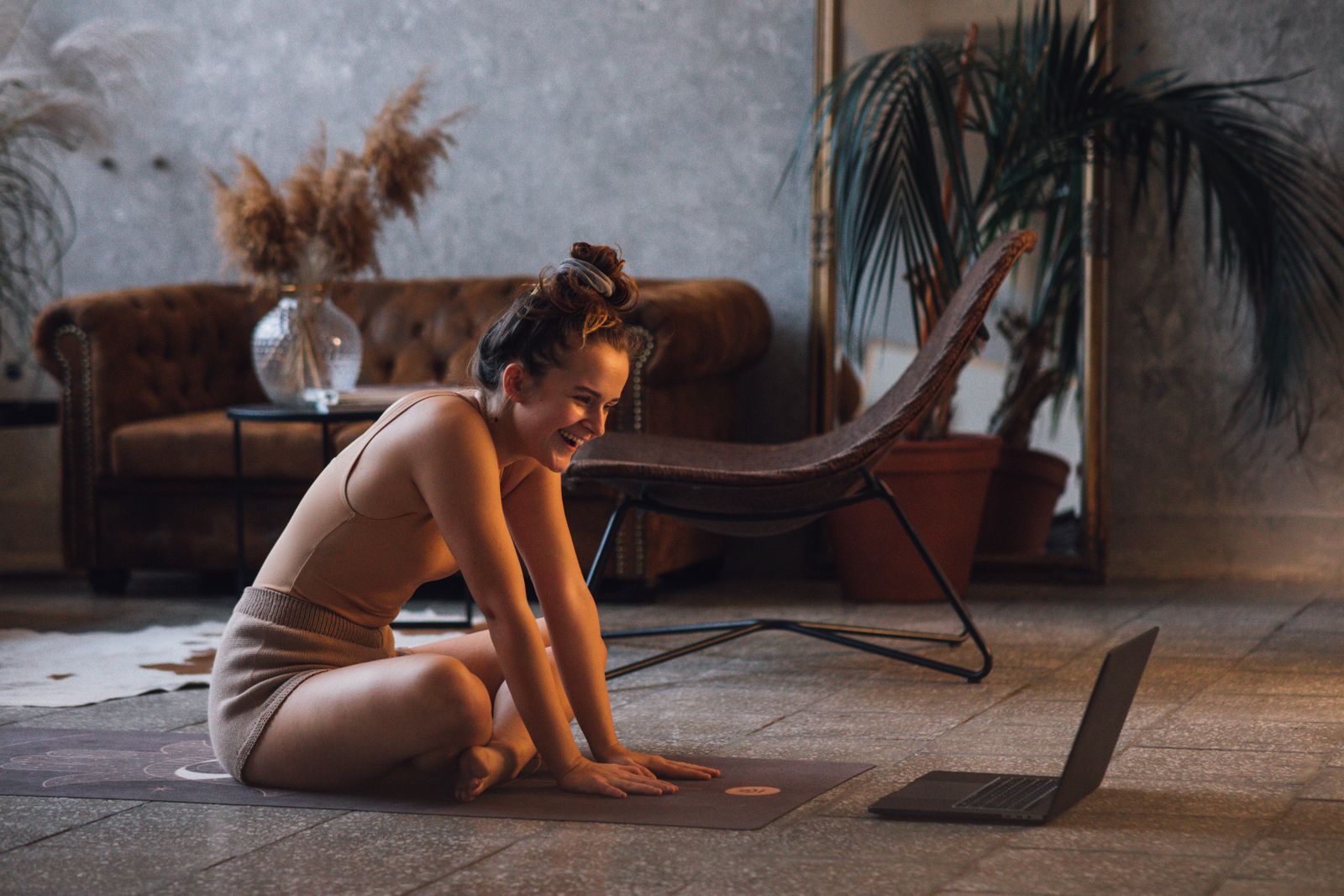
Yes, and in some respects online classes suit beginners better than walking into an unfamiliar studio. You can preview an instructor’s teaching style before committing, practice in a private space without feeling self-conscious, and pause or rewind if you’re following an on-demand session. The main thing beginners should prioritize is a class explicitly labeled for beginners, with slower pacing and more verbal cueing, rather than joining a general or advanced-level class and trying to keep up.
Our beginner yoga guide covers foundational poses and etiquette that translate directly to an online setting, and starting there before your first live class makes the actual session far less intimidating.
Can Online Yoga Help With Specific Health Goals?
Online classes can be targeted toward specific outcomes just as effectively as in-person sessions, provided you choose a class or program built around that goal rather than a generic flow. Common goal-specific paths include:
- Yoga for weight loss, typically built around more vinyasa-style or power yoga sequences
- Yoga for stress relief, leaning on slower, breath-focused practices
- Yoga for anxiety, often combining gentle movement with pranayama breathing techniques
- Yoga for seniors, with modified poses and chair-assisted variations
- Prenatal yoga, requiring an instructor specifically trained in pregnancy-safe modifications
If you have a specific medical condition or injury, mention it before booking so the instructor can adapt the sequence, and always check with your physician before starting a new practice if you have a pre-existing condition.
How Do You Know If an Online Yoga Class Is High Quality?
A few concrete signals separate genuinely good online classes from filler content. Look for clear, well-lit video with the instructor’s full body visible throughout the sequence, verbal cueing that explains not just what to do but why (which muscles engage, what alignment to check), pacing that leaves room to breathe rather than rushing transitions, and modifications offered for at least two ability levels within the same class.
Reviews and instructor credentials help, but the most reliable test is a trial class. Most reputable platforms and studios offer one, and how a class feels in your own space, on your own schedule, tells you more in twenty minutes than any amount of research beforehand.
What’s the Best Way to Build a Consistent Online Yoga Routine?
Consistency, not intensity, is what drives visible results in yoga. Booking recurring live classes on fixed days works better for most people than an open-ended on-demand library, because a scheduled class creates the same accountability as a studio booking. Pairing a weekly live class with two or three shorter home yoga practice sessions on non-class days builds a sustainable rhythm without requiring daily hour-long commitments.
Tracking your practice, even informally in a notes app or a printed calendar, reinforces the habit. Many practitioners find that after the first four to six weeks of consistent practice, sequences that once felt effortful become second nature, at which point progressing to a new style or intensity level keeps the practice challenging.
Questions People Ask About Online Yoga Classes
Are online yoga classes as good as in-person classes?
For most beginner-to-intermediate practitioners, live online classes deliver very similar benefits to in-person sessions, including flexibility, strength, and stress reduction. The main difference is physical correction: an in-person teacher can adjust you by hand, while an online instructor relies on verbal and visual cues, which takes slightly longer to master but works well with practice.
How do I find a good online yoga class near me?
Start by checking for live-format classes with clear instructor credentials, transparent pricing, and a free trial session. Read the class description for stated skill level, and confirm the schedule fits your time zone. A short trial class tells you more about fit than reviews alone.
Do I need any equipment for online yoga?
A yoga mat, a device with a camera, stable internet, and about six feet of clear floor space cover most classes. A block and strap help with modifications, and a blanket is useful for restorative sessions, but none of these are strict requirements to get started.
How much do online yoga classes typically cost?
Costs range from free video content to paid monthly subscriptions for on-demand libraries, up to per-class or membership pricing for live instructor-led sessions. Live classes with real-time feedback typically cost more than pure on-demand access because you’re paying for the instructor’s live attention.
Can beginners join live online yoga classes?
Yes, as long as the class is specifically labeled for beginners with slower pacing and detailed cueing. Beginners should avoid jumping into general or advanced-level classes first, since keeping pace without foundational alignment knowledge increases the risk of poor form or discomfort.
Is it better to do live classes or on-demand videos?
Live classes are better for beginners, anyone needing form correction, and people who benefit from scheduled accountability. On-demand videos suit people with unpredictable schedules or advanced practitioners who mainly need a library of sequences to draw from. Many people combine both formats.
Try This for Yourself
The fastest way to know if online yoga fits your schedule and goals is to join a live class and feel the difference a real instructor makes. Book an online yoga class with FitStrot and get matched with an instructor suited to your level, goals, and time zone.
Related reading: Online Yoga Classes, Best Online Yoga Classes, Yoga Apps, Beginner Yoga Guide, and FitStrot’s Online Yoga Classes.