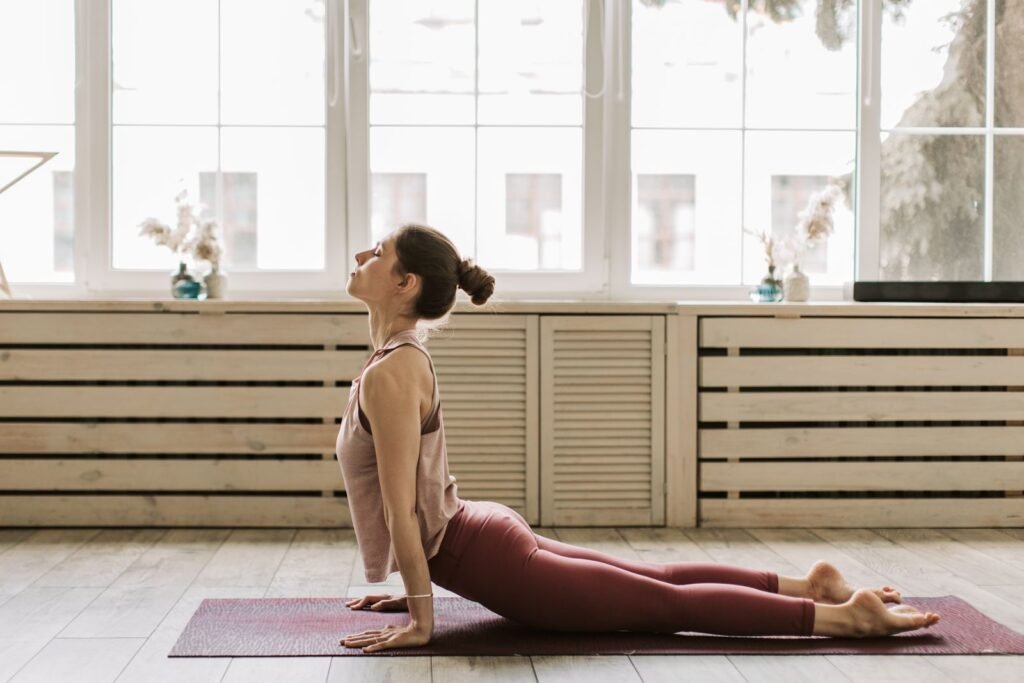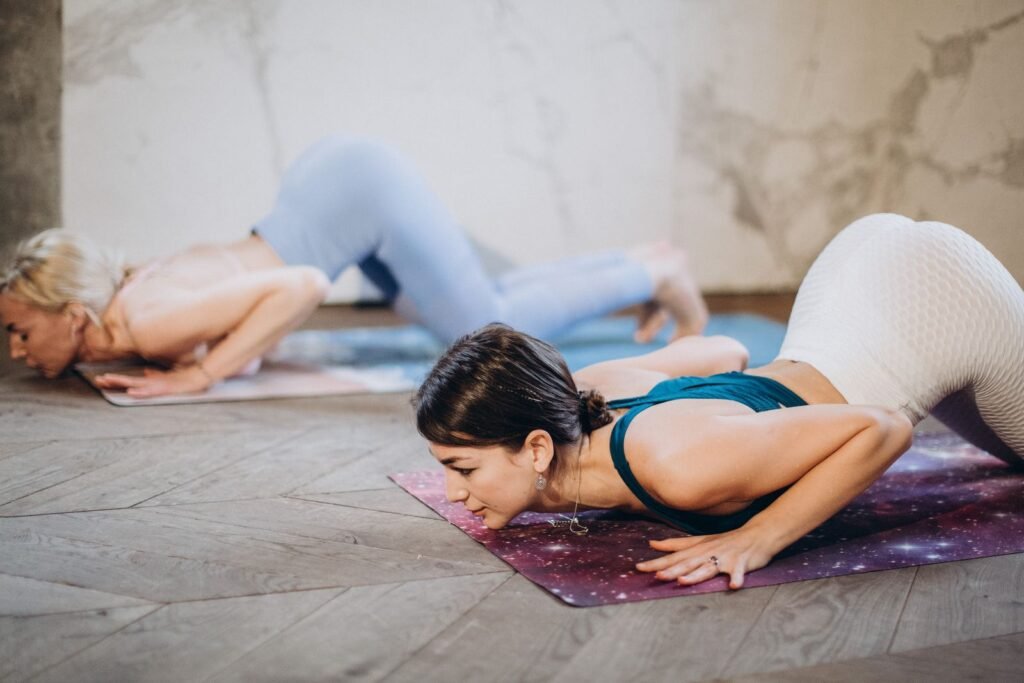
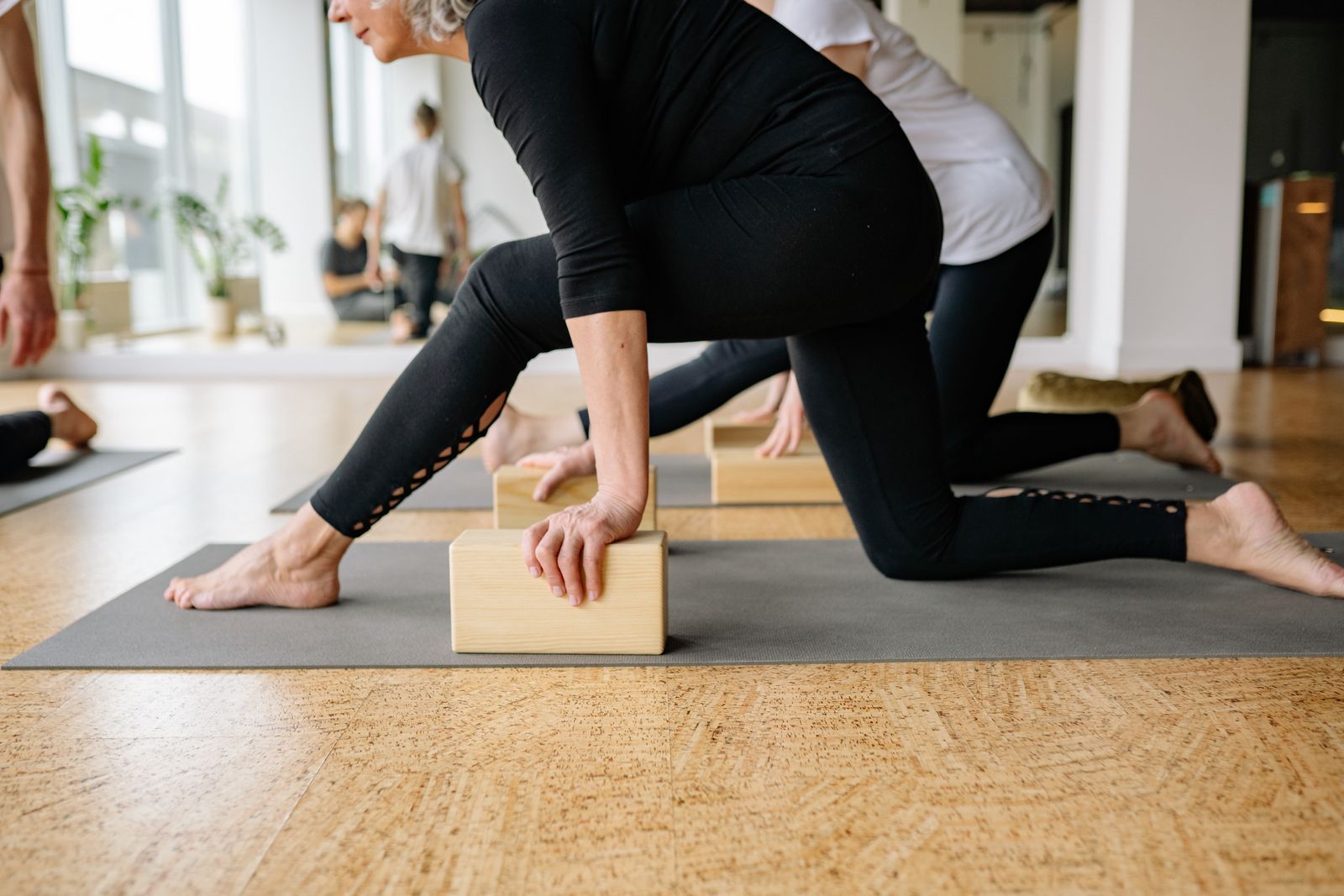
Iyengar yoga is a precision-based style of hatha yoga that uses props like blocks, belts, bolsters, and chairs to help practitioners hold poses with correct alignment, even if flexibility, strength, or mobility are limited. Developed by B.K.S. Iyengar, it breaks postures into methodical steps, holds them longer than most other styles, and sequences them with therapeutic intent. Because props do the work that muscles or joints can’t yet do safely, Iyengar yoga is widely recommended for beginners, older adults, people recovering from injury, and anyone who wants to actually understand what a pose is supposed to feel like rather than just moving through it quickly.
What Exactly Is Iyengar Yoga?
Iyengar yoga is a method of practicing classical hatha yoga asanas with an emphasis on precise body alignment, sequencing, and timing. Rather than flowing quickly from one pose to another, a typical Iyengar class asks students to hold postures for extended periods, sometimes a minute or more, while a teacher gives detailed verbal adjustments about the position of the feet, hips, spine, and shoulders. The goal is not simply to reach a shape but to understand the structural logic behind it: which muscles should be active, which should be soft, and how the joints should stack.
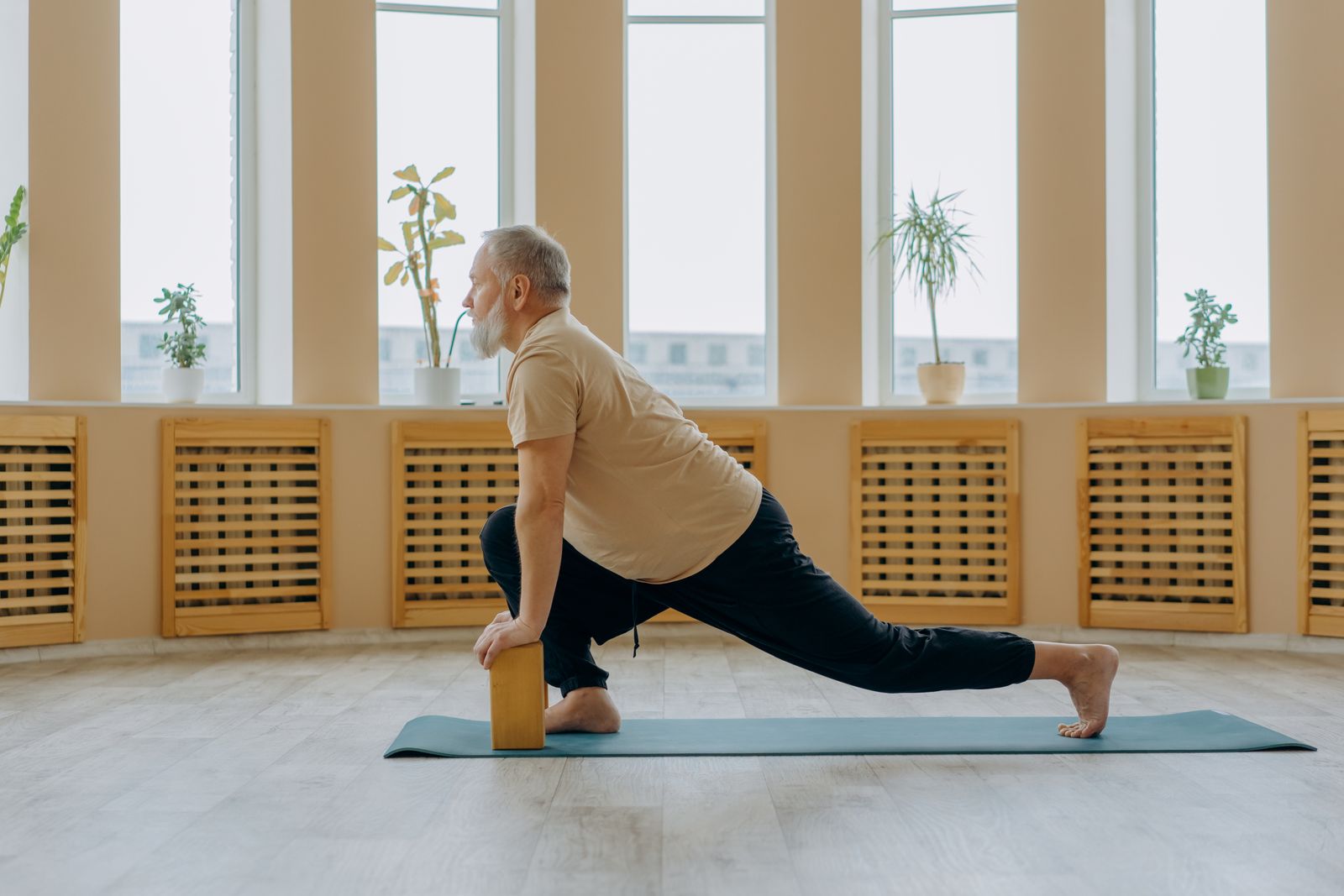
Props are the defining feature. Wooden blocks, cotton belts, bolsters, blankets, and folding chairs are used liberally, not as a sign of weakness but as legitimate tools that let a practitioner access the correct alignment of a pose even before their body has the flexibility to do it unsupported. This is very different from styles like Ashtanga yoga, which links poses together in a fixed, fast-moving sequence with minimal pausing, or Vinyasa yoga, where movement is synchronized breath-by-breath and props are used sparingly.
Who Was B.K.S. Iyengar?
Bellur Krishnamachar Sundararaja Iyengar (1918-2014) was one of the most influential yoga teachers of the 20th century. Born in Karnataka, India, he studied under the yoga teacher Tirumalai Krishnamacharya, who is often described as a foundational figure behind several major branches of modern postural yoga, including what later became Ashtanga yoga through Krishnamacharya’s other students. Iyengar suffered from poor health as a child, and he credited his recovery and subsequent physical transformation to intensive yoga practice, which shaped his lifelong interest in yoga as a therapeutic and rehabilitative discipline.
He is best known for writing “Light on Yoga,” first published in 1966, a book commonly cited as one of the most influential do-it-yourself yoga manuals ever produced, describing over 200 asanas with detailed photographs and instructions. The BKS Iyengar yoga book “Light on Yoga” is still used as a reference text in teacher trainings around the world decades after it was first printed. Iyengar also wrote “Light on Pranayama” and “Light on the Yoga Sutras of Patanjali,” extending his systematic approach beyond asana into breathing and philosophy.
What Happens Inside a Real Iyengar Yoga Class?
An Iyengar class is instantly recognizable by its pace and its props. Where a Vinyasa or power yoga class might move through 40-50 poses in an hour, an Iyengar class might work through 8-12, holding each one for far longer while the teacher circulates the room correcting hip rotation, foot placement, or shoulder position down to the centimeter. Standing poses like Trikonasana (triangle pose) and Virabhadrasana (warrior pose) are usually taught early and often, since Iyengar considered them foundational for building the strength and alignment awareness needed for backbends, inversions, and seated poses later.
Props show up constantly: a block under the hand in a standing forward fold, a belt looped around the feet in a seated forward bend, a bolster supporting the spine in a gentle backbend, or a chair used to practice an assisted shoulder stand. Teachers trained in this method typically undergo a multi-year certification process through recognized Iyengar associations, and the depth of that training is part of why Iyengar classes tend to feel more like anatomy-informed coaching than free-flowing movement classes.
How Is Iyengar Yoga Different From Other Styles?
The clearest way to understand Iyengar yoga is by comparing it to the styles it’s most often confused with.
- Iyengar vs. Ashtanga yoga: Ashtanga follows a fixed sequence of poses linked by continuous breath and movement (vinyasa), building heat and momentum. Iyengar slows everything down, holds poses statically, and uses props. Read more in our guide to Ashtanga yoga.
- Iyengar vs. Bikram yoga: Bikram is practiced in a room heated to around 105°F (40°C) through a fixed 26-pose sequence, with heat used to increase flexibility. Iyengar is typically practiced at room temperature with an emphasis on structural alignment rather than heat-induced stretch. See our full breakdown of Bikram yoga.
- Iyengar vs. Vinyasa yoga: Vinyasa links poses to breath in a continuous flow with variable sequencing from teacher to teacher. Iyengar is deliberately non-flowing, with each pose isolated and analyzed. Our Vinyasa yoga guide covers this in depth.
- Iyengar vs. restorative yoga: Restorative yoga uses props to fully support the body in passive, deeply relaxing poses held for many minutes. Iyengar also uses props, but the intention is usually active engagement and alignment rather than passive rest, though therapeutic Iyengar sequences can look similar to restorative work. Learn more about restorative yoga.
If your priority is precise alignment and injury prevention, Iyengar is generally considered the most structured option among these. If your priority is cardiovascular intensity or flow, Ashtanga, Vinyasa, or power yoga will likely suit you better.
What Is the Ramamani Iyengar Memorial Yoga Institute?
The Ramamani Iyengar Memorial Yoga Institute (RIMYI) in Pune, India, is the primary institution associated with the method, founded by B.K.S. Iyengar in 1975 and named in memory of his wife, Ramamani. RIMYI functions as both a teaching center and something like a pilgrimage site for serious Iyengar practitioners worldwide, many of whom travel to Pune specifically to study there or observe classes taught by Iyengar’s successors, including members of his family who continue to lead the institute. The building itself was designed with therapeutic yoga in mind, with rooms equipped for rope-wall work, an Iyengar innovation using wall-mounted ropes to support inversions and traction-based stretches.
For most students outside India, RIMYI is less a place they’ll train and more a symbol of lineage and authenticity. Certified Iyengar teachers around the world trace their training credentials back through associations affiliated with the standards RIMYI helped establish.
What Is “Yogakshema” in the Context of Iyengar Yoga?
Yogakshema is a Sanskrit term that appears in yogic and philosophical texts referring to the wellbeing, security, and welfare that comes from sustained right practice, and it’s a word Iyengar practitioners and institutions sometimes use to describe the holistic goal of the practice: not just physical fitness, but a stable, secure sense of overall wellbeing. It reflects the therapeutic, whole-person framing that runs through Iyengar’s teaching, where yoga is treated as a means of restoring balance to the body, breath, and mind together rather than an isolated physical workout. Some Iyengar-affiliated centers and study groups use “yogakshema” in their names or program titles specifically to signal this broader wellbeing focus.
Where Can You Find Iyengar Yoga Classes in India?
India has a dense concentration of Iyengar yoga institutes, reflecting the method’s roots and its ongoing popularity among Indian practitioners. Iyengar yoga in Pune is centered around RIMYI itself, plus a wider ecosystem of certified teachers who studied there or under its senior faculty, making Pune the closest thing the method has to a spiritual home. Iyengar yoga in Mumbai has grown substantially, with two neighborhoods coming up often in local searches: Iyengar yoga in Lower Parel, a commercial and residential hub with studios catering to working professionals, and Iyengar yoga in Fort, South Mumbai’s historic business district and home to some of the city’s older established institutes. Iyengar yoga in Delhi is served by a number of long-running institutes affiliated with senior teachers who trained directly under Iyengar or his early students.
Smaller specialized centers matter too. The Himalayan Iyengar Yoga Centre (HIYC), based in Dharamsala, is known for intensive residential-style courses in the Himalayan foothills. In Pune’s Magarpatta area, the Shriyog Institute of Iyengar Yoga is a locally known name for residents seeking certified instruction without traveling into central Pune. If you’re searching for Iyengar yoga near me anywhere in India, the most reliable filter is certification: look for teachers listed with a recognized regional Iyengar yoga association, since the “Iyengar” name isn’t trademarked in a way that stops uncertified studios from using it loosely.
What Are the Core Principles Behind the Method?
Three ideas repeat throughout Iyengar’s own writing and teaching. Alignment first: every pose has a correct structural relationship between the feet, legs, pelvis, spine, and head, and getting this right matters more than how deep the pose looks. Sequencing with purpose: classes are built in a specific order, typically standing poses first to build strength and stability, followed by seated poses, backbends, twists, inversions, and finally restorative poses, because each category prepares the body for the next. Props as legitimate tools, not crutches: Iyengar was reportedly among the first major teachers to formalize prop use as integral to practice rather than an occasional workaround, a shift that made the method far more accessible to older adults, people with injuries, and complete beginners.
What Are the Physical and Mental Benefits of Iyengar Yoga?
Because Iyengar yoga emphasizes long holds and precise alignment, its benefits tend to show up gradually rather than through an immediate sweat-soaked workout feeling.
Improved alignment and posture: The constant verbal cueing around joint position trains body awareness that tends to carry over into daily posture, sitting, and standing habits.
Increased flexibility without forcing: Props allow the body to ease into a stretch gradually and safely, which can reduce the risk of overstretching compared to pushing into a pose without support.
Strength through isometric holding: Holding standing poses for a minute or more builds significant muscular endurance in the legs, core, and shoulders, even though the pace looks slow from the outside.
Support for chronic pain and rehabilitation: Because of its therapeutic lineage, Iyengar yoga is often recommended by physical therapists and integrative medicine practitioners for people managing back pain, joint issues, or recovering from injury or surgery, though anyone with a significant medical condition should still consult a doctor and a certified teacher before starting. If back pain is your main concern, our guide to yoga for back pain covers pose-specific guidance.
Calmer nervous system: The slow pace, focus on breath, and sustained concentration required to hold poses correctly has a meditative effect that many students describe as mentally settling, similar to benefits described in our piece on yoga for stress relief.
What Props Do You Actually Need to Start?
You don’t need to buy everything at once, since most studios provide props for beginners. A basic starter kit looks like this.
- Yoga blocks (usually two): bring the floor “closer” in standing and seated forward bends, or support the hands, hips, or head.
- A yoga belt or strap: extends your reach in seated forward bends or keeps the legs and arms aligned during binds you can’t yet do by hand.
- A bolster: a firm cushioned support used under the spine, knees, or hips, especially in restorative and gentle backbend poses.
- Blankets: folded for cushioning under the knees or seat, or rolled for support under the neck in shoulder-supported poses.
- A sturdy chair: used for supported backbends, twists, and assisted inversions, especially for older students or beginners.
Is Iyengar Yoga Good for Beginners and Older Adults?
Yes, and this is arguably where the method has its strongest reputation. Because poses are broken down methodically and props compensate for limited flexibility or strength, Iyengar yoga is frequently recommended as an entry point for people who find faster-paced styles intimidating or physically risky. Older adults, people recovering from joint replacements or injuries, and those managing conditions like arthritis or osteoporosis are commonly directed toward Iyengar classes precisely because the pace allows a teacher to check alignment carefully before adding depth or difficulty.
That said, “beginner-friendly” doesn’t mean “easy.” Holding a pose correctly for a full minute with attention to a dozen alignment points is demanding in its own way, just differently demanding than a fast Vinyasa flow. If you’re comparing entry points across styles, our guide to yoga for beginners can help you decide where to start.
Can Iyengar Yoga Help With Specific Health Conditions?
Iyengar’s own therapeutic framing means the method is often discussed in connection with specific conditions, though it should never replace medical care. Supported, aligned poses can help relieve tension around the spine, a theme covered further in our yoga for back pain guide. The concentration required to hold poses precisely, combined with steady breathing, has a grounding effect many students report, echoing what’s covered in our article on yoga for anxiety. Prop-supported stretching also allows older joints to move through a fuller range without strain, one reason Iyengar yoga is often suggested for yoga for seniors. Always work with a certified teacher and disclose any injuries, surgeries, or chronic conditions before your first class, since the value of props depends entirely on using the correct one for your body.
How Does Iyengar Yoga Compare to Newer Modern Styles?
Because Iyengar yoga is decades old and highly structured, it can feel worlds apart from newer, trend-driven styles that have emerged in fitness studios more recently. Aerial yoga uses a suspended hammock to support or deepen poses, borrowing the “support enables depth” logic of props but applying it through fabric and gravity rather than blocks and belts. Face yoga takes the idea of targeted, small-muscle engagement in a completely different direction, focusing on facial muscle toning rather than whole-body asana. Neither directly descends from Iyengar’s method, but both share his underlying premise that deliberate, sustained engagement of specific muscles produces results that fast, imprecise movement doesn’t.
If you’re mapping out the wider landscape of styles before choosing one, our overview of types of yoga puts Iyengar in context alongside Hatha, Kundalini, Yin, and other major branches.
How Do You Find a Qualified Iyengar Teacher?
Because “Iyengar yoga” isn’t a legally protected term everywhere, verifying a teacher’s actual certification matters more than it does for some other styles. Look for teachers certified through a recognized national or regional Iyengar yoga association, which typically requires a multi-year training and assessment process before someone can call themselves a certified Iyengar teacher at even the introductory level. Certification levels generally progress from introductory through intermediate and senior grades, with senior teachers qualified to teach more advanced inversions, backbends, and therapeutic applications. When searching for Iyengar yoga near me, checking a studio’s teacher credentials against their national Iyengar association’s public directory is the most reliable way to confirm authenticity before booking a class.
Questions People Ask About Iyengar Yoga
Is Iyengar yoga good for weight loss?
Iyengar yoga can support weight management as part of a broader routine, since holding poses builds muscular endurance and burns calories, but its slow pace means it typically burns fewer calories per session than Vinyasa, power yoga, or cardio-based workouts. It’s better suited to building strength, alignment, and body awareness than to fast fat loss on its own.
Do I need to be flexible to start Iyengar yoga?
No. Iyengar yoga is specifically designed to work for inflexible bodies because props like blocks, belts, and bolsters bring the pose to you instead of requiring you to force your body into it. Many students choose Iyengar precisely because they felt too stiff for other styles.
How long does it take to become a certified Iyengar teacher?
Certification typically requires several years of consistent personal practice followed by a formal assessment process through a recognized Iyengar association, with progressively advanced certification levels available afterward. The exact timeline varies by country and association, so check with your regional Iyengar yoga association for specifics.
What should I wear to my first Iyengar yoga class?
Wear fitted, stretchy clothing that allows a teacher to see your alignment clearly, since visual correction is central to the method. Avoid very loose or baggy clothes that obscure joint positioning, and come barefoot as most classes are practiced without socks or shoes.
Is Iyengar yoga the same as therapeutic yoga?
Not exactly, though they overlap heavily. Iyengar yoga is a general method that happens to have strong therapeutic applications due to its alignment focus and prop use. “Therapeutic yoga” more specifically refers to yoga adapted for particular medical conditions, often taught one-on-one, and many therapeutic yoga teachers are trained in Iyengar principles even if they don’t teach standard Iyengar classes.
Can pregnant women practice Iyengar yoga?
Many pregnant women do practice modified Iyengar yoga, since props allow poses to be adapted safely for each trimester, but this should only be done in a class specifically designated for prenatal yoga with a teacher trained in prenatal modifications, and always with a doctor’s clearance first.
Try This for Yourself
Reading about alignment and props only goes so far: the real value of Iyengar yoga shows up once a teacher is watching your body in real time and adjusting it pose by pose. If you want that kind of guided, precise practice without needing to travel to a studio, FitStrot’s online yoga classes connect you with instructors who can walk you through alignment-focused sessions from wherever you are.
Related reading: Ashtanga yoga | Bikram yoga | Types of yoga | Yoga for back pain | Online yoga classes