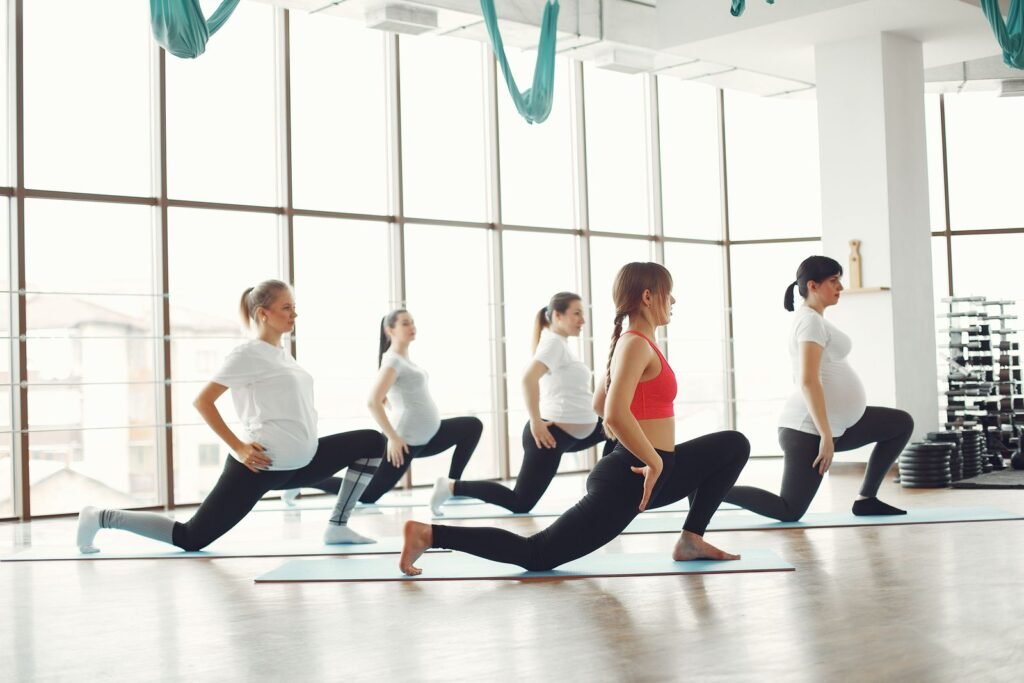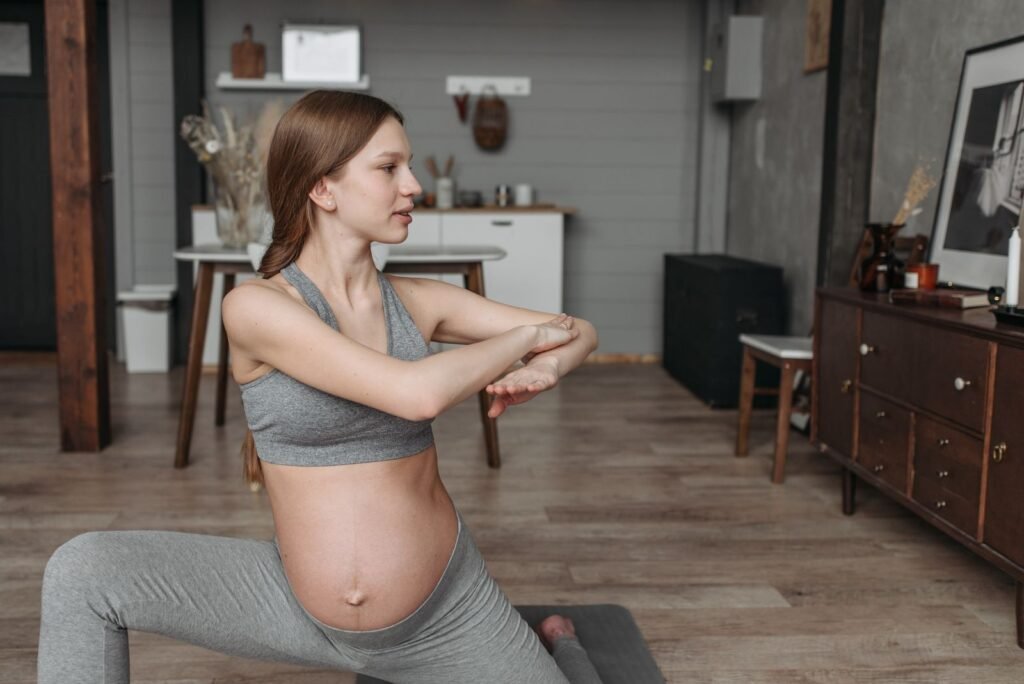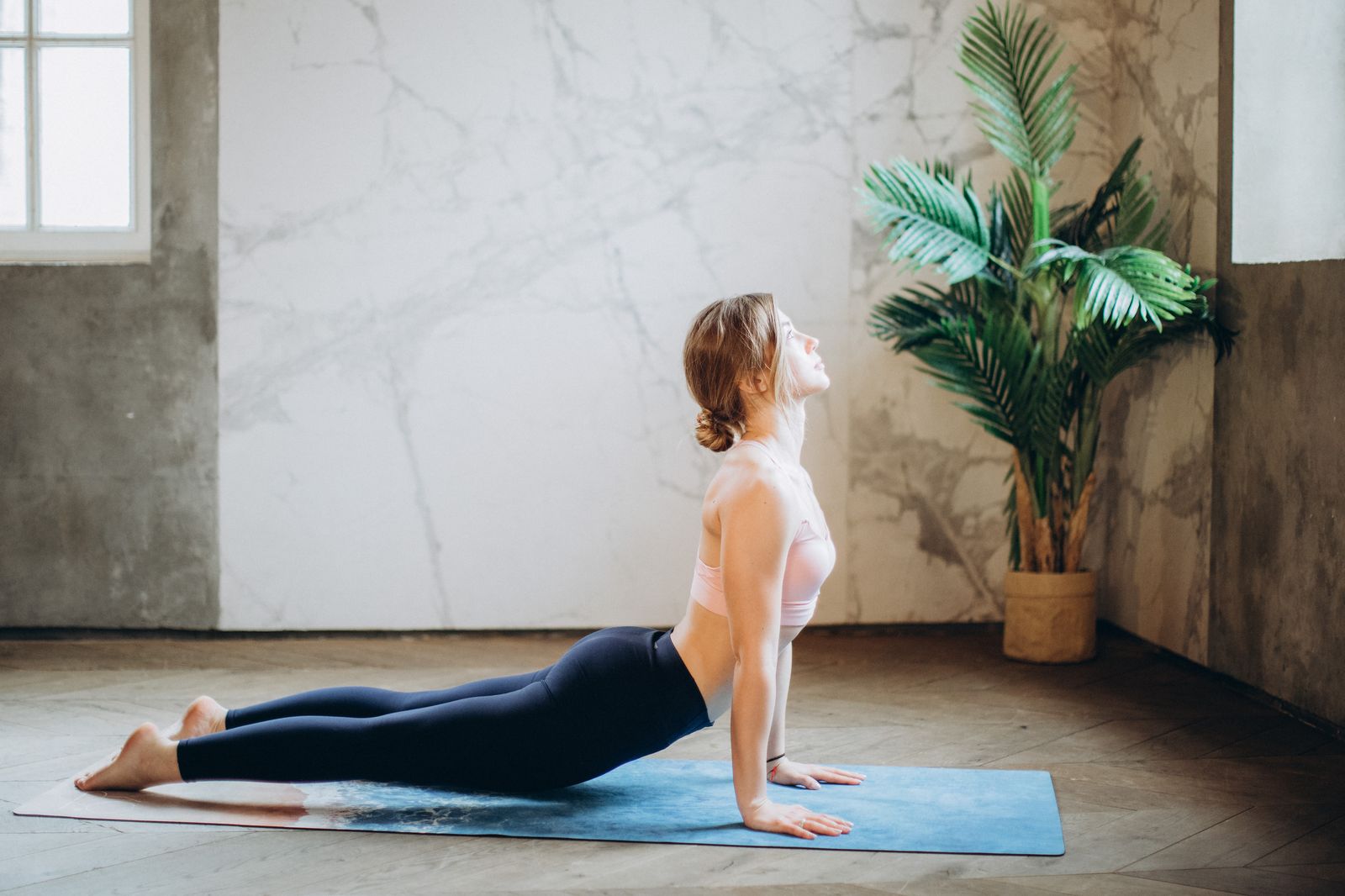
Yoga for beginners means starting with simple, low-impact poses, slow breathing, and short sessions (10-20 minutes) rather than jumping into advanced flows. The best way to begin is with a hatha or gentle beginner style, using a mat, comfortable clothing, and a quiet space, focusing on foundational poses like Child’s Pose, Cat-Cow, Downward Dog, and Mountain Pose. Consistency matters more than intensity: three to four short sessions a week build more flexibility, strength, and calm than one long, difficult class. This guide walks through everything a new practitioner needs, from gear and safety to a simple first routine and how to keep progressing without getting overwhelmed.
Why Should Beginners Start Yoga Slowly?
Starting slowly protects joints, tendons, and muscles that are not yet accustomed to the ranges of motion yoga requires. Many new students injure themselves not because yoga is inherently risky, but because they try to copy advanced practitioners on day one. A gradual approach lets the nervous system learn new movement patterns, builds body awareness, and prevents the early burnout that causes most beginners to quit within the first month. Slow starts also give you time to learn proper alignment, which is the single biggest factor in preventing strain in the wrists, lower back, and knees. If you are also exploring yoga for beginners at home, the same principle applies: fewer poses done correctly beats a long sequence done sloppily.
What Equipment Do You Actually Need to Start?
A non-slip yoga mat with at least 4-6mm of cushioning is the only essential purchase. Beyond that, two yoga blocks help bring the floor closer to you in poses where your hamstrings or shoulders are still tight, and a strap (or a bathrobe tie) helps you reach your feet in seated stretches without rounding your back. Comfortable, fitted clothing that won’t ride up during forward folds or inversions matters more than brand names. A folded blanket under the knees or hips adds comfort in kneeling and seated poses. None of this needs to be expensive: a $15-20 mat and a couple of blocks from any sporting goods store cover almost every pose in this guide.
Which Yoga Style Is Best for a True Beginner?
Hatha yoga is widely recommended as the best entry point because classes move slowly, hold poses longer, and spend more time on alignment cues than faster-paced styles. A typical hatha yoga for beginners class gives you time to actually feel a pose before transitioning, which builds the muscle memory that faster styles assume you already have. Vinyasa and power yoga link breath to continuous movement and are better attempted once you’re comfortable with the basic pose vocabulary. Restorative and yin yoga, which use props to support long, passive holds, are excellent complements once or twice a week regardless of your main practice, since they target connective tissue and the nervous system’s relaxation response rather than strength.
What Are the Essential Poses Every Beginner Should Learn First?
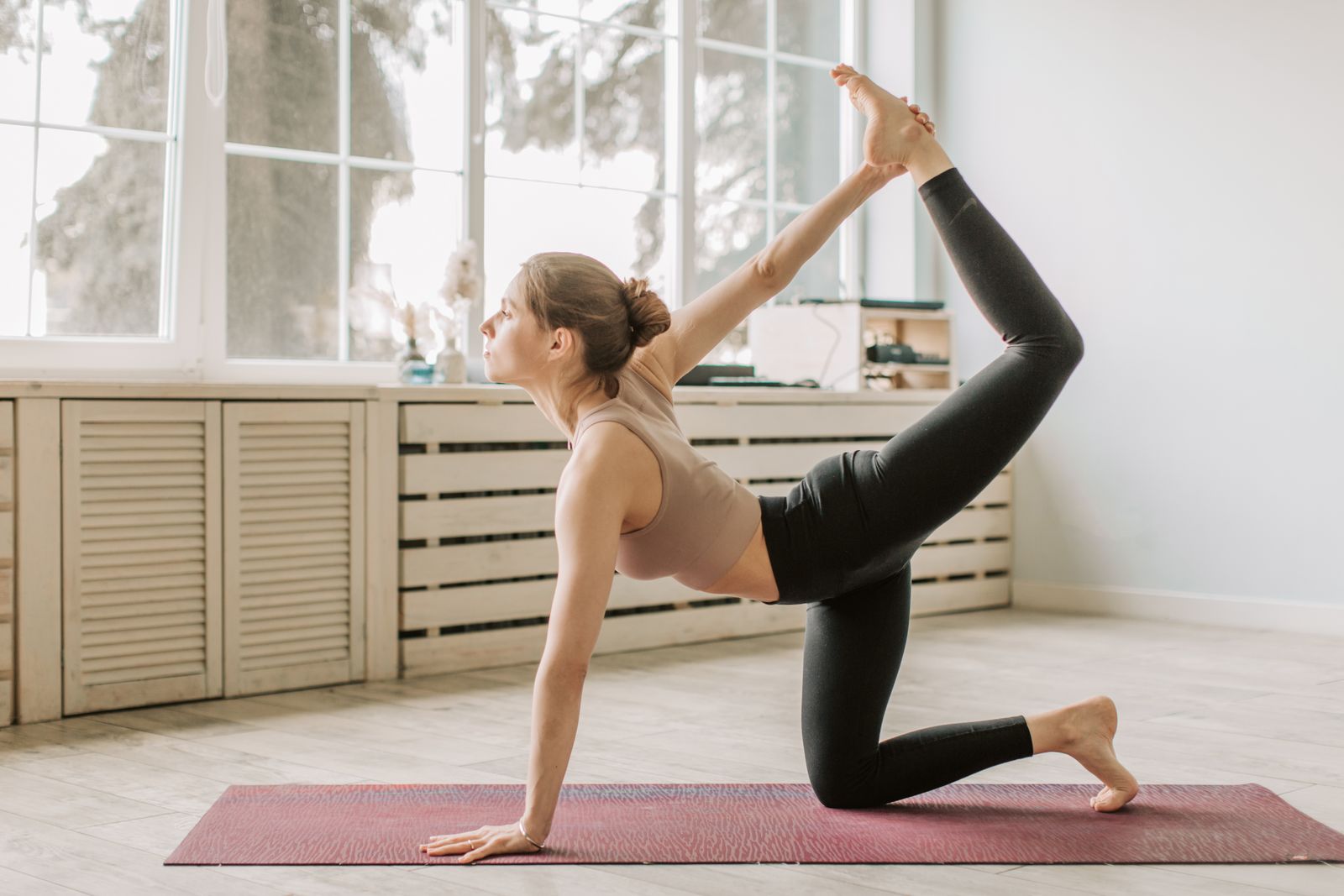
Eight poses form the backbone of nearly every beginner sequence:
- Mountain Pose (Tadasana) – posture awareness
- Child’s Pose (Balasana) – rest and hip opening
- Cat-Cow (Marjaryasana-Bitilasana) – spinal mobility
- Downward-Facing Dog (Adho Mukha Svanasana) – full-body lengthening
- Warrior I and II (Virabhadrasana) – leg strength and hip opening
- Triangle Pose (Trikonasana) – lateral stretch and balance
- Bridge Pose (Setu Bandhasana) – gentle backbending
- Seated Forward Fold (Paschimottanasana) – hamstring release
Practicing this same set of basic yoga poses for beginners two or three times a week builds a reliable foundation before adding anything more complex. Each pose should be held for 3-8 breaths initially, and it’s normal for balance poses to feel wobbly for the first several weeks.
How Do You Structure a Simple 10-Minute or 15-Minute Routine?
A short, focused routine is often more sustainable than a long one for someone building a new habit. A workable 10 minute yoga for beginners sequence might include two minutes of seated breathing, Cat-Cow for one minute, Child’s Pose for one minute, Downward Dog into a low lunge on each side for three minutes, a standing forward fold for one minute, and a final relaxation in Savasana for two minutes. For a 15 minute yoga for beginners version, simply add Warrior I and II on each side and a seated twist before the final relaxation. The key is repeating the same short sequence daily for two weeks so your body learns the transitions, rather than switching routines constantly and never building fluency.
What Does a Good Morning Yoga Routine Look Like?
Morning practice tends to emphasize gentle mobility over deep stretching, since muscles and connective tissue are naturally stiffer after sleep. A sensible morning yoga for beginners flow starts with a few rounds of Cat-Cow to wake up the spine, moves into a gentle Downward Dog with bent knees, adds a few Sun Salutation-style movements without forcing deep folds, and finishes with a standing pose like Mountain or Tree Pose to set focus for the day. Morning sessions are typically shorter and slower-paced than evening ones, and skipping deep hamstring stretches first thing is a reasonable precaution until the body has warmed up through movement.
How Do You Follow a Step-by-Step Beginner Sequence Safely?
A safe step-by-step approach moves from the ground up: seated or kneeling poses first, then all-fours poses, then standing poses, then balance poses, and finally any gentle backbend or twist, closing with relaxation. Following a step by step yoga for beginners structure like this warms up the spine and hips before asking them to bear weight or balance, which meaningfully reduces strain. Each transition should be paced to your breath rather than rushed to keep up with a video or class; if you lose your breath rhythm, that’s usually a sign to slow down or modify the pose rather than push through it.
What’s the Difference Between Easy, Simple, and Basic Beginner Yoga?
These terms are often used interchangeably, but there are useful distinctions. “Easy yoga” usually refers to gentle, low-intensity sequences suitable for older adults, people recovering from illness, or anyone prioritizing relaxation over exertion. “Simple yoga for beginners” generally means fewer poses per session with more time spent on each, minimizing complexity and transitions. “Basic yoga for beginners” typically refers to the standard foundational pose set (like the eight poses listed earlier) taught to virtually everyone starting out, regardless of pace. In practice, simple yoga for beginners and easy yoga for beginners routines often overlap heavily and can be used interchangeably when choosing your first few weeks of practice.
Do You Need a Yoga App, PDF Guide, or Free Class to Start?
None of these are strictly necessary, but each solves a different problem. A yoga for beginners app is useful if you want guided timing, pose reminders, and progress tracking without needing to remember a sequence. A yoga for beginners pdf works well as an offline, printable reference you can prop up next to your mat when you don’t want a screen in front of you. Free yoga for beginners classes, whether on video platforms or through a free trial of a studio, are a low-commitment way to test whether a particular teacher’s pacing and style suit you before paying for anything. Many beginners use all three at different stages: an app for daily structure, a PDF for quick pose reference, and free classes to sample different teaching styles.
How Should Breathing Work During a Beginner Practice?
Breath is the pacing mechanism for the entire practice, not an afterthought. The most common beginner breathing pattern is Ujjayi, a slightly audible breath through the nose with a gentle constriction at the back of the throat, which helps regulate the length and depth of each inhale and exhale. As a general rule, you move into a pose on an inhale and settle deeper on an exhale. If you find yourself holding your breath in a pose, that’s a reliable signal you’re pushing beyond your current range and should back off slightly. Coordinating movement with breath, rather than rushing through poses, is what separates yoga from generic stretching and is worth prioritizing over how deep any single stretch looks.
What Are the Most Common Mistakes Beginners Make?
Five mistakes account for most of the strain and frustration beginners run into:
- Comparing your flexibility to someone else’s – leads to overstretching and injury, particularly in the hamstrings and lower back.
- Locking the knees in standing poses – puts unnecessary strain on the joint; a soft bend is almost always safer and more stable.
- Holding the breath during effortful poses – raises tension rather than releasing it.
- Rushing through transitions to keep pace with a video – increases the risk of losing balance or misaligning a pose.
- Skipping warm-up movements like Cat-Cow before deeper poses – increases the chance of strain, especially in the lower back.
How Often Should Beginners Practice, and How Fast Is Progress?
Three to four sessions per week of 15-30 minutes each is a sustainable starting frequency that allows muscles and connective tissue time to adapt between sessions. Most beginners notice improved flexibility and reduced everyday stiffness within two to four weeks of consistent practice, while balance and strength gains in poses like Tree Pose or Warrior III tend to show up gradually over six to eight weeks. Progress in yoga is rarely linear: some days a pose feels easier and other days it feels tighter, often depending on sleep, hydration, and stress levels rather than any regression in ability. Tracking which poses felt accessible each week, even informally, helps beginners see progress that isn’t always obvious day to day.
How Do You Modify Poses for Injuries or Limited Mobility?
Props exist specifically to make poses accessible regardless of current flexibility or strength. A block placed under the hand in Triangle Pose or a standing forward fold shortens the distance to the floor without forcing the spine to round. A folded blanket under the knees in kneeling poses like Camel or Child’s Pose reduces joint pressure considerably. For anyone managing lower back sensitivity, gentler variations and supported positions are generally preferable to deep forward folds or backbends until strength improves; readers dealing with chronic discomfort may find it useful to look specifically into yoga for back pain sequences designed around spinal safety. Anyone with a diagnosed injury, recent surgery, or pregnancy should get clearance from a doctor or physical therapist before starting a new yoga routine, and should mention the condition to an instructor before class.
What Other Types of Yoga Might You Explore After the Basics?
Once foundational poses feel comfortable, most beginners branch out based on what they’re looking for physically and mentally. Those wanting a calming, breath-focused practice often move toward online yoga for stress relief or restorative styles. Those wanting more cardiovascular challenge typically explore vinyasa yoga, which links continuous movement to breath. People curious about the full landscape of styles often start by reading a general overview of the types of yoga before committing to a specific path, since studios and apps use inconsistent naming for similar classes. Understanding the broader benefits of yoga, from flexibility and strength to stress regulation and sleep quality, also helps clarify which style best matches your personal goals.
Questions People Ask About Yoga for Beginners
How long does it take to see results from yoga as a beginner?
Most beginners notice reduced everyday stiffness and improved mood within two to four weeks of practicing three to four times per week. Visible flexibility gains, like touching your toes more easily, commonly appear within four to six weeks. Strength and balance improvements, such as holding Tree Pose steadily, tend to take six to eight weeks of consistent practice to feel noticeably easier.
Can I do yoga every day as a beginner?
Yes, short daily sessions of 10-20 minutes are generally safe and often more effective for building a habit than fewer, longer sessions. The main caution is avoiding the same deep stretch or intense pose every single day without variation, since connective tissue benefits from some recovery time, similar to how muscles do after strength training.
What should a complete beginner wear to yoga?
Fitted, stretchy clothing that won’t ride up during forward folds or inversions works best, such as leggings or fitted shorts with a snug top. Bare feet are standard practice, since socks can make standing and balance poses slip on the mat. Loose, baggy clothing can catch under hands and knees during transitions, which is more of a nuisance than a safety issue but is worth avoiding.
Is hatha or vinyasa better for beginners?
Hatha is generally considered more beginner-friendly because poses are held longer and taught with more alignment instruction, giving you time to actually learn each shape. Vinyasa moves faster and links poses to continuous breath-based transitions, which can be harder to follow before you already know the individual poses. Most beginners benefit from starting with hatha and adding vinyasa classes once the basic pose vocabulary feels familiar.
Do I need to be flexible before starting yoga?
No, flexibility is a result of consistent practice, not a prerequisite for starting it. Beginner sequences and modifications with props like blocks and straps are specifically designed for people who cannot yet touch their toes or sit comfortably cross-legged. Flexibility typically improves gradually over weeks of regular practice regardless of your starting point.
Can yoga help with weight loss as a beginner?
Gentle beginner styles like hatha burn a modest number of calories and are not primarily designed as a weight-loss tool, though they support weight management indirectly through stress reduction, improved sleep, and increased body awareness around eating habits. More vigorous styles like vinyasa or power yoga burn more calories per session and can contribute more directly to a calorie deficit when combined with a balanced diet.
Try This for Yourself
Reading about yoga only goes so far; the fastest way to build confidence in these poses is with real-time guidance that corrects your alignment as you move. Try a live online yoga class for beginners and get structured, guided sessions designed specifically for people just starting their practice.
Related reading: Yoga for Beginners at Home, Basic Yoga Poses for Beginners, Types of Yoga, Benefits of Yoga, and Online Yoga Classes.