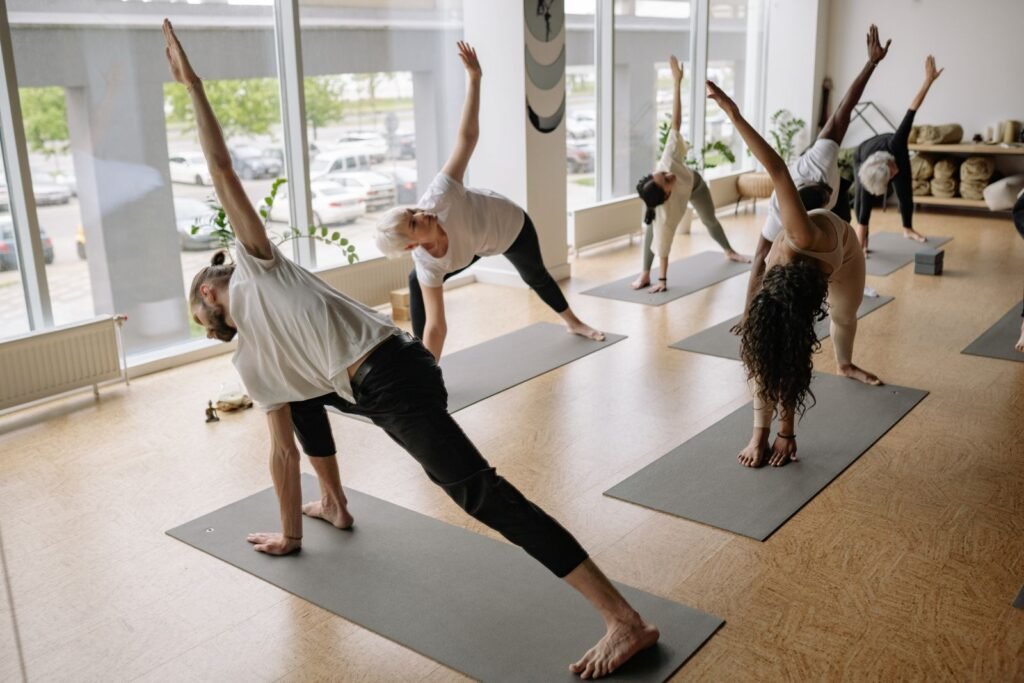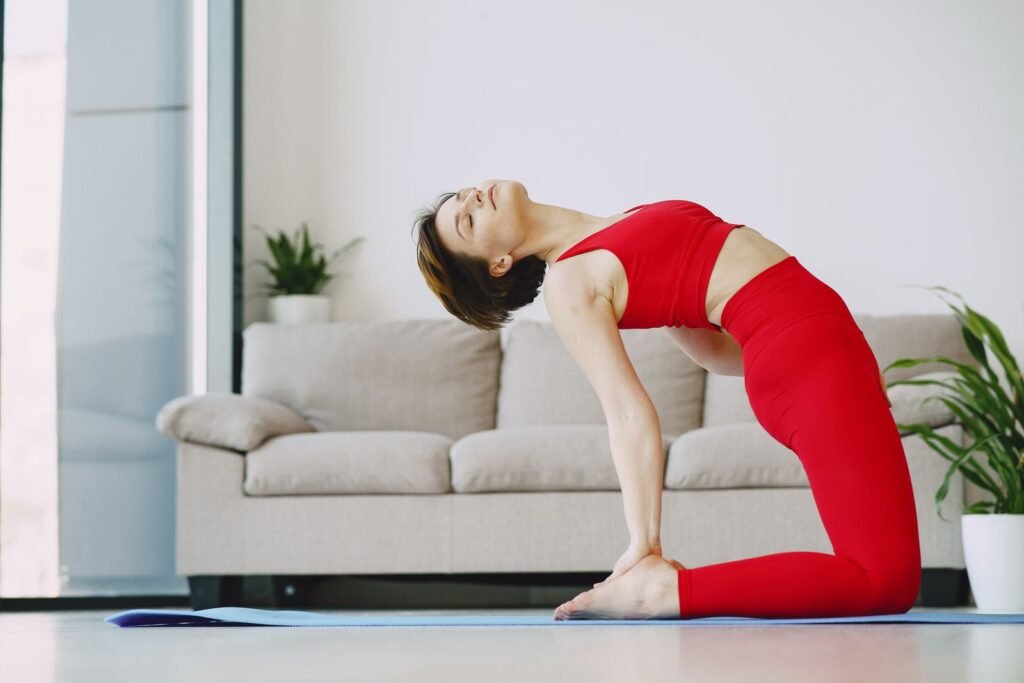
The best time to do yoga is whichever time you can practice consistently, but if you’re choosing between options, early morning on an empty stomach is generally considered ideal because cortisol is naturally higher, the mind is quieter before the day’s distractions build up, and a consistent slot is easier to protect on your calendar. That said, evening practice has real advantages too — muscles are already warm from a day of movement, and slower, longer holds are more accessible. The honest answer is that yoga’s benefits for flexibility, stress reduction, and strength show up regardless of the clock, so the “best” time is really the time that fits your schedule, your body’s natural rhythm, and your goals for the practice.
What Is the Best Time to Do Yoga: Morning or Evening?
Morning and evening yoga serve different physiological purposes, and neither is universally superior. In the morning, your body temperature is at its lowest point of the 24-hour cycle, joints are stiffer after hours of stillness, and cortisol — the hormone that helps you feel alert — is naturally elevated between roughly 6 and 9 a.m. This makes morning practice well-suited to energizing sequences like Surya Namaskar (Sun Salutations) and standing poses that build heat gradually. Evening practice benefits from muscles that are already warm from daily movement, meaning deeper stretches and backbends feel more accessible with less risk of strain. Evening sessions also tend to lower heart rate and activate the parasympathetic nervous system, which is why many practitioners use evening yoga as a wind-down before sleep rather than an energizer.
| Factor | Morning | Evening |
|---|---|---|
| Body & joints | Lower body temperature, stiffer joints | Warmer muscles from the day’s movement |
| Cortisol | Naturally elevated (~6–9 a.m.), supports alertness | Naturally lower, supports winding down |
| Best suited to | Sun Salutations, standing poses, energizing flows | Deep stretches, backbends, restorative sequences |
| Nervous system effect | Activates alertness | Activates the parasympathetic (rest) response |
| Ideal if your goal is | Mental clarity and a strong start to the day | Deeper flexibility work or unwinding from stress |
What Does Traditional Yoga Say About the Ideal Practice Time?
Classical yoga texts and many traditional teachers point to the pre-dawn hours, often called Brahma Muhurta in Sanskrit — roughly the 96-minute window ending about an hour and a half before sunrise — as the most favorable time for practice and meditation. The reasoning given in these traditions is that the mind is naturally quieter before daily activity begins, the air is considered cleaner, and there are fewer external distractions competing for attention. This is a philosophical and traditional recommendation rather than a claim backed by controlled clinical trials, so it’s best understood as a cultural and experiential guideline rather than a hard scientific rule. Many practitioners who explore yoga and Ayurveda together find this early window appealing because Ayurvedic daily-routine principles (dinacharya) also emphasize rising before sunrise. If a 4:30 a.m. practice isn’t realistic for your life, a slightly later morning session still captures most of the same benefits.
What Are the Benefits of Practicing Yoga in the Morning?
Morning practice offers a specific set of advantages tied to how the body transitions out of sleep. Practicing shortly after waking helps mobilize joints and spinal discs that have been compressed overnight, gently increases circulation, and can improve focus for the rest of the day by engaging the sympathetic nervous system in a controlled way. A 10 to 20-minute morning yoga routine combining Cat-Cow, gentle twists, and a few rounds of sun salutations tends to reduce the stiffness many people feel in the first hour after waking. Morning practice is also easier to protect as a habit — later in the day, meetings, family obligations, and fatigue are more likely to crowd it out. Because muscles and connective tissue are cooler after sleep, morning sequences should move more slowly into deep stretches, backbends, or splits than an evening class would.
What Are the Benefits of Practicing Yoga in the Evening?
Evening yoga capitalizes on a warmer, more pliable body after a day of walking, sitting, or exercising, which makes it easier to access deeper forward folds, hip openers, and gentle backbends safely. Evening sessions are also well suited to processing the day’s mental load — slower breathing patterns and longer holds shift the nervous system out of a stress response and toward rest. This is part of why evening practice is so commonly recommended for sleep quality; sequences that emphasize forward folds, supported twists, and a longer Savasana (Corpse Pose) can help signal to the body that the day is winding down. The trade-off is that vigorous, heat-building styles like fast-paced Vinyasa done too close to bedtime can be overstimulating for some people, so if evening is your only option, favor slower, restorative sequences over energizing ones in the hour before sleep.
Is It Better to Do Yoga on an Empty Stomach?
Traditional guidance recommends practicing on an empty stomach, or at least waiting 2 to 3 hours after a full meal, because forward folds, twists, and inversions compress the abdomen in ways that are uncomfortable — and for some people nauseating — with a full stomach. This is one reason early morning is popular: most people haven’t eaten yet, so there’s no waiting period required. If you practice later in the day, a light snack 30 to 45 minutes beforehand (a banana or a small handful of nuts) is generally fine for most styles, but a heavier meal needs more digestion time before poses like Ardha Matsyendrasana (Half Lord of the Fishes Pose) or deep forward folds will feel comfortable. Staying hydrated matters more than fasting strictly — sipping water throughout the day is better than gulping a large amount right before you unroll your mat.
Does the Best Time for Yoga Depend on Your Body Clock?
Yes — chronotype, the natural tendency toward being a “morning person” or “evening person,” plays a real role in how yoga feels at different times. People who are naturally more alert earlier in the day often find morning practice easier to sustain and more energizing, while those whose energy peaks later may find evening sessions feel more focused and less like fighting their own biology. Rather than forcing a schedule that fights your chronotype, it’s more sustainable to align your practice with when you’re naturally more alert and less rushed. This is one reason the research and traditional guidance sometimes seem to conflict: the ideal time on paper (early morning) isn’t always the ideal time for a specific person’s body clock and daily obligations. Consistency at a slightly-less-optimal time will beat sporadic practice at the theoretically perfect one.
What Is the Best Time to Do Yoga for Weight Loss?
For weight loss specifically, morning practice on an empty stomach is often favored because some practitioners report it feels easier to sustain as a habit before the day’s decisions and distractions pile up, and a moderately paced flow can help establish a consistent movement routine. That said, the research on yoga and weight management points to consistency and intensity mattering more than time of day — a vigorous Vinyasa or Power Yoga session burns a meaningfully similar number of calories whether it happens at 7 a.m. or 7 p.m. If your goal is fat loss, pairing a dynamic style with attention to overall activity and diet matters more than which clock hour you choose. Readers focused specifically on this goal may find it useful to compare approaches in our guide to yoga for weight loss, which covers which styles and sequences tend to be most effective.
What Is the Best Time to Do Yoga at Home?
Practicing yoga at home removes the fixed class schedule that a studio requires, which means the “best” time becomes almost entirely about your own routine and household noise levels. Many home practitioners find early morning ideal simply because the house is quiet before others wake up, natural light is available for outdoor or window-facing practice, and there’s no risk of a family member walking through mid-pose. Others prefer a midday break or a post-work evening session precisely because home practice offers that flexibility that a scheduled studio class doesn’t. If you’re building a home practice from scratch, it helps to read our guide on yoga at home for tips on space, props, and building the habit, and if you’re brand new to the practice entirely, how to start yoga walks through the basics before you commit to a specific time slot.
Should You Do Yoga Before or After a Workout?
Whether yoga comes before or after strength training or cardio changes what it does for your body. A short, dynamic yoga sequence before a workout — dynamic stretches, gentle sun salutations, and hip openers — functions as an active warm-up that improves range of motion and primes the joints for load. A slower, more static yoga practice after a workout, once muscles are already warm, is better suited to deep stretching and recovery because static holds on cold muscles carry a higher strain risk than the same holds after exercise. This distinction matters more than most people realize, and it’s covered in more depth in our dedicated guide to yoga before or after a workout. If you’re weighing yoga against other forms of exercise entirely rather than combining them, our comparisons of yoga vs. gym and yoga vs. exercise break down where each one is stronger.
How Long Should a Yoga Session Last, Regardless of Time of Day?
Session length matters as much as timing, and it should flex with how much time you actually have rather than an arbitrary standard. A 10-minute yoga session is enough to loosen the spine and settle the mind before a busy day, while a 15-minute yoga routine allows for a fuller warm-up plus a few standing poses. Practitioners with more time often build a 30 to 60-minute yoga routine that includes a warm-up, a peak sequence, and a proper cool-down. The point worth remembering is that a short, consistent daily practice — even five minutes — tends to build more lasting benefit than an occasional 90-minute session squeezed in once a week. If you’re structuring your own yoga sequence, matching the length to the time slot you can realistically protect matters more than chasing an ideal duration.
How Do You Build a Consistent Yoga Time Into a Busy Schedule?
Consistency beats an aspirational schedule that never actually happens. The most reliable approach is habit-stacking: attaching your yoga practice to something you already do every day, such as right after brushing your teeth in the morning or immediately after closing your laptop in the evening. Laying your mat out the night before removes a decision point the next morning, and choosing a slot that doesn’t compete with your highest-energy work hours makes it easier to protect long-term. Tracking a practice as part of a broader daily yoga habit — even briefly noting which days you practiced — tends to reinforce the routine more effectively than relying on motivation alone. If mornings are simply not realistic given your work or family schedule, a reliable lunchtime or evening slot practiced daily will outperform an “ideal” 5 a.m. session you skip three days out of five.
Does the Best Time Change Depending on the Style of Yoga?
Yes — some styles are naturally better suited to certain times of day because of their pacing and intensity.
- Vinyasa, Ashtanga, Power Yoga — vigorous, heat-building styles that tend to work well in the morning or midday, when the resulting energy boost doesn’t interfere with winding down for sleep.
- Yin Yoga, Restorative Yoga, gentle Hatha — slower, more meditative styles with longer holds that are more flexible with timing but shine especially in the evening.
- Yoga Nidra — a guided relaxation practice done lying down, specifically designed for evening or bedtime use and one of the few practices where timing is close to non-negotiable.
If you’re still exploring which approach suits you, our overview of types of yoga breaks down pacing and intensity for each major style, and if you’re brand new, how to do yoga covers foundational poses and breathing before you commit to a specific style or schedule.
Questions People Ask About the Best Time to Do Yoga
Is 5 a.m. too early to do yoga?
No — 5 a.m. is well within the traditional Brahma Muhurta window many yoga teachers recommend, and plenty of practitioners find early sessions the easiest to protect before daily obligations start. It’s only “too early” if it consistently costs you sleep; getting 7 to 9 hours of rest matters more for overall health than hitting a specific start time, so shift your wake-up gradually rather than jumping straight to a 5 a.m. alarm.
Can I do yoga right after waking up without stretching first?
Yes, but ease in gradually. The body is stiffest in the first few minutes after waking, so starting with gentle movements like Cat-Cow or a slow seated stretch before attempting deeper poses reduces strain risk. A brief 2 to 3-minute warm-up of small joint rotations before sun salutations is a simple way to transition safely from sleep to a full practice.
Is it bad to do yoga late at night before bed?
It depends on the style. Slow, restorative sequences with long holds and calm breathing generally support sleep and aren’t harmful close to bedtime. Vigorous, heat-building styles like fast Vinyasa or Power Yoga can be overstimulating right before sleep for some people, so save those for earlier in the day and reserve nighttime for gentler, wind-down sequences instead.
How soon after eating can I practice yoga?
Traditional guidance suggests waiting 2 to 3 hours after a full meal before practicing, since forward folds, twists, and inversions compress the stomach uncomfortably when it’s full. A light snack needs only 30 to 45 minutes of digestion time before most poses feel comfortable, which is one reason many people default to practicing before breakfast.
Does the best time for yoga change with the seasons?
Some practitioners adjust seasonally — favoring slightly later, warmer morning sessions in winter when early hours are colder and darker, and earlier sessions in summer to avoid heat later in the day. This is a matter of comfort and practicality rather than a strict rule, so adjust your slot with the seasons if it helps you stay consistent.
Try This for Yourself
The research and tradition both point to the same practical conclusion: there is no single perfect hour for everyone, only the time you’ll actually show up for. If you want expert guidance on building a practice around your own schedule and body clock, FitStrot’s online yoga classes are led live by certified instructors who can help you structure morning, evening, or flexible sessions that fit your goals — try a class and feel the difference guided practice makes.
Related reading: Morning Yoga, Evening Yoga, Yoga Before or After Workout, Yoga Routine, and explore FitStrot’s online yoga classes to build a practice that fits your schedule.