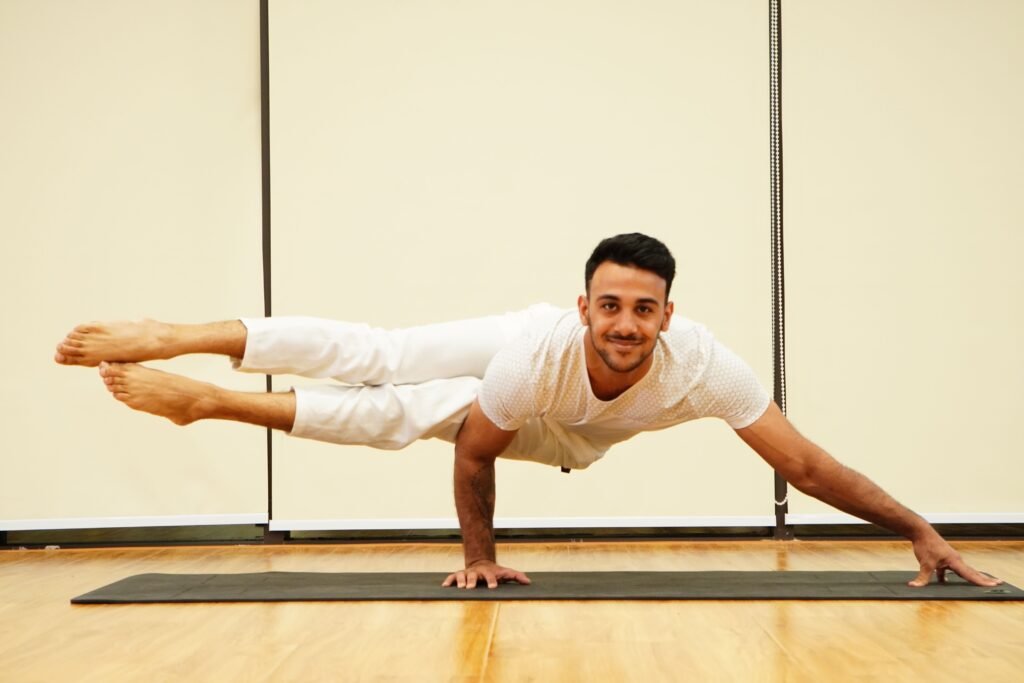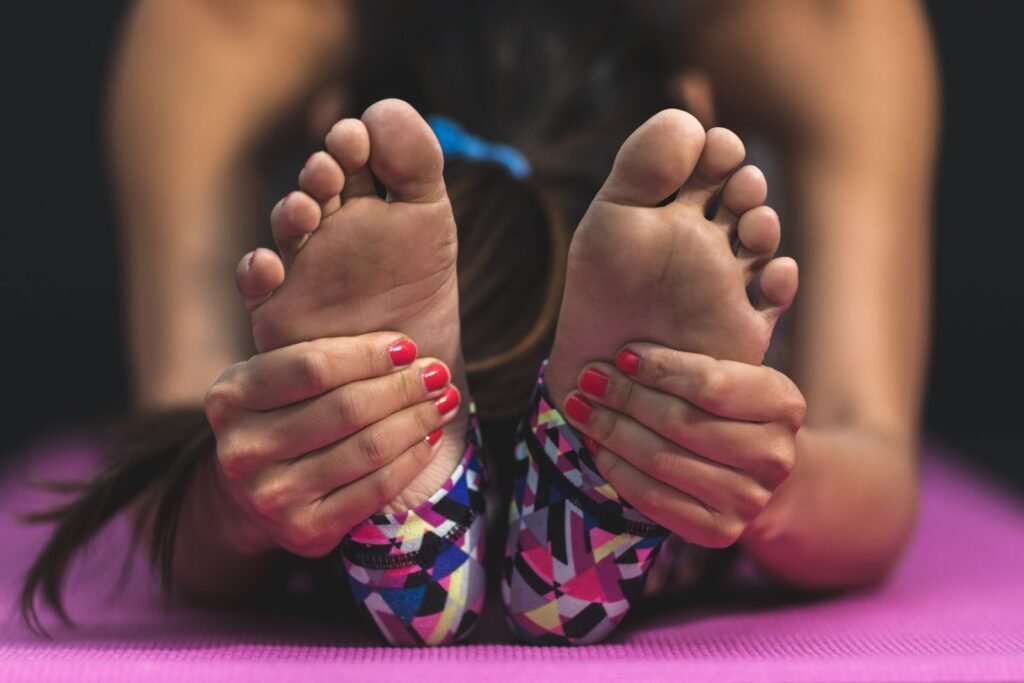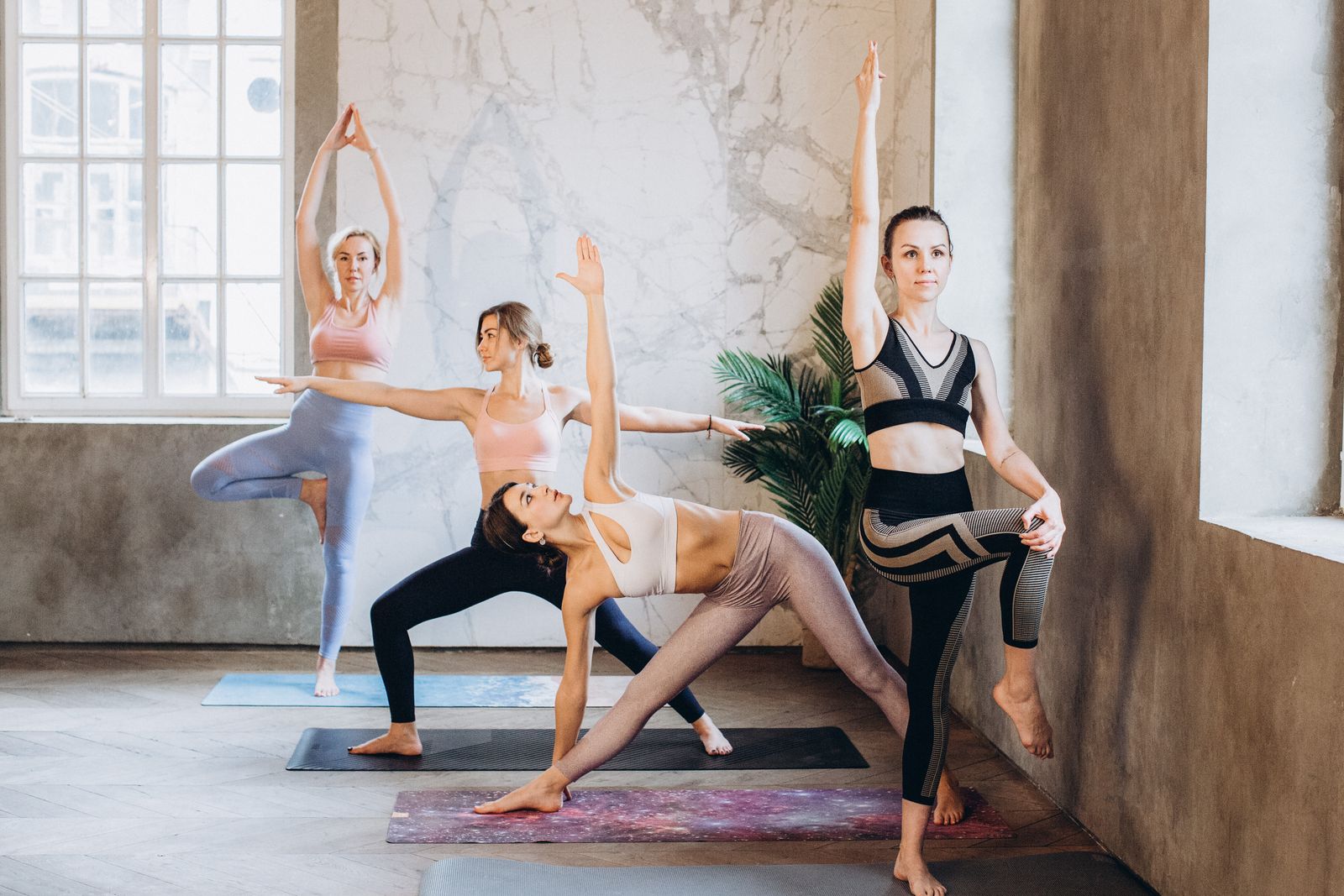
There are typically 8 to 12 major types of yoga practiced today, including Hatha, Vinyasa, Ashtanga, Iyengar, Kundalini, Yin, Restorative, and Bikram (hot yoga), each built on the same core postures but differing in pace, breathwork, and intent. Beyond these physical styles, yoga philosophy also recognizes four classical paths – Karma, Bhakti, Jnana, and Raja yoga – which describe different routes to inner growth rather than specific class formats. Knowing the difference between a style (how a class is taught) and a path (a philosophical approach to life) makes it far easier to pick a practice that actually fits your body and your goals.
What Exactly Counts as a “Type” of Yoga?
When people search for types of yoga, they’re usually asking about two different things at once: modern physical styles (Vinyasa, Ashtanga, Yin) and the ancient philosophical paths described in classical texts like the Bhagavad Gita. Both are valid answers, which is why you’ll see different numbers – 4, 7, 8, or 11 – depending on the list. A “style” is how a class is sequenced, paced, and taught. A “path” is a broader life approach: through action, devotion, knowledge, or meditation. This article covers both, starting with the physical styles you’re most likely to attend a class for, then closing with the traditional paths for readers curious about yoga’s deeper meaning.
How Many Types of Yoga Are There?
Most reputable guides settle somewhere between 7 and 13 major styles, though yoga has produced dozens of smaller variations and hybrid formats over the past century. There is no single official number because yoga is not governed by one central authority the way a sport with fixed rules would be. Instead, styles have evolved as different teachers adapted the same foundational postures (asanas) for different goals – strength, flexibility, relaxation, spiritual focus, or fitness. For a beginner, it’s more useful to think in terms of a spectrum: gentle and restorative on one end, athletic and high-intensity on the other, with most named styles falling somewhere in between. If you’re new to the practice entirely, our guide to what is yoga is a good starting point before diving into style comparisons.
Hatha Yoga: The Foundation of Almost Every Style
Hatha yoga is the umbrella term for physical yoga practice and is often the first style recommended to beginners. A typical class moves slowly through basic postures, holding each for several breaths, with clear instruction on alignment. Because Hatha runs at a gentler pace than Vinyasa or Ashtanga, it suits people recovering from injury, managing stress, or building a foundation before trying faster styles. Nearly every other named style here – Ashtanga, Vinyasa, Iyengar – technically descends from Hatha’s core postures, just sequenced differently. For the roots of the practice, see our piece on yoga’s definition.
Vinyasa Yoga: Movement Linked to Breath
Vinyasa yoga (often called “flow” yoga) links each movement to an inhale or exhale, creating a continuous sequence rather than static poses held in isolation. Classes vary in intensity, but the defining feature is the breath-to-movement transition, frequently built around Sun Salutations (Surya Namaskar) as a repeating unit. Because no two Vinyasa classes follow an identical script, it appeals to people who want variety week to week, and it tends to build more cardiovascular endurance than slower styles. See our guide on yoga for weight loss for how flow-based practice supports fitness goals.
Ashtanga Yoga: A Fixed, Physically Demanding Sequence
Ashtanga yoga follows a specific, unchanging sequence of postures performed in the same order every time, divided into six series of increasing difficulty (though most students only ever progress through the primary series). Unlike Vinyasa, where sequences vary, Ashtanga’s structure is fixed, which makes it appealing to practitioners who like knowing exactly what’s coming and want to track measurable progress over months and years. It’s a physically demanding style, generally not recommended as a first-ever yoga class for complete beginners without some guidance on modifications. Many gyms and studios also offer “Mysore-style” Ashtanga classes, where students move through the sequence at their own pace while a teacher offers individual corrections.
Iyengar Yoga: Precision, Alignment, and Props
Iyengar yoga, developed by B.K.S. Iyengar, emphasizes precise alignment and commonly uses props – blocks, straps, bolsters, and chairs – to help practitioners achieve correct form regardless of flexibility or body type. Poses are typically held longer than in Vinyasa or Ashtanga, allowing time to adjust alignment detail by detail, which makes this style accessible for older adults, people recovering from injury, or anyone who finds faster-paced classes overwhelming. Readers dealing with joint or muscle issues may also find our article on yoga for back pain useful for injury-conscious sequencing.
Kundalini Yoga: Breath, Chanting, and Energy Work
Kundalini yoga combines physical postures with breathwork (pranayama), chanting, and meditation, with a stated goal of awakening energy believed to be stored at the base of the spine. Classes often include repetitive movements paired with specific breathing patterns, mantra chanting, and periods of seated meditation. This style leans more spiritual and introspective than fitness-focused styles like Vinyasa, appealing to practitioners looking for a mind-body-spirit practice rather than a workout. If meditation interests you more than the physical side, our article on yoga and meditation explores that connection further.
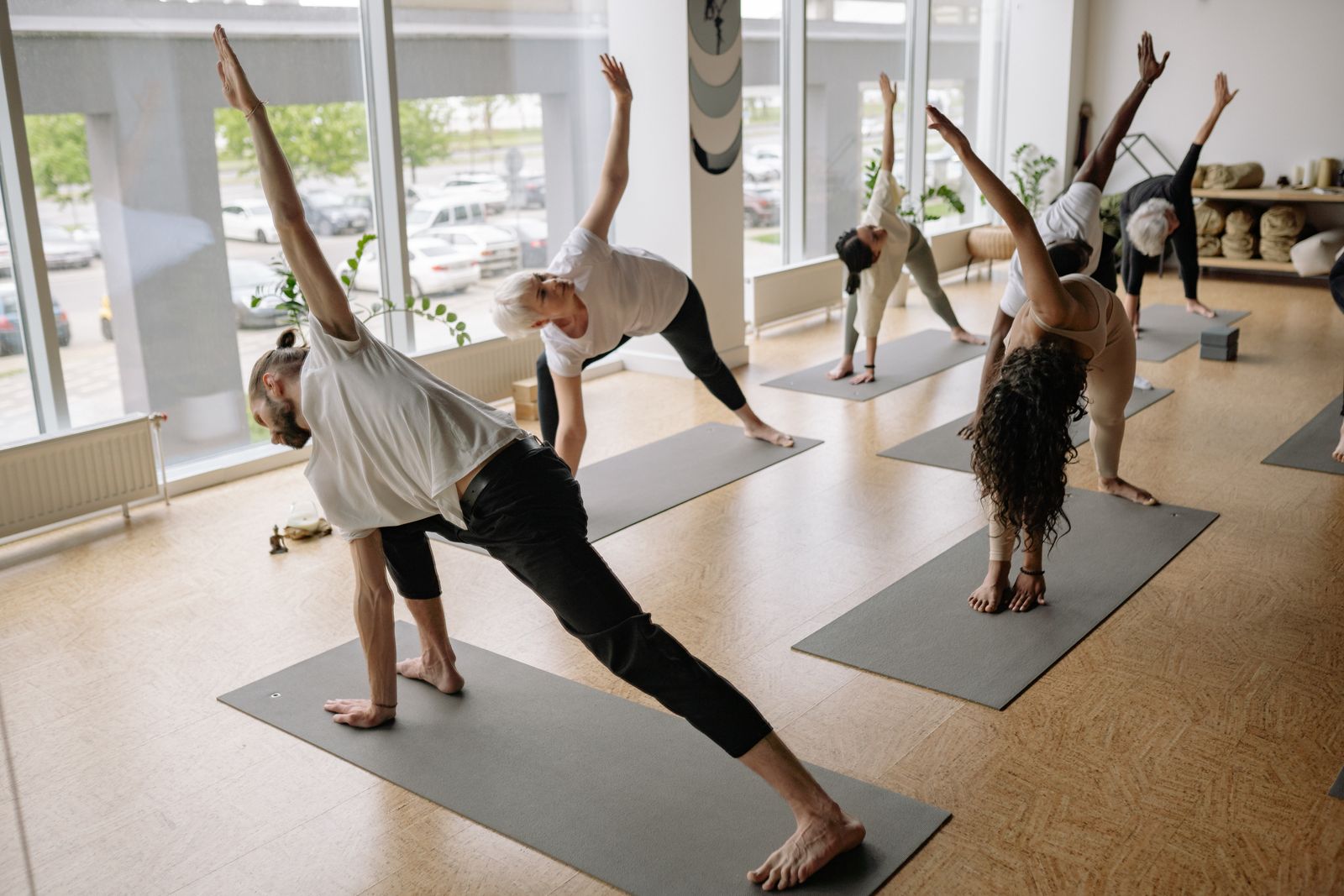
Yin Yoga: Long, Passive Holds for Deep Tissue
Yin yoga targets the body’s connective tissues – ligaments, fascia, and joints – rather than muscles, by holding passive, floor-based poses for one to five minutes at a time. Unlike active styles that build muscular strength, Yin works on flexibility and range of motion by letting gravity and time do the work while muscles stay relaxed. It’s commonly practiced as a recovery day alongside more vigorous styles. Because the pace is so slow, Yin is also popular for stress reduction; see our guide to yoga for stress relief for more on slower practice.
Restorative Yoga: Rest as the Practice
Restorative yoga is built entirely around rest, using props like bolsters, blankets, and blocks to fully support the body in a small number of gentle poses held for extended periods, sometimes 10 minutes or more per pose. Unlike Yin, which still applies some stretch tension to connective tissue, Restorative yoga aims for complete physical support with minimal effort, activating the parasympathetic nervous system rather than challenging strength or flexibility. It’s frequently recommended for people managing chronic stress or recovering from illness. If sleep is a specific concern, our piece on yoga for better sleep goes deeper into which poses help most.
Bikram and Hot Yoga: Heat as an Added Variable
Bikram yoga is a specific trademarked sequence of 26 postures and two breathing exercises, practiced in a room heated to around 40°C (105°F) with controlled humidity. “Hot yoga” is a broader, non-trademarked term for any heated class that may or may not follow the exact Bikram sequence, often blending heat with Vinyasa-style flow instead. The heat is intended to increase flexibility and encourage sweating, though people with heart conditions, low blood pressure, or heat sensitivity are generally advised to check with a doctor first, and hydration is essential. First-timers are usually encouraged to try a standard-temperature class before progressing to hot yoga.
Power Yoga and Yoga for Fitness
Power yoga is a Western adaptation of Ashtanga that strips away the fixed traditional sequence in favor of a faster-paced, strength-focused workout, often set to music and designed to build heat and endurance quickly. It’s less concerned with spiritual tradition and more focused on athletic conditioning, popular among people who want yoga’s flexibility benefits combined with a genuine cardio and strength challenge. Because it moves quickly and demands more strength than beginner-oriented Hatha, it suits people with some prior yoga or fitness experience. For more on how yoga supports fitness goals, see our article on the benefits of yoga.
Prenatal, Chair, and Accessibility-Focused Yoga
Beyond the major named styles, several formats adapt yoga for particular life stages or physical needs. Prenatal yoga modifies postures to be safe throughout pregnancy, avoiding deep twists, prone positions, and poses that compress the abdomen, while supporting pelvic floor strength and breathing techniques useful during labor. Chair yoga adapts postures for people with limited mobility, older adults, or office workers who want to stretch without getting on the floor. These formats matter because they widen who can realistically benefit from a regular practice. If you’re exploring yoga during pregnancy specifically, our guide to prenatal yoga covers trimester-by-trimester guidance.
Online Yoga: Do Style Differences Still Matter?
Yes – the style distinctions above matter just as much in an online class as in a studio, because the pacing, breathing pattern, and intensity of a Vinyasa flow are fundamentally different from a Yin or Restorative session. When choosing an online yoga class, it helps to know which style you’re signing up for rather than assuming all “yoga classes” are interchangeable. Online formats have made certain styles – particularly Hatha, Vinyasa, and Yin – far more accessible to people without a studio nearby, while prop-heavy styles like Iyengar can be harder to replicate without in-person guidance.
The Four Classical Paths of Yoga: Karma, Bhakti, Jnana, and Raja
Beyond physical styles, traditional yoga philosophy – most notably as described in the Bhagavad Gita – identifies four broad paths toward self-realization rather than four types of exercise class:
- Karma yoga – the path of selfless action, performing duty without attachment to the outcome.
- Bhakti yoga – the path of devotion, typically expressed through chanting, prayer, and surrender to a higher power.
- Jnana yoga – the path of knowledge and self-inquiry, focused on studying scripture and directly questioning the nature of the self.
- Raja yoga – sometimes called the “royal path,” centers on meditation and mental discipline, closely associated with the eight limbs described in Patanjali’s Yoga Sutras.
These four paths aren’t mutually exclusive; many practitioners draw on more than one depending on their personality and stage of life. For more on this philosophical layer, see our article on yoga philosophy.
How Do You Choose the Right Type of Yoga for You?
Start by matching the style to your actual goal rather than picking whatever is most popular:
| Your Goal | Best Yoga Styles to Try |
|---|---|
| Flexibility and stress relief | Yin, Restorative, or gentle Hatha |
| A genuine workout with cardio benefits | Vinyasa, Power yoga, or hot yoga |
| Recovering from an injury | Iyengar’s prop-supported alignment work, or chair yoga |
Whichever goal fits, it’s worth reading our guide on yoga for beginners before your first class. It’s also normal to combine styles across a week – a faster Vinyasa class early on, a Yin or Restorative session before bed.
Common Mistakes People Make When Choosing a Yoga Style
The most common mistake is picking a style based on popularity rather than its actual intensity and pace, which often leads beginners into fast-paced Ashtanga or Power yoga classes that leave them discouraged or injured in the first week. A second mistake is assuming all yoga is inherently gentle and low-risk, which isn’t true of hot yoga, Power yoga, or advanced Ashtanga sequences. A third is sticking with one style indefinitely simply because it was the first one tried, rather than revisiting the full range of options as goals or fitness level change. Trying a few styles in the first month, ideally through structured online yoga classes, tends to produce a better long-term fit than committing to whatever’s convenient.
Questions People Ask About Types of Yoga
How many types of yoga are there?
Most guides list between 7 and 13 major physical styles of yoga, including Hatha, Vinyasa, Ashtanga, Iyengar, Kundalini, Yin, Restorative, and Bikram/hot yoga. There’s no single official count because yoga has evolved through many independent teachers and traditions rather than one governing body. Separately, yoga philosophy also describes four classical paths – Karma, Bhakti, Jnana, and Raja – which are approaches to life rather than class formats.
How many types of yoga are there in India?
India is where yoga originated, and the tradition there recognizes both the classical philosophical paths (Karma, Bhakti, Jnana, and Raja yoga) and the physical styles like Hatha and Ashtanga that were later systematized and popularized globally. Many Indian yoga schools and ashrams teach these four paths as the traditional framework, while also offering the physical postures (asanas) that Western studios now categorize into 8 or more distinct styles.
How many types of yoga are there in Hindi (योग के कितने प्रकार हैं)?
In Hindi-language yoga texts and teaching traditions, yoga is most commonly divided into the four classical paths – कर्म योग (Karma Yoga), भक्ति योग (Bhakti Yoga), ज्ञान योग (Jnana Yoga), and राज योग (Raja Yoga) – alongside हठ योग (Hatha Yoga) as the physical postural foundation. Modern Hindi yoga content also increasingly references the same 7-8 physical styles used internationally, such as विन्यास योग (Vinyasa) and अष्टांग योग (Ashtanga).
How many types of yoga are there, name them?
The major physical styles most commonly named are Hatha, Vinyasa, Ashtanga, Iyengar, Kundalini, Yin, Restorative, Bikram (hot yoga), and Power yoga, with Prenatal and Chair yoga often added as accessibility-focused variations. Philosophically, the four classical paths are Karma, Bhakti, Jnana, and Raja yoga. Different sources combine or split these lists differently, which is why counts of 4, 7, 8, and 11 all appear across various guides.
How many types of yoga poses exist?
There isn’t a single fixed number, but classical yoga texts and modern teacher training programs commonly reference somewhere between 84 and several hundred named asanas (poses), depending on how variations and modifications are counted. Beginners typically only need to learn 20 to 30 foundational poses to safely practice most of the major styles covered in this guide, with more advanced poses introduced gradually as strength and flexibility improve.
Do all types of yoga exist for the same purpose?
No – different styles exist for meaningfully different purposes. Yin and Restorative prioritize relaxation and flexibility, Vinyasa and Power yoga prioritize fitness and cardiovascular conditioning, Iyengar prioritizes alignment and injury prevention, and Kundalini prioritizes spiritual and energetic practice. Understanding this variety is exactly why picking “a yoga class” at random often disappoints beginners who had a different specific goal in mind.
Try This for Yourself
The fastest way to find out which type of yoga actually fits your body and your goals is to try a few different styles back to back rather than guessing from a list. FitStrot’s online yoga classes let you sample Hatha, Vinyasa, and more restorative styles from home, with guidance on pacing and modifications so you’re not left figuring out alignment on your own.
Related reading: What Is Yoga?, Benefits of Yoga, Yoga for Beginners, Vinyasa Yoga Explained, and FitStrot’s online yoga classes.