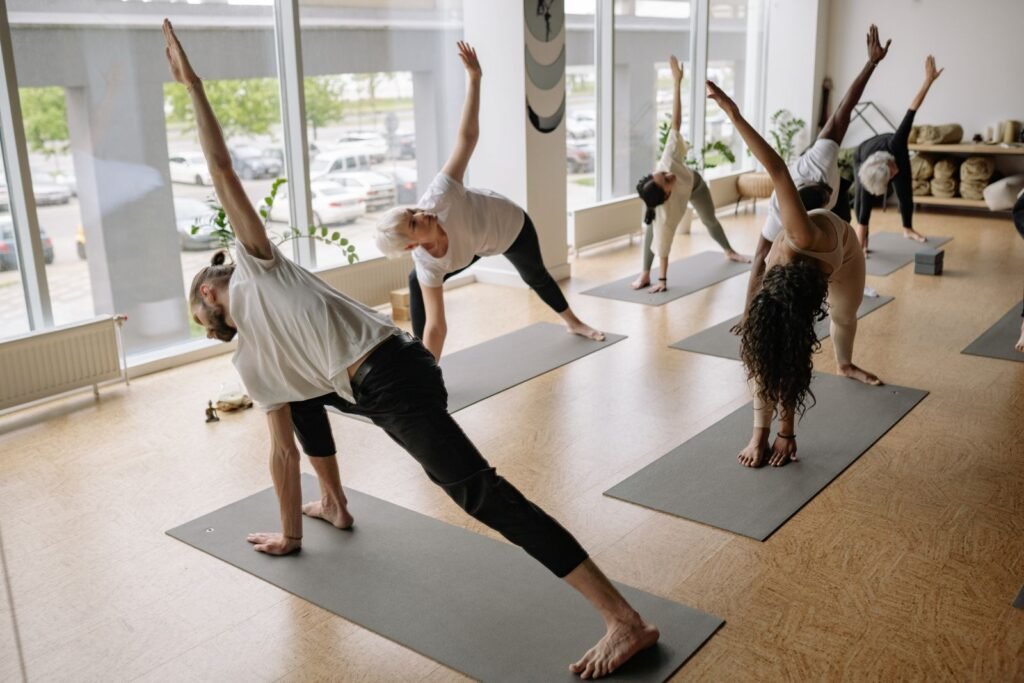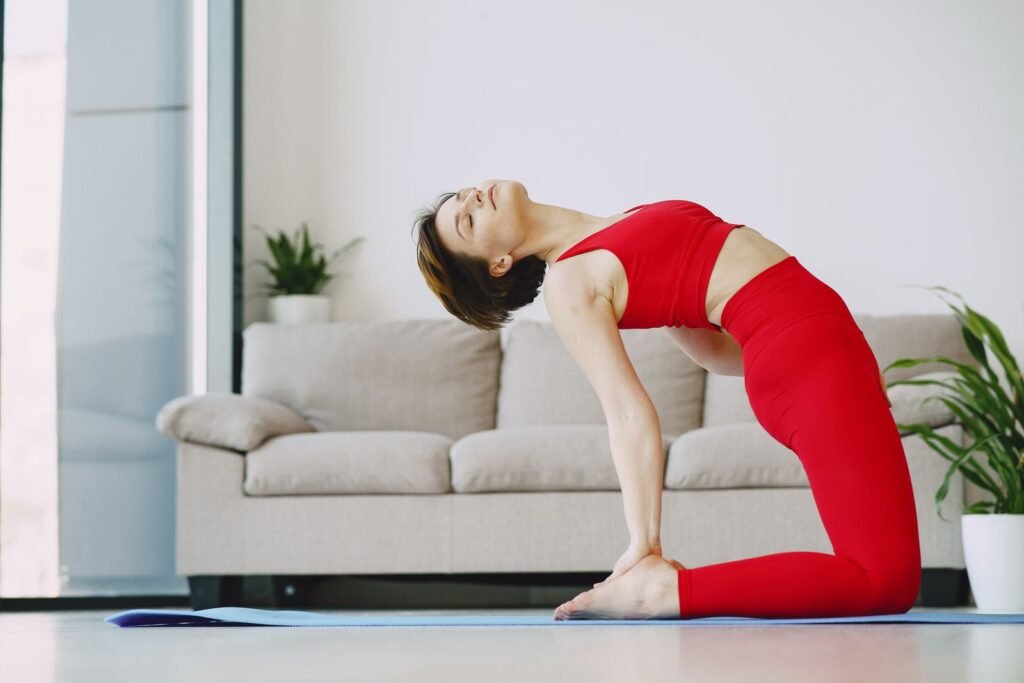
Daily yoga is the practice of doing some form of yoga — even a short 10 to 20 minute sequence of poses, breathing, or stretching — every single day rather than a few times a week. The point isn’t marathon sessions; it’s consistency. A short daily practice compounds over weeks and months in ways that longer, occasional sessions don’t, because the body and nervous system respond better to regular, small doses of movement and breathwork than to sporadic bursts. Most people who build a sustainable daily yoga habit start with 10 to 15 minutes, focus on a handful of repeatable poses, and gradually extend the session as it becomes automatic. You don’t need a studio, an expensive daily yoga app, or advanced flexibility to start — a mat, a quiet 15-minute window, and a simple sequence you can repeat are enough.
Why Practice Yoga Every Day Instead of a Few Times a Week?
Frequency changes what yoga does for the body. Practicing once or twice a week mostly maintains whatever flexibility and strength you already have, while a daily practice — even a short one — builds new capacity because tissue adapts to a consistent stimulus rather than sporadic bursts. Daily practice also has a compounding effect on habit formation: skipping a day when yoga is a “sometimes” activity carries little weight, but skipping a day when it’s a daily anchor breaks a streak, which is a stronger psychological cue to get back on the mat quickly. There’s also a nervous-system argument — the calming, parasympathetic-activating effect of slow breathing and gentle movement is most noticeable when it’s a regular part of the day rather than an occasional reset. None of this means longer, less frequent sessions are wasted; it means a short daily habit and an occasional longer session serve different goals, and most well-rounded practitioners eventually do both.
What Does a Realistic Daily Yoga Routine Look Like?
A realistic daily yoga routine is short enough that skipping it feels harder than doing it. A common structure runs 10 to 20 minutes: two to three minutes of seated breathing to transition into the practice, five to eight minutes of a simple flow such as Surya Namaskar (Sun Salutations), three to five minutes of standing or balance poses like Warrior II or Tree Pose, and a closing two to three minutes in a seated twist or Savasana. The exact poses matter less than the shape of the routine — mobilize, strengthen, calm — because that structure can flex around whatever time you actually have on a given day. People who practice morning yoga tend to favor slightly more activating sequences to start the day, while those who prefer evening yoga lean on longer holds and slower breathing to wind down. If you’re new to structuring a sequence at all, our guide on how to start yoga walks through the basics before you commit to a daily version.
What Are the Best Daily Yoga Asanas for Beginners?
A small, repeatable set of daily yoga asanas works better for beginners than a large, ever-changing list, because familiarity lets you focus on breath and alignment instead of remembering what comes next. A dependable core set for a daily routine:
- Cat-Cow (Marjaryasana-Bitilasana) — for spinal mobility
- Downward-Facing Dog (Adho Mukha Svanasana) — lengthens the hamstrings and calves
- Warrior I and II (Virabhadrasana I and II) — builds leg strength and hip opening
- Triangle Pose (Trikonasana) — a lateral stretch through the torso
- Bridge Pose (Setu Bandhasana) — a gentle backbend and glute activation
- Seated forward fold (Paschimottanasana) — closes the standing work
Rotating in one or two additional poses each week — a hip opener like Pigeon Pose or a twist like Ardha Matsyendrasana — keeps the routine from feeling stale. Our article on yoga poses for beginners breaks down which asanas suit specific needs like flexibility, strength, or stress relief.
What Are the Benefits of Daily Yoga Practice?
The benefits of daily yoga fall into a few broad categories, and most depend more on consistency than on the intensity of any single session. Physically, regular practice improves joint mobility, muscular endurance, and balance, since even gentle daily movement keeps connective tissue more pliable than infrequent, harder sessions. On the nervous system side, the combination of slow breathing and mindful movement is widely reported to lower perceived stress and support better sleep, largely by activating the parasympathetic (“rest and digest”) response more reliably when practiced daily rather than occasionally. Posture tends to improve as core and back muscles that support upright alignment get consistent light engagement, and many practitioners describe better body awareness — noticing tension in the shoulders or hips earlier in the day, before it becomes pain. Yoga isn’t a substitute for cardiovascular training or heavy resistance work if those are your primary goals, but as a daily foundation for mobility and stress management, its value is well established. Our full breakdown in benefits of yoga covers the physical and mental research in more depth.
How Long Should a Daily Yoga Workout Be?
There’s no single correct length for a daily yoga workout — the right duration is whatever you’ll actually repeat tomorrow.
| Practice Level | Typical Duration | What It Looks Like |
|---|---|---|
| Beginner | 10-15 minutes | Long enough for a meaningful sequence, short enough not to compete with work, family, or sleep |
| Intermediate (habit established) | 20-30 minutes | More standing poses, longer holds, or a short meditation added in |
| Busy day “minimum viable” practice | 5 minutes | A few Cat-Cow rounds, one Downward Dog, and a minute of breathing to preserve the streak |
Avoid treating duration as the measure of success; a consistent 10-minute daily yoga workout across a year produces more meaningful change than an ambitious 60-minute routine practiced twice before being abandoned.
Should You Keep a Daily Yoga Journal?
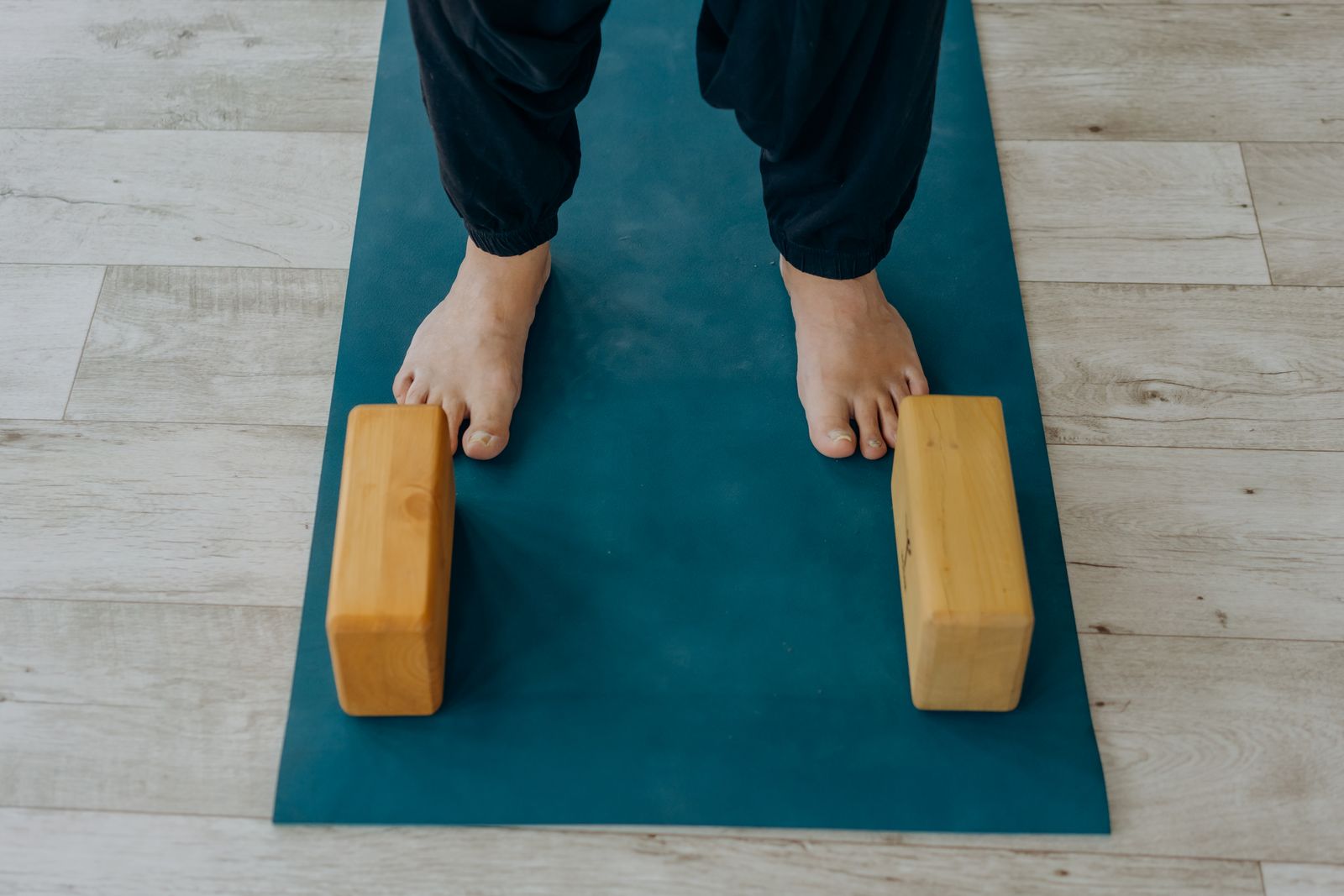
A daily yoga journal is a simple log — often just a few lines — of what you practiced, how your body felt, and any changes in energy, sleep, or mood. It isn’t required to benefit from daily practice, but it solves a specific problem: yoga’s benefits accumulate slowly enough that they’re easy to miss day to day. Writing a quick note after each session (“hips felt tight, breath was shaky, skipped the twist”) builds a record you can look back on after a month to see real progress that isn’t obvious in the moment. Some people track it formally with a notebook or app, noting which poses felt easy versus difficult, or logging streaks to stay motivated. Others keep it looser, jotting a single word about how they feel before and after. Either approach works; the value is in a feedback loop between what you practice and how you feel, rather than relying on memory alone to notice whether the habit is paying off.
Is a Daily Yoga App Worth Using?
A daily yoga app can be a useful scaffold for building the habit, particularly in the first few months when you don’t yet have a routine memorized. Apps that offer structured daily yoga programs — often organized by duration, goal, or experience level — remove the decision fatigue of figuring out what to practice each day, which is one of the biggest reasons people quit early. Many popular options include a free daily yoga app tier with a limited library of sequences, unlocking longer programs or specialty tracks (prenatal, back pain, athletic recovery) through a paid subscription. It’s worth trying two or three free apps before committing to a paid one, since teaching style, pacing, and voice matter more to long-term adherence than any specific feature list. That said, an app is a tool, not a requirement — plenty of long-term practitioners build a daily habit around a handful of memorized poses and no app at all, especially once they’ve learned proper form through in-person or live-guided classes.
What Should You Know About Isha’s Daily Yoga Programs?
The Isha Foundation, founded by the yoga teacher and author Sadhguru, offers guided yoga and meditation practices through its own app and website, including short daily routines for beginners as well as more involved programs like Isha Kriya and Surya Kriya for people who want a structured, tradition-rooted approach. If you’ve come across “isha.co daily yoga” while researching options, it typically refers to these guided practices, which blend yogic breathing techniques with a specific lineage and philosophy rather than a generic pose sequence. This is a reasonable path if you’re drawn to the philosophical and meditative side of yoga, but it’s one of several credible traditions — Hatha, Vinyasa, and Iyengar each offer their own approach to daily practice, and the right one depends on whether you’re prioritizing physical fitness, meditative depth, or a blend of both. Our types of yoga guide can help you decide which lineage or app-based program matches what you’re looking for.
What Daily Yoga Exercises Help With Common Problems Like Back Pain or Stress?
Targeted daily yoga exercises can address specific, common complaints more directly than a generic routine. For lower back stiffness, Cat-Cow, Sphinx Pose, and a Supine Spinal Twist done daily tend to keep the lumbar spine mobile without aggravating it, since the intensity stays gentle and controlled. For stress and anxiety, slow diaphragmatic breathing paired with forward folds and restorative poses like Legs-Up-the-Wall (Viparita Karani) activate the parasympathetic nervous system more reliably than vigorous flows, since the goal is downregulation rather than exertion. For desk-related tightness in the hips and shoulders, a daily combination of Pigeon Pose, Thread the Needle, and a doorway or wall-supported chest opener directly counters the posture patterns of long sitting. If back pain is a recurring, specific issue rather than general stiffness, it’s worth reading our dedicated guide on yoga for back pain, which goes further into pose selection and precautions, and consulting a physician if pain is sharp, radiating, or persistent.
How Do You Find Daily Yoga Classes Near You?
While a home practice covers most of what daily yoga requires, many people supplement it with in-person guidance, especially early on when alignment cues from a live teacher accelerate learning. Searching for “daily yoga classes near me” typically surfaces local studios offering daily or near-daily drop-in sessions, community centers with donation-based classes, and gyms with yoga on their group fitness schedule. When evaluating a studio, ask whether classes suit your current level, how large a typical class is (smaller usually means more individual correction), and whether the schedule realistically fits a daily habit rather than just a weekly one. For people whose schedule or location makes in-person classes impractical, live online classes offer the same real-time feedback and accountability without the commute — often the difference between an occasional practice and a genuinely daily one.
How Do You Actually Stick to a Daily Yoga Practice?
Adherence, not motivation, is what separates people who maintain a daily yoga practice for years from those who quit within a month. The most effective strategy is reducing friction: laying out your mat the night before, practicing at a fixed time linked to an existing habit (right after brushing your teeth, right before breakfast), and keeping a “minimum viable” version of the routine ready for low-energy days. Tracking a streak — even with a simple checkmark on a calendar — provides a visual incentive that outperforms vague intentions to “practice more.” It also helps to separate the daily habit from performance; the goal on a given day isn’t to nail a difficult pose, it’s simply to show up for a few minutes. When motivation genuinely dips, shortening the session rather than skipping it entirely keeps the habit loop intact, which matters more for long-term results than any single session’s length.
Can Daily Yoga Replace Strength Training or Cardio?
Daily yoga builds mobility, balance, and functional strength in the core, shoulders, and legs through poses like Chair Pose or Warrior sequences, but it isn’t a full substitute for dedicated strength training or cardio if those are specific goals. Yoga’s resistance comes from bodyweight and isometric holds, meaningfully different from progressive overload with external weight, and its cardiovascular demand — outside fast-paced styles like Vinyasa or Ashtanga — is generally lower than running, cycling, or dance-based cardio. Many well-rounded routines use daily yoga as a mobility and recovery foundation, then layer in two or three strength sessions and a higher-intensity cardio session like Zumba each week — daily yoga as the connective tissue that keeps the rest of your training sustainable.
What Mistakes Do People Make When Starting a Daily Yoga Habit?
The most common mistake is starting too ambitiously — committing to 45 or 60 minutes daily, which is hard to sustain once work or fatigue intrudes, and abandoning the habit after a few missed days. A related mistake is treating one missed day as a failure that ends the streak for good, rather than simply resuming the next day. Skipping the warm-up and moving straight into deep stretches or binds, especially on stiff mornings, raises injury risk in the hamstrings and lower back. Comparing your own poses to highly flexible practitioners online can also discourage beginners, when the real measure of a good daily practice is consistency, not how a pose looks in a photo. Many people also never settle on a repeatable core sequence, spending each session deciding what to do instead of simply doing it — removing that daily decision is one of the simplest ways to make the habit stick.
Questions People Ask About Daily Yoga
Is it OK to do yoga every single day?
Yes, for most healthy adults, daily yoga is safe and often beneficial, provided the intensity matches your body’s daily state. Gentle to moderate practice most days causes far less strain than daily high-intensity workouts, since yoga can be scaled down on tired or sore days. Listening to your body and easing off deep stretches when you’re fatigued or unwell is more important than never missing a day.
How long does it take to see results from daily yoga?
Many practitioners report feeling calmer and less stiff within the first one to two weeks of daily practice. Visible changes in flexibility, posture, and strength typically become noticeable after 4 to 8 weeks of consistent practice, which lines up with general adaptation timelines seen in other forms of regular exercise.
What’s the best time of day for a daily yoga practice?
There’s no universally best time — morning sessions tend to boost energy and focus for the day ahead, while evening sessions help wind down before sleep. The better predictor of results is whether the time slot is one you can realistically protect every day, since a consistent afternoon practice beats an inconsistent morning one.
Do I need a daily yoga app to get started?
No, an app is helpful but not required. A free daily yoga app can provide structure and remove decision fatigue in the early weeks, but plenty of practitioners build a lasting habit around a small set of memorized poses learned from a class, book, or guided video, with no ongoing app subscription at all.
Can daily yoga help with weight loss?
Daily yoga on its own burns a modest number of calories compared to higher-intensity cardio, so its role in weight management is more indirect than direct. It supports better sleep and stress regulation, both of which influence appetite and energy, and it builds the kind of consistent movement habit that research on behavior change links to long-term weight management success.
What if I don’t have time for a full daily yoga routine?
A short 5-minute version — a few rounds of Cat-Cow, one Downward Dog, and a minute of breathing — is enough to preserve the habit on a genuinely busy day. Protecting the daily streak with a minimal session works better long-term than skipping entirely and trying to make up for it with a longer session later.
Try This for Yourself
Reading about daily yoga routines is a useful starting point, but the habit becomes real once someone is guiding your breath, pacing, and alignment in real time. If you’d like structured, live instruction that adapts to your schedule and flexibility, explore FitStrot’s online yoga classes and build a daily practice that actually lasts.
Related reading: morning yoga, evening yoga, yoga flow, benefits of yoga, and FitStrot’s online yoga classes.