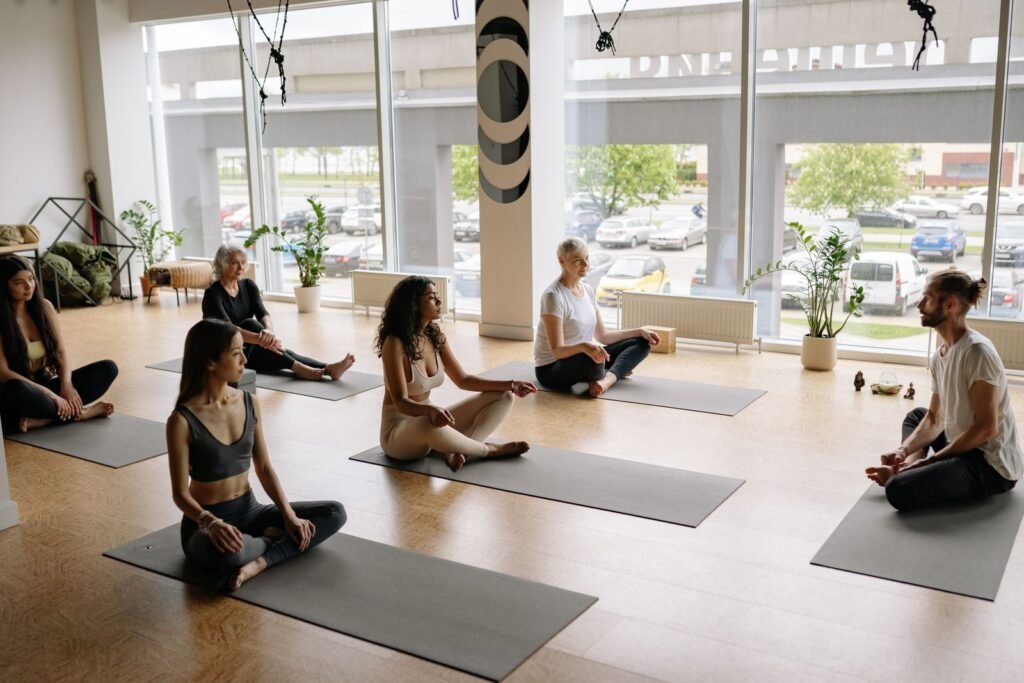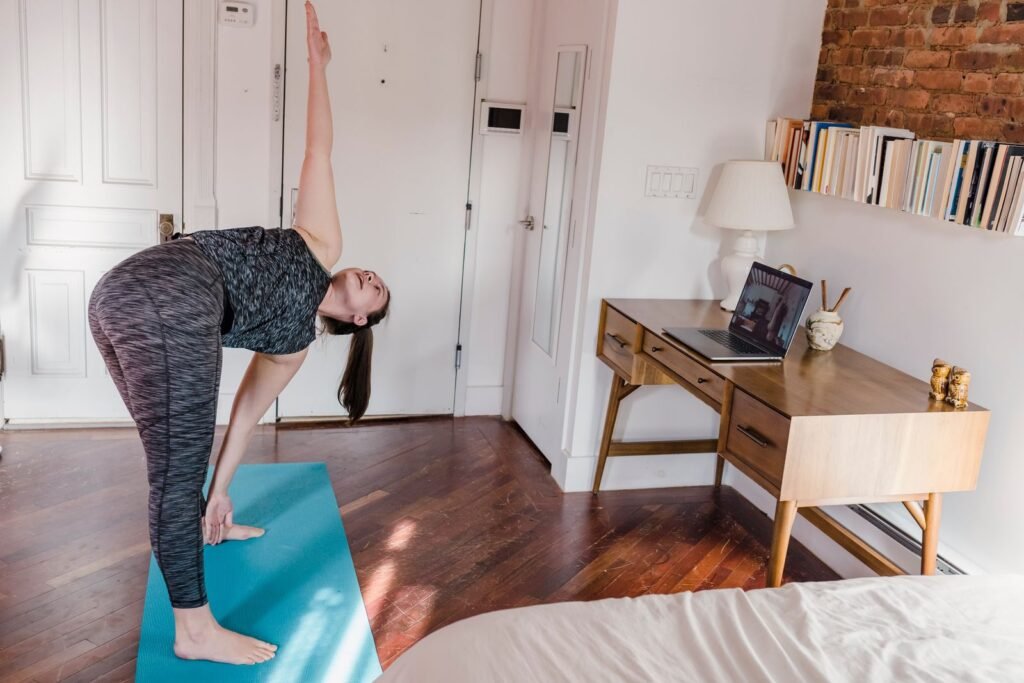
Yoga and gratitude are connected through the practice of pairing physical postures and breathwork with the deliberate act of noticing what you appreciate, so that a purely physical routine becomes an emotional and spiritual one as well. On the mat, this can mean opening or closing a session by naming a few things you’re thankful for, dedicating a pose to someone who has helped you, or simply pausing in stillness to register what your body just did for you. The Kundalini yoga teacher Yogi Bhajan is widely credited with the phrase “the attitude of gratitude is the highest yoga,” a line that captures the idea at the center of this practice: yoga isn’t only about flexibility or strength, it’s about cultivating an internal orientation of appreciation that carries off the mat and into daily life.
What Does “Yoga and Gratitude” Actually Mean?
At its simplest, yoga and gratitude describes any practice that intentionally combines movement or breath with reflection on what you’re grateful for. This isn’t a separate style of yoga the way vinyasa yoga or hatha yoga are; instead, it’s a lens you can apply to almost any style, from a brisk morning flow to a slow yin yoga session. Some practitioners build gratitude in explicitly, closing every class with a moment of thanks. Others let it emerge naturally from the practice itself, noticing that a regular routine tends to shift attention away from what’s lacking and toward what’s already present and working.
The distinction matters because gratitude in a yoga context isn’t the same as forced positivity. It doesn’t mean ignoring pain, frustration, or a hard day. It means adding a second, quieter layer of attention alongside whatever else is true, one that asks “what, even now, is supporting me?” This is closer to the philosophical roots of yoga than it might first appear, and it connects directly to broader yoga philosophy for daily life, where practice is understood as a tool for changing perception, not just physiology.
Why Is Gratitude Considered “The Highest Yoga”?
The phrase “the attitude of gratitude is the highest yoga,” commonly attributed to Yogi Bhajan, is one of the most quoted lines in modern yoga culture, and it points to something specific. Many classical yogic goals, focus, stillness, union of body and mind, are difficult to sustain unless the underlying emotional state supports them. Gratitude is proposed as that supporting state. When you approach a practice, or a day, from a place of appreciation rather than lack, attention tends to settle more easily and effort feels less like a struggle against resistance.
This idea sits comfortably alongside older yogic concepts like santosha, often translated as contentment, one of the niyamas (personal observances) described in classical yoga philosophy. Where physical postures, or asana, train the body, and pranayama trains the breath, gratitude can be understood as training the mind’s default orientation. That’s a demanding practice in its own right, arguably more demanding than a challenging pose, which is part of why the phrase elevates it to “the highest yoga” rather than treating it as a minor add-on.
How Do You Bring Gratitude Into a Physical Yoga Practice?
There are several practical entry points, and none of them require special training or a specific style of class.
- Opening intention: Before you move through your first pose, spend thirty seconds naming one thing, however small, that you’re grateful for today. This sets a tone for the rest of the session.
- Pose dedication: Some practitioners mentally dedicate a challenging pose, like warrior pose or a deep hip opener, to a specific person or moment they’re thankful for, which adds emotional texture to physical effort.
- Closing gratitude list: At the end of practice, often during or just after savasana, silently or verbally list three things, one about your body, one about your day, one about a person in your life.
- Breath-linked gratitude: Pair each exhale during a few rounds of breathing with a single word of thanks, which keeps the mind anchored rather than drifting into planning or worry.
None of these require extending your practice time significantly. A minute or two is enough to notice a difference, especially when repeated consistently rather than occasionally.
What Does the Research Say About Gratitude and Wellbeing?
Gratitude practice has been studied independently of yoga, and the research consistently points in a positive direction. Psychological studies on gratitude journaling, most notably work associated with researchers Robert Emmons and Michael McCullough, have found that people who regularly recorded things they were grateful for reported better mood, more optimism, and even fewer physical complaints compared to control groups. While the specific numbers vary study to study, the overall pattern, that deliberate gratitude practice improves subjective wellbeing, is one of the more consistently replicated findings in positive psychology.
Separately, yoga itself has a well-documented relationship with stress regulation. Slow, breath-led movement activates the parasympathetic nervous system, the branch responsible for rest and recovery, which is part of why a session can leave you feeling calmer even without any explicit gratitude component. Combining the two, movement that calms the body plus a practice that reorients the mind toward appreciation, is a reasonable hypothesis for why so many practitioners describe gratitude-infused yoga as feeling more emotionally settling than either element alone, even though the combined effect hasn’t been isolated in a single controlled study the way each piece has been studied separately.
What Are Some Meaningful Gratitude Yoga Quotes?
Quotes can act as a quick reset when you need language for a feeling you’re already having, and they’re often used as journal prompts or class closings. Alongside the Yogi Bhajan line already mentioned, other commonly cited gratitude yoga quotes include ideas from teachers and writers emphasizing that gratitude turns “what we have” into “enough,” and that the quality of attention you bring to a pose matters more than how deep the pose goes. Many practitioners keep a short list of two or three favorite gratitude yoga quotes taped near their mat or saved in a notes app, using them as a one-line meditation before starting a session.
If you’re building your own collection, look for quotes that point you toward noticing rather than achieving. A quote that makes you want to strive harder is a fitness quote; a quote that makes you want to pause and notice is a gratitude quote. Both have their place, but they serve different goals, and gratitude yoga quotes work best when reserved for moments of reflection rather than moments of pushing effort.
How Can You Build a Gratitude Journaling Habit Alongside Yoga?
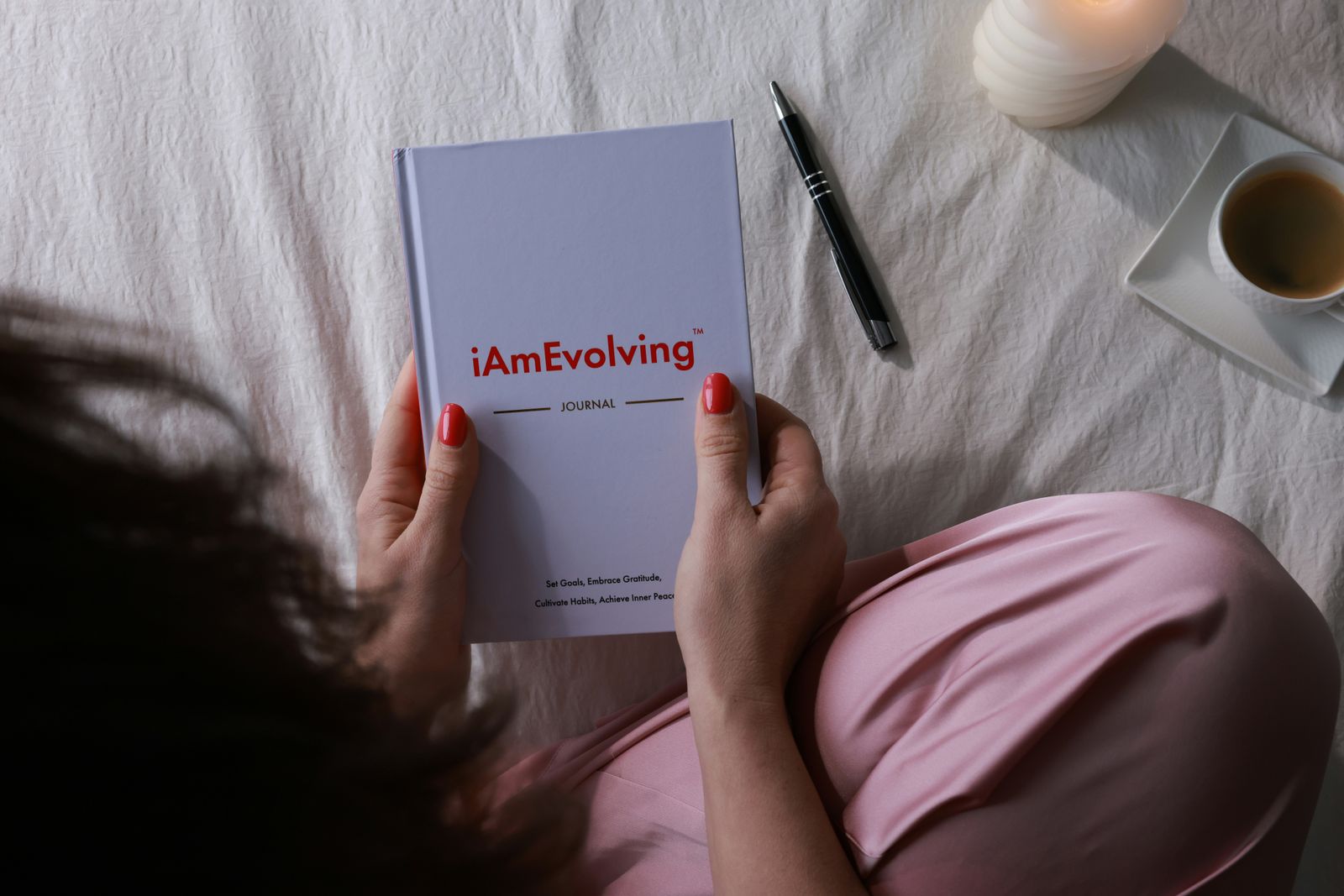
Journaling is one of the most accessible ways to formalize gratitude practice, and pairing it with yoga gives you a built-in trigger so you’re not relying on memory. A simple structure many people use is the “three good things” method, writing down three specific things from the day you’re grateful for, right after rolling up your mat. Specificity matters more than length; “grateful for my sister calling to check in” carries more weight over time than a vague “grateful for family.”
If you practice as part of a broader morning routine for wellness, gratitude journaling fits naturally right after a short flow, while your body is still calm and your attention hasn’t yet scattered into the day’s demands. For an evening practice, journaling before bed can serve a similar function to yoga nidra, helping the nervous system downshift by directing attention toward safety and sufficiency rather than unresolved tasks.
Which Yoga Styles Pair Best With a Gratitude Practice?
Gratitude can be woven into essentially any style, but some lend themselves to it more naturally because of their pace. Slower, more introspective styles like restorative yoga and yin yoga give you more unstructured time during long holds, which is exactly when a wandering mind can be redirected toward appreciation instead of distraction. Self-care yoga routines are also a natural fit, since the entire premise, tending to your own wellbeing without a performance goal, aligns closely with the spirit of gratitude practice.
Faster-paced styles like power yoga or a heated Ashtanga yoga sequence can still incorporate gratitude, typically bookending the practice rather than threading it through every pose, since the physical demand leaves less spare attention mid-flow. There’s no single correct pairing; the right approach depends on whether you want gratitude woven throughout or reserved for the opening and closing minutes.
Can Gratitude Practice Help With Difficult Emotions During Yoga?
Yes, and this is one of the more practically useful applications. Yoga sometimes surfaces emotions you weren’t expecting, tightness in the hips or chest can release alongside unexpected sadness, frustration, or grief. Gratitude practice isn’t meant to override or suppress those feelings. Instead, it works alongside them, offering a second, simultaneous truth: this is hard, and there is still something here to be thankful for. Holding both at once is more sustainable than trying to force positivity over difficulty.
This dual awareness is particularly relevant if you’re using yoga as part of a broader coping strategy, whether that’s managing everyday stress or working through something more significant, such as yoga for anxiety or as a complementary practice during recovery from addiction. In both contexts, gratitude isn’t a replacement for professional support, but it can be a stabilizing addition alongside it.
How Does Gratitude Fit Into Yoga’s Broader Philosophy?
Gratitude connects to several foundational yogic concepts beyond santosha. Ahimsa, or non-harm, extends naturally into gratitude when you consider that resentment and comparison are subtle forms of harm directed at yourself. Aparigraha, non-attachment or non-grasping, is closely related too: gratitude for what you already have is, in a sense, the opposite of grasping for what you don’t. Understanding these connections isn’t necessary to benefit from a gratitude practice, but it does explain why so many yoga traditions treat gratitude as central rather than incidental.
If this kind of underlying framework interests you, exploring yoga philosophy for daily life in more depth shows how these ancient concepts translate into modern, practical habits well beyond the mat, in how you handle conflict, spend money, or talk to yourself after a mistake.
What’s a Simple 10-Minute Gratitude Yoga Sequence to Try?
You don’t need a long practice to feel the effect of combining movement with gratitude. Try this short sequence:
- One minute, seated: Close your eyes and name one thing you’re grateful for about your body today, regardless of how it feels.
- Two minutes, Cat-Cow: Move slowly with your breath, silently repeating a single word of thanks on each exhale.
- Two minutes, Child’s Pose: Rest here and let your mind settle on one relationship you’re thankful for.
- Two minutes, Low Lunge each side: As you hold, think of one opportunity or resource you have access to that you don’t often acknowledge.
- Three minutes, Savasana: Close with stillness, letting the earlier reflections settle without actively thinking about them.
This sequence works well as a standalone practice or as an add-on to a longer session. If you’d like more structured routines to draw from, our library of yoga sequences and yoga poses for beginners covers alignment and modification options for each pose mentioned here.
Is Gratitude Yoga Suitable for Corporate or Group Wellness Settings?
Gratitude-focused yoga has become a popular addition to workplace wellness programs, partly because it requires no special equipment and works well in short sessions during a workday. A ten to fifteen minute gratitude-and-movement break can shift team energy noticeably, especially compared to a purely informational wellness talk. Many organizations pair this with broader initiatives, sometimes framed around digital detox with yoga or short desk-friendly sequences, since gratitude practice doesn’t require participants to change clothes or use a full mat.
For teams working long hours at screens, a brief gratitude pause combined with yoga for screen time and posture or simple desk yoga stretches offers a low-effort way to introduce both physical relief and a small mental reset within a standard workday.
Questions People Ask About Yoga and Gratitude
What is the yoga and gratitude connection in simple terms?
It’s the practice of pairing physical yoga, poses, breath, stillness, with a deliberate moment of noticing what you appreciate, either at the start, during, or end of a session. The physical practice calms the body, and the gratitude component redirects attention toward what’s already good, rather than only what needs fixing or achieving.
Who said “the attitude of gratitude is the highest yoga”?
This phrase is widely attributed to Yogi Bhajan, the teacher credited with bringing Kundalini yoga to the West. It’s one of the most frequently quoted lines in modern yoga culture and is commonly used to explain why gratitude is treated as a central practice rather than an optional extra in many yoga traditions.
Do I need to journal to practice gratitude yoga?
No. Journaling is one popular method, but silent reflection during savasana, a spoken gratitude list with a practice partner, or simply pausing for thirty seconds before your first pose all work. The format matters less than the consistency and specificity of what you’re naming as something you appreciate.
Can beginners practice gratitude yoga?
Yes, arguably more easily than experienced practitioners, since there’s no technical skill involved. Beginners can add a gratitude component to any beginner-friendly sequence without needing to master poses first. It’s one of the few parts of a yoga practice that requires zero physical prerequisite.
How long does it take to feel the benefits of gratitude yoga?
Many people notice a shift in mood within a single session, but the deeper benefit, a more consistently appreciative outlook, tends to build over several weeks of regular practice, similar to how gratitude journaling research shows cumulative rather than immediate effects on long-term wellbeing.
Is gratitude yoga a specific style, like Hatha or Vinyasa?
No. It’s better understood as an intention or lens applied to any style rather than a separate discipline. You can bring a gratitude practice into a vigorous vinyasa flow, a slow yin session, or a five-minute desk stretch; what defines it is the deliberate pairing of movement with appreciation, not the specific poses used.
Try This for Yourself
Reading about yoga and gratitude is a useful starting point, but the shift in perspective it offers is easiest to feel through consistent, guided practice. FitStrot’s online yoga classes pair you with real instructors who can help you build gratitude naturally into your sessions, whether you’re brand new to yoga or looking to deepen an existing practice.
Related reading: Self Care Yoga Routine, Morning Routine for Wellness, Yoga Philosophy for Daily Life, Yoga for Anxiety, and FitStrot’s Online Yoga Classes.