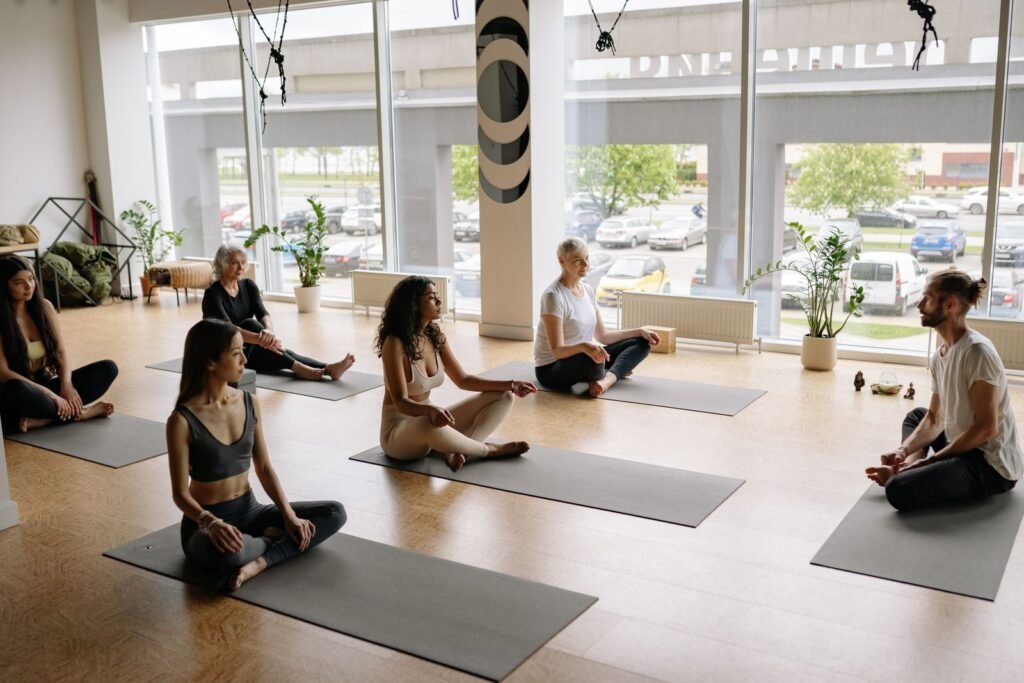
A morning routine for wellness is a short, repeatable sequence of habits, typically hydration, light movement, breathwork, and a few minutes of quiet intention, done in the first 30 to 60 minutes after waking to set a calmer, more focused tone for the day. The most sustainable versions take 15 to 45 minutes, avoid screens until a few core habits are done, and stay flexible enough to survive a rushed Tuesday as well as a relaxed Sunday. You don’t need a 5 a.m. wake-up or an hour-long ritual to benefit; you need two or three habits, repeated consistently, that genuinely fit your life.
Why Does a Morning Routine Affect Wellness So Much?
The first hour after waking sets the tone for hormonal, mental, and behavioral patterns that ripple through the rest of the day. Cortisol, often mislabeled as purely a “stress hormone,” naturally peaks shortly after waking as part of the body’s normal circadian rhythm, a pattern researchers call the cortisol awakening response. This natural rise is what helps you feel alert and ready to engage with the day. How you meet that window, with rushed scrolling and instant demands, or with hydration, light, and calm movement, appears to shape how manageable the rest of the day feels.
A chaotic morning also tends to compound decision fatigue earlier than necessary. Every unplanned choice, what to eat, whether to check email immediately, whether to skip movement again, uses up a small amount of mental bandwidth. A routine removes many of these decisions by making the first hour automatic, which is part of why people who maintain a consistent morning pattern often report feeling calmer and more in control, even on objectively busy days.
What Are the Core Building Blocks of a Wellness-Focused Morning Routine?
A strong morning routine for wellness rests on a handful of pillars rather than a long checklist. Trying to do everything, cold plunges, journaling, a 20-minute meditation, a full workout, and a nutrient-dense breakfast, in one morning is a common reason people abandon the habit within a week. Instead, most sustainable routines draw from these five categories and pick just two or three to start:
- Hydration: A glass of water before coffee, rehydrating after 7-plus hours without fluids.
- Light movement: Gentle stretching, a short walk, or a few sun salutations to wake up the body without overexertion.
- Breathwork or mindfulness: Even three to five minutes of slow breathing or seated stillness to settle the nervous system before the day’s demands arrive.
- Light exposure: Natural light within the first 30 to 60 minutes of waking, which supports circadian rhythm regulation and alertness.
- Intention setting: A brief moment, written or mental, naming a priority or a feeling you want to carry into the day.
You can build a complete, meaningful routine from any two of these. The point isn’t volume; it’s consistency and fit.
How Long Should a Morning Wellness Routine Actually Take?
There’s no universal ideal length, and much of the popular advice around hour-long routines sets an unrealistic bar for people balancing jobs, caregiving, or early commutes. A genuinely useful morning routine can run anywhere from 10 to 45 minutes. What matters more than duration is that the routine survives contact with a bad day, if it only works when everything goes perfectly, it isn’t really a routine yet.
A helpful way to think about this is in tiers. A five-minute “minimum viable” version might be a glass of water, two minutes of stretching, and one minute of deep breathing. A 20-minute version might add a short self-care yoga routine and a few lines of journaling. A 45-minute version might include all of that plus a slower, more complete practice. Having all three tiers mapped out in advance means a rushed morning doesn’t have to mean skipping the routine entirely, it just means dropping to a smaller version.
What Role Does Morning Movement Play in Wellness?
Gentle movement shortly after waking helps shift blood flow to muscles and joints that have been still for hours, and it appears to support mood regulation by engaging the same physiological pathways activated by exercise more broadly. You don’t need an intense workout for this benefit; slow, deliberate movement is often more appropriate first thing in the morning than a high-intensity session, since the body is still warming up and cortisol is already naturally elevated.
Yoga is particularly well suited to this slot because it combines movement, breath, and body awareness in a single practice. A short sequence drawing from hatha yoga or a slow vinyasa yoga flow can wake up the body without the jarring effect of jumping straight into cardio. If you’re new to movement-based routines, our guide to yoga poses for beginners is a good starting point, and our overview of different types of yoga can help you choose a style that matches a gentle, energizing morning goal rather than an intense fitness one.
How Does Breathwork Fit Into a Morning Wellness Routine?
Breath is one of the fastest tools available for shifting your physiological state, and it requires no equipment, flexibility, or extra time investment beyond a few minutes. Slow, controlled breathing in the morning can help counterbalance the natural cortisol peak, not by suppressing it, since some elevation is a healthy part of waking up, but by preventing it from tipping into a jittery, reactive state before the day has even started.
A simple technique to try is box breathing: inhale for four counts, hold for four, exhale for four, hold for four, repeated for two to three minutes. Alternate nostril breathing, known as Nadi Shodhana, is another accessible option many people use to feel mentally balanced before starting work. For a deeper walkthrough of specific patterns and when each one is most useful, see our guide to pranayama breathing techniques.

Why Does Light Exposure Matter So Early in the Day?
Getting natural light, even through a window, shortly after waking is one of the most consistently recommended habits for regulating circadian rhythm. Morning light exposure helps signal to your internal clock that the day has begun, which in turn supports more reliable sleep onset that evening. This is a simple, often-overlooked piece of a wellness routine: opening the curtains or stepping outside for a few minutes can do as much for how you feel by evening as any other single habit on this list.
If your mornings are dark for much of the year or your schedule doesn’t allow outdoor time, even sitting near a bright window while you stretch or drink water can provide some benefit. This habit pairs naturally with movement, since stepping outside for a short walk combines light exposure with gentle physical activity in a single five-minute block.
How Do You Build a Morning Routine That Actually Sticks?
Most morning routines fail not because the habits are wrong, but because they’re too ambitious for the version of you that exists on a bad night’s sleep or a stressful week. The most durable routines are built around a few design principles:
- Start with one habit, not five. Add a second only once the first feels automatic, usually after two to three weeks.
- Anchor new habits to existing ones. Drinking water “right after I turn off my alarm” is easier to remember than “sometime in the morning.”
- Prepare the environment the night before. A mat left out, a journal on the nightstand, or clothes laid out removes friction before you’re even awake.
- Define a minimum viable version. Know in advance what the five-minute version of your routine looks like so a rushed day doesn’t become a skipped week.
It also helps to connect the routine to something larger than the habits themselves. Many people find that grounding their morning in yoga philosophy for daily life makes the practice feel like an expression of how they want to move through their day, rather than another item on a checklist, which tends to sustain motivation longer than willpower alone.
What Should You Avoid Doing First Thing in the Morning?
Certain habits work against the calming, focused effect a wellness routine is meant to build. Reaching for your phone within the first few minutes of waking is one of the most common disruptors, since it introduces other people’s priorities, notifications, news, messages, before you’ve had a chance to set your own intention for the day. Many people find it useful to keep their phone outside arm’s reach overnight specifically to delay this habit.
Skipping hydration in favor of immediate caffeine is another common pattern worth reconsidering; caffeine on an already cortisol-elevated system can amplify jitteriness for some people, whereas water first can take the edge off before coffee enters the picture. Finally, treating the routine as another performance metric, tracking streaks obsessively or feeling like a failure after a missed day, tends to recreate the exact stress the routine was meant to prevent. A missed morning is a data point, not a verdict on the whole habit.
How Can a Morning Routine Support Better Sleep at Night?
It might seem counterintuitive, but a consistent morning routine is one of the more effective tools for improving sleep quality. Waking at a consistent time and getting morning light exposure both help anchor your circadian rhythm, which makes it easier for your body to feel naturally tired at a consistent bedtime. In other words, a stable morning is often the foundation a stable evening routine builds on.
If sleep is a specific concern, pairing a steady morning routine with an intentional wind-down at night compounds the benefit. Our guide to yoga for better sleep covers evening sequences that work well alongside a consistent morning practice, and together the two bookend the day with signals your nervous system can rely on.
How Does Gratitude Fit Into a Morning Wellness Practice?
Starting the day by naming something you’re grateful for, even a single sentence, shifts attention toward what’s already going right before the day’s demands take over. This isn’t about forcing positivity or ignoring real stress; it’s a brief practice that appears to help widen perspective before you’re pulled into reactive mode by emails, messages, or a packed schedule.
A simple version takes under a minute: while your coffee brews or your kettle heats, name one thing you’re grateful for out loud or in a notes app. Our piece on yoga and gratitude explores this connection in more depth, including how pairing movement with gratitude can make both practices feel more grounded than doing either alone.
Can a Morning Routine Be Adapted for Different Lifestyles?
Yes, and it should be. A morning routine designed for someone with an early commute looks different from one designed for a parent managing a household before anyone else wakes, or someone who works from home and can build movement into a slower start. The underlying pillars, hydration, light movement, breath, light exposure, intention, stay the same, but the order, duration, and format flex to match real constraints.
If your work is largely remote, our guide to yoga for work from home covers how to build movement breaks into a home-based schedule, starting with the morning. For anyone managing chronic desk time, desk yoga for office workers offers a version of these same principles that travels with you past the first hour of the day. And if screens are a significant part of your daily load, pairing your morning routine with insights from our piece on digital detox with yoga can help you extend that calm further into the day.
What Mistakes Undermine a Morning Wellness Routine?
A few patterns quietly derail otherwise well-intentioned routines. The most common is over-designing the routine before testing it, planning an elaborate hour-long sequence based on what looks appealing rather than what’s realistic for your actual mornings, then abandoning it within days when it doesn’t fit. A second is checking a phone “just for a second” before starting the routine, which almost always turns into ten or fifteen minutes lost to notifications and messages.
A third mistake is choosing high-intensity movement, like power yoga or an intense cardio session, as the first thing you do upon waking, when your body is still warming up and joints haven’t loosened. These styles have real benefits, but they’re often better suited to later in the day; a gentler yin yoga or slow flow tends to be a better match for the first movement of the day.
How Does a Morning Routine Compare for Beginners Versus Experienced Practitioners?
Beginners often benefit most from radical simplicity, one habit, done at the same time daily, for two to three weeks before adding anything else. Trying to adopt a complex, multi-part routine immediately is one of the most common reasons new habits don’t survive the first month. Starting with something as small as five minutes of stretching plus a glass of water, done consistently, builds the underlying habit loop that more elaborate routines later depend on.
Experienced practitioners, by contrast, often benefit from periodically simplifying rather than adding. It’s common for a wellness routine to accumulate steps over time until it becomes its own source of morning stress, ironically undermining the calm it was meant to create. Revisiting your routine every few months and asking which parts genuinely still serve you is a useful habit in itself, regardless of how long you’ve been practicing.
Questions People Ask About Morning Routines for Wellness
What is the best morning routine for wellness?
There isn’t one universal “best” routine; the most effective one is whichever combination of hydration, light movement, breathwork, and light exposure you can realistically repeat most days. A short, consistent routine you actually complete outperforms an elaborate one you abandon within a week. Start with two habits and add more only once the first feels automatic.
How early should I start my morning wellness routine?
There’s no specific required wake time; what matters is that you have enough unhurried minutes before other obligations begin. For many people, this means waking 15 to 30 minutes earlier than strictly necessary, but the routine’s effectiveness comes from consistency and calm pacing, not from an early alarm on its own.
Can a morning routine help with anxiety?
Many people find that a structured morning routine reduces anticipatory anxiety by replacing uncertainty with predictable, calming steps. Breathwork and gentle movement in particular can support nervous system regulation. That said, a morning routine is a supportive habit, not a replacement for professional care if you’re managing clinical anxiety.
Do I need to wake up at 5 a.m. for a wellness routine to work?
No. Early wake times are popular in productivity culture, but the underlying principles, hydration, movement, breath, light, and intention, work at any wake time. What matters is protecting a short, unhurried window before checking your phone or starting obligations, whether that window starts at 5 a.m. or 8 a.m.
What if I miss a day of my morning routine?
Missing a day doesn’t undo the habit or the benefits built up so far. Treating a missed morning as a single data point rather than a failure keeps the routine sustainable long-term. Most people find it more useful to simply resume the next day than to try to “make up” for a missed session.
How is a morning routine different from a self-care yoga routine?
A morning routine is the broader daily structure, hydration, movement, light, intention, while a self-care yoga routine is one possible component within it, focused specifically on breath-led movement and stillness. Many people use a self-care yoga sequence as the movement portion of a larger morning routine.
Try This for Yourself
Reading about a morning routine for wellness only gets you partway there; the real shift comes from practicing gentle, guided movement consistently, ideally with instruction that adapts to how your body feels each day. FitStrot’s online yoga classes can help you build a short, sustainable morning movement practice into your week, whether you have five minutes or forty-five.
Related reading: Self Care Yoga Routine, Yoga and Gratitude, Yoga for Better Sleep, Pranayama Breathing Techniques, and FitStrot’s Online Yoga Classes.