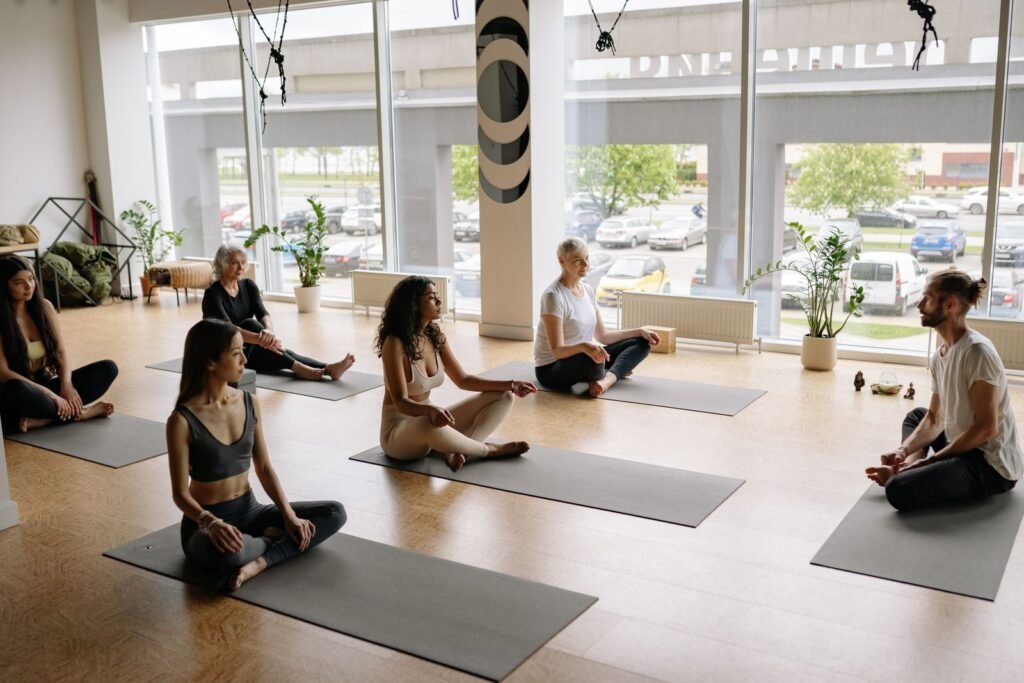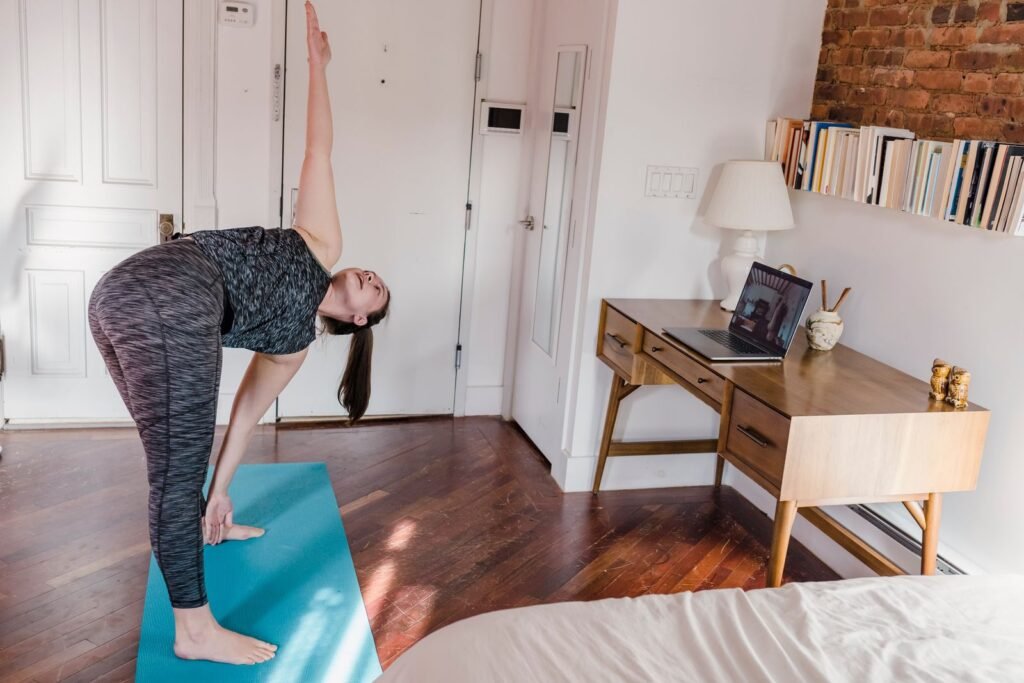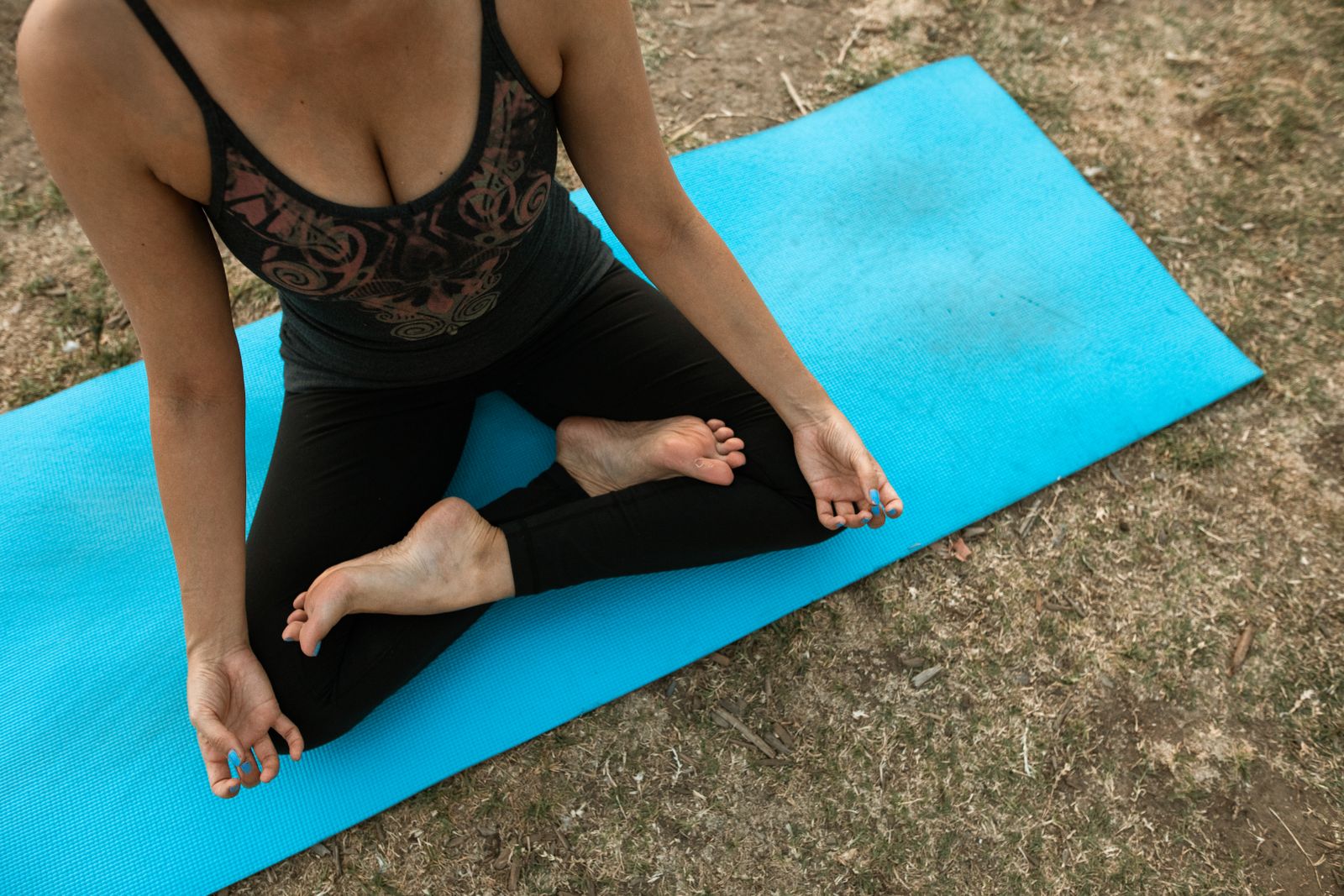
A digital detox with yoga means using breathwork, asana, and mindful movement as a structured off-ramp from constant screen use, rather than relying on willpower alone to “just put the phone down.” Because yoga occupies your hands, breath, and attention simultaneously, it makes phone-checking physically inconvenient while calming the nervous system that compulsive scrolling keeps wired. A short daily practice, even 15-20 minutes without a device nearby, retrains the brain’s reward loop, reduces the anxious pull to refresh, and rebuilds the attention span that constant notifications erode. Unlike a cold-turkey detox that often triggers rebound scrolling, yoga gives you something to do with the restlessness instead of just removing the trigger.
Why Is It So Hard to Just Put the Phone Down?
Every notification, like, and message triggers a small dopamine release, the same reward chemical involved in other habit loops. Over time, the brain starts anticipating that hit before you’ve even unlocked the screen, which is why reaching for a phone can feel automatic rather than chosen. Simply deciding to use a device less rarely works because the urge is physiological, not just behavioral. This is where yoga for anxiety and breath-focused practice become useful: they interrupt the loop by giving the nervous system a competing, calming input strong enough to override the urge to check a screen. Pairing a detox with an embodied practice, rather than a bare restriction, is why yoga-based approaches tend to stick longer than app-blocking alone.
What Does Excessive Screen Time Actually Do to the Body and Mind?
Long stretches of screen use are consistently associated with several patterns researchers and clinicians describe: shallow “screen apnea” or shallow breathing during focused scrolling, a forward head posture that strains the neck and upper back, disrupted sleep from blue light and late-night stimulation, and a shortened attention span from constant task-switching. None of these show up overnight, but cumulatively they show up in the body as tension headaches, tight shoulders, and a wired-but-tired feeling by evening. If you already notice neck or upper-back tightness from screen habits, pairing this detox with yoga for screen time and posture addresses the physical side directly while the mental reset happens alongside it.
How Does Yoga Interrupt the Scroll-Check Cycle?
Yoga works on the detox problem from three angles at once. First, it’s physically incompatible with scrolling: you can’t hold a plank or flow through vinyasa yoga sequences while thumbing through a feed. Second, the slow nasal breathing central to most practices activates the parasympathetic nervous system, the “rest and digest” state that is the physiological opposite of the alert, scan-and-react state screens encourage. Third, the practice builds interoception, an awareness of internal body sensations, which makes the restless itch to check a phone easier to notice and sit with rather than immediately obey. Over repeated sessions, this combination retrains the automatic reach for a device into a pause.
Which Yoga Styles Work Best for a Digital Detox?
Not every style serves this goal equally well. Slower, introspective forms tend to outperform fast-paced, music-driven classes for this specific purpose, since the aim is nervous-system downshift rather than cardio output.
- Restorative yoga uses props to fully support the body in long-held, passive poses, making it ideal for evening detox sessions before bed.
- Yin yoga targets connective tissue with poses held for 3-5 minutes, which naturally forces the mind to slow down and stop reaching for stimulation.
- Hatha yoga offers a gentler, slower-paced structure than vinyasa, good for beginners easing into a screen-free routine.
- Beginner-friendly online yoga sessions can bookend a detox: use the screen briefly to start the class, then set the device aside for the remainder.
If your detox goal is specifically about winding down at night rather than pausing daytime scrolling, see how this pairs with a broader self-care yoga routine built around consistent, screen-free rituals.
What Does a 20-Minute Digital Detox Yoga Sequence Look Like?
A simple, repeatable sequence removes the guesswork that causes people to abandon a new habit within a week. Try this structure, done device-free with your phone in another room:
- Minutes 0-3: Seated breath awareness. Sit cross-legged, close the eyes, and simply notice the breath without changing it. This transition step signals to the brain that a different kind of attention is beginning.
- Minutes 3-8: Gentle warm-up flow. Cat-cow, seated twists, and neck rolls to release the tension that builds from hours of forward-hunched screen posture.
- Minutes 8-15: Grounding poses. Child’s pose, forward fold, and a supported yoga for back pain sequence such as sphinx pose or gentle cobra to counter the slumped posture screens encourage.
- Minutes 15-18: Legs-up-the-wall or reclined twist. A passive, restorative pose that lets the nervous system fully downshift.
- Minutes 18-20: Closing breathwork. Three to five minutes of slow nasal breathing, ideally a technique like alternate nostril breathing, before opening the eyes.
Doing this consistently, even four or five times a week, tends to matter more than any single long session.
Can Pranayama Alone Reduce the Urge to Check Your Phone?
Breathwork is arguably the single most portable tool in a digital detox because it requires no mat, no space, and no time block. Pranayama breathing techniques such as diaphragmatic breathing, box breathing, or alternate nostril breathing (nadi shodhana) directly slow the heart rate and quiet the sympathetic “alert” response that constant notifications keep activated. When the urge to check a device arises, three to five slow, extended exhales are often enough to let the impulse pass rather than acting on it automatically. This makes pranayama a practical bridge technique for the moments during the day when a full yoga session isn’t possible but the pull toward a screen is strong.
How Should You Structure Your Day Around a Digital Detox Yoga Practice?
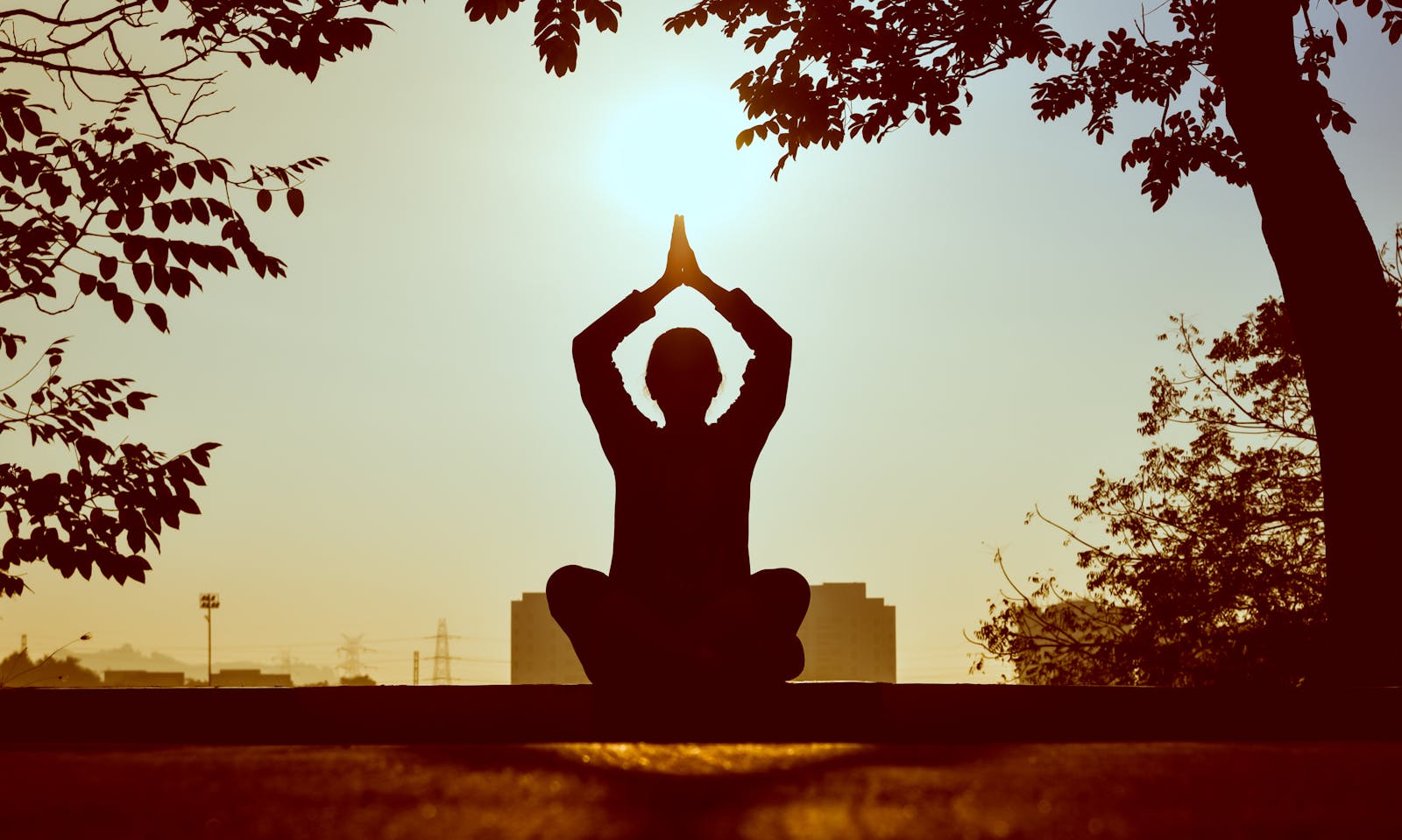
Timing matters as much as the practice itself. A morning session, done before checking any notifications, sets the tone for the day and prevents the anxious “catching up” spiral that comes from opening a phone first thing. An evening session works differently: it signals to the body that the day’s inputs are done, supporting better sleep onset. Many people find success combining both, a brief morning breath practice to delay the first phone check by even 20-30 minutes, and a longer evening restorative session to unwind before bed. If mornings are tight, a 5-minute morning yoga routine is enough to break the habit of reaching for a device before your feet even hit the floor.
What Are Practical Rules for a Screen-Free Yoga Space?
The environment matters more than motivation. A few concrete rules make the practice easier to sustain:
- Keep the phone in a different room, not just face-down nearby, since visual proximity alone increases the urge to check it.
- Use a wall clock or timer instead of a phone timer for tracking session length.
- If you take online classes, close the laptop or turn off the screen immediately after the session ends rather than lingering on it.
- Designate a specific mat space as a no-device zone permanently, so the association becomes automatic over time.
Setting up a dedicated space also supports a broader home yoga practice setup, which makes consistency easier regardless of the specific detox goal.
How Does Meditation Fit Alongside the Physical Practice?
Asana prepares the body to sit still; meditation is often where the actual detox happens mentally. Even five minutes of seated meditation for beginners after a physical practice gives the mind a chance to process input without external stimulation, something screens rarely allow since they constantly refill attention with new content. Techniques like body scanning or simple breath-counting are especially effective directly after movement, when the body is already calm and the mind has less to resist. For people who find sitting still difficult at first, walking meditation or a slow, silent yin yoga for relaxation sequence can serve as a bridge into stillness practice.
Can Yoga Nidra Replace Screen-Based Wind-Down Routines?
Many people use a phone or tablet to “wind down” before bed, scrolling or watching something until they feel drowsy, a habit that often backfires by keeping the mind stimulated and delaying actual sleep. Yoga nidra for sleep, sometimes called yogic sleep, is a guided, lying-down relaxation practice that produces a deeply restful state without any screen involvement at all. Replacing a scrolling session with a 20-30 minute yoga nidra practice addresses both problems simultaneously: it removes the blue light and mental stimulation of a screen while actively guiding the nervous system toward the parasympathetic state needed for quality sleep.
How Do You Handle Withdrawal-Like Symptoms in the First Week?
It’s common to feel restless, bored, or even mildly anxious in the first several days of reducing screen time, a response similar in shape to breaking any habitual behavior loop. This is normal and usually passes within one to two weeks as the brain’s reward expectations recalibrate. During this window, keep sessions short and achievable rather than ambitious, a 10-minute practice completed consistently builds more lasting change than an hour-long session abandoned after two days. If restlessness spikes mid-practice, resist the urge to shorten the session for a device check; instead, add a few extra rounds of slow breathing until the urge passes, which reinforces that the discomfort is temporary and manageable without a screen.
How Can Corporate Teams Use Yoga-Based Digital Detox at Work?
Workplace screen fatigue is a widespread and distinct problem from personal phone use, often driven by back-to-back video calls and constant messaging platforms rather than social media. Short, guided sessions built into the workday, even 10-15 minutes between meetings, give teams a structured pause that a stated “no phones at lunch” policy alone rarely achieves. Companies exploring this as part of a broader wellness initiative often start with corporate yoga programs that include specific screen-recovery segments: gentle neck and eye stretches, brief breathwork, and a few minutes of guided stillness between calls. This approach tends to see better adoption than generic wellness messaging because it gives employees something concrete and scheduled to do instead of screens, rather than just asking them to abstain.
How Long Before You Notice the Benefits of a Digital Detox Yoga Practice?
Most people report a noticeable shift in restlessness and reactivity within the first one to two weeks of consistent practice, though the timeline varies with how deeply ingrained the screen habit is. Sleep quality often improves fastest, sometimes within days, because removing late-night screen stimulation has an immediate physiological effect independent of the yoga practice itself. Sustained attention span and reduced anxiety around notifications tend to take longer, generally building over four to six weeks of regular practice. The benefits of yoga for stress reduction compound with consistency, so the goal in early weeks is showing up daily in some small way rather than expecting dramatic results immediately.
Questions People Ask About Digital Detox With Yoga
Do I need to give up my phone completely to do a digital detox with yoga?
No. Most people succeed with scheduled, time-boxed detox windows, such as phone-free mornings, meals, or the hour before bed, rather than eliminating device use entirely. The goal is retraining the automatic reach for a screen during specific windows, using yoga and breathwork to fill that space, rather than a permanent, all-or-nothing restriction that is harder to sustain long term.
What is the best time of day to do a digital detox yoga session?
Morning sessions, done before the first phone check, help prevent the anxious catch-up spiral that starts the day on edge. Evening sessions support better sleep by replacing screen-based wind-down habits. Many people benefit from both: a short morning breath practice and a longer restorative evening session are a practical combination if only one slot is realistic most days.
Can yoga really reduce phone addiction, or is that an exaggeration?
Yoga does not “cure” phone addiction as a standalone treatment, but it directly addresses two mechanisms that drive compulsive checking: nervous system arousal and lack of an alternative behavior to reach for. Combined with practical steps like keeping devices in another room, a consistent practice measurably reduces the frequency and intensity of the urge to check a phone for many practitioners.
How long should a digital detox yoga session be to see results?
Fifteen to twenty minutes done consistently, four to five times a week, is generally more effective than a single long weekly session. Short, repeatable practices build the habit loop faster than infrequent, lengthy ones, since consistency is what retrains the brain’s automatic response to boredom or restlessness.
Is yin or restorative yoga better than a faster-paced style for a digital detox?
Slower, introspective styles like yin and restorative yoga are generally more effective for this specific goal because they emphasize stillness, long breath cycles, and interoceptive awareness, the same skills needed to notice and resist the urge to check a screen. Faster-paced styles offer other benefits, like cardiovascular fitness, but are less targeted toward nervous-system downshifting.
What should I do with my phone during a yoga-based digital detox?
Keep it in a separate room rather than nearby on silent or face-down, since visual proximity alone has been shown to increase the mental pull to check a device even without a notification. If you need a timer, use a simple kitchen timer or wall clock instead, which removes the temptation to glance at a lock screen mid-practice.
Try This for Yourself
Reading about a digital detox is useful, but the shift happens on the mat, in the body, one screen-free session at a time. If you want structured, guided support building this into a daily habit rather than piecing it together alone, explore FitStrot’s online yoga classes for live sessions designed around real schedules and real screen habits, not just theory.
Related reading: Self-Care Yoga Routine | Yoga for Screen Time and Posture | Yoga Nidra for Sleep | Meditation for Beginners | Online Yoga Classes at FitStrot