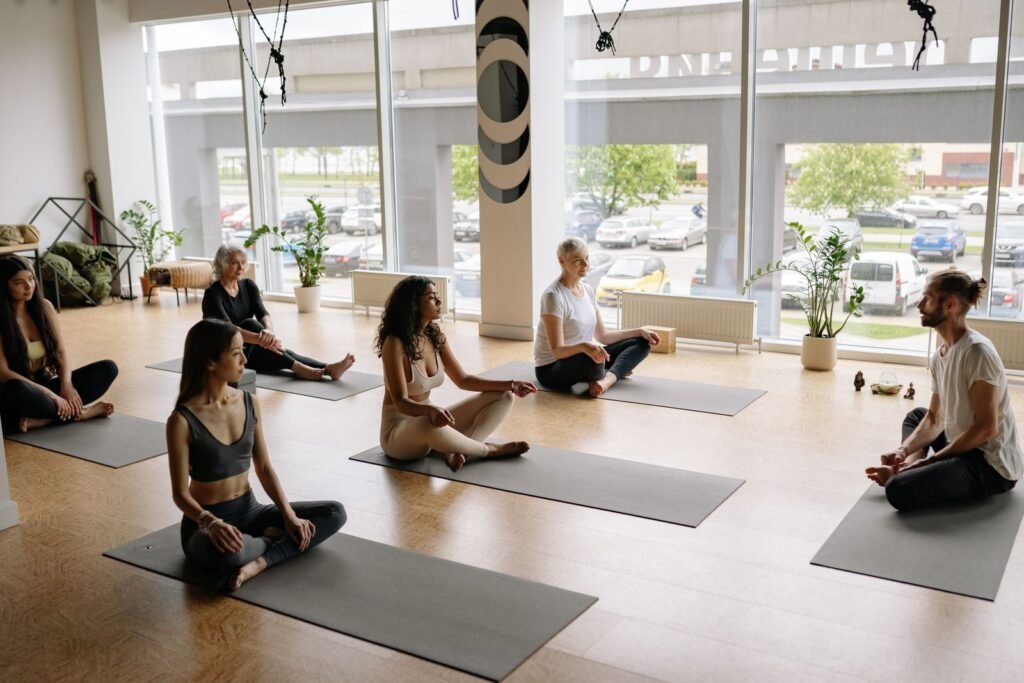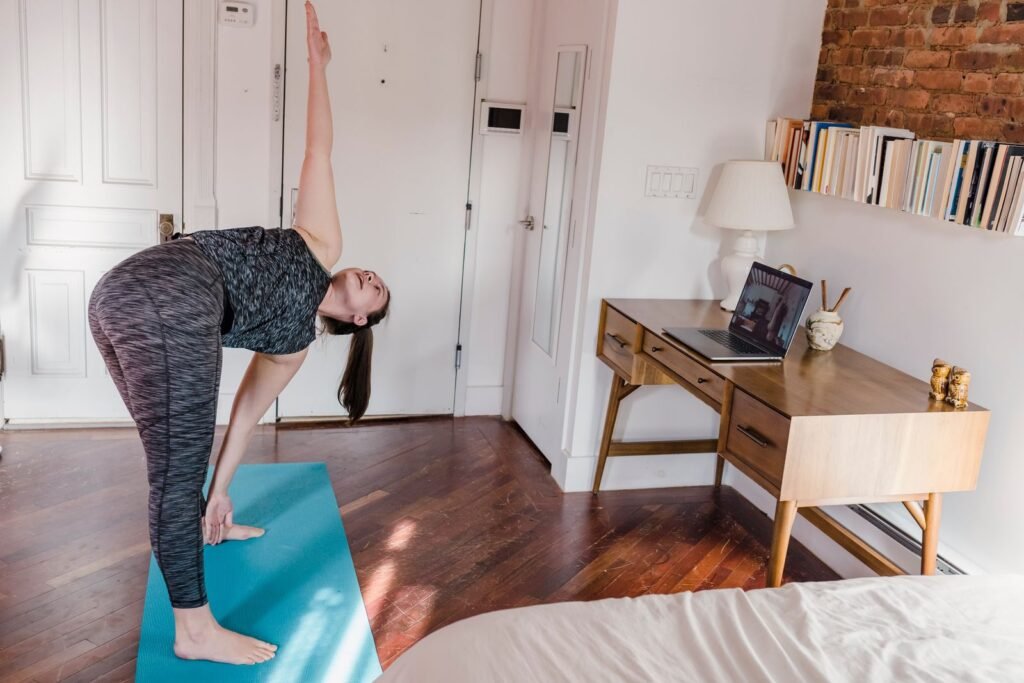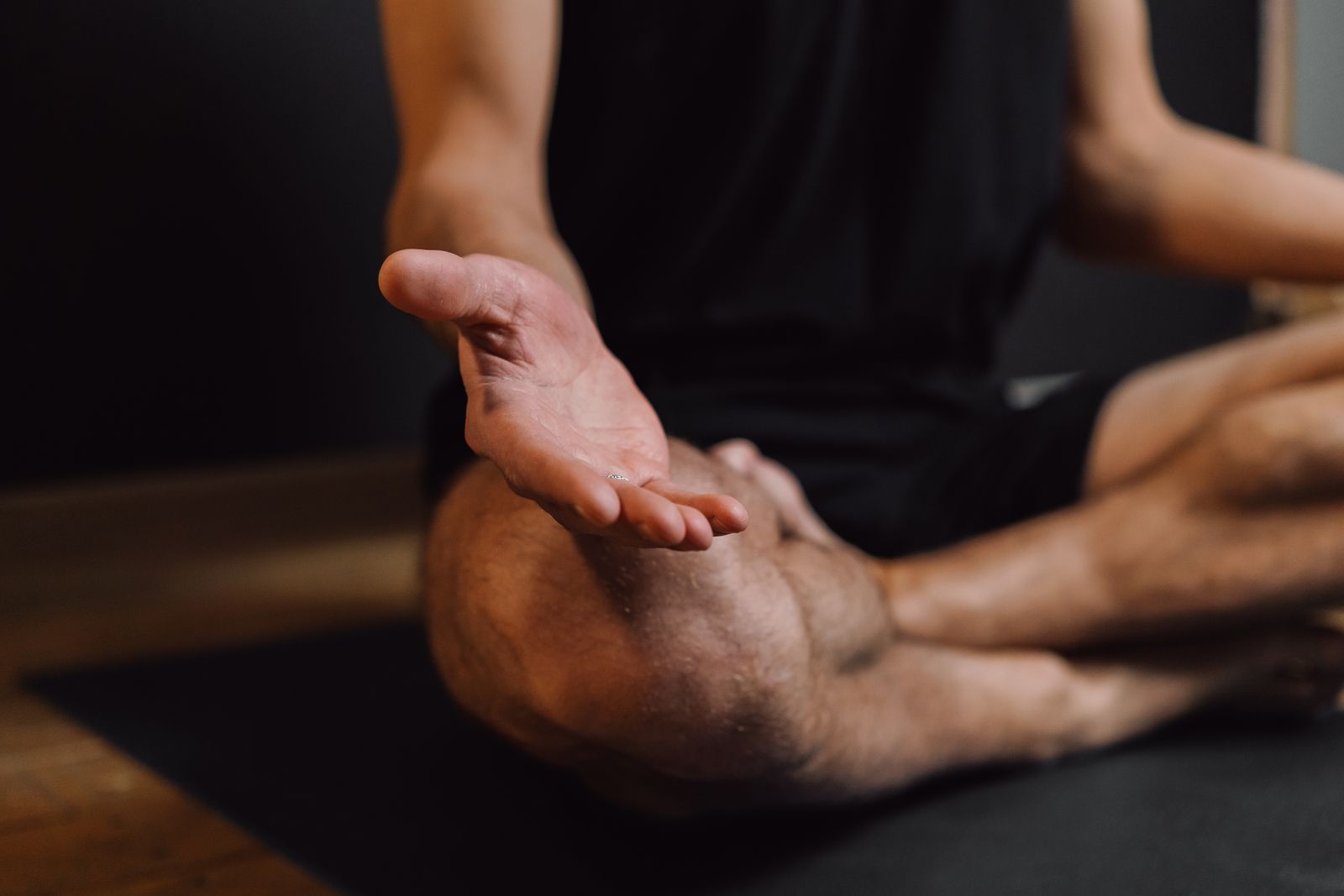
Yoga for addiction recovery works by pairing physical postures, controlled breathing (pranayama), and meditation to help regulate the nervous system that substance use has thrown out of balance. It will not replace medical detox, therapy, or a 12-step program, but as a complementary practice it can lower cravings-related stress, improve sleep, ease withdrawal discomfort, and rebuild the mind-body connection that addiction often severs. Many rehabilitation centers now offer yoga alongside counseling because it gives people in recovery a concrete, repeatable tool for sitting with difficult sensations without immediately reaching for a substance. This article walks through the science, the specific poses and breathing techniques that help most, and how to build yoga into a sustainable recovery routine.
Why Does Yoga Help With Addiction Recovery?
Addiction changes the way the brain’s reward and stress-response systems function, leaving many people in early recovery with a nervous system stuck in a heightened state of alert. Yoga directly targets this dysregulation. Slow, deliberate movement combined with extended exhalation activates the parasympathetic nervous system — the body’s “rest and digest” mode — which counters the chronic fight-or-flight activation common in withdrawal and early sobriety. Unlike willpower-based approaches, yoga gives the nervous system a physical off-ramp from stress in real time. This is one reason yoga is increasingly used alongside self-care yoga routines and other holistic practices in structured treatment settings, rather than as a replacement for clinical care.
What Does the Research Say About Yoga and Addiction?
Interest in yoga as a complementary tool for substance use recovery has grown alongside a small but expanding body of research. One notable study from India’s National Institute of Mental Health and Neurosciences (NIMHANS), reported in early 2026, found that people undergoing opioid withdrawal who practiced a 45-minute daily yoga session — combining gentle postures, breathing exercises, and relaxation techniques — recovered noticeably faster than those who did not, alongside better sleep and reduced anxiety during withdrawal. Researchers involved suggested the approach could eventually become a more standard complementary component of addiction treatment. It’s worth stating plainly: this is an emerging and still-developing area of research, and yoga is best understood as a supportive addition to evidence-based addiction treatment rather than a stand-alone cure.
How Does Yoga Reduce Cravings and Relapse Risk?
Cravings often arrive as a wave of physical sensation — tightness in the chest, restlessness, a racing mind — before they turn into a thought about using. Yoga trains a skill called interoception: the ability to notice bodily sensations early and respond to them skillfully instead of reactively. In a pose like child’s pose, a practitioner learns to stay present with discomfort for a sustained breath count rather than immediately seeking relief. Over weeks of practice, this builds what addiction specialists sometimes call “urge surfing” capacity — riding out a craving until it naturally subsides, typically within 15 to 20 minutes, instead of acting on it. This is a practical, teachable skill, not a personality trait, and it improves with repetition.
Which Yoga Poses Are Best for Recovery?
Grounding, restorative postures tend to work best in early recovery, when the nervous system is often overstimulated and the body may still be healing. Useful poses include:
- Child’s Pose (Balasana) — a calming forward fold that signals safety to the nervous system.
- Legs-Up-the-Wall (Viparita Karani) — supports circulation and is widely used for anxiety and insomnia.
- Cat-Cow (Marjaryasana-Bitilasana) — gentle spinal movement paired with breath, useful for releasing physical tension.
- Seated Forward Fold (Paschimottanasana) — encourages introspection and downregulation.
- Corpse Pose (Savasana) — full-body stillness that closes a practice and consolidates the relaxation response.
These are typically drawn from gentle or restorative yoga traditions rather than fast-paced styles, since the goal in early recovery is nervous-system regulation, not cardiovascular intensity. As stability increases, many people gradually incorporate gentle yoga for beginners sequences before progressing to more dynamic practice.
What Breathing Techniques (Pranayama) Help With Withdrawal and Cravings?
Breathwork is often the most immediately useful tool for someone in recovery, because it can be used anywhere, anytime a craving or anxious spike hits. Three techniques are especially relevant:
- Extended exhale breathing — inhaling for a count of four and exhaling for a count of six or eight, which directly stimulates the vagus nerve and slows heart rate.
- Alternate nostril breathing (Nadi Shodhana) — used to balance mental agitation and improve focus during moments of stress.
- Three-part breath (Dirga Pranayama) — a full, slow breath into the belly, ribcage, and chest that interrupts shallow, anxious breathing patterns common in withdrawal.
Learning these as part of a broader pranayama breathing techniques practice gives someone in recovery a portable coping skill that doesn’t require a mat, a class, or even privacy — useful during a craving at work, in a car, or during a difficult conversation.
How Does Yoga Address the Trauma Often Underlying Addiction?
Substance use disorders frequently coexist with unresolved trauma, and standard talk therapy alone does not always reach the way trauma is stored physically in the body. This is the premise behind trauma-informed and trauma-sensitive yoga, an approach that emphasizes choice, invitation rather than instruction (“you might try…” instead of “do this”), and the option to keep eyes open or skip any pose entirely. Practicing yoga for anxiety and trauma-sensitive sequences can help someone reconnect with a body they may have numbed or dissociated from during active addiction, doing so gradually and with full agency over the pace.
Can Yoga Help With Alcohol Recovery Specifically?
Alcohol withdrawal and early alcohol recovery often bring a specific set of challenges: disrupted sleep, tremor, anxiety, and mood swings as the brain’s GABA and glutamate systems rebalance. Gentle yoga supports several of these symptoms at once — slow movement helps regulate the nervous system, restorative poses support sleep, and consistent breathwork can ease the anxiety that frequently spikes in the first weeks of sobriety. Pairing a short yoga for better sleep sequence in the evening with a calming breath practice is a common recommendation from recovery-focused yoga teachers, though it should complement, not replace, any medically supervised alcohol detox process.
Is Yoga Effective for Opioid Recovery?
Opioid withdrawal is physically intense, and this is the specific context in which some of the more promising recent yoga research has emerged, including the NIMHANS findings mentioned earlier suggesting yoga may help shorten withdrawal duration and ease associated anxiety and pain when used alongside standard medical treatment. The physical restlessness and pain sensitivity common in opioid withdrawal can make longer or more demanding sequences unrealistic; short, frequent sessions of gentle stretching and breathing tend to be more sustainable than a single long class. This measured approach aligns with how many yoga for back pain and gentle mobility programs are structured for people managing chronic physical discomfort.
How Does Yoga Support the 12-Step Recovery Process?
Many of yoga’s underlying principles map closely onto ideas found in 12-step recovery. Both traditions emphasize surrender over control, acceptance of what cannot be changed, and a daily practice rather than a one-time fix. Some recovery communities have begun pairing 12-step meetings with a yoga session, treating the physical practice as a form of active meditation that reinforces the same qualities — humility, patience, and present-moment awareness — that step work asks people to build. This is one reason yoga is often introduced not as an alternative philosophy but as a physical complement to whatever recovery framework someone is already using, whether that’s a 12-step program, SMART Recovery, or individual therapy.
What Role Does Meditation Play Alongside the Physical Practice?
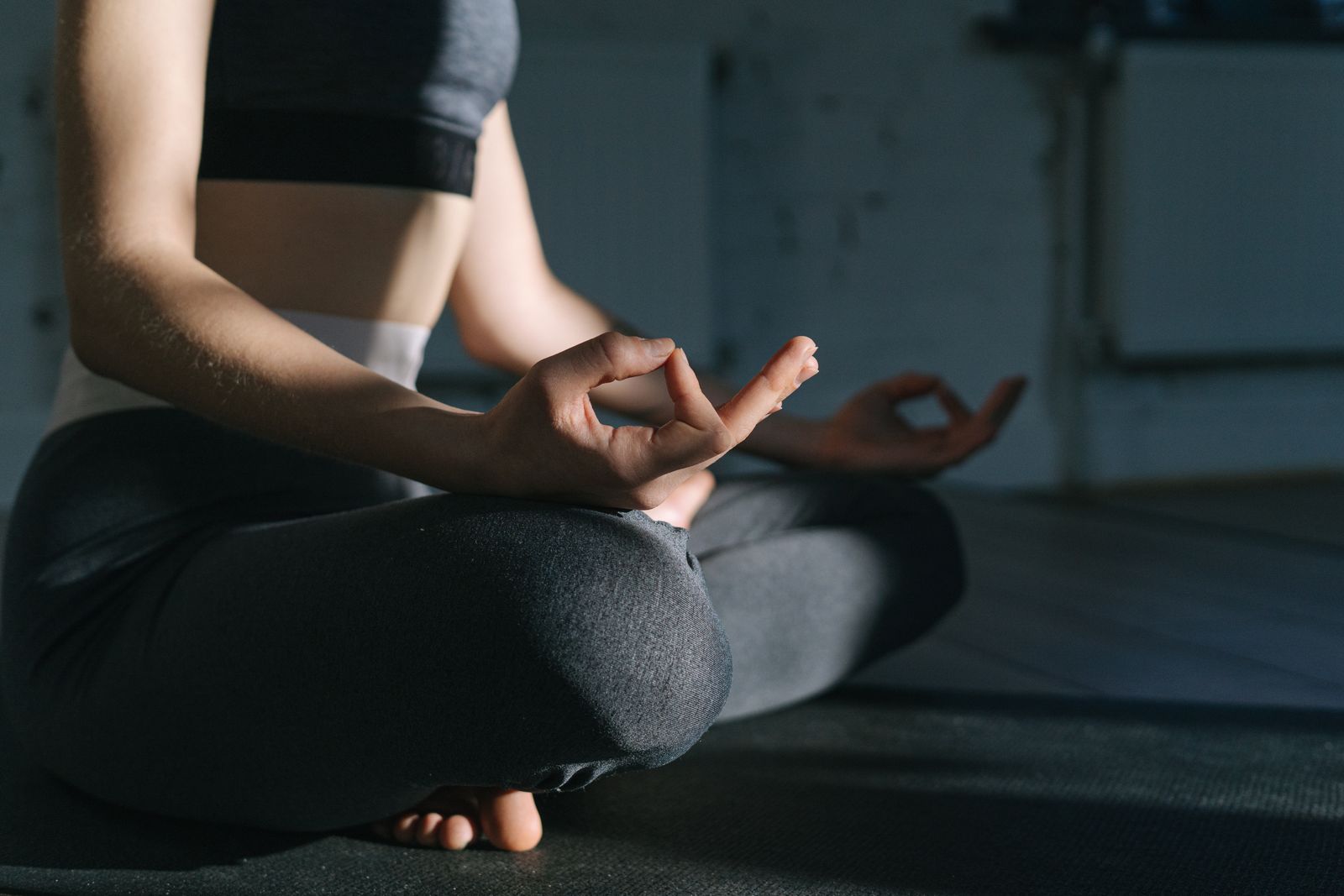
The postures are often the most visible part of yoga, but the seated meditation component may matter just as much for recovery. Addiction frequently involves avoidance — of feelings, memories, or boredom — and meditation directly trains the opposite skill: staying with an experience without needing to change it. Even five to ten minutes of daily seated practice, drawing on meditation for beginners techniques such as breath counting or body scanning, can build the same tolerance for discomfort that keeps cravings from escalating into relapse. Loving-kindness meditation in particular is sometimes used in recovery settings to counter the shame and self-criticism that often accompany substance use histories.
How Should Someone in Early Recovery Start a Yoga Practice?
Starting small and consistent matters more than starting intensely. A realistic beginning looks like:
- 10 to 15 minutes of gentle movement and breathing, 4 to 5 days a week, rather than one long weekly class.
- Choosing restorative or beginner-level classes over intense power or hot yoga styles in the first months of recovery, when the body and nervous system are still stabilizing.
- Practicing at a consistent time — many people anchor it to morning or bedtime — so it becomes a dependable ritual rather than something that depends on motivation.
- Working with a teacher who has experience in trauma-sensitive or recovery-focused yoga where possible, since standard studio classes are not always structured with these needs in mind.
For those newer to the practice generally, starting with broad foundational guidance such as types of yoga or benefits of yoga can help someone choose a style that fits their current physical and emotional capacity, rather than defaulting to whatever class happens to be popular or convenient.
What Are the Limitations of Using Yoga for Addiction Recovery?
Yoga is a complementary tool, not a treatment for substance use disorder on its own, and it’s important to be direct about that. It does not address the physiological aspects of dependence that require medical supervision, particularly during withdrawal from alcohol, benzodiazepines, or opioids, where stopping abruptly can be medically dangerous. Yoga also cannot replace structured therapy for co-occurring mental health conditions or trauma processing that requires a trained clinician. The most effective approach, supported by how most treatment centers now use it, positions yoga as one part of a broader recovery plan that includes medical care, counseling or peer support, and — for many people — ongoing practices like online yoga for stress relief to manage everyday triggers long after formal treatment ends.
How Can Corporate Wellness Programs Support Employees in Recovery?
Substance use recovery does not pause when someone returns to work, and workplace stress is a well-documented relapse trigger. Employers increasingly offer wellness benefits such as corporate yoga programs and access to online yoga classes as part of broader employee assistance offerings, giving employees in recovery a private, low-pressure way to manage stress during the workday without needing to disclose their recovery status to colleagues. A short guided session during a lunch break or before a demanding meeting can function as a preventive check-in, catching rising stress before it becomes a craving.
Questions People Ask About Yoga for Addiction Recovery
Can yoga alone cure addiction?
No. Yoga is a complementary practice that supports nervous system regulation, stress management, and body awareness, but it does not replace medical detox, therapy, or structured treatment programs. It works best as one part of a comprehensive recovery plan built with healthcare professionals.
How often should someone in recovery practice yoga?
Most recovery-focused yoga teachers recommend short, frequent sessions — around 10 to 20 minutes, four to five times a week — over occasional long classes. Consistency helps regulate the nervous system more reliably than intensity, and shorter sessions are easier to sustain during early recovery.
Is hot yoga or power yoga safe during early recovery?
Generally, gentler styles are recommended in the first months of recovery, since the body may still be healing and intense heat or exertion can be physically taxing. Restorative, gentle, or beginner-level classes are typically a safer starting point before progressing to more vigorous styles.
Can yoga help with alcohol cravings specifically?
Yoga cannot eliminate cravings, but breathing techniques and grounding poses can help someone tolerate a craving until it passes, which for most cravings is within 15 to 20 minutes. Combined with sleep-supportive poses, yoga can also address some of the sleep disruption common in early alcohol recovery.
Do rehab centers actually offer yoga as part of treatment?
Yes, many inpatient and outpatient treatment programs now include yoga sessions alongside individual and group therapy, recognizing it as a low-cost, low-risk complementary practice. It is typically offered as an optional addition to, not a substitute for, clinical treatment.
What if I find sitting still during meditation triggers anxiety?
This is common, particularly for people with trauma histories, and it’s a signal to start with movement-based practices rather than seated stillness. Trauma-sensitive yoga classes are designed with this in mind, offering choice and movement options rather than requiring extended stillness from the start.
Try This for Yourself
If you’re exploring yoga as part of a recovery journey, a guided, supportive setting can make the difference between a practice that sticks and one that fades after a week. Explore FitStrot’s online yoga classes to find gentle, beginner-friendly sessions you can practice privately, at your own pace, from anywhere.
Related reading: Self-Care Yoga Routine, Yoga for Anxiety, Meditation for Beginners, Benefits of Yoga, and FitStrot’s Online Yoga Classes.