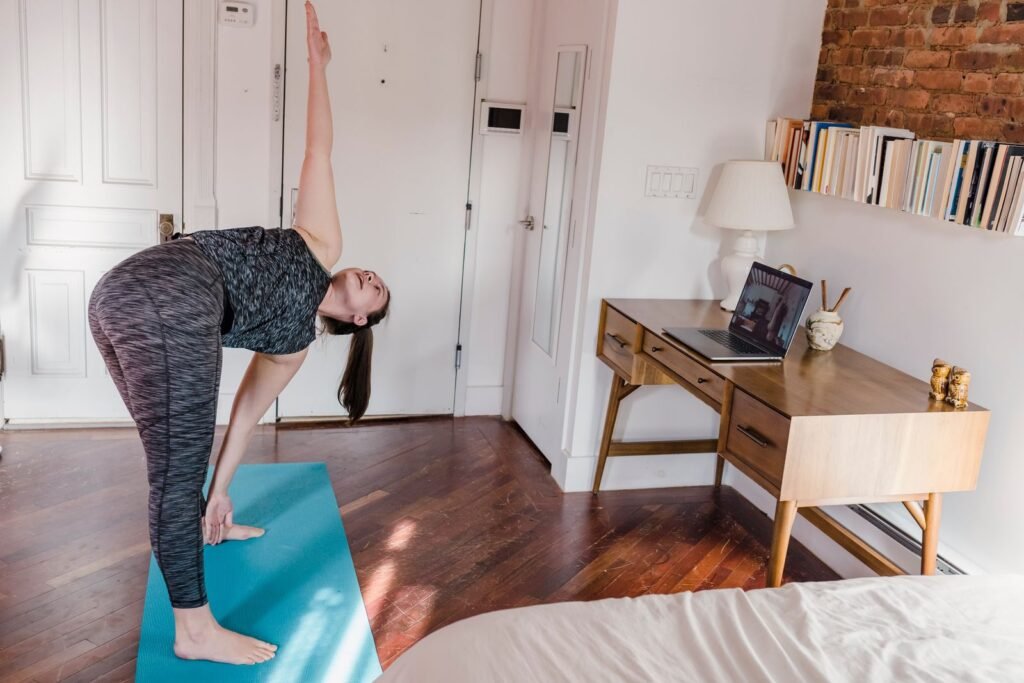
Yoga for exam stress works by combining slow, controlled breathing (pranayama) with grounding physical poses and short meditation, which together calm the nervous system, ease the muscular tension that builds up from long study hours, and quiet the racing, anxious thoughts that make it hard to concentrate before or during exams. A short 10-15 minute practice — a few rounds of alternate nostril breathing, a handful of gentle forward folds and twists, and two minutes of stillness — can shift your body out of “fight or flight” mode and into a calmer, more focused state within minutes. Unlike cramming harder or relying on caffeine, yoga addresses the physical root of exam anxiety: a tense jaw, shallow breathing, a tight chest, and a mind that won’t stop looping through worst-case scenarios. The rest of this guide breaks down exactly which poses, breathing techniques, and short routines work best, when to use them, and how to build exam-season stress relief into a schedule that’s already packed with revision.
Why Do Exams Cause So Much Physical Stress?
Exam stress isn’t purely mental — it shows up in the body as a genuine stress response. When you’re worried about an upcoming test, your nervous system can behave as though you’re facing a real physical threat, releasing stress hormones like adrenaline and cortisol, raising your heart rate, and diverting blood flow away from digestion and toward your muscles. This is useful if you’re actually in danger, but unhelpful when you’re trying to recall a formula or structure an essay. Chronically elevated stress hormones are commonly associated with poorer memory recall and difficulty concentrating, which is exactly the opposite of what you need during revision or in an exam hall. Many students also unconsciously hold tension in the shoulders, jaw, and chest, breathing shallowly from the upper chest instead of the diaphragm. This is where yoga’s blend of movement, breath awareness, and stillness becomes so useful — it works directly on the physiological symptoms of stress rather than just the thoughts driving them. If you’re new to the practice generally, our beginners guide to yoga is a good starting point before layering in exam-specific techniques.
Can Yoga Actually Improve Focus and Memory Before an Exam?
Yoga’s main contribution to exam performance isn’t a memory hack — it’s stress reduction that clears the mental static getting in the way of the knowledge you’ve already studied. A calmer nervous system supports clearer working memory and steadier attention, which is why many students report feeling like information “comes back to them” more easily after a short breathing practice compared to when they sit down anxious and scattered. Slow, extended exhalation in particular activates the parasympathetic nervous system, the body’s “rest and digest” mode, which lowers heart rate and can reduce the mental fog that comes with acute anxiety. This is also why many students pair a short yoga for mental clarity routine with revision sessions rather than only using yoga after the stress has already built up. Think of it less as a productivity trick and more as removing the noise that’s drowning out your own preparation.
What Are the Best Yoga Poses for Exam Stress?
A handful of poses are particularly effective for exam-related tension because they target the areas where stress physically accumulates: the neck, shoulders, chest, and lower back from long hours hunched over books or a laptop.
- Child’s Pose (Balasana) – a grounding, introspective pose that gently stretches the back and hips while encouraging slow breathing. It’s often the first pose recommended when anxiety feels overwhelming, since folding forward with the forehead resting down has a naturally calming effect. Learn the full technique in our child’s pose guide.
- Standing Forward Fold (Uttanasana) – releases tension in the hamstrings and lower back while allowing the head to hang, which can ease neck and shoulder tightness built up from hours at a desk.
- Legs-Up-The-Wall Pose (Viparita Karani) – a restorative inversion that’s especially good the night before an exam, helping to calm the nervous system and ease restless legs after a long day of sitting and revising.
- Cat-Cow Stretch (Marjaryasana-Bitilasana) – mobilizes the spine and is an easy way to release tension between study blocks without needing a mat or much space.
- Seated Twist (Ardha Matsyendrasana) – helps relieve tightness in the mid-back and ribcage, areas that often tense up when you’re sitting hunched over notes.
For a broader library of poses to build your own sequence, see our guide to yoga poses for beginners and yoga for back pain if long study hours have left your lower back sore.
Which Breathing Techniques (Pranayama) Help Most During Exam Season?
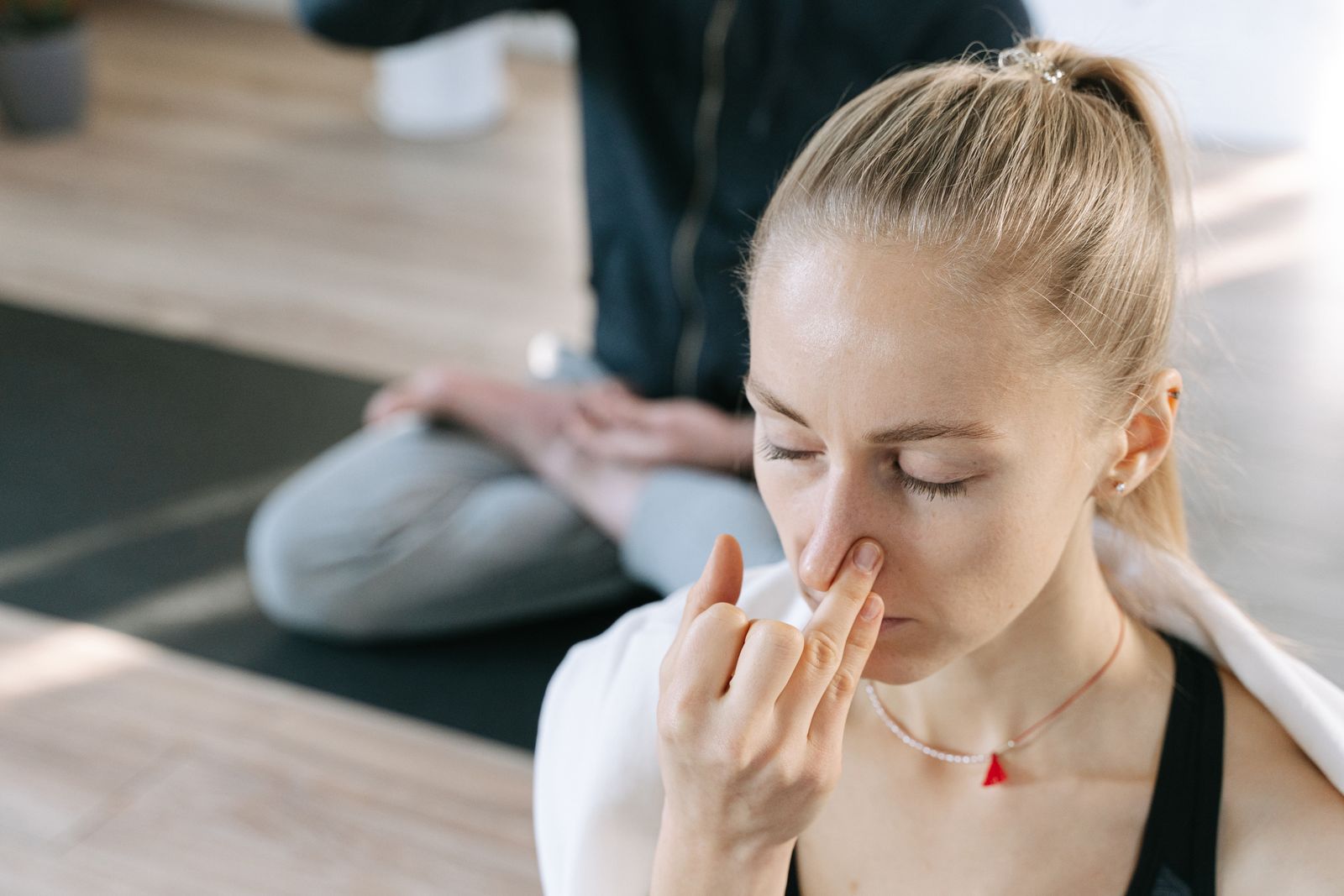
Breathwork is arguably the single most useful yoga tool for exam stress, because it can be done anywhere — including at your desk, in an exam waiting area, or at your seat right before papers are handed out.
Nadi Shodhana (Alternate Nostril Breathing) involves closing one nostril at a time and breathing slowly through alternating sides. It’s widely used to balance the nervous system and settle a racing mind, and is one of the most commonly taught techniques for pre-exam nerves. Read the step-by-step method in our alternate nostril breathing guide.
Box Breathing (Sama Vritti) uses an equal count for inhale, hold, exhale, and hold — commonly a count of four for each phase. Because it’s simple to remember, it works well in the minutes right before an exam starts, when you don’t want to think too hard about the technique itself.
Extended Exhale Breathing simply means making your out-breath longer than your in-breath, for example inhaling for a count of four and exhaling for a count of six or eight. This one change alone signals to your nervous system that it’s safe to relax, since longer exhales are linked to parasympathetic activation.
Bhramari (Humming Bee Breath) involves a gentle humming sound on the exhale, which some students find particularly effective at shutting down anxious mental chatter, though it’s best practiced somewhere private rather than in an exam hall. Explore more in our pranayama breathing techniques overview.
How Do You Use Yoga the Night Before an Exam?
The night before an exam is often when anxiety peaks, and it’s also when yoga can have an outsized calming effect because the goal shifts from “focus” to “rest.” A short 15-20 minute wind-down routine works best: a few slow Cat-Cow stretches to release tension from a day of sitting, two or three minutes of Legs-Up-The-Wall to calm the legs, then five minutes of extended-exhale breathing lying down. Avoid vigorous or heating practices like fast-paced Vinyasa flows or Hot Yoga in the evening, since these can be stimulating rather than calming this close to bedtime — save those for earlier in the revision period. If sleep itself is the issue, our guide to yoga for better sleep pairs well with pre-exam anxiety management, and a short yoga nidra practice — a guided relaxation done lying down — is another strong option for switching off an overactive mind the night before.
What Can You Do in the Minutes Right Before an Exam Starts?
In the final stretch before an exam — waiting outside the hall, sitting at your desk as papers are distributed — big movements aren’t practical, but breath and subtle body awareness still are. Box breathing or a few rounds of extended exhale breathing can be done silently with your eyes open. Rolling the shoulders back and down, softening the jaw, and pressing your feet firmly into the floor are small physical cues that tell your nervous system you’re grounded rather than under threat. Some students find it helpful to silently repeat a short, neutral phrase timed to the breath, such as “in for calm, out for tension,” rather than trying to review content in these last few minutes, since last-minute cramming tends to spike anxiety rather than lock in knowledge. This is also a good moment to apply a short body scan, briefly noticing and releasing tension from the feet upward, similar to the awareness-building techniques used in mindfulness meditation.
How Can Students Fit Yoga Into a Packed Revision Schedule?
The most common reason students skip stress-relief practices during exam season is the belief that there’s no time for it, but the routines that actually help don’t need to be long. A 5-minute breathing break between revision blocks, a 10-minute pose sequence after waking up, or a 15-minute wind-down before bed are all realistic additions to an already busy day, and they tend to improve the quality of the study time around them rather than taking away from it. Treating movement breaks the way you’d treat a pomodoro timer — built into the schedule rather than added only when stress becomes unbearable — makes consistency far more achievable. If you’re studying from a desk for long stretches, our desk yoga for office workers guide translates directly to a study desk setup, and yoga for work from home covers similar short, no-mat-required movement breaks. A broader self-care yoga routine can also help you build the kind of consistent habit that makes exam-season stress easier to manage when it arrives.
Does Yoga Help With Physical Symptoms Like Headaches and Stomach Upset From Stress?
Exam stress frequently shows up as physical symptoms — tension headaches, an upset stomach, or a tight jaw — and yoga’s gentle movement and breathwork can help ease many of these. Slow neck rolls, shoulder shrugs, and Child’s Pose can relieve the muscular tension that contributes to stress headaches, while diaphragmatic breathing calms the vagus nerve, which is closely linked to digestive symptoms triggered by anxiety. If headaches are a recurring issue during high-stress periods, our dedicated guide to yoga for headaches goes deeper into targeted poses and breathing patterns. For stress that settles in the stomach, gentle twists and seated forward folds can support digestion, though students with ongoing digestive symptoms should still check in with a doctor rather than relying on yoga alone, since exam stress can sometimes mask or worsen underlying conditions.
Is Meditation More Useful Than Yoga Poses for Exam Anxiety?
Meditation and physical yoga poses aren’t competing tools — they address exam stress from different angles, and combining them is usually more effective than choosing one over the other. Poses help release physical tension that’s built up from sitting and stress, which makes it easier to then sit still for meditation without fidgeting or discomfort. Meditation, meanwhile, trains the mind to notice anxious thought spirals (“what if I fail,” “I haven’t revised enough”) without getting swept up in them, which is a skill that pays off directly during an exam when a difficult question threatens to trigger a spiral of panic. A simple approach is five minutes of gentle movement followed by five minutes of seated breath-focused meditation, which our meditation for beginners guide walks through in more detail. Over an entire exam season, students who build a small daily meditation habit alongside movement often report steadier moods than those who only turn to stress relief in acute moments of panic.
Are There Specific Yoga Styles Better Suited to Exam Stress Than Others?
Not all yoga styles offer the same benefit for exam-related anxiety, and choosing the right style for your energy level and time constraints matters.
| Yoga Style | Best For | Ideal Time to Practice |
|---|---|---|
| Restorative Yoga | Winding down after intense study sessions; uses props to support passive, held poses and requires very little physical effort while still calming the nervous system | Evening, after study blocks |
| Gentle Hatha Yoga | Beginners who want a slower pace with clear instruction | Any time of day |
| Yin Yoga | Releasing deep tension that builds in the hips and shoulders from long study sessions; holds stretches for several minutes at a time | Evening or rest days |
| Vinyasa / Power Yoga | Burning off restless, excess energy rather than calming through stillness | Earlier in the day, away from bedtime |
If you’re deciding between approaches, our comparison of types of yoga can help you match the style to how your stress actually feels on a given day.
Can Group or Online Yoga Classes Help More Than Practicing Alone?
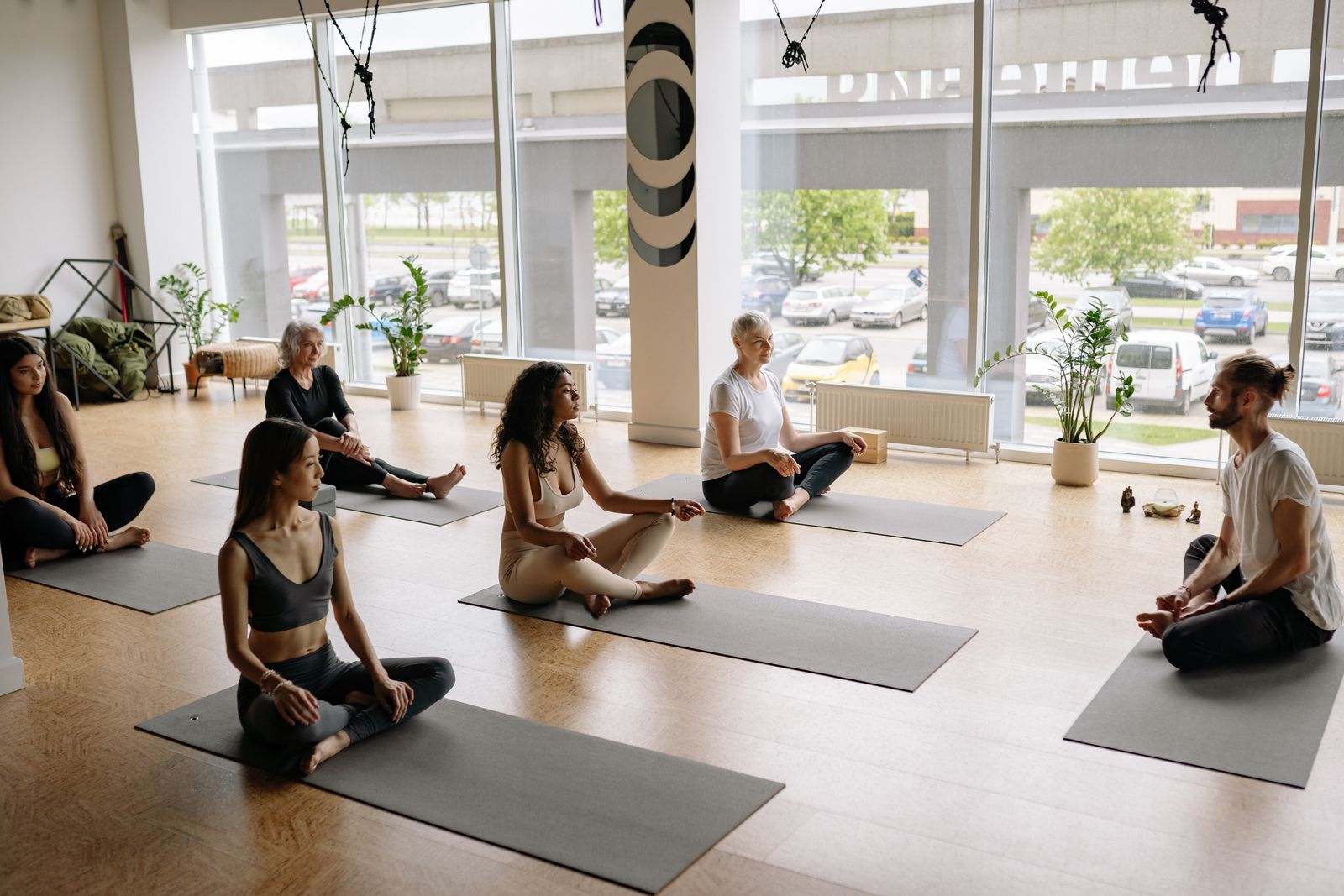
For some students, practicing yoga alongside others — whether in person or through an online yoga class — adds accountability and structure that solo practice lacks, especially during a stressful period when motivation to start on your own can be low. A scheduled class also removes the burden of deciding what to do, since an instructor guides pacing, breath cues, and sequencing, letting you switch off the analytical part of your brain that’s been in overdrive during revision. Online formats in particular suit exam season well, since they fit around unpredictable study schedules without travel time. If you’d rather build a personal practice, our benefits of yoga overview and yoga for anxiety guide both offer structured starting points you can follow independently.
What Mistakes Should Students Avoid When Using Yoga for Exam Stress?
A common mistake is treating yoga as an emergency measure only, practicing it once during a panic spiral and expecting instant, lasting calm — consistency across the weeks of revision tends to produce far more stable results than one-off sessions. Another is choosing overly vigorous practices right before bed, which can leave you more alert rather than relaxed. Holding your breath or forcing breathing patterns too aggressively, especially with techniques like Bhramari or extended exhales, can also backfire and increase tension rather than reduce it — breathwork should always feel controlled, never strained. Finally, some students skip the physical poses altogether and jump straight to sitting meditation, which can be uncomfortable and counterproductive if the body is still holding a lot of tension; a few minutes of gentle movement first usually makes stillness easier to access. For a broader rundown of things to watch for, see our guide on yoga mistakes to avoid.
Questions People Ask About Yoga for Exam Stress
How long should a yoga session be for exam stress relief?
Even five to ten minutes of focused breathing and gentle poses can meaningfully reduce exam-related tension. Longer 20-30 minute sessions are useful on rest days or the night before an exam, but during intensive revision periods, short and frequent sessions tend to fit more realistically into the schedule than one long practice.
Can yoga be done at a desk during study breaks?
Yes. Seated twists, neck rolls, shoulder stretches, and box breathing can all be done without leaving your chair or unrolling a mat. These desk-friendly movements are ideal for short breaks between revision blocks and translate directly from general desk yoga routines.
What breathing technique works fastest for sudden exam panic?
Extended exhale breathing tends to work quickest, since simply making your out-breath longer than your in-breath (for example, in for four counts, out for six or eight) activates the body’s calming response within a few rounds, without needing to remember a complex sequence.
Is it better to do yoga in the morning or right before an exam?
Both have a place. A slightly longer morning session helps set a calmer baseline for the day, while short breathing techniques right before the exam manage acute, in-the-moment nerves. Neither replaces the other, and using both tends to work better than relying on just one.
Can yoga replace proper revision or sleep before an exam?
No. Yoga supports focus and reduces anxiety, but it doesn’t substitute for adequate preparation or rest. It works best as a complement to a realistic study plan and consistent sleep, not as a stand-in for either.
Is yoga safe for students with no prior experience to try right before an exam?
Yes, as long as the techniques are gentle. Simple breathing exercises and light stretches carry very low risk and don’t require prior training. More advanced poses or intense styles are better saved for practice sessions well before exam day, once you’re familiar with proper form.
Try This for Yourself
If exam stress has been affecting your focus, sleep, or general wellbeing, a guided practice can make it far easier to build a consistent habit than trying to piece one together alone. Explore FitStrot’s online yoga classes to work with an instructor who can tailor breathing and pose sequences to your schedule, energy levels, and stress patterns throughout exam season.
Related reading: self-care yoga routine, desk yoga for office workers, yoga for work from home, yoga for anxiety, and online yoga classes.