What Yoga Actually Means
Yoga is a physical, mental, and spiritual practice that originated in ancient India, built around the Sanskrit root “yuj,” meaning to unite or join. At its core, yoga is the practice of connecting body, breath, and mind so they work as one system rather than three separate things pulling in different directions. The physical postures most people associate with yoga, called asanas, are only one part of a much larger practice that also includes breath control, concentration, and meditation.
The Difference Between Yoga and Exercise
A regular workout is generally designed to build strength, burn calories, or improve cardiovascular fitness within a set time frame. Yoga can deliver all of those physical outcomes too, but its scope is wider: it treats the breath as being just as important as the movement, and it pairs physical effort with sustained attention rather than autopilot repetition. That combination is why people often describe feeling calmer after a yoga session in a way that a typical gym circuit doesn’t usually produce.
Where Yoga Comes From
Yoga’s roots trace back more than 5,000 years to the Indus Valley region, with its philosophical framework later systemized in texts like the Yoga Sutras of Patanjali. Understanding the history of yoga and its origin helps explain why the practice looks the way it does today. It wasn’t designed as a fitness trend; it was developed as a complete system for physical health, mental clarity, and spiritual growth, which is part of why it has remained relevant across thousands of years and continues to be taught with reference to figures often called the father of yoga.
The Core Elements of a Yoga Practice
A complete yoga practice generally rests on a few connected pillars: asanas (physical postures), pranayama (breath control), dhyana (meditation), and a set of ethical guidelines known as yamas and niyamas that shape how a practitioner moves through daily life. These pieces are often referred to as the eight limbs of yoga, a framework first laid out in the Yoga Sutras of Patanjali. Together, they form the broader elements of yoga that distinguish it from a purely physical workout.
Why People Practice Yoga
People come to yoga for very different reasons, and most of them are valid starting points rather than requirements. Some begin purely for flexibility and strength, others for stress relief, and many simply because a doctor or physiotherapist recommended it for a specific complaint. Research and practitioner experience both point to a wide range of documented benefits of yoga, including better sleep, reduced anxiety, improved joint mobility, and steadier blood pressure. The broader advantages of yoga extend well beyond the mat, often showing up as better posture at a desk or calmer reactions during a stressful day.
The Many Types of Yoga
Yoga isn’t a single fixed routine; it’s a family of practices that share the same roots but differ significantly in pace, intensity, and focus. Exploring the different types of yoga is often the fastest way for a beginner to find a style that actually fits their body and personality, rather than assuming all yoga looks the same. Flowing, breath-linked styles like Vinyasa yoga feel very different from a slower, more meditative practice like Yin yoga, and a strength-focused, athletic style like Power yoga serves a different goal than a heat-based practice like Bikram yoga. Trying more than one style before settling in is common and often useful.
The Purpose Behind the Practice
The traditional aim of yoga was never just physical fitness; it was self-awareness and inner steadiness, with the physical postures acting as a doorway into that mental discipline. Modern practitioners often set more specific objectives of yoga for themselves, such as managing a health condition or building consistency in a daily routine, and both the traditional and modern goals can coexist within the same practice without conflict.
Guiding Principles of Yoga
Beyond the physical postures, yoga is shaped by a set of guiding principles of yoga that inform how it’s practiced, including non-harm, honesty, contentment, and self-discipline. These principles, often summarized as yamas and niyamas, are what separate yoga philosophy from a purely physical stretching routine, even though the postures, or asanas, are usually the first and most visible part of the practice that people encounter.
Traditional Yoga vs. Modern Studio Yoga
What’s taught in a lot of contemporary studios and online classes has been adapted for shorter attention spans, fitness goals, and Western audiences, which is a meaningfully different experience from the traditional practice passed down through Indian gurukuls and ashrams. Neither version is “more correct,” but understanding the gap between traditional and modern yoga helps set realistic expectations, especially for beginners who arrive expecting either a purely spiritual experience or a purely physical workout and find the reality is usually a blend of both.
Getting Started With Yoga
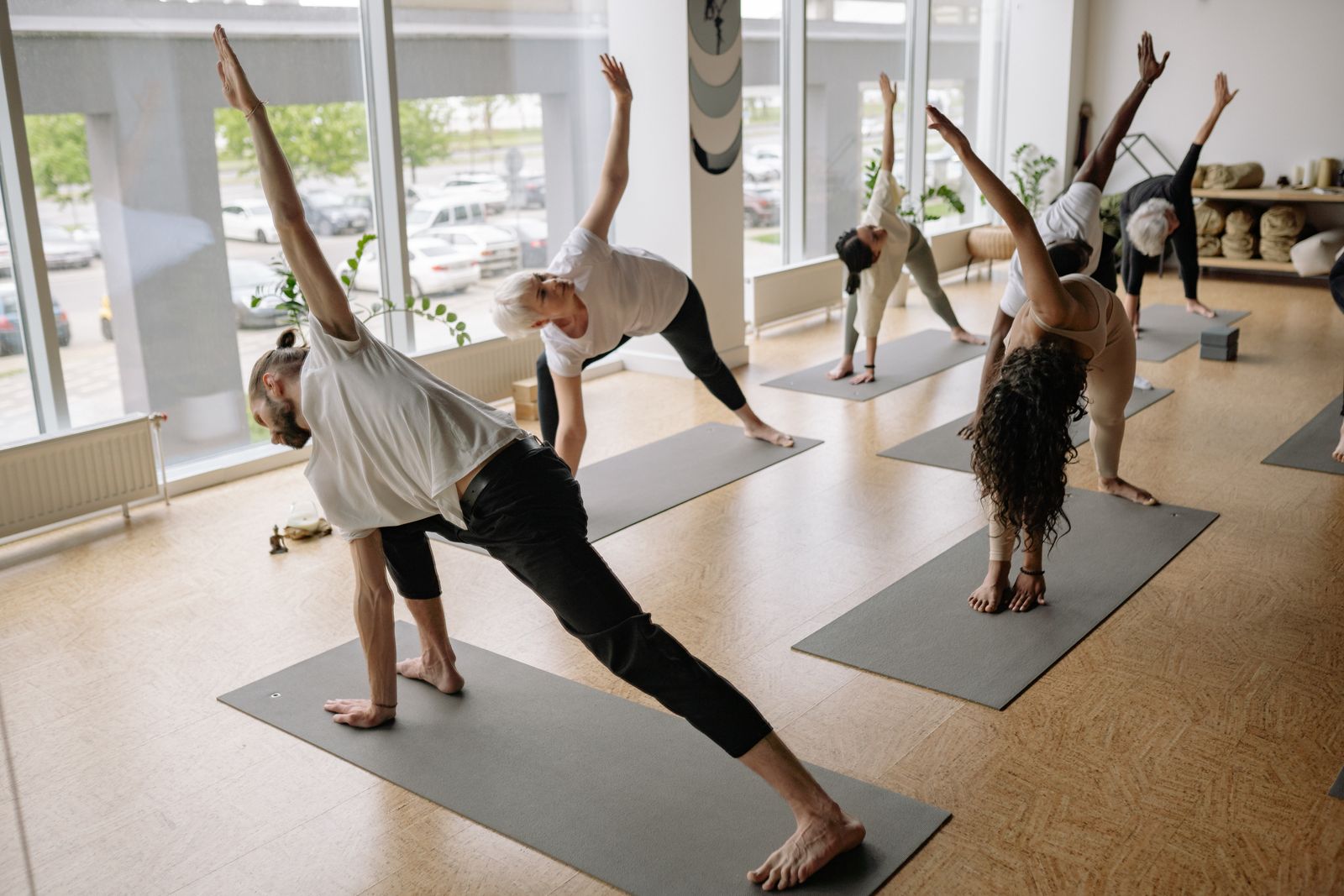
For most beginners, the easiest entry point is a guided class rather than attempting to piece together a practice from videos alone, since posture alignment and breath timing are hard to self-correct without feedback. Options range from in-person studios to flexible online yoga classes that fit around a work schedule, and many people specifically look for the best online yoga classes or even free online yoga classes before committing to a longer-term program. Trying a class with live guidance rather than a static routine tends to make the biggest difference for beginners in the first few weeks.
Questions People Ask About What Is Yoga
What is yoga in simple words?
In simple words, yoga is a practice that connects the body, breath, and mind through physical postures, controlled breathing, and focused attention, aimed at building both physical health and mental calm.
What is yoga and its importance?
Yoga is a mind-body practice rooted in ancient Indian philosophy, and its importance lies in the combined physical and mental benefits it offers, including improved flexibility, strength, stress management, and emotional balance, which is why it’s recommended across such a wide range of ages and fitness levels.
What is yoga according to Patanjali?
According to Patanjali’s Yoga Sutras, yoga is defined as “chitta vritti nirodha,” or the stilling of the fluctuations of the mind, positioning yoga primarily as a mental and spiritual discipline rather than a physical exercise system.
What is yoga therapy?
Yoga therapy is the targeted application of yoga postures, breathing techniques, and meditation to address specific physical or mental health conditions, typically guided by a practitioner trained to adapt the practice to a person’s individual needs.
What is yoga for class 11 students (academic definition)?
In academic and physical education contexts, yoga is typically defined as an ancient Indian discipline involving physical postures, breathing exercises, and meditation practiced to achieve physical fitness, mental clarity, and overall well-being.
Is yoga a religion?
No, yoga is not a religion. It’s a practice and philosophical system that originated within Indian spiritual traditions, but it doesn’t require any particular religious belief to practice, which is why it’s widely adopted by people across different faiths and belief systems.
Try This for Yourself
Reading about yoga only goes so far; the difference in how it feels usually becomes clear in the first guided session. Explore FitStrot’s Online Yoga Classes and experience the practice with real-time guidance instead of piecing it together alone.
Related reading: yoga meaning, benefits of yoga, types of yoga, or head to Online Yoga Classes to get started.