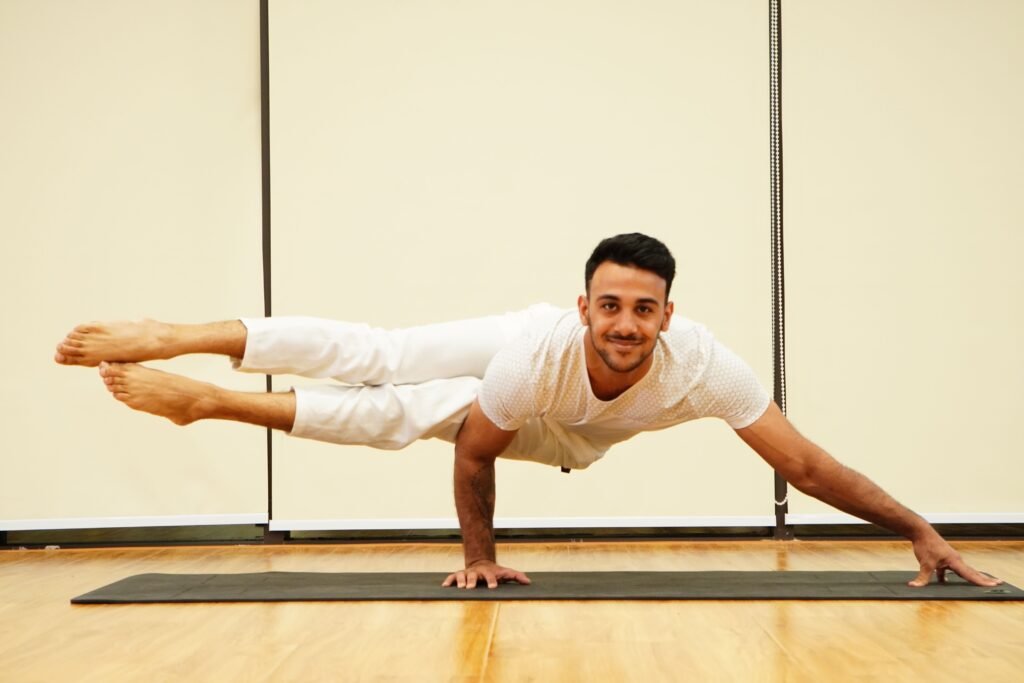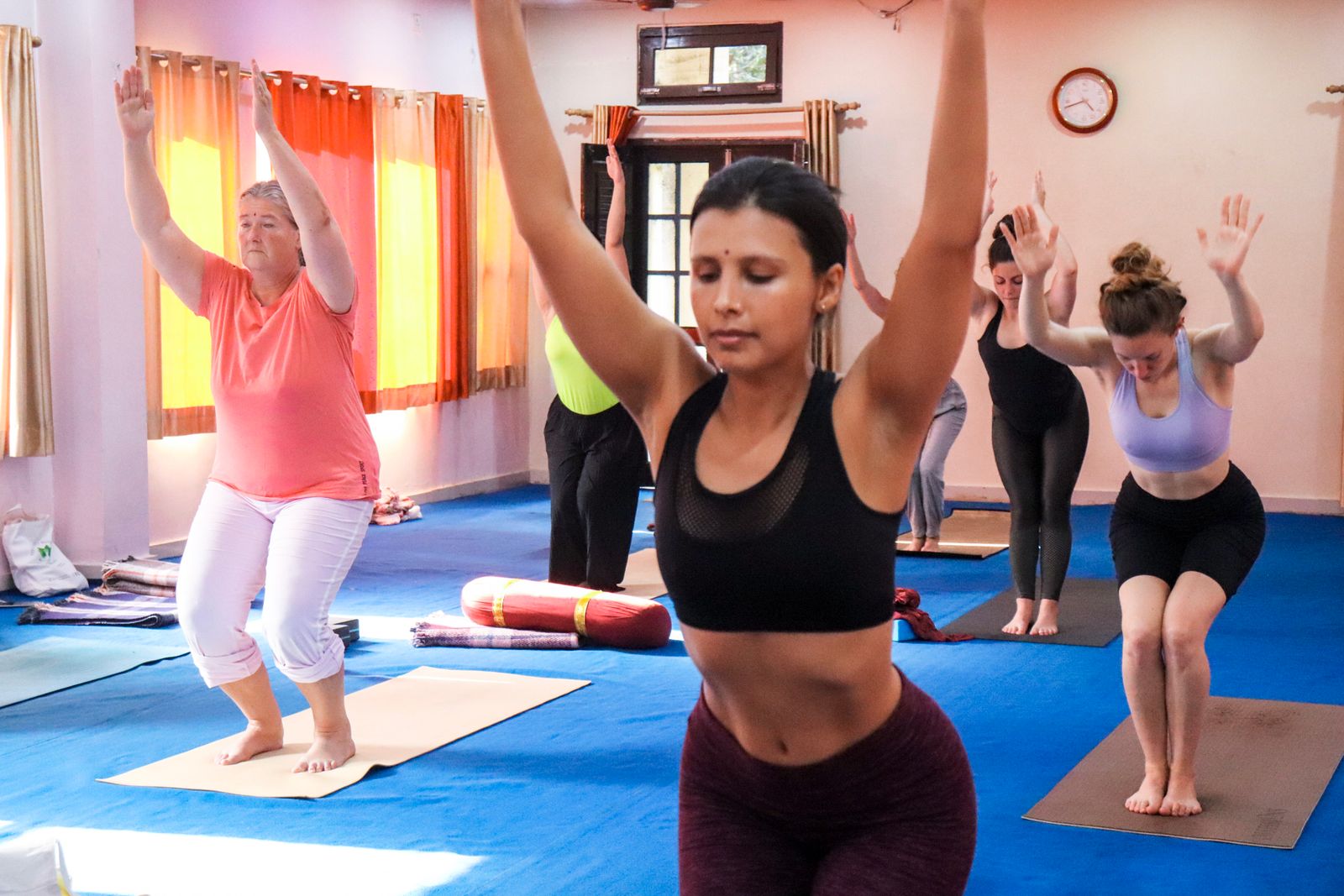
The advantages of yoga span physical, mental, and emotional health: it improves flexibility and strength, lowers stress hormones, supports heart health, sharpens focus, and helps regulate sleep, all without requiring expensive equipment or a gym membership. Regular practice, even just two to three sessions a week, is commonly cited as enough to notice improved mobility, calmer mood, and better posture within a few weeks. Yoga also scales to any fitness level, from gentle chair-based sequences to advanced vinyasa flows, making it one of the most accessible forms of exercise available today.
What Are the Advantages of Yoga?
Yoga’s core advantages fall into three buckets: physical conditioning, mental clarity, and long-term preventive health. Physically, consistent practice builds flexibility in the hips, spine, and shoulders while strengthening stabilizing muscles that everyday workouts often ignore. Mentally, the combination of controlled breathing and focused movement activates the parasympathetic nervous system, the part of the body responsible for “rest and digest” rather than “fight or flight,” which is why many practitioners report feeling calmer after a single session. Over the long term, yoga is associated with better joint health, improved balance in older adults, and a lower likelihood of stress-related tension in the neck and lower back. Understanding what yoga actually is helps explain why the benefits are so broad: it was never designed as a single exercise but as a complete system connecting breath, movement, and attention.
How Does Yoga Improve Physical Fitness?
Yoga builds fitness through sustained, controlled tension rather than explosive movement. Holding a pose like Warrior II or Plank for 20 to 60 seconds recruits stabilizing muscles that fast-paced workouts skip past. Over weeks of practice, this builds functional strength in the core, shoulders, and legs while simultaneously lengthening tight muscle groups. Styles like power yoga and Ashtanga yoga raise the heart rate enough to double as cardiovascular training, while slower styles like Hatha yoga focus more on alignment and controlled stretching. Because poses can be modified with blocks, straps, or wall support, yoga fitness benefits are available to complete beginners as well as advanced athletes cross-training between sports.
What Are the Mental Health Benefits of Yoga?
Yoga’s mental health advantages center on stress regulation, emotional steadiness, and improved focus. The breathing techniques used in yoga, known as pranayama, slow the breath rate and are commonly cited as a way to reduce the body’s stress response. This is one reason yoga is frequently recommended alongside therapy or medication for people managing anxiety, though it should be treated as a complement to professional care rather than a replacement for it. The meditative focus required to hold a pose correctly also trains sustained attention, a skill that carries over into work and daily decision-making. Many people specifically search out yoga for anxiety or yoga for stress relief because the combination of movement and breath produces a calming effect that pure stretching alone does not.
What Are the Advantages of Yoga in Points?
For a quick reference, here are the core advantages of yoga summarized in points:
- Flexibility: Gradual stretching increases range of motion in joints and muscles over time.
- Strength: Bodyweight-holding poses build functional core, arm, and leg strength.
- Stress reduction: Controlled breathing lowers physiological stress markers and calms the nervous system.
- Better posture: Poses that open the chest and strengthen the back counteract the effects of prolonged sitting.
- Improved balance: Standing poses train stability, which is especially valuable for older adults.
- Sleep quality: Evening practice and breathwork are commonly linked to falling asleep faster and sleeping more soundly.
- Mental clarity: The focus required during practice improves concentration in daily tasks.
- Low equipment cost: A mat is often the only requirement, making it one of the most affordable fitness practices.
These points make yoga a practical entry point for anyone new to structured exercise, and they explain why so many corporate wellness programs and physiotherapy plans now include a beginner yoga guide as a starting resource.
What Are the Advantages of Yoga and Exercise Together?
Combining yoga with traditional exercise, such as strength training, running, or Zumba, produces benefits neither activity delivers alone. Yoga improves the flexibility and joint mobility that heavy lifting and repetitive cardio tend to reduce over time, lowering injury risk. Meanwhile, exercise builds the muscular strength and cardiovascular capacity that pure yoga practice develops more slowly. Athletes increasingly use yoga as active recovery on rest days, since gentle movement combined with stretching speeds up muscle recovery compared to complete inactivity. If your routine already includes Zumba classes or strength sessions, adding two yoga sessions a week is a practical way to balance intensity with recovery, a strategy also covered in our guide to yoga vs. exercise.
What Are the Advantages of Yoga Asanas Specifically?
Yoga asanas, the physical postures that make up a yoga practice, each target specific advantages depending on their design. Forward folds like Paschimottanasana stretch the hamstrings and calm the mind by lowering the head below the heart. Backbends like Bhujangasana (Cobra Pose) open the chest and strengthen the spine’s supporting muscles, directly countering the rounded posture common from desk work. Balancing poses such as Vrksasana (Tree Pose) train the small stabilizing muscles in the ankles and legs that most other exercise formats neglect entirely. Twisting poses are commonly described as supporting digestion by gently compressing and releasing the abdominal organs. Because each asana serves a distinct purpose, a well-sequenced class delivers a full-body set of advantages rather than repetitive strain on the same muscle group, which is why structured yoga poses for beginners sequences are built around variety.
What Are the Advantages of Yoga for Students?
For students, yoga’s advantages center on concentration, stress management, and physical counterbalance to long hours of sitting. Exam periods bring elevated stress, and short breathing-based practices are commonly used to lower anxiety before tests without requiring a full class session. The postural benefits matter too: hours spent hunched over books or laptops shorten the hip flexors and round the shoulders, and simple yoga sequences reverse both. Schools and universities that have introduced short yoga breaks between classes report improved attention spans and reduced reported stress among students, though results vary by program design. Younger students in particular benefit from yoga for kids formats that build body awareness early, while older students often gravitate toward yoga for back pain relief after long study sessions.
What Is the Advantage of Yoga in the Workplace?
In a corporate setting, yoga’s advantages translate into fewer sick days related to musculoskeletal strain, better focus during long work hours, and improved team morale when practiced as a group activity. Desk-bound employees are especially prone to lower back pain and shoulder tension, both of which respond well to short, targeted yoga sequences that can be done in office clothes without a mat. Companies that introduce group or 1-on-1 personal training combined with yoga sessions often see it framed as a low-cost wellness benefit compared to gym memberships, since a single instructor can guide dozens of employees at once through online formats. For distributed or remote teams, online yoga classes remove the logistical barrier entirely, letting employees join from home or a hotel room during travel.
What Are the Disadvantages of Yoga?
Yoga is not without limitations, and being upfront about them makes for a more complete picture. The most common disadvantage is a slower pace of visible results compared to high-intensity training, meaning yoga alone may not build significant muscle mass or burn calories as quickly as cardio-heavy workouts. Injury risk exists too, particularly in advanced poses like deep backbends or inversions attempted without proper preparation or supervision, which is why beginners are generally advised to start with guided classes rather than following videos alone. Some styles, especially fast-paced vinyasa or hot yoga, can also be physically demanding in ways that aren’t suitable for people with certain heart conditions or pregnancy without medical clearance. Finally, progress in yoga is often subtle and internal, which can be discouraging for people who prefer exercise with clear, measurable milestones like lifted weight or running pace.
Advantages and Disadvantages of Yoga: A Balanced View
Weighing the advantages and disadvantages of yoga together gives a realistic expectation before starting a practice. On the advantage side: flexibility, stress reduction, low equipment cost, adaptability to any fitness level, and long-term joint health. On the disadvantage side: slower visible physical transformation, a learning curve for correct alignment, and a real injury risk in advanced poses without guidance. For most beginners, these disadvantages are minor and manageable with a properly structured class rather than unsupervised practice, which is one reason guided formats like online yoga classes with a certified instructor tend to produce safer, faster progress than following along with random videos. The honest takeaway is that yoga rewards consistency and correct form far more than intensity.
What Are the Disadvantages of Yoga Asanas When Done Incorrectly?
Specific asanas carry specific risks when alignment is off. Deep backbends like Urdhva Dhanurasana (Wheel Pose) can strain the lower back if the core isn’t engaged first. Inversions such as headstands place significant load on the neck’s cervical vertebrae and are generally not recommended for beginners without spotting. Deep forward folds can aggravate existing hamstring or lower-back injuries if forced rather than eased into. None of this means these asanas should be avoided altogether; it means they should be learned progressively, ideally under the guidance of an instructor who can correct form in real time, which is a key advantage of live 1-on-1 training or small guided classes over solo practice from a book or app.
How Does Yoga Compare to Other Forms of Exercise?
Compared to weightlifting, yoga builds less raw muscle mass but improves flexibility and joint health more directly. Compared to running or cycling, yoga offers a gentler cardiovascular load in most styles but reduces impact-related joint strain considerably. Compared to Zumba or dance-based cardio, yoga is slower-paced but builds body awareness and controlled strength that fast dynamic movement doesn’t emphasize. None of these comparisons make yoga strictly better or worse: they make it complementary. Many well-rounded fitness plans blend two or three of these formats, using yoga as the connective practice that keeps the body mobile and recovered between higher-intensity sessions. This complementary role is exactly why different types of yoga exist, since each style shifts the balance between cardio, strength, and mindfulness slightly differently.
How Much Yoga Do You Need to See the Advantages?
Most people notice initial changes, such as looser hips or a calmer mood after class, within the first two to three weeks of practicing two to three times per week. More significant advantages, like measurable flexibility gains or consistently lower stress levels, are commonly reported after eight to twelve weeks of regular practice. Consistency matters more than duration: three 30-minute sessions a week produce better results than one long session followed by a week off. Beginners are generally advised to start with a structured beginner yoga guide or a short online series rather than attempting advanced sequences immediately, since building a sustainable habit early prevents the burnout or injury that derails many first attempts.
Questions People Ask About Advantages of Yoga
What are the advantages of yoga?
The main advantages of yoga are improved flexibility, greater strength in stabilizing muscles, reduced stress through controlled breathing, better posture, improved balance, and better sleep quality. It’s also low-cost and adaptable to nearly any fitness level or age group, making it one of the most accessible long-term health practices available.
What are the disadvantages of yoga?
The main disadvantages of yoga are a slower pace of visible physical transformation compared to high-intensity training, a real risk of injury in advanced poses without proper guidance, and a learning curve around correct alignment. It also may not suit people with certain heart conditions or pregnancy-related restrictions without medical clearance first.
Can yoga replace regular exercise?
Yoga can replace some forms of exercise for flexibility and stress management, but it generally builds less cardiovascular endurance and muscle mass than dedicated strength training or cardio. Most balanced fitness plans use yoga alongside other exercise rather than as a complete substitute, especially for people with specific strength or weight-loss goals.
Is yoga good for weight loss?
Yoga can support weight loss indirectly through stress reduction, better sleep, and increased body awareness that often leads to healthier eating habits, but slower styles burn fewer calories than high-intensity cardio. Faster-paced styles like power yoga or vinyasa burn more calories per session and are a better fit for weight-loss-focused goals.
Is it safe to start yoga without any experience?
Yes, yoga is safe for beginners when started with guided instruction rather than advanced sequences attempted alone. Choosing a beginner-level class, using props like blocks and straps, and progressing gradually reduces injury risk significantly compared to jumping straight into advanced poses without proper form.
Try This for Yourself
The clearest way to experience the advantages of yoga firsthand is to practice with a certified instructor who can correct your form in real time and adapt the session to your fitness level. Try a live online yoga class with FitStrot and see how a guided, structured session compares to going it alone.
Related reading: What Is Yoga? | Yoga Meaning | Yoga Definition | Types of Yoga | Online Yoga Classes