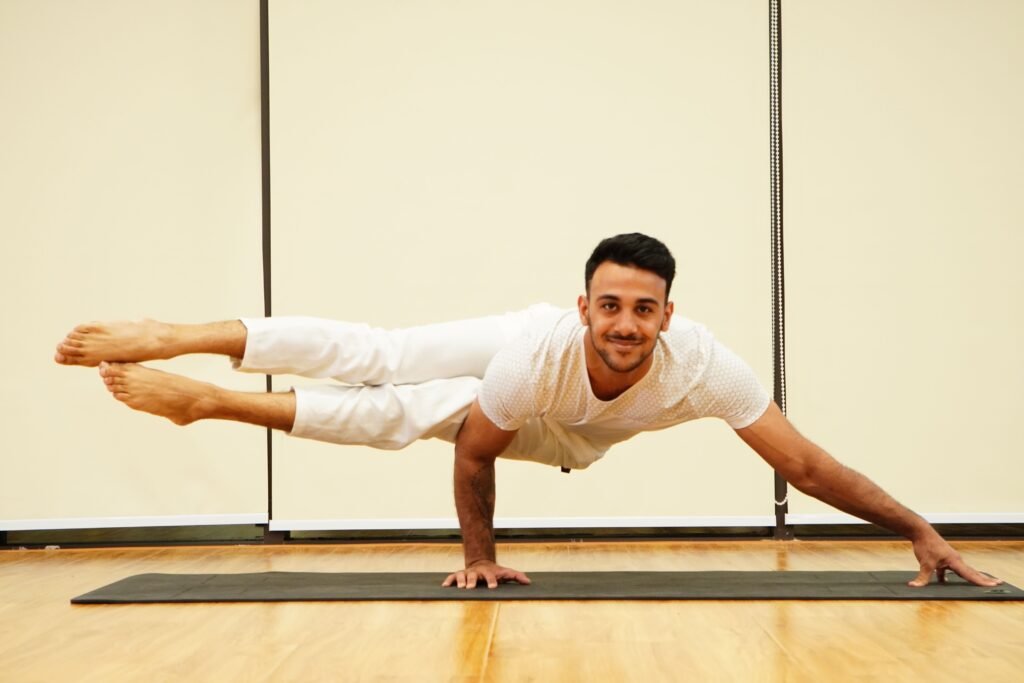
The objectives of yoga are to unite body, breath, and mind so a practitioner moves toward physical health, mental clarity, emotional balance, and eventually self-realization. Traditional yoga texts frame this as a graduated path: physical objectives (strength, flexibility, better organ function), psychological objectives (concentration, calm, emotional regulation), and spiritual objectives (self-awareness and, in classical philosophy, liberation or moksha). Modern yoga education adds practical objectives too — teaching correct technique, building discipline, and making the practice accessible for schools, workplaces, and rehabilitation settings. Whether you come to yoga for fitness or for something deeper, understanding these layered objectives helps you practice with intention rather than just following poses.
What Does “Objectives of Yoga” Actually Mean?
When people search for the objectives of yoga, they are usually asking what yoga is meant to achieve — not just what a single class does for your body, but the larger purpose behind the practice. Objectives differ from techniques. A technique is a tool (a posture, a breathing pattern, a meditation method); an objective is the outcome that tool is designed to serve. If you’re new to the practice, it helps to first get grounded in what is yoga and the yoga meaning before mapping out its objectives, since the objectives only make sense once you understand the discipline they come from.
The Three Broad Aims of Yoga: Physical, Mental, and Spiritual
Most teacher-training syllabi and yoga philosophy texts group the aims and objectives of yoga into three broad categories. The physical aim focuses on the body — improving strength, flexibility, posture, breathing capacity, and organ health through asana and pranayama. The mental aim focuses on the mind — building concentration, reducing mental fluctuations, and cultivating calm through practices like dharana (concentration) and dhyana (meditation). The spiritual aim, rooted in classical yoga philosophy such as Patanjali’s Yoga Sutras, is self-realization — recognizing the difference between the changing mind and the unchanging witness-consciousness behind it. These three aims aren’t separate tracks; they build on each other, with physical steadiness supporting mental focus, which in turn supports deeper self-inquiry.
Physical Objectives of Yoga: What the Body Practice Is Really For
The physical objectives of yoga go beyond simply “getting flexible.” Asana practice aims to build a stable, comfortable seat for meditation (this is literally how Patanjali defines asana — sthira sukham asanam, a steady and comfortable posture). Along the way, physical objectives typically include improved joint mobility, better spinal alignment, stronger core and postural muscles, and more efficient breathing. Styles like hatha yoga emphasize this physical foundation, while more dynamic styles such as vinyasa yoga add cardiovascular conditioning. If your main goal is physical, structured programs like yoga for flexibility or yoga for back pain translate these general objectives into targeted routines.
Mental and Psychological Objectives of Yoga
A core objective of yoga is quieting the fluctuations of the mind — what Patanjali calls “chitta vritti nirodha.” In practical terms, this means yoga aims to reduce mental chatter, improve attention span, and build resilience to stress. Techniques that serve this objective include focused breathing (pranayama), guided relaxation, and meditation. This is why many people turn to yoga for stress relief or yoga for anxiety specifically — these practices are built around the mental objectives of yoga rather than the physical ones, using slower, breath-centered sequences instead of intense physical exertion.
Spiritual and Philosophical Objectives of Yoga
In classical yoga philosophy, the ultimate objective is self-realization, often described as recognizing the true Self (purusha) as distinct from the constantly changing mind and body (prakriti). This objective is described across foundational texts, including the Yoga Sutras of Patanjali and the philosophical threads found in the Bhagavad Gita’s teachings on yoga. It’s worth noting that this spiritual objective is not necessarily religious in a denominational sense — it’s better understood as a framework for self-inquiry. Concepts like the eight limbs of yoga (Ashtanga) lay out a step-by-step path toward this aim, moving from ethical conduct through physical practice to meditative absorption.
What Are the Objectives of Yoga Education?
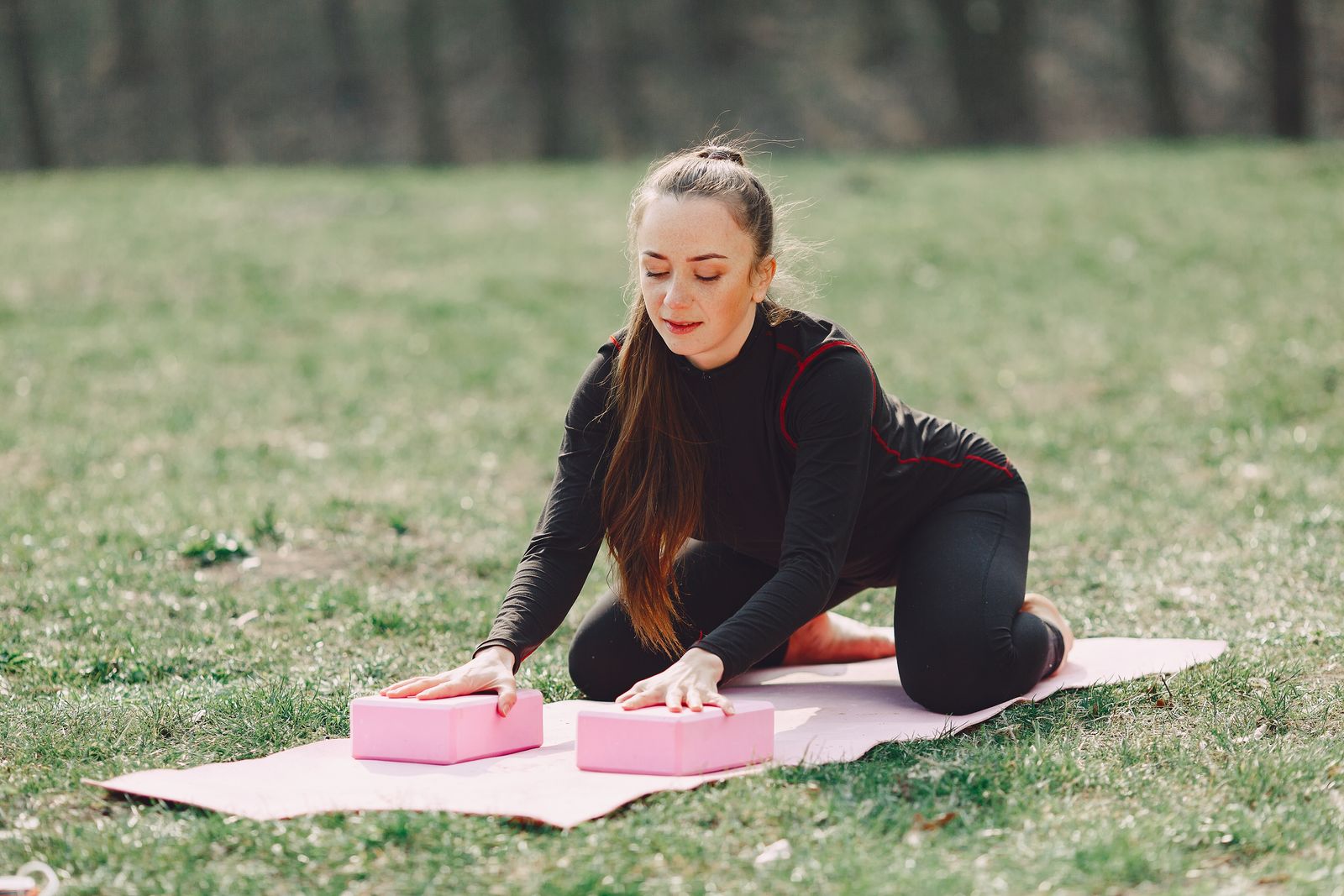
The objectives of yoga education extend the general aims of yoga into a structured teaching context — schools, teacher-training courses, and community programs. These objectives typically include: teaching correct and safe technique so students don’t injure themselves; building age-appropriate physical literacy in children and teens; instilling discipline, focus, and self-regulation as life skills; and creating awareness of yoga’s philosophical and ethical dimensions, not just its physical exercises. In India, yoga education has been formally integrated into school curricula and physical education frameworks, reflecting a national objective of using yoga to support students’ physical and mental development from an early age. If you’re evaluating or designing a program, our guide on the benefits of yoga for students breaks down how these educational objectives translate into classroom practice.
Objectives of Yoga Day: Why the World Celebrates It Every Year
International Day of Yoga is observed on June 21 each year, following a 2014 proposal by India that the United Nations General Assembly adopted. The stated objective behind the day is to raise global awareness of the physical, mental, and social benefits of yoga practice and to encourage people everywhere to incorporate it into daily life. Each year’s observance often carries a theme, and events range from mass public yoga sessions to educational workshops. The broader objective isn’t just a single day of practice — it’s meant to spark ongoing engagement, which is why pairing the day with a real routine (see our beginner yoga routine) tends to be far more useful than a one-off session.
Aims and Objectives of Yoga: How They Differ From Techniques and Benefits
It’s easy to blur “objectives,” “benefits,” and “techniques” together, but they answer different questions. An objective answers “what is this practice trying to achieve?” A benefit answers “what do people actually experience as a result?” A technique answers “what specific method is used?” For example, an objective might be “improve respiratory efficiency and calm the nervous system.” The technique used to pursue that objective could be pranayama breathing techniques, and the resulting benefit might be lower resting heart rate or better sleep. Keeping this distinction clear helps you evaluate whether a class or program is actually aligned with your goals, rather than just judging it by how difficult the poses look.
How the Objectives of Yoga Differ Across Styles
Not every yoga style weights the three broad aims the same way, and this is worth understanding before you pick a class.
| Style | Primary Objective Focus | How It’s Pursued |
|---|---|---|
| Hatha yoga | Physical-to-mental | Postures and breath that prepare the body and mind for meditation |
| Ashtanga yoga | Discipline and endurance | Disciplined, sequential practice building strength and mental endurance |
| Restorative yoga | Nervous-system relaxation | Supported poses held for long periods |
| Kundalini yoga | Spiritual and energetic | Chanting, breathwork, and meditation |
Reviewing the broader landscape in our types of yoga guide can help you match a style to the specific objective you personally care about most.
Objectives of Yoga According to Patanjali’s Ashtanga Framework
Patanjali’s eight-limbed path gives one of the clearest structured breakdowns of yoga’s objectives, moving from external discipline to internal absorption. The limbs are: yama (ethical restraints), niyama (personal observances), asana (posture), pranayama (breath control), pratyahara (withdrawal of the senses), dharana (concentration), dhyana (meditation), and samadhi (absorption or union). Each limb has its own micro-objective that feeds the next — for instance, the objective of yama and niyama is to create a stable ethical foundation, without which deeper concentration practices are said to be difficult to sustain. This is why comprehensive teacher-training programs don’t just teach postures; they also address the philosophical scaffolding described in our eight limbs of yoga guide.
Objectives of Yoga in Everyday Life: Beyond the Mat
One of the most practical objectives of yoga is to change how you respond to daily stress, relationships, and habits — not just how you feel during a 60-minute class. This objective shows up as better emotional regulation, improved sleep quality, more mindful eating patterns, and greater body awareness that carries into posture and movement throughout the day. Many people find that pursuing this everyday objective through short, consistent practice — even 10 to 15 minutes — is more effective than occasional long sessions. If you’re building this into a routine, our guide to yoga for beginners and morning yoga routine both focus specifically on this everyday-life objective rather than advanced technique.
How Corporate and Online Yoga Programs Apply These Objectives
Workplace and online yoga programs generally adapt the same three broad aims — physical, mental, spiritual — into objectives suited for time-constrained, screen-based lifestyles. The physical objective narrows to counteracting the effects of prolonged sitting: hip opening, shoulder mobility, and spinal decompression. The mental objective narrows to short resets that reduce workplace stress and improve focus during the day. Programs like corporate yoga programs and online yoga classes are built directly around these adapted objectives, which is why session lengths and sequences differ so much from a traditional 90-minute studio class.
Common Misunderstandings About the Objectives of Yoga
A frequent misconception is that yoga’s objective is flexibility for its own sake, or that it’s primarily a form of exercise. In classical frameworks, flexibility and strength are supportive objectives — they exist to make the body a stable, comfortable vehicle for the deeper mental and spiritual aims, not an end goal by themselves. Another misunderstanding is treating yoga’s spiritual objective as necessarily religious; most teacher-training and educational contexts present it as a philosophical and psychological framework rather than a doctrine tied to any one faith. Clearing up these misunderstandings matters because it changes how you practice — chasing flexibility alone can lead to overstretching, while understanding the fuller objective encourages a more sustainable, breath-led approach, something covered in more depth in our yoga safety tips guide.
How to Set Your Own Objectives of Yoga Practice: A Simple How-To
You can apply these broader aims to your personal practice with a short process:
- Identify your primary layer of interest — physical, mental, or spiritual — since this determines which style and pace of class suits you best.
- Pick a practice that matches your objective: physical objectives pair well with vinyasa yoga or power yoga; mental objectives pair well with yoga for stress relief sequences; spiritual objectives pair well with meditation-focused or kundalini yoga classes.
- Set a realistic frequency — three to five sessions a week is a commonly recommended starting point for building the habit.
- Track how your objective evolves — many practitioners start with a purely physical goal and find the mental and spiritual objectives become more important over months of consistent practice.
- Revisit your objective every few months, since what you need from yoga during a stressful work period is different from what you need during a period of physical rehabilitation.
Questions People Ask About Objectives of Yoga
What is the main objective of yoga?
The main objective of yoga, in classical philosophy, is self-realization — achieving a steady, calm mind that can distinguish itself from its constantly changing thoughts and emotions. In practical, everyday terms, most people pursue yoga for a combination of physical health, stress reduction, and improved focus, with the deeper philosophical objective becoming more relevant as practice matures.
What are the four aims of yoga?
Different traditions phrase this slightly differently, but a common framework describes four aims: physical health, mental clarity, emotional balance, and spiritual self-realization. These four build progressively — physical steadiness supports mental focus, mental focus supports emotional regulation, and all three together support the deeper aim of self-inquiry.
What is the objective of yoga education specifically?
The objective of yoga education is to teach correct, safe technique while instilling discipline, body awareness, and stress-management skills, particularly in school and community settings. It also aims to introduce the philosophical and ethical foundations of yoga, not just the physical postures, so students understand the practice as a complete system.
Why is International Day of Yoga celebrated, and what is its objective?
International Day of Yoga is observed on June 21 following a UN resolution adopted in 2014 after a proposal by India. Its objective is to raise global awareness of yoga’s physical, mental, and social benefits and encourage people worldwide to build a regular practice, not just participate in a single annual event.
Are the objectives of yoga the same as the benefits of yoga?
No. Objectives describe the intended purpose of a practice (for example, calming the nervous system), while benefits describe the observed outcomes people experience (for example, better sleep or lower stress). Techniques are the tools used to pursue an objective. Understanding this distinction helps you choose practices that are actually aligned with what you want to achieve.
Can yoga’s objectives be achieved without the spiritual component?
Yes. Many practitioners pursue only the physical and mental objectives — flexibility, strength, stress relief, focus — without engaging with yoga’s spiritual or philosophical dimension, and this is a widely accepted approach in modern fitness-oriented yoga. The spiritual objective is available for those who want to go deeper but isn’t a prerequisite for benefiting from the practice.
Try This for Yourself
The clearest way to understand the objectives of yoga is to experience how a well-structured class pursues them in real time. Try a live online yoga class with FitStrot and feel how a guided session moves you through physical steadiness, focused breathing, and mental calm within a single practice.
Related reading: what is yoga, yoga meaning, yoga definition, types of yoga, and FitStrot’s online yoga classes.