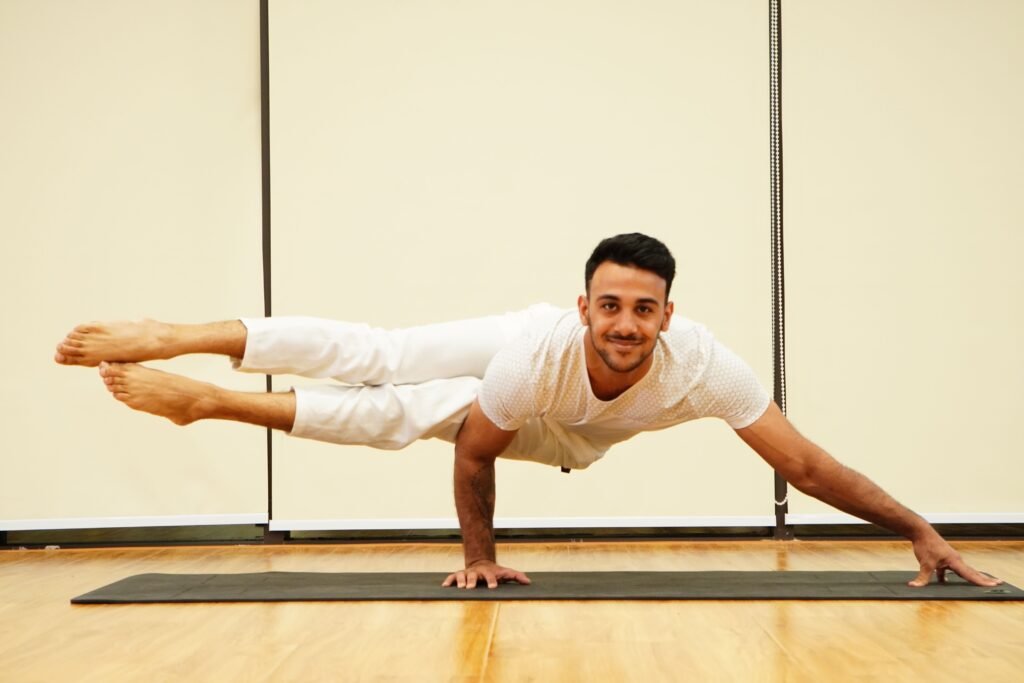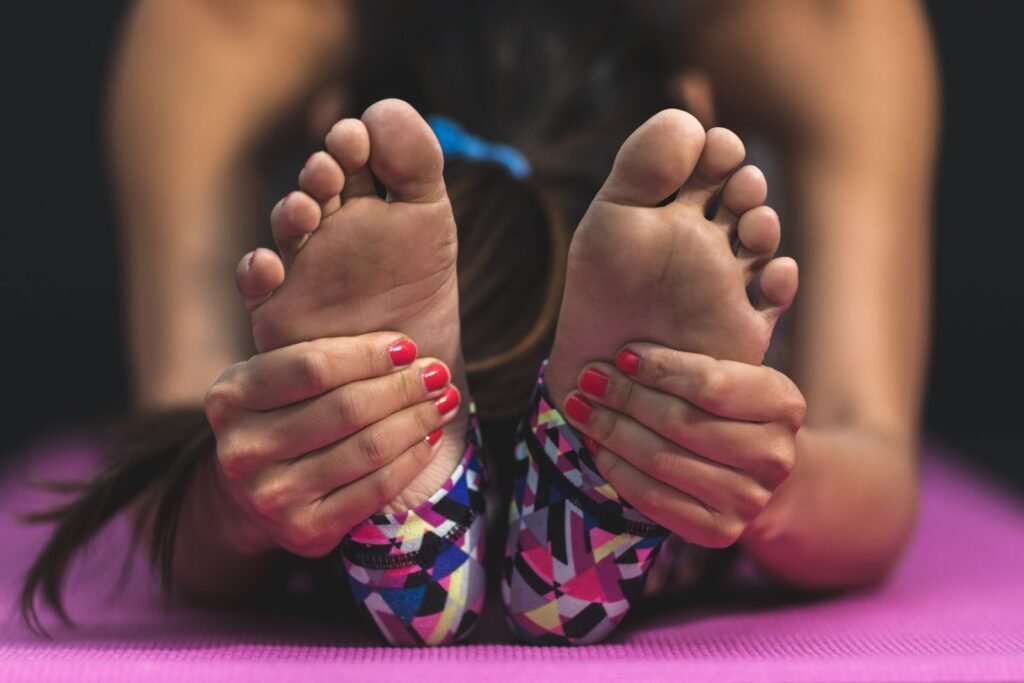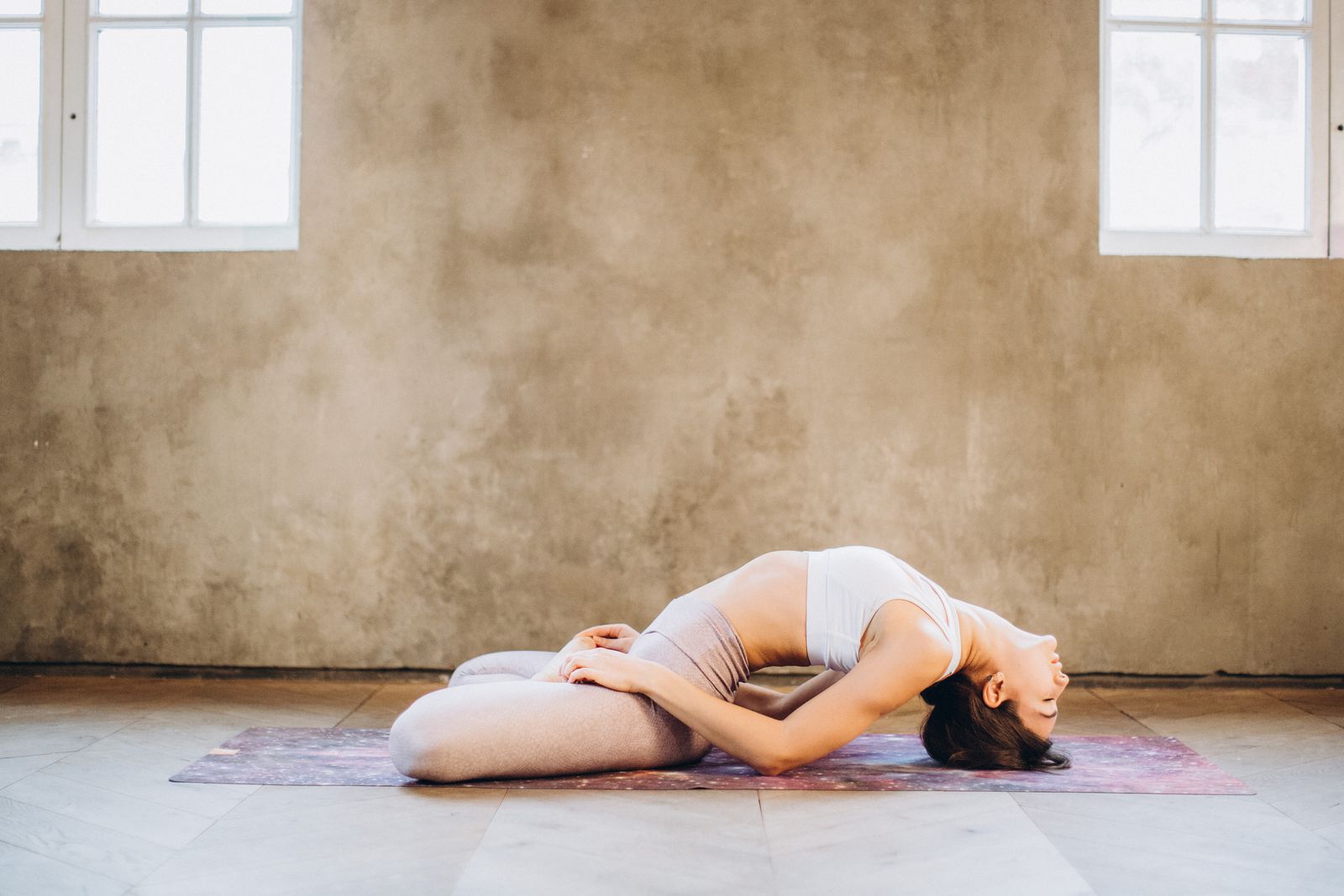
Asana is the Sanskrit word for a yoga posture or pose — but its original meaning was narrower and, in some ways, deeper. In Patanjali’s Yoga Sutras, asana is defined as a “steady and comfortable” seat, referring specifically to the position used for meditation. Over centuries, the word expanded to cover the hundreds of standing, seated, twisting, and balancing postures practiced in modern yoga classes. Today, when someone says “asana,” they usually mean any physical yoga pose, from a basic seated posture to an advanced arm balance. But asana is also formally the third of the eight limbs of yoga described in the Yoga Sutras of Patanjali, positioned as a stepping stone toward breath control and meditation, not an end in itself.
What Does the Word “Asana” Actually Mean?
The word asana comes from the Sanskrit root ās, meaning “to sit.” Its most literal translation is “seat” or “sitting posture.” This etymology matters because it reveals how differently ancient yogis thought about physical practice compared to how many people approach it today. Asana wasn’t originally about building strength, improving flexibility, or getting a workout. It was about finding a position the body could hold without fidgeting or straining, so the mind could turn inward for meditation. The physical vocabulary expanded dramatically over time, but the Sanskrit root still points back to that original, quieter purpose: a stable seat for stillness.
How Did Patanjali Define Asana in the Yoga Sutras?
In sutra 2.46 of the Yoga Sutra, Patanjali describes asana with a short but influential phrase usually translated as “sthira sukham asanam” — a posture should be steady (sthira) and comfortable (sukha). That’s the entire technical definition. There’s no mention of specific shapes, alignment cues, or difficulty levels. The two qualities Patanjali names, stability and ease, are meant to exist together rather than as a trade-off. A pose held with tension and strain isn’t a true asana in this framework, and neither is one so slack that the body can’t stay upright. This dual requirement is one of the most quoted lines in all of yoga philosophy, and it’s worth understanding on its own terms before diving into specific poses.
Why Is Asana the Third Limb of Yoga?
Patanjali’s eight limbs of yoga lay out a sequential path: yama (ethical restraints), niyama (personal observances), asana (posture), pranayama (breath control), pratyahara (withdrawal of the senses), dharana (concentration), dhyana (meditation), and samadhi (absorption or union). Asana sits third, after the ethical groundwork of yama and niyama but before any breathing or meditation techniques. The logic is practical: it is difficult to sit in stillness for meditation if your knees ache or your back seizes up after two minutes. Asana exists to prepare the physical body to settle, so attention can move to the breath and eventually to the mind itself. In the traditional model, physical practice is preparation, not the destination.
What’s the Difference Between Asana and Modern Yoga Poses?
Ancient yoga texts describe far fewer asanas than the hundreds seen in a contemporary studio. Early Hatha yoga texts such as the Hatha Yoga Pradipika are commonly cited as listing around 84 asanas, with only a handful described in real technical detail, mostly seated postures like Siddhasana and Padmasana used for meditation. By contrast, 20th-century teachers dramatically expanded the physical vocabulary: B.K.S. Iyengar’s “Light on Yoga,” first published in 1966, documented roughly 200 poses with detailed instructions. Later teachers have illustrated collections that run into the thousands once variations and modifications are counted. The asanas taught in a typical vinyasa or hatha yoga class today are a much larger and more physically demanding set than what the earliest texts described.
What Are the Main Categories of Asana?
Even with hundreds of individual poses, most asanas fall into a handful of functional categories that make the practice easier to learn and sequence:
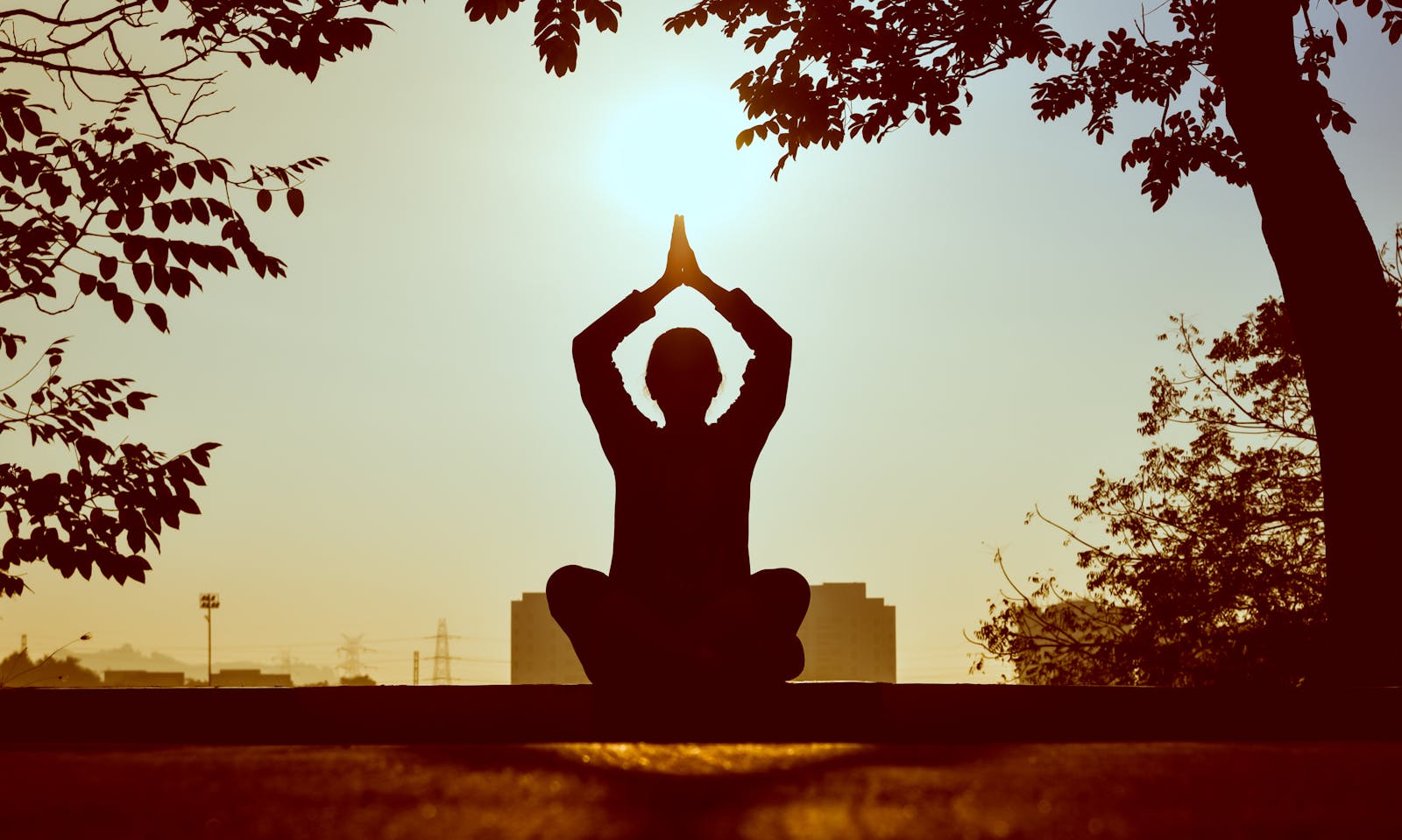
- Seated poses — such as Sukhasana (easy pose) and Padmasana (lotus pose), traditionally used for meditation and pranayama.
- Standing poses — such as Tadasana (mountain pose) and Virabhadrasana (warrior pose), which build strength and grounding.
- Forward folds — such as Paschimottanasana, which calm the nervous system and stretch the posterior chain.
- Backbends — such as Bhujangasana (cobra pose), which open the chest and counter forward-hunched posture.
- Twists — such as Ardha Matsyendrasana, which support spinal mobility and digestion.
- Inversions — such as Sirsasana (headstand) and Sarvangasana (shoulder stand), which shift blood flow and challenge balance.
- Balancing poses — such as Vrksasana (tree pose), which build focus and stability.
- Restorative poses — such as Savasana (corpse pose), typically used to close a practice.
A well-rounded class or home practice usually draws from several of these categories rather than repeating one type of movement, which is part of why structured sequences like Surya Namaskar (sun salutation) combine standing poses, forward folds, and backbends into one flow.
What’s the Difference Between Asana and “Pose” or “Posture”?
In everyday English, “asana,” “pose,” and “posture” are often used interchangeably, and for casual conversation that’s fine. But there’s a subtle distinction worth knowing. “Posture” in Patanjali’s original sense refers to the specific quality of stillness and ease described in sutra 2.46, not just a body shape. “Pose,” the more common Western studio term, usually just describes the physical position, like Downward-Facing Dog or Triangle Pose, without necessarily implying the meditative stability the Sanskrit term carries. Many teachers use “asana” specifically when they want to emphasize the philosophical or traditional roots of a practice, and “pose” when focusing purely on alignment and physical technique. Neither usage is wrong; they simply carry different weight depending on context.
Does Asana Have to Involve Physical Movement?
Not necessarily, and this surprises many newcomers. The most traditional asanas, the seated postures used for meditation, involve very little movement at all: the goal is to find one stable position and hold it, sometimes for long periods. The dynamic, flowing style familiar from many modern classes, where practitioners move continuously between poses linked by breath, is a later development, closely associated with 20th-century styles like Ashtanga yoga and its many vinyasa-based offshoots. If your image of “doing asana” is a fast-paced flow, it’s worth remembering that the practice’s roots are in the opposite: sitting still, comfortably, for as long as possible.
How Is Asana Used Differently in Yoga Philosophy Versus a Modern Studio Class?
In classical yoga philosophy, asana is one limb among eight, valued mainly for what it makes possible afterward: steady breathing, sensory withdrawal, and meditation. In a typical modern studio or online class, asana practice is frequently the entire session, taught for its physical benefits: strength, flexibility, balance, stress relief, and body awareness. Neither approach is more “correct” than the other; they simply reflect different goals. Someone practicing yoga purely for fitness and someone practicing it as a contemplative discipline can both legitimately call what they’re doing asana. Many practitioners find that a physical practice, done consistently, naturally opens the door to the more introspective side of yoga described in the sutras, even if that wasn’t the original goal.
What Are the Physical and Mental Benefits of Asana Practice?
Regular asana practice is associated with a wide range of benefits that span both body and mind. Physically, consistent practice can improve flexibility, joint mobility, muscular strength, and balance, while also supporting better posture through strengthening the muscles that support the spine. Mentally, the slow, deliberate nature of holding and moving through poses encourages present-moment awareness, and many practitioners report reduced stress and better sleep quality with regular practice. Because asana links movement with breath, it also serves as a bridge to pranayama, the fourth limb of yoga, making it a practical entry point into the deeper aspects of the tradition even for people who start out purely for physical reasons. For a broader look at what the research says, see our guide to the benefits of yoga.
How Should Beginners Approach Learning Asana?
Beginners often make the mistake of judging their progress by how a pose looks rather than how it feels, chasing the deepest possible stretch instead of Patanjali’s steadiness-and-ease standard. A more sustainable approach starts with a small set of foundational poses, such as Tadasana, Balasana (child’s pose), and Sukhasana, practiced with attention to breath rather than depth. Props like blocks, straps, and blankets aren’t a sign of weakness; they’re tools that help beginners find stability sooner, which is the entire point of asana in the first place. Consistency matters more than intensity: a short daily practice tends to build strength and comfort in poses faster than infrequent long sessions. If you’re new to structured practice, our guide to yoga for beginners walks through a simple starting sequence.
What Are Common Misconceptions About Asana?
One of the most persistent misconceptions is that asana practice is primarily about flexibility, and that people who can’t touch their toes “aren’t good at yoga.” Flexibility is a byproduct of consistent practice, not a prerequisite for starting it. Another common misunderstanding is treating every yoga pose as equally difficult or advanced; in reality, categories range from deeply restorative poses like Savasana to physically demanding arm balances, and a complete practice usually includes both. A third misconception is assuming asana is only a physical exercise system unrelated to the meditative and ethical dimensions of yoga. While it’s entirely valid to practice asana purely for fitness, understanding its place within the eight limbs gives useful context for why so many classes end in a few minutes of stillness rather than the most intense pose of the session.
How Does Asana Connect to Other Yoga Styles?
Different yoga styles emphasize asana in different ways. Hatha yoga, historically the source of most physical postures used today, tends to hold poses longer with more focus on alignment. Vinyasa yoga links asanas together in continuous, breath-synchronized sequences. Yin yoga holds a smaller number of seated and floor-based asanas for several minutes at a time to target connective tissue rather than muscle. Restorative yoga uses props to support the body fully in gentle asanas for deep relaxation. Even practices that don’t market themselves around physical postures, like certain forms of online yoga classes focused on breathwork or meditation, still typically begin with some asana to settle the body first. Exploring the full range of types of yoga is a useful next step once you understand what asana itself refers to.
How Does Asana Fit Into the 8 Limbs of Yoga as a Whole?
Understanding asana in isolation only tells part of the story. Patanjali’s framework treats each of the 8 limbs of yoga as building on the one before it: the ethical restraints of yama and personal observances of niyama create the discipline needed to sustain a physical practice, asana then stabilizes the body, pranayama regulates the breath, and pratyahara begins turning attention away from external senses. The final three limbs, dharana, dhyana, and samadhi, are sometimes grouped together as “samyama,” representing progressively deeper states of internal focus. Seen this way, asana isn’t a separate fitness activity bolted onto a spiritual system; it’s the specific limb responsible for handling the body so the remaining limbs can work on the breath and mind. Anyone studying the Yoga Sutras of Patanjali in depth will find asana discussed only briefly, precisely because its job is to get out of the way.
Questions People Ask About Asana
Is asana the same as yoga?
No. Asana is one of the eight limbs of yoga described in Patanjali’s Yoga Sutras, specifically referring to physical posture. Yoga as a whole is a broader philosophical system that also includes ethical guidelines, breath control, concentration, and meditation. Many people use “yoga” casually to mean the physical poses, but traditionally asana is just one part of a much larger practice.
How many asanas are there in yoga?
The number has grown enormously over time. Early Hatha yoga texts are commonly cited as describing around 84 asanas, though only a few were detailed in depth. Twentieth-century teachers expanded this significantly; B.K.S. Iyengar’s influential 1966 book documented roughly 200 poses, and later collections that include variations run into the thousands.
What is the difference between asana and pranayama?
Asana refers to physical posture, the third limb of yoga, while pranayama refers to breath control techniques, the fourth limb. In practice, asana is usually taught first because a stable, comfortable body position makes it much easier to control and observe the breath during pranayama practice.
Can asana be practiced without believing in yoga philosophy?
Yes. Many people practice asana purely for physical fitness, flexibility, or stress relief without engaging with the broader philosophical framework of the eight limbs. This is a valid and common approach, especially in modern studio and online classes, though understanding the traditional context can add depth to the practice for those who are interested.
What is the easiest asana for a complete beginner?
Tadasana (mountain pose) and Sukhasana (easy seated pose) are typically taught first because they require no special flexibility and focus on posture and breath awareness rather than difficult shapes. Balasana (child’s pose) is also commonly used as a resting position between more demanding poses.
Do I need special equipment to practice asana?
No special equipment is required, though a yoga mat provides grip and cushioning. Props like blocks, straps, and bolsters are optional tools that can make certain asanas more accessible, particularly for beginners or people with limited flexibility, but they are not necessary to begin practicing.
Try This for Yourself
Reading about asana is a useful starting point, but the steadiness and ease Patanjali described can only really be understood by practicing it. If you’d like structured, guided support for building a consistent asana practice from home, explore FitStrot’s online yoga classes, where instructors guide you through foundational poses at a pace that suits your body.
Related reading: What Is Yoga? | Yoga Sutras of Patanjali | 8 Limbs of Yoga | Yoga for Beginners | Online Yoga Classes