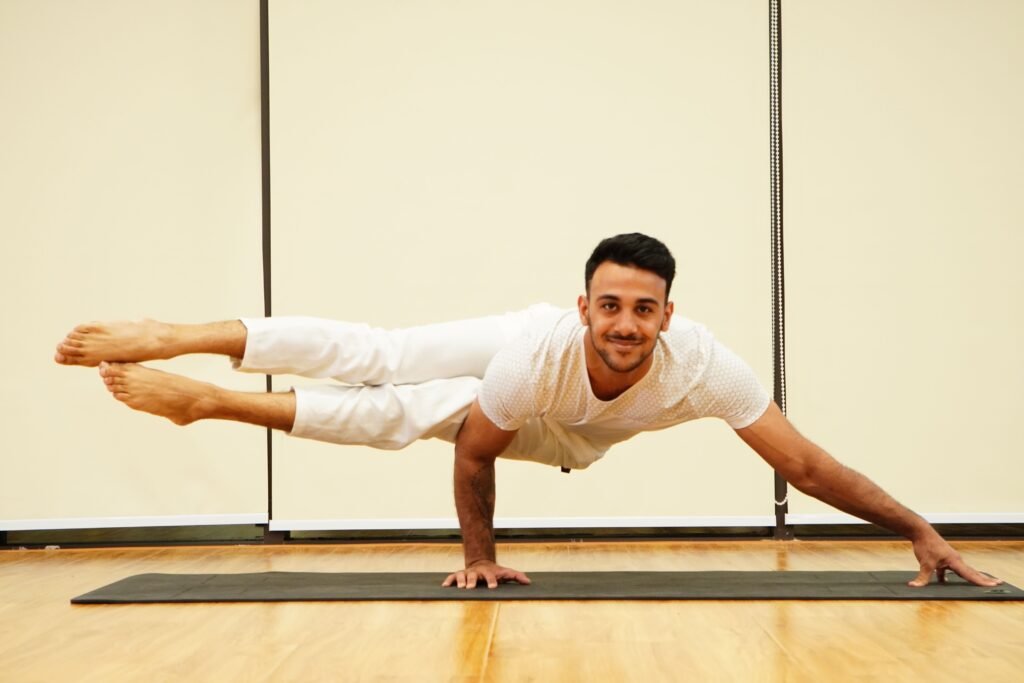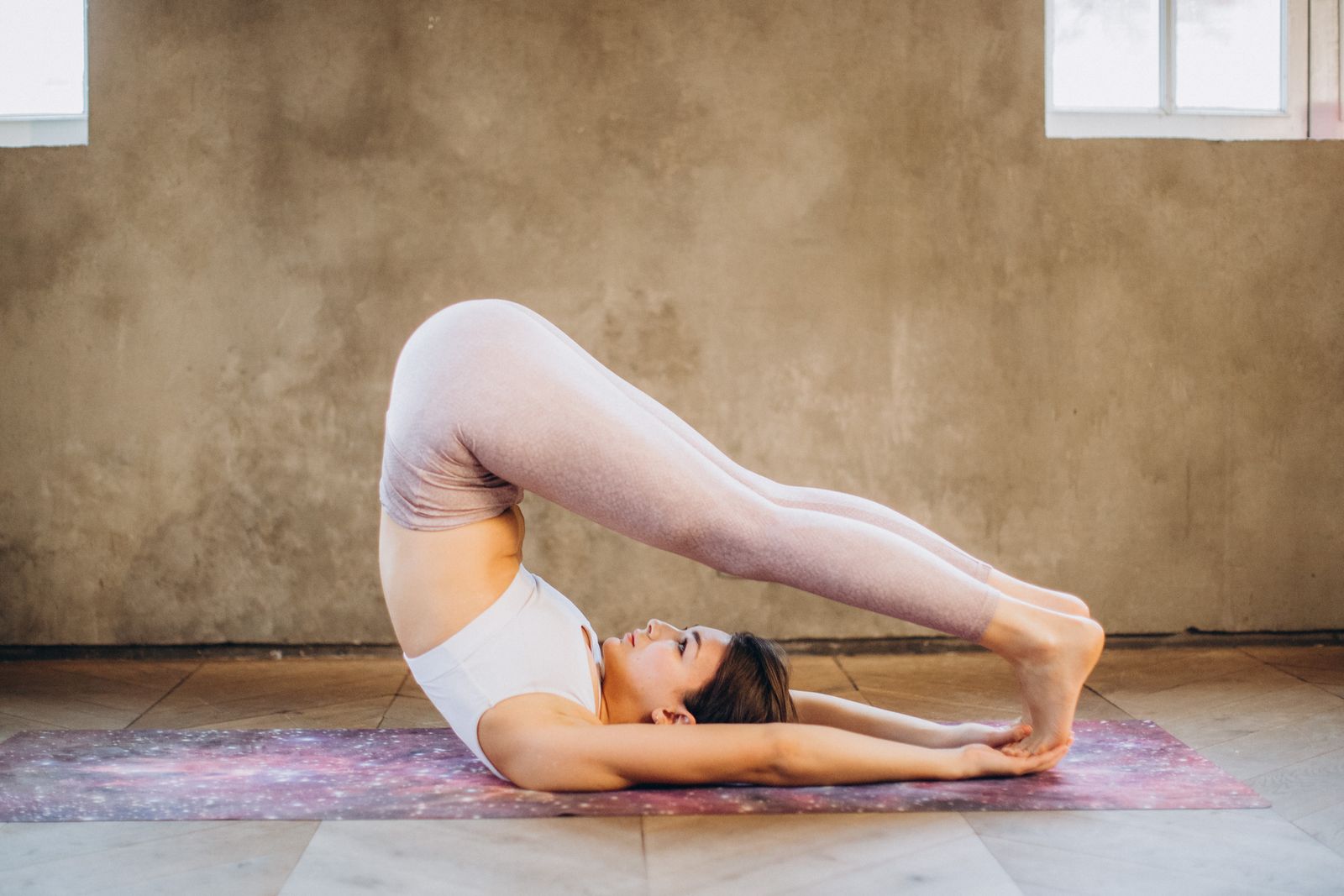
The principles of yoga are the foundational ideas that guide practice on and off the mat: proper exercise, proper breathing, proper relaxation, proper diet, and positive thinking paired with meditation. This five-point framework is commonly associated with the Sivananda yoga tradition, but its roots run deeper into classical yoga philosophy, including the ethical codes of yama and niyama outlined in Patanjali’s Yoga Sutras. Together, these principles describe not just how to move through postures, but how to live in a way that supports steadiness of body and mind.
What Are the Principles of Yoga?
At its core, yoga is built on the idea that physical health, breath, and mental clarity are not separate systems but one interconnected whole. The principles of yoga translate that idea into practical guidance: move the body correctly, breathe with intention, rest deliberately, eat in a way that supports energy rather than draining it, and train the mind toward calm, positive states. These aren’t arbitrary rules. They come from centuries of observation about what actually helps a practitioner feel steadier, clearer, and less reactive to daily stress. Whether someone is new to a studio class or has been practicing for years, these principles function as a checklist for whether a practice is actually working the way it’s meant to.
What Are the 5 Principles of Yoga According to Sivananda?
The five principles of yoga most widely taught today trace back to the Sivananda yoga tradition, popularized by Swami Vishnudevananda, a direct disciple of Swami Sivananda. These five principles of yoga by Sivananda are commonly listed as:
- Proper exercise (asanas) – moving the body through postures with awareness
- Proper breathing (pranayama) – breath work that calms the nervous system
- Proper relaxation (savasana) – deliberate recovery time for body and mind
- Proper diet – sattvic, easy-to-digest food that supports steady energy
- Positive thinking combined with meditation – training the mind toward calm, focused states
Each one addresses a different layer of wellbeing, and the tradition teaches that skipping any single principle weakens the benefit of the others. A person can do a perfect headstand and still feel anxious all day if breathing, rest, diet, and mindset aren’t also addressed.
Principle One: Proper Exercise Through Asana
Proper exercise in yoga doesn’t mean maximum exertion. It means moving the spine and joints through their full, safe range of motion using postures, or asanas, that are held with awareness rather than rushed through. This principle treats the body like a system that needs regular, gentle lubrication rather than sudden intense strain. Sun salutations, seated forward folds, and gentle backbends are common entry points because they touch multiple joints and muscle groups without demanding advanced flexibility. For a broader look at how movement fits into a full practice, see this guide to the benefits of yoga, which breaks down what regular asana practice does for strength, flexibility, and circulation over time.
Principle Two: Proper Breathing With Pranayama
Proper breathing, or pranayama, is the principle that connects physical movement to mental state. Slow, controlled nasal breathing activates the parasympathetic nervous system, which is the body’s rest-and-digest mode, as opposed to short chest breathing which keeps the body in a low-grade stress response. Techniques like ujjayi breath (a soft ocean-like breath through a slightly constricted throat) or simple diaphragmatic breathing are usually taught before advanced pranayama practices like alternate nostril breathing. Anyone exploring this principle further will find it overlaps heavily with dedicated pranayama breathing exercises, which isolate breath work as a standalone practice rather than a supporting piece of an asana class.
Principle Three: Proper Relaxation and Recovery
Proper relaxation is the principle most often skipped, usually because it looks like doing nothing. In the Sivananda framework, deliberate relaxation, most commonly practiced as savasana (corpse pose), is treated as essential recovery time, not an optional add-on at the end of class. The idea is that muscles and the nervous system need a structured window to release tension that exercise alone doesn’t fully resolve. Without this principle, the benefits of the asana and breathing work can be partially undone by a system that never gets the signal to stand down. This is one reason many instructors will not shorten savasana even when a class runs long.
Principle Four: Proper Diet and Sattvic Eating
Proper diet in the yogic tradition centers on what’s called sattvic food: fresh, simple, minimally processed food that’s easy to digest and doesn’t leave the body sluggish or overstimulated. This typically points toward a plant-forward diet, though the emphasis is less about strict rules and more about noticing how different foods affect energy, mood, and digestion during practice. Someone who eats a heavy meal right before a class will usually notice the difference immediately once they attempt a twist or forward fold. This principle asks practitioners to treat food choices as part of the practice itself, not a separate lifestyle decision.
Principle Five: Positive Thinking and Meditation
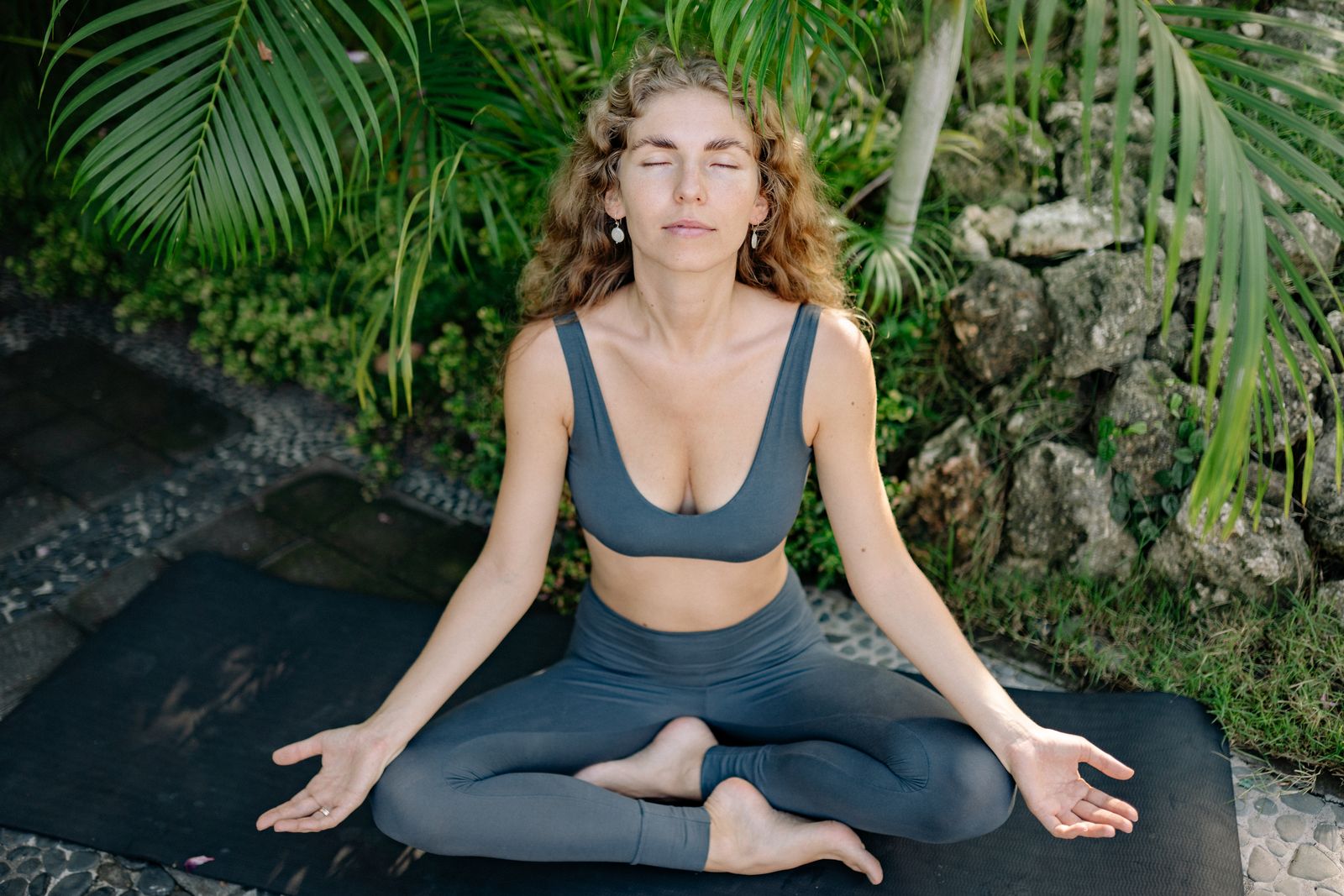
The fifth principle, positive thinking paired with meditation, addresses the mind directly rather than through the body. Meditation here isn’t about emptying the mind entirely; it’s about training attention to return to a single point, whether that’s the breath, a mantra, or a fixed gaze, so mental chatter loses some of its grip. Positive thinking in this context means self-inquiry aimed at reducing negative mental patterns, not forced optimism. This principle is often the hardest to practice consistently because progress is much less visible than a deeper backbend, but practitioners who stick with it tend to report the biggest changes in day-to-day stress reactivity.
What Are the Basic Principles of Yoga Beyond the Five Points?
Outside the Sivananda framework, the basic principles of yoga also draw from Patanjali’s Yoga Sutras, specifically the ethical codes of yama (restraints) and niyama (observances). The five yamas are commonly listed as ahimsa (non-harming), satya (truthfulness), asteya (non-stealing), brahmacharya (energy moderation), and aparigraha (non-grasping). The five niyamas typically include saucha (cleanliness), santosha (contentment), tapas (disciplined effort), svadhyaya (self-study), and ishvara pranidhana (surrender to something greater than oneself). These aren’t postures at all; they’re behavioral guidelines that classical yoga considers just as central to practice as any physical technique. Readers wanting the full philosophical backdrop can start with this overview of what is yoga, which situates these ethical principles within yoga’s broader eight-limbed structure.
How Do the Principles of Yoga Practice Differ From Yoga Philosophy?
The principles of yoga practice are the applied, day-to-day version of yoga philosophy’s much larger framework. Philosophy addresses questions about consciousness, the nature of the self, and the goal of liberation; practice principles translate that into things a person can actually do on a Tuesday morning. Understanding the difference matters because it explains why two people can both call what they do “yoga” while one focuses entirely on flexibility and the other treats it as a full lifestyle discipline. Both are valid entry points, but the deeper principles exist specifically to guide someone from the first version toward the second, if that’s a direction they want to go. For more on the conceptual layer underneath these principles, see this breakdown of yoga philosophy.
What Is the Role of Principles in Yoga Therapy?
The principles of yoga therapy apply the same five-point structure but adapt it to specific health conditions, working alongside or under the guidance of a medical professional. Instead of general asana sequences, a yoga therapist tailors movement to something like lower back pain, anxiety, or post-injury rehabilitation, using proper breathing and relaxation as active tools for symptom management rather than general wellness add-ons. This is a meaningfully different approach from a typical group fitness class, because the goal shifts from broad conditioning to a specific, measurable outcome. Anyone dealing with a specific physical limitation may find more targeted guidance in resources like yoga for back pain or yoga for anxiety, both of which apply these core principles to a defined therapeutic goal.
How Do the Eight Limbs of Yoga Relate to These Principles?
Patanjali’s eight limbs, known as ashtanga in the classical (not the modern vinyasa style) sense, provide the structural map that the five principles sit inside. The eight limbs are yama, niyama, asana, pranayama, pratyahara (withdrawal of the senses), dharana (concentration), dhyana (meditation), and samadhi (absorption). Proper exercise maps to asana, proper breathing maps to pranayama, and positive thinking and meditation map loosely onto dharana and dhyana. Proper diet and relaxation aren’t named limbs but are treated as necessary support systems for the other limbs to function well. Understanding this connection helps explain why the five principles feel complete rather than arbitrary: they’re a simplified, practical entry point into a much older eight-part system. For a deeper dive into this structure, this guide to ashtanga yoga covers each limb in more detail.
Why Do the Principles of Yoga Matter for Beginners?
New practitioners often assume yoga is primarily about touching their toes or holding a pose correctly. The principles reframe that assumption early: a beginner who breathes well, rests deliberately after class, and pays attention to how food affects their energy is applying the principles more fully than someone who can do an advanced pose but ignores everything else. This matters practically because it lowers the barrier to entry. Flexibility takes months or years to build, but proper breathing and relaxation can be practiced from the very first class. Anyone starting out will find a gentler entry point through yoga for beginners or a style like hatha yoga, both of which emphasize foundational principles over advanced postures.
How Do Different Styles of Yoga Apply These Principles Differently?
Not every style of yoga weights the five principles the same way. Recognizing which principle a given style emphasizes helps a practitioner choose a class that matches what they actually need that day, whether that’s an energizing movement session or a nervous-system reset.
| Yoga Style | Principle It Emphasizes | What It Looks Like |
|---|---|---|
| Vinyasa yoga | Proper exercise & breathing | Continuous movement synchronized with breath |
| restorative yoga | Proper relaxation | Props supporting the body in passive, extended holds |
| Online yoga classes in yin yoga | Proper relaxation & breathing | Slower pacing that prioritizes breath and stillness over strength |
How Can You Apply the Principles of Yoga Off the Mat?
The five principles were never meant to stay confined to a yoga mat. Proper exercise can translate into taking regular movement breaks during a workday. Proper breathing can mean pausing for a few slow breaths before a stressful meeting instead of only during class. Proper relaxation might look like protecting a consistent sleep schedule. Proper diet extends naturally into everyday food choices, and positive thinking and meditation can take the form of a five-minute morning practice long before ever stepping onto a mat. Practitioners who start applying even one or two principles outside formal practice time tend to notice the cumulative effect faster than those who treat yoga as something that only happens during a scheduled class.
What Are Common Mistakes When Applying the Principles of Yoga?
The most common mistake is treating proper exercise as the only principle that matters, since it’s the most visible and photographable part of practice. This leads to pushing hard into postures while ignoring breath quality, skipping relaxation to save time, and treating diet and mindset as unrelated topics. Another frequent mistake is expecting the mental and ethical principles, like the yamas and niyamas, to develop automatically just from showing up to asana class. In classical teaching, these require deliberate, separate attention; physical practice alone doesn’t reliably build patience, honesty, or contentment. Recognizing these gaps early tends to make a practice feel more complete and less like exercise with a spiritual label attached.
Questions People Ask About Principles of Yoga
What are the 5 basic principles of yoga?
The five basic principles of yoga, drawn from the Sivananda tradition, are proper exercise (asana), proper breathing (pranayama), proper relaxation (savasana), proper diet, and positive thinking combined with meditation. Together they address the body, breath, and mind as one connected system rather than separate goals.
What are the five principles of yoga by Sivananda?
The five principles of yoga associated with the Sivananda tradition, taught through Swami Vishnudevananda’s teachings, are proper exercise, proper breathing, proper relaxation, proper diet, and positive thinking with meditation. Each principle is considered equally important, and the tradition holds that neglecting any one weakens the overall benefit of practice.
What is the main principle behind yoga practice?
The main principle behind yoga practice is union: bringing body, breath, and mind into a single, coordinated state rather than treating them as separate systems. Every specific principle, from proper exercise to meditation, exists to support that underlying goal of steadiness and integration.
Are the principles of yoga the same as the eight limbs?
Not exactly. The eight limbs (yama, niyama, asana, pranayama, pratyahara, dharana, dhyana, samadhi) come from Patanjali’s classical framework, while the five principles are a simplified, practice-oriented summary popularized by the Sivananda tradition. The five principles map loosely onto several of the eight limbs but aren’t identical to them.
Do you need to follow all five principles to benefit from yoga?
No single principle is mandatory to gain some benefit, but the tradition teaches that combining all five produces more complete and lasting results. Someone who only practices postures may build flexibility and strength but miss out on the stress-regulation benefits that come from proper breathing, relaxation, and mindset work.
How is yoga therapy different from applying general yoga principles?
Yoga therapy applies the same core principles, exercise, breath, relaxation, diet, and mindset, but tailors them to a specific health condition, often under professional guidance. General yoga principles are meant for broad wellbeing, while yoga therapy narrows that same framework toward a defined therapeutic outcome like pain reduction or anxiety management.
Try This for Yourself
Reading about the principles of yoga is useful, but the real shift happens when you feel proper breathing, relaxation, and movement working together in real time. Explore FitStrot’s Online Yoga Classes and experience these five principles guided step by step in a live, structured session.
Related reading: what is yoga, yoga meaning, yoga definition, benefits of yoga, or head to Online Yoga Classes to get started.