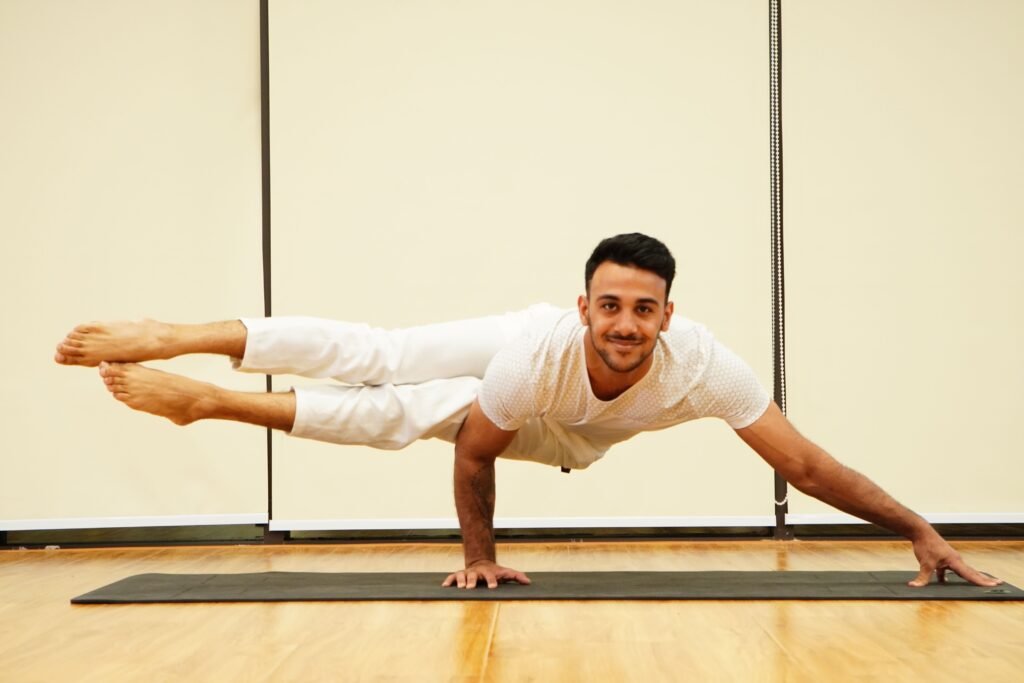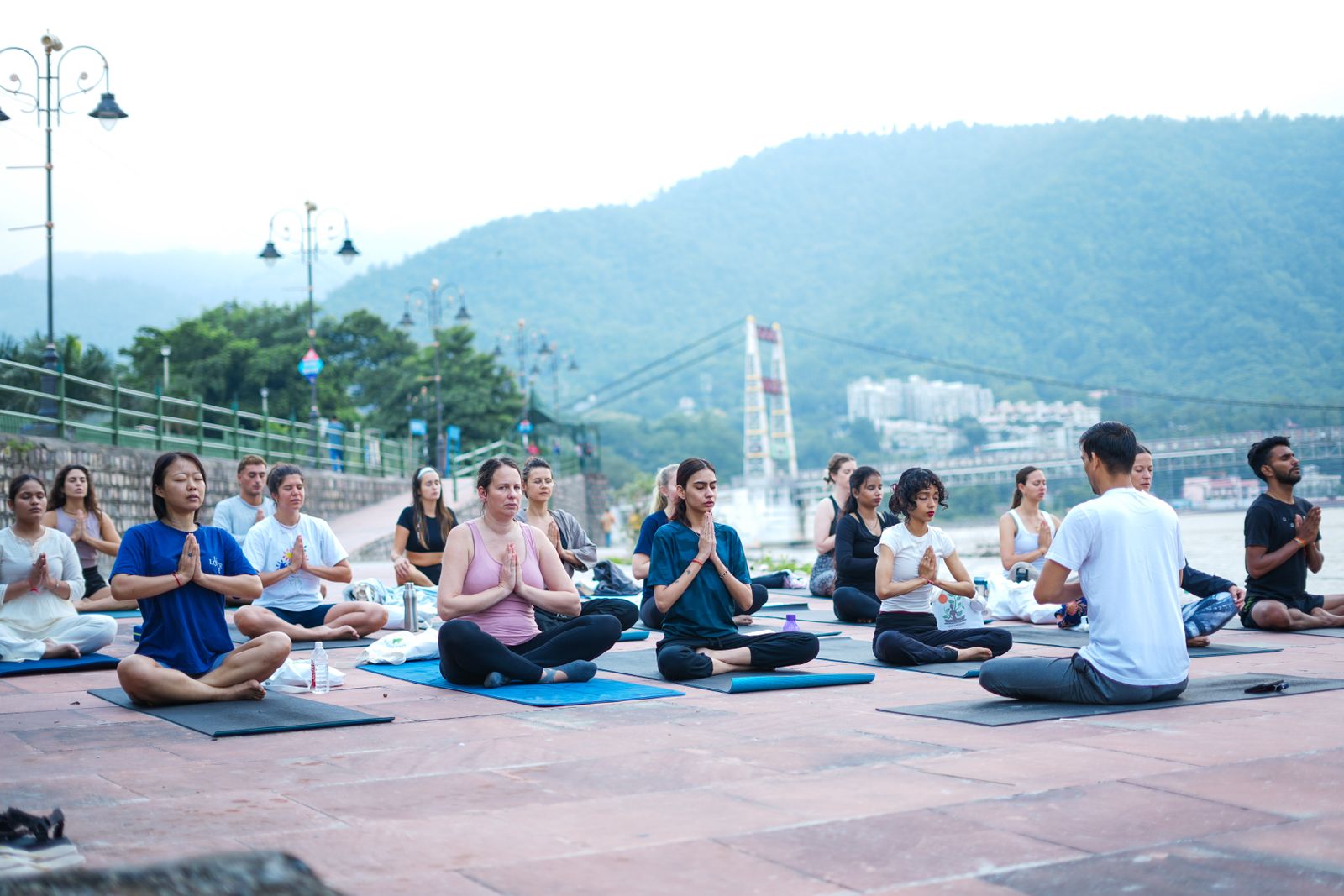
The aim of yoga is to still the fluctuations of the mind and unite body, breath, and awareness so a person can experience calm, clarity, and a steady connection to their own inner self. The physical postures (asana) most people associate with yoga in gyms and studios are only one piece of this picture. At its root, yoga is a complete system aimed at reducing mental restlessness, building self-discipline, and moving a practitioner toward lasting inner peace rather than just physical fitness. Modern practice blends this original aim with real, measurable benefits for strength, flexibility, stress management, and overall health.
What Is the Aim of Yoga, in Simple Terms?
In the simplest terms, the aim of yoga is self-mastery: learning to direct attention, calm the nervous system, and act from a place of clarity instead of reactivity. The word “yoga” itself comes from the Sanskrit root “yuj,” meaning to yoke, join, or unite. That union refers to bringing together the body, breath, and mind so they stop working against each other. Someone practicing a beginner sequence of standing poses and someone sitting for an hour of silent meditation are technically pursuing the same aim, just from different entry points. If you’re new to the practice, it helps to first understand what yoga actually is before exploring its deeper aim, since the two questions are closely linked.
What Did Patanjali Say the Aim of Yoga Was?
The most widely cited classical definition comes from the Yoga Sutras of Patanjali, a foundational text on yoga philosophy. Its second verse defines yoga as “citta vritti nirodha,” commonly translated as “yoga is the stilling of the fluctuations of the mind.” This framing shifts the aim away from physical performance entirely. Patanjali describes yoga less as a set of exercises and more as a mental discipline: a way of quieting the constant chatter, comparison, and distraction that the mind produces so a person can see reality, and themselves, clearly. This is one reason serious students of the practice often study the deeper meaning of yoga alongside the physical sequences.
What Is the Main Aim of Yoga According to the Eight Limbs?
Patanjali organized the path toward this stillness into eight limbs, known as Ashtanga (not to be confused with the modern Ashtanga Vinyasa style). In order, they are:
- Yama — ethical restraints
- Niyama — personal observances
- Asana — posture
- Pranayama — breath control
- Pratyahara — withdrawal of the senses
- Dharana — concentration
- Dhyana — meditation
- Samadhi — a state of deep absorption or union
The main aim of yoga, in this structure, is to progress step by step from ethical living and physical steadiness toward deep meditative states. Asana, the physical postures most familiar in the West, is only the third of eight limbs, a preparation for stillness in longer meditation rather than an end in itself.
Is the Aim of Yoga Spiritual or Physical?
Historically, the aim of yoga was overwhelmingly spiritual and psychological rather than physical. Early yoga traditions in India developed as a path toward liberation (moksha) and self-realization, with the body treated as a vehicle to be steadied and refined so meditation could go deeper, not as the primary focus. Physical fitness was a side effect, not the goal. Contemporary practice has broadened this considerably: many people today come to yoga purely for flexibility, strength, or stress relief, and that is a legitimate and valuable use of the practice. Both aims can coexist. A single class can build hamstring flexibility and calm an anxious nervous system at the same time, which is part of why the benefits of yoga span both physical and mental health categories.
How Does the Aim of Yoga Differ From the Aim of Exercise?
Conventional exercise generally aims at measurable physical outputs: burning calories, building muscle, improving cardiovascular endurance. Yoga can produce all of these outcomes too, but its stated aim is different by design. Where a workout program tracks reps, sets, and heart rate zones, a yoga practice tracks the quality of attention brought to each movement and breath. This is why the same posture held for the same number of seconds can be “exercise” in one context and “yoga” in another, depending on whether it’s paired with focused breath awareness and stillness of mind. Practitioners exploring yoga versus regular exercise often find this distinction is what keeps them coming back to the mat long after a typical gym routine gets abandoned.
What Are the Four Paths Yoga Uses to Reach Its Aim?
Classical yoga philosophy describes four major paths, each aimed at the same destination of self-realization but suited to different temperaments:
- Karma yoga — the path of selfless action, performing duties without attachment to the outcome
- Bhakti yoga — the path of devotion and love directed toward a higher ideal
- Jnana yoga — the path of knowledge and self-inquiry
- Raja yoga — sometimes called the “royal path,” the meditative and psychological path most closely associated with Patanjali’s eight limbs
Hatha yoga, the physical-postural tradition most gyms and studios teach today, is generally considered a preparatory branch of raja yoga, designed to make the body strong and steady enough to sit in meditation for extended periods. If you want a broader map of these traditions, see this breakdown of the types of yoga and how each one approaches the same underlying aim.
Why Does Modern Yoga Focus So Much on Posture?
Hatha yoga, which underlies most Western studio classes, developed specifically to prepare the physical body for long periods of stillness. Over centuries, and especially through the 20th-century popularization of yoga in India and the West, the postural (asana) component expanded dramatically while some of the philosophical and meditative limbs receded into the background for mainstream practitioners. This isn’t a departure from yoga’s aim so much as a natural specialization: a strong, flexible, pain-free body makes it far easier to sit comfortably and breathe steadily, which is exactly what the earlier stages of practice were meant to support. Styles like Hatha yoga and Vinyasa yoga both trace back to this same postural lineage, even though they feel quite different in pace and intensity.
What Role Does Breath Play in Reaching Yoga’s Aim?
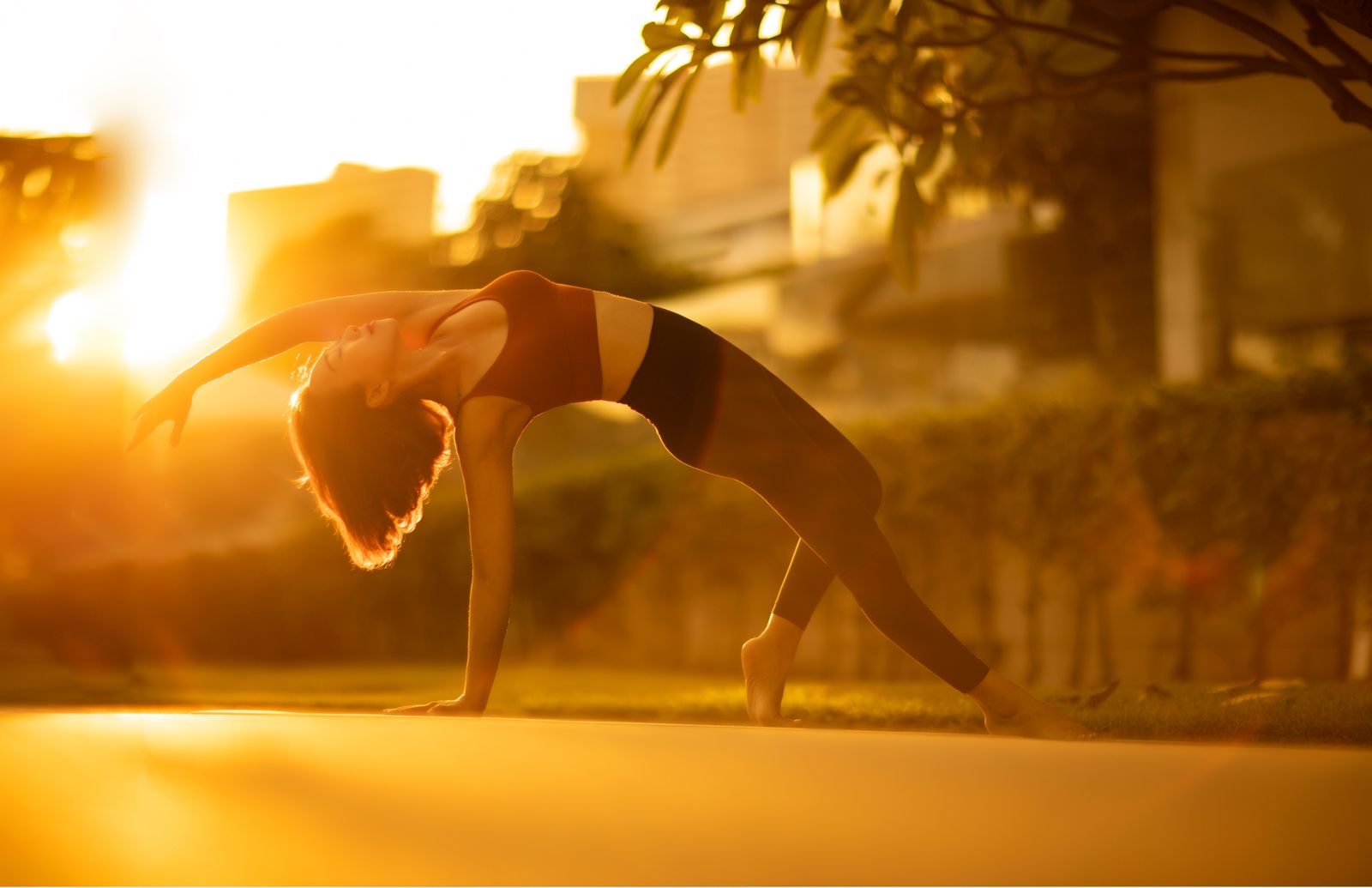
Breath control, or pranayama, is the fourth limb and one of the most direct tools for reaching yoga’s core aim of a stilled mind. The nervous system and breathing pattern are tightly linked: shallow, rapid breathing activates the sympathetic “fight or flight” response, while slow, controlled breathing activates the parasympathetic system associated with calm and recovery. This is why a simple technique like extending the exhale longer than the inhale can shift how a person feels within a few minutes. Structured practices such as pranayama breathing techniques are often taught as a bridge between physical postures and deeper meditation, precisely because breath is something a person can consciously control in a way the mind often cannot.
How Does Meditation Connect to the Aim of Yoga?
Meditation (dhyana) is the seventh of the eight limbs and sits directly on the path toward the ultimate aim of yoga: a settled, undistracted mind. Where concentration (dharana, the sixth limb) involves deliberately fixing attention on one point, meditation is the natural, sustained continuation of that focus without the same degree of effort. Many people practicing physical yoga postures never formally sit for meditation, yet the calm, present-moment awareness cultivated in a well-taught asana class is essentially a moving form of the same skill. This is why pairing a physical practice with even five to ten minutes of seated stillness, as covered in guides to yoga for meditation, tends to deepen the benefits of both.
Does the Aim of Yoga Change Depending on the Style?
The underlying aim stays consistent, but the emphasis shifts noticeably across styles. A restorative or Yin yoga class aims squarely at nervous-system regulation and deep tissue release through long, passive holds. A fast-paced power yoga or Ashtanga yoga class leans harder into building strength, heat, and discipline. Kundalini yoga emphasizes breathwork, chanting, and energetic awakening more than alignment-focused postures. None of these contradict yoga’s core aim of uniting body and mind; they simply represent different doorways into the same room, chosen based on a practitioner’s goals, personality, and physical needs on a given day.
What Does Science Say About Whether Yoga Achieves Its Aim?
Research on yoga has generally supported its traditional aim of calming the mind and body, even when studies are designed around modern health metrics rather than ancient philosophy. Multiple studies referenced by the National Center for Complementary and Integrative Health have linked regular yoga practice with reduced perceived stress, improved sleep quality, and better management of mild anxiety symptoms, alongside physical benefits like improved flexibility and balance. Researchers generally attribute these effects to the combination of controlled breathing, physical movement, and focused attention working together, which lines up closely with yoga’s original design as a practice that unites body, breath, and mind rather than treating them separately. For readers who want a fuller picture, this overview of yoga and mental health lays out what the research does and doesn’t support.
Can Yoga’s Aim Be Achieved Without the Spiritual Elements?
Yes, and this is one of the most practical distinctions for beginners to understand. A person can absolutely gain calm, focus, flexibility, and stress relief from yoga without adopting any particular philosophical or spiritual framework. Many online yoga classes are taught in a completely secular, fitness-oriented style, and that’s a legitimate way to engage with the practice. At the same time, understanding the original aim, cultivating a still, undistracted mind, tends to change how a person approaches even a purely physical class, often making the difference between yoga that feels like just another workout and yoga that leaves someone genuinely calmer afterward.
How Can a Beginner Start Working Toward Yoga’s Aim?
The most reliable starting point is consistency over intensity. A short daily practice, even 15 to 20 minutes of gentle postures paired with slow breathing, moves a beginner toward yoga’s core aim faster than an occasional 90-minute class. It helps to pick one simple focus for the first few weeks, such as noticing the breath during each posture, rather than trying to master alignment, breathing, and meditation all at once. Reading through a guide like yoga for beginners or a beginner yoga poses list can help remove the guesswork, so the mental energy goes toward stillness and breath rather than remembering sequences.
What Common Poses Support Yoga’s Underlying Aim?
Certain foundational poses are taught precisely because they build the physical steadiness that supports yoga’s mental and meditative aims. Simple seated postures used for breathing and meditation, standing balance poses like tree pose that train focused attention, and grounding poses like child’s pose or downward-facing dog that encourage slow, steady breathing all serve this same underlying purpose. None of these poses are the aim of yoga by themselves; they are tools that make the mind quieter and more available for the deeper stillness the tradition is built around.
Questions People Ask About the Aim of Yoga
What is the aim of yoga?
The aim of yoga is to still the fluctuations of the mind and unite body, breath, and awareness, leading to greater calm, clarity, and self-understanding. While physical benefits like strength and flexibility are common outcomes, yoga’s traditional aim centers on mental steadiness and inner peace rather than fitness alone.
What is the main aim of yoga?
The main aim of yoga, as described in Patanjali’s Yoga Sutras, is “citta vritti nirodha,” the stilling of mental fluctuations. This is pursued through the eight limbs of yoga, moving from ethical conduct and physical posture toward concentration, meditation, and a state of deep, settled awareness.
What’s the aim of yoga?
Yoga’s aim is to bring the body, breath, and mind into a unified, balanced state rather than treating them as separate. This union reduces mental restlessness and reactivity, which is why consistent practice often leaves people feeling calmer and more focused, not just physically looser or stronger.
Is the aim of yoga to lose weight or get fit?
Physical fitness and weight management can be genuine side effects of a consistent yoga practice, but they aren’t yoga’s original aim. Traditional yoga is centered on mental stillness and self-awareness. Modern styles like power yoga do lean more heavily into fitness outcomes while still incorporating breath and focus.
Why do people practice yoga if the aim is mental, not physical?
Many people start yoga for physical reasons, flexibility, strength, or stress relief, and that’s a completely valid entry point. Over time, most practitioners notice the mental benefits, calmer reactions, better focus, more restful sleep, become just as valuable as the physical ones, which is often what keeps a practice going long-term.
Try This for Yourself
Reading about yoga’s aim is useful, but experiencing the shift from a restless mind to a calm one happens on the mat, not in an article. If you’d like guided support in building a practice around breath, posture, and stillness rather than just stretching, explore FitStrot’s online yoga classes and work with an instructor who can tailor sessions to your goals, whether that’s stress relief, flexibility, or simply a quieter mind.
Related reading: What Is Yoga?, The Meaning of Yoga, Yoga Definition Explained, Benefits of Yoga, and FitStrot’s Online Yoga Classes.