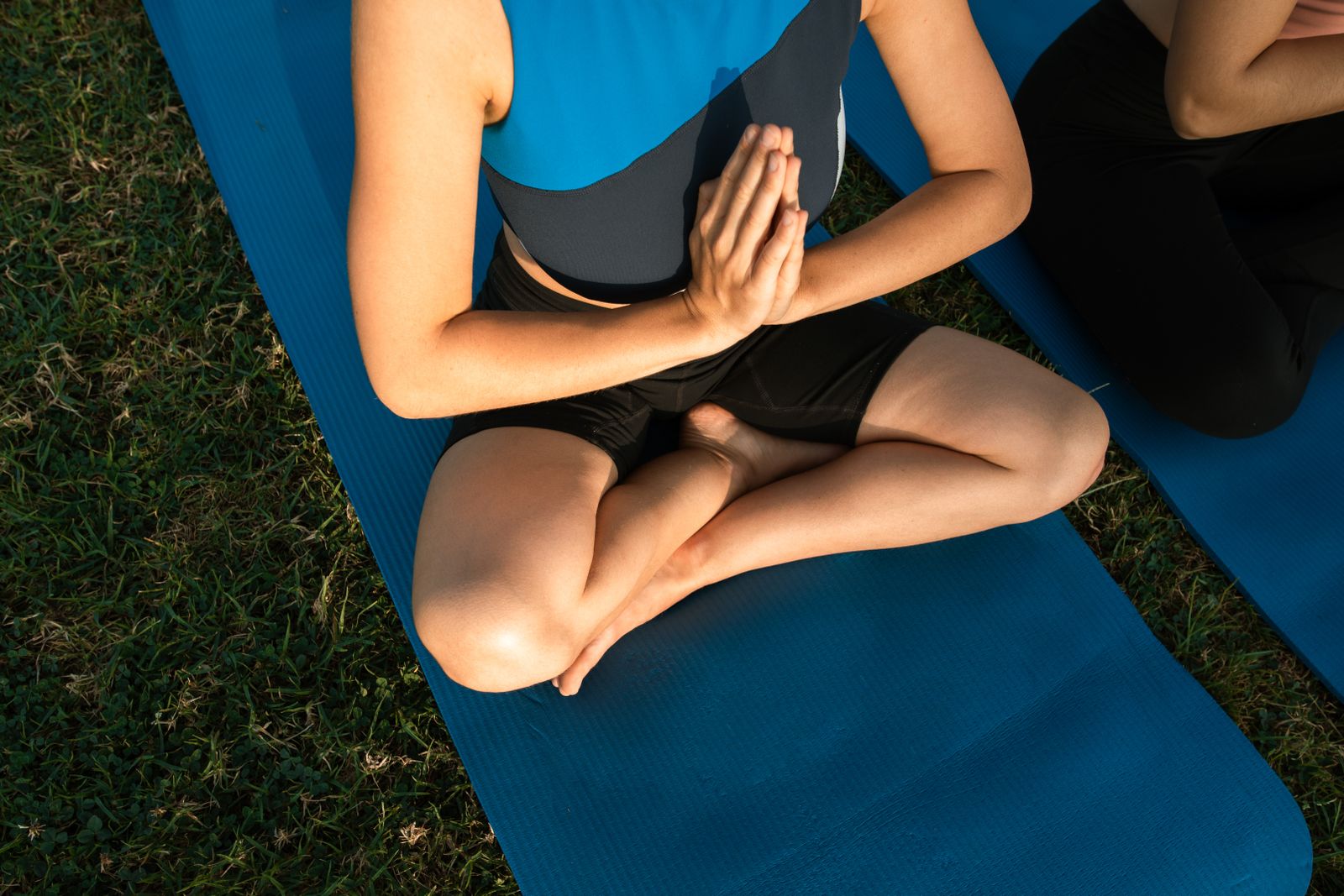
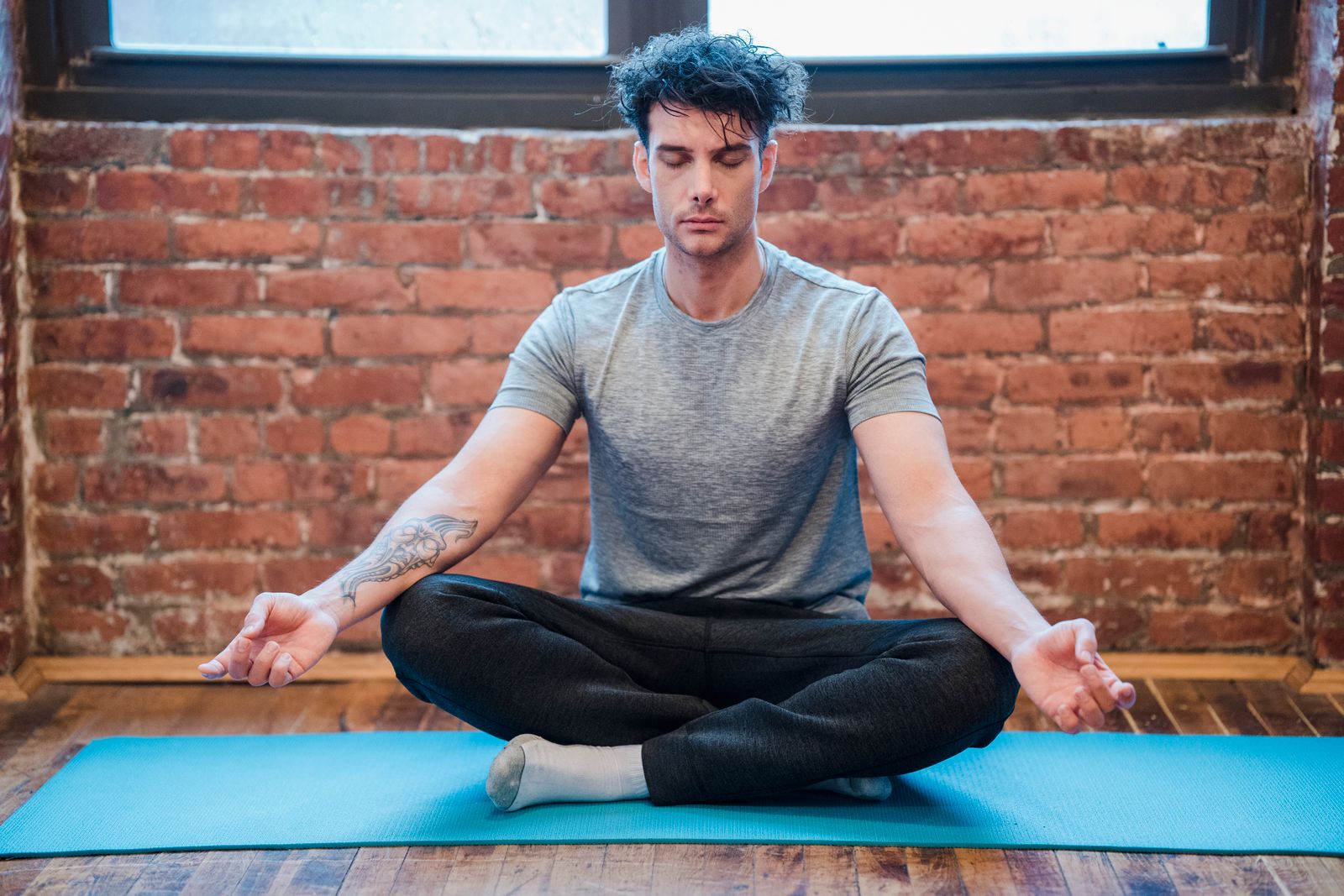
Sukhasana, commonly called Easy Pose, is a simple cross-legged seated posture used as a foundation for meditation, pranayama, and the start or close of most yoga sessions. To practice it, sit on the floor or a folded blanket, cross your shins so each foot tucks beneath the opposite knee, lengthen your spine upright, rest your palms on your knees, and breathe steadily. Despite the name, sukhasana is not always “easy” for tight hips or a stiff lower back, which is why props like a cushion or folded blanket under the hips make a real difference. It builds hip flexibility, improves posture, and calms the nervous system, making it one of the most practiced yoga poses in the world.
What Does Sukhasana Mean in Sanskrit?
The name comes from two Sanskrit words: “sukha,” meaning ease, comfort, or happiness, and “asana,” meaning seat or posture. Put together, sukhasana translates roughly to “easy seat” or “pleasant pose.” The word “sukha” itself is built from “su” (good) and “kha” (space or axle hole), an old reference to a smoothly turning wheel — a fitting image for a pose that is meant to let the body settle into stillness without strain. In classical hatha yoga texts, sukhasana appears as one of the foundational seated postures, alongside padmasana (lotus pose) and siddhasana (accomplished pose), used primarily to prepare the body for longer periods of stillness in meditation and breathwork rather than as a peak pose in itself.
How Do You Perform Sukhasana Correctly?
Follow these steps to set up sukhasana with correct alignment:
- Sit on the floor with your legs extended in front of you.
- Bend both knees and slide your feet in, crossing your right shin in front of your left (or the reverse), so each foot rests loosely beneath the opposite shin or knee rather than stacked in your lap.
- Root your sit bones evenly into the mat, then lengthen your spine from the base up through the crown of your head.
- Draw your shoulders down and back to open the chest, and tuck your chin very slightly.
- Rest your hands on your knees in gyan mudra (thumb and index finger touching) or simply palms down.
- Let your breath settle into a slow, even rhythm through the nose.
- Hold anywhere from one to five minutes to start, working up to longer as your hips and lower back adapt.
What Are the Physical Benefits of Sukhasana?
Sukhasana works gently but consistently on several areas of the body. Held regularly, it opens the hips through external rotation, stretches the inner groin and adductors, and gradually improves the range of motion needed for deeper seated postures like padmasana or baddha konasana. It also strengthens the muscles that support an upright spine, since holding the position with an active back trains postural endurance rather than passive slumping. Many teachers note it can ease mild tension in the lower back and knees when practiced with proper hip elevation, and it is frequently recommended as a gentler alternative to full lotus for people building flexibility over time. It pairs well with other grounding postures such as tadasana for overall postural awareness.
What Are the Mental and Emotional Benefits of Sukhasana?
Because sukhasana removes the physical distraction of standing balance or complex alignment, it frees attention for breath and mind. Sitting upright and still in this pose activates a parasympathetic response for many practitioners, slowing the breath and heart rate, which is part of why it is the default posture for pranayama and seated meditation. Long-time practitioners often describe a sense of quiet focus and reduced mental chatter after even a short session. It is commonly used at the start of a class to transition the mind from daily activity into practice, and at the end to integrate the effects of the session, making it a bridge pose between movement and stillness within a broader mindfulness practice.
Who Should Avoid or Modify Sukhasana?
Sukhasana is generally low-risk, but it is not automatically comfortable for everyone. People with knee injuries, meniscus damage, or significant hip stiffness may feel strain in the joints when the knees are forced toward the floor, and should raise the hips higher on a cushion or bolster, or sit on a chair instead. Those with sciatica or chronic lower back pain sometimes find prolonged sitting in this position aggravates symptoms if the pelvis tips backward; propping the hips above knee level usually corrects this. Anyone recovering from hip or knee surgery should check with a healthcare provider before resuming cross-legged sitting. If you feel sharp or pinching pain rather than a mild stretch, come out of the pose and try a supported variation instead.
What Props Make Sukhasana More Accessible?
The single most useful prop is height under the hips. Sitting on a folded blanket, a firm cushion, or a yoga bolster raises the pelvis above the knees, which tips the pelvis into a more neutral, upright position and immediately reduces strain on the lower back. If the knees float far above the floor, placing folded blankets or yoga blocks under each knee gives the legs support instead of letting them hang unsupported, which reduces pulling on the hip joints over a long hold. For anyone who finds floor-sitting genuinely uncomfortable, practicing the same upright spine and breath pattern seated in a chair with feet flat on the floor delivers most of the same postural and breathing benefits. This modification approach mirrors the prop strategies used in gentler practices like restorative yoga and yin yoga.
How Is Sukhasana Different From Padmasana and Vajrasana?
Sukhasana, padmasana, and vajrasana are all seated postures, but they place very different demands on the joints.
| Pose | Leg Position | Flexibility Needed | Best For |
|---|---|---|---|
| Sukhasana (Easy Pose) | Shins cross, feet tucked under the opposite knees | Moderate hip flexibility | Beginners, long meditation sessions |
| Padmasana (Lotus Pose) | Each foot rests on the opposite thigh | Significant hip rotation and ankle flexibility | Advanced practitioners with open hips |
| Vajrasana (Thunderbolt Pose) | Kneeling, hips resting back on the heels | Knee and ankle mobility, not hip rotation | Seated stability without crossed legs |
For most beginners and for long meditation sessions, sukhasana is the more sustainable choice, while padmasana is typically introduced only after the hips have opened significantly through consistent practice.
When Should You Practice Sukhasana in a Yoga Session?
Sukhasana most commonly appears at the very start and the very end of a class. At the beginning, it gives practitioners a few quiet breaths to settle in before moving into a warm-up or a flow such as surya namaskar (sun salutations). At the close of a session, returning to sukhasana for a few minutes of stillness helps integrate the effects of the practice before transitioning into final relaxation or savasana. It is also the standard base posture for standalone meditation and breathing sessions that are not attached to a full asana practice, and many teachers use it as the seated anchor pose in online yoga classes where students may not have a studio floor or props readily available.
Can Beginners Do Sukhasana Safely?
Yes, sukhasana is typically one of the first postures taught to complete beginners precisely because it does not require balance, strength, or advanced flexibility. The main skill for a beginner to build is patience with hip mobility: tight hips are common for anyone who spends long hours sitting in chairs, and the pose will feel more restrictive at first than it will after a few weeks of regular practice. Beginners should prioritize an elevated seat over trying to flatten the knees to the floor, since forcing the position defeats the purpose of a pose whose name literally means “ease.” Starting with short holds of one to two minutes and gradually building duration is a sensible approach, similar to how beginners are guided into other foundational standing postures like vrksasana.
What Muscles Does Sukhasana Stretch and Strengthen?
The primary stretch in sukhasana targets the hip external rotators, the adductors (inner thigh muscles), and to a lesser degree the muscles around the knees and ankles as they adapt to the crossed position. On the strengthening side, holding an upright spine engages the deep core stabilizers and the erector spinae muscles that run along the back, since there is no chair or wall to lean against. The muscles around the shoulder blades also engage lightly to keep the chest open rather than collapsed, which reinforces the same postural muscles trained in standing poses. Over time, this combination of stretch and light strengthening is part of why sukhasana is often recommended as a maintenance pose for people who deal with back pain from prolonged sitting.
How Does Sukhasana Support Better Posture Off the Mat?
Because the pose has no backrest, it trains the body to find its own vertical alignment through muscular effort rather than passive support. Practicing this regularly builds an awareness of where the spine naturally wants to slump forward, particularly at the lower back and neck, and teaches the small corrective adjustments needed to counter it. Many people carry this awareness into daily life, noticing and correcting slouched sitting at a desk or while driving. This carryover effect is one reason sukhasana is often paired with broader discussions of posture correction in yoga for posture programs and recommended for office workers dealing with the effects of long sedentary hours.
Can Sukhasana Be Combined With Breathing Exercises?
Sukhasana is the default seat for almost every seated pranayama technique because it keeps the spine upright and the chest open, both of which are necessary for full, unobstructed breathing. Techniques like alternate nostril breathing (nadi shodhana), the calming exhale-focused practice of ujjayi breathing, and simple diaphragmatic breathing are all commonly taught while seated in easy pose. Combining the posture with breathwork amplifies the calming effect on the nervous system, since the stable seated base allows full attention to shift to the length and rhythm of each inhale and exhale rather than balance or discomfort. This pairing is a core building block in most hatha yoga curricula.
Questions People Ask About Sukhasana
Is sukhasana the same as sitting cross-legged?
Sukhasana is a more deliberate version of ordinary cross-legged sitting. While casual cross-legged sitting often lets the spine round and the shoulders slump, sukhasana specifically calls for an elevated hip position, an upright active spine, relaxed shoulders, and steady breath. The shape of the legs is similar, but the alignment and intention behind it are what make it a yoga posture rather than a casual resting position.
How long should you hold sukhasana?
Beginners typically start by holding sukhasana for one to three minutes and build up gradually as hip flexibility and postural endurance improve. For meditation or pranayama sessions, experienced practitioners may sit in the pose for ten minutes or longer, alternating which shin crosses in front periodically to keep the hips balanced on both sides over time.
Why do my knees hurt in sukhasana?
Knee discomfort in sukhasana usually comes from the hips sitting too low relative to the knees, which forces the knee joint to compensate for limited hip rotation. Raising the hips on a cushion or folded blanket, and supporting the knees with blocks if they float above the floor, typically resolves this. Persistent sharp pain, rather than mild stretching sensation, is a signal to stop and modify further or consult a professional.
Can sukhasana help with anxiety?
Many practitioners report that sukhasana helps reduce anxious feelings, largely because the stable, upright seated position supports slower, deeper breathing, which can shift the body toward a calmer physiological state. It is often used as the seated posture for guided relaxation or breathing exercises aimed specifically at stress reduction, though it works best as one part of a broader stress-management routine rather than a standalone fix.
What is the difference between sukhasana and padmasana?
Sukhasana simply crosses the shins with feet tucked beneath the opposite knees, requiring only moderate hip flexibility. Padmasana, or full lotus, requires each foot to rest on top of the opposite thigh, which demands considerably more hip and ankle flexibility. Sukhasana is generally considered accessible to beginners, while padmasana is an advanced variation usually approached only after sustained hip-opening practice.
Should you use a cushion for sukhasana?
Yes, for most practitioners a cushion, folded blanket, or bolster under the hips makes sukhasana noticeably more comfortable and sustainable. Elevating the hips above the knees tips the pelvis forward into a neutral position, which reduces strain on the lower back and makes it far easier to maintain an upright spine for longer holds without fatigue or discomfort.
Try This for Yourself
Reading about sukhasana only goes so far — the real shifts in hip mobility, posture, and calm come from consistent, guided practice. If you want personalized feedback on your alignment and a structured path from easy pose into deeper seated postures, try an online yoga class with FitStrot and work with an instructor who can adjust your setup in real time.
Related reading: yoga poses, surya namaskar, tadasana, vrksasana, and FitStrot’s online yoga classes.