Ujjayi breathing is a slow, diaphragmatic breathing technique in which you gently constrict the back of your throat to create a soft, audible hissing sound on both the inhale and exhale, similar to ocean waves or a distant whisper. Practiced widely in hatha and vinyasa yoga, ujjayi (pronounced oo-JAI, meaning “victorious” in Sanskrit) helps regulate the length and depth of each breath, keeps the mind anchored during asana practice, and activates the parasympathetic nervous system to support calm, focused movement. It is typically done through the nose with the mouth closed, and can be practiced on its own while seated or layered underneath a full yoga sequence.
What Exactly Is Ujjayi Breath?
Ujjayi breath is a pranayama (breath control) technique built on a subtle narrowing of the glottis, the space between the vocal cords at the back of the throat. As air passes through this slightly narrowed passage, it creates friction, producing the characteristic soft rushing sound. Unlike normal quiet breathing, ujjayi is intentionally audible to the practitioner, though it should never sound strained or forced to anyone standing nearby. The name itself comes from the Sanskrit root “ji” (to conquer or be victorious) combined with the prefix “ud” (upward or expanding), so ujjayi is often translated as “victorious breath” or “the breath of the ocean.” In many traditional pranayama texts it sits alongside techniques like kapalbhati and bhramari pranayama as one of the foundational breath practices taught before more advanced breathing exercises are introduced.
How Do You Actually Practice Ujjayi Breathing?
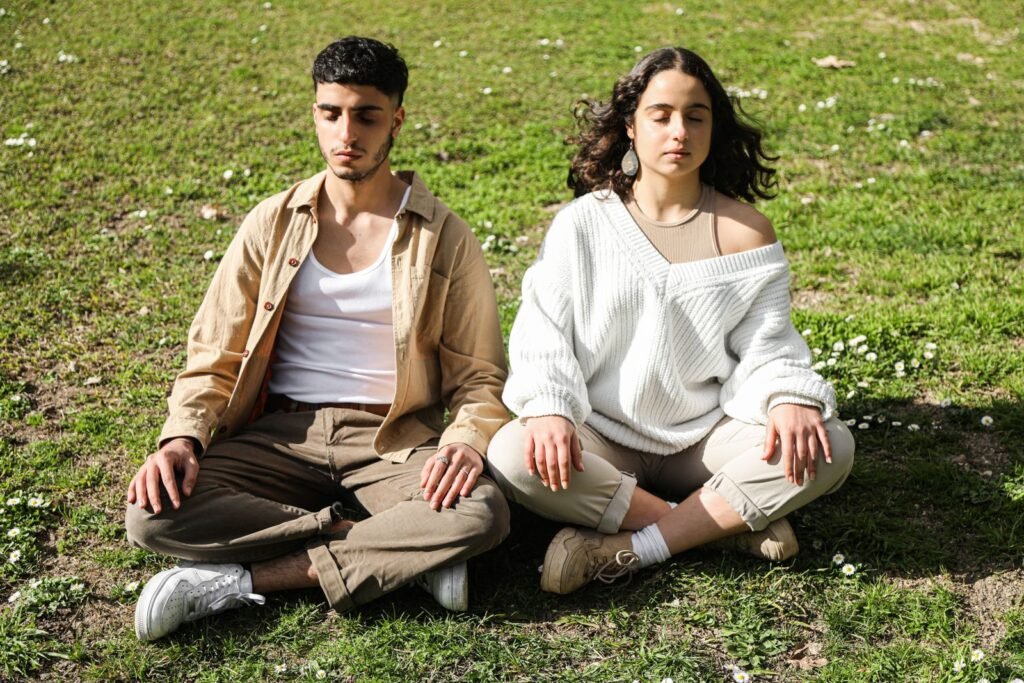
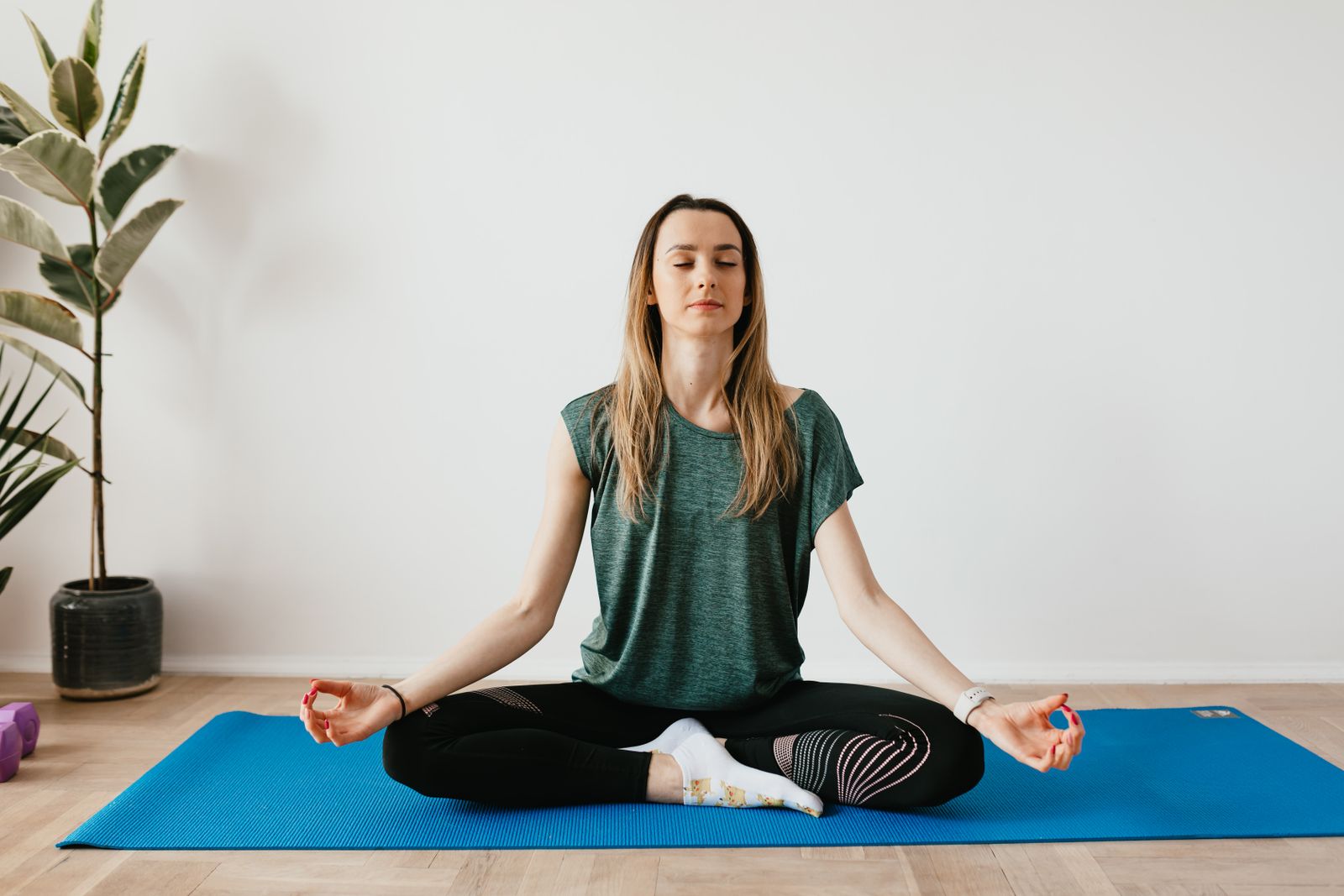
Begin seated in a comfortable cross-legged position or in a chair with your spine tall. Close your eyes and breathe naturally through your nose for a few rounds. Next, open your mouth and exhale slowly while whispering the sound “haaa,” as if fogging up a mirror or window. Notice the slight constriction at the back of your throat that creates this sound. Now close your mouth and try to recreate that same gentle throat constriction while breathing through your nose, on both the inhale and the exhale. The resulting sound should be soft and even, never harsh or forced. Once you can hold that throat position consistently, ujjayi becomes something you layer under your normal breath during a full yoga practice, including standing poses, seated yoga mudra work, and floor sequences.
Why Does Ujjayi Breathing Make That Ocean Sound?
The sound comes from a partial narrowing of the glottis combined with slight engagement of the epiglottis, which sits just above the vocal cords. This narrowing does two things: it slows the rate of airflow, which naturally extends the length of each breath, and it creates audible friction as air moves past the narrowed passage. Many teachers describe the resulting tone as similar to waves receding on a beach, which is why ujjayi is sometimes called “ocean breath” in English-language yoga classes. The sound also functions as a built-in feedback loop. If the sound becomes ragged, breathy, or disappears entirely, it usually signals that your pace has outrun your breath capacity and you need to slow the movement down to match the breath, rather than the other way around.
What Are the Main Benefits of Ujjayi Breathing?
Ujjayi breathing offers benefits that span the nervous system, the respiratory system, and the quality of a physical practice:
- Nervous system regulation: The slow, even rhythm of ujjayi is commonly associated with activating the parasympathetic nervous system, which governs the body’s rest-and-digest response, helping counterbalance the fight-or-flight stress response that dominates much of modern daily life.
- Improved focus during asana: Because the breath is audible, it gives the mind a constant point of reference, similar to a mantra, which is one reason ujjayi is used so heavily in moving practices like vinyasa yoga and ashtanga yoga.
- Better breath-movement pacing: The audible feedback naturally discourages rushing through poses, which supports smoother transitions and more mindful sun salutations.
- Increased lung capacity over time: Regular practice trains longer, fuller inhales and exhales, which some practitioners find useful alongside general benefits of yoga for cardiovascular and respiratory health.
- Internal heat and steadiness: Traditional texts describe ujjayi as building internal heat (tapas), which is why it’s frequently combined with vigorous flow sequences rather than restorative ones.
Some early research has examined ujjayi’s effects on measures like heart rate variability and autonomic nervous system balance, with several small studies suggesting favorable shifts toward parasympathetic dominance after regular practice. As with most pranayama research, sample sizes tend to be modest, so these findings are best understood as promising rather than definitive, and ujjayi should complement, not replace, medical care for any diagnosed condition.
How Is Ujjayi Different From Normal Breathing?
Normal quiet breathing is silent, shallow, and largely unconscious; you rarely notice it unless you deliberately pay attention. Ujjayi breathing is the opposite on every count: it is audible, deliberately deepened, and fully conscious from the first breath to the last. Normal breathing also tends to be irregular in length, speeds up under stress, and moves primarily in the upper chest for many people. Ujjayi, by contrast, is trained to be slow, even, and diaphragmatic, meaning the belly and lower ribs expand outward on the inhale rather than just the chest rising. This is part of why ujjayi is often taught alongside broader diaphragmatic breathing instruction, since the throat constriction is really just one layer added on top of a more fundamental full-breath pattern.
Can Ujjayi Breathing Help With Anxiety and Stress?
Many practitioners and teachers report that ujjayi has a calming effect during moments of stress, largely because slow, controlled breathing patterns are well documented to influence the autonomic nervous system. The audible, rhythmic quality of ujjayi gives the mind something concrete to focus on, which can interrupt anxious thought loops in a way that silent breathing sometimes doesn’t. It is frequently taught as a portable tool: something you can quietly practice on a train, before a stressful meeting, or during a difficult conversation without anyone else noticing, since the sound can be made almost silent to an outside listener while still being audible to you. For a broader toolkit of calming techniques, see our guide to yoga for anxiety and yoga for stress relief.
When Should You Practice Ujjayi Breathing?
Ujjayi can be practiced in two main contexts. The first is as a standalone pranayama session, seated quietly for five to ten minutes, often as part of a broader meditation for beginners routine or before formal seated meditation. The second, more common context is layered underneath an active asana practice, where it runs continuously through hatha yoga or vinyasa-style sequences. Some teachers also recommend a few rounds of ujjayi immediately upon waking to help shift the nervous system out of a groggy state, and again before bed as a wind-down technique, similar in spirit to how yoga nidra is used for evening relaxation.
Is Ujjayi Breathing Safe for Everyone?
Ujjayi is generally considered a gentle, low-risk technique appropriate for most healthy adults, including relative beginners to pranayama. However, a few groups should approach it cautiously or check with a qualified teacher or doctor first: people with uncontrolled high or low blood pressure, those with certain heart conditions, pregnant practitioners (particularly in the context of forceful or prolonged practice), and anyone with significant respiratory conditions such as severe asthma or COPD. The throat constriction should always remain gentle; if you notice straining, light-headedness, or discomfort in the throat or chest, ease off immediately and return to normal breathing. As with any pranayama for beginners practice, starting with shorter rounds and building gradually is safer than attempting long sessions from day one.
How Does Ujjayi Breathing Support a Vinyasa or Flow Practice?
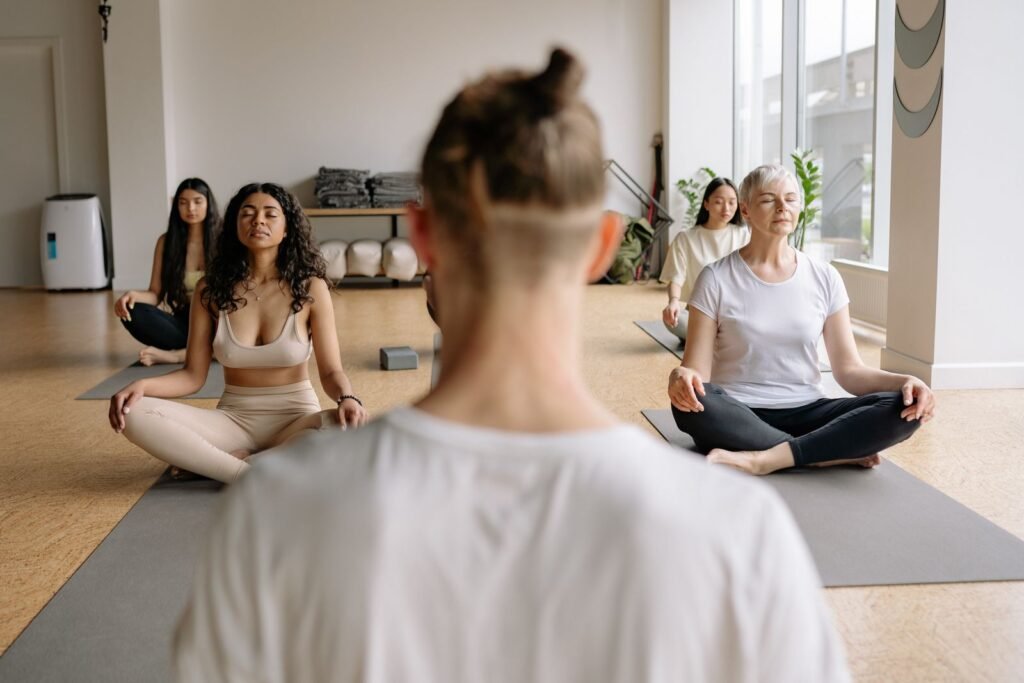
In flow-style classes, ujjayi acts as the metronome that ties movement to breath. Teachers frequently cue “inhale to rise, exhale to fold,” and the audible quality of ujjayi makes it far easier for an entire room of students to stay roughly synchronized without constant verbal instruction. Because the sound naturally slows down when a practitioner rushes, it also functions as a built-in pacing check during demanding sequences, discouraging the kind of fast, breath-holding movement that increases injury risk in poses like chaturanga or transitions into downward dog. This breath-first approach is part of why so many types of yoga rooted in the Krishnamacharya lineage treat ujjayi as non-negotiable rather than optional.
What’s the Difference Between Ujjayi and Other Common Pranayama Techniques?
Yoga includes dozens of named breathing techniques, each with a distinct mechanism and purpose. Ujjayi is a slow, throat-constricted breath aimed at steady focus and nervous system calming. Kapalbhati, by contrast, is a rapid, forceful exhale-focused technique meant to energize and cleanse rather than calm. Bhramari pranayama adds a humming sound on the exhale and is used specifically for calming the mind before meditation. Anulom vilom (alternate nostril breathing) focuses on balancing the two nostrils and, by extension, the two hemispheres of nervous system activity. Understanding these distinctions matters because reaching for the wrong technique for your goal, for example using an energizing technique like kapalbhati right before bed, can work against what you’re trying to achieve.
How Does Ujjayi Connect to Meditation and Mudra Practice?
Because ujjayi naturally slows the breath and quiets mental chatter, it is frequently used as a bridge into seated meditation. Many practitioners will do several minutes of ujjayi to settle the nervous system before transitioning into silent sitting or a mantra practice. It also pairs naturally with hand gestures used in yoga mudra practice, since both are subtle, internally focused techniques that work well combined rather than as separate, isolated exercises. In classical pranayama sequencing, ujjayi is often taught as one of the earlier techniques a student learns, precisely because its calming, grounding quality makes it a stable foundation before moving into more advanced or more physiologically demanding practices.
What Common Mistakes Do Beginners Make With Ujjayi Breathing?
The most frequent mistake is over-constricting the throat, which produces a harsh, strained sound and can leave the throat feeling raw after a session; the constriction should always be gentle. A second common error is forcing the breath to be louder than necessary, especially in a group class, out of self-consciousness or a desire to “do it right,” when in fact a soft, barely audible ujjayi is perfectly effective. Beginners also sometimes tense the shoulders, jaw, or face while concentrating on the throat sound, which defeats the relaxation benefits of the technique. Finally, many new practitioners try to add ujjayi and an entire flow sequence on the very first attempt; it’s far more effective to master the sound while seated and still, as covered in a dedicated pranayama for beginners session, before layering it under movement.
How Long Should You Practice Ujjayi Breathing Each Day?
For a standalone pranayama session, five to ten minutes of seated ujjayi is a reasonable starting point, and this can be gradually extended as the technique becomes more comfortable and automatic. When layered under an asana practice, ujjayi simply runs for the duration of the class, whether that’s a twenty-minute home session or a ninety-minute studio class. There’s no strict rule that more is always better here; consistency of daily practice matters more than the length of any single session, similar to the guidance typically given around breathing exercises more generally. A short, unhurried five minutes practiced daily builds the skill more reliably than one long session attempted once a week.
Questions People Ask About Ujjayi Breathing
Is ujjayi breathing the same as ocean breath?
Yes, “ocean breath” is simply the common English nickname for ujjayi breathing, referring to the soft, wave-like sound created by the gentle throat constriction. Both terms describe the exact same technique: a slow, audible breath practiced through the nose with the mouth closed, used widely across hatha and vinyasa yoga styles.
Should ujjayi breath be loud or quiet?
Ujjayi should be soft and even, audible mainly to you rather than to people around you. A loud, forced, or raspy sound usually means the throat is over-constricted, which can cause strain rather than the intended calming effect. Aim for a gentle whisper-like tone you could sustain comfortably for several minutes.
Can I practice ujjayi breathing while lying down?
Yes, ujjayi can be practiced lying down, seated, or standing. Many people start seated to focus purely on the throat mechanics without the distraction of movement, then later practice it lying down as part of relaxation work, or standing and moving as part of a full asana sequence.
Does ujjayi breathing help with sleep?
Some practitioners use a few gentle rounds of ujjayi before bed as part of a wind-down routine, since slow, controlled breathing is commonly associated with shifting the body toward a calmer, more parasympathetic state. It works well paired with other pre-sleep practices like restorative stretching or yoga nidra.
Why do my teachers keep reminding me to breathe ujjayi during class?
Teachers cue ujjayi repeatedly because it’s easy to lose the throat constriction once you’re focused on holding a challenging pose. The reminder isn’t about correcting an error so much as helping you reconnect breath and movement, which is the entire point of a breath-led practice rather than a purely physical one.
Try This for Yourself
Reading about ujjayi breathing only goes so far; the throat constriction, the pacing, and the calming effect are things you feel once a teacher guides you through them live. If you’d like personalized cues on your ujjayi technique alongside a full class experience, join a session with FitStrot’s online yoga classes and practice it in real time with an instructor who can adjust your form as you go.
Related reading: kapalbhati, bhramari pranayama, breathing exercises, pranayama for beginners, and FitStrot’s online yoga classes.