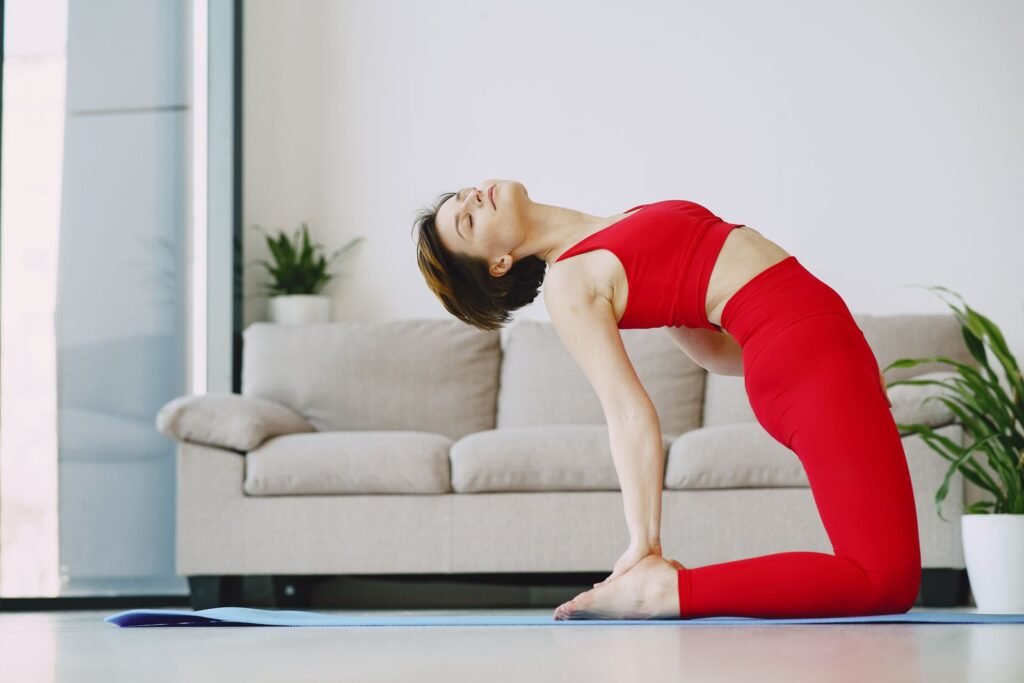
Yoga for posture works by combining two things most desks and phones never ask your body to do: lengthening the muscles that get chronically tight (chest, hip flexors, neck) and strengthening the ones that go weak from disuse (upper back, deep core, glutes). Poses like Mountain Pose, Cobra, Cat-Cow, and Bridge retrain your spine to sit in a more neutral position, while the breath-led, slow pace of a yoga practice builds the body awareness needed to actually notice when you’re slouching. Most people who practice postural yoga three to four times a week for six to eight weeks report a noticeable difference in how upright they feel by the end of a workday, though results vary based on how much desk time, old injury history, and starting flexibility a person is working with.
Why Does Posture Break Down in the First Place?
Posture isn’t really about “trying harder to stand straight.” It’s a habit pattern your nervous system builds based on what you do most often. If you spend eight-plus hours a day sitting, leaning toward a screen, and looking down at a phone, your body adapts to that shape. The chest and front-of-shoulder muscles shorten, the upper back muscles that should be holding your shoulder blades back get long and weak, and the hip flexors tighten from constant sitting, which tilts the pelvis forward and exaggerates the curve in your lower back. This cluster is sometimes described as “upper crossed syndrome” and “lower crossed syndrome” in physical therapy circles — a useful shorthand for which muscles are tight versus lazy. Yoga addresses both sides of the equation at once, which is part of why it’s such a commonly recommended tool for posture correction, and it’s one of the many benefits of yoga that shows up even in people who start a practice for an entirely different reason.
What Are the Best Yoga Poses for Posture?
A well-rounded posture practice touches four movement patterns: backbends to open the chest, forward folds to release the hamstrings and low back, twists to mobilize the spine, and core-and-back strengtheners to build the muscular support that holds better alignment in place once you have it. Below are the poses that show up most consistently across postural yoga sequences.
Mountain Pose (Tadasana)
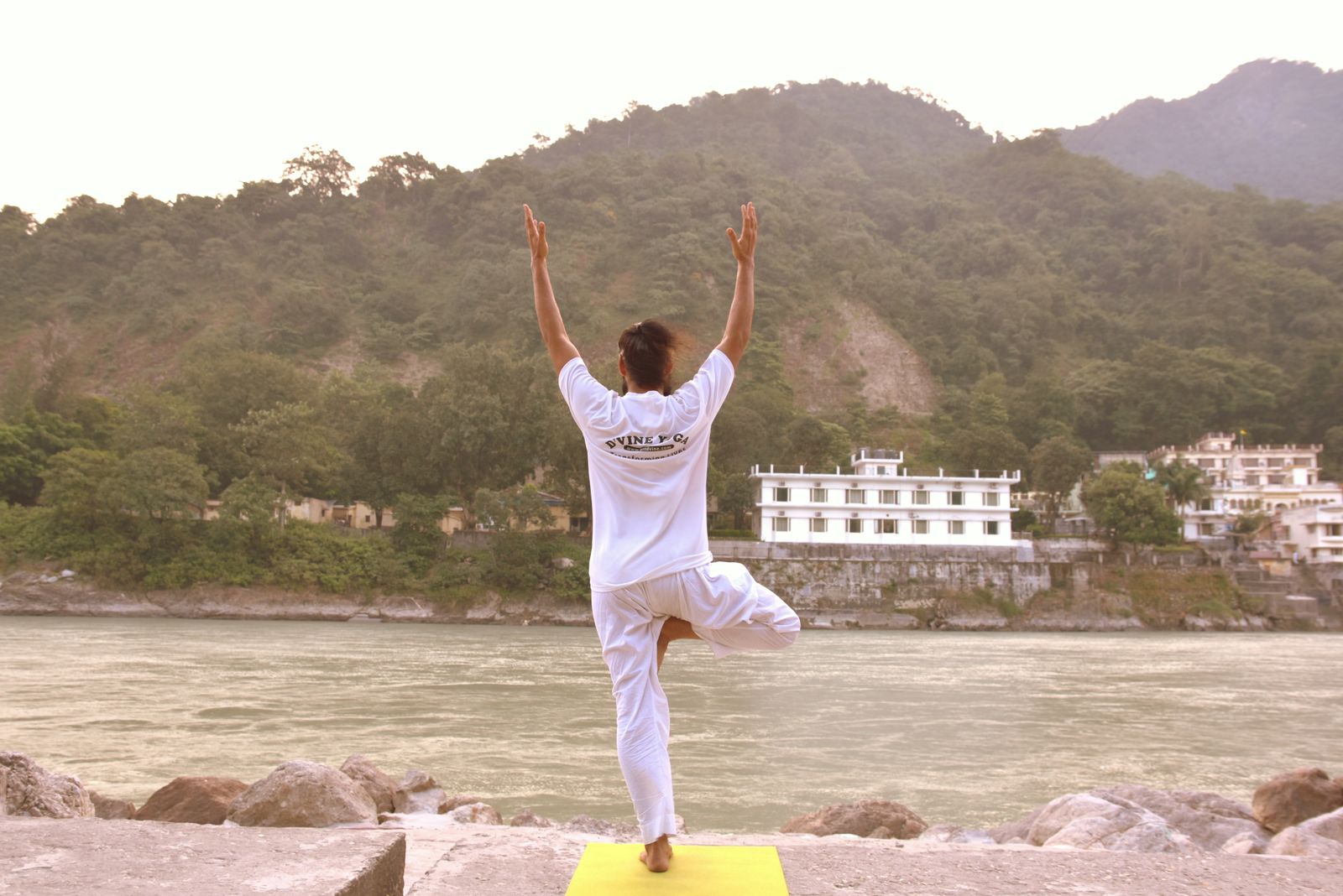
Mountain Pose looks like standing still, but it’s the foundational posture-awareness pose in hatha yoga. You root through all four corners of both feet, stack ankles under knees under hips under shoulders under ears, and gently draw the lower belly in. Teachers often use it to demonstrate what neutral spine actually feels like before layering on flowing sequences, and it’s a pose you can quietly rehearse while waiting in line or standing at your desk.
Cat-Cow (Marjaryasana-Bitilasana)
This paired movement on hands and knees takes the spine through flexion and extension in a slow, controlled way. It’s often the first thing taught to people asking how to identify this yoga posture from a photo, because the shape is unmistakable: rounded back on the exhale (Cat), arched back with lifted chest on the inhale (Cow). It’s gentle enough for beginners and is a staple warm-up in almost every style of class, from restorative to vinyasa yoga.
Cobra Pose (Bhujangasana)
Cobra strengthens the muscles along the spine and opens the chest and front of the shoulders — exactly the tissue that gets shortened by hours of forward-hunched sitting. Keep the elbows slightly bent and the lift coming from the back muscles rather than pressing hard through the hands, which protects the lower back from overextension. It’s a staple in beginner yoga poses lists precisely because it’s low-risk and teaches back-body engagement early.
Bridge Pose (Setu Bandhasana)
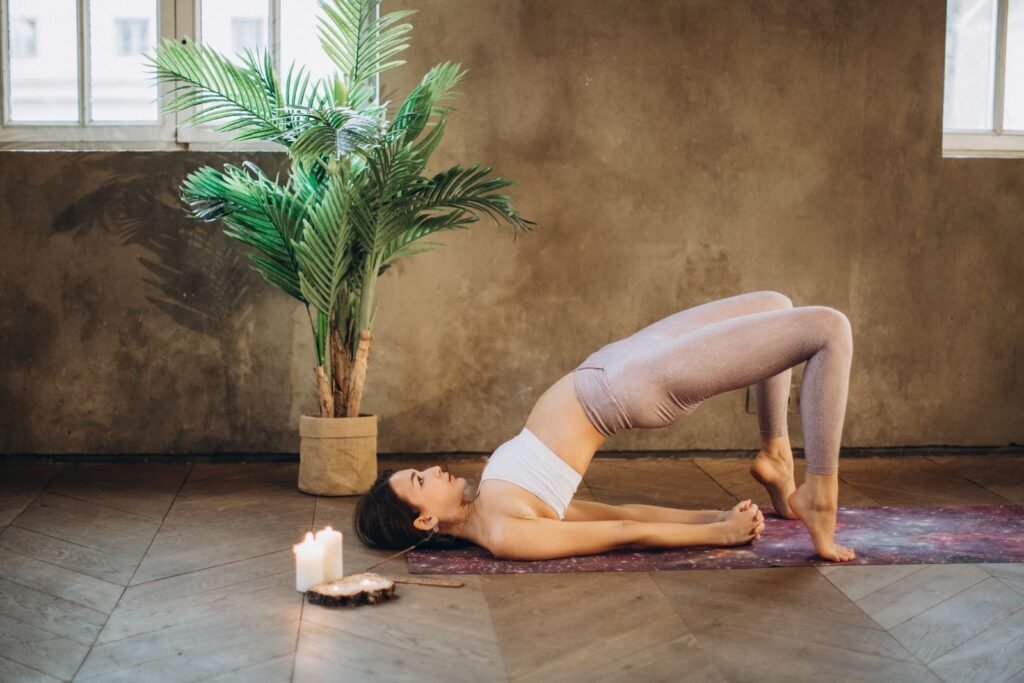
Bridge Pose strengthens the glutes and hamstrings, which support the pelvis in a neutral position, while opening the front of the hips and chest. Weak glutes are one of the more overlooked contributors to poor posture, since the pelvis tends to tip forward when they aren’t doing their share of the work. This pose also shows up frequently in sequences built around yoga for hip pain, since tight hips and postural collapse often travel together.
Locust Pose (Salabhasana)
Locust builds pure back-body strength without any support from the arms, targeting the erector spinae muscles that run the length of the spine. It’s one of the more challenging posture poses but also one of the most direct ways to build the endurance needed to sit or stand tall for long stretches without fatiguing.
Extended Triangle Pose (Utthita Trikonasana)
Triangle Pose lengthens the side body and strengthens the legs while training the torso to stay open and rotated rather than collapsed. It’s especially useful for people whose shoulders round forward, since the pose cues an active broadening across the chest.
Thread the Needle
This gentle twist and shoulder-opener releases tension between the shoulder blades, a common tight spot for anyone who spends the day typing or driving. It pairs well at the end of a sequence focused on yoga for back pain, since tight upper-back muscles and posture-related discomfort frequently overlap.
How Do You Build a Full Posture-Correction Sequence?
A simple 15 to 20-minute sequence that touches all the necessary patterns might run:
- Cat-Cow — five rounds to warm the spine
- Mountain Pose — 30 seconds to establish alignment
- Cobra — three rounds, holding the breath five seconds at the top
- Locust Pose — held for three breaths
- Bridge Pose — held for five breaths
- Extended Triangle — on both sides
- Thread the Needle — to finish
Practicing this rhythm three to four times a week is a realistic starting cadence — daily practice isn’t necessary to see change, consistency over weeks matters more than frequency in any single week. If mornings work better for your schedule, this same sequence doubles nicely as morning yoga routine, since it wakes up the spine without requiring high energy output.
Yoga for Posture Correction: What Actually Changes in the Body?
Posture correction through yoga happens along three tracks at once. First, flexibility: tight hip flexors, chest muscles, and hamstrings get progressively lengthened, removing the mechanical pull that drags the spine out of alignment. Second, strength: the deep core, upper back, and glute muscles that hold a corrected posture in place get trained to actually fire and hold tension rather than sitting dormant. Third, and often underestimated, is proprioception — your brain’s real-time sense of where your body is in space. Slow, breath-paced movement forces you to pay attention to alignment cues you’d otherwise ignore, which is why many people report catching themselves slouching far more often within just a few weeks of starting a posture-focused practice, well before any major flexibility or strength gains show up.
What Is Hatha Yoga and Why Is It Recommended for Posture?
Hatha yoga postures are typically held longer and practiced at a slower pace than in more dynamic styles, which makes hatha classes a common recommendation for people specifically working on alignment. Instead of flowing quickly from shape to shape, a hatha class gives you time inside each pose to actually check in with alignment: are the shoulders stacked over the hips, is the pelvis tucked or tilted, is the neck jutting forward? That extra time is exactly what postural correction requires, since alignment awareness is a skill that develops through repetition and attention, not through moving fast. If you’re newer to yoga or specifically prioritizing posture over cardio-style movement, a hatha class is usually a gentler and more instructive entry point than a fast vinyasa flow.
How Long Does It Take to See Posture Improvements from Yoga?
Most people notice a subjective difference — feeling less hunched, catching themselves sitting taller — within two to four weeks of practicing three or more times weekly. Measurable changes in flexibility and muscular endurance tend to show up over a six to twelve week window, which lines up with typical timelines cited for building new strength and mobility through any consistent exercise program. Chronic postural patterns built over years of habitual sitting won’t fully resolve in a few sessions; think of yoga as retraining a habit rather than applying a quick fix, similar to how yoga for flexibility gains build gradually rather than overnight.
Can Yoga Help You Look Taller by Improving Posture?
Yoga won’t add to your actual bone length, but correcting a slouched, compressed posture can visibly change how tall a person looks and can even reclaim a small amount of the height lost to spinal compression from prolonged sitting. Decompressing exercises like Cat-Cow, gentle inversions, and hanging-style stretches create space between vertebrae that daily sitting tends to compress. This is a big part of why posture work is often bundled with programs focused on yoga to increase height, especially for younger practitioners whose growth plates are still active alongside general posture habits.
Does Yoga for Posture Also Help with Weight Management?
Better posture and weight management aren’t the same goal, but they connect in a practical way: standing and sitting taller engages the core more consistently throughout the day, and a body that moves more freely through a full range of motion tends to move more often in general. Many people who start a posture-focused practice also lean into more dynamic sessions like yoga for weight loss once mobility improves enough to make faster-paced flows comfortable. The two goals reinforce each other rather than competing.
What’s the Difference Between Yoga Postures for Posture and Strength-Building Poses?
Posture-focused poses prioritize alignment and gentle, sustained muscle engagement — think Mountain Pose or Bridge, held with attention to spinal position. Poses built for raw strength, like Chaturanga or Warrior III, ask more of the muscles but don’t always emphasize alignment awareness in the same deliberate way. The two overlap more than they conflict, though: a practice built around yoga for strength naturally builds the muscular support posture correction depends on, since a stronger back and core simply hold a neutral spine in place more easily. Most well-designed sequences blend both intentions rather than treating them as separate tracks.
How Do You Identify Yoga Postures from a Photo or Diagram?
If you’re trying to identify a yoga posture — whether from a class photo, a yoga postures pdf, or a diagram — look at three things: the base of support (standing on two feet, one foot, hands and knees, or lying down), the spine’s shape (neutral, arched, rounded, or twisted), and the arm and leg position relative to the torso. A standing pose with arms overhead and a slight backbend is very likely Mountain Pose variation or Upward Salute. A prone position with the chest lifted and legs together usually indicates Cobra or Locust, distinguished by whether the hands are pressing into the floor. Downloadable yoga posture pdf charts and yoga postures clipart diagrams are useful references precisely because they lay out this base-spine-limb combination visually, which is often faster to scan than reading a full pose description.
What Are Common Mistakes People Make Trying to Fix Posture with Yoga?
A few patterns show up again and again in people trying to self-correct posture through yoga:
- Chasing flexibility alone — endlessly stretching the chest and hip flexors without building the back and core strength needed to actually hold the newly available range of motion.
- Overarching the lower back in backbends like Cobra, mistaking spinal hyperextension for “good posture” when it actually just shifts the misalignment to a different spot.
- Practicing inconsistently — a single class won’t undo years of habitual sitting, and posture gains fade quickly without a repeated weekly rhythm.
- Ignoring the hips and glutes and focusing only on the upper back and neck, even though pelvic position drives a large share of overall spinal alignment.
Should You Practice Posture Yoga Every Day?
Daily short sessions of 10 to 15 minutes tend to outperform occasional long sessions for posture specifically, because posture correction is as much about repeated neuromuscular reminders as it is about building flexibility or strength. That said, three to four sessions a week is a realistic and sustainable target for most people, especially when combined with posture “check-ins” throughout the workday — a few slow Cat-Cow rounds or a Mountain Pose reset between meetings adds up meaningfully over a month even without a full dedicated practice every single day. Many people fold this into a broader yoga for stress relief routine, since the slow, breath-led pace that helps posture also happens to lower tension built up from a long day at a desk.
Is Yoga Enough on Its Own, or Should It Be Combined with Other Corrective Work?
For mild to moderate postural issues caused by lifestyle habits like desk work and phone use, a consistent yoga practice is often sufficient on its own. For more significant structural issues, chronic pain, or a diagnosed condition like scoliosis, yoga works best as one part of a broader plan that might include physical therapy or guidance from a qualified healthcare provider. If you have persistent pain, numbness, or a pre-existing spinal condition, it’s worth checking with a doctor or physical therapist before starting an intensive posture-correction sequence so the practice is tailored safely to your specific situation.
Questions People Ask About Yoga for Posture
What yoga pose is best for immediate posture improvement?
Mountain Pose (Tadasana) gives the fastest feedback because it directly teaches neutral spinal alignment while standing still. Practicing it for even 30 seconds against a wall, with the back of the head, shoulder blades, and heels lightly touching, helps you feel what “stacked” alignment actually is so you can recall that sensation later in the day.
Can yoga fix years of bad posture?
Yoga can meaningfully improve posture built up over years of habitual sitting or screen use, though how much it “fixes” depends on whether the cause is muscular tightness and weakness (which yoga addresses directly) or a structural spinal condition (which may need additional medical input). Most lifestyle-related postural patterns respond well to a consistent practice over two to three months.
How many times a week should I do yoga for posture?
Three to four sessions a week of 15 to 20 minutes is a commonly recommended starting point, paired with brief posture check-ins during the day. Consistency across weeks matters more than the length of any single session, so shorter, more frequent practice generally outperforms occasional long sessions.
Is hatha yoga or vinyasa yoga better for posture?
Hatha yoga is generally considered better suited to posture correction because poses are held longer, giving you time to actively check and adjust alignment. Vinyasa’s faster pace builds strength and cardiovascular benefit but leaves less time for the alignment awareness that postural correction depends on, so many practitioners use hatha as a foundation before adding vinyasa.
Can bad posture be reversed without yoga?
Yes — physical therapy, targeted strength training, ergonomic changes, and general mobility work can all improve posture without yoga specifically. Yoga is popular for this goal because it combines flexibility, strength, and body-awareness training in a single practice, but it isn’t the only path to better alignment.
Do I need props like blocks or straps for posture yoga?
Props aren’t required but can help, especially for beginners with limited flexibility. A block under the hand in Triangle Pose or a strap looped around the feet in a seated forward fold lets you maintain correct alignment without straining to reach the floor, which keeps the postural benefit intact even before full flexibility develops.
Try This for Yourself
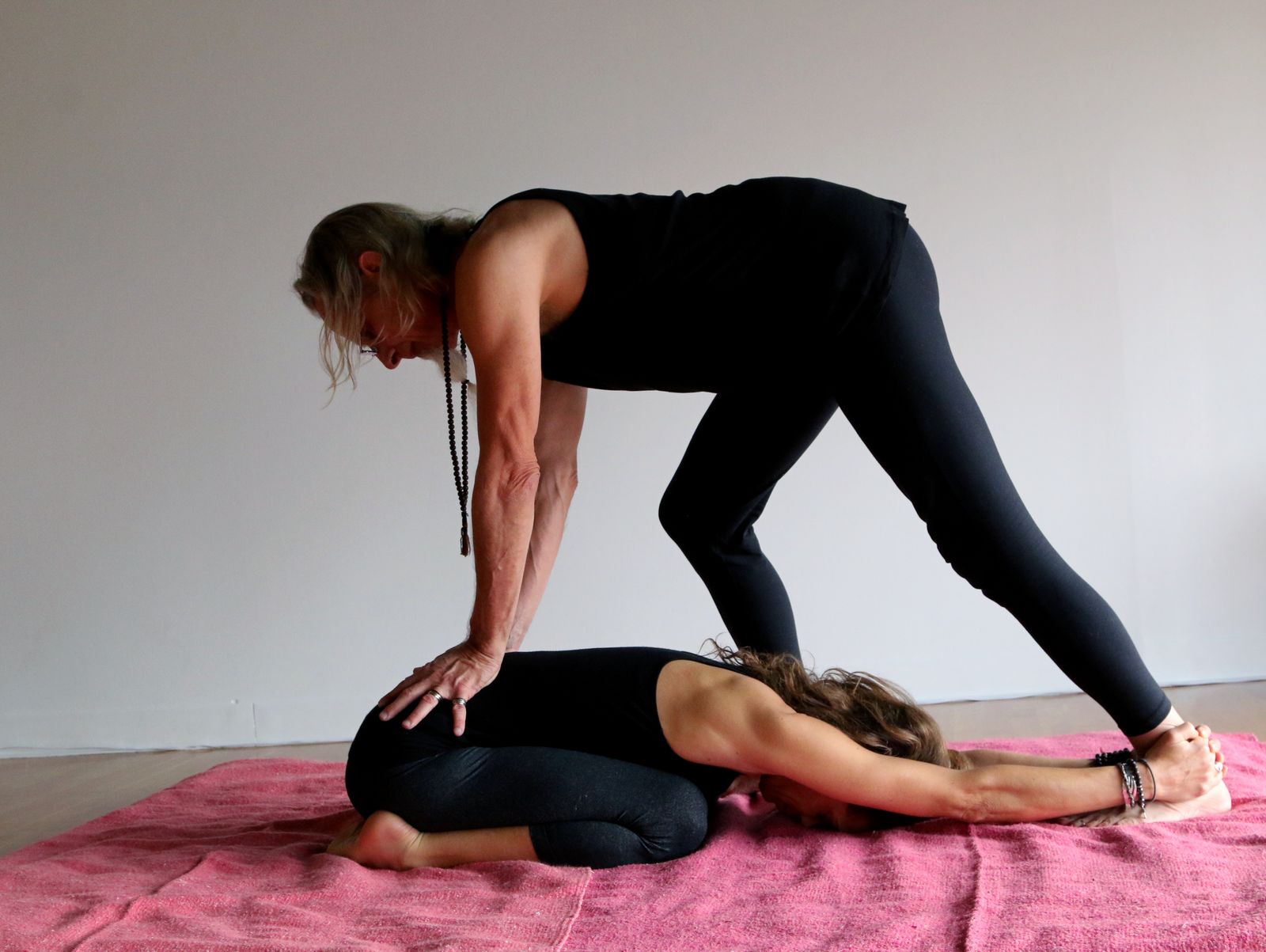
Reading about posture poses only goes so far — the real change happens when someone can watch your alignment and correct it in real time. Book an online yoga class with FitStrot and work through a posture-focused sequence with a live instructor who can guide your form, pace your progress, and build a plan around your specific desk habits, injury history, and goals.
Related reading: yoga for back pain, yoga for flexibility, yoga for strength, types of yoga, and FitStrot’s online yoga classes.