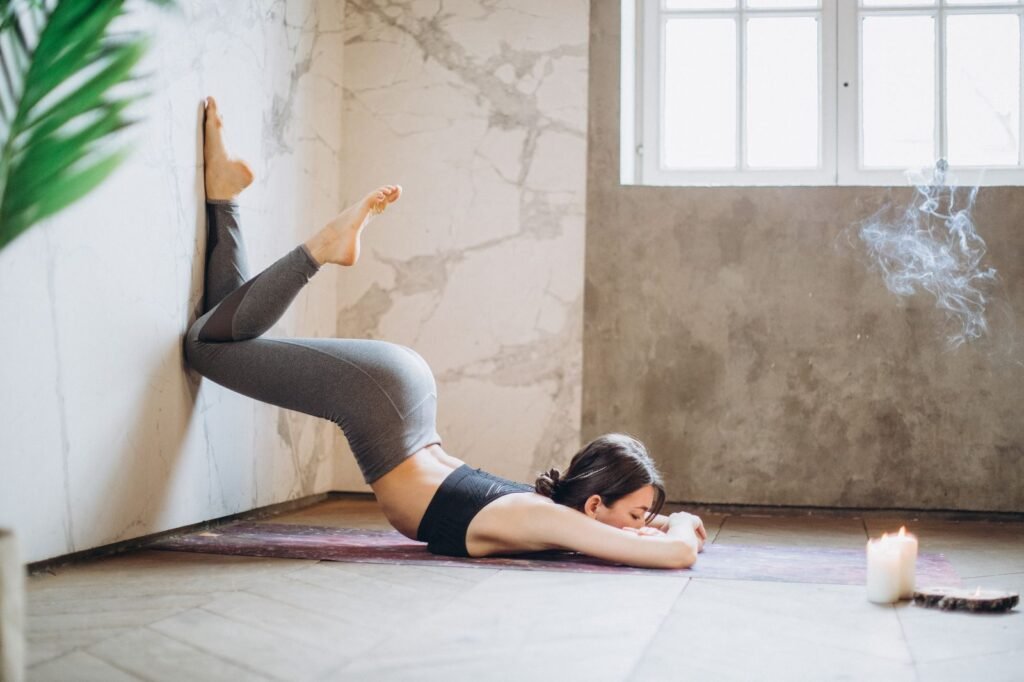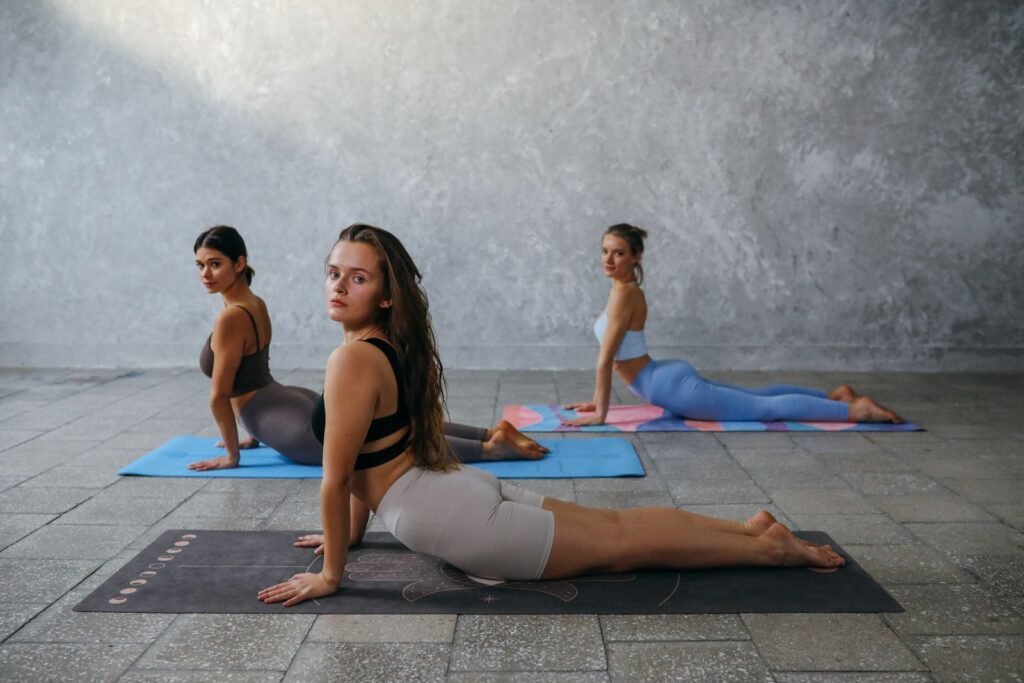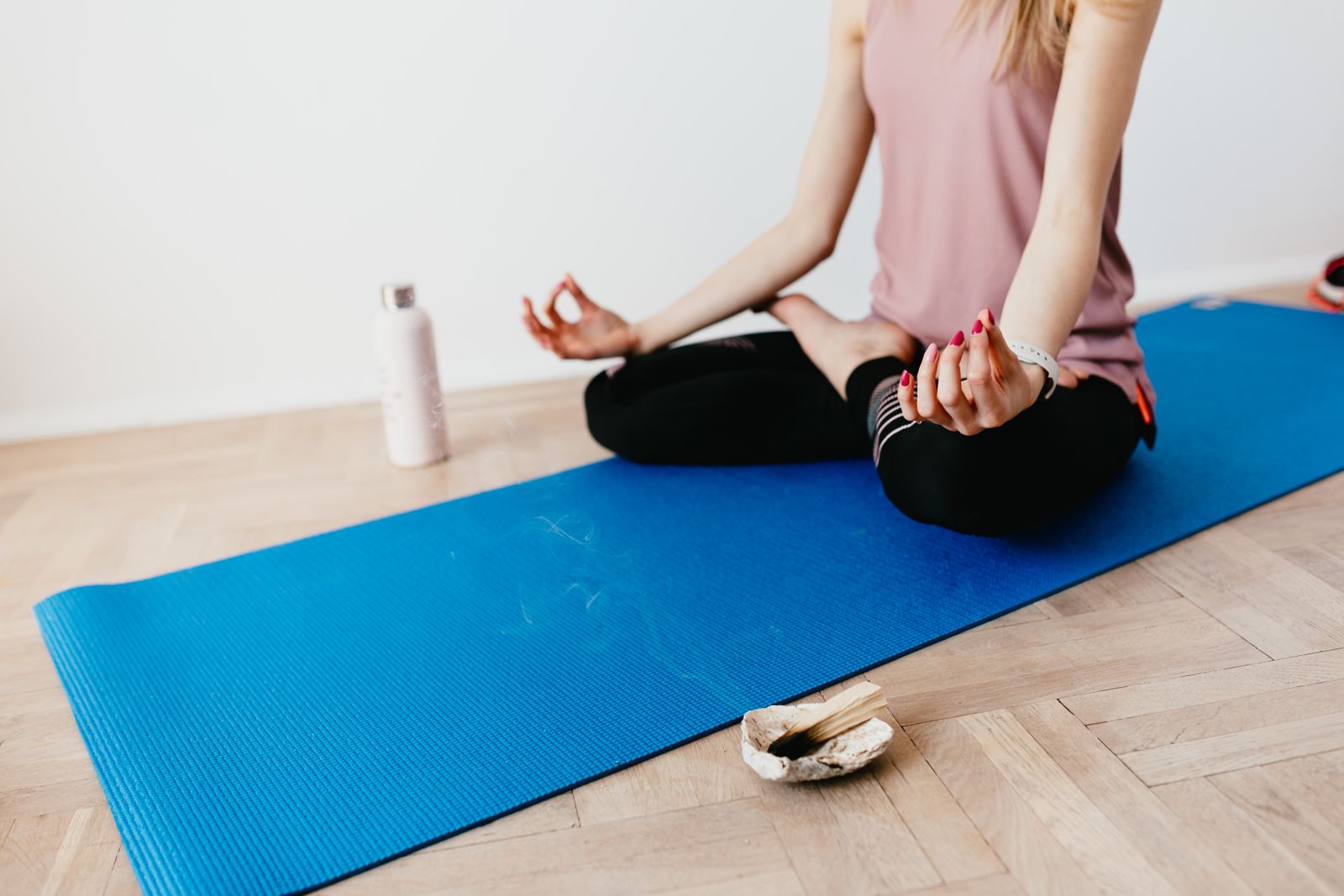
Gorakshasana, or Cowherd Pose, is a seated hip-opening posture named after the sage Gorakhnath, founder of the Nath yoga tradition. In its classical form, described in medieval texts like the Hatha Yoga Pradipika and Gheranda Samhita, the soles of the feet press together with the heels drawn in under the pelvis, building deep hip and groin flexibility while calming the nervous system. A separate, more modern variation popularized in the twentieth century turns it into a balancing pose from full lotus. Both versions share the same goal: opening the hips, steadying the breath, and preparing the body for longer seated meditation.
What Does the Word “Gorakshasana” Actually Mean?
Gorakshasana comes from Sanskrit: “Goraksha” refers to the sage Gorakhnath (sometimes rendered Gorakshanath), and “asana” means seat or posture. Gorakhnath is traditionally credited as a key figure in the development of Hatha Yoga and the Nath yogi lineage, a tantric tradition that shaped many of the postures still taught today, part of the broader story covered in most guides to the history of yoga. The name is sometimes translated more literally as “cowherd,” since Goraksha can also mean protector of cows, which is why English sources commonly call this the Cowherd Pose. It is frequently confused with Gomukhasana, or Cow Face Pose, but the two are structurally different postures that only share a partial name resemblance in translation.
Where Does Gorakshasana Come From?
Gorakshasana has a documented medieval lineage. It appears in the Shiva Samhita, the Hatha Yoga Pradipika, and the Gheranda Samhita, three of the foundational texts of classical Hatha Yoga. The Hatha Yoga Pradipika gives fairly specific anatomical instruction, describing the ankles placed on either side of the perineal seam. These texts frame the pose primarily as a meditation seat used by renunciate and tantric practitioners, associated with awakening subtle energy and supporting long periods of stillness, a theme that runs through much of yoga philosophy, rather than as a fitness exercise in the modern sense. Later twentieth-century teachers, including B.K.S. Iyengar in Light on Yoga, described a different variation built from lotus pose that functions as a balancing posture. Both are taught today under the same name, so it’s worth knowing which version an instructor or resource is referring to before attempting it.
How Do You Perform the Classical Seated Version of Gorakshasana?
Begin seated on your mat with your legs extended in front of you, spine tall. Bend both knees and bring the soles of your feet together in front of your pelvis, similar to the setup for Baddha Konasana (Bound Angle Pose). From there, draw your heels in closer to your body and, if your flexibility allows, tuck them so the heels sit beneath the perineum with the soles still pressed together. Rest your hands on your knees, or bring them into a prayer position at the chest similar to the hand placement used in Anjali Mudra. Keep your spine long and your shoulders relaxed away from your ears, pairing the hold with slow pranayama breathing if you’re comfortable. Hold for several slow, even breaths, then release the legs forward to come out.
How Do You Perform the Balancing Lotus Variation?
The modern balancing form starts in Padmasana, full lotus pose, seated on the floor. Place your palms flat on the mat beside your hips, engage your core, and press down to lift your hips and lotus-folded legs off the ground. Once elevated, carry your weight through your hands and slowly bring your palms together into a prayer position at your chest, balancing entirely on your knees and shins rather than your hands. This requires significant hip flexibility from the lotus position combined with real core and shoulder strength, similar to the stability demands of arm balances like Bakasana. Because of that demand, it’s considered an intermediate-to-advanced variation and is not the version most beginners should attempt first.
What Are the Key Benefits of Gorakshasana?
The seated version is primarily a hip and groin opener. Holding the feet pressed together with the heels drawn in stretches the inner thighs, groin, and hip rotators more intensely than many other bound-angle-style poses, which supports easier cross-legged sitting over time. It also encourages an upright, lengthened spine, which can support better posture and reduce lower back strain when practiced consistently. Traditional texts associate the pose with calming the mind and preparing the body for pranayama and meditation, a claim rooted in its long history as a seated meditation posture rather than a modern clinical finding. The balancing variation adds a strength and stability component, building core control, shoulder engagement, and proprioceptive balance that the purely seated form does not require, benefits that overlap closely with the broader benefits of yoga for strength and body awareness.
Does Gorakshasana Help With Flexibility for Cross-Legged Sitting?
Yes, this is one of its most practical everyday benefits. Many people who struggle to sit comfortably in Sukhasana or Padmasana for meditation find that their limitation is hip and groin tightness rather than knee flexibility. Gorakshasana directly targets that restriction by asking the hips to externally rotate further than in a standard bound-angle position, since the heels are drawn in tighter to the body. Practiced regularly alongside other hip openers, it can meaningfully improve how long and how comfortably you can sit upright for meditation or pranayama practice without needing a cushion or wall support, which is one reason it shows up in guides to yoga for flexibility.
Who Should Avoid Gorakshasana or Modify It?
Both variations place direct pressure and rotational demand on the knees, ankles, wrists, and shoulders, so a few groups should approach this pose cautiously or skip it:
- Acute knee pain or meniscus injuries: approach cautiously or skip the pose entirely, since both variations load the knees directly.
- Significant ankle or foot joint issues: the tucked-heel position adds rotational demand on the ankles.
- Sciatica or acute lower back pain: modify or avoid deep versions of the pose until symptoms resolve.
- Wrist injuries or carpal tunnel symptoms: stick to the seated version only, since the balancing lotus variation adds wrist-loading.
- Shoulder instability: skip the balancing lift altogether and stay with the seated form.
As with any pose that places unusual load on the joints, working with a qualified teacher for the first few attempts is the safer path, particularly for the balancing variation. If knee or hip discomfort is a recurring issue in your practice generally, it’s worth reading a broader guide to yoga for knee pain before continuing with deep hip openers.
What Poses Should You Practice Before Attempting Gorakshasana?
Building hip flexibility gradually reduces strain and makes the final pose more accessible. Baddha Konasana (Bound Angle Pose) is the most direct preparatory shape, since it uses the same foot-to-foot setup without the deeper heel placement. Sukhasana and easy cross-legged sitting help condition the hips for shorter holds first. Vrksasana (Tree Pose) builds the single-leg balance and core stability that transfers directly to the balancing variation, while basic core work and plank holds build the arm and shoulder strength needed to lift the body off the ground. If lotus pose itself is inaccessible, spend time on hip-opening stretches before attempting the balancing form, since forcing the knees into lotus without adequate rotation is a common source of knee strain in yoga practice generally. One-on-one personal training or a private online session can help you build this progression safely if you’re working around an existing injury.
How Does Gorakshasana Compare to Similar Hip-Opening Poses?
Gorakshasana sits in the middle of a broader hip-opening progression. Here’s how it compares to related poses:
| Pose | How It Compares to Gorakshasana |
|---|---|
| Baddha Konasana (Bound Angle Pose) | Keeps the feet further from the body; generally more accessible and a gentler entry point into the same hip-opening action. |
| Gorakshasana (Cowherd Pose) | Draws the heels in tighter beneath the pelvis, demanding more external hip rotation than Baddha Konasana. |
| Padmasana (Full Lotus) | Demands even more external hip rotation; often approached only after poses like Gorakshasana have built up flexibility. |
| Malasana (Garland Pose) | Opens the hips through a different plane of movement (a deep squat) and adds an ankle and calf stretch that Gorakshasana doesn’t provide. |
If your main goal is comfortable long-duration seated meditation, working through this progression, Sukhasana, then Baddha Konasana, then Gorakshasana, then Padmasana, tends to build the necessary flexibility more safely than jumping straight to the most demanding shape. This kind of structured progression is exactly what distinguishes Hatha yoga from Vinyasa yoga in how poses are typically sequenced and held.
How Does Gorakshasana Fit Into a Broader Yoga Practice?
Because it’s a seated, largely static pose, Gorakshasana works best positioned after the body is already warmed up. A typical sequence might move through Surya Namaskar (Sun Salutations) and a few standing poses like Tadasana to build general warmth and circulation, then transition to floor-based hip openers before settling into Gorakshasana as a seated hold. From there, it’s a natural bridge into pranayama or meditation for beginners, which is exactly the role it played in the classical texts where it first appears. It is rarely, if ever, used as a standalone or opening pose given the hip flexibility it demands.
What Role Did Gorakshasana Play in Classical Hatha Yoga Philosophy?
In the Hatha Yoga Pradipika and Gheranda Samhita, Gorakshasana is presented as one of several seated postures meant to stabilize the body for long meditation and pranayama sessions, alongside poses like Siddhasana and Padmasana. Some traditional descriptions connect it to subtle-body concepts such as awakening kundalini energy and supporting overall vitality, language that reflects the tantric and yogic philosophical framework of the era rather than a claim that maps directly onto modern biomedical research. It’s worth holding these traditional claims in their own context: they describe the pose’s role within a broader system of yogic philosophy focused on energy, breath, and meditation, distinct from the purely physical framing common in contemporary styles of yoga taught in fitness-oriented classes today.
Can Beginners Practice Gorakshasana?
The seated version can be accessible to many beginners, provided they respect their current hip flexibility and don’t force the heels into a position that strains the knees or ankles. Using a folded blanket under the hips, or keeping the heels slightly further from the body than the full classical instruction, are reasonable modifications while flexibility develops. The balancing lotus variation, however, is not a beginner pose. It requires a level of lotus flexibility and core-to-shoulder strength that most new practitioners haven’t yet built, and attempting it too early raises the risk of knee or wrist strain. A sensible approach is to master comfortable, pain-free lotus sitting first, then explore the balancing lift under guidance once that foundation is solid.
How Long Should You Hold Gorakshasana?
For the seated version, starting with 30 to 60 seconds and building toward several minutes as hip flexibility improves is a reasonable general guideline, similar to how most seated hip openers are approached. There’s no universally prescribed duration in the classical texts beyond the general instruction to hold seated postures steadily and comfortably for meditation, so let your own flexibility and comfort guide the length of the hold rather than chasing a specific number. The balancing variation is typically held for much shorter bursts, often just several breaths, given the strength demand of supporting the body’s weight off the ground.
Questions People Ask About Gorakshasana
Is Gorakshasana the same as Gomukhasana?
No. They’re often confused because both names loosely translate with reference to cows, but Gomukhasana (Cow Face Pose) involves crossing one leg over the other with an arm bind behind the back, while Gorakshasana is a seated pose with the soles of the feet pressed together and heels drawn toward the pelvis, or a balancing lotus variation. They target overlapping but distinct areas of the hips and shoulders.
What does Gorakshasana mean in English?
Gorakshasana is commonly translated as “Cowherd Pose,” named after the sage Gorakhnath, a foundational figure in the Nath yoga tradition credited with shaping much of classical Hatha Yoga. “Asana” simply means seat or posture, so the name essentially honors the sage rather than describing the shape of the pose itself.
Is Gorakshasana good for hip flexibility?
Yes, the seated version is primarily a hip and groin opener, stretching the inner thighs and external hip rotators more deeply than a standard bound-angle pose because the heels are drawn in closer to the body. Regular practice can make longer cross-legged sitting for meditation noticeably more comfortable over time.
Can I do Gorakshasana if my knees hurt?
It’s best to avoid or heavily modify this pose if you have acute knee pain, meniscus issues, or significant joint restriction, since both variations place direct rotational load on the knees. Work with a qualified teacher, use props like a folded blanket, or substitute a gentler hip opener like Baddha Konasana until any knee issues are resolved.
Is the balancing version of Gorakshasana difficult?
Yes, the balancing lotus variation described by B.K.S. Iyengar is considered an intermediate-to-advanced posture. It requires full lotus flexibility in the hips plus enough core and shoulder strength to lift the body off the floor, so it’s generally approached only after the seated version and comfortable lotus sitting are already established.
What poses pair well with Gorakshasana in a practice?
Warm-up sequences like Surya Namaskar and standing poses such as Tadasana help prepare the body beforehand, while hip openers like Baddha Konasana build the flexibility Gorakshasana requires. It’s commonly placed just before seated meditation or pranayama, since that’s the role it traditionally served in classical Hatha Yoga sequencing.
Try This for Yourself
Reading about a hip-opening pose only goes so far, the real change happens on the mat with guided feedback on your alignment and pacing. Join a FitStrot online yoga class to work through Gorakshasana and the hip-opening progression that leads up to it, safely and at a pace suited to your current flexibility.
Related reading: Explore our full guide to yoga poses and asanas, learn proper alignment for Tadasana, build balance with Vrksasana, and warm up your whole body with Surya Namaskar. When you’re ready to practice with guidance, check out FitStrot’s online yoga classes.