Akarna Dhanurasana (Archer’s Pose): Step-by-Step Guide, Benefits, and Common Mistakes
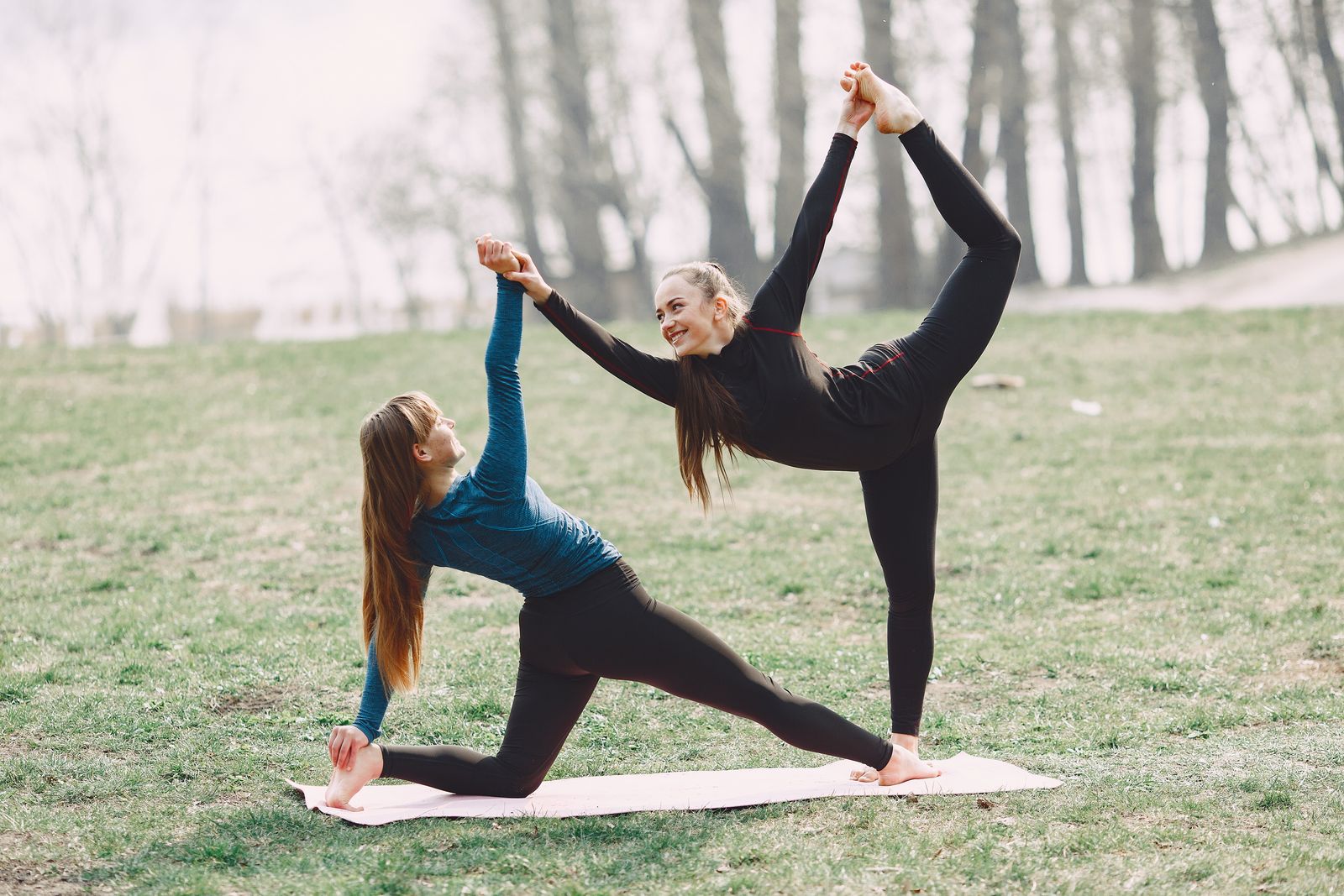
Akarna Dhanurasana, or Archer’s Pose, is a seated yoga posture where you hold one big toe in each hand, then draw one foot back toward your ear like a bowstring while the other leg stays extended along the floor. The name comes from the Sanskrit akarna (“toward the ear”) and dhanu (“bow”), describing the shape your body makes as you mimic an archer taking aim. It is an intermediate seated forward-bend-and-hip-opener hybrid that builds hamstring flexibility, hip mobility, shoulder strength, and focused concentration in a single, dynamic shape.
What Does Akarna Dhanurasana Mean and Where Does It Come From?
The word “Akarna” translates roughly to “near the ear,” referencing the point where the drawn-back foot travels during the full expression of the pose. “Dhanu” means bow, and “asana” means seat or posture. Put together, Akarna Dhanurasana literally means “shooting bow pose,” a nod to the classical image of an archer drawing an arrow back to full tension before release. You’ll sometimes see it called Archer’s Pose in English-language yoga classes, which is the more commonly used name outside of Sanskrit terminology. It belongs to the same seated asana family that includes forward folds and hip-opening postures found throughout a typical yoga poses library, and it’s frequently introduced once a student has developed enough hamstring and hip flexibility from more foundational seated stretches.
How Do You Do Akarna Dhanurasana? Step-by-Step Instructions
Start in Dandasana (Staff Pose), seated on the floor with both legs extended straight in front of you and your spine tall. Reach forward and hook your index and middle fingers around each big toe, one hand per foot, keeping your shoulders relaxed rather than hunched toward your ears.
Bend your right knee and draw your right foot up and back, guiding it toward your right ear while keeping hold of the toe. Your left leg stays straight and active on the floor, foot flexed, grounding through the heel. Keep your spine long rather than rounding forward to force the stretch — the lengthening should come from your hip and hamstring, not from collapsing your back.
Hold for three to five breaths, feeling the stretch through the back of the extended leg and the outer hip of the bent leg. Release slowly, extend the leg back to Dandasana, and repeat on the other side. As you progress, some practitioners work toward straightening the bent leg fully so the foot draws level with the ear and the body resembles a taut bow — this is the deeper, more advanced expression of the pose and isn’t necessary to get real benefit from it.
What Muscles Does Archer’s Pose Stretch and Strengthen?
Akarna Dhanurasana works both ends of the flexibility-strength spectrum at once. The extended leg’s hamstrings and calf get a deep passive stretch, while the bent leg’s hip flexors, adductors, and outer hip rotators lengthen as the knee draws up and back. Your shoulders, biceps, and upper back engage isometrically to hold the foot in place against the pull of the leg, which is why the pose often leaves your arms feeling more worked than a typical seated forward fold. Your core stabilizes the spine throughout, preventing the rounding that would otherwise happen as you reach and pull. This combination of stretching and stabilizing is part of why the pose sits at an intermediate level rather than a true beginner posture like Tadasana or a basic seated stretch.
What Are the Benefits of Akarna Dhanurasana?
Regular practice of Archer’s Pose is commonly cited as offering several practical benefits for people who sit for long hours or train in sports that demand hip and hamstring mobility:
- Improved hamstring and hip flexibility — the deep stretch on the extended leg directly targets the tightness that builds up from prolonged sitting.
- Better hip joint mobility — the external rotation required to draw the bent knee up and back mobilizes the hip socket in a way many everyday movements don’t.
- Shoulder and arm strengthening — holding the toes against resistance builds isometric strength through the shoulders and forearms.
- Core engagement — maintaining a tall spine while pulling on the legs recruits the deep abdominal and back stabilizers.
- Sharper focus and coordination — the asymmetry of the pose demands concentration, making it a useful bridge between purely physical asanas and more meditative practice.
- Support for reproductive and digestive organs — some traditional yoga texts describe this pose as stimulating the abdominal organs through the compression and release of the seated fold, though this benefit is more anecdotal than clinically studied.
If flexibility is your main goal, pairing Akarna Dhanurasana with a broader routine that targets yoga for back pain or general benefits of yoga tends to produce more consistent results than practicing any single pose in isolation.
Who Should Avoid Akarna Dhanurasana?
This pose isn’t right for every body on every day. Avoid or modify Akarna Dhanurasana if you have a recent or acute hamstring strain, since the pose applies direct tension to that muscle group. People with sciatica or an active disc issue in the lower back should be cautious, as the forward-leaning component can aggravate nerve compression. If you have a shoulder injury or limited shoulder mobility, holding the toe with a straight arm may stress the joint more than intended — bending the elbow slightly or using a strap can reduce that load. Pregnant practitioners should skip deep seated forward folds like this one, and anyone recovering from hip surgery should get clearance from a physical therapist first. As with any intermediate posture, when in doubt, work with a qualified instructor rather than pushing through discomfort.
What Are Common Mistakes in Archer’s Pose?
The most frequent error is rounding the spine to force the bent knee closer to the ear. The stretch should come from hip rotation and hamstring length, not from collapsing the torso forward — rounding shifts strain onto the lower back instead of the target muscles. A second common mistake is letting the extended leg’s knee bend or the foot lose its flex, which reduces the hamstring stretch and destabilizes the whole pose. Many beginners also rush to draw the foot all the way to the ear before their hips are ready, which sacrifices form for depth. It’s far more effective to hold a shallower version with good alignment than to force a deeper stretch with a rounded back and disengaged core. Finally, holding your breath while gripping the toes is common — keep breathing steadily throughout, since shallow breath-holding increases tension exactly where you’re trying to release it.
What Modifications and Props Help With Akarna Dhanurasana?
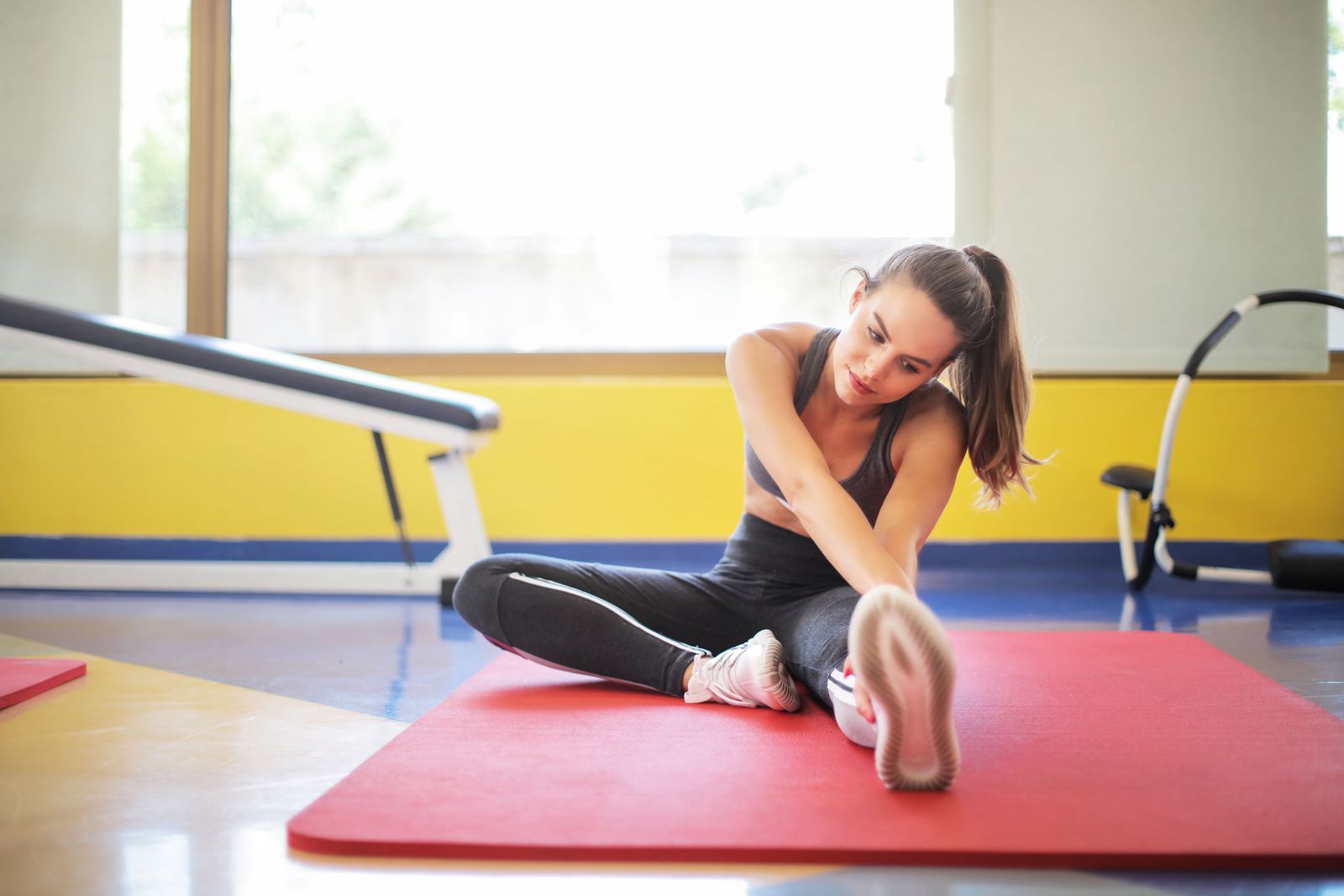
If you can’t reach your toes comfortably, loop a yoga strap around the ball of the foot and hold the strap instead of gripping directly — this preserves the shape of the pose without forcing your spine to round to close the gap. Sitting on a folded blanket to slightly elevate your hips can also make the forward reach more accessible, especially if your hamstrings are tight or your pelvis tends to tilt backward when seated on the floor. Beginners can practice a “half” version, simply hugging the bent knee toward the chest with both hands before progressing to the full toe-hold, which builds the same hip mobility with less demand on the shoulders. This gradual approach mirrors how most intermediate postures are taught: build the range of motion first, then add the full grip and extension once the foundational flexibility is in place.
How Does Akarna Dhanurasana Fit Into a Broader Yoga Sequence?
Akarna Dhanurasana works best after your hamstrings and hips are already warm, so it’s rarely a first pose in a sequence. A practical flow might begin with a few rounds of Surya Namaskar (Sun Salutations) to build general heat and circulation, move through standing poses like Vrksasana (Tree Pose) for balance and hip stability, then transition to the floor for seated stretches before introducing Archer’s Pose. Following it with a gentle seated twist or a supine hip opener helps the body settle after the more active toe-hold. This kind of layered structure is common across types of yoga that emphasize progressive flexibility work, including many Hatha yoga and Vinyasa yoga classes.
What’s the Difference Between Akarna Dhanurasana and Similar Poses?
Akarna Dhanurasana is often confused with other forward-bending or hip-opening postures, but the toe-hold and asymmetrical leg position make it distinct. Unlike Paschimottanasana (Seated Forward Bend), where both legs stay extended and the fold is symmetrical, Archer’s Pose isolates one leg at a time in a bent, externally rotated position while the other remains straight. It also differs from Janu Sirsasana (Head-to-Knee Pose), which folds the torso toward the extended leg rather than drawing the bent leg’s foot up toward the ear. Compared to a standing balance posture like Vrksasana, Akarna Dhanurasana trades balance demands for flexibility and grip-strength demands, making it a useful complement rather than a substitute in a well-rounded practice.
Can Beginners Practice Akarna Dhanurasana?
Akarna Dhanurasana is generally classified as intermediate rather than beginner-level, mainly because it requires a baseline of hamstring and hip flexibility that newer practitioners haven’t always built yet. That said, beginners can absolutely work toward it by starting with the modified version described above — holding the bent knee with both hands rather than gripping the toe — and gradually increasing range as flexibility improves over weeks of consistent practice. Rushing the full expression before the hips and hamstrings are ready is the most common reason beginners feel strain rather than a productive stretch. Pairing this pose with a broader beginner-friendly routine, including foundational standing poses like Tadasana, builds the postural awareness that makes seated poses like this one click faster.
Does Akarna Dhanurasana Have Any Connection to Concentration or Meditation?
Beyond the physical stretch, many teachers frame Archer’s Pose as a practice in single-pointed focus, since holding the asymmetrical shape steadily requires real concentration on breath and alignment rather than letting the mind wander. This mirrors the way classical yoga philosophy treats asana as preparation for meditative states — the physical discipline of holding a demanding shape steadily is described as training the same attentional muscle used in seated meditation. You don’t need to subscribe to any particular philosophy to notice the effect in practice: most people find it very difficult to think about anything else while actively balancing the pull of the bent leg against the counter-tension of the straight one.
How Often Should You Practice Akarna Dhanurasana for Results?
Flexibility gains from any stretch-based pose come from consistency more than intensity. Practicing Akarna Dhanurasana three to four times a week, holding each side for three to five breaths, tends to produce noticeably better hamstring and hip range within several weeks for most practitioners — though individual timelines vary based on starting flexibility, age, and how much time you spend sitting the rest of the day. Doing the pose once and expecting lasting change is unrealistic; like most flexibility work, the benefit compounds with repetition. It’s also worth practicing both sides evenly, since it’s common to have noticeably tighter hips or hamstrings on one side, and skipping the harder side only widens that imbalance over time.
Questions People Ask About Akarna Dhanurasana
Is Akarna Dhanurasana good for beginners?
It’s generally considered an intermediate pose rather than a true beginner posture, since it needs a baseline of hamstring and hip flexibility. Beginners can still work toward it using a modified version, holding the bent knee with both hands instead of gripping the toe, and progress gradually as their range of motion improves with consistent practice.
What does Akarna Dhanurasana mean in English?
Akarna Dhanurasana translates to “shooting bow pose” or “archer’s pose.” “Akarna” means “toward the ear,” describing where the drawn-back foot travels, and “dhanu” means bow, referencing the taut, bow-like shape the body forms when the pose is fully expressed with the leg drawn up beside the head.
What muscles does Archer’s Pose stretch?
It primarily stretches the hamstrings and calf of the extended leg, while opening the hip flexors, adductors, and outer hip rotators of the bent leg. It also isometrically strengthens the shoulders, arms, and core, which work together to hold the toe grip and keep the spine tall throughout the pose.
Can I do Akarna Dhanurasana if I have tight hamstrings?
Yes, but use a strap looped around the ball of the foot instead of gripping the toe directly, and don’t force the bent knee toward the ear. Hold a shallower version with good spinal alignment rather than rounding your back to reach further — flexibility will improve gradually with consistent, gentle practice over several weeks.
Is Akarna Dhanurasana safe during pregnancy?
Deep seated forward folds like Akarna Dhanurasana are generally not recommended during pregnancy, since the compression through the abdomen and the intensity of the hamstring stretch aren’t well suited to a changing body. Pregnant practitioners should ask their prenatal yoga instructor for safer alternative hip and hamstring stretches instead.
How is Akarna Dhanurasana different from a regular seated forward bend?
A regular seated forward bend, like Paschimottanasana, folds the torso symmetrically over both extended legs. Akarna Dhanurasana isolates one leg at a time, bending and externally rotating it while the other stays straight, which adds a hip-opening and grip-strength component that a standard forward bend doesn’t include.
Try This for Yourself
Reading about Akarna Dhanurasana only gets you so far — the alignment cues, breath timing, and modifications make far more sense with live guidance from an instructor who can see your form. If you want to build the flexibility and focus this pose develops as part of a structured, guided practice, try a class with FitStrot’s online yoga classes and work through Archer’s Pose and other seated postures at a pace that fits your current flexibility.
Related reading: Explore more foundational postures in our yoga poses guide, warm up with Surya Namaskar, build standing balance with Vrksasana, or start from the basics with Tadasana. Ready to practice with expert guidance? Join FitStrot’s online yoga classes today.