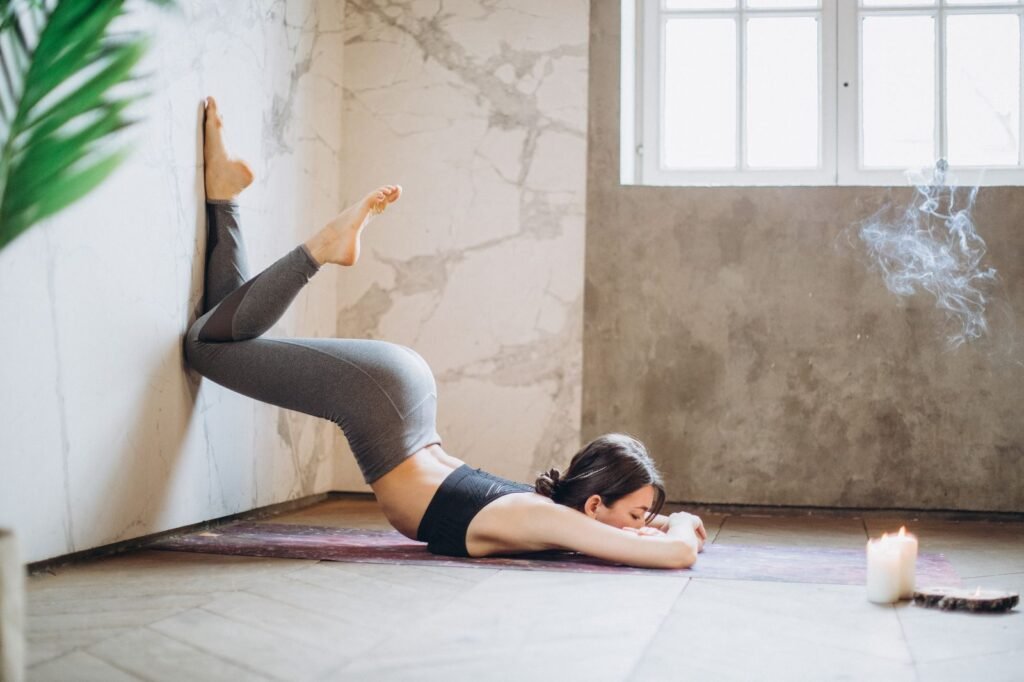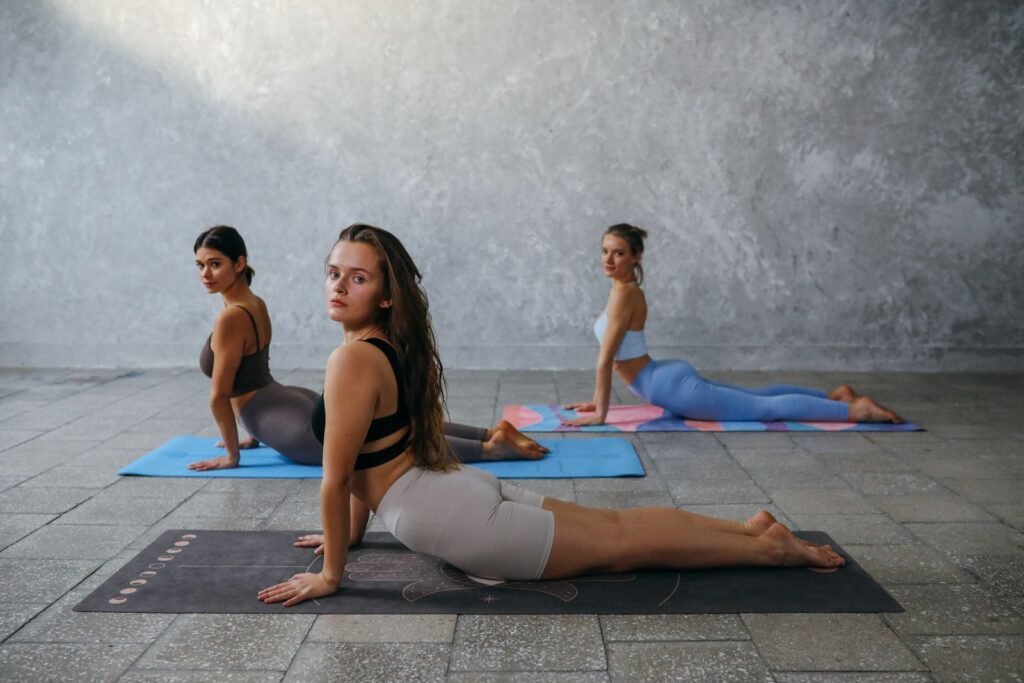
Simhasana, or Lion Pose, is a kneeling yoga posture where you exhale forcefully through an open mouth with your tongue extended toward your chin while gazing up toward your eyebrows or the tip of your nose, mimicking a roaring lion. It stretches the muscles of the face, jaw, and throat, releases pent-up tension, and is commonly used in yoga therapy to ease anxiety, improve vocal clarity, and stimulate the platysma muscle of the neck. Unlike most asanas, simhasana combines a physical shape with an audible breath release, making it one of the few yoga poses practiced as much for emotional catharsis as for physical benefit. It takes under a minute to learn and can be practiced by almost anyone, seated on a mat or even in a chair.
What Is Simhasana (Lion Pose) in Yoga?
Simhasana comes from two Sanskrit words: “simha,” meaning lion, and “asana,” meaning seat or pose. It belongs to the family of seated postures within yoga poses and is generally classified as a beginner-to-intermediate asana because the physical shape is simple, but the vocal and facial release can feel unfamiliar the first few times. In traditional hatha yoga texts, lion pose is grouped with postures believed to balance the throat chakra (vishuddha) and support clear, confident expression. In a modern studio or home practice, it is most often taught as a face and throat stretch combined with a breathing release, and it fits comfortably into a broader beginner yoga poses sequence or a facial-yoga routine.
How Do You Do Simhasana Step by Step?
The classic version of lion pose is performed kneeling, though a chair variation works just as well for anyone with knee sensitivity.
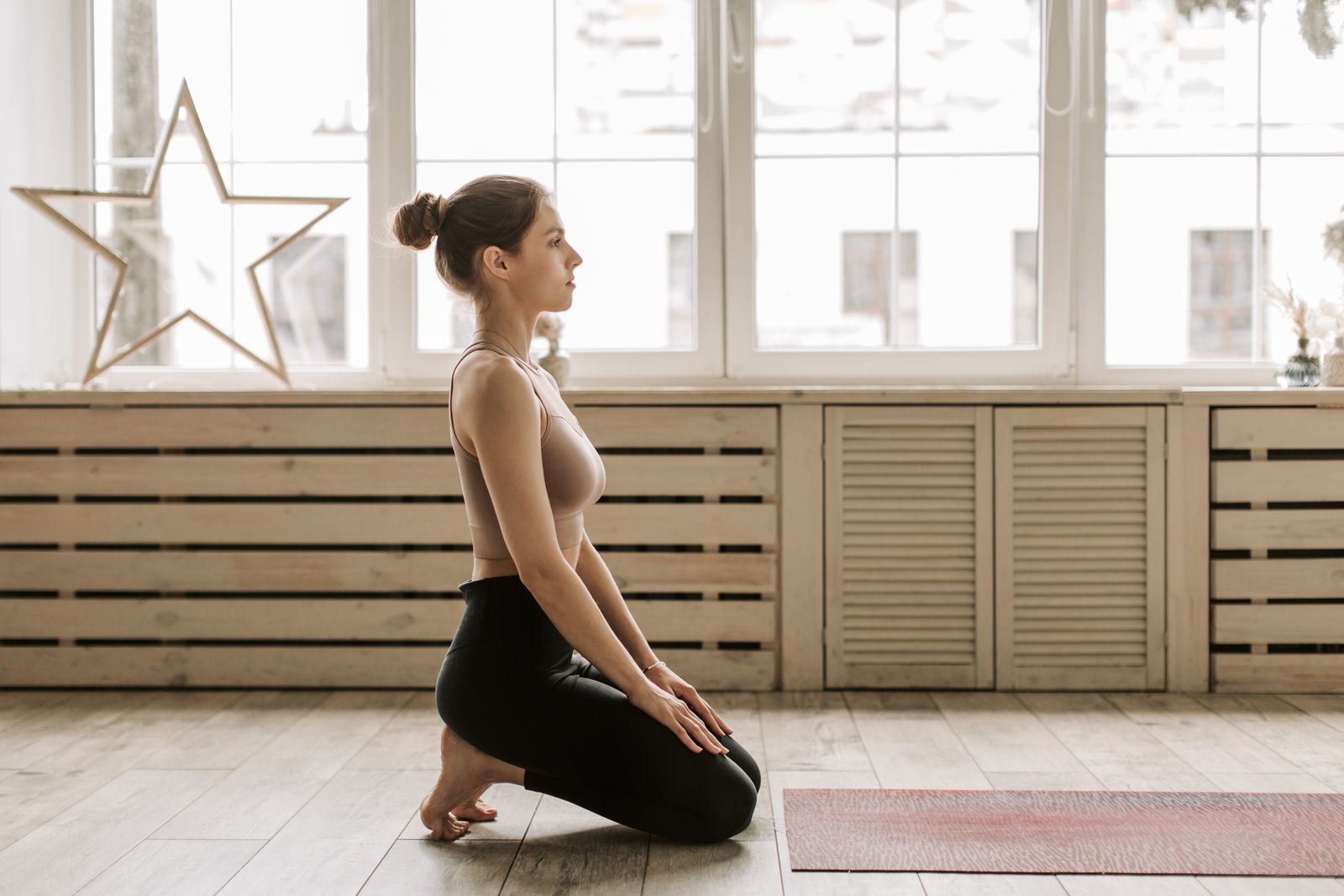
- Step 1: Kneel on your mat in Vajrasana (thunderbolt pose), sitting back on your heels with your spine tall. If your knees or ankles feel strained, sit on a folded blanket for cushioning.
- Step 2: Cross your ankles if that’s comfortable, or keep them hip-width apart. Lean your torso slightly forward and place your palms flat on the floor or on your knees, fingers spread wide like claws.
- Step 3: Inhale slowly and deeply through your nose, lengthening your spine and lifting your chest.
- Step 4: As you exhale, open your mouth wide, stick your tongue out and down toward your chin, widen your eyes, and gaze up toward your eyebrows or the tip of your nose.
- Step 5: Release the breath with an audible “haaa” sound from the back of your throat, as if roaring.
- Step 6: Relax your face completely, breathe normally for a few seconds, and repeat the full cycle three to six times.
Practicing this alongside foundational grounding poses such as tadasana at the start or end of a session helps you notice the contrast between the intensity of the roar and the stillness of standing tall afterward.
What Muscles and Areas Does Lion Pose Target?
Simhasana works muscles that almost no other yoga pose reaches directly. The platysma, a thin sheet of muscle running from the jaw down to the collarbone, gets a deep stretch as the tongue extends and the neck lengthens. The muscles around the eyes, forehead, and jaw also engage as you widen your gaze and open your mouth fully. Internally, the exhale activates the diaphragm and abdominal muscles, since a forceful “haaa” requires more engagement than a normal breath. Yoga teachers often describe this as one of the only postures that gives the facial muscles a genuine workout, which is part of why it shows up in facial-yoga and anti-aging routines as well as standard asana classes.
What Are the Benefits of Lion Pose?
Lion pose benefits extend across physical, respiratory, and emotional categories, which is part of why it has stayed popular in modern yoga therapy.
- Face and jaw release: Stretching the tongue, jaw, and facial muscles can relieve tension that builds up from clenching, stress, or long hours at a screen.
- Throat and voice support: The pose is traditionally associated with the throat chakra and is used by singers, teachers, and public speakers to warm up the vocal cords and reduce throat tightness before speaking.
- Stress and anger release: The combination of a strong exhale and an exaggerated facial expression gives you a physical outlet for frustration or anxiety that builds up during the day.
- Improved circulation to the face: The stretch and exhale are commonly described as encouraging blood flow to facial tissue, which some practitioners find leaves the skin looking more awake afterward.
- Confidence building: Making a loud, unselfconscious sound in a safe setting can genuinely help people who feel shy about their voice or self-expression.
These lion pose benefits make simhasana a natural fit at the end of a demanding practice, especially one built around a surya namaskar sequence, where the body has already generated heat and the face and jaw may be carrying tension from focused breathing.
What Does the Roaring Breath Actually Do?
The audible “haaa” exhale in simhasana is not decorative. It is a form of forced diaphragmatic exhalation, similar in mechanism to some pranayama practices, that empties the lungs more completely than a passive breath out. This full exhale can trigger a brief parasympathetic shift, the “rest and digest” response, once the roar is finished and the breath settles. Some yoga teachers pair lion’s breath with pranayama instruction specifically because it teaches students to notice the difference between a shallow, restrained breath and a full, unrestricted one. Because the exhale is loud, it also naturally interrupts anxious thought patterns for a moment, which is one reason simhasana appears in stress-management and yoga for anxiety resources.
Who Should Avoid Simhasana?
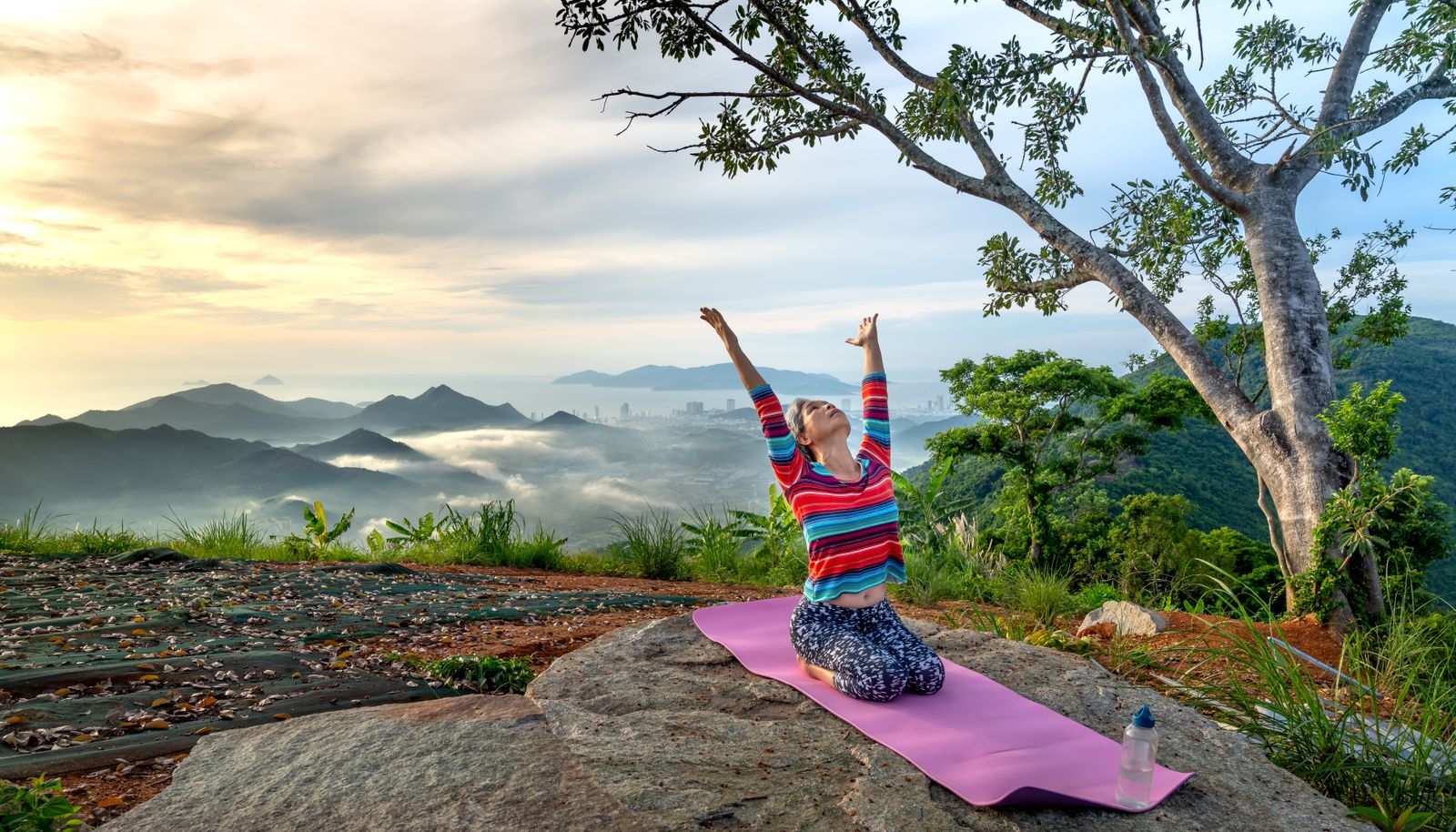
Lion pose is gentle on the body but not risk-free for everyone. People with recent or chronic knee injuries should avoid the kneeling position or use a chair variation instead, since sitting back on the heels can aggravate joint pain. Anyone with jaw conditions such as TMJ disorder, recent dental work, or facial nerve issues should skip the wide mouth opening or do a softer version without the full stretch. If you have a respiratory condition that makes forceful exhalation uncomfortable, breathe out gently instead of roaring at full volume. As with any new posture, it is worth checking with a doctor or a qualified teacher if you are pregnant, recovering from surgery, or managing a chronic condition, and building it into a broader yoga for back pain or joint-care routine only under guidance.
What Are Common Simhasana Variations?
Several variations make lion pose accessible regardless of flexibility or setting.
- Chair Lion Pose: Sit at the front edge of a chair with feet flat on the floor, hands on your knees, and perform the same inhale, tongue extension, and roaring exhale. This is ideal for office breaks or for anyone with knee limitations.
- Simhasana in Sukhasana: Practicing the pose cross-legged rather than kneeling reduces pressure on the ankles and knees while keeping the facial and breath work identical.
- Silent Lion’s Breath: For shared or quiet spaces, you can do the full facial stretch and forceful exhale without the vocal roar, which still releases jaw and eye tension.
- Paired with Balasana: Some sequences follow simhasana with child’s pose to let the nervous system settle after the intensity of the roar.
Trying a few of these variations alongside balance postures like vrksasana can round out a session that touches grounding, balance, and expressive release in a single practice.
How Does Simhasana Compare to Other Face and Throat-Focused Practices?
Very few yoga postures target the face directly, which makes simhasana somewhat unique. Compared to pranayama techniques like kapalabhati or bhastrika, which focus on rhythmic, rapid breathing without a facial component, lion pose is a single, complete exhale paired with a dramatic facial and tongue stretch. Compared to jaw-release stretches sometimes taught in restorative or yin yoga classes, simhasana is more active and vocal rather than passive and held. If your goal is specifically to release jaw clenching from stress, pairing simhasana with a restorative jaw stretch later in the same practice can address both the active and passive sides of that tension.
When Should You Practice Lion Pose in a Yoga Sequence?
Simhasana works well in several places within a class or home practice. Many teachers place it near the beginning as a playful, tension-releasing warm-up that also gets students breathing fully before deeper work begins. Others use it near the end of a practice, after a series of standing or backbend postures, as a way to release residual tension from the face and jaw that built up during concentration. It also fits naturally into a short desk-break routine, since it requires no mat and only a few seconds per round. If you are building a full class plan, simhasana pairs well bookended by tadasana for grounding and a short seated pranayama practice for a calm close.
Does Simhasana Have Benefits Backed by Yoga Tradition?
Traditional hatha yoga texts associate simhasana with the throat chakra and with clearing communication blocks, though these are classical yogic concepts rather than clinical claims. What is more consistently reported by yoga teachers and long-time practitioners is the immediate, tangible sense of release many people feel in the jaw, throat, and shoulders after a few rounds. Because the pose is low-risk, quick to learn, and requires no equipment, it remains a staple of hatha yoga classes and beginner workshops even though its benefits are largely experiential rather than the subject of rigorous clinical research. If you’re evaluating it for a specific health goal, treat it as a low-cost, low-risk addition to a broader practice rather than a stand-alone treatment.
How Can Beginners Build Confidence with Simhasana?
New students often feel self-conscious making a loud sound or an exaggerated face in front of others, so building comfort gradually helps. Start by practicing simhasana alone at home, in front of a mirror if that helps you see the shape clearly, before doing it in a group class. Begin with a quieter exhale and let the sound grow naturally over a few sessions rather than forcing volume immediately. Reminding yourself that the “silliness” of the pose is part of the point, it is designed to interrupt seriousness and self-restraint, can make the first few attempts feel less awkward. Many students report that once they get past the initial hesitation, lion pose becomes one of the more enjoyable parts of their practice, alongside grounding staples like vrksasana and sun salutation flows.
What Common Mistakes Should You Avoid in Lion Pose?
A few small errors reduce the benefit of simhasana or create unnecessary strain. Rushing the inhale before the roar means you won’t have enough breath to sustain a full, satisfying exhale, so slow the inhale down deliberately. Holding tension in the shoulders or clenching the hands instead of spreading the fingers wide reduces the full-body release the pose is meant to offer. Skipping the gaze upward toward the eyebrows, or the nose tip as a gentler alternative, removes part of the traditional shape and the associated eye-muscle stretch. Finally, forcing a loud roar before you’re comfortable can feel performative rather than releasing; a quieter version done with full commitment to the breath is more valuable than a loud one done half-heartedly.
Questions People Ask About Simhasana
What is simhasana good for?
Simhasana is good for releasing tension in the face, jaw, and throat, supporting vocal clarity, and providing a physical outlet for stress or frustration. The forceful exhale and facial stretch combine to leave many practitioners feeling immediately lighter and calmer, which is why it’s often used as both a stress-relief tool and a warm-up before speaking or singing.
How many times should you do lion’s breath?
Most teachers recommend three to six rounds of simhasana per practice, resting normally between each one. Doing more than that isn’t necessary since the benefit comes from the quality of the exhale and facial stretch rather than repetition count, and over-repeating can leave the throat feeling fatigued.
Is simhasana safe for beginners?
Yes, simhasana is considered safe for most beginners because it requires no flexibility, strength, or prior yoga experience. The main precautions involve knee comfort while kneeling and avoiding a full forceful roar if you have a jaw, dental, or respiratory condition, in which case a gentler variation works just as well.
Can you do lion pose sitting in a chair?
Yes, chair lion pose is a common and fully effective variation. Sit toward the front edge of a chair with feet flat on the floor, hands resting on your knees, and perform the same inhale, tongue extension, and roaring exhale as the kneeling version, making it useful for office breaks or anyone with knee limitations.
What does simhasana mean in Sanskrit?
Simhasana combines “simha,” meaning lion, with “asana,” meaning seat or pose, translating roughly to “lion’s seat” or “lion pose.” The name reflects the shape of the posture, with its wide mouth, extended tongue, and roaring exhale, mimicking a lion baring its teeth and roaring.
Why do you stick your tongue out in lion pose?
Extending the tongue toward the chin during simhasana deepens the stretch through the front of the throat, jaw, and the platysma muscle running down the neck. It also intensifies the facial release and makes the forceful exhale easier to produce, since the open mouth and extended tongue create more space for the “haaa” sound to travel through.
Try This for Yourself
Reading about simhasana is a good start, but the benefits of lion pose are easiest to feel when someone experienced walks you through the breath, gaze, and timing in real time. If you’d like personalized guidance on this pose and a full practice built around your goals, explore FitStrot’s online yoga classes and work with a teacher who can adjust the pose to your body and experience level.
Related reading: yoga poses, tadasana, vrksasana, surya namaskar, or start today with FitStrot’s online yoga classes.