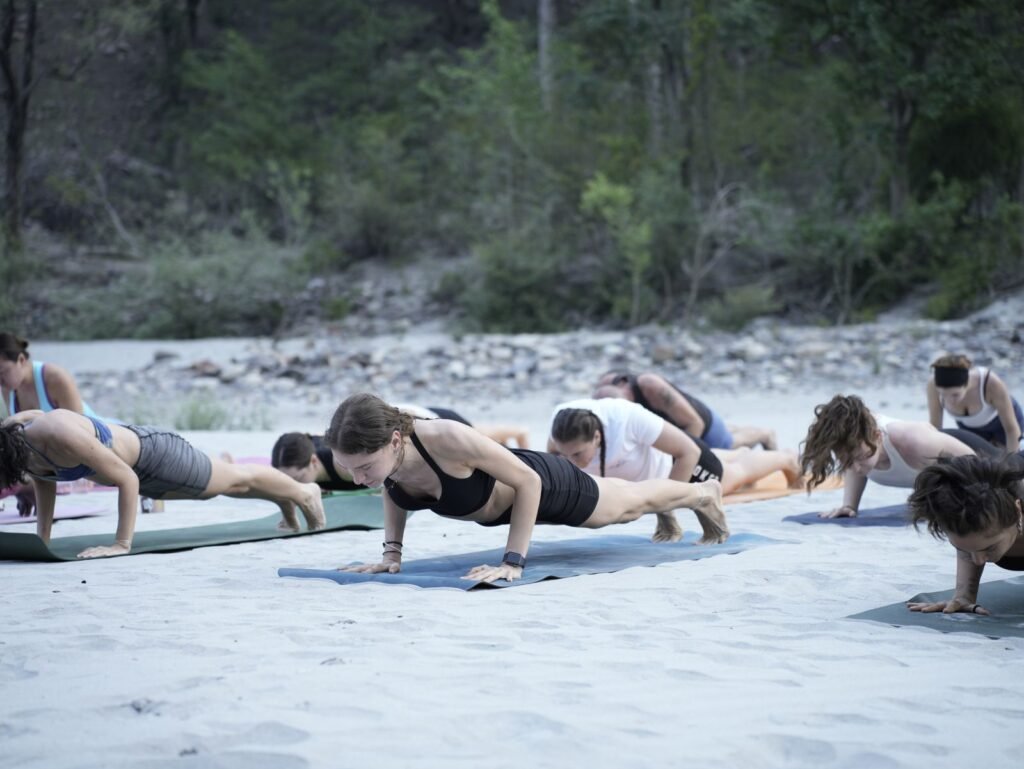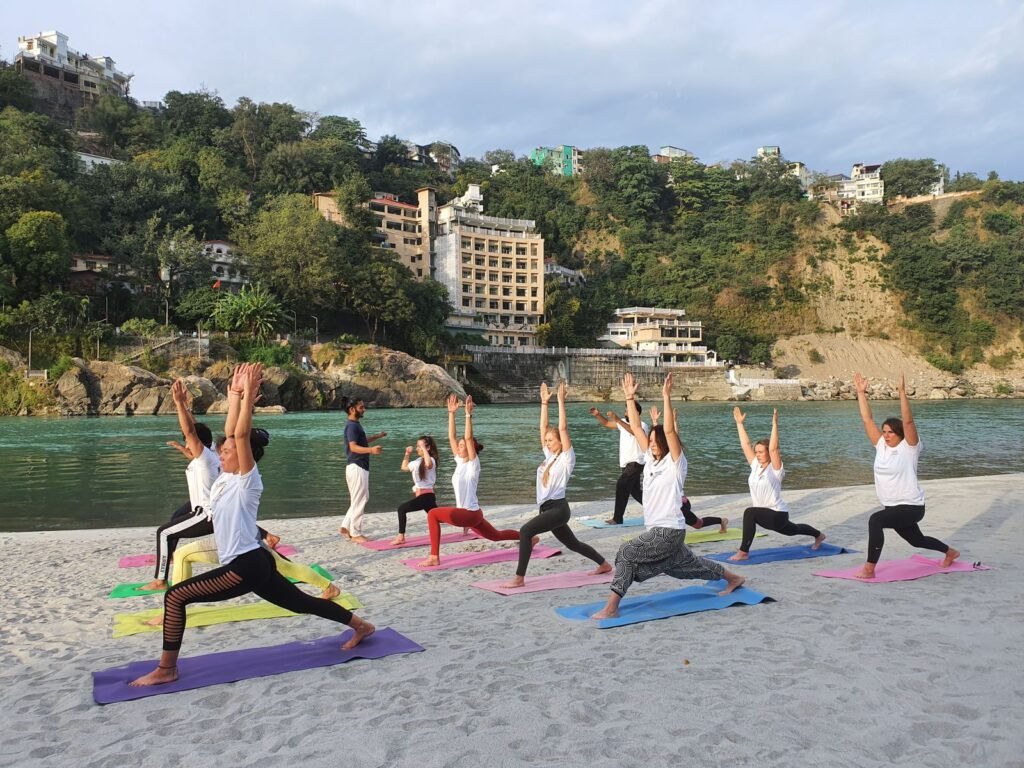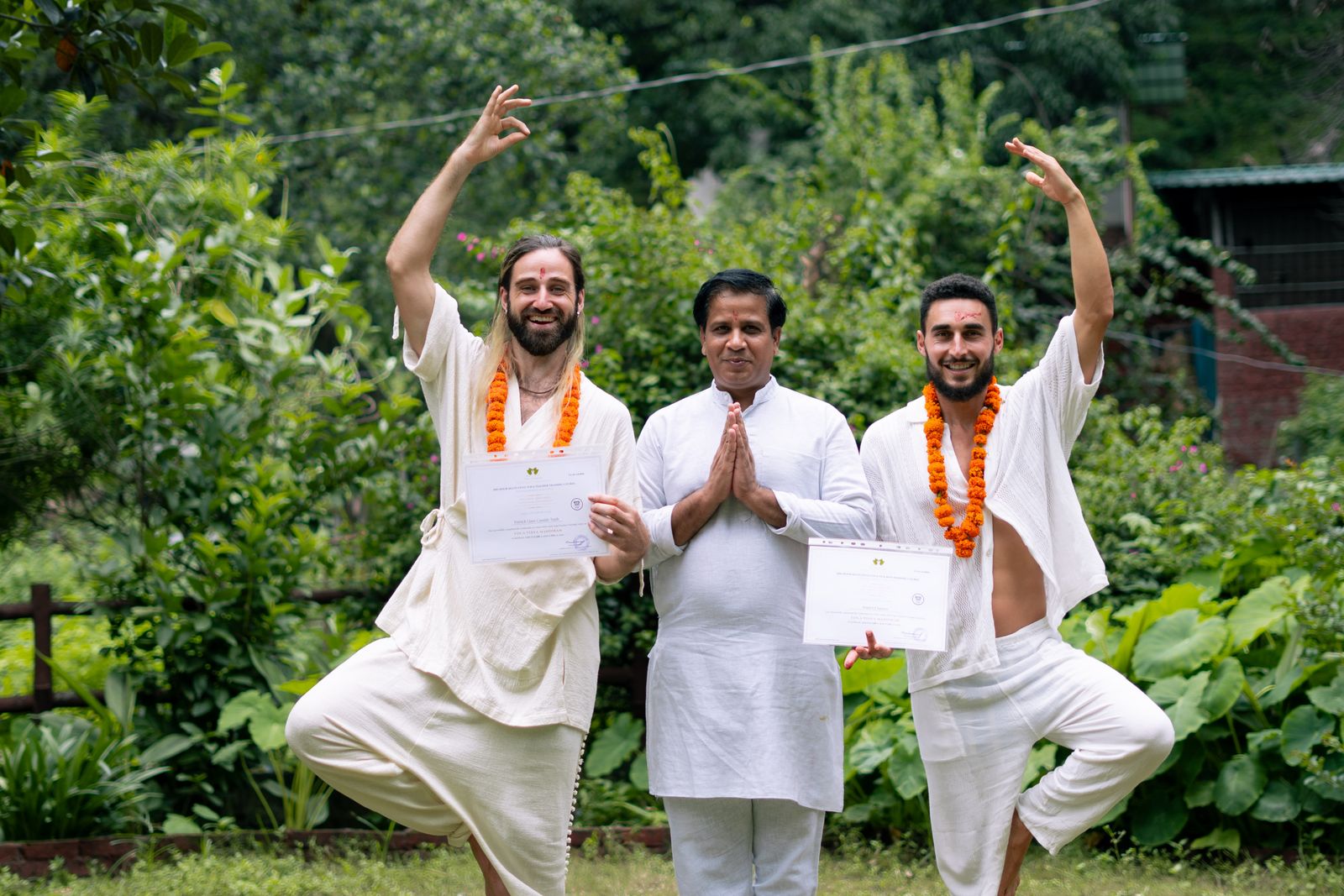
A yoga certificate course is a structured training program, typically 200 to 500 hours long, that qualifies you to teach yoga professionally or deepen your personal practice with recognized credentials. The most widely accepted benchmark is Yoga Alliance’s RYT (Registered Yoga Teacher) framework, which starts with a 200-hour foundational certification and can be extended through 300-hour and 500-hour advanced tracks. In India, government-recognized options like the Yoga Certification Board (YCB) under the Ministry of AYUSH and university-affiliated programs such as the Certificate Course in Yoga and Naturopathy (CCYN) add another respected pathway, especially for those planning to teach domestically or work in wellness and naturopathy settings.
Whether you want to teach full-time, add a credential to a fitness career, or simply understand your practice at a deeper level, choosing the right certificate course means understanding the different formats, accreditations, and time commitments available. This guide breaks down everything you need to decide with confidence.
What Exactly Is a Yoga Certificate Course?
A yoga certificate course is a formal training program that combines asana (posture) practice, teaching methodology, anatomy and physiology, philosophy, and often a practicum where you teach under supervision. Unlike a casual yoga class, a certificate course follows a syllabus with defined learning outcomes and culminates in an assessment, whether that’s a practical teaching demonstration, a written exam, or both. Completion earns you a certificate from the issuing school, and depending on the school’s accreditation, that certificate may also carry a recognized credential like RYT status. This distinction matters: a certificate alone shows you finished a program, while a recognized credential signals that the program itself met external quality standards.
What Are the Different Levels of Yoga Certification?
Yoga certification is generally structured in tiers, each building on the last:
- 200-hour (RYT 200): The entry point for teaching. Covers foundational asana, basic anatomy, teaching methodology, and yoga philosophy. Most studios require this minimum before hiring.
- 300-hour: An advanced program for those who already hold a 200-hour certificate. Deepens subject-specialized knowledge such as yoga therapy, advanced pranayama techniques, or subtle body anatomy.
- 500-hour (RYT 500): Achieved by combining a 200-hour and a 300-hour certification, this is the senior teaching credential recognized by Yoga Alliance.
- Specialty certifications: Shorter add-on courses in areas like prenatal yoga, yin yoga, or restorative yoga, usually 20 to 95 hours, layered on top of a base certification.
Understanding which tier you actually need prevents overspending on hours you don’t yet require. Most people considering a career change should start at 200 hours rather than jumping straight to advanced training.
Is a Yoga Teacher Certificate Course Different from a Certificate Course?
Yes, and the distinction trips up a lot of first-time searchers. A general “yoga certificate course” can refer to any structured program, including short wellness-focused courses aimed at personal practice or complementary careers in naturopathy. A “yoga teacher certificate course,” by contrast, is specifically designed to qualify graduates to instruct others, and it typically follows Yoga Alliance’s Registered Yoga School (RYS) curriculum standards or an equivalent national framework. If your goal is to lead classes at a studio, gym, or through online yoga classes, confirm the course explicitly grants a teaching credential, not just a completion certificate, before enrolling.
What Do You Actually Learn in a Yoga Certificate Course?
Curriculum content varies by school, but Yoga Alliance’s standards for Registered Yoga Schools require coverage across five core categories: techniques, training, and practice (asana, pranayama, and other practices); teaching methodology; anatomy and physiology; yoga philosophy, lifestyle, and ethics; and practicum, where trainees practice teaching real students under observation. A well-rounded program typically includes:
- Alignment principles for major pose families, including standing poses, backbends, and inversions
- Sequencing logic for building a full class, from warmup through peak pose to cool-down
- Anatomy focused on joints, muscles, and common injury patterns, including guidance on yoga for back pain and safe modifications
- Foundational philosophy texts, often including concepts from the Yoga Sutras and the eight limbs of yoga
- Voice projection, cueing language, hands-on adjustments, and classroom management
- Business basics: liability insurance, studio etiquette, and building a class following
The depth of each section varies widely between schools, so ask for a detailed hour-by-hour breakdown before enrolling rather than relying on a marketing overview.
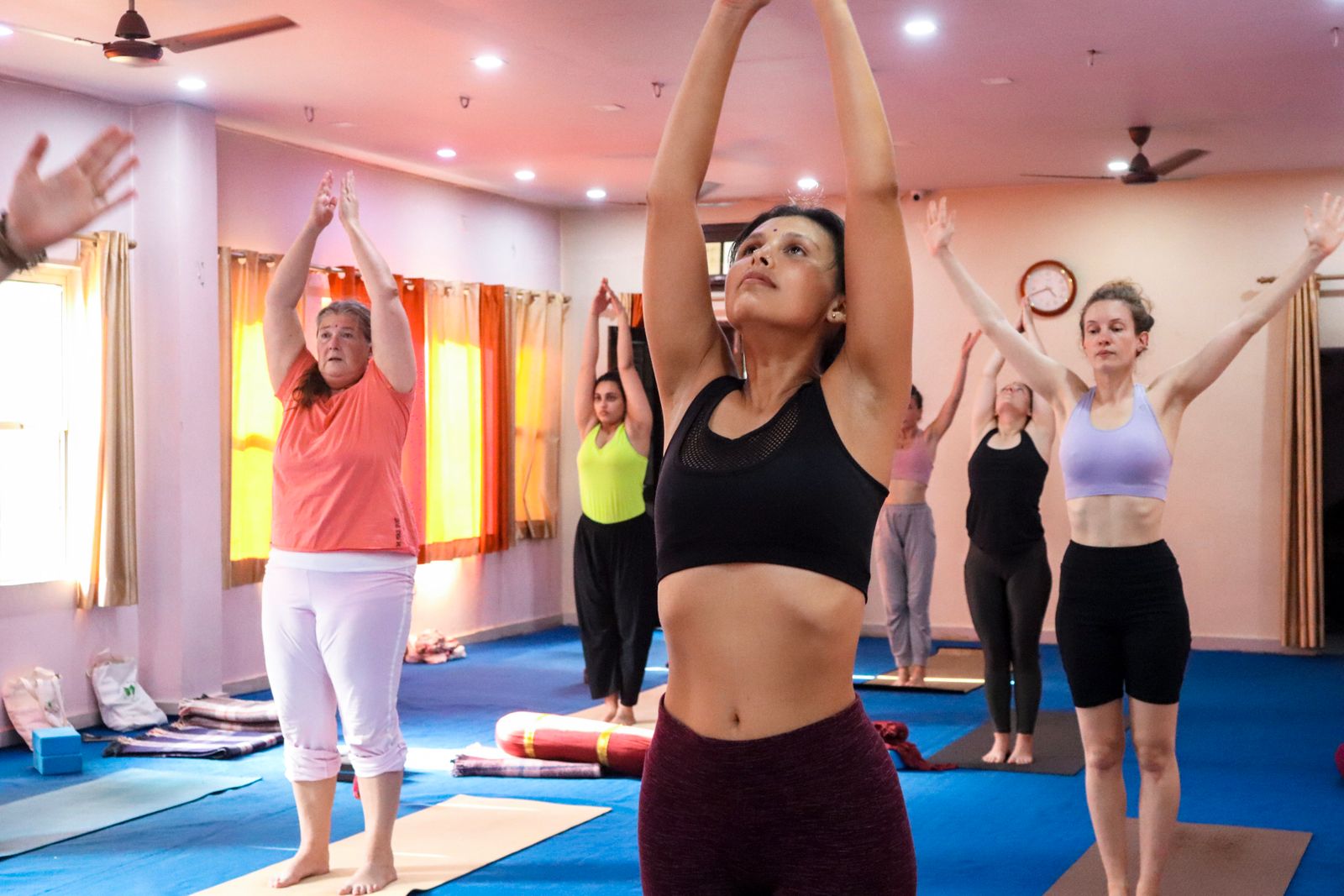
How Do You Find a Free Yoga Certificate Course?
Fully free, accredited teacher certifications are rare, since Registered Yoga Schools invest heavily in curriculum development and lead-teacher salaries. That said, legitimate no-cost or low-cost options do exist:
- Government-sponsored programs: In India, the Ministry of AYUSH periodically runs subsidized or fully funded yoga instructor courses through certified institutions as part of national wellness initiatives.
- Introductory online modules: Many established schools offer free short courses (a few hours to a couple of weeks) covering philosophy or a single style, as a lead-in to their paid full certification.
- Scholarships and work-study: Some studios and ashrams offer discounted or free tuition in exchange for karma yoga (volunteer service) during the training period.
- Employer or gym-sponsored training: Fitness chains occasionally sponsor certification for existing staff who commit to teaching in-house afterward.
Be cautious of any program claiming to offer a “free” full RYT 200 certification with no catch. Verify the school’s Yoga Alliance registration directly on the Yoga Alliance website before paying any incidental fees or committing your time.
What Should You Expect from a Yoga Certificate Course Online?
Online yoga certificate courses have grown significantly since 2020, and Yoga Alliance now accredits both fully online and hybrid RYS programs. A quality online course includes:
- Live, scheduled sessions with a lead teacher, not just pre-recorded video
- Small group sizes that allow for real-time feedback on alignment and cueing
- A structured practicum component where you teach and receive recorded feedback
- Access to instructors for anatomy and philosophy Q&A, not a self-paced-only format
The convenience of online certification suits people balancing a job or family commitments, and it removes the cost of travel and accommodation. The trade-off is less hands-on adjustment practice, so many graduates supplement an online 200-hour certificate with an in-person specialty module later, particularly for hands-on assist training. If you are weighing formats, our guide to online yoga classes covers how virtual instruction compares to studio-based teaching in practice.
How Do You Choose Between an Online and In-Person Format?
Neither format is universally better; the right choice depends on your learning style and career goals. In-person immersion courses, often run over 21 to 28 consecutive days, suit people who learn best through repetition and daily correction, and who can take an extended break from work. Weekend or part-time in-person courses, spread over several months, suit those staying local while working a regular job. Online formats suit self-motivated learners comfortable with video-based feedback and who need maximum schedule flexibility. If your long-term goal includes teaching at a physical studio, prioritize a program with a strong practicum component regardless of format, since hands-on teaching hours matter more to future employers than the delivery method.
How Do You Find a Yoga Certificate Course Near You?
Searching “yoga certificate course near me” typically surfaces local studios, but not all local studios run Yoga Alliance-registered programs. To vet options properly:
- Search the Yoga Alliance Registered Yoga School directory by location to confirm accreditation status
- Visit the studio and observe a regular class taught by the lead trainer before committing
- Ask current or former trainees about the practicum-to-lecture ratio
- Compare total contact hours against the advertised course length; some programs pad hours with self-study that doesn’t include direct instruction
- Confirm whether the certificate transfers to yoga instructor jobs at gyms, corporate wellness programs, or studios outside that specific school’s network
Local training also has the advantage of building relationships with studio owners who may hire graduates directly, so factor networking potential into your decision, not just curriculum content.
Why Do So Many People Choose a Yoga Certificate Course in Delhi?
Delhi has become a major hub for yoga certification in India, with programs ranging from short AYUSH-recognized courses to full Yoga Alliance-registered 200-hour and 300-hour trainings. The city’s appeal comes from a combination of established yoga institutes, government support through the Ministry of AYUSH’s promotion of traditional Indian systems, and relatively lower tuition and living costs compared to training abroad. Many Delhi-based programs also offer a bridge between traditional Hatha and Ashtanga lineages and modern teaching methodology, which appeals to international students seeking an authentic grounding alongside a portable, internationally recognized credential. If Delhi’s course calendar doesn’t align with your schedule, nearby options in Rishikesh, often called the world capital of yoga, offer a similar blend of tradition and accreditation.
What Is the Certificate Course in Yoga and Naturopathy?
The Certificate Course in Yoga and Naturopathy (CCYN) is a distinct academic pathway offered by several Indian universities and AYUSH-recognized institutions, separate from a standard yoga teacher certification. Rather than focusing purely on teaching methodology, CCYN blends yogic practice with naturopathic principles such as diet therapy, hydrotherapy, and natural healing methods, preparing graduates for roles in wellness centers, naturopathy clinics, and integrative health settings rather than solely studio teaching. Course length and entry requirements vary by institution, with some requiring a prior background in health sciences. If your career goal leans toward holistic health and wellness consulting rather than group fitness instruction, CCYN or a related BNYS (Bachelor of Naturopathy and Yogic Sciences) pathway may suit you better than a standard RYT track.
How Much Does a Yoga Certificate Course Cost?
Costs vary enormously by format, location, and school reputation. A 200-hour certification in India typically costs less than the same program in the United States, United Kingdom, or Australia, largely due to differences in cost of living and instructor fees. Online 200-hour programs generally sit at the lower end of the price range since schools save on venue and accommodation costs. Immersion programs at destination locations like Rishikesh or Goa often bundle tuition with lodging and meals, which can make the total look higher but may actually represent good value once travel and living costs are factored in. Always ask exactly what’s included: some quotes cover tuition only, while others bundle accommodation, meals, course materials, and the Yoga Alliance registration fee paid separately after graduation.
What Happens After You Complete Your Certificate?
Finishing the course is the beginning, not the endpoint. Graduates typically take one or more of these paths:
- Register with Yoga Alliance (if the school is accredited) to use the RYT credential professionally and access their teacher directory
- Apply for studio positions, building a substitute-teaching track record before securing a regular class slot
- Launch independent or online classes, which requires marketing skills alongside teaching skills
- Pursue further specialization in areas like yoga for anxiety, chair yoga for older adults, or corporate wellness programs
- Continue toward 300-hour and 500-hour credentials to teach teacher trainings themselves eventually
Many new teachers underestimate how much of the first year is spent building a student base rather than actively teaching packed classes, so budget time and patience accordingly.
What Mistakes Should You Avoid When Choosing a Course?
The most common and costly mistakes include enrolling before confirming Yoga Alliance or AYUSH accreditation status directly with the registering body, choosing a course based on location or price alone without checking the lead teacher’s experience and teaching style, underestimating the physical demands of an immersion-format course when not already practicing regularly, and skipping the practicum component in favor of a shorter, cheaper option. A 200-hour certificate that skimps on teaching practice will leave you technically certified but genuinely unprepared to lead your first class. Ask any prospective school exactly how many hours are dedicated to supervised teaching practice versus lecture and self-study.
How Does This Fit Into a Broader Yoga Career Path?
A single certificate course rarely represents the entire journey for someone serious about a yoga career. Most instructors build a portfolio over several years: starting with a foundational 200-hour credential, gaining experience across different types of yoga and student populations, and layering in specialty training as their interests and student demand evolve. Reviewing broader yoga courses available at each stage, alongside full yoga teacher training programs, helps map out a realistic multi-year progression rather than treating certification as a single finish line.
Questions People Ask About Yoga Certificate Courses
How long does a yoga certificate course take to complete?
A standard 200-hour course typically takes 3 to 4 weeks as an intensive in-person immersion, or 4 to 9 months part-time online or on weekends. Advanced 300-hour and 500-hour tracks generally add several more months, depending on whether you study full-time or alongside other commitments.
Can I teach yoga without a certificate?
Technically yes, since yoga teaching isn’t government-licensed in most countries, but almost all studios, gyms, and insurance providers require a recognized 200-hour certification before hiring. Teaching without certification also increases liability risk and limits your ability to guide students safely through injuries or physical limitations.
What’s the difference between Yoga Alliance and AYUSH certification?
Yoga Alliance is a US-based nonprofit that sets voluntary global standards for yoga schools and issues RYT credentials recognized internationally. AYUSH, through India’s Yoga Certification Board, is a government body that certifies yoga instructors and schools within India’s national wellness framework. Many Indian schools hold both accreditations to serve domestic and international students.
Do I need to be very flexible to enroll in a yoga certificate course?
No. Certificate courses are designed to build skill and understanding over the training period, not to test existing flexibility. Reputable programs teach modifications and props so trainees of varying body types and experience levels can complete the practicum successfully.
Is a 200-hour certificate enough to start teaching?
Yes, a 200-hour RYT certification is the industry-standard minimum for teaching general group classes at most studios and gyms. Some specialized settings, like therapeutic or prenatal classes, require additional specialty certification on top of the base 200-hour credential.
Can I get certified in yoga entirely online?
Yes, Yoga Alliance now accredits fully online Registered Yoga Schools, provided the program includes live instruction and a genuine practicum component rather than only pre-recorded video. Confirm a course’s accreditation status and live-contact-hour breakdown before enrolling in any online-only program.
Try This for Yourself
Before committing to a full certification, the best way to test whether teaching yoga is the right path for you is to deepen your own practice consistently first. Try FitStrot’s online yoga classes to build the consistency, body awareness, and confidence that make certificate training far more productive once you enroll.
Related reading: yoga instructor jobs, yoga teacher training in Rishikesh, yoga courses, yoga teacher training, and FitStrot’s online yoga classes.