The Yoga Sutras of Patanjali is a foundational Sanskrit text of 195-196 short aphorisms (sutras) organized into four chapters, or padas, that systematically explain what yoga is, how the mind works, and the eight-limbed path (ashtanga yoga) for reaching a settled, clear state of consciousness known as samadhi. Compiled sometime between roughly 500 BCE and 400 CE, the text does not teach physical postures in the way modern yoga classes do; instead it is a compact manual of mental discipline, ethics, and meditation that underlies nearly every style of yoga practiced today, from gentle hatha yoga to fast-paced vinyasa flow.
Who Was Patanjali and Why Does This Text Matter?
Patanjali is traditionally regarded as the compiler (not necessarily the sole original author) of the Yoga Sutras, a sage credited with organizing scattered teachings on yoga, Samkhya philosophy, and older contemplative traditions into one coherent framework. Little verifiable biographical detail about him survives, and scholars continue to debate the exact dates and even whether “Patanjali” refers to one person or a lineage of teachers. What matters more than the biography is the achievement: the text distilled centuries of oral yoga teaching into a structured system that could be studied, memorized, and transmitted. It matters today because almost every teacher training program, philosophy course, and serious yoga book still references it as the closest thing yoga has to a foundational rulebook, similar to how the yoga sutra tradition as a whole underpins modern practice.
What Do the Four Padas (Chapters) Cover?
The text is divided into four padas, each with a distinct focus. Understanding this structure makes the rest of the sutras much easier to navigate.
- Samadhi Pada (51 sutras): Defines yoga itself and describes the states of absorbed concentration that are the ultimate aim of practice.
- Sadhana Pada (55 sutras): The practical chapter, introducing kriya yoga and the eight limbs, including the yamas and niyamas (ethical guidelines).
- Vibhuti Pada (56 sutras): Explores the advanced powers (siddhis) that are said to arise from deep meditative mastery, along with cautions about pursuing them as distractions.
- Kaivalya Pada (34 sutras): Addresses liberation (kaivalya) — the final freeing of consciousness from identification with the material world.
Together these four sections move from theory (what yoga is) to method (how to practice) to advanced states (what becomes possible) to the ultimate goal (freedom).
What Is the Famous Opening Definition of Yoga?
The second sutra of the entire text, “yogaś citta-vṛtti-nirodhaḥ,” is widely translated as “yoga is the stilling of the fluctuations of the mind.” This single line is arguably the most quoted phrase in all of yoga philosophy because it reframes yoga away from flexibility or fitness and toward mental clarity. According to this definition, a person who sits still but whose mind is calm and undistracted is practicing yoga more fully than someone doing advanced postures with a scattered mind. This idea is the philosophical seed for everything taught in modern meditation for beginners classes and underlies why breathing and stillness are treated as central, not optional extras, in traditional practice.
What Are the Eight Limbs (Ashtanga) of Yoga According to Patanjali?
The Sadhana Pada lays out ashtanga, the eight-limbed path, which remains the most referenced practical framework in the entire text. This is different from the physical style called “Ashtanga yoga” popularized in the 20th century, though that style borrows its name from this concept. The eight limbs are described as follows.
1. Yama — Ethical Restraints
Five guidelines for how a practitioner relates to others: non-violence (ahimsa), truthfulness (satya), non-stealing (asteya), moderation (brahmacharya), and non-possessiveness (aparigraha).
2. Niyama — Personal Observances
Five inward-facing disciplines: cleanliness (saucha), contentment (santosha), disciplined effort (tapas), self-study (svadhyaya), and surrender to a higher principle (ishvara pranidhana). Together the yamas and niyamas form the ethical foundation the entire path is built on.
3. Asana — Posture
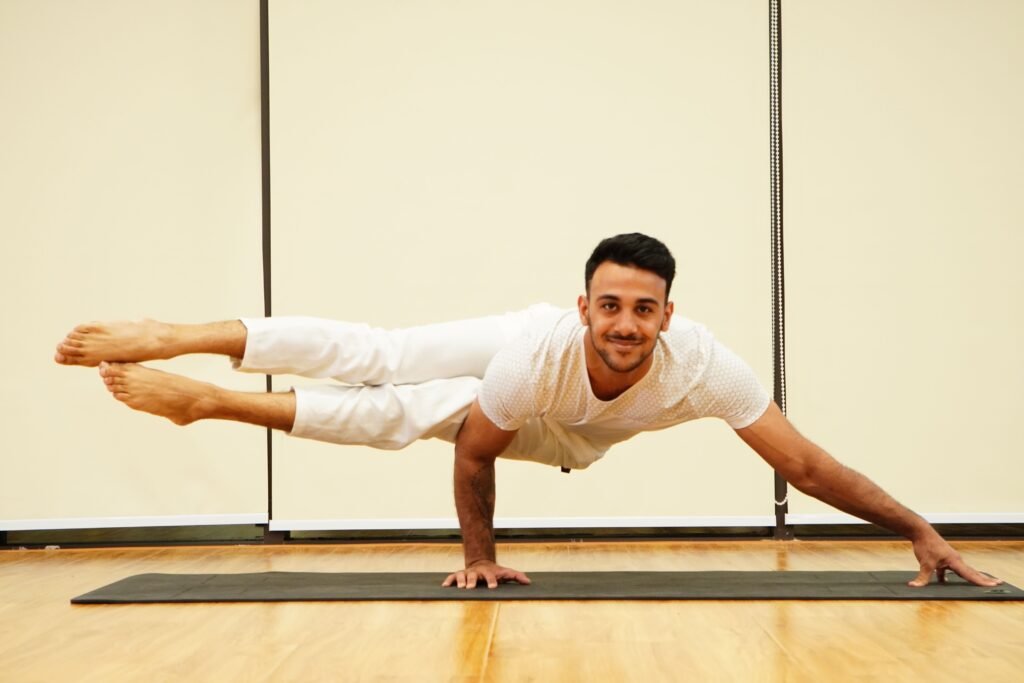
In the original text, asana refers narrowly to a steady, comfortable seated position for meditation, not the wide vocabulary of poses taught in a modern yoga class today. The sutras describe asana simply as “sthira sukham asanam” — steady and comfortable posture.
4. Pranayama — Breath Regulation
Conscious control of the breath, used to calm and prepare the nervous system for concentration. This is the philosophical root of practices taught in a dedicated pranayama breathing class.
5. Pratyahara — Withdrawal of the Senses
Turning attention inward, away from external sensory distraction, as a bridge between the outward-facing limbs and the inward-facing ones that follow.
6. Dharana — Concentration
Fixing attention on a single point, object, or idea, building the mental steadiness needed for deeper meditation.
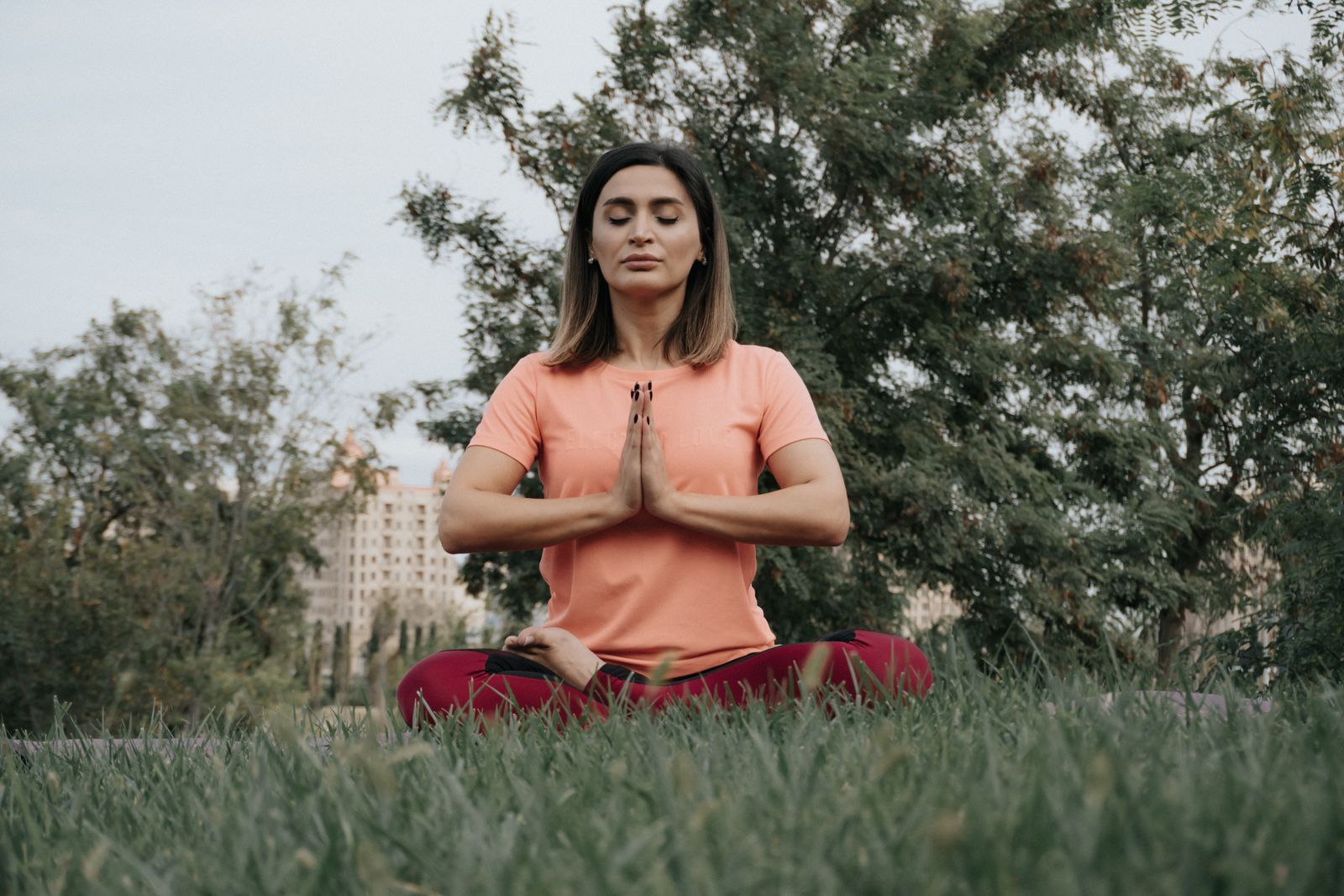
7. Dhyana — Meditation
Sustained, uninterrupted concentration that flows without effort, distinct from dharana’s more effortful, single-point focus.
8. Samadhi — Absorption
The state in which the meditator and the object of meditation seem to merge, described in the Samadhi Pada as the culmination of the entire path. For a deeper walkthrough of how these eight stages connect in sequence, see our guide to the 8 limbs of yoga.
How Does Samkhya Philosophy Relate to the Yoga Sutras?
The Yoga Sutras are built on the metaphysical framework of Samkhya, one of the oldest schools of Indian philosophy. Samkhya describes reality as composed of two fundamental principles: purusha (pure consciousness or the witness) and prakriti (nature, or all matter and mental activity). The goal of yoga, in this framework, is to help purusha recognize itself as distinct from the fluctuations of prakriti, including thoughts, emotions, and sensory experience. Where classical Samkhya is largely non-theistic, Patanjali’s yoga adds the concept of Ishvara, a personal or archetypal deity, which is why the system is sometimes informally described as “Samkhya with a God.” Understanding this backdrop makes many otherwise abstract sutras far more concrete, and it’s a useful companion to broader study of yoga philosophy.
What Are the Five Kleshas (Causes of Suffering) Described in the Text?
The Sadhana Pada identifies five kleshas, or root causes of human suffering, that yoga practice is designed to gradually loosen. These are avidya (ignorance or misperception of reality), asmita (ego or false identification with the mind and body), raga (attachment to pleasure), dvesha (aversion to discomfort), and abhinivesha (fear of death or clinging to life). Avidya is described as the root from which the other four grow. This framework gives yoga practice a clear psychological purpose beyond exercise, and it’s frequently referenced in yoga for stress relief and anxiety-focused teaching because it offers a structured way to understand why certain mental patterns feel so persistent.
What Are the Most Quoted Yoga Sutras Verses?
Several individual sutras are quoted so often that they function almost like standalone proverbs in the wider yoga community. Beyond the opening definition of yoga already discussed, commonly cited lines include the description of the mind’s five fluctuations (vrittis) in the Samadhi Pada, the teaching that consistent, uninterrupted practice over a long period (abhyasa) combined with non-attachment (vairagya) is what steadies the mind, and the closing verses of the Kaivalya Pada on the nature of liberation. These verses are popular precisely because they compress a complex psychological or spiritual idea into a single memorable line, which is part of why “patanjali yoga sutras quotes” remains one of the most searched aspects of the text — people encounter a single verse and want to understand its fuller context.
Which English Translations and Editions Are Considered Reliable?
Because the sutras are written in terse classical Sanskrit, translation and interpretive commentary matter enormously, and different translators emphasize different aspects of the text.
- Swami Vivekananda’s “Raja Yoga” (1896): One of the earliest and most influential English introductions, pairing translation with his own commentary aimed at a Western audience discovering yoga philosophy for the first time.
- B.K.S. Iyengar’s “Light on the Yoga Sutras of Patañjali” (1993): Written by the founder of Iyengar yoga, this edition connects the philosophical text closely to physical practice and alignment-based teaching.
- Swami Satchidananda’s “The Yoga Sutras of Patanjali” (1978): A widely used teacher-training text known for its accessible, conversational commentary alongside the Sanskrit and transliteration.
Readers searching for a “patanjali yoga sutra book pdf” or “patanjali yoga sutras pdf by vivekananda” are usually looking for one of these public-domain or widely reprinted editions, since Vivekananda’s original 1896 lectures are now in the public domain in most countries and freely available through libraries and archives.
Is the Yoga Sutras of Patanjali Available in Sanskrit, Hindi, and Regional Languages?
Yes. The original text is written entirely in classical Sanskrit, and the “yoga sutras of patanjali in sanskrit” is the primary source most serious students eventually want to study alongside a translation, since translation alone can lose nuance in terse aphoristic language. Because the text is foundational across India, it has also been translated and commented on extensively in Hindi (“patanjali yoga sutra in hindi”) and regional languages including Telugu (“patanjali yoga sutras in telugu”), Tamil, Bengali, and Marathi, typically by regional maths, yoga institutes, and university Sanskrit departments. Bilingual editions that show the Sanskrit verse, a word-for-word transliteration, and a translation side by side tend to be the most useful for students who want to eventually read the sutras in the original.
How Does Osho’s Commentary on the Yoga Sutras Differ From Traditional Ones?
Osho (Rajneesh) delivered an extensive series of discourses on the Yoga Sutras that have since been compiled into multiple published volumes, commonly searched as “osho patanjali yoga sutra.” His approach differs from traditional academic or lineage-based commentary in that he interprets the sutras through a more psychological and often provocative, contemporary lens, frequently drawing comparisons to Zen, Sufism, and Western psychology rather than staying strictly within classical Indian commentary traditions. Readers exploring Osho’s take alongside a more traditional commentary (such as Vyasa’s classical bhashya, translated in several modern editions) often find the contrast useful for seeing how the same terse verse can support multiple valid interpretive layers.
How Do the Yoga Sutras Connect to Physical Yoga Practice Today?
It can be surprising to learn that a text this central to yoga philosophy devotes only a handful of verses to asana. Modern physical practice — from hatha yoga to power yoga to restorative yoga — developed over the following centuries, drawing on the Hatha Yoga Pradipika and other later texts for its detailed pose vocabulary. What the Yoga Sutras contribute is the underlying purpose: postures exist to prepare the body to sit comfortably and steadily for meditation, not as an end goal in themselves. This is why many well-rounded studios, including online formats like online yoga classes, weave in breathwork, brief seated stillness, and philosophy alongside the physical sequence rather than treating the pose practice as the whole of yoga.
What Practical Lessons Can a Modern Practitioner Take From the Yoga Sutras?
Even without studying Sanskrit or memorizing all 195 sutras, a few practical takeaways translate directly into daily practice. First, consistency matters more than intensity: the sutras describe steady, long-term practice (abhyasa) as the primary tool for a settled mind, which is echoed in modern guidance on building a daily yoga routine. Second, non-attachment to outcomes (vairagya) reduces the frustration that comes from chasing a “perfect” pose or a particular experience in meditation. Third, ethical conduct (the yamas and niyamas) is treated as inseparable from meditative progress, not a separate moral add-on, which is a useful reminder for anyone treating yoga purely as a fitness routine. Finally, the text’s emphasis on the breath as a bridge between body and mind is why breathing exercises for anxiety and calm are so often taught as a gateway into meditation, exactly as pranayama and pratyahara are positioned in the eight limbs.
How Does This Text Compare to the Bhagavad Gita and Hatha Yoga Pradipika?
Students new to yoga philosophy often ask how the Yoga Sutras relate to other major texts. The Bhagavad Gita, part of the Mahabharata, discusses yoga primarily through the lens of duty, devotion, and action, and predates or overlaps the Yoga Sutras depending on which dating scholars favor. The Hatha Yoga Pradipika, composed centuries later (generally dated to around the 15th century), is the text most responsible for the detailed physical postures, cleansing techniques, and energy-body concepts used in modern asana practice. The Yoga Sutras sit between these two in focus: more systematic and psychological than the Gita, but far less concerned with physical technique than the Hatha Yoga Pradipika. Studying all three together gives a much fuller picture of how the history of yoga developed across different priorities and eras.
Questions People Ask About the Yoga Sutras of Patanjali
How many sutras are in the Yoga Sutras of Patanjali?
Most editions count either 195 or 196 sutras, depending on which manuscript tradition and commentary the editor follows; the small discrepancy comes from how certain verses are split or combined in different lineages. They are organized into four chapters (padas): Samadhi, Sadhana, Vibhuti, and Kaivalya.
What language were the Yoga Sutras originally written in?
The text was composed in classical Sanskrit, using an extremely condensed aphoristic style called sutra literature, where each verse is meant to be memorized and then unpacked through oral commentary from a teacher. This is why nearly every edition pairs the Sanskrit with translation and explanatory notes.
What is the main goal described in the Yoga Sutras?
The stated goal is to still the fluctuations of the mind (chitta vritti nirodha) in order to reach samadhi, a state of clear, undistracted awareness, and ultimately kaivalya, or liberation from identifying with the constantly changing contents of the mind.
Are the eight limbs meant to be practiced in strict order?
Traditional commentary generally treats the eight limbs as a progressive sequence, with ethical grounding (yama, niyama) supporting the more inward stages, though many teachers note the limbs also reinforce each other simultaneously rather than being purely sequential steps to complete one at a time before moving on.
Is the Yoga Sutras of Patanjali a religious text?
It is best described as a philosophical and psychological text rather than a religious scripture tied to a single faith, though it does include the concept of Ishvara. It has been studied and adapted by practitioners across many religious and secular backgrounds, which is part of why it remains widely read outside any single tradition.
Where can beginners start if the Sanskrit feels overwhelming?
Most beginners start with a well-annotated English translation such as Vivekananda’s “Raja Yoga” or Satchidananda’s edition, focusing first on the opening chapter and the eight limbs before attempting to study the more advanced Vibhuti Pada material on meditative powers.
Try This for Yourself
Reading about the philosophy behind yoga is valuable, but the concepts in the Yoga Sutras become far more real once you feel them in practice, in the quality of attention you bring to your breath and your body on the mat. If you want guided support in bringing steadiness, breath awareness, and presence into your own routine, try a live online yoga class with FitStrot and experience how these ancient principles translate into a modern practice you can do from home.
Related reading: What Is Yoga?, The 8 Limbs of Yoga, Yamas and Niyamas Explained, An Introduction to Yoga Philosophy, and FitStrot’s Online Yoga Classes.