Becoming a yoga instructor means completing a recognized Yoga Teacher Training (YTT) program, typically a 200-hour foundational course, then registering with a credentialing body like Yoga Alliance or your country’s equivalent, and building practical teaching experience. Most people complete this path in three to twelve months, whether they train in person, online, or through an intensive residential course in India. The exact steps and requirements shift depending on where you live and where you want to teach, but the core sequence — practice, train, certify, teach — stays the same everywhere.
If you have been practicing on your own mat for a while and started wondering whether you could guide others through the same poses and breathing techniques, this guide walks through what actually needs to happen, in what order, and what it costs in time and money.
What Does It Actually Take to Become a Yoga Instructor?
At a minimum, you need a foundational teacher training certification, usually 200 hours, that covers asana (postures), pranayama (breathwork), teaching methodology, anatomy, and yoga philosophy. Beyond the certificate, though, three things separate instructors who get hired from those who don’t: a consistent personal practice of at least one to two years before training, comfort speaking to and cueing a room of strangers, and a working understanding of anatomy so you can adapt poses safely for different bodies.
None of this requires a university degree. Yoga teaching sits closer to a skilled trade than an academic profession — you learn by doing, under supervision, until you can do it alone. That’s also why so many people move from being an enthusiastic student to a working instructor within a single year, something that would be unusual in most other health and wellness careers.
Step 1: Build a Real Practice Before You Train
Most reputable teacher training programs expect applicants to have at least six months to two years of consistent practice before enrolling. This isn’t a formal prerequisite everywhere, but skipping it shows immediately once you start teaching — students can tell when an instructor is reciting cues rather than embodying them.
Use this period to explore different styles rather than sticking to one studio. Try a slow hatha yoga class, a sweat-inducing vinyasa yoga flow, and a heated hot yoga session if your body tolerates it. Understanding the differences between the major types of yoga will help you decide which teacher training aligns with the style you actually want to teach, rather than whichever studio happens to be closest.
Step 2: Choose a Yoga Teacher Training (YTT) Program
This is the single decision that shapes everything downstream, so it deserves real research rather than picking the first ad you see on Instagram. Three formats dominate the market:
- In-person, weekend-based YTT: Spread over 6-9 months, one or two weekends a month, ideal if you have a job and can’t take a long block of time off.
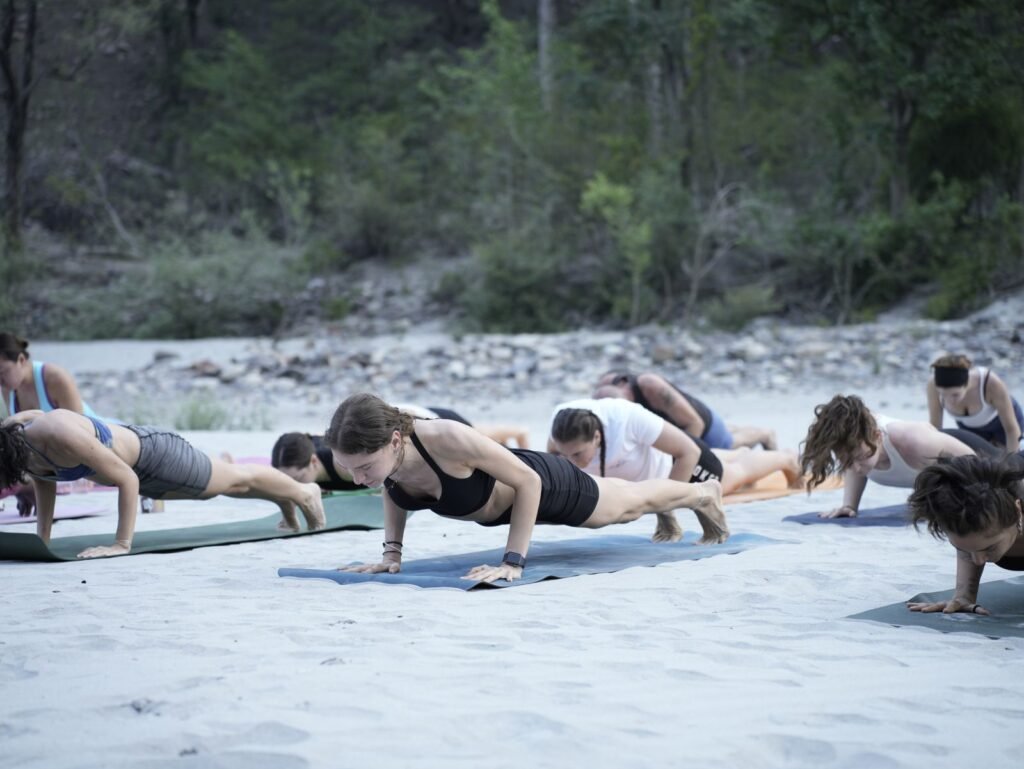
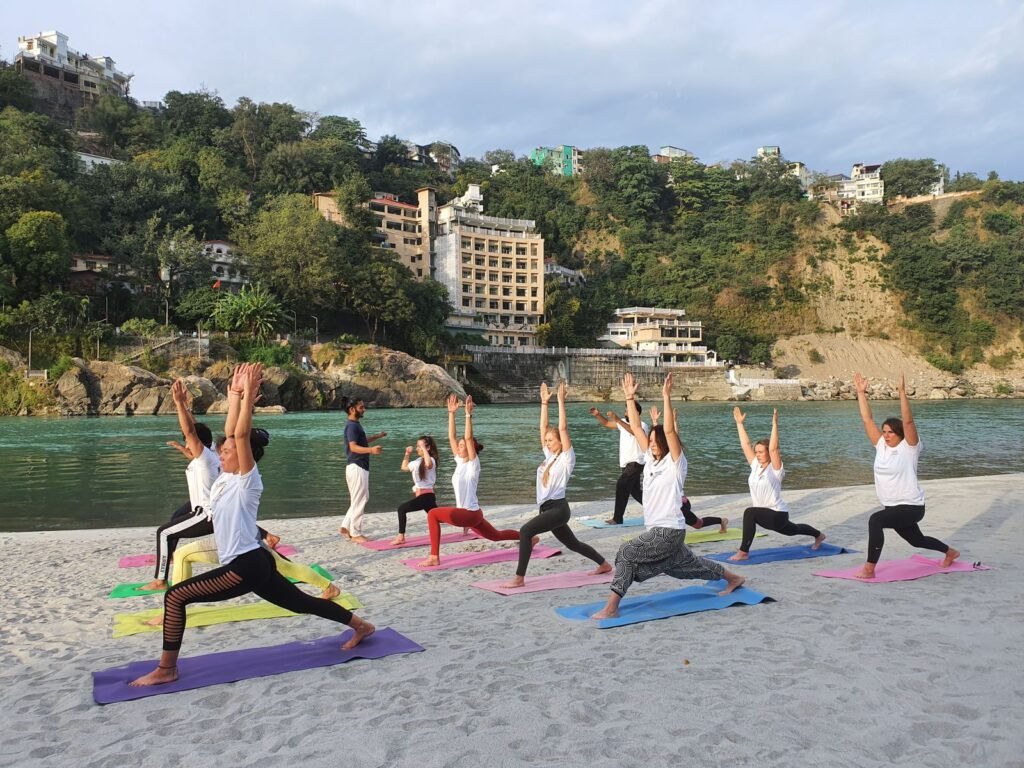
- Intensive residential YTT: A concentrated 21-30 day immersion, common in places like Rishikesh, Goa, and Bali, where you live, eat, and train alongside your cohort.
- Online/hybrid YTT: Live-streamed or recorded coursework with practical assessments done via video, growing fast since 2020 and now widely accepted by credentialing bodies.
Whichever format you choose, check that the curriculum covers the same core hours: roughly 100 hours of technique/practice/teaching methodology, 25 hours of teaching methodology specifically, 20 hours of anatomy and physiology, 30 hours of philosophy and ethics, and 10 hours of practicum teaching, which is the Yoga Alliance 200-hour breakdown used as an industry reference point by most schools worldwide.
How to Become a Yoga Instructor in India
India remains the most popular destination for intensive residential teacher training, and for good reason — it’s where many of the lineages being taught actually originated. Rishikesh, often called the “yoga capital of the world,” alone hosts hundreds of registered schools offering 200-hour and 300-hour courses.
To become a yoga instructor in India, the practical path looks like this: pick a Yoga Alliance-registered school (verify the registration directly on Yoga Alliance’s website rather than trusting a school’s own claim), budget for a 21-28 day residential 200-hour course, and expect course fees ranging widely depending on accommodation standard, from modest ashram-style stays to more comfortable private rooms. Many schools bundle accommodation and meals into the course price, which makes India one of the more cost-effective places globally to get certified once travel is factored in.
After certification, instructors in India teach through studios, gyms, resorts, corporate wellness programs, and increasingly through teaching yoga online to international students, since the time zone and cost advantage work in their favor.
How to Become a Yoga Instructor in the UK
In the UK, there’s no single government-mandated license to teach yoga — the industry is self-regulated, which means your credibility rests almost entirely on which training body certified you and how visible that credential is to studios and insurers. Yoga Alliance Professionals (the UK-specific branch) and the British Wheel of Yoga (BWY) are the two most recognized bodies.
The typical route: complete a 200-hour course accredited by one of these bodies (many UK training providers run these over 9-12 months on weekends to fit around full-time work), then register as a member with your chosen body, which is often required before public liability insurance providers will cover you. Insurance is not optional in practice — most UK studios and gyms will not let you teach without proof of it, regardless of your certification.
How to Become a Yoga Instructor Online
You can now complete the entire 200-hour certification process online, and Yoga Alliance formally recognizes online and hybrid training hours as long as the school meets its curriculum and assessment standards. This shifted significantly after 2020, when in-person training became impossible for extended periods and the credentialing bodies had to adapt.
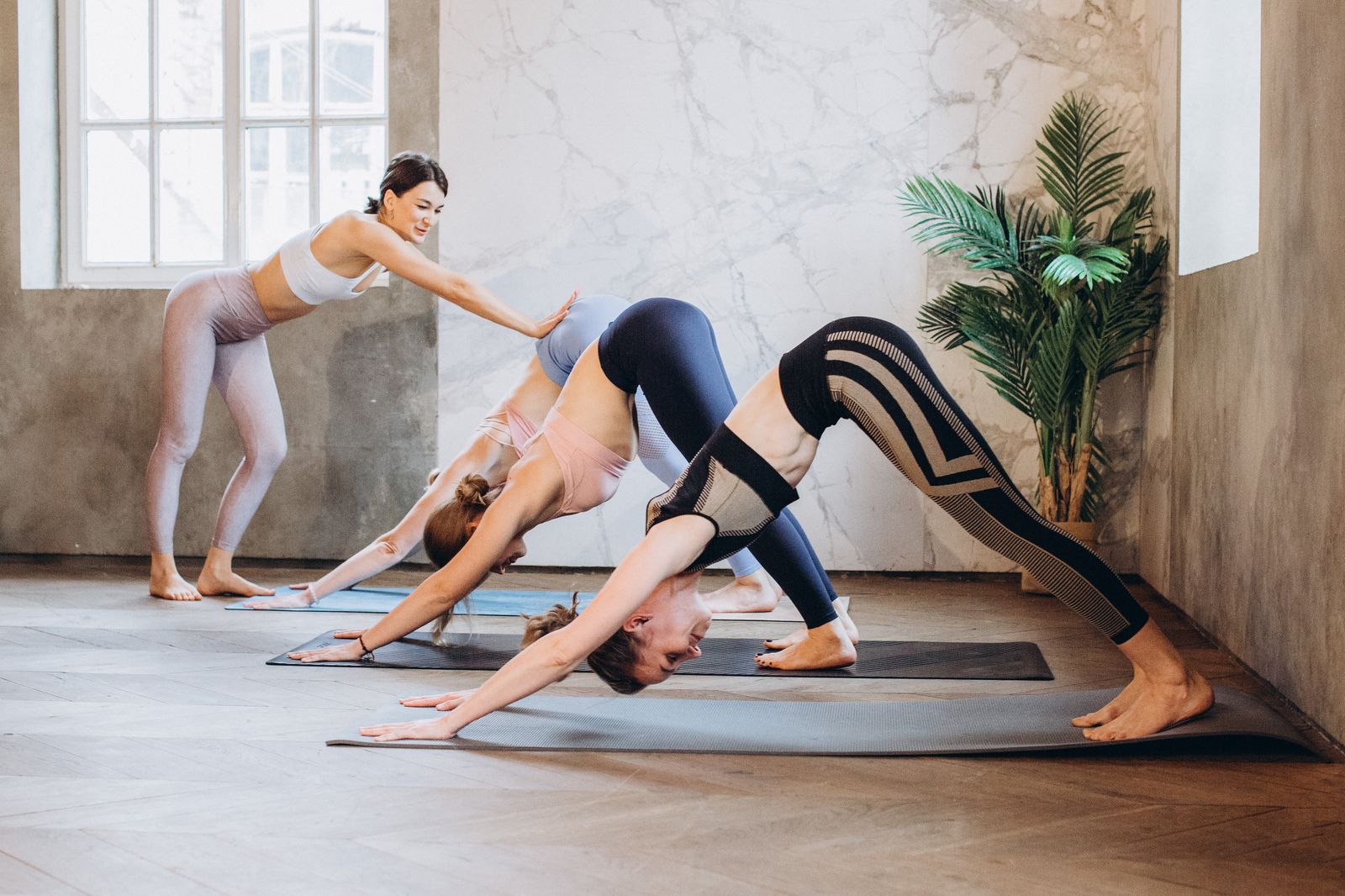
Online training suits people who can’t take time off work or travel, but it comes with a real trade-off: hands-on adjustment skills (physically and safely correcting a student’s alignment) are harder to develop through a screen. Strong online programs address this with live video practicums where you teach a small group over video call and get direct feedback, rather than relying purely on pre-recorded lectures.
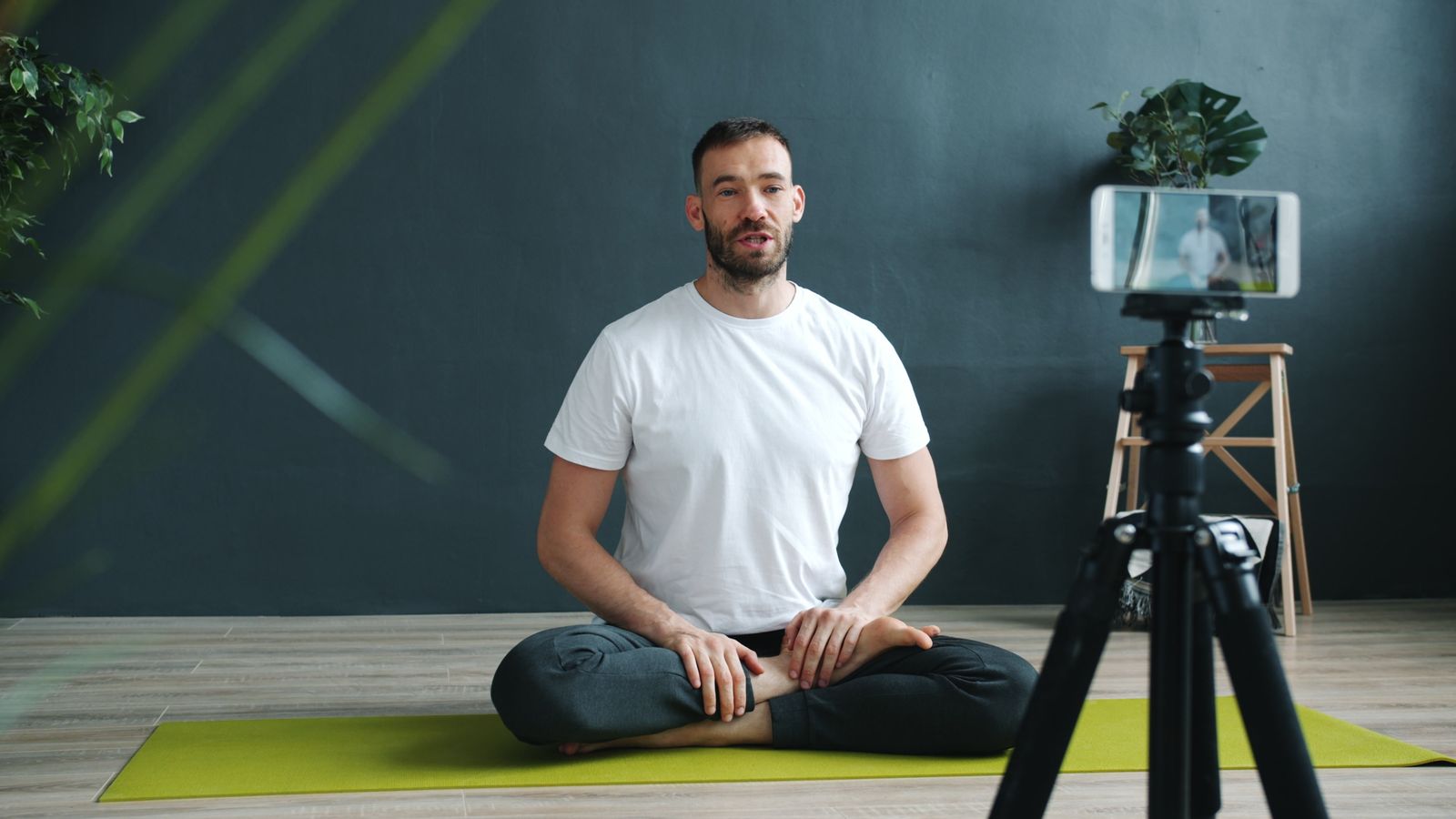
Once certified, an increasing number of instructors build entire careers around teaching yoga online, running live classes over video call, building on-demand libraries, or joining platforms that connect certified teachers with remote students — a path worth understanding in depth before you commit to any single training format.
How to Become a Yoga Instructor in Bangalore
Bangalore has grown into one of India’s largest urban yoga markets, driven by its tech-worker population and corporate wellness budgets. Aspiring instructors here typically have two realistic tracks: enroll in a residential 200-hour program in Rishikesh, Mysore, or Goa and return to Bangalore to teach, or complete a weekend/evening YTT offered locally by Bangalore-based studios and yoga institutes affiliated with national bodies like the Indian Yoga Association.
Once certified, Bangalore’s job market rewards versatility. Corporate wellness contracts (teaching desk-stretch and stress-relief sessions inside tech park offices), studio classes, and private one-on-one sessions for busy professionals are all active hiring channels. Building a presence in one or two well-reviewed studios early on tends to generate referral-based private clients faster than cold outreach.
How to Become a Yoga Instructor in Ontario
Canada, like the UK, has no government licensing requirement for yoga teachers — certification is handled by private training schools and voluntary membership bodies, the most prominent being Yoga Alliance and the Canadian Yoga Alliance. In Ontario specifically, most hiring studios in Toronto, Ottawa, and other major cities expect at minimum a 200-hour certificate from a recognized school, plus liability insurance, before they’ll put a new teacher on the schedule, even for substitute classes.
Ontario has a strong base of English- and French-accredited YTT schools, and many offer weekend-intensive formats specifically designed around the province’s colder months, when studios see a seasonal jump in indoor class attendance. New instructors in Ontario often start by assistant-teaching or subbing classes at the studio where they trained, which is usually the fastest route to a regular paid slot.
Get Certified: What the 200-Hour Course Actually Covers
Regardless of country or format, a legitimate 200-hour program should include these components in some proportion:
- Asana practice and alignment: Deep study of major postures, including foundational yoga poses for beginners and how to modify them for different bodies and injuries.
- Teaching methodology: How to sequence a class, project your voice, cue verbally without demonstrating every pose yourself, and manage a room of mixed skill levels.
- Anatomy and physiology: Enough understanding of joints, muscles, and the spine to explain, for instance, why certain poses help with yoga for back pain while others might aggravate it.
- Philosophy, ethics, and lifestyle: Foundational texts, the yamas and niyamas, and how classical philosophy translates into a modern studio setting.
- Practicum: Supervised hours actually teaching, usually the most valuable and most nerve-wracking part of the course.
Programs that skip anatomy or practicum to cram everything into a shorter timeframe tend to produce instructors who look confident but freeze the first time a student says their knee hurts mid-pose.
Do You Need to Specialize Beyond the 200-Hour Certificate?
The 200-hour certificate qualifies you to teach general group classes, but many instructors pursue additional training within a year or two to differentiate themselves and access higher-paying niches. Common specializations include prenatal yoga, restorative and yin yoga, trauma-informed yoga, kids’ yoga, and advanced 300-hour training that combines with your 200-hour to make you eligible for the 500-hour Registered Yoga Teacher (RYT) credential.
Specializing in something like yoga for anxiety or yoga for seniors can also open doors into corporate wellness contracts and healthcare-adjacent settings, where instructors who understand a specific population’s needs are in shorter supply and can charge accordingly.
How Much Does Yoga Teacher Training Cost?
Costs vary enormously by location and format. A residential 200-hour course in India often costs less than an equivalent online or in-person course in the US, UK, or Canada, once you account for the bundled accommodation and meals. Online courses tend to sit in the middle price range since they cut travel costs but still require significant instructor time for video review and feedback. Weekend-format in-person courses in cities like London, Toronto, or Bangalore are usually priced closer to the higher end, reflecting studio rent and instructor fees spread over many months.
Beyond the course fee itself, budget for liability insurance (an annual, relatively small recurring cost in most countries), a good mat and props if you don’t already own them, and registration fees if you choose to list with Yoga Alliance or an equivalent body, which usually involves a modest one-time application fee plus a smaller annual renewal.
What Happens After Certification: Finding Your First Teaching Job
Certification is the credential; getting hired is a separate skill. New instructors typically start in one of a few ways: subbing classes at the studio where they trained, picking up gym or corporate wellness contracts that need someone reliable more than someone famous, or building a private client base through word of mouth. Reviewing current yoga instructor job listings in your area before you even finish training gives you a realistic sense of what studios actually expect and pay, rather than guessing.
It’s also worth understanding typical yoga teacher salary ranges early, since income varies drastically between a single studio class taught for a flat per-class rate and a full private-client roster or corporate contract. Most instructors piece together several income streams rather than relying on one employer, at least in the first couple of years.
Should You Teach In-Person, Online, or Both?
This decision shapes your entire business model, not just your schedule. In-person teaching builds community faster and lets you physically adjust students, which matters enormously for beginners and for anyone recovering from injury. Online teaching removes geographic limits on your client base and typically requires lower overhead, but it demands stronger verbal cueing since you can’t rely on hands-on correction.
Many established instructors eventually run a hybrid model: a few in-person studio or private sessions each week alongside a recorded or live online offering that reaches students who could never make it to a physical class. If you’re drawn to the online path, it’s worth studying how experienced teachers structure their virtual sessions before launching your own, since production quality and pacing translate differently on camera than they do in a room.
Common Mistakes New Yoga Instructors Make
A few patterns show up repeatedly among first-year teachers. Overloading a class with too many pose transitions in an effort to seem advanced, rather than letting students settle into and actually feel each posture. Talking too much, filling silence with instruction when students need a few quiet breaths to process a pose. Ignoring anatomy questions rather than admitting uncertainty and following up, which damages trust faster than simply saying “let me check on that.”
The instructors who build lasting careers tend to be the ones who keep training after their initial certificate, ask for feedback from students and mentors, and treat their first year of teaching as an extension of their education rather than the finish line.
Questions People Ask About Becoming a Yoga Instructor
How to become a yoga instructor?
Build a consistent personal practice for at least six months to two years, complete a recognized 200-hour Yoga Teacher Training program covering asana, anatomy, philosophy, and teaching methodology, then register with a credentialing body such as Yoga Alliance and start teaching through studio subs, corporate contracts, or private clients to build experience.
How to become a yoga instructor in India?
Enroll in a Yoga Alliance-registered 200-hour residential course, commonly held in Rishikesh, Goa, or Mysore, running 21-28 days with accommodation and meals usually included. After certification, teach through studios, resorts, corporate wellness programs, or online to international students.
How to become a yoga instructor in the UK?
Complete a 200-hour course accredited by Yoga Alliance Professionals or the British Wheel of Yoga, typically spread over 9-12 months on weekends. Register with your chosen body and secure public liability insurance, since most UK studios require proof of both before hiring.
How to become a yoga instructor online?
Choose a Yoga Alliance-recognized online or hybrid 200-hour program that includes live video practicums, not just recorded lectures. Complete the coursework, pass the practical teaching assessment over video, then register with your credentialing body before building an online teaching practice.
How to become a yoga instructor in Bangalore?
Complete a 200-hour YTT either residentially in Rishikesh or Goa, or through a local Bangalore-based weekend program affiliated with a recognized body like the Indian Yoga Association. Bangalore’s strong corporate and tech-worker base makes wellness contracts and private sessions a realistic early income source.
How to become a yoga instructor in Ontario?
Complete a 200-hour certification through a school recognized by Yoga Alliance or the Canadian Yoga Alliance, then secure liability insurance, which most Ontario studios require before scheduling you. Starting by subbing or assistant-teaching at your training studio is typically the fastest route to a regular class.
Try This for Yourself
If you want to experience what skilled, certified teaching actually feels like before committing to your own training, join a live session led by an experienced instructor. Try an online yoga class with FitStrot and see firsthand how a well-run session is sequenced, cued, and adapted in real time — the exact skills a good teacher training program will help you build.
Related reading: Yoga instructor jobs: where to find them, yoga teacher salary guide, how to teach yoga online, types of yoga explained, and FitStrot’s online yoga classes.