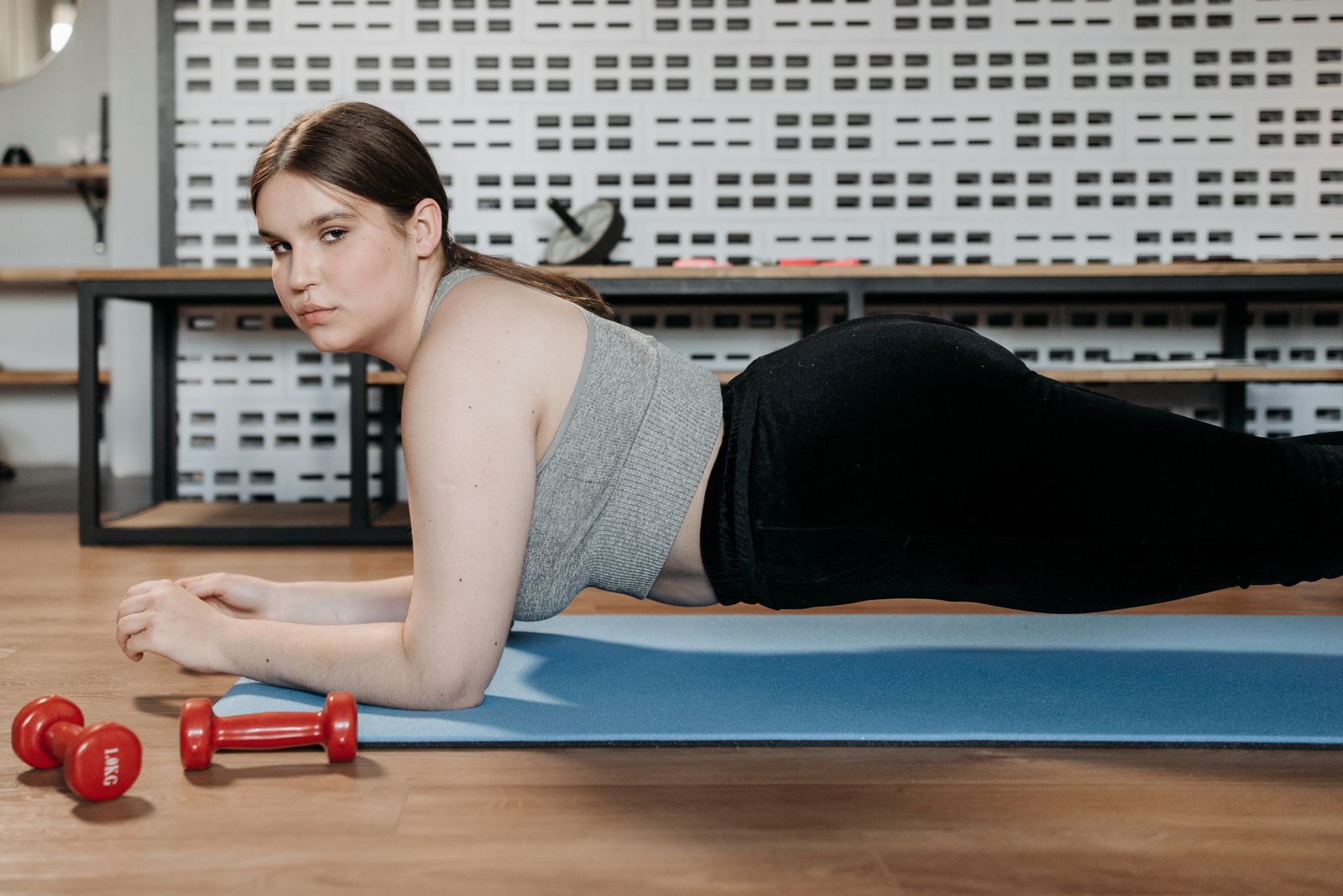
Online yoga classes for weight loss work by combining calorie-burning movement styles like Vinyasa and Power Yoga with the stress reduction and mindful-eating benefits that make weight loss stick long-term. A 30 to 60 minute live or on-demand class, taken three to five times a week, builds lean muscle, raises your resting metabolic rate slightly over time, and lowers cortisol, a stress hormone linked to abdominal fat storage and cravings for high-fat, high-sugar food. Yoga alone rarely creates the calorie deficit that faster cardio does in a single session, but research summarized by Harvard Health points to yoga reducing emotional eating, stress eating, and binge eating, which often matters more for sustainable weight loss than the workout itself. The most effective online classes for this goal are flow-based styles taught live, so an instructor can push your pace and correct your form, paired with a realistic weekly schedule you can actually keep.
This guide breaks down exactly which styles and class formats support weight loss, how many calories a typical session burns, how to structure a weekly online routine, what to eat around your practice, and the mistakes that quietly stall progress for people relying on video-based yoga.
Can You Actually Lose Weight With Online Yoga Classes?
Yes, but the mechanism is broader than most people expect. Weight loss ultimately depends on a sustained calorie deficit, and dynamic yoga styles do burn meaningful calories during a session. The bigger contributor, according to research summarized by Harvard Health, is that regular yoga practice lowers cortisol and reduces emotional eating, stress eating, and binge eating, behaviors that undo calorie deficits faster than a missed workout does. Online classes make this sustainable because you can fit a session into a lunch break without a commute, which matters more for consistency than any single class’s calorie burn. Consistency, not intensity, predicts whether someone is still practicing and still losing weight six months in.
Which Online Yoga Styles Burn the Most Calories?
Not all yoga is equal for weight loss, and choosing the wrong style is the most common reason people feel like online yoga “isn’t working.” Vinyasa yoga and Power Yoga link poses to breath in a continuous, faster-paced flow that keeps your heart rate elevated for most of the session, closer to a moderate-intensity cardio workout than a stretching routine. Ashtanga yoga follows a fixed, physically demanding sequence that builds significant strength and stamina over weeks of repetition. By contrast, Yin Yoga, restorative yoga, and slow Hatha classes burn far fewer calories per session because poses are held statically for one to five minutes, they’re valuable for recovery and flexibility, but they shouldn’t be your only style if calorie burn is a priority. A well-rounded weekly online routine mixes two to three higher-intensity flow sessions with one slower recovery class rather than choosing exclusively one extreme.
| Yoga Style | Pace / Intensity | Relative Calorie Burn | Best For |
|---|---|---|---|
| Vinyasa / Power Yoga | Fast, continuous flow | High | Weight loss, cardio-style sessions |
| Ashtanga | Fixed, physically demanding sequence | High | Building strength and stamina |
| Hatha | Moderate, slower transitions | Moderate | Balanced practice, beginners |
| Yin / Restorative | Slow, static holds | Low | Recovery and flexibility |
How Many Calories Does a Typical Online Yoga Class Burn?
Calorie burn during yoga varies widely by style, pace, and body weight, which is why different sources cite very different numbers. As a general pattern rather than a precise figure, slower styles like Yin or restorative yoga burn a modest amount, roughly comparable to light walking, while a vigorous 60-minute Vinyasa or Power Yoga class can burn noticeably more, overlapping with a brisk cardio session for many practitioners. Hot yoga variants often report higher numbers, though much of that reflects water loss through sweat rather than additional fat burned, so treat those figures cautiously. Rather than fixating on an exact calorie count, use relative intensity as your guide: if you’re breathing hard and your heart rate stays elevated through most of a class, you’re in the range that meaningfully supports a calorie deficit alongside your diet.
What Makes an Online Class Better Than a Free Weight-Loss Yoga Video?
Free videos are a fine starting point, but they max out quickly for weight loss because they can’t adjust to your pace or push you past a plateau. A genuinely effective online class offers progression, each week’s sequence builds intensity or complexity rather than repeating the same flow indefinitely, and live feedback, an instructor watching through video can tell you to deepen a lunge or hold a plank longer in real time. Accountability from a scheduled class time, or a coach who notices missed sessions, is one of the strongest predictors of whether someone maintains a practice long enough to see body composition change. If your routine is a bookmarked video you’ve watched a dozen times, you’ve likely plateaued because the workout hasn’t changed even though your body has adapted to it.
How Should You Structure a Weekly Online Yoga Routine for Weight Loss?
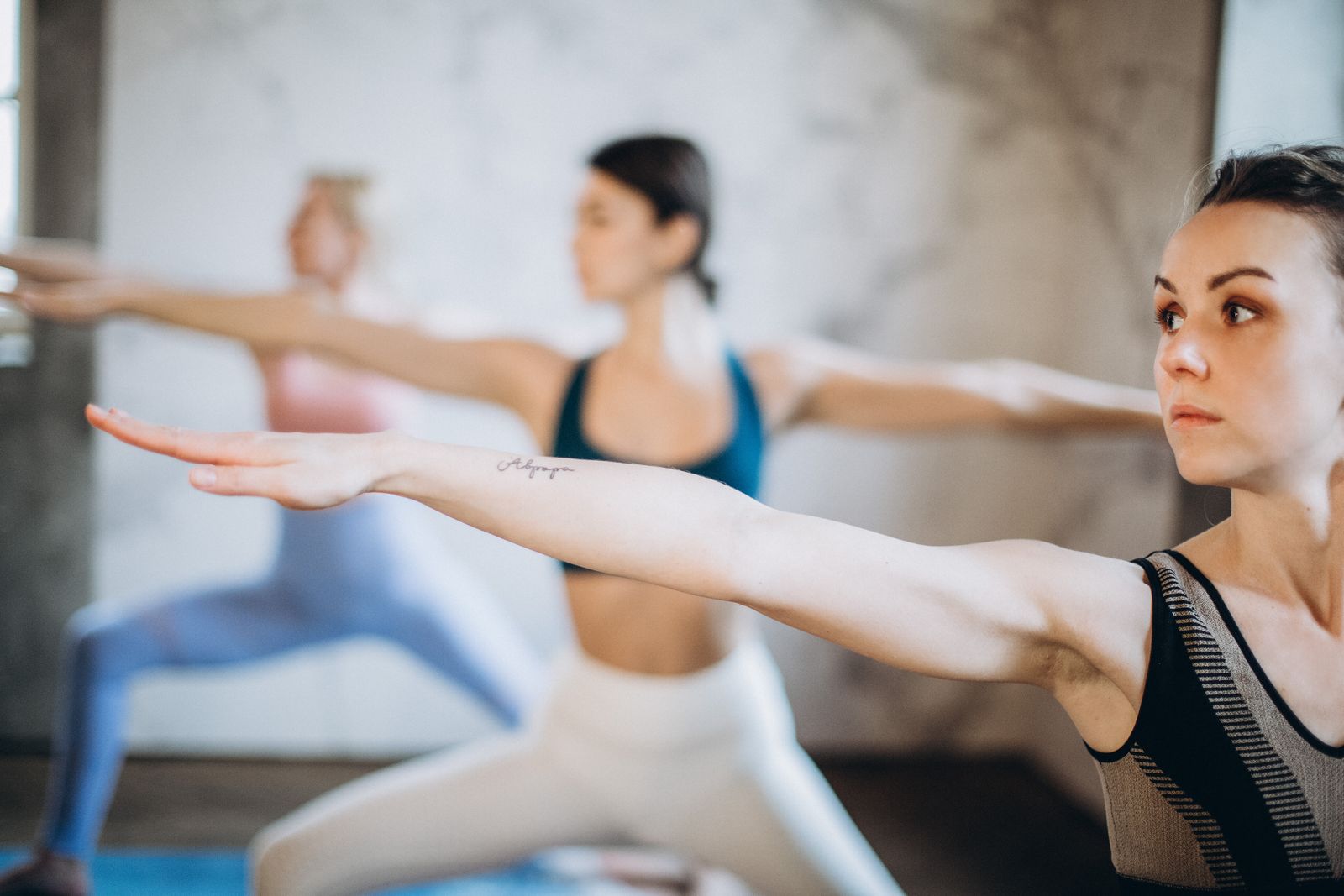
Most people who see meaningful body composition change stick to four to five weekly sessions rather than daily practice, since daily high-intensity flow classes raise injury and burnout risk without adding proportional benefit. A workable yoga routine for weight loss might pair three 45 to 60 minute Vinyasa or Power Yoga sessions with one slower Hatha or Yin class for recovery and one rest day with light walking or stretching. Anchoring sessions to a fixed time, right after you log off work, or first thing after coffee, removes the daily decision of when to practice, which is the single biggest reason people drop off in month two. If mornings work better for your schedule, our guide to morning yoga covers how to structure an energizing sequence before the rest of your day gets in the way.
What Should Beginners Look for in a Weight-Loss-Focused Online Class?
Beginners should specifically look for classes labeled by both level and intensity, since a “beginner Vinyasa” class still moves considerably faster than a “beginner Hatha” one, even though both use the word beginner. Favor instructors who demonstrate modifications on camera, showing a lower-impact version of a jump-back or a knee-supported plank next to the full-intensity version, so you can build strength without forcing your body past what it’s ready for. If you’re brand new to yoga entirely, pairing your first few weight-loss-focused sessions with our guide on how to start yoga will help you learn the foundational poses and breath cues that faster-paced instructors assume you already know, so you’re not lost trying to keep up.
Do You Need to Combine Online Yoga With Other Exercise for Weight Loss?
For most people targeting meaningful weight loss, yoga works best as part of a broader routine rather than the sole form of exercise, particularly if your main goal is a large calorie deficit rather than body recomposition and stress reduction. Strength-focused practices like Power Yoga and Ashtanga build lean muscle, which raises resting metabolic rate over months, but pairing two to three weekly yoga sessions with dedicated resistance training or a couple of brisk walks tends to produce faster measurable results than yoga alone. Yoga’s distinct advantage is what it does alongside a broader plan: it improves recovery, reduces the joint strain that often limits how much other cardio or strength work you can tolerate, and lowers the stress-driven eating that quietly cancels out calorie deficits built elsewhere.
How Does Yoga Support Weight Loss Beyond Burning Calories?
The connection between stress and weight gain is well-documented: elevated cortisol is associated with increased abdominal fat storage, reduced muscle mass, and stronger cravings for fat- and sugar-dense foods. Regular yoga practice is associated with lower stress and cortisol levels along with improved mood and sleep, both of which indirectly support weight management by reducing the late-night snacking and stress-driven eating that derail otherwise consistent diets. Research summarized by Harvard Health, including a 2015 study, found that people who practiced yoga regularly tended to eat more mindfully, including lower fat intake and higher vegetable and whole grain consumption, likely because the body awareness built on the mat carries over to awareness of hunger and fullness cues at the table. This is a large part of why yoga-based weight loss tends to be more durable than fast, restrictive diet approaches, it changes underlying behavior rather than just creating a temporary deficit.
What Equipment Do You Need for Weight-Loss-Focused Online Yoga?
Weight-loss-focused online yoga doesn’t require much gear, but a few essentials make faster flow sequences safer and more effective:
- Supportive, non-slip yoga mat: faster flow sequences involve more jumping and transitioning than slow, static styles, and a slipping mat is one of the most common causes of minor injury in home practice.
- Stable device and internet connection: for uninterrupted live streaming without dropped frames mid-flow.
- Roughly six by four feet of clear floor space: enough room for lunges, jump-backs, and full extensions without hitting furniture.
- Hand towel: for sweat during vigorous sessions.
- One or two yoga blocks: help you modify deeper lunges or twists as you build strength.
- Water bottle nearby: matters more here than in slower styles, since sustained heart-rate-elevating flows increase fluid loss.
Our broader yoga at home guide covers exactly what to prioritize before your first month, so you’re not overspending on gear you don’t need yet.
How Long Does It Take to See Weight Loss Results From Online Yoga?
Most practitioners report noticing changes in energy, sleep, and how clothes fit within four to six weeks of consistent practice, four to five sessions weekly, before the number on the scale shifts meaningfully, since body composition change, losing fat while building muscle, doesn’t always show up as rapid weight loss on a scale. Meaningful, sustained results typically take eight to twelve weeks of consistent practice combined with attention to diet, since yoga’s calorie burn alone rarely creates a large enough deficit without at least some dietary awareness. Expecting dramatic scale changes in the first two weeks is the most common source of people quitting a genuinely effective routine too early; tracking energy levels, sleep quality, and how your clothes fit alongside the scale gives a more accurate read on progress.
Are Live Online Classes Better Than On-Demand Videos for Weight Loss Specifically?
Live classes have a real edge for weight-loss goals because an instructor watching through video can push your pace when you’re capable of more, call out a faster transition, extend a hold, or add a vinyasa between poses, in ways a pre-recorded video can’t adapt to your actual effort level in the moment. On-demand libraries offer more scheduling flexibility, which matters if consistency is your bigger obstacle than intensity. A practical middle ground many people use is anchoring two to three live sessions weekly for the accountability and pacing benefit, filling in one or two additional on-demand sessions on days when a live schedule doesn’t fit. If near-daily consistency is more realistic for you than showing up to live sessions on a fixed schedule, on-demand access removes that friction entirely.
What Mistakes Undermine Weight Loss Progress in Online Yoga?
The most common mistake is choosing only slow, restorative-style classes because they feel more approachable, then expecting the calorie burn and metabolic benefits of a faster flow practice. A close second is treating yoga as a license to eat back all the calories burned, since even a vigorous hour-long class burns considerably less than most people estimate, tracking food loosely alongside a new yoga habit prevents this miscalculation. Inconsistent scheduling, practicing three times one week and zero times the next, prevents the cortisol and stress-eating benefits from compounding, since those effects build with sustained regularity rather than sporadic effort. Our broader rundown of yoga mistakes to avoid covers form-related errors that also slow progress by increasing injury risk and forcing time off practice.
Can Beginners and People With a Higher Body Weight Do Weight-Loss Yoga Online?
Yes, and online formats often make this easier than a studio, since you can practice at home without the self-consciousness some people feel in a group class before they’ve built confidence. Look specifically for instructors and platforms that show modified versions of jumps, planks, and deep lunges on camera, and that explicitly welcome all body types in their class descriptions rather than defaulting to demonstrations from a single body type. Starting with Hatha or a beginner-labeled Vinyasa class, then progressing to faster flows as strength and stamina build over four to six weeks, reduces injury risk and keeps the experience sustainable rather than discouraging. If joint pain limits which poses you can safely attempt, our guide to yoga for back pain covers modifications that apply broadly to other joint-sensitive situations as well.
How Do You Choose Between Online Yoga Platforms for Weight Loss Specifically?
Since weight loss depends heavily on consistency and appropriate intensity, prioritize platforms that let you filter classes by both style and estimated intensity or calorie burn, rather than browsing an undifferentiated library. Confirm instructor credentials, typically a 200-hour or 500-hour Yoga Alliance registration, and check whether the platform tracks your weekly attendance or streak, since basic progress tracking is consistently linked to higher retention across the online fitness industry. A short trial class before committing lets you judge teaching pace firsthand, a “beginner” label from one platform can be considerably faster-paced than another’s, so trusting the label alone isn’t enough. Our detailed comparison of the best online yoga classes breaks down how leading platforms differ on exactly these points.
Questions People Ask About Online Yoga Classes for Weight Loss
Is 30 minutes of online yoga a day enough for weight loss?
Thirty minutes of a vigorous style like Vinyasa or Power Yoga, done four to five days a week, can meaningfully support weight loss when paired with attention to diet, since consistency matters more than session length. Thirty minutes of slow Yin or restorative yoga daily supports stress reduction and flexibility but contributes far less directly to a calorie deficit.
Which is better for weight loss, Vinyasa or Hatha yoga?
Vinyasa generally burns more calories per session because poses flow continuously with breath, keeping your heart rate elevated, while Hatha moves more slowly with longer holds between transitions. Many people combine both, using Vinyasa for calorie-burning sessions and Hatha for recovery days, rather than choosing one exclusively.
Can online yoga alone help you lose belly fat?
Yoga cannot spot-reduce fat from any single area, including the belly, but it can support overall fat loss through calorie burn during vigorous styles and by lowering cortisol, a stress hormone linked specifically to abdominal fat storage. Combining regular practice with a moderate calorie deficit in your diet is what drives visible change in that area over time.
Do I need to be flexible to start weight-loss yoga classes online?
No, flexibility develops through consistent practice rather than being a prerequisite for starting. Beginner-labeled classes are designed for people with limited flexibility, and instructors typically demonstrate modifications for tight hips, hamstrings, or shoulders on camera so you can participate safely from your first session.
How soon will I notice weight loss from online yoga classes?
Most people notice improved energy, sleep, and how their clothes fit within four to six weeks of consistent practice before scale weight shifts substantially. Meaningful, sustained results generally take eight to twelve weeks of regular sessions combined with mindful eating habits.
Try This for Yourself
Reading about which styles and schedules support weight loss is a useful starting point, but the actual results come from consistent practice with an instructor who can push your pace and correct your form as your fitness improves. FitStrot’s online yoga classes pair you with certified instructors across Vinyasa, Power Yoga, and recovery-focused styles, live from wherever you have a mat and a stable connection.
Related reading: Yoga Apps, Online Yoga Classes, Online Yoga Classes Near Me, Vinyasa Yoga, and FitStrot’s online yoga classes.