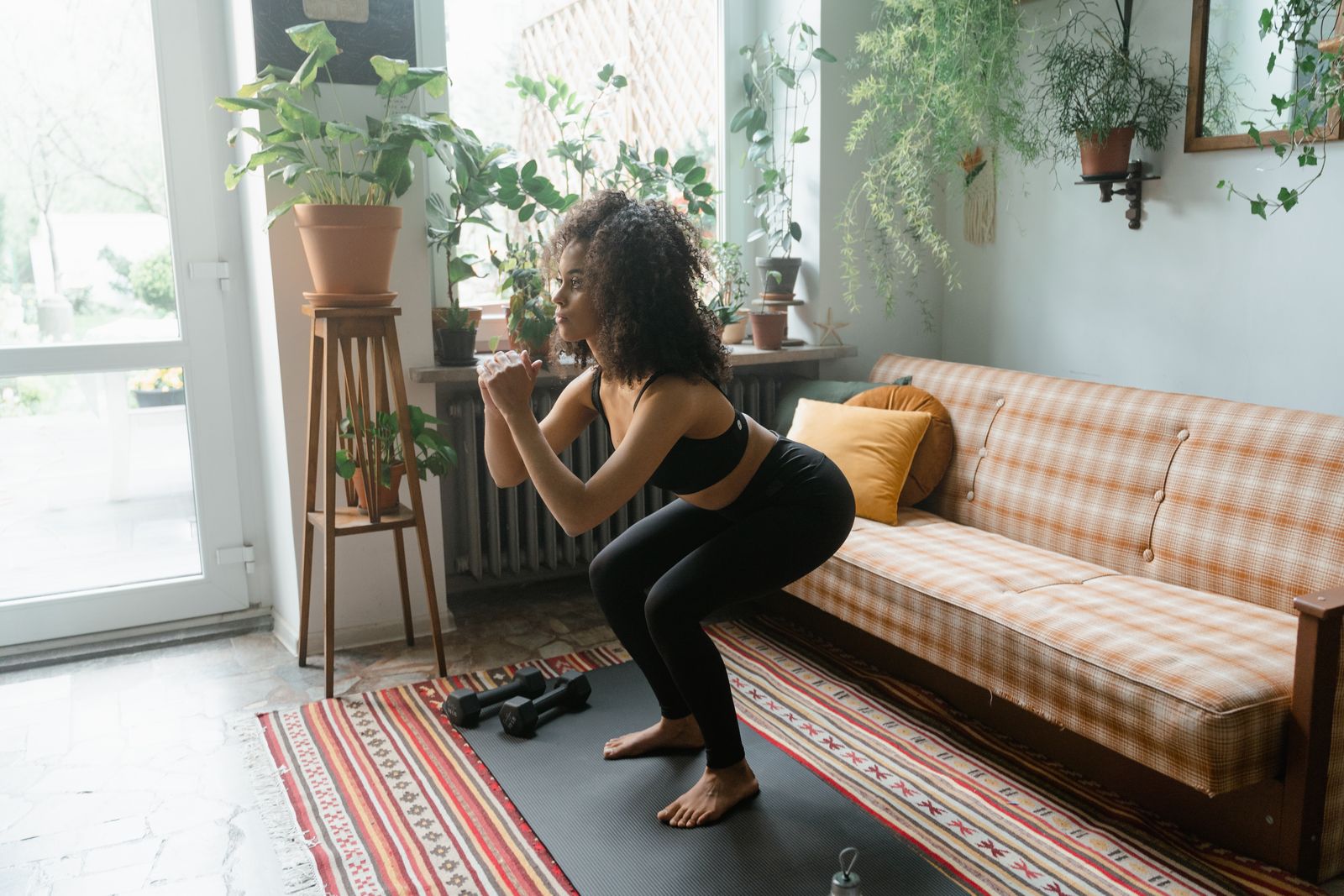
Malasana, or Garland Pose, is a deep squat with the feet close together, the heels grounded (or supported), the torso folded forward between the thighs, and the palms pressed together at the heart in a gentle forward lean against the inner knees. It opens the hips, ankles, and groin while lengthening the lower back, and it is one of the most functional postures in yoga because it mirrors a natural resting squat used across cultures for centuries. Beginners can build toward it with support under the heels or a block under the seat, while more experienced practitioners use it as a hip-opening counterpose after standing sequences like Surya Namaskar.
What Does Malasana Mean?
The name comes from Sanskrit: “mala” means garland or necklace, and “asana” means pose or seat. The garland reference points to the shape the arms and shoulders create when the elbows press against the inner knees and the hands meet at the chest, forming a loop reminiscent of a garland draped around the body. Some teachers also connect the name to japa mala, the string of prayer beads used in meditation, framing the pose as a seat suited for quiet, grounded reflection. You may also see this posture referred to as Kamalasana in some regional teaching lineages, though Malasana (Garland Pose) is by far the more common name in contemporary yoga classes and teacher training manuals.
Is Malasana an Ancient Pose or a Modern One?
The deep squat itself is not a yoga invention. Anthropologists and physiotherapists have long noted that resting in a full squat with the heels down is a default sitting posture in many parts of the world where floor-level living, floor toilets, and ground-level cooking are common, and the position appears in art and daily life long before postural yoga was codified. What is harder to verify is exactly when this resting squat was formally named “Malasana” and folded into asana practice, since much of modern postural yoga’s pose catalog, including many hip openers, was standardized and popularized during the 20th century. The honest answer is that the squat is ancient as a human resting position, while its specific codification as a named yoga asana is more recent. Framing it this way is more accurate than asserting a precise origin date that no single verifiable source confirms.
How Do You Do Malasana Step by Step?
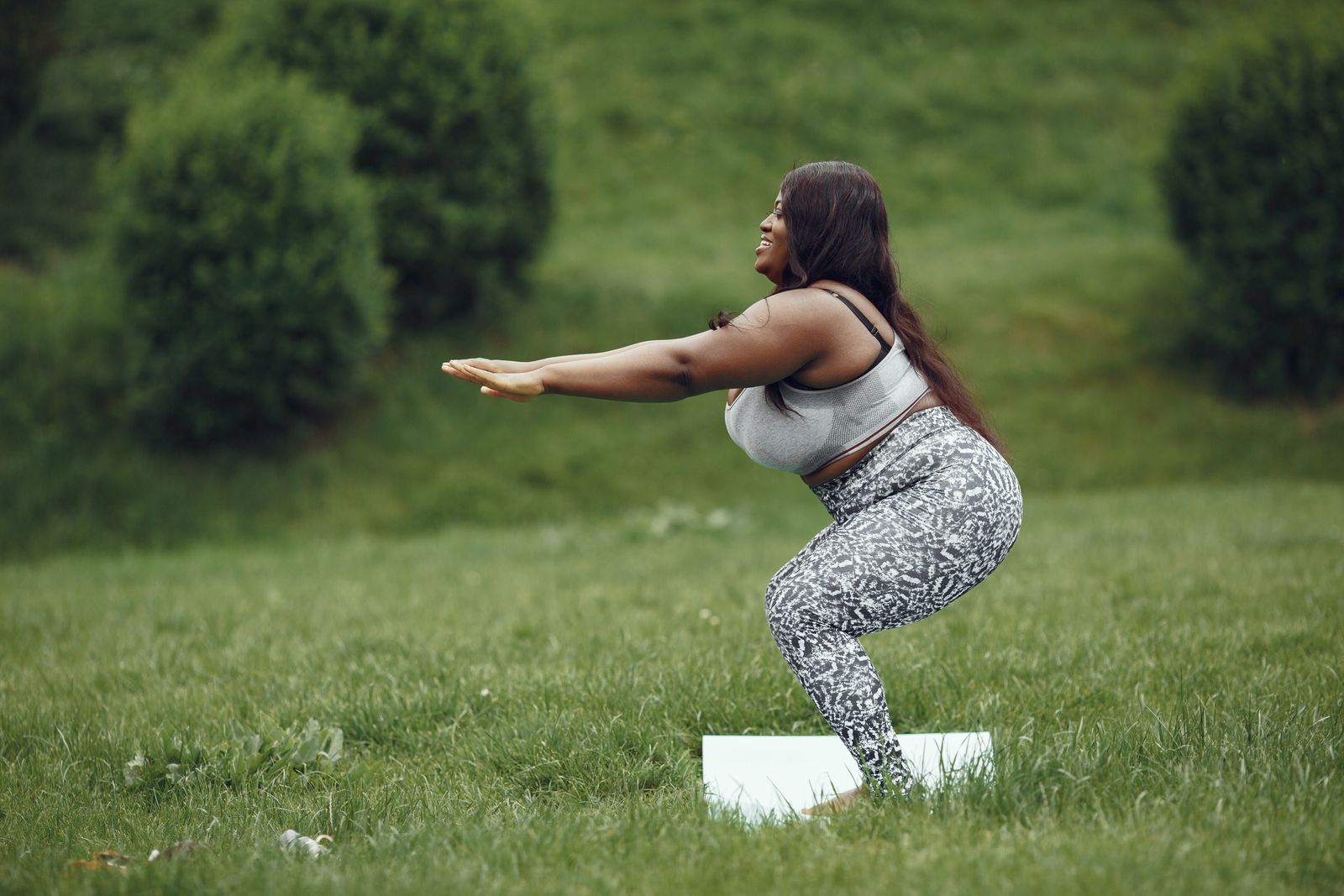
Start standing at the front of your mat with feet slightly wider than hip-width, toes turned out roughly 15 to 30 degrees. Bend the knees and lower the hips toward the floor as if sitting into a deep squat, keeping the chest lifted rather than collapsing forward. Bring the palms together at the center of the chest in a prayer position, then press the upper arms or triceps gently against the inner knees, using that light resistance to encourage the knees to track outward over the toes rather than caving inward. Lengthen the spine upward from the base, drop the shoulders away from the ears, and let the tailbone reach toward the floor. Hold for five to ten slow breaths, feeling the stretch move through the hips, groin, and inner ankles. To exit, press firmly through the feet and straighten the legs, rolling up through the spine one vertebra at a time, similar to how you would rise out of a forward fold into Tadasana.
What If Your Heels Don’t Reach the Floor?
Tight ankles and calves are the most common reason beginners cannot settle fully into Malasana, and this is completely normal rather than a sign of doing the pose “wrong.” A folded blanket, a wedge, or the raised edge of a yoga mat placed under the heels gives the ankle joint the extra range it needs while you build flexibility over time. Alternatively, sitting on the edge of a block or a stack of two blocks shifts some of your body weight away from the ankles and lower back, making the position more sustainable for a longer hold. Many teachers recommend practicing calf and ankle stretches, such as a supported downward-facing dog with a slight bend in the knees, in the weeks leading up to a deeper Malasana practice, since ankle dorsiflexion is often the real limiting factor rather than hip tightness alone.
What Are the Physical Benefits of Malasana?
Malasana opens the hip joint through external rotation and flexion, which can relieve stiffness built up from long hours of sitting in chairs. It stretches the groin, inner thighs, and lower back simultaneously, an unusual combination for a single pose, while also encouraging ankle mobility that many seated lifestyles neglect entirely. The deep hip crease created in this squat is also commonly cited by yoga teachers and physiotherapists as supportive for digestion, since the folded position gently compresses and then releases the abdominal organs as you breathe, though this effect is best understood as a mild, complementary aid to digestion rather than a treatment for any digestive condition. Because the pose strengthens the muscles around the knees and ankles in a stable, low-impact way, it is frequently included in yoga for back pain sequences as a gentle counterpose to prolonged sitting or standing.
What Are the Mental and Grounding Benefits?
Because Malasana keeps the body low and close to the earth, many practitioners describe it as one of the more grounding shapes in a practice, useful for settling an anxious or scattered mind before or after more energetic sequences. The forward fold of the torso combined with the steady, low center of gravity naturally slows the breath, which is why the pose often appears near the end of a class alongside other calming postures. Holding a challenging hip opener like this one for several breaths also builds patience and present-moment focus, since the sensation in the hips and ankles demands attention rather than allowing the mind to wander, a quality it shares with balance-focused poses like Vrksasana.
Who Should Be Cautious With Malasana?
People with current knee injuries, recent knee surgery, or significant knee arthritis should approach this pose carefully, since a deep squat places real load through the knee joint, and modifications like a lower range of motion or a chair-assisted version may be more appropriate. Pregnant practitioners are often taught a wide-legged version of Malasana, particularly in the third trimester, but should confirm any deep squatting practice with their doctor or a certified prenatal yoga instructor first, since individual circumstances vary. Anyone with lower back issues should keep the spine long rather than rounding aggressively forward, and those with ankle instability should use props liberally rather than forcing the heels down before the joint is ready. As with any new posture, working with a qualified teacher for the first few attempts, whether in a studio or through online yoga classes, reduces the risk of pushing into a range the body isn’t ready for.
What Muscles Does Malasana Work?
Malasana engages the adductors (inner thigh muscles) and the gluteal muscles as they lengthen under load, while the quadriceps and calves work isometrically to control the descent and hold the low position. The hip external rotators, including the piriformis and deep hip muscles, stretch as the knees splay outward, and the muscles supporting the arches of the feet and ankles activate to maintain balance in the squat. Through the upper body, the pose gently opens the muscles between the shoulder blades as the arms press against the knees, and the erector spinae muscles along the spine work to keep the back long rather than collapsed. This combination of stretch and light stabilizing strength is part of why Malasana is often grouped with other functional hip openers like Baddha Konasana and Upavistha Konasana in broader hip-mobility sequences.
How Does Malasana Fit Into a Full Yoga Practice?
Malasana most commonly appears in the middle or later portion of a class, once the body has warmed up through standing poses or a few rounds of Sun Salutations, since a cold, tight body is more likely to compensate through the lower back rather than opening through the hips. It pairs naturally with other hip-focused postures such as Pigeon Pose and Gomukhasana, and many vinyasa yoga teachers use it as a brief resting or transitional shape between more demanding standing balances. In a slower-paced Hatha yoga or Yin yoga class, Malasana might be held for one to three minutes with props, turning it from a transitional squat into a passive, long-duration hip opener in its own right.
What’s the Difference Between Malasana and a Regular Squat?
Malasana and a gym squat share the same basic joint mechanics, but they differ in purpose and execution:
| Aspect | Malasana (Yoga) | Gym Squat |
|---|---|---|
| Movement type | Static hold, sustained for several breaths | Dynamic, loaded movement performed for repetitions |
| Heels | Kept grounded on the floor | Often lifted slightly |
| Primary goal | Stretching, mobility, and hip opening | Building strength and power |
| Hand position | Prayer hands pressing against the inner knees | Hands free or holding a weight |
That said, yoga teachers sometimes recommend Malasana as a mobility warm-up before squat-based strength training, precisely because it trains the hips and ankles to move through the same range under a gentler, more controlled load.
What Are Common Variations of Malasana?
Malasana adapts easily to different bodies and experience levels. The most common variations include:
- Supported Malasana: A block or bolster placed under the seat lets practitioners with tighter hips or ankles hold the shape for longer without strain.
- Forward bind: Often taught to more flexible students, this variation wraps the arms around the shins and clasps the hands behind the back for a deeper shoulder and upper-back stretch.
- Wall-supported Malasana: With the back resting lightly against a wall, this version is commonly taught to beginners and pregnant students to build confidence before practicing freestanding.
- Rocking variation: Gently shifting weight side to side while in the squat mobilizes the hips dynamically rather than holding a single static stretch, making it a useful bridge between Malasana and more active standing poses like Utkatasana.
How Long and How Often Should You Practice Malasana?
In a typical flowing class, Malasana is usually held for five to ten breaths, roughly 20 to 40 seconds, before transitioning into the next posture. In slower, more therapeutic styles such as restorative or Yin-influenced practice, the same shape might be held anywhere from one to five minutes with generous prop support, since longer holds at a lower intensity are the goal in those styles rather than movement or flow. Because it is a low-impact stretch rather than a strength-intensive posture, most people can safely practice Malasana daily, and many teachers recommend it as part of a short morning mobility routine to counteract stiffness from sleep or a sedentary lifestyle. Those recovering from a knee or hip injury should space out sessions and check with a physiotherapist about appropriate frequency, since healing tissue responds differently to repeated loading than healthy tissue does.
Questions People Ask About Malasana
What is Malasana good for?
Malasana is good for opening tight hips, stretching the groin and inner thighs, and improving ankle mobility, all of which are commonly restricted by long hours of sitting. It also encourages better posture in a low squat and is often used as a grounding, calming pose near the end of a practice, alongside mild digestive comfort that many practitioners report from the gentle abdominal compression it creates.
Why can’t I keep my heels down in Malasana?
Heels lifting off the floor usually points to tight calves or limited ankle dorsiflexion rather than a hip problem alone. Placing a folded blanket, wedge, or the thick edge of a mat under the heels provides temporary support while the ankle gradually gains range through consistent practice, and calf-stretching exercises in the weeks before attempting a flat-footed squat can speed up that progress.
Is Malasana safe during pregnancy?
A modified, wide-legged version of Malasana is commonly taught in prenatal yoga classes, particularly in the second and third trimesters, since it can help open the pelvis. However, because individual pregnancies vary significantly, it’s important to practice this pose only with guidance from a certified prenatal yoga teacher and after checking with your doctor about any squatting exercises.
Does Malasana help with digestion?
Many yoga teachers and some physiotherapists describe Malasana as supportive for digestion because the deep squat position gently massages the abdominal organs and mirrors the natural squatting posture associated with easier elimination in many cultures. It’s best understood as a mild, complementary practice for digestive comfort rather than a proven treatment for any specific digestive condition.
What’s the difference between Malasana and Utkatasana?
Malasana is a deep, wide-legged squat with the heels down and the torso folded between the thighs, primarily a hip and ankle opener. Utkatasana, or Chair Pose, keeps the feet together or hip-width apart with the thighs closer to parallel with the floor, functioning more as a strength-building pose for the quadriceps and core rather than a deep stretch.
Try This for Yourself
Reading about Malasana can only take you so far, since the real benefit comes from feeling exactly where your hips, ankles, and lower back need support, guided by someone who can adjust your alignment in real time. If you want to build a steady hip-opening and mobility practice from home, explore FitStrot’s online yoga classes, where certified instructors can guide you through Malasana and full grounding sequences at a pace that matches your body.
Related reading: Yoga Poses | Surya Namaskar | Tadasana | Vrksasana | Online Yoga Classes