
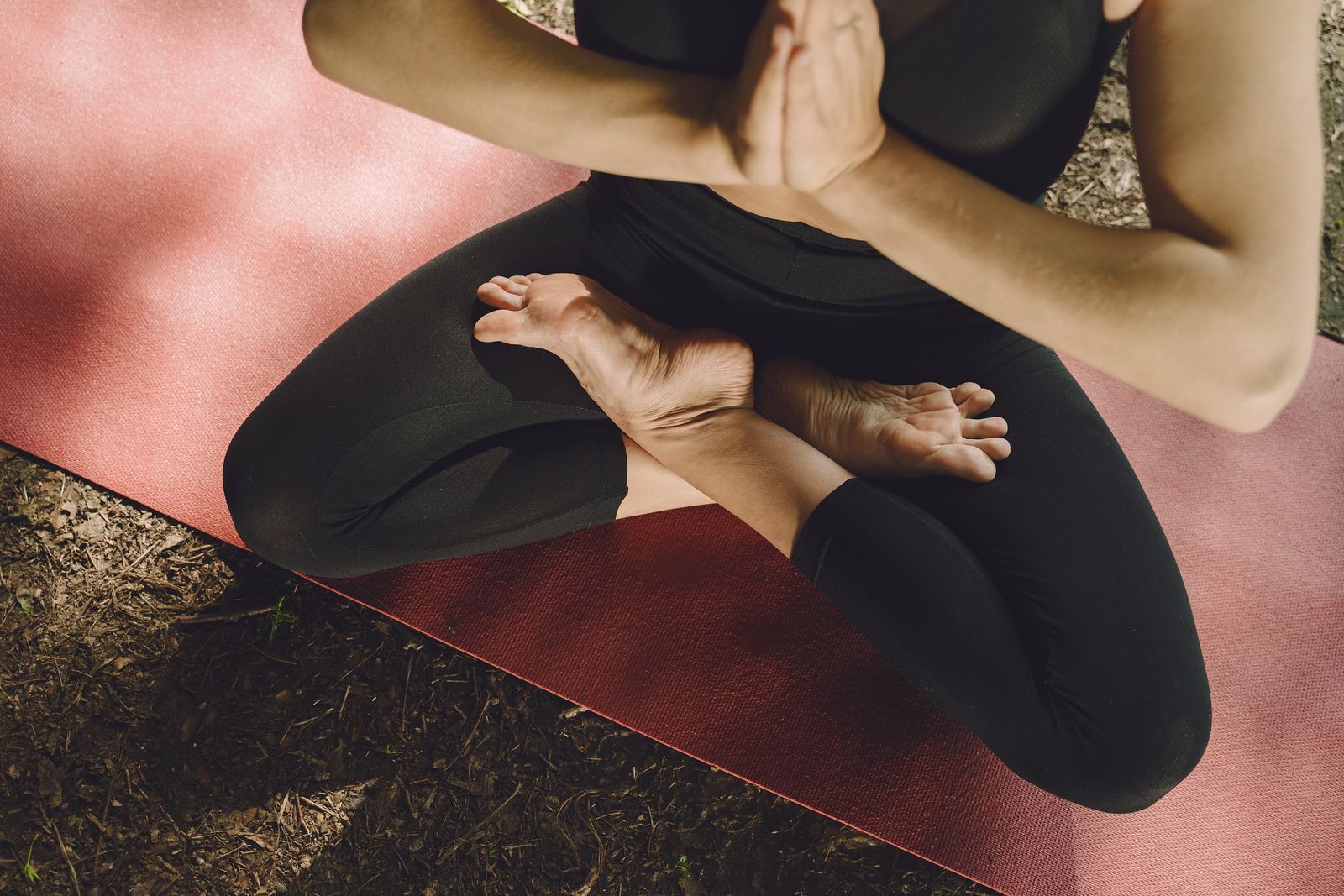
Karma yoga is the path of selfless action: doing your work, duty, or service fully and skillfully while releasing your personal attachment to the outcome. Rooted in the Bhagavad Gita and popularized in the West by Swami Vivekananda, it teaches that any action, from washing dishes to running a company, can become a spiritual practice when it is done with focus, integrity, and without a grasping need for personal reward. Unlike hatha yoga or ashtanga yoga, which center on physical postures, karma yoga is practiced entirely through everyday activity and intention.
What Is Karma Yoga?
Karma yoga literally translates to the “yoga of action” — from the Sanskrit words karma (action or deed) and yoga (union). It is one of the four classical paths of yoga described in Hindu philosophy, alongside bhakti yoga (devotion), jnana yoga (knowledge), and raja yoga (meditation and mental discipline). Where those paths use worship, study, or contemplation to reach union with the divine or the deeper self, karma yoga uses ordinary work as the vehicle. The core idea is simple to state and hard to practice: act with full effort, care, and skill, but do not let your peace of mind depend on whether the result goes your way. You show up, you do the work well, and then you let the outcome be what it is.
What Does Karma Yoga Mean in Practice?
In practical terms, karma yoga means treating your daily responsibilities as an offering rather than a transaction. A parent making dinner, a nurse tending a patient, a student finishing an assignment, or a manager leading a team can all practice karma yoga by shifting how they relate to the task, not necessarily what the task is. Three qualities define this shift:
- Full engagement: giving complete attention and effort to the task in front of you.
- Non-attachment to results: doing the work well without an anxious grip on praise, promotion, or a specific outcome.
- Equanimity: meeting success and failure with a similar steadiness of mind, rather than being thrown off balance by either.
This is different from apathy or indifference. Karma yoga does not ask you to stop caring about quality or stop trying — it asks you to stop needing a particular result in order to feel at peace. That distinction matters because it separates karma yoga from resignation, which looks similar on the surface but comes from a very different inner state.
Karma Yoga in the Bhagavad Gita
The clearest scriptural source for karma yoga is the Bhagavad Gita, where an entire chapter (traditionally the third of eighteen) is devoted to the subject of action and duty. In the narrative, the warrior Arjuna hesitates on a battlefield, torn between his duty to fight and his grief over the people he would have to fight against. Krishna’s counsel to him forms the foundation of karma yoga: perform your prescribed duty, because inaction is not actually a way to avoid consequences, but do so without craving the fruits of your action. This idea is often summarized by the Sanskrit phrase “nishkama karma,” meaning action performed without selfish desire for its results.
The Gita’s argument is that everyone is bound to act — even choosing not to act is itself an action with consequences — so the real spiritual question is not whether to act, but with what inner attitude. Offering the effort and its results back to something larger than personal gain, whether you frame that as duty, service, or the divine, is what turns ordinary work into a yogic discipline. This teaching pairs naturally with concepts explored in yoga philosophy and the broader ethical framework of the yamas and niyamas.
Karma Yoga by Swami Vivekananda
Karma yoga reached a wide global audience largely through Swami Vivekananda, the Indian monk who introduced Vedanta and yoga to the West in the late 19th century. Vivekananda delivered a series of lectures on the subject in New York in the winter of 1895–1896, and these talks were later compiled into the book “Karma Yoga,” first published in 1896. In it, Vivekananda reframes karma yoga for a modern, active-minded audience: he argues that work itself is not the problem, our attachment to the results of work is. He describes the ideal karma yogi as someone who can throw themselves entirely into their occupation and yet remain internally free, unshaken by praise or blame.
Vivekananda’s book is still one of the most widely read introductions to the philosophy, partly because it speaks directly to professionals, students, and householders rather than only to renunciates or monks. He insisted that karma yoga does not require giving up the world; a person can be fully active in family life, business, or public service and still walk this path, as long as the inner orientation toward selfless action is present.
Is Karma Yoga a Branch of Something Larger?
Karma yoga is best understood as one of the four principal branches of yoga in classical Indian philosophy, sitting alongside bhakti yoga, jnana yoga, and raja yoga. Some texts also describe these four as complementary rather than competing paths, meant to suit different temperaments: those inclined toward action gravitate to karma yoga, those inclined toward devotion to bhakti yoga, those inclined toward inquiry to jnana yoga, and those inclined toward introspective discipline to raja yoga. Many teachers, including Vivekananda, taught that a well-rounded spiritual life often draws from more than one branch rather than treating them as mutually exclusive categories.
This is worth knowing because people sometimes search for karma yoga expecting a style of physical practice similar to vinyasa yoga or power yoga. Karma yoga is not a sequence of postures. It is a philosophical, ethical orientation toward action, which is why it can be practiced anywhere, regardless of physical ability or fitness level.

What Is Sukarma Yoga?
Sukarma is a term built from “su” (good or right) and “karma” (action), and it is sometimes used to describe the practice of performing good, righteous, or dharmic action as a conscious spiritual discipline. In common usage, sukarma yoga is closely related to karma yoga: both point toward acting rightly and responsibly, but sukarma places extra emphasis on the moral quality of the action itself — doing what is good and just — rather than only on the inner attitude of non-attachment. Understood together, karma yoga asks “how do I hold my mind while I act?” while the idea of sukarma asks “is this action itself good?” Practicing both means choosing ethical, constructive actions and then releasing your grip on their outcome.
What Is Shatkarma Yoga?
Shatkarma (also spelled shat kriya) is frequently confused with karma yoga because the words sound similar, but they describe a completely different practice. Shatkarma refers to six traditional cleansing techniques described in Hatha Yoga texts, used to purify the body in preparation for pranayama and meditation. The six classical shatkarmas are:
- Neti — nasal cleansing, often using a neti pot with saline water.
- Dhauti — cleansing of the digestive tract.
- Nauli — abdominal massage and churning technique.
- Basti — yogic colon cleansing.
- Kapalabhati — a rapid breathing technique also classified as a pranayama, meaning “skull-shining breath.”
- Trataka — steady, unblinking gazing practice used to sharpen concentration.
These techniques belong to the physical and energetic side of yoga described in classical Hatha Yoga manuals, and they are unrelated to the ethical philosophy of karma yoga, despite the overlapping keyword. If your goal is physical and energetic cleansing, shatkarma sits closer to practices explored in hatha yoga and kriya yoga, which both use structured breathwork and internal techniques for purification and focus.
How Karma Yoga Applies to Business Ethics
Karma yoga has found a modern audience well beyond spiritual circles, particularly in discussions of workplace ethics and leadership. Business scholars have drawn on the concept to describe a model of work motivated by duty, competence, and service rather than purely by personal reward or fear of failure. Applied to an organization, karma yoga principles can translate into:
- Doing quality work regardless of recognition — completing a task well because it is your responsibility, not only because someone is watching.
- Reducing anxiety-driven decision-making — leaders and employees who are less attached to short-term outcomes may make steadier, more ethical choices under pressure.
- Service orientation — treating a job as a contribution to colleagues, customers, or the wider community, not merely a means to a paycheck or title.
- Resilience through setbacks — because the practice separates effort from outcome, failures and criticism become less personally destabilizing.
Some researchers describe this as a form of “workplace spirituality,” linking it to better job attitudes and steadier performance under stress. This research area is still developing, so it is best understood as a promising, actively studied framework rather than a settled conclusion.
Karma Yoga in Hindi and Everyday Language
In Hindi and other Indian languages, karma yoga (कर्म योग) is a familiar phrase used well beyond religious contexts. It commonly appears in everyday conversation to praise someone who works diligently without complaint or without seeking constant credit — a teacher, a laborer, or a caregiver might be described as living out karma yoga even without having studied the Bhagavad Gita formally. This everyday usage reflects how deeply the concept has been absorbed into Indian culture as a recognizable, admirable way of approaching one’s duties.
How Karma Yoga Differs From Other Yoga Paths
It helps to see karma yoga next to the other classical paths so the differences are concrete rather than abstract.
- Karma yoga uses action and duty as the spiritual practice.
- Bhakti yoga uses devotion, love, and surrender to a higher power as the practice.
- Jnana yoga uses self-inquiry, study, and discernment to see through illusion.
- Raja yoga uses meditation, concentration, and mental discipline, often structured around the eight limbs described in the yoga sutras.
Modern physical styles you may already practice, such as hatha yoga, ashtanga yoga, vinyasa yoga, and yin yoga, are technically closer to raja yoga’s physical and meditative branch (hatha and its postures were designed to prepare the body for meditation). Karma yoga does not require a mat, a studio, or any particular posture at all — its “practice” happens in the middle of ordinary life.
How to Start Practicing Karma Yoga Today
Karma yoga is accessible immediately because it does not depend on flexibility, fitness level, or free time set aside for a formal session. A few practical starting points:
- Pick one daily task — a work project, a household chore, a conversation — and do it with full attention, without checking your phone or rushing to the next thing.
- Notice attachment as it arises — before starting a task, notice if you are already anxious about how others will judge the outcome, and gently redirect your focus back to the doing rather than the outcome.
- Separate effort from outcome verbally — after finishing something, consciously say to yourself “I did my part well,” rather than immediately grading yourself by the result.
- Serve without keeping score — look for small opportunities to help a colleague, family member, or stranger without expecting thanks or reciprocation.
- Pair it with breath awareness — a few minutes of conscious breathing, similar to techniques used in pranayama, before starting demanding work can help you enter a task with a steadier, less reactive mind.
Many practitioners find that pairing karma yoga’s mental attitude with a consistent physical or breath practice — such as online yoga classes, meditation for beginners, or a short daily yoga for stress relief routine — makes the non-attachment described in the Gita easier to sustain under real-world pressure.
Common Misconceptions About Karma Yoga
A few misunderstandings come up often enough to address directly:
- “Karma yoga means doing nothing and accepting whatever happens.” This confuses non-attachment with passivity. The Gita explicitly instructs full, competent action — the detachment applies to the fruits of the action, not to the effort itself.
- “Karma yoga is only for religious or renunciate people.” Vivekananda’s teaching was aimed specifically at active people with jobs, families, and ambitions, arguing the philosophy is most useful for people fully engaged in worldly responsibilities.
- “Karma yoga and shatkarma are the same thing.” As covered above, shatkarma refers to physical cleansing techniques in Hatha Yoga, while karma yoga is an ethical and philosophical path centered on action and intention.
- “Practicing karma yoga means you shouldn’t set goals.” Setting goals and working toward them skillfully is compatible with karma yoga; what the philosophy discourages is anxious over-identification with whether the goal is reached.
Bringing Karma Yoga Into a Modern Wellness Routine
Because karma yoga is a mindset rather than a sequence of movements, it pairs naturally with almost any wellness practice. Someone attending online zumba classes can practice karma yoga by dancing fully present in the moment rather than judging their performance against others. Someone doing one-on-one personal training can apply the same principle by focusing on effort and form rather than only the number on the scale. Even corporate wellness programs increasingly borrow karma yoga’s core insight — that sustained motivation improves when people connect their daily work to a larger sense of purpose or service, rather than to reward alone. This is part of why many corporate yoga programs now weave short mindfulness or intention-setting exercises into physical sessions.
Questions People Ask About Karma Yoga
What is karma yoga?
Karma yoga is the yogic path of selfless action, described in the Bhagavad Gita and popularized by Swami Vivekananda. It teaches performing your duties fully and skillfully while releasing personal attachment to the results, turning ordinary work into a spiritual practice rather than requiring a specific physical technique or posture.
What is karma yoga in the Bhagavad Gita?
In the Bhagavad Gita, karma yoga is presented largely in its third chapter, where Krishna teaches Arjuna to perform his duty as a warrior without craving personal reward. This principle, known as nishkama karma, holds that action itself is unavoidable, so spiritual growth comes from the intention behind action rather than from avoiding action altogether.
What is karma yoga in business ethics?
In business ethics, karma yoga is used to describe work motivated by duty, competence, and service rather than by personal gain or fear alone. Some researchers link this orientation to steadier decision-making, more resilience under pressure, and a stronger service mindset in employees and leaders, though this remains an active area of academic study rather than settled fact.
What is karma yoga in Hindi?
In Hindi, karma yoga (कर्म योग) carries the same core meaning as in Sanskrit philosophy: the path of selfless, duty-bound action. It is commonly used in everyday Hindi conversation to describe someone who works diligently and honestly without seeking constant praise, reflecting how deeply this concept has entered popular culture beyond formal scripture study.
Try This for Yourself
Reading about karma yoga is a helpful start, but the philosophy is meant to be lived through practice, not just studied. If you want a structured way to build focus, breath awareness, and the steady mindset that supports non-attachment, try a guided class with FitStrot’s online yoga classes, where certified instructors help you build the concentration and calm that make karma yoga’s principles easier to carry into daily life.
Related reading: Ashtanga Yoga, Hatha Yoga, Kriya Yoga, Bhakti Yoga, and FitStrot’s online yoga classes.