Jnana yoga is the path of knowledge and self-inquiry, one of the classical paths to liberation described in Hindu philosophy alongside karma yoga (action) and bhakti yoga (devotion). Rather than relying on rituals, postures, or external practice, it works through direct inquiry into the nature of the self, using questions like “Who am I?” to peel away false identifications until only pure awareness remains. It draws heavily on the Upanishads, the Bhagavad Gita, and the Advaita Vedanta tradition associated with the 8th-century philosopher Adi Shankara. In modern yoga studios, jnana yoga rarely looks like a class at all; it looks like study, reflection, and a specific method of questioning that this guide walks through in detail.
What Does Jnana Yoga Mean?
The word “jnana” is Sanskrit for knowledge, but not the kind gained from books or facts. It refers to a direct, experiential knowing of one’s true nature as distinct from the body, mind, and personality. Yoga, from the root “yuj,” means union. Put together, jnana yoga means the path of union through knowledge, specifically the knowledge that the individual self (Atman) is not separate from ultimate reality (Brahman). This distinguishes it sharply from intellectual learning; a jnana yogi isn’t trying to accumulate information but to dissolve the sense of being a separate, limited self through sustained, honest inquiry.
What Is Jnana Yoga in Practice?
In practical terms, jnana yoga is less a sequence of poses and more a discipline of thought. A practitioner works with a qualified teacher or guide, studies foundational texts, and applies structured self-questioning to everyday experience. Where hatha yoga works through the body and kriya yoga works through specific breath and energy techniques, jnana yoga works almost entirely through discernment. That said, many contemporary teachers pair it with a stable seated meditation practice, since a scattered mind cannot sustain the kind of sharp, continuous inquiry the path demands.
The Four Qualifications of Jnana Yoga
Classical Advaita Vedanta lists four qualifications (sadhana chatushtaya) considered prerequisites for jnana yoga, and understanding them clarifies why this path is often described as demanding for beginners.
- Viveka (discrimination): the capacity to distinguish between the permanent and the impermanent, the real and the apparent.
- Vairagya (dispassion): a genuine, not forced, indifference to the fruits of worldly pursuits.
- Shatsampatti (the six virtues): a set of inner qualities including mental calm, sense-control, and endurance.
- Mumukshutva (the intense desire for liberation): a burning motivation to be free from ignorance, stronger than ordinary curiosity.
Without at least a working degree of these four, teachers in this tradition generally suggest starting with karma yoga or bhakti yoga first, since selfless action and devotion tend to purify and steady the mind in ways that make jnana yoga’s intensity more workable later.
How Does Jnana Yoga Connect to the Bhagavad Gita?
The Bhagavad Gita presents jnana yoga as one of several valid paths to the same goal, most directly in its fourth chapter, “Jnana Karma Sannyasa Yoga.” Krishna tells Arjuna that among all forms of purification, knowledge holds a uniquely high place, since it burns away the accumulated effects of past action once truly realized. The Gita doesn’t present jnana yoga as superior to karma yoga or bhakti yoga; instead it treats knowledge, action, and devotion as complementary approaches suited to different temperaments, with jnana yoga fitting the philosophically inclined mind that wants to understand before it commits.
Jnana Yoga, Bhakti Yoga, and Karma Yoga: How Are They Different?
These three, sometimes joined by raja yoga as a fourth classical path, are often taught as a single framework because they answer the same question through different temperaments. Jnana yoga suits the analytical mind and proceeds through inquiry and discrimination. Bhakti yoga suits the emotional, devotional mind and proceeds through love and surrender to a chosen ideal. Karma yoga suits the active mind and proceeds through selfless service performed without attachment to outcome. None of the four paths is considered more “advanced” in classical texts; they’re described as different doors into the same room, and many practitioners blend elements of more than one rather than following just one exclusively.

What Are the Three Steps of Jnana Yoga (Sravana, Manana, Nididhyasana)?
Advaita Vedanta outlines a specific three-stage method for jnana yoga practice, and this sequence is arguably the most practical takeaway for anyone wanting to try the path rather than just read about it.
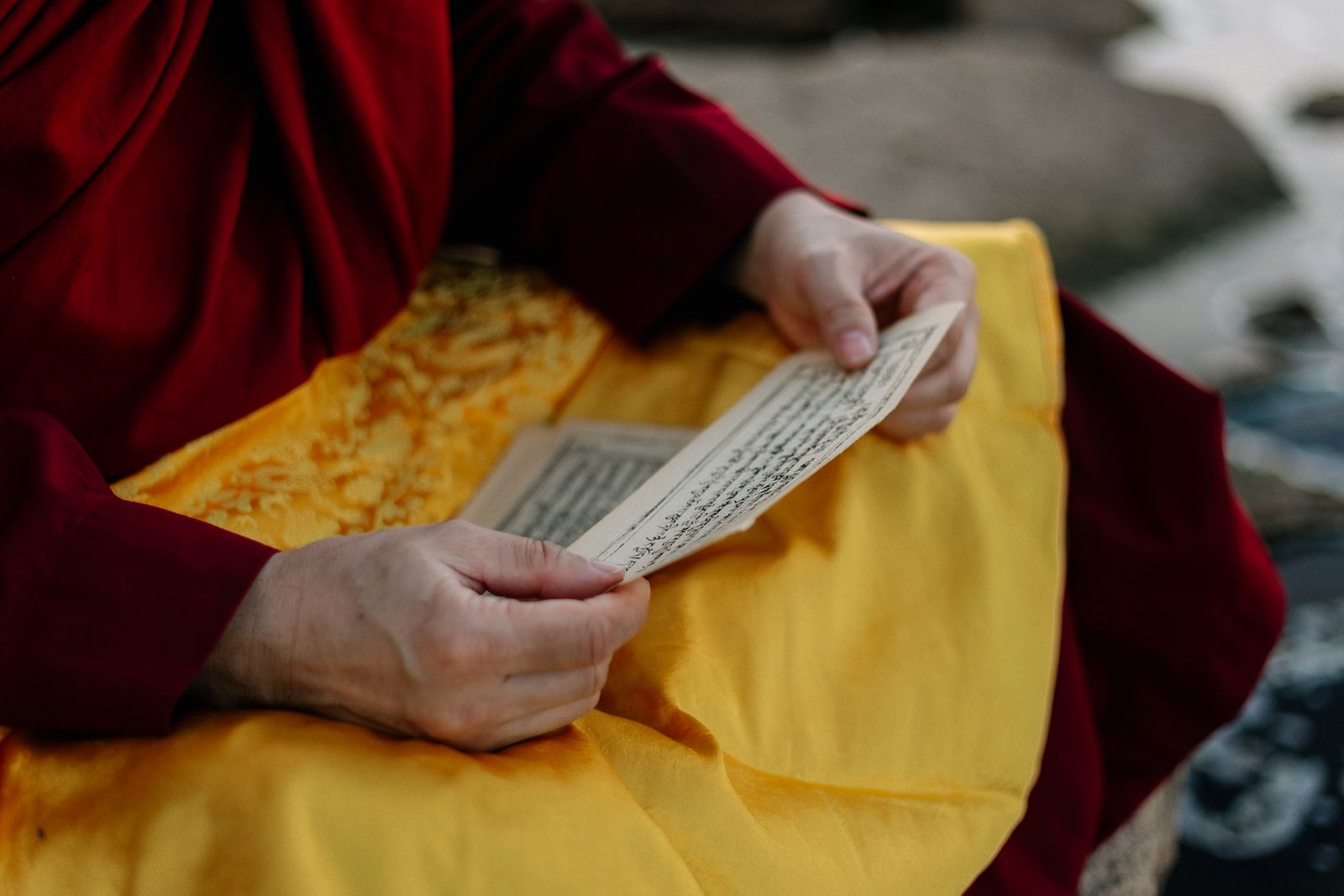
- Sravana (hearing): systematically studying the teachings, typically the Upanishads and commentaries, ideally guided by a qualified teacher rather than pieced together informally.
- Manana (reflection): actively reasoning through what was heard, questioning it, testing it against logic and personal experience until intellectual doubt is resolved.
- Nididhyasana (meditation): sustained, deep meditation on the truth already understood intellectually, until it becomes a direct, lived realization rather than a concept.
This progression matters because it explains why jnana yoga isn’t simply “reading philosophy.” The hearing and reflection stages are intellectual, but the meditation stage is where the knowledge is meant to stop being a thought and become a felt, permanent shift in self-understanding.
Who Was Adi Shankara and Why Does He Matter to Jnana Yoga?
Adi Shankara, an 8th-century philosopher, is the figure most closely associated with systematizing Advaita Vedanta, the non-dualist school underpinning jnana yoga. He argued that Brahman, the ultimate reality, is the only true existence, and that the perceived multiplicity of the world (including the sense of being a separate individual) is a product of ignorance (avidya) rather than final truth. His commentaries on the Upanishads, the Bhagavad Gita, and the Brahma Sutras remain the primary reference texts for jnana yoga practitioners today, and most jnana yoga curricula still trace their structure back to his writings, even when taught through a modern lens.
What Did Swami Vivekananda Teach About Jnana Yoga?
Swami Vivekananda, the Indian monk who introduced Vedanta and yoga to Western audiences in the late 19th century, delivered a well-known series of lectures on this path that were later compiled into a book titled “Jnana Yoga.” First published in the early 1900s, it remains one of the most widely read introductions to the subject in English and is commonly available as a free public-domain text and PDF through archives and libraries, since the original lectures are no longer under copyright. Vivekananda’s approach emphasized that jnana yoga wasn’t meant only for renunciates or scholars; he argued that rational inquiry into one’s true nature was compatible with active, modern life, which helped popularize the path well beyond traditional monastic settings.
Does Jnana Yoga Have Physical Poses?
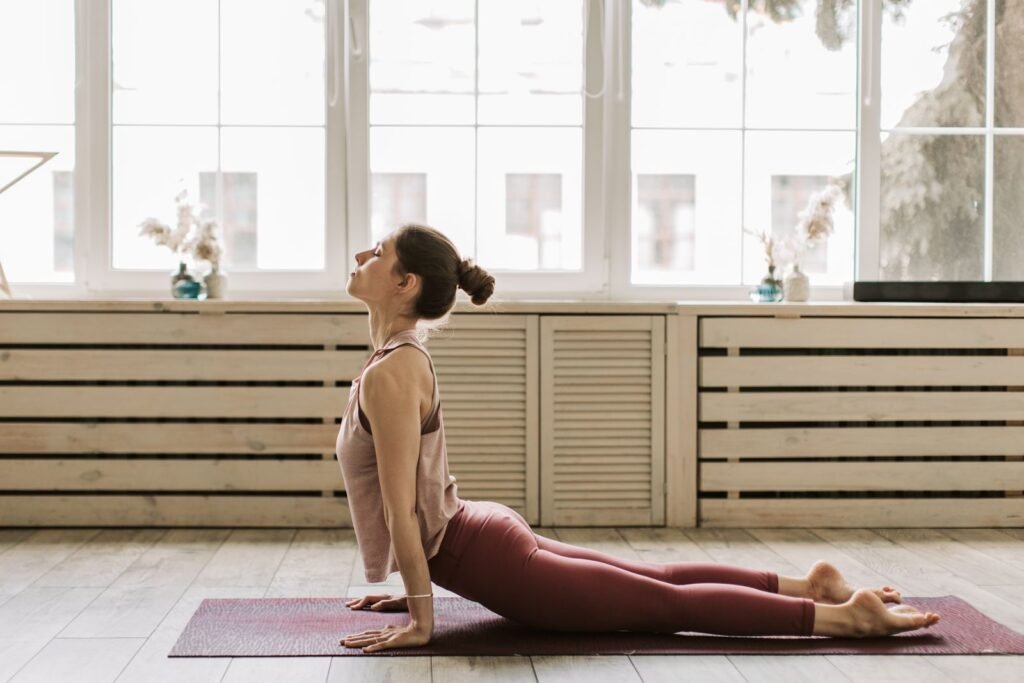
Not in the way most people picture when they search for jnana yoga images or poses. Unlike hatha yoga or ashtanga yoga, jnana yoga is not organized around a sequence of asanas. That said, practitioners typically do use a stable seated meditation posture, often a simple cross-legged position or sukhasana, since sitting comfortably and steadily for extended self-inquiry and meditation is a practical requirement, not a symbolic one. If you’re drawn to jnana yoga but also want the physical grounding of an asana practice, pairing it with a gentle vinyasa yoga or restorative session beforehand can help settle the body enough for the mind to sit still.
How Do You Pronounce Jnana Yoga?
Jnana is pronounced “gyah-nuh,” not “juh-NAH-nuh” as the spelling might suggest to English readers. The initial “j” in the Sanskrit transliteration represents a sound closer to a soft “gy” in most spoken traditions, which is why you’ll sometimes see it spelled “gyana yoga” in Hindi contexts. Both spellings refer to the same path; the difference is transliteration convention rather than a different concept.
How Do You Begin Practicing Jnana Yoga?
Starting jnana yoga doesn’t require a monastery or years of Sanskrit study, but it does ask for consistency and honesty with yourself. A workable beginner sequence looks like this: first, spend real time in stillness daily, even ten focused minutes, since the inquiry work below depends on a mind that isn’t constantly reacting. Second, pick one foundational text, such as a beginner-friendly translation of the Bhagavad Gita or an introductory commentary on the Upanishads, and read it slowly rather than quickly. Third, practice self-inquiry directly: when a strong emotion or identity (“I am angry,” “I am a failure,” “I am successful”) arises, gently ask “who is aware of this feeling?” rather than getting pulled into the feeling itself. Fourth, journal the contradictions and confusions that come up rather than smoothing them over, since manana (reflection) is supposed to surface doubt, not avoid it. This is slower and less immediately rewarding than a strong vinyasa yoga class, but the depth it builds over months tends to be very different in character.
What Are Common Mistakes Beginners Make With Jnana Yoga?
The most common mistake is treating jnana yoga as pure intellectual study, collecting philosophical concepts without ever sitting in the meditative stage (nididhyasana) long enough for anything to shift experientially. A second common mistake is skipping the preparatory qualities entirely, particularly vairagya (dispassion), which leads to using self-inquiry as a way to intellectually bypass difficult emotions rather than genuinely investigate them. A third mistake is practicing in isolation without any teacher or community to check understanding against, which the sravana stage exists specifically to prevent. Jnana yoga rewards patience and correction far more than it rewards fast, solitary reading.
How Does Jnana Yoga Compare to Meditation and Mindfulness?
Meditation and mindfulness, as commonly taught in the West, generally aim to steady attention and reduce reactivity to thoughts and sensations. Jnana yoga uses similar stillness as a foundation but adds a specific philosophical target: the direct investigation of who or what is aware in the first place. A regular mindfulness meditation practice can absolutely support jnana yoga by building the concentration self-inquiry requires, but the two aren’t identical. Mindfulness typically doesn’t ask you to conclude anything about the ultimate nature of the self; jnana yoga’s entire structure is built around reaching that conclusion through direct experience, not just observing thoughts as they pass.
Is Jnana Yoga Right for You?
Jnana yoga tends to suit people who are naturally analytical, drawn to philosophy, and comfortable sitting with open questions rather than needing quick, concrete answers. If you find yourself more energized by service to others, karma yoga may be a more natural entry point. If devotion, chanting, or a felt connection to something greater than yourself resonates more, bhakti yoga is likely the better starting path. Many practitioners eventually draw from more than one path as their practice matures, using a physical hatha yoga or ashtanga yoga practice to steady the body, breathwork or pranayama to steady the mind, and jnana-style inquiry to work directly with the sense of self underneath both.
Questions People Ask About Jnana Yoga
What is jnana yoga in simple terms?
Jnana yoga is the yogic path of self-knowledge, using structured inquiry and reflection, rather than posture or devotion, to directly realize that the individual self is not separate from ultimate reality. It’s built on study, reasoning, and sustained meditation on that understanding.
What is the difference between jnana yoga and raja yoga?
Jnana yoga pursues liberation through philosophical inquiry and discrimination between the real and unreal. Raja yoga, systematized in Patanjali’s Yoga Sutras, pursues the same goal through a structured eight-limbed method involving ethics, breath control, and meditation techniques rather than pure inquiry.
Do you need a guru for jnana yoga?
Traditional Advaita Vedanta strongly recommends guidance from a qualified teacher, particularly for the sravana (hearing) stage, since self-taught interpretation of dense philosophical texts can easily go astray. Many modern practitioners study with teachers, structured courses, or knowledgeable communities rather than in complete isolation.
Is jnana yoga the same as Vedanta?
They’re closely related but not identical. Vedanta is the broader philosophical school, particularly Advaita (non-dual) Vedanta, that provides the theoretical framework. Jnana yoga is the practical path or method through which a practitioner applies Vedantic philosophy to reach direct realization.
Can beginners practice jnana yoga?
Yes, though classical texts suggest it’s easier once some groundwork is in place: a reasonably calm mind, honest self-reflection, and a genuine motivation to understand rather than just accumulate ideas. Beginners often benefit from pairing jnana yoga study with a steadying practice like meditation or gentle asana work first.
Try This for Yourself
Reading about jnana yoga can clarify the philosophy, but the calm, focused attention this path depends on is built through consistent practice, not just study. Explore FitStrot’s Online Yoga Classes to build the stillness and steadiness that make deeper self-inquiry possible.
Related reading: karma yoga, bhakti yoga, hatha yoga, kriya yoga, or head to Online Yoga Classes to get started.