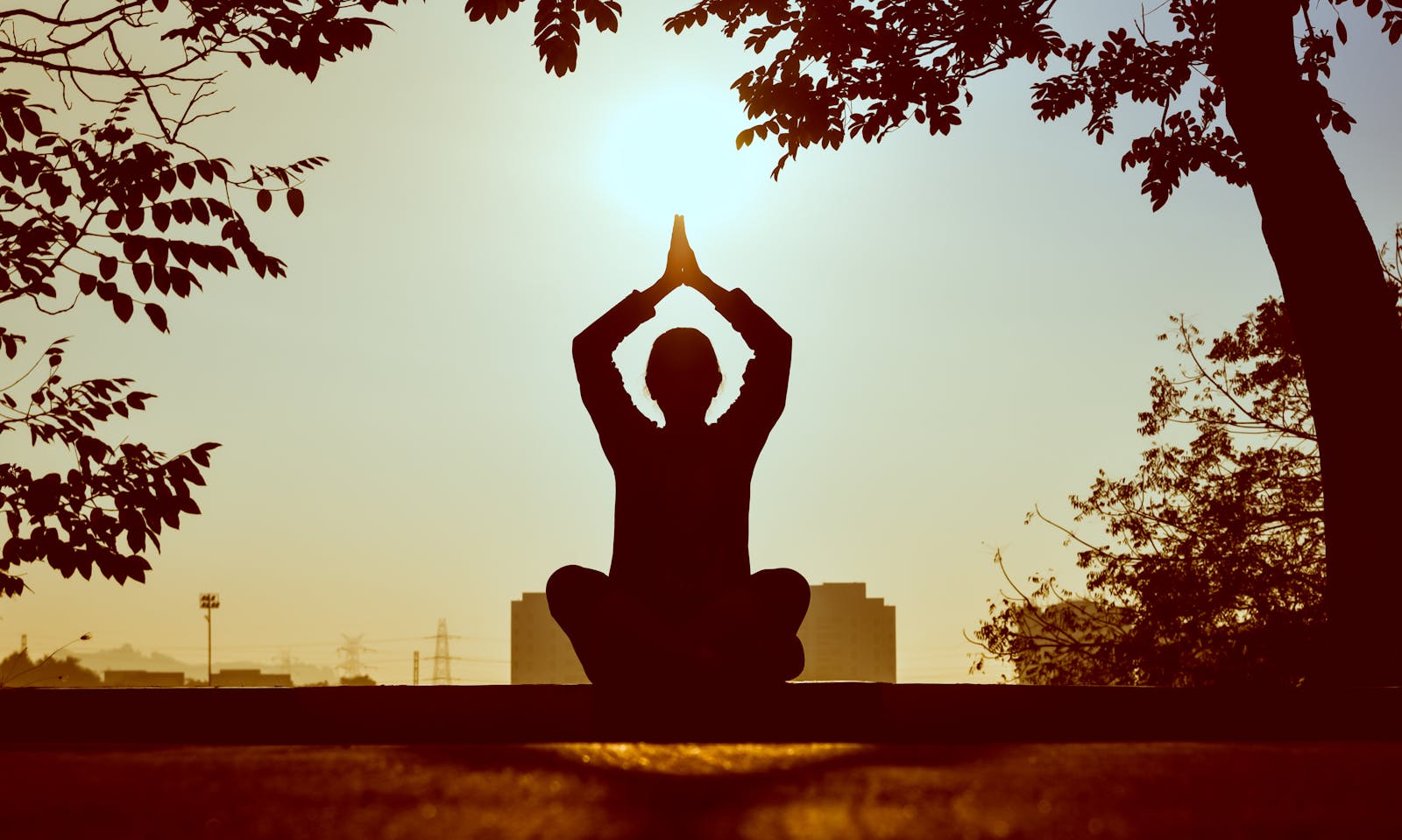
Kriya yoga is a meditation-based spiritual practice built around specific pranayama (breath control) techniques, mantra, and mental concentration designed to accelerate self-realization by circulating life energy along the spine. Unlike a physical-postures practice such as hatha yoga, kriya yoga is almost entirely an internal, seated meditation technique. It was revived in the modern era by the yogi Lahiri Mahasaya in the 1860s and later popularized worldwide by Paramahansa Yogananda through his 1946 book Autobiography of a Yogi. Traditionally, the specific techniques are transmitted only through initiation by a qualified teacher within an established lineage, rather than learned casually from a book or video.
What Is Kriya Yoga, Exactly?
The word “kriya” comes from the Sanskrit root kri, meaning “to do” or “to act,” and in this context refers to a specific spiritual “action” or rite rather than a general lifestyle. Paramahansa Yogananda described kriya yoga as “union (yoga) with the Infinite through a certain action or rite.” Practically speaking, it is a system of pranayama techniques combined with concentration and visualization, practiced while seated in stillness, that aims to move awareness through six energy centers along the spine — often described as the medullary, cervical, dorsal, lumbar, sacral, and coccygeal centers. Practitioners are taught that regular practice gradually quiets the breath and the mind, creating the inner conditions for meditative absorption. It sits within the broader family of types of yoga, but it is best understood as a meditation and pranayama discipline rather than a style of physical exercise like vinyasa yoga or ashtanga yoga.
Where Did Kriya Yoga Come From?
According to the tradition’s own accounts, kriya yoga is an ancient technique that had been lost over centuries and was revived in the Himalayas around 1861 when the yogi Lahiri Mahasaya reportedly received the technique from a teacher known as Mahavatar Babaji. Lahiri Mahasaya then began teaching kriya yoga to householders and students across India, breaking from the older assumption that such practices were reserved only for renunciate monks. His students carried the lineage forward, most notably Sri Yukteswar Giri, who later became the guru of Paramahansa Yogananda. This lineage — commonly described within the tradition as running through Babaji, Lahiri Mahasaya, Sri Yukteswar, and Yogananda — is the version of kriya yoga most widely known in the West today, though other kriya-related lineages and ashrams also exist across India.
How Did Kriya Yoga Reach the West?
Paramahansa Yogananda traveled to the United States in 1920 and spoke about yoga and meditation at the International Congress of Religious Liberals in Boston. He went on to found Self-Realization Fellowship (SRF) to teach kriya yoga and related meditation practices to Western students. His autobiography, published in 1946, introduced millions of readers to the idea of a scientific, technique-based approach to meditation and is widely credited with sparking sustained Western interest in kriya yoga, guru-disciple lineages, and Indian meditation traditions more broadly. Today, several organizations — including Self-Realization Fellowship, Yogoda Satsanga Society of India, and Ananda — each trace their teaching of kriya yoga back to this same lineage, sometimes with variations in how the lessons are structured or delivered.

What Is Kriya Yoga Meditation?
Kriya yoga meditation refers to the seated meditative practice at the heart of the system, distinct from the pranayama “techniques” themselves. It typically begins with settling the body into a comfortable seated posture, calming the breath, and turning attention inward before moving into the specific breath-and-concentration sequence taught by a kriya teacher. The meditation is meant to be practiced consistently, often twice daily, and is generally paired with supporting practices such as chanting, energization exercises, or preliminary breathing drills. Many teachers describe kriya yoga meditation as a deepening path — students are taught a first technique, and only after a period of consistent practice and readiness are they introduced to more advanced stages. This graduated structure is a defining feature that separates kriya yoga meditation from single-technique practices like simple breath-awareness meditation or a guided yoga nidra session.
What Happens During Kriya Yoga Initiation?
Initiation is the formal ceremony through which a student is taught the actual kriya yoga technique by an authorized teacher. Within most lineages, the specific mechanics of the technique are considered sacred and are not published or taught outside of this initiation process — this is one reason you will not find a fully explicit “how-to” breakdown of the technique itself in books or public articles, including this one. Preparing for initiation commonly involves completing preliminary lessons on philosophy, ethics, and simpler concentration or breathing exercises first. Organizations such as Self-Realization Fellowship and Yogoda Satsanga Society structure this as a formal lessons program culminating in initiation, sometimes done in person and sometimes, in recent years, offered through virtual or correspondence formats. If you are searching for a “kriya yoga ashram” or “kriya yoga near me,” the practical starting point is usually to enroll in a lineage’s official preliminary lessons rather than seeking a single weekend workshop.
Kriya Yoga vs. Hatha Yoga: What’s the Difference?
Hatha yoga is primarily a physical practice built around asanas (postures), designed to prepare the body for seated meditation and to build strength, flexibility, and balance. Kriya yoga, by contrast, involves very little physical movement and is centered almost entirely on breath, concentration, and inner energy work. A helpful way to think about it: hatha yoga (and its modern descendants like hatha yoga poses, vinyasa yoga, and power yoga) trains the body so it can sit comfortably and steadily for the internal work that kriya yoga asks of the mind and breath. Many long-term practitioners actually combine both — using a grounding beginner yoga poses routine or gentle stretching before sitting down for kriya practice.
Kriya Yoga vs. Karma Yoga vs. Bhakti Yoga: How Do the Paths Compare?
Classical yoga philosophy describes several distinct “paths” toward the same ultimate goal of self-realization. Karma yoga is the path of selfless action — serving others and performing one’s duties without attachment to results. Bhakti yoga is the path of devotion, love, and surrender to the divine. Jnana yoga is the path of knowledge and philosophical inquiry. Kriya yoga is generally classified as a technique-based branch of raja yoga (the “royal path” of meditation and mental discipline outlined in Patanjali’s Yoga Sutras), emphasizing direct energetic and meditative practice over devotion, service, or study alone. In practice, most serious students blend elements of all these approaches — for example, practicing kriya meditation daily while also cultivating a karma yoga attitude of selfless service in their work and relationships.
Is Kriya Yoga Connected to the Bhagavad Gita and Patanjali’s Yoga Sutras?
Yes — teachers within this tradition frequently point to references in the Bhagavad Gita, where Krishna describes a yoga of controlled breath and inner offering, as well as concepts from Patanjali’s Yoga Sutras describing pranayama as a means of stilling the fluctuations of the mind. Kriya yoga teachers present the practice as a rediscovered, practical application of principles that these older texts describe more philosophically. It’s worth noting that this connection is a matter of interpretation and lineage teaching rather than an independently verifiable historical chain — different teachers and scholars can reasonably differ on exactly how directly kriya yoga techniques map onto specific verses of these ancient texts. If you want to build foundational knowledge of yoga philosophy alongside a kriya practice, exploring the eight limbs of yoga and yoga philosophy is a natural next step.
Where Can You Find Kriya Yoga Books and a Kriya Yoga PDF?
The most widely read introduction remains Paramahansa Yogananda’s Autobiography of a Yogi, which explains the history and philosophy of kriya yoga without disclosing the initiated technique itself. Other commonly recommended titles include Yogananda’s The Second Coming of Christ and various commentaries published by Self-Realization Fellowship and Yogoda Satsanga Society on the Bhagavad Gita through a kriya yoga lens. If you’re searching for a “kriya yoga PDF,” be cautious: because the actual technique is only taught through formal initiation, any free PDF claiming to reveal the “secret steps” of kriya yoga is not an authorized teaching and should be treated skeptically. The safest way to study the philosophy in depth is to read the authorized books and then enroll in an official lessons program if you want to learn the practice itself.
What Are the Reported Benefits of Kriya Yoga?
Practitioners and teachers describe a range of benefits associated with consistent kriya yoga practice, though it’s worth noting these are largely testimonial and philosophical claims rather than benefits established through large-scale clinical research. Commonly cited effects include:
- A calmer nervous system, supported by slowed, refined breathing patterns
- Improved concentration and a greater capacity for sustained, focused attention
- A greater sense of inner peace that deepens with regular practice
- A deepening subjective sense of spiritual connection over months and years of practice
- Reduced perceived stress, similar to effects reported with other structured pranayama and meditation practices
- Better emotional regulation, supported by a steadier, more controlled breath
If your primary goal is general stress relief rather than a specific spiritual lineage, you may also want to explore accessible entry points like online yoga for stress relief, pranayama breathing techniques, or meditation for beginners before committing to a formal initiation path.
How Do You Actually Start Learning Kriya Yoga?
Because the specific technique is only transmitted through initiation, the realistic starting path looks like this:
- Read foundational material, such as Autobiography of a Yogi, to understand the philosophy and lineage.
- Enroll in an organization’s official preliminary lessons — Self-Realization Fellowship, Yogoda Satsanga Society of India, and Ananda all offer structured lesson series that build up to initiation, often available both in person and online.
- Establish a supporting daily practice of seated meditation, breath awareness, and gentle physical preparation (a short beginner yoga poses sequence works well) so that sitting still for meditation becomes comfortable.
- Request initiation once you feel ready and have completed the required preliminary lessons, from your chosen lineage’s teacher or center.
This is a gradual, relationship-based process rather than something you can complete in a single weekend.
What Should You Look for in a Kriya Yoga Ashram or Teacher?
If you’re searching for a “kriya yoga ashram” or “kriya yoga near me,” look for an organization with a clear, documented lineage (such as a direct line back to Lahiri Mahasaya, Sri Yukteswar, or Yogananda), a structured preliminary lessons program, and transparent information about what initiation involves and requires. Be wary of any teacher who claims to teach the “complete secret technique” in a single paid session without any lineage context or preliminary study — legitimate kriya yoga organizations consistently emphasize a gradual, relationship-based teaching process. Many students find it helpful to first attend public talks, meditation group sittings (often called “satsangs”), or online meditation sessions offered by an organization before formally enrolling, as this offers a low-commitment way to gauge whether a particular lineage and teaching style feels like the right fit.
Can You Practice Kriya Yoga Without Formal Initiation?
You can absolutely build a meaningful daily meditation and pranayama practice — including breath awareness, alternate nostril breathing, and other pranayama breathing techniques — without going through formal kriya yoga initiation. Many of the surrounding practices, such as concentration exercises, chanting, and gentle energization movements, are taught openly and can meaningfully support your overall wellbeing and stress levels. What you cannot ethically or accurately do is claim to be practicing “kriya yoga” itself without initiation, since the specific technique is, by design, taught only within that formal relationship. If your interest is general stress relief, better breath control, or a calmer mind rather than a specific spiritual lineage, starting with accessible practices like online yoga for stress relief or a guided yoga nidra session is a reasonable and effective place to begin.
How Does Kriya Yoga Fit Into a Broader Yoga Practice?
Most people build toward meditation-based practices like kriya yoga gradually, often starting with a physical practice that builds body awareness and the ability to sit comfortably for extended periods. A typical progression might include hatha yoga or beginner yoga poses for physical grounding, moving into pranayama breathing techniques to build breath control, and then exploring seated meditation practices such as meditation for beginners or mindfulness meditation. From there, some practitioners feel drawn toward a specific lineage-based path like kriya yoga, while others continue with a more general meditation practice indefinitely. There’s no single “correct” sequence — what matters most is consistency and finding a practice that genuinely fits your goals, whether that’s stress relief, physical fitness, or a deeper spiritual path.
Questions People Ask About Kriya Yoga
What is kriya yoga?
Kriya yoga is a meditation-based spiritual practice combining pranayama (breath control), mantra, and concentration techniques designed to circulate life energy along the spine and accelerate self-realization. It was revived in the 1860s by Lahiri Mahasaya and later popularized worldwide by Paramahansa Yogananda. The specific techniques are traditionally taught only through formal initiation by a qualified teacher within an established lineage.
What is kriya yoga meditation?
Kriya yoga meditation is the seated meditative practice at the core of the system — settling into stillness, calming the breath, and applying a specific concentration technique taught during initiation. It’s typically practiced twice daily and follows a graduated structure, where students progress to more advanced techniques only after consistent practice at earlier stages, unlike single-technique meditation styles.
What is kriya yoga and how to do it?
Kriya yoga is a lineage-based meditation system centered on breath and inner energy work. Because the specific technique is only transmitted through formal initiation, you cannot fully learn “how to do it” from a book or article. The realistic path is: study the philosophy through books like Autobiography of a Yogi, enroll in an organization’s preliminary lessons, and request initiation once you’ve completed that preparation.
What is kriya yoga in Telugu?
In Telugu, kriya yoga is generally referred to using the same term, క్రియా యోగా (kriyā yōgā), since “kriya” and “yoga” are Sanskrit-derived words widely understood across Indian languages including Telugu. The underlying concept — a meditation and pranayama practice for spiritual advancement — remains consistent across regional-language explanations, though some Telugu-language teachers and ashrams may offer classes and materials that describe it using additional local terminology.
What is kriya yoga initiation?
Kriya yoga initiation is the formal ceremony in which a qualified teacher personally transmits the specific kriya yoga technique to a student. It typically follows a period of preliminary lessons covering philosophy and simpler practices, and is offered by lineage organizations such as Self-Realization Fellowship, Yogoda Satsanga Society of India, and Ananda, sometimes in person and sometimes through structured online programs.
What is kriya yoga technique?
The kriya yoga technique refers to the specific combination of pranayama, mental visualization, and concentration practices used to direct energy along the spine’s six centers. Because it is considered a sacred teaching transmitted only through initiation, the precise mechanics are not published publicly — students learn the technique directly from an authorized teacher after completing preliminary study.
Try This for Yourself
Whether you’re drawn to the meditative depth of kriya yoga or simply want to start building a calmer, more focused daily practice, guided instruction makes all the difference. Explore FitStrot’s online yoga classes to work with experienced teachers who can help you build the breathing, posture, and concentration foundations that support any deeper meditation path you choose to pursue.
Related reading: Hatha Yoga | Ashtanga Yoga | Karma Yoga | Pranayama Breathing Techniques | Online Yoga Classes