Raja yoga, often called the “royal path” or the “yoga of the mind,” is the classical system of mental and spiritual discipline codified by the sage Patanjali in the Yoga Sutras, commonly dated to somewhere between the 1st and 3rd century CE. Rather than focusing primarily on physical postures, raja yoga is built around an eight-step framework known as ashtanga (meaning “eight limbs”) that guides a practitioner from ethical conduct and bodily discipline through concentration, meditation, and ultimately a state of deep absorption called samadhi. It’s less a workout and more a complete roadmap for training attention, emotion, and self-awareness, which is why many modern yoga styles, including hatha yoga and ashtanga yoga, trace their philosophical roots back to it.
What Does “Raja Yoga” Actually Mean?
The word “raja” translates from Sanskrit as “king” or “royal,” and the name reflects the idea that mastery of the mind is the highest and most difficult form of self-discipline a person can pursue. Where other paths described in Indian philosophy emphasize devotion (bhakti), selfless action (karma), or knowledge (jnana), raja yoga emphasizes psychological and mental control as the direct route to liberation. It is sometimes referred to simply as ashtanga yoga in classical texts, though this should not be confused with the modern, physically vigorous Ashtanga Vinyasa style popularized in the 20th century by K. Pattabhi Jois. The classical eight-limbed path is a mental and ethical framework first, and a physical one only in part.
Who Was Patanjali and Why Does His System Matter?
Patanjali is traditionally credited as the compiler of the Yoga Sutras, a terse collection of 196 aphorisms that organize centuries of earlier yogic and meditative thought into a coherent system. Scholars debate the exact dates and even whether “Patanjali” refers to one author or a tradition of compilers, but the text is widely regarded as the foundational scripture for what we now call raja yoga. Its opening line, “yogas chitta vritti nirodhah,” is often translated as “yoga is the stilling of the fluctuations of the mind,” which sets the tone for the entire system: raja yoga is fundamentally a technology for calming and focusing consciousness, not a fitness regimen.
What Are the Eight Limbs of Raja Yoga?
The heart of raja yoga is the ashtanga framework, eight interconnected stages that build on one another. They are not meant to be completed in strict sequence like a checklist; rather, they develop together over years of practice.
- Yama – Ethical restraints toward others, including nonviolence (ahimsa), truthfulness (satya), non-stealing (asteya), moderation (brahmacharya), and non-possessiveness (aparigraha).
- Niyama – Personal observances, including purity (saucha), contentment (santosha), disciplined effort (tapas), self-study (svadhyaya), and surrender to a higher principle (ishvara pranidhana).
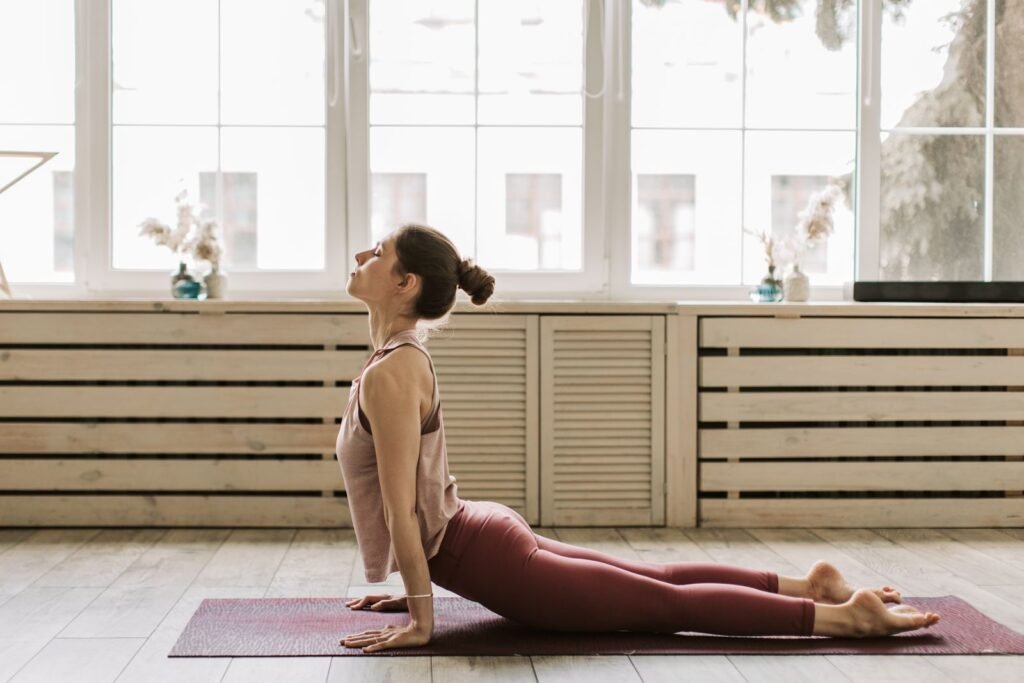
- Asana – Physical posture, originally defined simply as a steady, comfortable seat for meditation rather than the wide vocabulary of poses seen in modern classes.
- Pranayama – Conscious regulation of the breath, used to calm the nervous system and prepare the mind for concentration.
- Pratyahara – Withdrawal of the senses from external distractions, turning attention inward.
- Dharana – Concentration on a single point, object, or idea without wavering.
- Dhyana – Sustained meditation, an unbroken flow of attention toward the object of focus.
- Samadhi – A state of absorption in which the sense of a separate observer dissolves into the object of meditation.
Together these eight limbs move a practitioner from external ethics inward toward deep internal stillness, which is why raja yoga is often described as a complete psychological system rather than a single technique.
How Is Raja Yoga Different From Hatha Yoga?
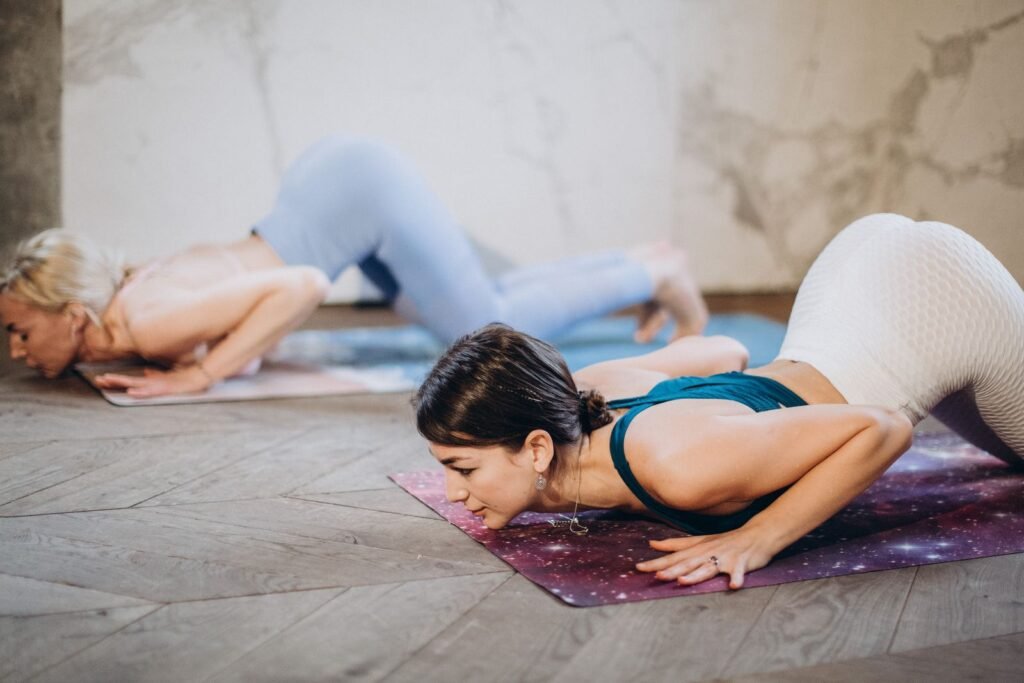
Hatha yoga developed later as a physical-preparatory system, largely codified in texts like the Hatha Yoga Pradipika, with an emphasis on asana, pranayama, and purification practices designed to prepare the body for meditation. In many respects, hatha yoga can be understood as an expanded, body-focused elaboration of the third and fourth limbs of raja yoga. Where raja yoga’s asana instruction is minimal (just “sit steadily and comfortably”), hatha yoga developed an entire vocabulary of postures, locks (bandhas), and cleansing techniques (shatkarmas). Many teachers describe hatha yoga as the doorway and raja yoga as the destination: you use the body to prepare the mind, then use the mind to reach stillness.
How Does Raja Yoga Relate to Kriya Yoga?
Kriya yoga is a specific set of meditative and breath-based techniques popularized in the modern era, most famously through Paramahansa Yogananda’s teachings, which practitioners describe as an accelerated method for achieving the same inner states that raja yoga’s eight limbs point toward. Kriya yoga is often presented as a practical technique nested within the broader raja yoga framework, particularly connected to the pranayama and dhyana limbs. If raja yoga is the map, kriya yoga is one specific, closely guarded route some traditions teach for covering the psychological ground more quickly.
How Is Raja Yoga Different From Ashtanga Vinyasa Yoga?
This is one of the most common points of confusion. Classical raja yoga is sometimes called “ashtanga yoga” because it has eight limbs, but the modern Ashtanga yoga style taught in studios worldwide is a specific, physically demanding sequence of postures linked by breath (vinyasa), developed in the 20th century. The two share a name and a philosophical lineage, but one is primarily a meditative and ethical system while the other is primarily an athletic asana practice, even though serious Ashtanga Vinyasa practitioners often work toward the same inward-focused goals described in Patanjali’s text.
What Are the Reported Benefits of Practicing Raja Yoga?
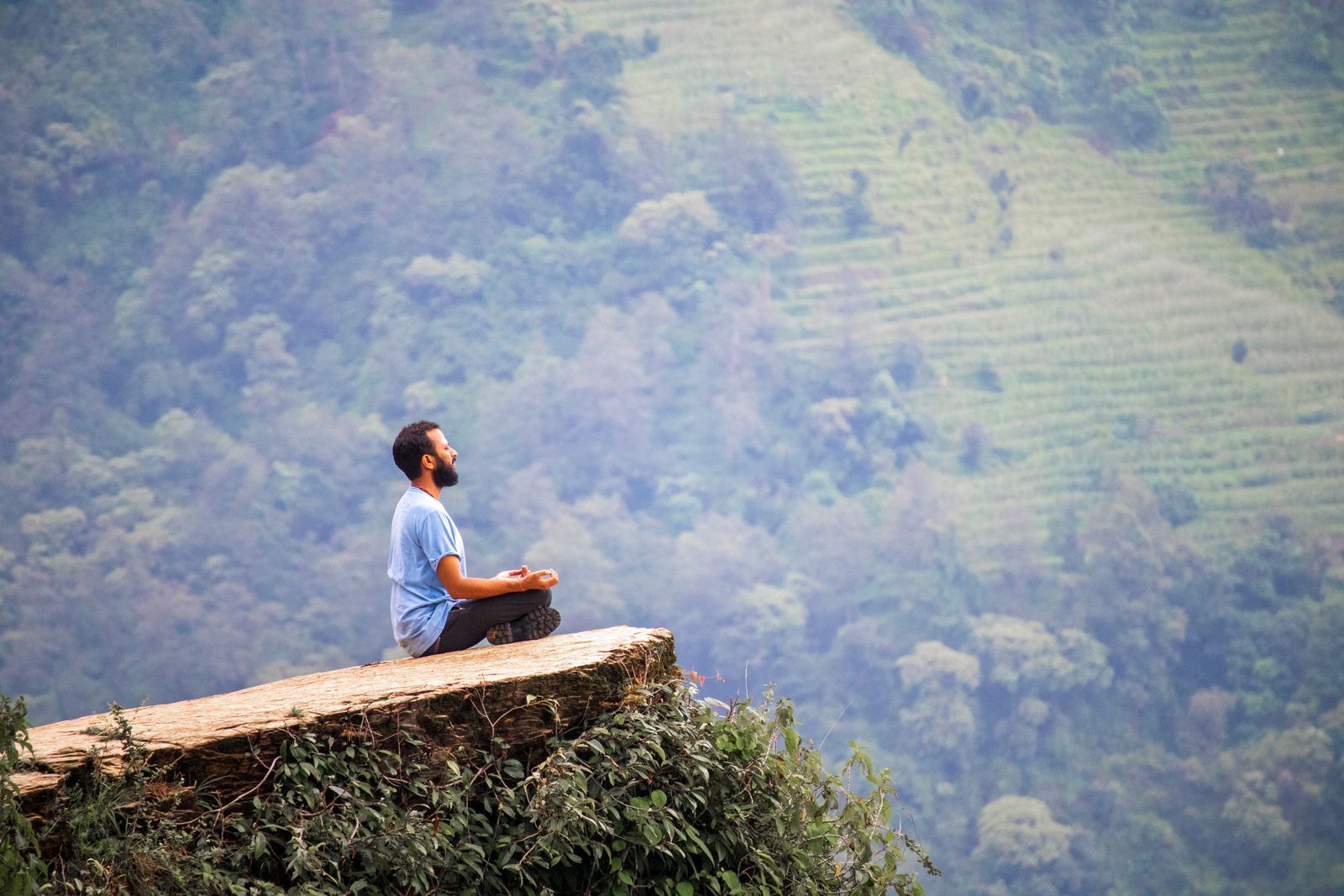
Because raja yoga centers on mental training rather than physical exertion, its most commonly cited benefits relate to emotional regulation, focus, and stress reduction. Practitioners and teachers frequently report improved concentration, a calmer response to stressful situations, better sleep, and a stronger sense of self-awareness after sustained practice of the meditative limbs. Research into related practices like meditation for stress relief and structured breathwork has found associations with lower reported stress and improved attention, though results vary by individual and by how consistently the practices are maintained. As with any contemplative practice, raja yoga is generally best understood as a long-term skill rather than a quick fix.
How Do You Actually Start Practicing Raja Yoga?
Most teachers recommend beginning with the outer limbs before attempting to sit for long meditation sessions, since the ethical and physical groundwork makes the mental work easier to sustain.
- Start with yama and niyama. Spend time reflecting on the ethical restraints and personal observances in daily life; this isn’t abstract philosophy, it’s the discipline that makes meditation less mentally noisy.
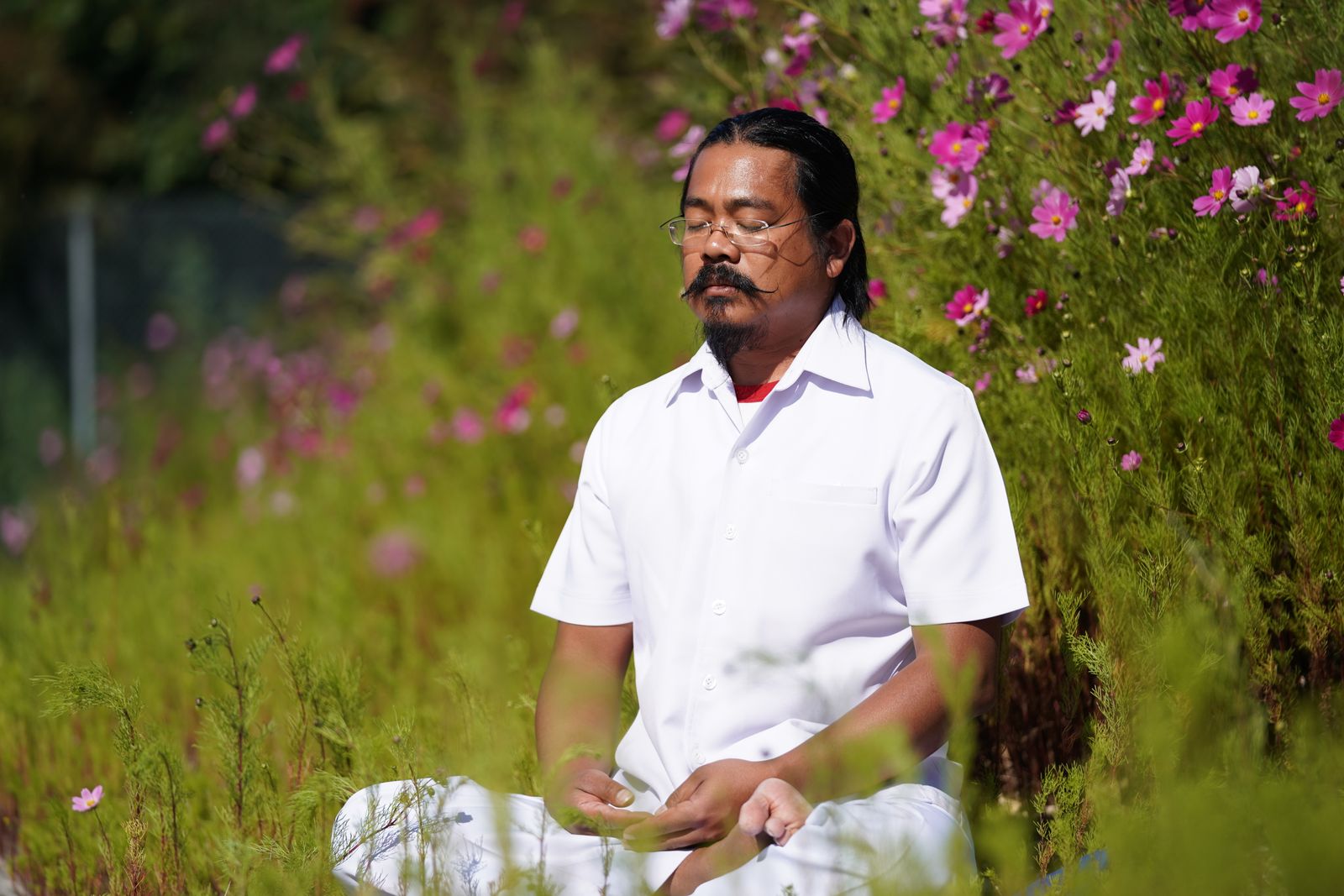
- Build a simple asana practice. You don’t need an advanced posture library. A steady seated position you can hold comfortably for 10 to 20 minutes is the actual goal described in the sutras. Beginners often start with gentle yoga or beginner yoga poses to build the flexibility and stamina needed to sit comfortably.
- Add pranayama. Simple breath-counting or alternate-nostril breathing (nadi shodhana) is a common entry point; see our guide to pranayama breathing techniques for structured exercises.
- Practice pratyahara through short sensory withdrawal. Even five minutes of sitting with eyes closed, ignoring ambient sound and sensation, builds this skill.
- Move into dharana with a single point of focus. A candle flame, a mantra, or the breath itself all work as anchors for concentration.
- Let dhyana emerge naturally. Meditation in the raja yoga sense isn’t forced; it’s what concentration becomes once it sustains itself without effort.
What’s the Difference Between Raja Yoga and Jnana Yoga?
Jnana yoga, the path of knowledge and self-inquiry, approaches the same ultimate goal, freedom from suffering, through philosophical discrimination and direct questioning of the nature of the self, rather than through the structured eight-limb progression. Where raja yoga builds mental stillness step by step through ethical, physical, and meditative training, jnana yoga relies more heavily on intellectual analysis and introspective questioning (“Who am I?”) to dissolve the illusions that raja yoga’s limbs address more gradually. Many traditional teachers view the paths as complementary rather than competing, and it’s common for a serious yoga student to draw from both.
What’s the Difference Between Raja Yoga and Bhakti Yoga?
Bhakti yoga, the path of devotion, reaches toward the same inward stillness through love, surrender, and devotional practice rather than through structured ethical and meditative training. Patanjali’s own system actually includes a devotional element within the niyamas (ishvara pranidhana, or surrender to a higher principle), which is one reason raja yoga is sometimes described as a synthesis that can accommodate devotional practice rather than excluding it.
Is Raja Yoga a Religion or a Philosophy?
Raja yoga emerged from within the broader philosophical tradition of Samkhya and Hindu thought, but it is generally practiced today as a psychological and contemplative discipline rather than a religious requirement. Many practitioners from a wide range of religious backgrounds, including those with no religious affiliation, use the eight-limb framework purely as a mental training system. Organizations such as the Brahma Kumaris have also popularized their own modern interpretation of “Raja Yoga meditation,” which draws on the name and some concepts but is a distinct 20th-century movement rather than a direct continuation of Patanjali’s classical text, a distinction worth knowing if you encounter the term used in different contexts online.
How Does Raja Yoga Fit Into a Modern Practice Alongside Physical Styles?
You don’t have to choose between raja yoga’s meditative focus and more physical practices. Many students build a hybrid routine: a physical warm-up through styles like vinyasa yoga or restorative yoga, followed by seated pranayama and meditation drawn from raja yoga’s later limbs. This mirrors how hatha yoga itself was historically positioned, as physical preparation for the deeper stillness raja yoga describes. If you’re exploring types of yoga for the first time, it can help to think of raja yoga less as one more style to add to a list and more as the underlying philosophical thread connecting many of them.
Questions People Ask About Raja Yoga
Is raja yoga suitable for complete beginners?
Yes, though it helps to start with the more accessible limbs first. Beginners often benefit from starting with basic beginner yoga poses and short breathing exercises before attempting extended meditation sessions, since building physical comfort in a seated position makes the later meditative limbs much easier to sustain.
Do you need a guru to practice raja yoga?
A teacher isn’t strictly required to begin exploring the ethical and physical limbs, but experienced guidance becomes more valuable as practice deepens into concentration and meditation, where subtle errors in technique or self-assessment are harder to catch alone. Many students start independently and later work with a qualified teacher or through structured online yoga classes.
How long does it take to progress through the eight limbs?
There’s no fixed timeline; traditional texts describe this as a lifelong discipline rather than a course with an end date. Some practitioners notice improved focus and calm within weeks of consistent practice, while deeper states like dhyana and samadhi are generally described as requiring years of sustained, disciplined effort.
Can raja yoga help with anxiety or stress?
Many practitioners and teachers report reduced stress and improved emotional regulation from the breathing, concentration, and meditation limbs of raja yoga, and this aligns with broader research on meditation and controlled breathing. It should be viewed as a complementary practice alongside, not a replacement for, professional care for diagnosed anxiety disorders.
What’s the difference between raja yoga and simply meditating?
Meditation is one component (dhyana) within the larger eight-limb raja yoga framework, which also includes ethical conduct, physical posture, and breath control as preparatory stages. Practicing meditation alone without the supporting limbs is still valuable, but raja yoga presents it as part of a more complete system.
Try This for Yourself
Reading about the eight limbs is a useful starting point, but raja yoga is ultimately a practiced discipline, not a theory. If you’d like guided support building a steady seated practice, structured breathwork, and meditation into your week, explore FitStrot’s online yoga classes and work with an instructor who can help you progress safely through each stage at your own pace.
Related reading: Hatha yoga | Ashtanga yoga | Kriya yoga | Pranayama breathing techniques | Online yoga classes