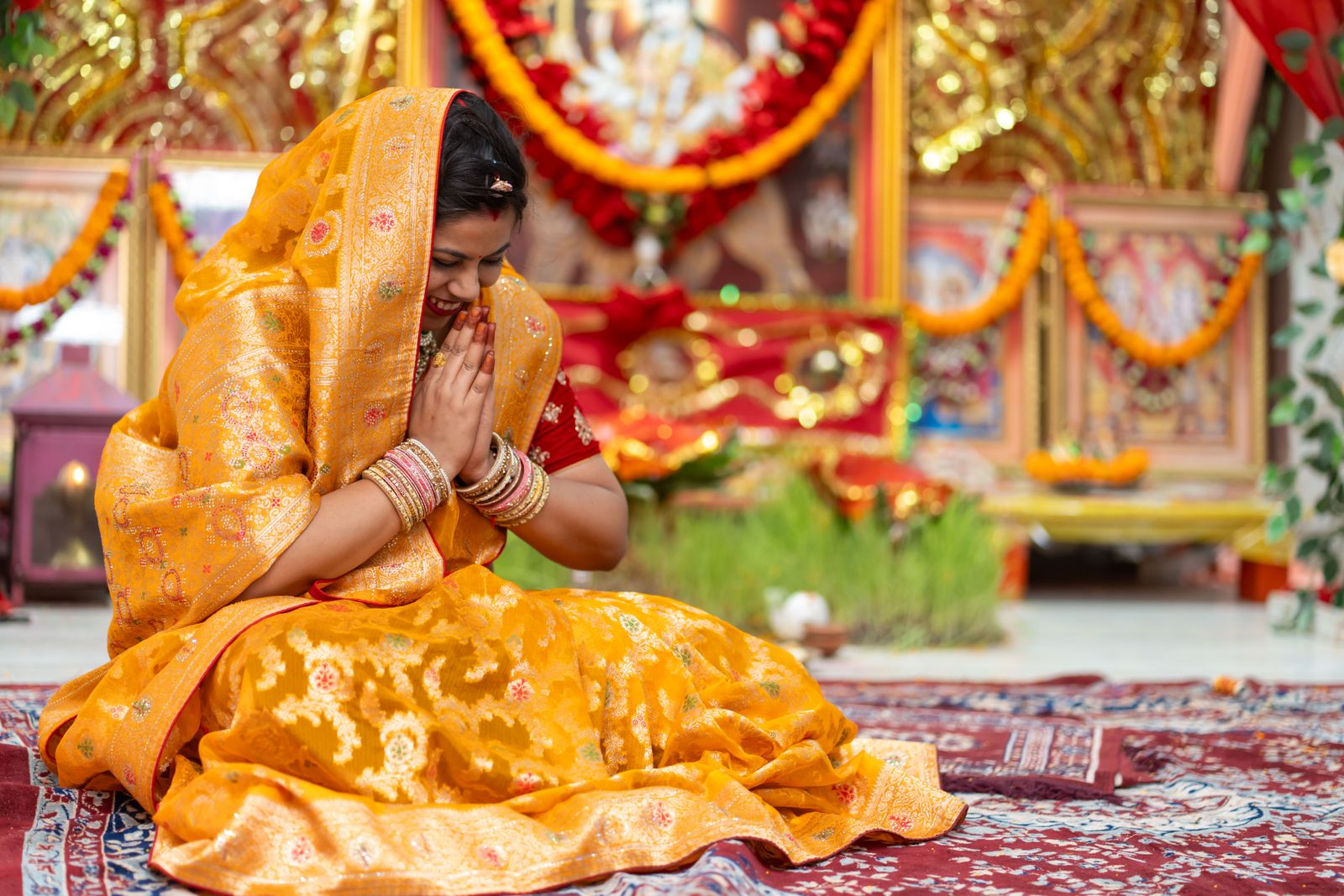
Bhakti yoga is the path of devotion in the yogic tradition, a practice centered on directing love, surrender, and awareness toward the divine rather than on physical postures or intellectual analysis. Rooted in the Bhagavad Gita and expanded through texts like the Narada Bhakti Sutra, it teaches that chanting, prayer, service, and remembrance can be as transformative as meditation or asana. Unlike ashtanga yoga or hatha yoga, bhakti yoga asks for very little physical technique and a great deal of heart; its central practices are kirtan (call-and-response chanting), japa (mantra repetition), and selfless devotional service.
What Is Bhakti Yoga?
Bhakti yoga is one of the four classical paths of yoga described in Hindu philosophy, alongside karma yoga (the path of action), jnana yoga (the path of knowledge), and raja yoga (the path of meditation and mental discipline). The Sanskrit word “bhakti” comes from the root “bhaj,” meaning to share, participate in, or adore. In practice, bhakti yoga is the discipline of cultivating loving devotion toward a personal form of the divine, whether that is Krishna, Rama, Shiva, Devi, or another chosen ideal, as a direct route to spiritual liberation. It does not require renouncing the world or mastering complex postures; it asks the practitioner to turn ordinary emotion, the kind normally spent on relationships and desires, toward a higher object of love.
What Does Bhakti Yoga Mean in the Bhagavad Gita?
The clearest scriptural home of bhakti yoga is Chapter 12 of the Bhagavad Gita, titled “Bhakti Yoga” in most translations, where Krishna tells Arjuna that those who fix their minds on him with unwavering faith and devotion are considered the most perfectly established in yoga. Krishna goes further in Chapter 9, describing bhakti as accessible to everyone regardless of social position, education, or even past mistakes, stating that even a person of the worst conduct who worships him with undivided devotion should be considered righteous because of their right resolve. This is one of the reasons commentators describe bhakti yoga as the most universal and least restrictive of the four yogic paths: it does not gatekeep on Sanskrit literacy, physical ability, or ritual precision.
What Is Bhakti Yoga in Hinduism?
Within Hinduism, bhakti yoga sits inside a much larger devotional movement often called the Bhakti movement, a wave of poet-saints, temple traditions, and vernacular hymnody that swept across India roughly between the 7th and 17th centuries. Figures like Mirabai, Tulsidas, Kabir, and the Alvars and Nayanars of South India wrote devotional poetry in regional languages rather than Sanskrit, making bhakti practice accessible to people outside the priestly class. In this context, bhakti yoga is not a single technique but an entire orientation to religious life: temple worship (puja), pilgrimage, festival celebration, devotional singing, and the cultivation of a personal relationship with a chosen deity (ishta-devata) all fall under its umbrella.
What Is Bhakti Yoga in Hindi?
In Hindi, bhakti yoga (भक्ति योग) is understood straightforwardly as “the yoga of devotion” or “bhakti marg” (भक्ति मार्ग), the devotional path. Hindi-language teaching on bhakti yoga typically frames it through the same Gita verses discussed above, emphasizing surrender (sharanagati) and remembrance (smaran) of God’s name as the core practice. Many Hindi devotional traditions place special emphasis on satsang, gathering in the company of other devotees to sing, discuss scripture, and reinforce each other’s practice, since bhakti is traditionally considered easier to sustain in community than in isolation.
How Does Bhakti Yoga Differ From Karma, Jnana, and Raja Yoga?
Swami Vivekananda’s 1896 lectures, later published as the book “Bhakti-Yoga,” popularized the framework of four parallel paths suited to different temperaments:
| Path | Core Discipline | Best Suited For |
|---|---|---|
| Karma yoga | Selfless action, performed without attachment to results | People oriented toward doing |
| Jnana yoga | Knowledge and discernment | The analytically minded |
| Raja yoga | Meditation and mental control (Patanjali’s Yoga Sutras) | Those drawn to introspection and discipline |
| Bhakti yoga | Devotion, surrender, and love toward the divine | People whose dominant faculty is emotion and love |
Vivekananda argued that most people are naturally more emotional than intellectual, which is part of why he considered bhakti yoga the most accessible path for the average person. Many practitioners blend paths rather than choosing one exclusively. A practitioner of kriya yoga, for instance, often incorporates devotional chanting and surrender alongside its structured breathing techniques, and a serious raja yoga practitioner may still keep a devotional altar or chant mantras as part of daily practice.
What Are the Nine Forms of Bhakti (Navadha Bhakti)?
Classical bhakti literature, especially the Bhagavata Purana, describes nine recognized expressions of devotion, known as navadha bhakti:
- Shravana – hearing stories of the divine
- Kirtana – singing devotional songs or chanting
- Smarana – remembering or contemplating the divine
- Pada-sevana – service at the feet, symbolic of humble service
- Archana – ritual worship or puja
- Vandana – prostration or bowing in reverence
- Dasya – cultivating the attitude of a servant
- Sakhya – cultivating friendship with the divine
- Atma-nivedana – complete self-surrender
These nine forms are not meant as a checklist to complete but as a menu of practices; a practitioner might build an entire devotional life around just one or two, such as kirtana and smarana, without ever formally engaging the rest.
What Does Bhakti Yoga Look Like in Daily Practice?
In practical terms, a bhakti yoga practice usually combines several simple, repeatable elements rather than a single ritual. Common daily practices include japa, the repetition of a mantra using a mala (a string of 108 beads), often for a fixed number of rounds each morning; kirtan or bhajan, call-and-response or group devotional singing, frequently built around names of Krishna, Rama, or Shiva; reading or reciting scripture, such as passages from the Bhagavad Gita or the Ramayana; keeping a small home altar with an image or symbol of one’s chosen deity; and performing acts of selfless service, sometimes called seva, dedicated mentally to the divine rather than to personal gain. None of these require flexibility, strength, or advanced technique, which is part of why bhakti yoga is often recommended to older adults, people recovering from injury, or anyone who wants a contemplative practice that doesn’t depend on the body cooperating, similar in spirit to how restorative yoga and chair yoga are recommended for practitioners who need a gentler entry point.
Are There Physical Postures Associated With Bhakti Yoga?
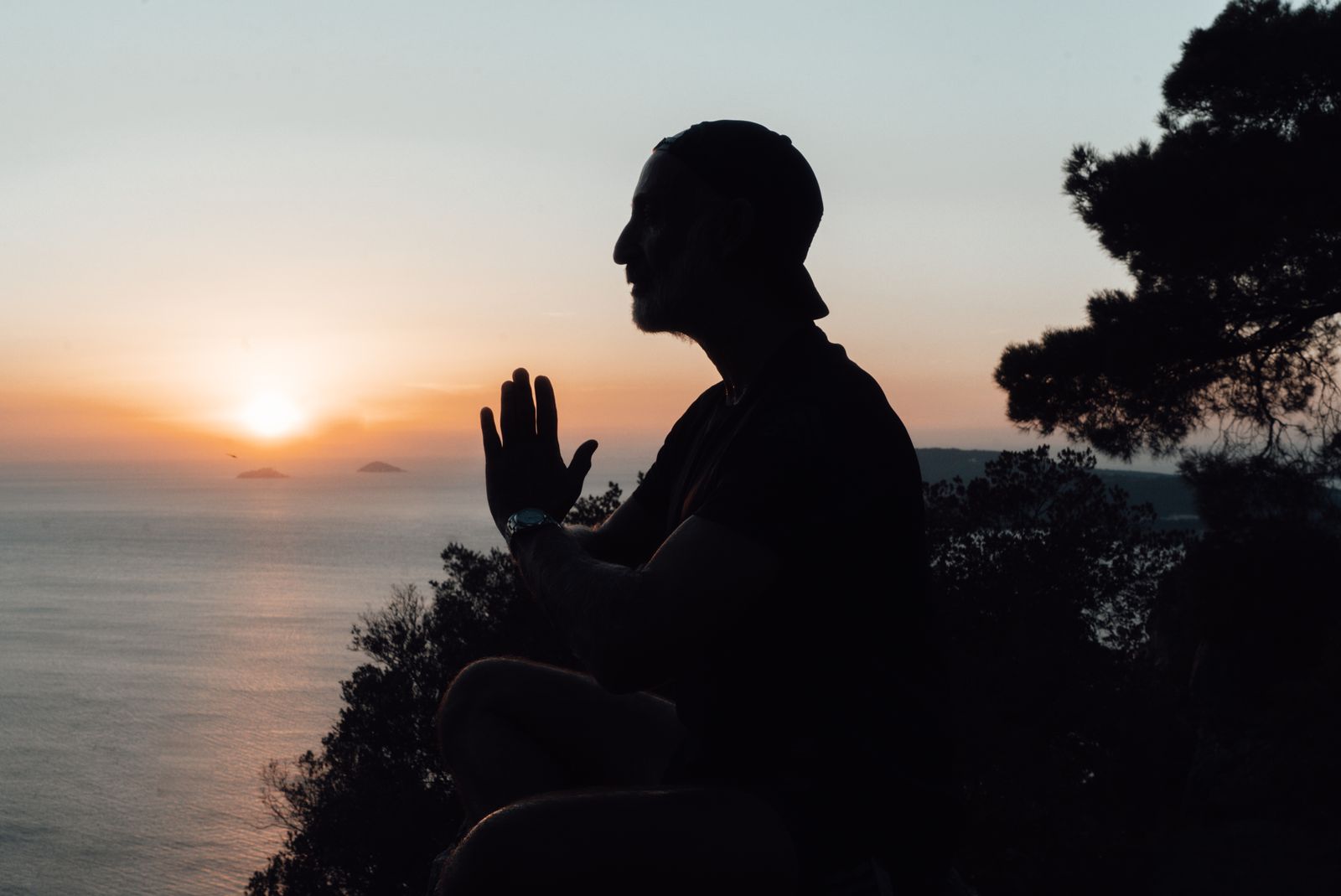
Bhakti yoga is not an asana-based practice in the way hatha yoga or vinyasa yoga are, so there is no fixed sequence of “bhakti yoga poses” comparable to a Sun Salutation. That said, certain postures are traditionally associated with devotional practice because they support long periods of seated chanting or prayer: a simple seated posture such as Sukhasana (easy pose) or Vajrasana (thunderbolt pose, kneeling) for japa and meditation, Pranamasana (prayer pose, palms together at the heart) as a gesture of reverence, and Dandavat Pranam (full prostration) as an expression of complete surrender before a deity or teacher. Some contemporary studios that combine physical yoga with devotional elements will open or close an asana class with a short kirtan or a few rounds of chanting in one of these seated postures, which is often the closest most Western practitioners get to a “bhakti yoga class” as opposed to a purely devotional gathering.
What Is the Role of a Guru or Teacher in Bhakti Yoga?
Traditional bhakti lineages place significant weight on guidance from a teacher or guru, partly because devotion aimed at an abstract or poorly understood ideal can become vague or self-indulgent without direction. A teacher in this tradition typically helps a student choose or refine their ishta-devata (chosen form of the divine), select an appropriate mantra, and stay accountable to consistent practice rather than relying on fluctuating emotion. This mirrors the way disciplined breathing systems like kriya yoga are traditionally transmitted directly from teacher to student rather than learned purely from books. Modern practitioners outside a formal lineage often substitute a trusted spiritual community, a satsang group, or a chosen author or scripture for this guiding role.
How Does Bhakti Yoga Relate to Modern Yoga Studios?
Most yoga studios in the West are built around hatha yoga-derived physical practice, so bhakti yoga usually shows up in adjacent forms rather than as a standalone class. Kirtan nights, where a group sings devotional chants accompanied by harmonium and drums, have become common at yoga studios and retreat centers even outside explicitly religious settings. Chanting “Om” at the start or end of an vinyasa yoga class, dedicating a practice to someone else’s wellbeing, or closing with the mantra “Om Shanti Shanti Shanti” are all small, secularized touches of bhakti tradition folded into mainstream classes. Studios that want to offer a more complete bhakti experience typically run it as a separate event: a kirtan evening, a japa meditation session, or a satsang discussion, rather than blending it into a 60-minute vinyasa yoga or ashtanga yoga flow. Studios focused on relaxation, such as those built around yin yoga or meditation for beginners programming, also tend to fold in short chanting or gratitude practices more readily than fast-paced power classes.
What Are the Documented Benefits Associated With Bhakti Practice?
Research on bhakti yoga specifically is limited, but the individual components, mantra chanting, group singing, and gratitude-oriented practice, overlap with areas that have been studied more broadly in relation to stress and mood. Group chanting and singing are associated with feelings of social bonding and reduced perceived stress in general wellbeing research, and mantra-based meditation practices are commonly cited as supporting relaxation and a slower breathing rate. Practitioners and teachers describe additional subjective benefits, similar to the calming effects often reported around the general benefits of yoga and yoga for stress relief: a sense of purpose from directing effort toward something larger than the self, reduced rumination through the repetitive focus of japa, and emotional relief from expressing devotion, gratitude, or grief openly within a supportive community. These experiential reports are consistent with what is broadly understood about ritual, chanting, and community practice, but they should be understood as traditional and anecdotal claims rather than clinically established outcomes specific to bhakti yoga.
How Is Bhakti Yoga Different From Karma Yoga?
Karma yoga and bhakti yoga are often practiced together but represent distinct emphases. Karma yoga, detailed in the Gita’s third and fourth chapters, is the discipline of acting without attachment to the results, performing one’s duty as an offering rather than for personal reward. Bhakti yoga takes that same idea of offering and centers it explicitly on love and devotion toward a personal divine figure rather than on detachment alone. In practice, many bhakti practitioners describe their service (seva) as a form of karma yoga performed in a devotional spirit, meaning the two paths frequently overlap: a devotee cooking for a temple community, for example, is simultaneously practicing karma yoga (selfless action) and bhakti yoga (devotion) if the act is dedicated to the divine.
Where Can You Find Bhakti Yoga Texts and Resources?
For readers who want primary sources rather than secondhand summaries, three texts form the traditional core of bhakti yoga study. The Bhagavad Gita, particularly Chapters 9 and 12, remains the foundational scripture on the subject and is widely available in free public-domain translations online. The Narada Bhakti Sutra, a short collection of aphorisms traditionally attributed to the sage Narada, focuses specifically on defining devotion and describing its stages and is often searched for as “bhakti yoga pdf” because multiple free translations circulate online. Swami Vivekananda’s “Bhakti-Yoga,” compiled from lectures he delivered in the 1890s, remains one of the most widely read modern introductions to the subject and is available as a free public-domain PDF through several archive and library sites, commonly searched for as “bhakti yoga by swami vivekananda pdf.” These three texts, read together, cover the scriptural foundation, the classical philosophical definition, and a modern accessible interpretation.
Can Bhakti Yoga Be Practiced Without a Specific Religion?
While bhakti yoga developed within Hindu devotional traditions, many contemporary teachers present its core mechanism, directing focused love and attention toward something larger than oneself, as adaptable beyond a specific religious framework. Some practitioners direct devotional feeling toward a general sense of the sacred, toward nature, toward a teacher or lineage, or toward humanity as a whole, rather than toward a named Hindu deity. Purists within traditional lineages would consider this a significant departure from classical bhakti yoga, since the tradition specifically emphasizes a personal, named form of the divine (saguna, meaning “with form and qualities”) rather than an abstract concept. Anyone drawn to this practice should be transparent about which version they are engaging with: the specific devotional tradition rooted in Hindu scripture and community, or a generalized, secularized adaptation of its emotional and contemplative techniques.
Questions People Ask About Bhakti Yoga
What is bhakti yoga?
Bhakti yoga is the path of devotion within the yogic tradition, focused on directing love and surrender toward a personal form of the divine through practices like chanting, prayer, and selfless service. It is one of four classical yogic paths described in the Bhagavad Gita, alongside karma yoga, jnana yoga, and raja yoga, and requires no specific physical ability to practice.
What is bhakti yoga in Bhagavad Gita?
In the Bhagavad Gita, bhakti yoga is described most directly in Chapter 12, where Krishna tells Arjuna that devotees who fix their minds on him with steady faith are the most perfectly established in yoga. Chapter 9 further describes bhakti as available to anyone regardless of background, framing devotion as the most accessible of the paths the Gita outlines.
What is bhakti yoga in Hindi?
In Hindi, bhakti yoga (भक्ति योग) is understood as the devotional path, or “bhakti marg,” centered on surrender and remembrance of God’s name. Hindi devotional teaching typically draws on the same Gita verses used elsewhere, with strong emphasis on satsang, or gathering in community to sing and study together.
What is bhakti yoga in Hinduism?
Within Hinduism, bhakti yoga is both a philosophical path and a broad devotional culture that includes temple worship, pilgrimage, festivals, and devotional poetry, especially from the Bhakti movement of poet-saints between the 7th and 17th centuries. It emphasizes a personal relationship with a chosen deity (ishta-devata) as the route to spiritual liberation.
Try This for Yourself
If bhakti yoga’s emphasis on devotion, breath, and steady attention appeals to you, the easiest way to explore it is inside a guided practice that already blends contemplative focus with physical movement. FitStrot’s online yoga classes give you live instruction you can join from home, with room to bring your own devotional or meditative intention into the practice rather than following it in isolation from a book or video.
Related reading: kriya yoga, raja yoga, hatha yoga, types of yoga, and FitStrot’s online yoga classes.