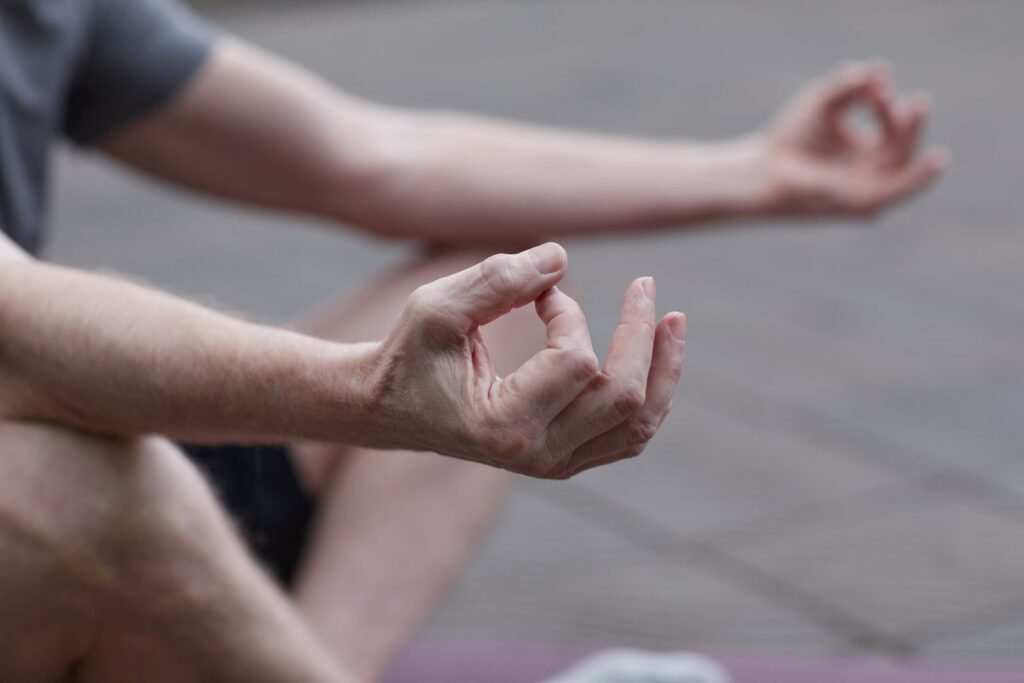
The gunas in yoga are the three fundamental qualities of nature that Samkhya and yogic philosophy say make up everything in the material world, including the human mind: sattva (harmony, clarity), rajas (activity, passion), and tamas (inertia, dullness). Every thought, food, relationship, and action carries a mix of these three forces, and yoga practice exists largely to help you recognize which guna is dominant in you right now and gradually shift the balance toward sattva. Understanding the gunas gives you a practical lens for reading your own moods, choosing your food, and shaping your practice.
What Are the Gunas in Yoga Philosophy?
The word “guna” translates roughly as “quality,” “strand,” or “thread,” and in classical Indian philosophy the three gunas are described as the constituent strands that weave together to form Prakriti, or manifest nature. This idea comes from Samkhya, one of the oldest schools of Indian philosophy, which yoga adopted almost wholesale as its metaphysical framework. According to Samkhya, everything that exists other than pure consciousness (Purusha) is made of these three qualities in different proportions: sattva, rajas, and tamas. They are not moral categories of good and bad in a simple sense, but functional descriptions of how energy behaves. Sattva illuminates and reveals, rajas moves and activates, and tamas conceals and stabilizes. A deep dive into this framework alongside the broader system it sits inside is covered in our piece on Samkhya philosophy and yoga.
What Does Sattva Mean and How Does It Show Up?
Sattva is the quality of clarity, balance, and light. When sattva dominates the mind, you experience calm attentiveness, compassion, contentment, and the kind of steady focus that makes meditation and self-study feel natural rather than forced. Physically, a sattvic state often shows up as an easy, unforced breath and a body that feels light rather than heavy or agitated. In the Bhagavad Gita, sattva is described as binding the soul through attachment to happiness and knowledge, meaning even this “highest” guna is still a form of conditioning, just a more pleasant one. The practical takeaway is that sattva is the quality you cultivate as a stepping stone, not a permanent destination. Practices such as pranayama breathing techniques and consistent meditation for beginners are commonly used to nudge the mind toward this state.
What Does Rajas Mean and How Does It Feel?
Rajas is the guna of movement, ambition, and desire. It is the force behind action, achievement, and change, and without some rajas nothing would ever get done. But excess rajas manifests as restlessness, anxiety, competitiveness, and a mind that cannot settle even when the body is still. A rajasic mind jumps from task to task, craves stimulation, and often mistakes busyness for productivity. In yoga philosophy, rajas is described as arising from craving and attachment to action itself, binding a person through attachment to the fruits of their work. Recognizing rajas in yourself often looks like noticing when you feel driven rather than grounded, for example scrolling a phone compulsively or pushing through a workout despite pain signals. Slower practices such as yin yoga or restorative yoga are traditionally used to counterbalance an overactive rajasic state.
What Does Tamas Mean and Why Is It Often Misunderstood?
Tamas is the quality of inertia, heaviness, and darkness, associated with confusion, lethargy, sleep, and stagnation. It is frequently mischaracterized as purely negative, but tamas also governs rest, stability, and the grounding that keeps things from spinning apart. The problem arises when tamas dominates for too long, showing up as procrastination, dullness of mind, oversleeping, or a general resistance to growth and change. In the Gita’s framework, tamas is said to arise from ignorance and binds the soul through heedlessness, laziness, and sleep. A body and mind stuck in excess tamas often feel foggy, unmotivated, and resistant to even small efforts. Gentle, structured movement such as hatha yoga combined with a regular wake-sleep rhythm is a common antidote taught in traditional texts.
Where Do the Gunas Come From in Yogic and Vedic Texts?
The gunas are not a yoga-specific invention; they predate classical yoga and are foundational to Samkhya cosmology, which describes Prakriti (nature) as unfolding through the interaction of sattva, rajas, and tamas around the witnessing presence of Purusha (pure consciousness). Patanjali’s Yoga Sutras absorb this framework directly, describing the entire visible world, including the mind-stuff or citta, as a product of these three gunas in motion. The Bhagavad Gita, particularly its fourteenth chapter titled “The Yoga of the Division of the Three Gunas,” gives the most detailed practical teaching on the subject, describing how each guna binds the soul differently and how a person can rise above all three. For readers who want the fuller scriptural context, our guide to the Bhagavad Gita and yoga traces how these teachings connect to modern practice.

How Do the Gunas Relate to Chitta Vritti and the Mind?
Patanjali’s Yoga Sutras open by defining yoga as the stilling of the fluctuations of the mind, known as chitta vritti. The gunas are the raw material of those fluctuations: a rajasic mind produces vrittis of craving and restlessness, a tamasic mind produces vrittis of confusion and dullness, and a sattvic mind produces vrittis that are calm, clear, and easily observed without being swept away by them. Understanding this relationship reframes meditation not as forcing the mind to be blank, but as steadily shifting the guna balance so that fewer disruptive vrittis arise in the first place. For a deeper explanation of this mental model, see our article on chitta vritti, which unpacks the five categories of mental fluctuation Patanjali identifies.
How Do the Gunas Connect to the Kleshas?
The kleshas are the five root causes of suffering described in the Yoga Sutras: ignorance (avidya), egoism (asmita), attachment (raga), aversion (dvesha), and fear of death (abhinivesha). The gunas and kleshas operate together: tamas tends to deepen avidya and heedlessness, rajas fuels raga and dvesha through constant craving and resistance, and even sattva can reinforce asmita if a practitioner becomes subtly proud of their own calm or clarity. Working with the gunas is, in practice, one of the main tools for loosening the grip of the kleshas, because a calmer, clearer sattvic mind is far better equipped to observe and dismantle these root patterns. Our detailed breakdown of the kleshas in yoga explains each of the five obstacles individually.
How Do the Gunas Show Up in Food and Diet?
Ayurveda and yogic dietary guidance classify foods into the same three categories, summarized below.
| Guna | Quality | Example Foods |
|---|---|---|
| Sattvic | Fresh, light, easy to digest | Whole grains, fresh fruit, vegetables, nuts, dairy in moderation |
| Rajasic | Stimulating, heating | Caffeine, excess spice, garlic, onion (in some traditions), heavily salted or fried foods |
| Tamasic | Heavy, stale, dulling | Leftovers, processed foods, excess meat, alcohol |
This is a traditional classification rather than a clinically validated nutritional system, so it’s best understood as a lens for noticing how what you eat affects your mental state, rather than a strict medical prescription. Many students pair this awareness with broader lifestyle guidance found in our article on yoga diet and nutrition.
How Do the Gunas Influence Your Asana Practice?
Different styles of physical practice tend to emphasize or balance different gunas. A vigorous, fast-paced vinyasa yoga or power yoga class channels rajas productively, which can be useful for someone stuck in tamasic lethargy who needs to get moving again. A slow, held practice like yin or restorative yoga counters excess rajas by inviting stillness. A steady, moderate practice such as classical hatha yoga aims for the sattvic middle ground: alert but relaxed, engaged but not strained. Reading your own state honestly before choosing a class style, rather than always defaulting to the most intense option, is one of the most practical applications of guna theory for a modern student. Our overview of the types of yoga can help match a style to what your mind and body actually need that day.
How Do the Gunas Relate to Samadhi and Deeper States of Practice?
Samadhi, the absorbed, unified state described as the culmination of the eight limbs of yoga, is associated with a mind that has moved beyond the pull of all three gunas rather than simply favoring sattva over rajas and tamas. Early stages of meditative absorption are still colored by sattva, since a settled, clear mind is a necessary foundation. But classical texts describe the deepest states as trans-gunatita, or beyond the gunas altogether, where the witnessing awareness (Purusha) is no longer identified with the fluctuations of nature at all. This distinction matters because it clarifies that cultivating sattva is a means, not the final goal. For more on this progression, our article on samadhi in yoga walks through the stages leading up to this state.
How Can You Identify Your Dominant Guna Right Now?
A simple self-check involves observing your mind and body over a day or two without trying to change anything yet:
- Signs of tamas dominance: oversleeping, resistance to starting tasks, brain fog, and a general heaviness in the body.
- Signs of rajas dominance: racing thoughts, irritability, difficulty sitting still, and a compulsion to stay busy even when tired.
- Signs of sattva dominance: steady energy, clear thinking, ease with silence, and emotional balance even under mild stress.
Most people cycle through all three across a single day, often more tamasic in the early morning, more rajasic mid-day, and settling toward sattva in quiet evening hours. Keeping a brief journal alongside a practice like mindfulness meditation can make these patterns much easier to spot over a few weeks.
What Practical Steps Increase Sattva in Daily Life?
Beyond diet and asana, several everyday habits are traditionally linked to increasing sattva. Regular sleep and wake times reduce tamasic drift. Reducing overstimulation, including excess screen time and multitasking, reduces rajasic agitation. Spending time in nature, practicing gratitude, keeping a tidy living space, and engaging in yoga nidra or gentle breathwork before bed are commonly recommended. None of these are quick fixes; guna balance shifts gradually with consistent practice rather than a single session. The goal described in most traditional teaching is not to eliminate rajas and tamas entirely, since both serve necessary functions, but to prevent either from dominating for extended periods and to use sattva as the more stable base from which to act and rest.
Can the Gunas Explain Why Some Yoga Classes Feel Different From Others?
Yes, and this is one of the more immediately useful applications of the theory for someone building a home or studio practice. A crowded, loud, fast hot yoga class generates a very different guna signature than a quiet, candlelit gentle yoga session, even though both are technically “yoga.” Neither is inherently better; the right choice depends on what you need to balance in that moment. Someone in a tamasic slump may benefit more from an energizing class, while someone already wound tight with rajas may find more value in slowing down. Teachers who understand this framework often design sequences deliberately, opening with grounding movement to settle excess rajas before building toward more sattvic stillness by the end of class, which is part of why a well-sequenced online yoga class can feel noticeably different from an unstructured workout.
Questions People Ask About Gunas in Yoga
What are the 3 gunas in yoga?
The 3 gunas are sattva (harmony, clarity, balance), rajas (activity, passion, restlessness), and tamas (inertia, dullness, stagnation). Yogic and Samkhya philosophy describe these as the three fundamental qualities that combine in different proportions to form everything in the material world, including thoughts, emotions, foods, and actions.
Which guna is considered the best or most desirable?
Sattva is generally considered the most desirable of the three because it supports clarity, calm, and compassion, and is closest to a state from which spiritual insight arises. However, classical texts are careful to note that even sattva is still a binding quality, meaning the ultimate goal in yogic philosophy is to move beyond all three gunas, not simply maximize sattva forever.
Can a person change their dominant guna?
Yes, guna balance is described as fluid rather than fixed. Diet, sleep patterns, the pace and style of physical practice, meditation, and daily habits all influence which guna is currently dominant. Traditional teaching frames consistent practice over weeks and months, rather than a single session, as the realistic path to a more sattvic baseline.
Are the gunas the same as moods or emotions?
Not exactly. Moods and emotions are specific mental events, while the gunas are described as the underlying qualities of energy that shape which moods and emotions tend to arise. A rajasic state doesn’t guarantee anger specifically, but it makes agitation, irritability, and restlessness more likely to surface than they would in a sattvic state.
Do the gunas appear in the Bhagavad Gita?
Yes, the Bhagavad Gita devotes its fourteenth chapter specifically to the three gunas, describing how each one binds a person differently and outlining the qualities of someone who has transcended all three. This chapter is considered one of the most detailed classical sources on practical guna theory.
How long does it take to shift from tamas or rajas toward sattva?
There’s no fixed timeline in classical texts, and individual experience varies widely based on consistency of practice, lifestyle, and starting point. Many practitioners report noticing subtle shifts in mental clarity and mood stability within a few weeks of consistent practice, though deeper, lasting change is generally described as a gradual, ongoing process rather than a one-time fix.
Try This for Yourself
Reading about the gunas is only half the practice; noticing them in your own body and mind is where the real learning happens. A guided, structured practice makes it far easier to feel the shift from a scattered, rajasic state or a heavy, tamasic one into a calmer, clearer sattvic mind. Explore FitStrot’s online yoga classes to work with instructors who build sessions around exactly this kind of intentional, guna-aware sequencing, whether you need to be energized, grounded, or gently guided into stillness.
Related reading: Chitta Vritti Explained, The Five Kleshas in Yoga, What Is Samadhi?, The Bhagavad Gita and Yoga, and FitStrot Online Yoga Classes.