Yoga for blood pressure works by combining slow, controlled breathing, gentle postures, and relaxation techniques that calm the nervous system and reduce the stress hormones linked to hypertension. Practices like Shavasana, Sukhasana with deep breathing, gentle forward folds, and legs-up-the-wall pose (Viparita Karani) are considered especially useful because they activate the parasympathetic (“rest and digest”) nervous system rather than the sympathetic “fight or flight” response that spikes blood pressure. Yoga is not a replacement for prescribed medication, but as a daily complementary habit alongside movement and diet, it is widely recommended by cardiologists and integrative health practitioners as a low-risk way to support healthier blood pressure numbers over time.
How Does Yoga Actually Affect Blood Pressure?
Blood pressure rises when the sympathetic nervous system is dominant, releasing stress hormones like cortisol and adrenaline that constrict blood vessels and speed up the heart. Yoga’s core mechanism is shifting the body toward parasympathetic dominance through slow diaphragmatic breathing, sustained stretching, and stillness. This is sometimes called the “relaxation response,” and it’s the same physiological shift that meditation and progressive muscle relaxation aim for. According to Harvard Health reporting on a study published in the Canadian Journal of Cardiology, people who added 15 minutes of yoga after their regular aerobic workout lowered their systolic blood pressure by about 10 points over three months, compared with about 4 points for a stretching-only group. Researchers involved suggested yoga’s calming effect on cortisol may explain the difference. This doesn’t mean yoga alone can substitute for medical treatment of hypertension, but it does suggest that pairing yoga with an existing fitness and health routine measurably outperforms stretching alone.
What Are the Best Yoga Asanas for High Blood Pressure?
Certain yoga asanas for blood pressure are favored because they lower heart rate and calm the mind without straining the cardiovascular system. The most commonly recommended poses include:
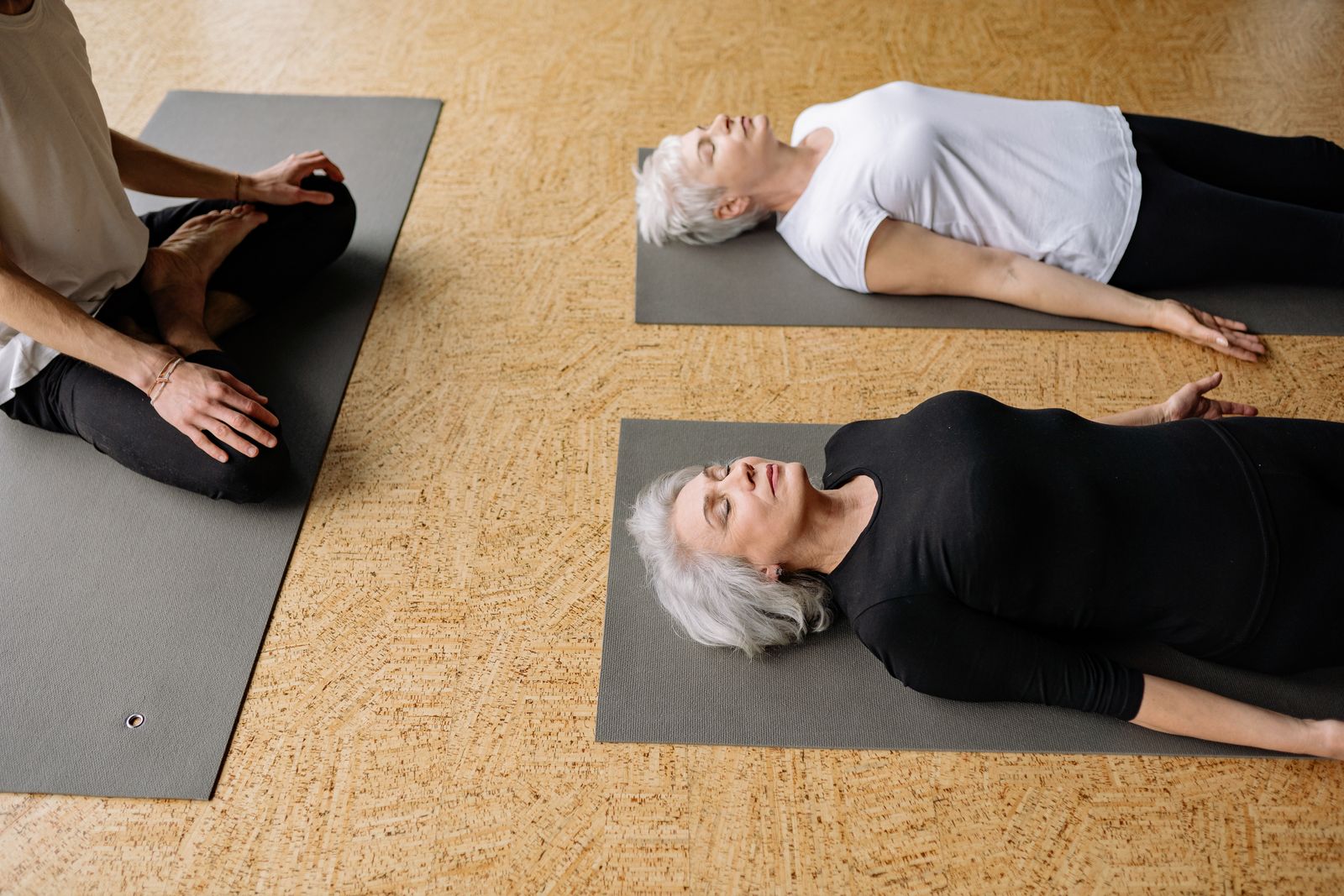
- Shavasana (Corpse Pose) — full-body relaxation that lowers heart rate and is often used to close a practice.
- Viparita Karani (Legs-Up-the-Wall Pose) — a gentle inversion that encourages venous return and deep relaxation without inverting the whole body.
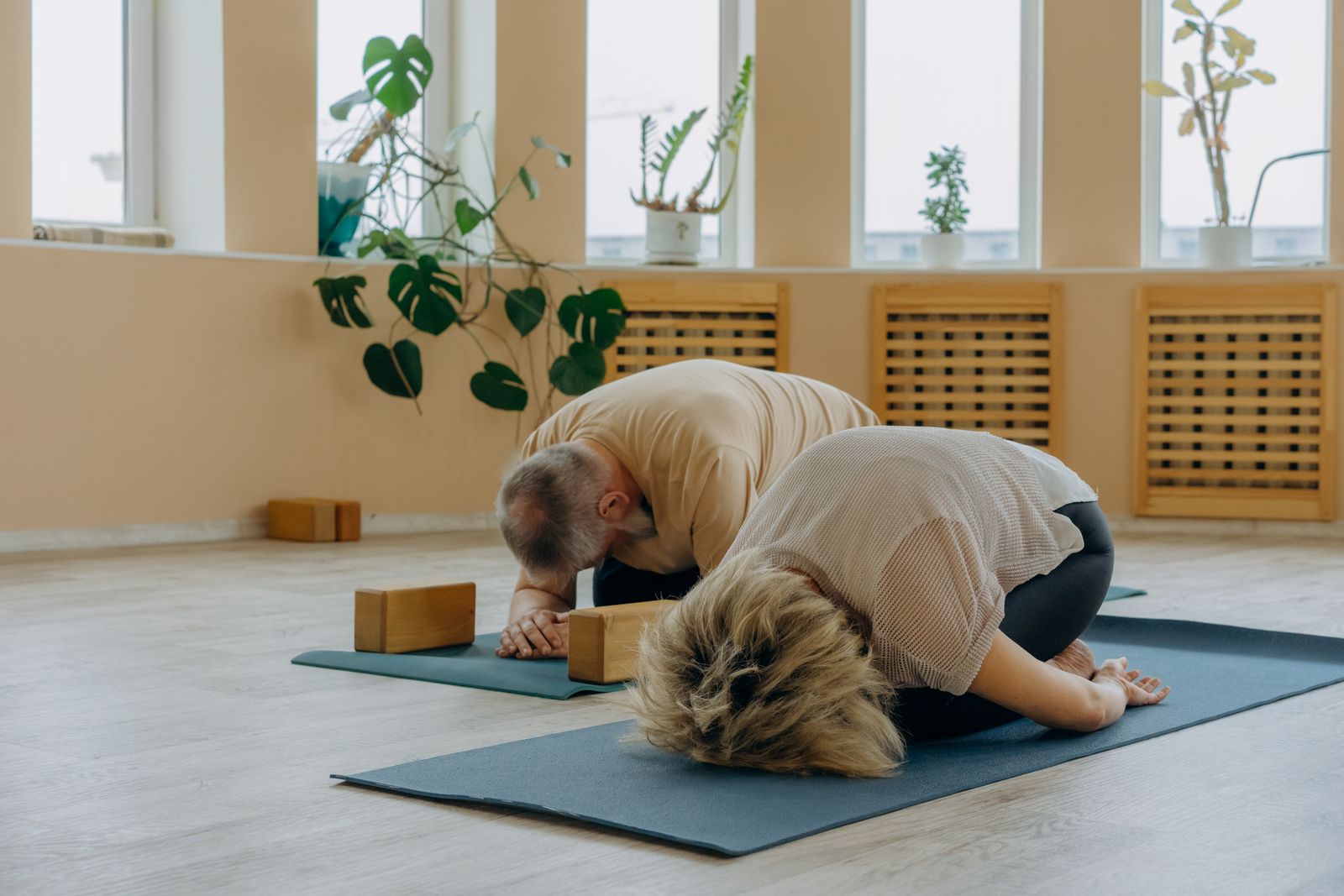
- Balasana (Child’s Pose) — a resting forward fold that calms the mind and releases tension in the back and shoulders.
- Sukhasana (Easy Pose) with deep breathing — a simple seated posture ideal for combining with pranayama.
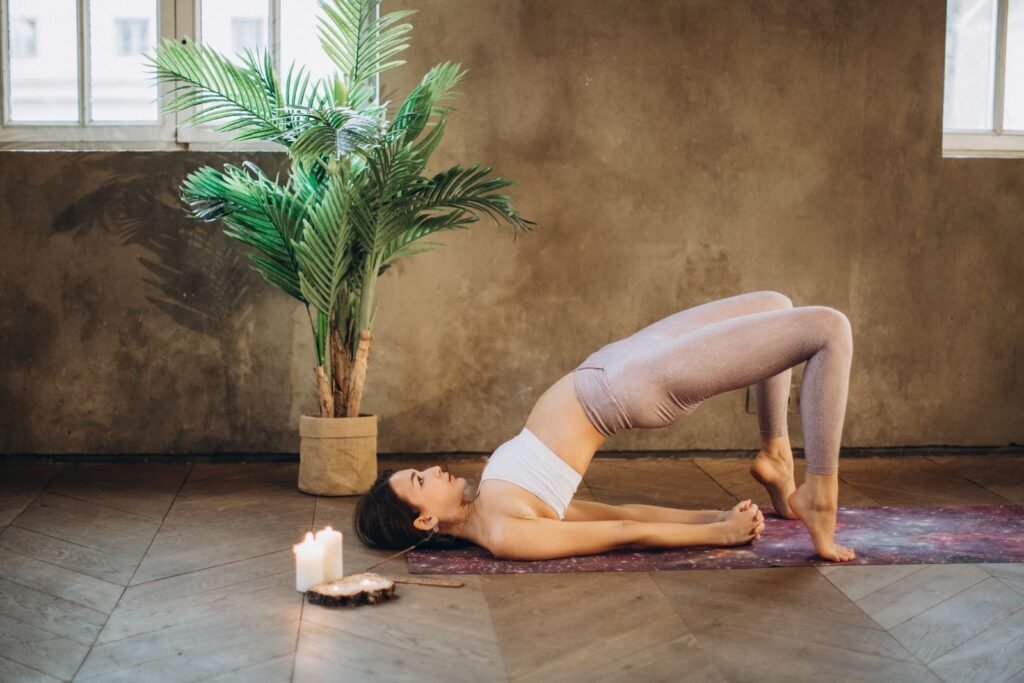
- Setu Bandhasana (Bridge Pose) — a gentle backbend that can help regulate circulation when practiced slowly and without strain.
- Marjaryasana-Bitilasana (Cat-Cow) — gentle spinal movement paired with breath that eases tension before deeper relaxation work.
People new to yoga can start with our beginner yoga poses guide before layering in blood-pressure-specific sequences, and pairing these asanas with yoga for back pain techniques is common since both rely on similar gentle, restorative postures.
Which Yoga Poses Should You Avoid With High Blood Pressure?
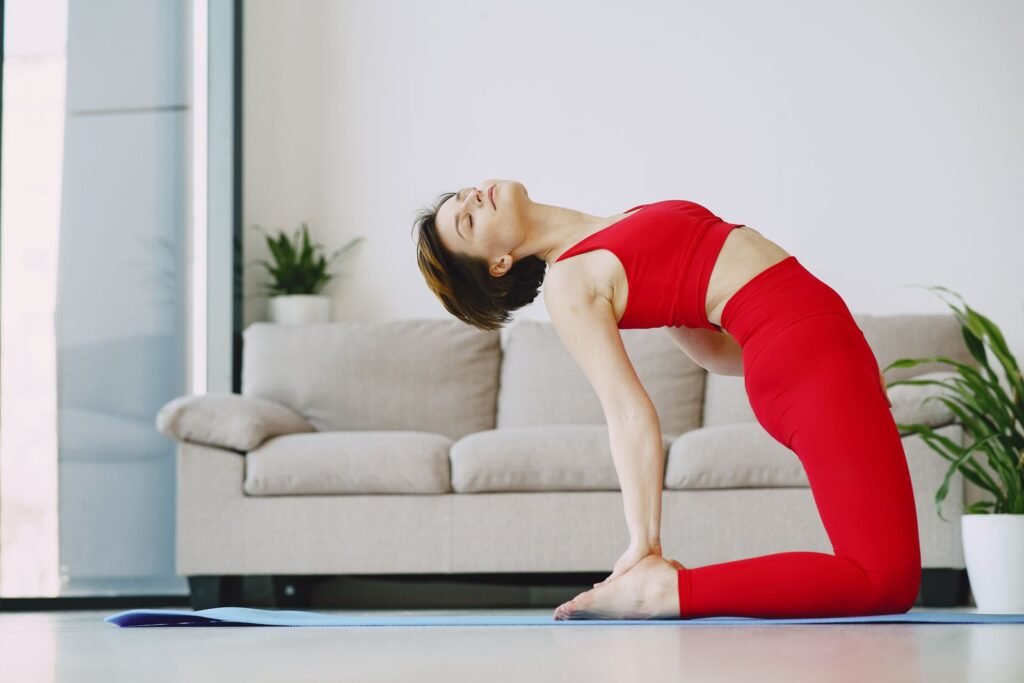
Not every pose is appropriate if you have hypertension. Full inversions such as Sirsasana (Headstand) and Sarvangasana (Shoulder Stand) increase pressure in the head and neck and are generally discouraged for anyone with uncontrolled high blood pressure. Deep backbends like Urdhva Dhanurasana (Wheel Pose), intense core-heavy poses, and vigorous Kapalabhati (skull-shining breath) or fast Bhastrika (bellows breath) can also spike blood pressure temporarily because they increase intra-abdominal pressure and stimulate the sympathetic nervous system. If you practice a faster-paced style such as Vinyasa yoga or power yoga, it’s worth modifying sun salutations to avoid holding your breath or moving too quickly between postures. Always check with a physician before starting a new practice if your blood pressure is currently uncontrolled or you’re on medication that affects heart rate.
What Is the Best Yoga Breathing Technique to Control Blood Pressure?
Pranayama, the yogic science of breath control, is arguably more directly linked to blood pressure control than the physical postures themselves. Slow-paced breathing techniques activate the vagus nerve, which signals the body to lower heart rate and blood pressure. The most researched and recommended techniques include:
- Anulom Vilom (Alternate Nostril Breathing) — balances the nervous system and is one of the most commonly cited breathing practices for blood pressure kam karne ka yoga (yoga to reduce blood pressure) in Indian wellness traditions.
- Bhramari (Bee Breath) — the humming exhale is believed to stimulate the vagus nerve and produce an almost immediate calming effect.
- Deep diaphragmatic breathing — simply breathing slowly into the belly for 5–10 minutes daily has been shown to support healthier resting blood pressure.
- Ujjayi breath — a slow, ocean-sounding breath often used throughout a yoga session to maintain a steady, calm nervous system state.
A short daily pranayama practice of even 10–15 minutes, done consistently, is one of the most accessible entry points for people who find full asana sequences physically demanding.
How Do You Build a Daily Yoga Routine to Lower Blood Pressure?
Consistency matters more than intensity when the goal is yoga to lower blood pressure. A sustainable daily routine might look like: 5 minutes of gentle warm-up movement (Cat-Cow, seated twists), 10–15 minutes of restorative asanas (Balasana, Setu Bandhasana, Viparita Karani), and 10 minutes of pranayama (Anulom Vilom or diaphragmatic breathing), finishing with 5–10 minutes of Shavasana. That totals roughly 30–40 minutes, which aligns with general guidance that most benefit comes from regular short sessions rather than occasional long ones. Morning practice is often preferred because it sets a calmer baseline for the day, though evening practice can help offset the cumulative stress of a workday. If you’re combining yoga with other cardio, structuring it as a cool-down — similar to how the Harvard-reported study paired 15 minutes of yoga after aerobic exercise — may offer additional benefit over yoga or cardio alone.
Can Yoga Help With Low Blood Pressure Too?
Yoga for low blood pressure (hypotension) uses a different strategy than yoga for high blood pressure: instead of calming an overactive sympathetic response, the goal is to gently stimulate circulation and alertness. Poses commonly recommended for low blood pressure include Tadasana (Mountain Pose) to improve postural stability, Ardha Chandrasana (Half Moon Pose) for balance and circulation, and gentle backbends like Bhujangasana (Cobra Pose) that mildly stimulate the nervous system rather than sedate it. Deep, prolonged inversions and long Shavasana holds are generally used more cautiously for hypotensive individuals, since the goal isn’t to lower pressure further. Slow, steady transitions between poses are especially important, since standing up quickly after any yoga session can cause a temporary drop in blood pressure and lightheadedness regardless of your baseline. Combining these poses with proper hydration and gradual movement transitions is typically more important than any single asana.
How Long Does It Take to See Results From Yoga for Blood Pressure?
Most people practicing yoga to control blood pressure notice a subjective sense of calm within the first few sessions, but measurable changes in resting blood pressure generally take longer. The study referenced by Harvard Health that found a 10-point systolic reduction was conducted over three months of consistent practice, which is a reasonable benchmark to set expectations. Some individuals report a modest, temporary dip in blood pressure immediately following a single session, since relaxation itself has a short-term hypotensive effect — but this doesn’t reflect a lasting change in baseline blood pressure. Sustainable results come from repeated, cumulative practice, similar to how yoga for weight loss or yoga for thyroid health require weeks to months of regular practice before meaningful physiological change becomes apparent.
Is Yoga Alone Enough to Manage Hypertension?
Yoga should be viewed as a complementary practice, not a standalone treatment for diagnosed hypertension. Lifestyle factors that work alongside a yoga practice include reducing sodium intake, maintaining a healthy body weight, limiting alcohol, managing stress more broadly, and staying physically active through activities like walking or swimming in addition to yoga. For anyone already on blood pressure medication, yoga should never be used as a reason to stop or reduce medication without medical supervision, since sudden changes in treatment can be dangerous. Many people integrate yoga into a broader wellness routine that also includes yoga for PCOS, yoga for diabetes, or general benefits of yoga practices, since cardiovascular health, metabolic health, and stress are closely interconnected.
What Role Does Meditation Play in Blood Pressure Control?
Meditation and yoga are closely linked, and the mental stillness cultivated in meditation practices appears to reinforce the same nervous-system calming effects as the physical postures. Mindfulness-based approaches encourage practitioners to observe stress reactions without immediately responding to them, which over time can reduce the frequency and intensity of the stress spikes that contribute to elevated blood pressure. Guided body scans, mantra meditation, and simple breath-awareness practices are often layered into a blood-pressure-focused yoga routine as a way to extend the calming effect beyond the mat and into daily life. This is one reason yoga therapists frequently recommend treating yoga and meditation as a single combined practice rather than two separate activities when the goal is cardiovascular health.
How Does Yoga Compare to Other Exercise for Blood Pressure Management?
Aerobic exercise such as brisk walking, cycling, and swimming is generally considered the most evidence-backed exercise category for lowering blood pressure, largely because it strengthens the heart muscle and improves overall cardiovascular efficiency. Yoga’s advantage lies in its lower physical intensity and its strong effect on stress regulation, making it accessible to people who cannot tolerate vigorous cardio due to age, joint issues, or other health conditions. The Harvard-reported research suggests the two are not competing strategies: pairing aerobic exercise with a short yoga cool-down outperformed aerobic exercise paired with simple stretching. This suggests the ideal approach for many people is not yoga instead of cardio, but yoga in addition to it, using each for what it does best — cardio for cardiovascular conditioning, yoga for nervous system regulation.
Are There Specific Yoga Styles Better Suited for Blood Pressure Management?
Gentler styles are generally preferred over intense, heat-based, or fast-paced styles when blood pressure is the primary concern. Restorative yoga and Yin yoga emphasize long-held, passive poses that maximize the relaxation response. Hatha yoga, practiced at a slower pace with attention to breath, is another commonly recommended entry point. By contrast, hot yoga and vigorous Ashtanga yoga sequences raise core body temperature and heart rate substantially, which may not be appropriate for someone managing hypertension without medical clearance. If you’re new to structuring a practice around a health condition, it can help to explore the different types of yoga before choosing the style that fits your current fitness level and cardiovascular needs.
Can Online Yoga Classes Effectively Support Blood Pressure Goals?
Online, guided yoga classes can be just as effective as in-studio sessions for blood pressure management, provided the instruction includes proper breath cueing and pose modification guidance. A structured class removes the guesswork of sequencing poses correctly and avoiding contraindicated postures, which matters more for a health-specific goal than for general fitness. Live or recorded sessions led by a qualified instructor also help ensure pranayama techniques like Anulom Vilom or Bhramari are taught with correct pacing, since breathing too quickly or forcefully can have the opposite of the intended calming effect. For people managing a health condition like hypertension, working with a dedicated instructor — even virtually — offers accountability and correction that a self-guided YouTube routine typically cannot.
Questions People Ask About Yoga for Blood Pressure
Can yoga reduce blood pressure without medication?
Yoga can meaningfully support healthier blood pressure as part of a broader lifestyle approach, but it should not replace prescribed medication without a doctor’s guidance. Research suggests yoga combined with aerobic exercise produces a larger drop in systolic blood pressure than exercise alone, but this was measured alongside, not instead of, standard medical care.
How often should I practice yoga for blood pressure control?
Most recommendations suggest practicing 4–6 times per week for at least 20–30 minutes, combining gentle asanas with pranayama breathing. Consistency over months tends to matter more than the length or intensity of any single session.
Is Kapalabhati breathing safe for high blood pressure?
Kapalabhati, or skull-shining breath, is a fast, forceful breathing technique that raises intra-abdominal pressure and can be counterproductive or unsafe for people with uncontrolled high blood pressure. Slower techniques like Anulom Vilom or simple diaphragmatic breathing are generally considered safer choices.
What is the best time of day to do yoga for blood pressure?
Morning practice is often preferred because it establishes a calmer physiological baseline before the stress of the day begins, but evening practice can be equally valuable for unwinding accumulated stress. The best time is ultimately whichever time allows for consistent daily practice.
Can beginners with high blood pressure safely start yoga?
Yes, beginners can safely start with gentle, restorative poses and slow breathing techniques, ideally under the guidance of an instructor familiar with modifications for hypertension. Starting with a qualified class helps avoid contraindicated poses like full inversions or intense backbends.
Does yoga help with blood pressure related to stress and anxiety?
Yes, yoga is particularly well-suited to stress-related blood pressure elevation because its core mechanism is calming the sympathetic nervous system response that stress triggers. Regular practice may help reduce the frequency of stress-induced blood pressure spikes over time.
Try This for Yourself
The most effective way to build a blood-pressure-conscious yoga habit is with structured, expert guidance rather than guesswork. Explore FitStrot’s online yoga classes to work with certified instructors who can tailor pranayama and asana sequences safely to your specific health goals, whether that’s managing high blood pressure, supporting low blood pressure, or simply building a calmer daily routine.
Related reading: Yoga for Weight Loss | Yoga for Thyroid | Yoga for PCOS | Yoga for Erectile Dysfunction | Online Yoga Classes