Yoga for diabetes works by combining specific asanas, breathing practices, and relaxation techniques that lower stress hormones, improve insulin sensitivity, and support healthier blood glucose patterns over time. A 2022 systematic review and meta-analysis published in Frontiers in Sports and Active Living, which pooled 13 randomized controlled trials involving 1,335 people with type 2 diabetes, found that yoga practice was associated with meaningful reductions in HbA1c, fasting blood glucose, and post-meal blood glucose compared with usual care. Yoga is not a replacement for medication or a doctor’s guidance, but as a complementary practice, it is one of the most evidence-backed lifestyle tools available for people managing type 2 diabetes and prediabetes.
What Does the Research Actually Say About Yoga and Diabetes?
The strongest available evidence comes from the 2022 Frontiers meta-analysis, which analyzed trials running 10 to 24 weeks and reported a mean difference of -0.47 in HbA1c and a standardized mean difference of -0.92 in fasting blood glucose among yoga practitioners compared with control groups. Post-meal (postprandial) blood glucose improved with a standardized mean difference of -0.53, and triglycerides dropped with a standardized mean difference of -0.32. Total cholesterol and BMI did not show statistically significant change in the same analysis. The authors describe yoga as an effective complementary treatment rather than a standalone cure, and they note that most trials were short-term, so long-term data is still needed. This distinction matters: yoga supports diabetes management, it does not reverse the underlying condition on its own.
How Does Yoga Lower Blood Sugar?
Yoga affects blood glucose through several overlapping mechanisms rather than one single pathway. Twisting and forward-folding postures gently compress and release the abdominal organs, including the pancreas, which is thought to support pancreatic circulation and function. Slow diaphragmatic breathing activates the parasympathetic nervous system, which reduces cortisol output; chronically elevated cortisol is a known driver of insulin resistance. Regular practice also improves muscle tone, and skeletal muscle is the body’s largest site of glucose uptake, so even gentle movement increases how efficiently cells absorb glucose from the bloodstream. Finally, the stress-reduction and sleep-quality benefits of a consistent practice indirectly support healthier eating patterns and more stable overnight glucose levels.
7 Yoga Poses for Diabetes You Can Start With Today
These seven asanas are the ones most frequently recommended in clinical yoga-therapy protocols for type 2 diabetes because they target the abdominal organs, improve circulation, and calm the nervous system.
1. Paschimottanasana (Seated Forward Bend)
This forward fold stretches the spine and compresses the abdomen, which is believed to stimulate the pancreas and liver. Sit with legs extended, inhale to lengthen the spine, then exhale and fold forward from the hips, reaching for the feet or shins. Hold for 30 to 60 seconds, breathing steadily.
2. Dhanurasana (Bow Pose)
Lying face down, bend the knees and reach back to hold the ankles, then lift the chest and thighs off the floor. This backbend massages the abdominal organs and is one of the poses most frequently cited in Indian yoga-therapy literature on diabetes.
3. Ardha Matsyendrasana (Half Spinal Twist)
Seated spinal twists wring the abdominal cavity, encouraging fresh blood flow to the pancreas and digestive organs. Sit with one leg bent over the other, twist the torso toward the bent knee, and hold for several breaths on each side.
4. Bhujangasana (Cobra Pose)
A gentle backbend performed from lying face down, pressing the palms into the floor to lift the chest. It stretches the abdominal wall and is commonly paired with Dhanurasana in diabetes-focused sequences.
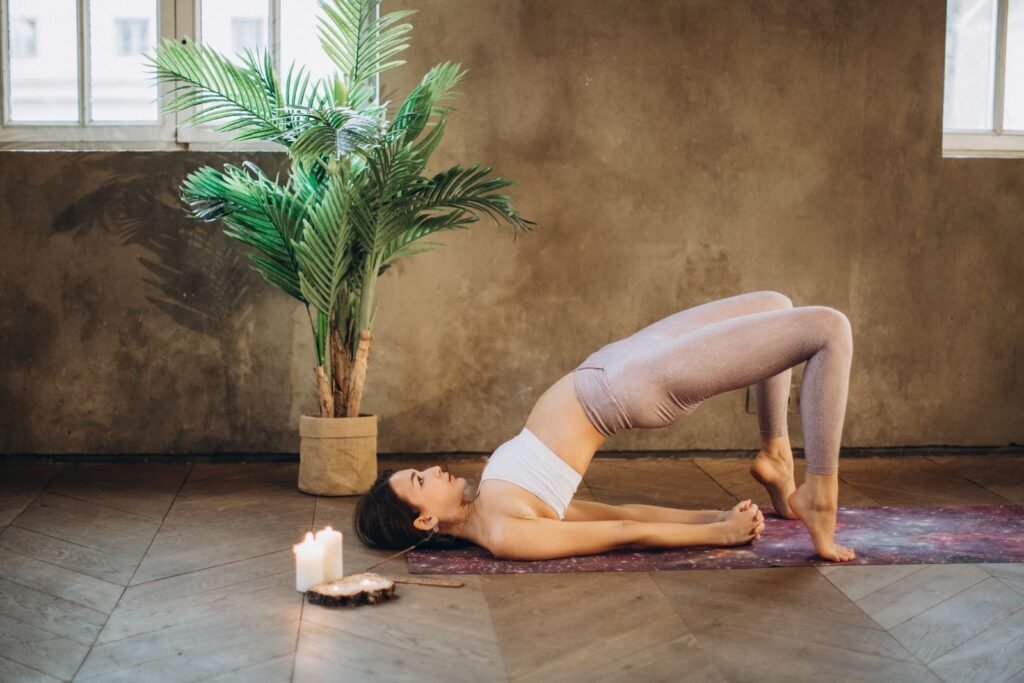
5. Setu Bandhasana (Bridge Pose)
This pose strengthens the legs and glutes while opening the chest, which supports better breathing mechanics during pranayama practice. It’s also a useful lower-intensity substitute on days when deeper backbends feel like too much.
6. Balasana (Child’s Pose)
A resting pose that calms the nervous system between more active postures, lowering the sympathetic “fight or flight” response that can otherwise elevate blood sugar.
7. Shavasana (Corpse Pose)
Every practice should close with several minutes of complete stillness. This final relaxation is where much of the cortisol-lowering benefit of the session actually consolidates.
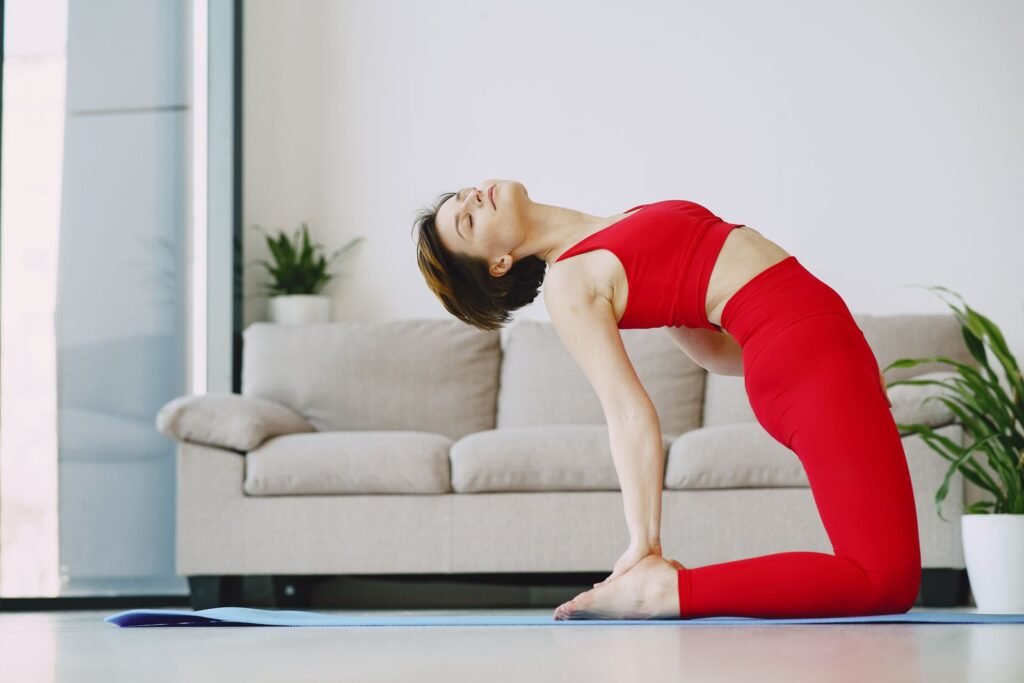
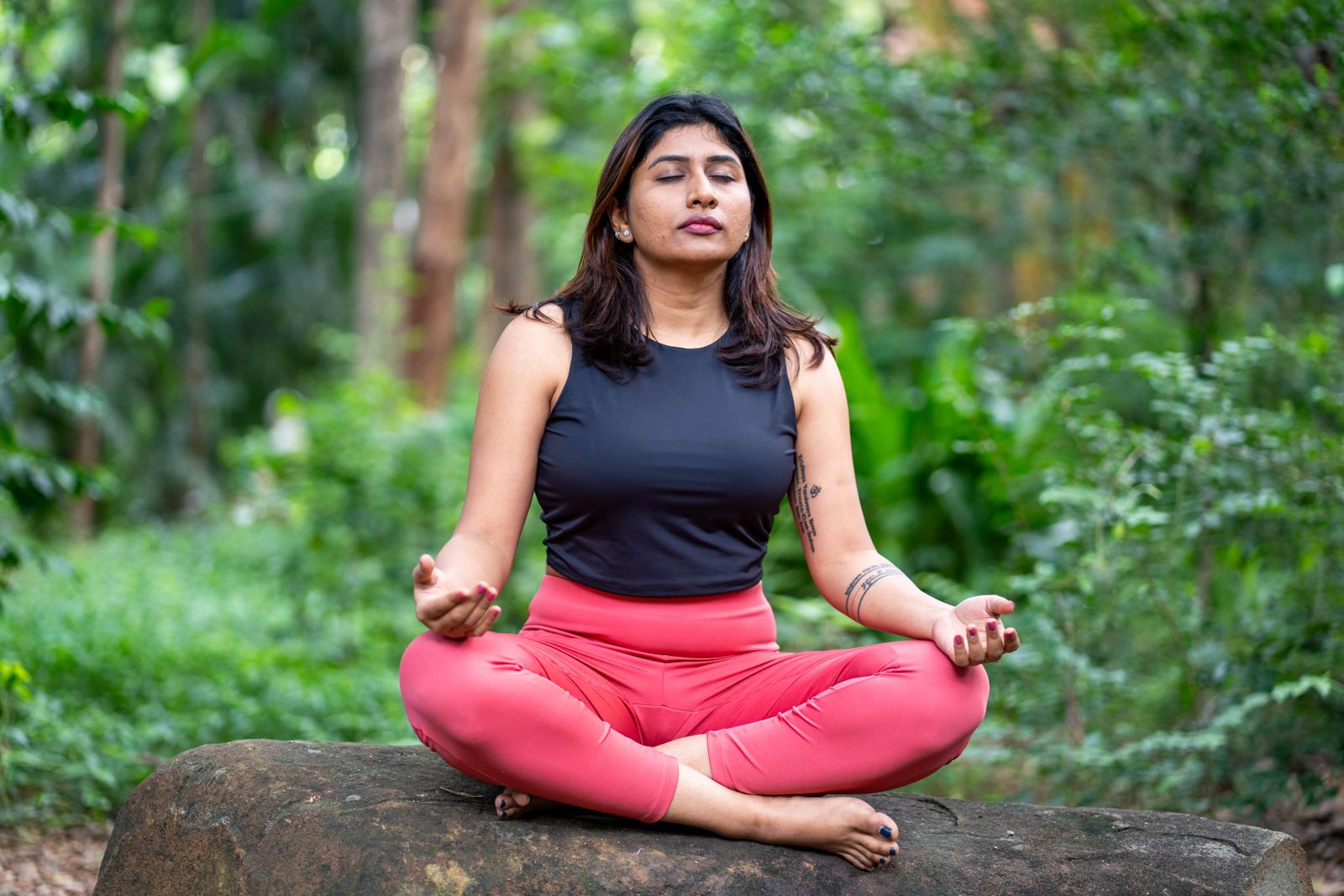
For readers who want visual step-by-step guidance, searches for yoga asanas for diabetes with pictures and yoga for diabetes images are common precisely because form matters here: practicing these postures with poor alignment reduces their benefit and increases injury risk, so working from clear reference images or a qualified instructor is worthwhile, especially in the first few weeks.

Which Pranayama (Breathing) Techniques Help With Diabetes?
Breathing practices are as important as the physical postures in most clinical yoga protocols for diabetes. Bhramari (Bee Breath), Anulom Vilom (alternate nostril breathing), and Kapalabhati (skull-shining breath) are the three most commonly used, each suited to a different point in a practice:
| Technique | What It Does | When to Practice |
|---|---|---|
| Anulom Vilom (alternate nostril breathing) | Balances the nervous system without overstimulating it | First, as the foundation for the rest of the session |
| Bhramari (Bee Breath) | Calms the mind through vibration and an extended exhale | Anytime, especially before final relaxation |
| Kapalabhati (skull-shining breath) | Vigorous, short, forceful exhalations that energize the body | Only after a few weeks of steady practice; avoid during active hypoglycemia or right after a large meal |
A study referenced in Indian clinical biochemistry research found associations between combined pranayama and asana practice and improved insulin and lipid markers in people with type 2 diabetes, reinforcing that breathwork and postures work best as a paired practice rather than in isolation. If breathwork is new to you, our primer on pranayama breathing techniques covers the fundamentals before layering in a diabetes-specific routine.
Is Yoga Effective for Type 2 Diabetes Specifically?
Type 2 diabetes, which involves insulin resistance rather than an absolute lack of insulin, responds particularly well to lifestyle interventions like yoga because the underlying problem is often tied to excess visceral fat, chronic stress, and physical inactivity. The pooled trial data described earlier focused specifically on type 2 diabetes patients without major complications, which is an important caveat: people with diabetic retinopathy, uncontrolled hypertension, advanced neuropathy, or recent cardiac events need a modified approach and medical clearance before starting inversions, deep backbends, or intense breathing exercises. For straightforward type 2 diabetes management, a combination of asana, pranayama, and short guided meditation, practiced three to five times a week, aligns closely with what the clinical literature has actually tested.
Can Yoga Help With Type 1 Diabetes Too?
Most of the strongest research focuses on type 2 diabetes, but people with type 1 diabetes can still benefit from yoga’s stress-reduction and fitness effects, with more caution around blood sugar monitoring. Because type 1 diabetes involves little or no natural insulin production, physical activity can cause blood sugar to drop faster and further than it does in type 2 diabetes. Checking blood glucose before and after practice, keeping fast-acting carbohydrates nearby, and avoiding practice during insulin peak times are standard precautions. Gentle, restorative styles are usually a safer starting point than vigorous vinyasa flows for anyone newly combining yoga with type 1 diabetes management.
What Is the Best Yoga Style for Diabetes Control?
There is no single best style, but Hatha yoga and yoga therapy protocols designed specifically around diabetes tend to outperform faster-paced styles for this purpose, because the benefit comes largely from slow, sustained abdominal compression and controlled breathing rather than calorie burn. That said, vinyasa yoga and other moderate-intensity flows still contribute meaningfully by improving overall cardiovascular fitness and helping with weight management, which is why many diabetes-focused programs blend a few sessions of gentle Hatha-style practice with one or two more active sessions per week. If you’re new to a structured practice altogether, our guide to the types of yoga is a useful starting point for understanding which style fits your fitness level and goals.
How Often Should You Practice Yoga to See Blood Sugar Improvements?
Most of the clinical trials behind the meta-analysis discussed above used sessions of 45 to 60 minutes, performed five to six days a week, over periods of 10 to 24 weeks. That is a meaningfully higher frequency than the two-or-three-times-a-week pattern many beginners default to. If daily practice isn’t realistic, aim for at least four sessions a week of 20 to 30 minutes combining two or three asanas, one pranayama technique, and a short relaxation, and expect to track results over 8 to 12 weeks rather than days. Consistency matters more than duration: a shorter daily practice generally outperforms one long weekly session for anyone managing a chronic metabolic condition.
What Diet and Lifestyle Habits Should Go Alongside a Yoga Practice?
Yoga works best as one part of a broader routine that includes consistent meal timing, adequate sleep, and regular movement outside the mat. Pairing an evening yoga session with a walk after dinner, for instance, compounds the glucose-lowering effect of both activities, since post-meal movement independently blunts the blood sugar spike from a meal. Because obesity and metabolic syndrome are closely linked to type 2 diabetes risk, readers actively managing their weight alongside blood sugar may also find our guide to yoga for weight loss useful for structuring a combined routine. Sleep quality deserves equal attention: poor sleep is independently associated with insulin resistance, and the same relaxation techniques used at the end of a diabetes-focused yoga session, particularly Shavasana and slow breathing, are frequently recommended for improving sleep onset.
How Does Yoga Compare to Other Chronic Conditions Linked to Diabetes?
Diabetes rarely travels alone. It frequently overlaps with thyroid dysfunction, polycystic ovary syndrome (PCOS), and metabolic conditions that affect hormonal balance, and yoga’s mechanisms of benefit, better circulation, lower cortisol, improved insulin sensitivity, tend to help across all of them. If you also manage thyroid concerns, our article on yoga for thyroid covers postures that support thyroid function alongside blood sugar. Women managing both diabetes risk and hormonal imbalance may also find our piece on yoga for PCOS relevant, since insulin resistance is a central feature of PCOS as well. Men managing type 2 diabetes sometimes also experience related circulatory effects, and our guide on yoga for erectile dysfunction addresses that connection directly. High blood pressure is another frequent companion condition, and our article on yoga for high blood pressure shares several of the same calming pranayama techniques described above.
Which Breathing and Relaxation Practices Pair Well With These Poses?
Beyond the three pranayama techniques already covered, a short guided meditation for beginners practice at the end of a diabetes-focused session extends the stress-lowering benefit well past the mat. Chronic stress keeps cortisol elevated, and elevated cortisol directly raises blood glucose by signaling the liver to release stored sugar, so the final ten minutes of a session are not optional relaxation time, they are part of the metabolic intervention. Restorative styles that emphasize long holds and supported positions, similar to what’s covered in our guide to restorative yoga, are a gentler alternative on days when a full active sequence feels like too much, particularly for older adults or anyone managing joint pain alongside diabetes.
Can Yoga Actually Cure Diabetes?
No credible clinical evidence supports the claim that yoga cures diabetes, and it’s important to be direct about this given how often the search phrase “yoga to cure diabetes” appears. What the research does support is that yoga, practiced consistently alongside medical care, diet, and movement, can meaningfully improve the biochemical markers that define diabetes control: HbA1c, fasting glucose, and post-meal glucose. For some people with prediabetes or early-stage type 2 diabetes, sustained lifestyle changes including yoga have been associated with achieving normal blood sugar readings without medication, which is sometimes referred to as remission. That is different from a cure, since the underlying insulin resistance can return if the lifestyle changes stop. Anyone currently on insulin or oral medication should never reduce or stop treatment without medical supervision, regardless of how their yoga practice is progressing.
What Precautions Should Beginners With Diabetes Take?
Blood sugar can shift during and after physical activity, so a few practical precautions make a real difference:
- Check blood glucose before starting if you use insulin or sulfonylureas, since these medications carry a higher risk of exercise-induced hypoglycemia.
- Avoid practicing on an empty stomach for more than a few hours if you’re prone to low blood sugar.
- Keep a fast-acting carbohydrate source within reach during longer sessions.
- Practice standing balance poses near a wall or chair if you have diabetic neuropathy in the feet.
- Avoid inversions and poses that lower the head below the heart if you have diabetic retinopathy, until cleared by an eye specialist.
Building a foundation with basic yoga for beginners guidance before attempting a full diabetes-specific sequence also reduces the risk of alignment-related strain, and reviewing the general benefits of yoga can help set realistic expectations for how quickly results typically show up.
How Does Online Yoga Compare to In-Person Classes for Diabetes Management?
Online yoga has become a practical option for people managing a chronic condition like diabetes because it removes common barriers, travel time, rigid class schedules, and the discomfort some people feel practicing therapeutic postures in a group setting. A well-structured online yoga classes program can still include live correction from an instructor, which matters for diabetes-specific poses like Dhanurasana and Ardha Matsyendrasana where alignment affects how effectively the abdominal organs are compressed. The convenience factor also supports the frequency the research calls for: fitting in a 20-minute session before work is far more realistic when there’s no commute involved, which directly supports the four-to-six-times-weekly consistency that the clinical trials behind these results actually used. If you’re deciding between formats, our comparison of online yoga vs gym workouts breaks down which environment tends to work better for people managing a chronic health condition long-term.
Questions People Ask About Yoga for Diabetes
Can yoga replace diabetes medication?
No. Yoga is a complementary practice that can improve blood sugar markers alongside medication, diet, and monitoring, but it should never replace prescribed treatment. Any changes to insulin or oral medication dosage must be made with a doctor’s guidance, since stopping treatment based on yoga progress alone can lead to dangerously high blood sugar.
How long does it take for yoga to lower blood sugar?
Clinical trials showing measurable HbA1c and fasting glucose improvements typically ran 10 to 24 weeks with near-daily practice. Some people notice better energy and calmer mood within two to three weeks, but meaningful changes in blood test results generally take at least two to three months of consistent practice.
Which yoga pose is best for diabetes?
Ardha Matsyendrasana (Half Spinal Twist) and Dhanurasana (Bow Pose) are the two poses most consistently featured in yoga-therapy protocols for diabetes, since both compress and stimulate the abdominal organs, including the pancreas. Neither works in isolation; they’re most effective as part of a full sequence.
Is yoga safe for someone newly diagnosed with diabetes?
Yes, for most people, though a medical check-in first is wise, especially if there are existing complications like neuropathy, retinopathy, or heart disease. Starting with gentle, beginner-appropriate sequences and monitoring blood sugar around practice sessions is the safest approach in the first few weeks.
Can yoga help prevent type 2 diabetes in someone with prediabetes?
Yoga’s effects on insulin sensitivity, stress hormones, and body composition make it a reasonable part of a prevention strategy for prediabetes, though it works best combined with dietary changes and regular movement rather than as a standalone intervention. Several of the same mechanisms that improve glucose control in diagnosed diabetes apply equally to prediabetes.
Try This for Yourself
Reading about these poses is a useful start, but blood sugar improvements come from consistent, well-guided practice. If you want a structured, live-instructed routine built around your specific health goals, explore FitStrot’s online yoga classes and start building the kind of consistency the research points to.
Related reading: yoga for weight loss, yoga for thyroid, yoga for PCOS, yoga for beginners, and online yoga classes.