Yoga for heart health works by combining gentle physical postures, slow controlled breathing, and meditation to lower blood pressure, reduce stress hormones, and improve circulation, all of which ease the workload on your heart. A widely cited 2014 review in the European Journal of Preventive Cardiology found that regular yoga practice was linked to a drop in systolic blood pressure of about 5.2 mmHg and diastolic pressure of nearly 5 mmHg compared with no exercise, along with measurable reductions in total cholesterol and triglycerides. It is not a replacement for medication or cardiac care, but as a complementary practice alongside your doctor’s guidance, yoga is one of the most accessible ways to support a healthy heart for life.
How Does Yoga Actually Benefit the Heart?
The heart benefits of yoga come from three overlapping mechanisms rather than one single effect. First, gentle movement and holding of postures improves venous return and circulation without spiking heart rate the way high-intensity cardio does. Second, slow diaphragmatic breathing activates the parasympathetic nervous system, the “rest and digest” branch that counteracts the chronic low-grade stress response linked to hypertension. Third, the meditative component lowers circulating cortisol and adrenaline, two stress hormones that, over years, contribute to arterial stiffening and elevated blood pressure. A 2016 study in the European Journal of Cardiovascular Nursing followed people with paroxysmal atrial fibrillation through 12 weeks of yoga combined with deep breathing and found lower heart rate, lower blood pressure, and higher mental health scores compared with those who did not practice. None of this replaces cardiology care, but it explains why doctors increasingly recommend yoga as a complementary practice, not a fringe one.
What Yoga Asanas for Heart Health Should You Start With?
Yoga asanas for heart health are generally gentle, heart-opening, and forward-folding poses rather than intense inversions or breath-holding poses. A sensible starting sequence includes:
- Tadasana (Mountain Pose) to establish posture and baseline breath awareness before moving into anything more active.
- Bhujangasana (Cobra Pose), a gentle backbend that opens the chest and stretches the muscles between the ribs, encouraging fuller breaths.
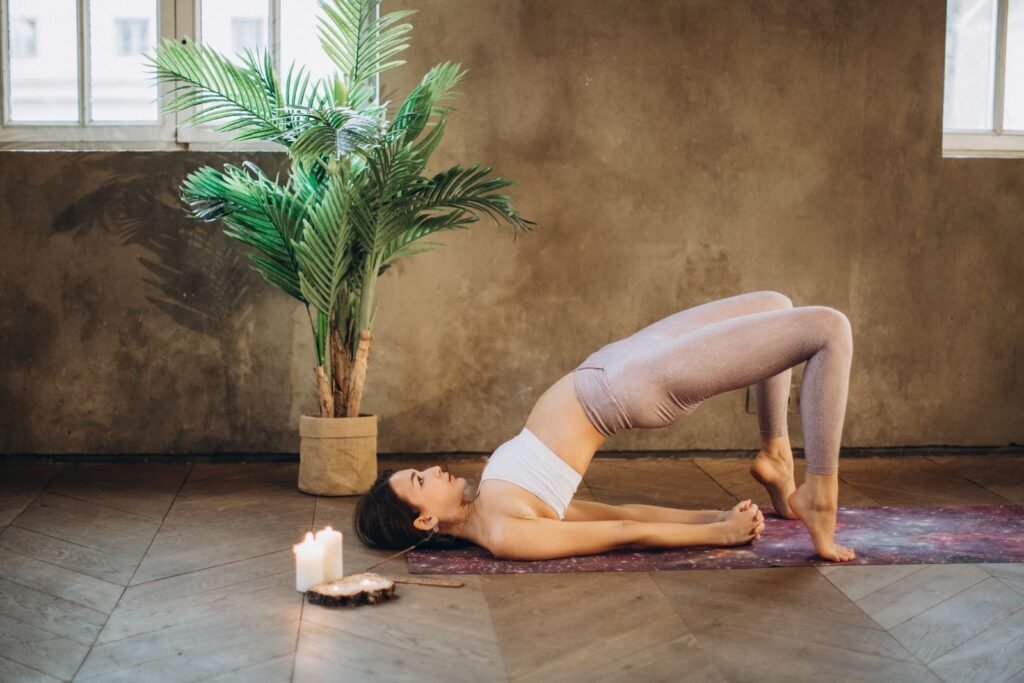
- Setu Bandhasana (Bridge Pose), which strengthens the back and glutes while opening the chest without inverting the head below the heart.
- Balasana (Child’s Pose) as a recovery pose between more active postures, keeping the heart rate settled.
- Marjaryasana-Bitilasana (Cat-Cow) to mobilize the spine gently and sync movement with breath.
- Shavasana (Corpse Pose) to close every practice, allowing the nervous system to fully downshift.
If you are new to structured practice, our guide on beginner yoga poses is a good companion to this list, since it breaks down alignment cues for poses like cobra and bridge in more depth.
Which Yoga Poses Should You Avoid With Heart Conditions?
Not every yoga pose is appropriate if you have diagnosed heart disease, uncontrolled high blood pressure, or a recent cardiac event. Deep backbends like Urdhva Dhanurasana (Wheel Pose), full inversions like Sirsasana (Headstand) and Sarvangasana (Shoulder Stand), and breath-retention practices such as prolonged Kumbhaka should generally be avoided or attempted only under the direct guidance of a cardiologist-cleared yoga therapist. Poses that involve straining, breath-holding, or rapid position changes from lying to standing can cause sudden blood pressure shifts that are risky for a compromised heart. If you have any diagnosed cardiovascular condition, get clearance from your cardiologist before starting, and consider working with a certified instructor for the first several sessions rather than following a video alone.
Can Yoga Help With Heart Blockage?
Yoga for heart blockage is best understood as a supportive lifestyle practice, not a treatment for existing arterial blockages. Coronary artery blockages result from plaque buildup that requires medical evaluation, and yoga does not dissolve plaque. What the research does support is yoga’s role in secondary prevention: a systematic review and meta-analysis on yoga for coronary heart disease found it associated with improvements in blood pressure, lipid profiles, and quality of life when combined with standard cardiac care. In practice, this means yoga can be a valuable part of a cardiac rehabilitation plan, alongside medication, diet changes, and monitored exercise, but never as a substitute for prescribed treatment or emergency care.

How Does Pranayama Support a Healthy Heart?
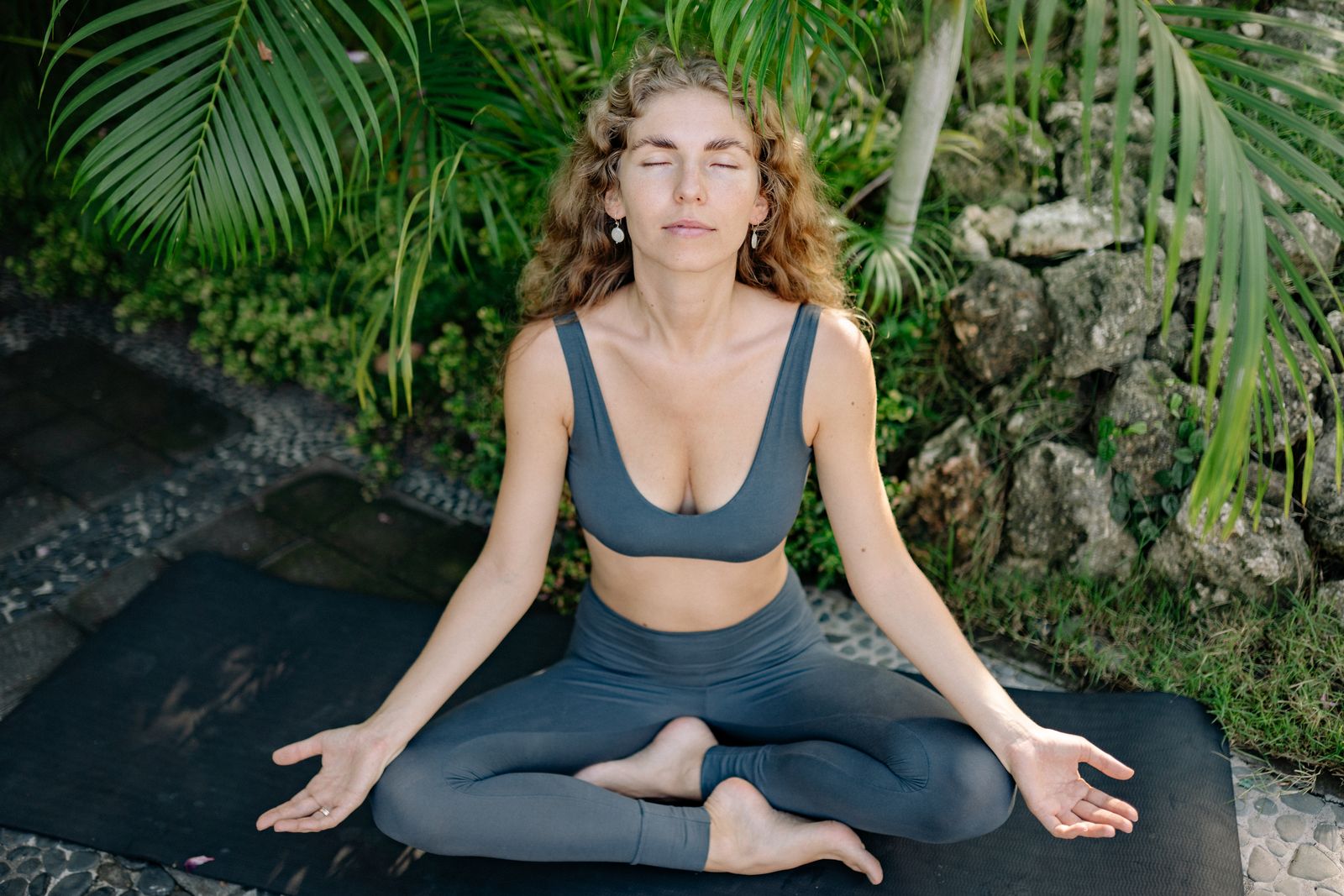
Pranayama, the yogic practice of controlled breathing, is arguably the single most heart-relevant piece of a yoga practice. Slow breathing, achieved through techniques like Anulom Vilom (alternate nostril breathing) and Bhramari (bee breath), is commonly reported in clinical research to reduce both heart rate and blood pressure within minutes of practice by stimulating the vagus nerve. This vagal stimulation increases heart rate variability, a marker doctors use to assess how well the heart adapts to stress; higher variability is generally associated with better cardiovascular resilience. Unlike vigorous asana practice, pranayama can be done seated, requires no floor space, and is safe for almost everyone, making it one of the most accessible entry points if you are deconditioned or recovering from a cardiac event. If you want a deeper breakdown of technique, our article on pranayama breathing techniques walks through each practice step by step.
What Does Heart Chakra Yoga Mean?
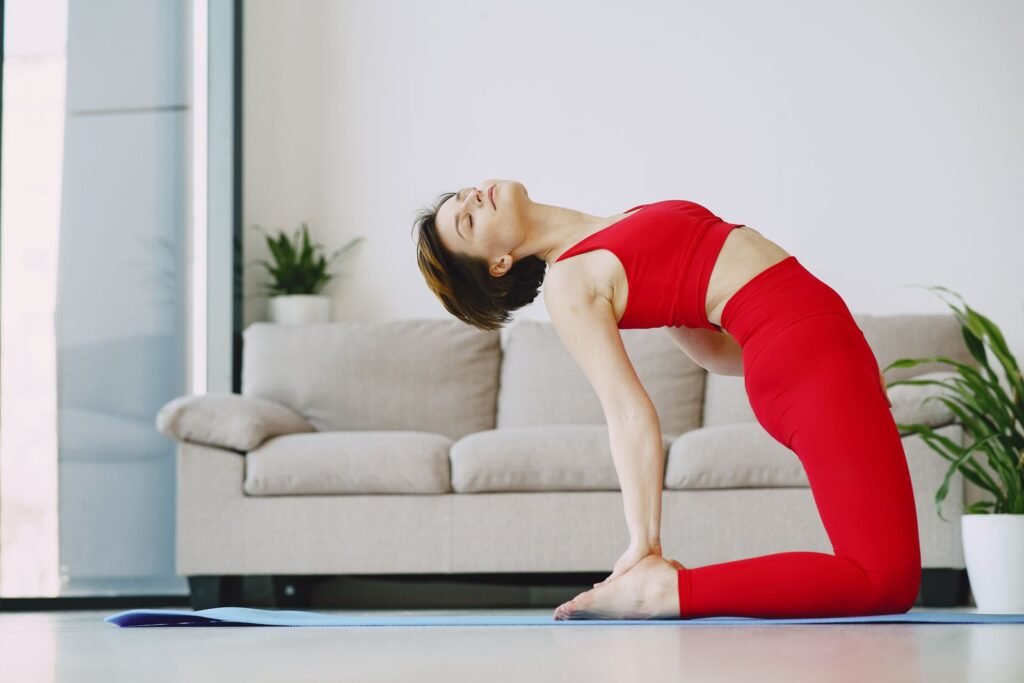
Heart chakra yoga refers to postures and meditations aimed at the Anahata chakra, the fourth of the seven energy centers in traditional yogic philosophy, associated with love, compassion, and emotional balance rather than a specific anatomical structure. While the chakra system is a spiritual and energetic framework rather than a medical one, heart chakra yoga poses overlap significantly with the physical poses recommended for cardiovascular health, because both traditions favor gentle chest-opening backbends. Common heart chakra yoga poses include Ustrasana (Camel Pose), Matsyasana (Fish Pose), Anahatasana (Melting Heart Pose), and supported backbends over a bolster. Practicing these with an intention of emotional release, alongside the physical benefits of an open chest and improved breathing capacity, is why many practitioners describe heart chakra work as feeling both physically and emotionally grounding. If chakra-based practice appeals to you, it pairs naturally with our guide to chakra meditation.
Is Heartfulness Yoga the Same as Heart Chakra Yoga?
Heartfulness yoga and heart chakra yoga are related but distinct concepts that are often confused in search results. Heartfulness is a specific meditation method rooted in the Sahaj Marg tradition, focused on meditating with attention on the heart region using a guided relaxation and reflection technique, with an emphasis on emotional and spiritual refinement rather than physical postures. Heart chakra yoga, by contrast, is asana-based, drawing on the seven-chakra framework common in hatha and kundalini yoga traditions. Both practices share a common thread: directing attention to the chest and heart area as a way of cultivating calm, but if you’re searching for a structured meditation practice rather than a set of physical poses, heartfulness meditation is the more precise term to look for.
How Often Should You Practice Yoga for a Healthy Heart?
Most of the clinical research on yoga and cardiovascular outcomes used programs of three to five sessions per week, each lasting 45 to 60 minutes, sustained over 8 to 12 weeks before meaningful changes in blood pressure or lipid markers appeared. That said, consistency matters more than duration when you are starting out. A daily 15 to 20 minute practice combining a handful of gentle asanas with 5 minutes of pranayama is a realistic starting point for most people and is more sustainable than an occasional 90-minute class. As with any exercise for heart health, gradual progression is safer than jumping straight into longer or more intense sessions, particularly if you have been sedentary or have any diagnosed cardiac risk factors.
Does Yoga Help With Heart Rate and Blood Pressure Directly?
Yes, both acute and long-term effects have been documented, though they work through different mechanisms. In the short term, a single session of slow breathing and gentle movement can measurably lower heart rate and blood pressure within 15 to 20 minutes by shifting the nervous system out of a sympathetic, fight-or-flight state. Over the longer term, the cumulative effect of regular practice, as shown in the 2014 European Journal of Preventive Cardiology review mentioned earlier, is associated with sustained reductions in resting blood pressure and improved lipid profiles. It’s worth noting that yoga’s blood-pressure-lowering effect is generally more modest than what you’d see from prescribed antihypertensive medication, so yoga should be viewed as a complement to, not a replacement for, any blood pressure medication your doctor has prescribed.
Who Should Avoid or Modify Yoga for Heart Conditions?
Certain groups need modified practice or explicit medical clearance before beginning. This includes anyone with a recent heart attack, unstable angina, uncontrolled arrhythmias, severe valve disease, or a pacemaker, all of whom should get direct sign-off from a cardiologist and ideally work with a yoga therapist experienced in cardiac rehabilitation. Pregnant women with any cardiac history need obstetric and cardiology input before starting. People with uncontrolled hypertension (readings consistently above 180/120) should stabilize blood pressure medically first, since even gentle exercise can be risky at those levels. For everyone else, starting slowly, avoiding breath-holding, and stopping immediately if you feel chest pain, dizziness, or unusual shortness of breath are the basic safety rules that apply regardless of fitness level.
How Does Yoga Compare to Other Heart-Healthy Exercise?
Yoga is not a substitute for aerobic exercise when it comes to building cardiovascular fitness in the traditional sense, since most yoga styles keep heart rate in a low-to-moderate zone rather than the elevated zone associated with cardiorespiratory training. Where yoga adds unique value is in the areas aerobic exercise doesn’t directly address: stress reduction, heart rate variability, flexibility, and body awareness. Health authorities generally recommend at least 150 minutes of moderate aerobic activity per week, and the strongest evidence-based approach combines yoga with, rather than instead of, activities like brisk walking, swimming, or cycling. If your broader goal includes weight management alongside heart health, our guide to yoga for weight loss covers how to structure a practice that supports both goals together.
Can Yoga Help Manage Stress-Related Heart Risk?
Chronic stress is now recognized as an important cardiovascular risk factor, contributing to elevated blood pressure, increased inflammation, and unhealthy coping behaviors like poor sleep, overeating, and smoking. Yoga’s combination of movement, breath control, and meditation directly targets the stress-response pathway, and research on mind-body practices consistently shows reductions in perceived stress and anxiety scores after consistent practice. This is particularly relevant for people managing other stress-linked conditions alongside heart risk. If you’re also dealing with hormonal or metabolic conditions that compound cardiovascular stress, practices like yoga for thyroid health or yoga for PCOS management share many of the same stress-reduction pathways described here, since chronic stress and hormonal dysregulation are closely linked.
What Role Does Diet and Lifestyle Play Alongside Yoga?
Yoga works best as one part of a broader heart-healthy lifestyle rather than in isolation. The physical and breathing practices described above complement, but don’t replace, the fundamentals: a diet low in saturated fat and sodium, adequate sleep, avoiding tobacco, and limiting alcohol. Many practitioners find that the mindfulness cultivated through yoga naturally carries over into better eating habits and sleep hygiene, since increased body awareness tends to make people more attuned to how food, stress, and rest affect how they feel. Men managing cardiovascular risk factors sometimes also experience related concerns; our piece on yoga for erectile dysfunction explores how the same circulation and stress-reduction mechanisms described in this article apply to that condition as well, since vascular health underlies both.
How Do You Build a Weekly Heart-Healthy Yoga Routine?
A realistic weekly structure for heart health doesn’t need to be complicated. Consider alternating between a gentle asana-focused session (20 to 30 minutes of poses like cobra, bridge, cat-cow, and seated forward folds) on three days, and a pranayama-and-meditation-focused session (15 to 20 minutes of alternate nostril breathing followed by seated meditation) on the other days, with one full rest day. If you prefer structured guidance rather than building your own sequence, styles like restorative yoga and yin yoga are both well suited to heart-conscious practice because they emphasize long holds, minimal exertion, and supported relaxation over strength or cardio intensity. For those newer to breathwork specifically, starting with guided online yoga classes ensures you get real-time feedback on form and pacing rather than guessing at intensity alone.
Questions People Ask About Yoga for Heart Health
Can yoga reverse heart disease?
Yoga cannot reverse existing arterial blockages or structural heart damage on its own. Research suggests it can meaningfully support recovery and risk reduction when combined with cardiac rehabilitation, medication, and diet changes, improving blood pressure, cholesterol, and quality of life. Always follow your cardiologist’s treatment plan and use yoga as a complementary practice, not a primary treatment.
Is yoga good for high blood pressure?
Yes, yoga is commonly recommended for managing blood pressure. A 2014 review found yoga practice associated with average reductions of about 5.2 mmHg systolic and 5 mmHg diastolic pressure compared with no exercise. Effects build gradually over weeks of consistent practice rather than appearing after a single session, and yoga should complement, not replace, prescribed medication.
How long before yoga improves heart health?
Most clinical studies measuring blood pressure and cholesterol changes used programs of 8 to 12 weeks with three to five sessions weekly. Some acute effects, like a lower heart rate after a slow breathing session, can appear within 15 to 20 minutes, but sustained cardiovascular improvements require consistent practice over months, not days.
Which yoga pose is best for the heart?
There isn’t a single “best” pose, since heart-healthy practice relies on a combination of gentle backbends like Bhujangasana and Setu Bandhasana, restorative poses like Balasana, and slow pranayama breathing. Together, these open the chest, improve circulation, and calm the nervous system, which matters more for heart health than any one posture alone.
Is it safe to do yoga after a heart attack?
Yoga can be part of cardiac rehabilitation after a heart attack, but only with explicit clearance from your cardiologist and ideally supervision from a yoga therapist trained in cardiac care. Timing, intensity, and pose selection need to be individualized based on your recovery stage, so this is never a do-it-yourself decision in the weeks following a cardiac event.
Can breathing exercises alone help the heart?
Yes, pranayama practices like alternate nostril breathing and slow diaphragmatic breathing can lower heart rate and blood pressure by stimulating the vagus nerve, even without physical postures. This makes breathwork one of the safest and most accessible starting points for people who are deconditioned, recovering from illness, or unable to do standing or floor-based poses.
Try This for Yourself
Reading about heart-healthy yoga is a useful start, but the real benefits come from consistent, well-guided practice. If you want proper alignment cues, safe pacing, and a routine tailored to your current fitness and health history, join a live online yoga class and build a heart-conscious practice with an instructor who can adapt the session to you in real time.
Related reading: yoga for weight loss, yoga for thyroid, yoga for PCOS, yoga for erectile dysfunction, and online yoga classes to keep building a well-rounded, heart-conscious practice.