Yoga for thyroid health works by combining specific neck-opening and forward-bending asanas with slow, diaphragmatic breathing to improve blood flow to the thyroid gland, ease stress-driven hormone disruption, and support the nervous system regulation that thyroid function depends on. Poses like Sarvangasana (shoulder stand), Matsyasana (fish pose), Halasana (plough pose), and Ustrasana (camel pose) gently compress or stretch the throat area, which is commonly believed to stimulate circulation around the gland. Yoga is not a replacement for thyroid medication or an endocrinologist’s care, but as an add-on practice it can support energy levels, weight management, mood, and stress resilience in people managing hypothyroidism, hyperthyroidism, or Hashimoto’s thyroiditis. The rest of this guide walks through the specific asanas, breathing techniques, weekly routines, and precautions that make yoga for thyroid a safe, sustainable daily habit.
What Is the Thyroid and Why Does Yoga Target It?
The thyroid is a small, butterfly-shaped gland at the base of the neck that produces hormones (T3 and T4) regulating metabolism, heart rate, body temperature, and energy use in nearly every cell. When the thyroid produces too little hormone, it’s called hypothyroidism; too much, and it’s hyperthyroidism. Both conditions are usually managed with medication prescribed by a doctor, but many people also look for lifestyle support alongside treatment, and this is where yoga for thyroid comes in.
Yoga asanas for thyroid are thought to help in two main ways. First, poses that involve chin-to-chest compression or neck extension are believed to increase local blood circulation to the gland. Second, and arguably more significant, yoga reduces the chronic stress and elevated cortisol that can interfere with the hypothalamus-pituitary-thyroid axis, the communication loop that tells your thyroid how much hormone to release. If you’re also managing weight changes related to thyroid function, pairing this practice with a broader routine like yoga for weight loss can address both the metabolic and hormonal sides of the picture.
Does Yoga Actually Help with Thyroid Problems?
Research published in yoga and integrative medicine journals has explored standardized yoga asana sequences as an add-on therapy alongside standard thyroid treatment, generally reporting improvements in quality-of-life and symptom scores when yoga is practiced consistently over several weeks. It’s important to be precise about what this means: yoga is studied as a complementary practice, not a stand-alone cure, and results vary by individual, thyroid condition type, and adherence to practice. If you have a diagnosed thyroid disorder, yoga should sit alongside medical treatment and regular blood work, not replace either. What consistent practice does appear to reliably improve is the stress load, sleep quality, and physical energy that make living with a thyroid condition more manageable day to day.
Yoga Poses for Thyroid: The Core Asanas
These are the yoga poses for thyroid most commonly recommended by yoga therapists and taught in thyroid-focused classes. Each targets the throat and neck region or supports the endocrine system indirectly through spinal and abdominal engagement.
| Pose | Type | Best For |
|---|---|---|
| Sarvangasana (Shoulder Stand) | Inversion | Directing blood flow to the thyroid; more experienced practitioners |
| Halasana (Plough Pose) | Inversion + forward fold | Deepening the chin lock; spine and hamstring flexibility |
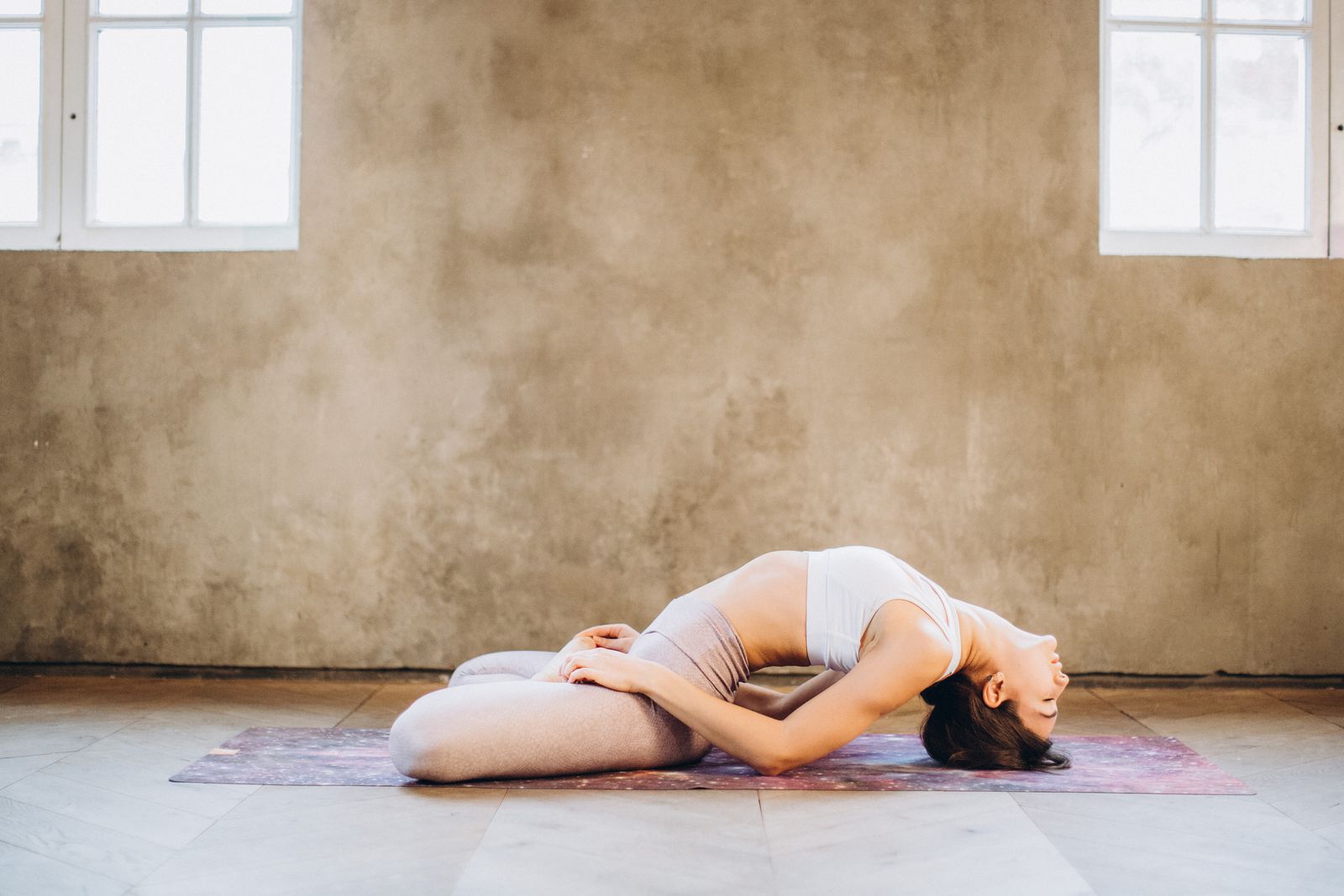
| Matsyasana (Fish Pose) | Backbend (counter-pose) | Opening the throat; easing out of inversions |
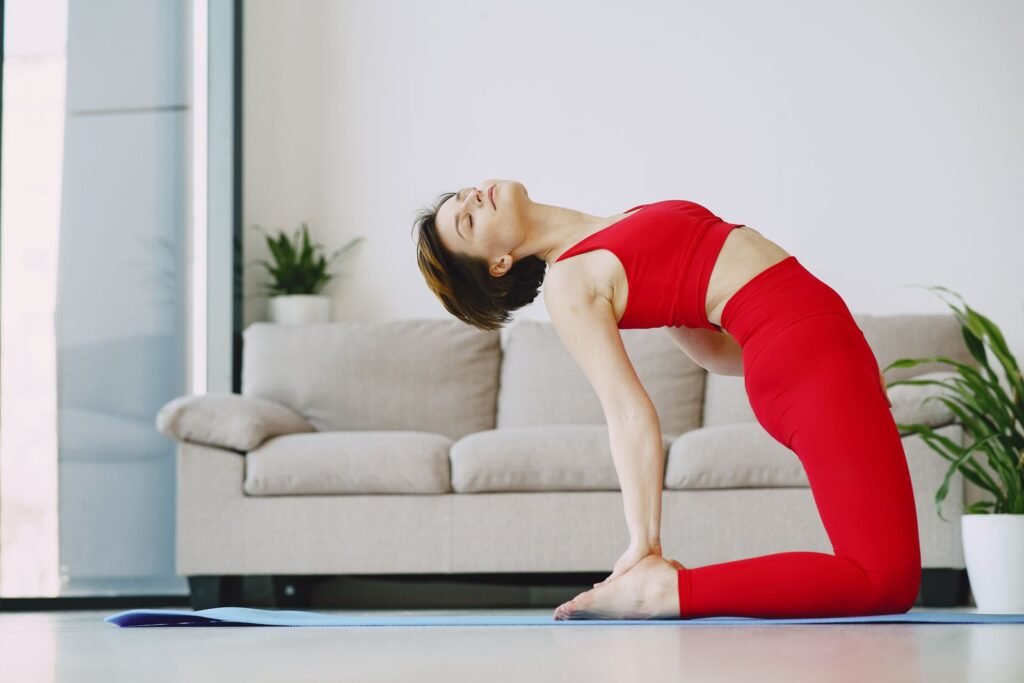
| Ustrasana (Camel Pose) | Kneeling backbend | Beginners and anyone with neck sensitivity, since it skips inversion |
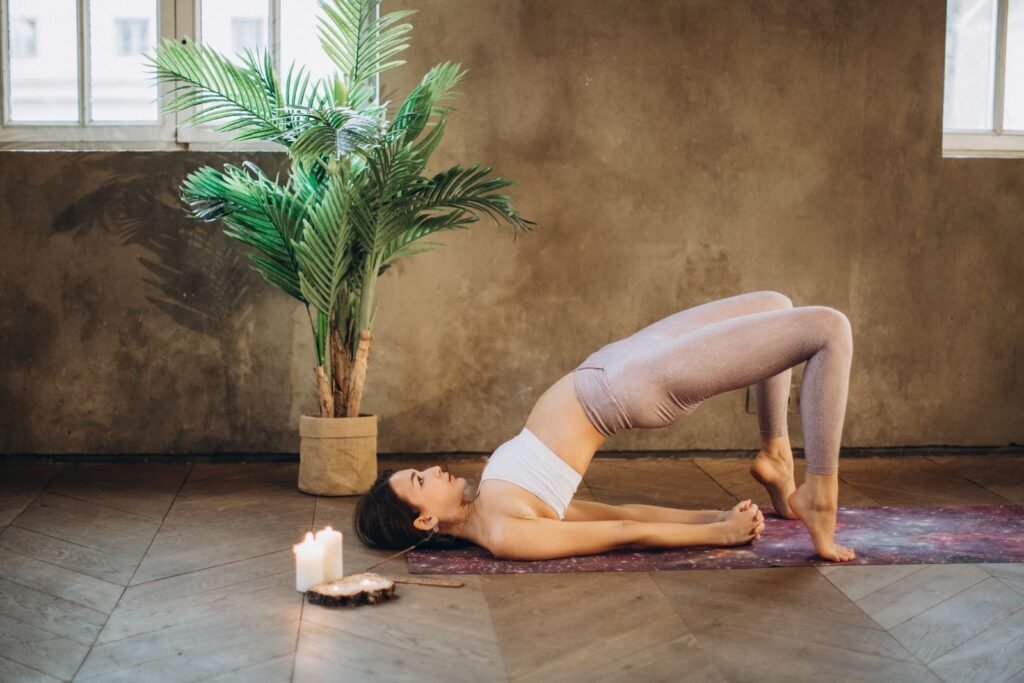
| Setu Bandhasana (Bridge Pose) | Gentle backbend | The easiest entry point before progressing to deeper poses |
Sarvangasana (Shoulder Stand)
Considered the classic thyroid pose, Sarvangasana inverts the body and compresses the chin against the chest, which is traditionally believed to direct blood flow toward the thyroid and parathyroid glands. Beginners should build up to a full shoulder stand gradually and can use a folded blanket under the shoulders for support. This pose is generally avoided during pregnancy, high blood pressure, or neck injuries, and it sits alongside other yoga inversions that require a careful, progressive approach.
Halasana (Plough Pose)
Halasana follows naturally from shoulder stand, folding the legs over the head so the toes reach toward the floor behind you. It deepens the chin lock (jalandhara bandha) that’s central to thyroid-focused sequences and also stretches the entire spine and hamstrings, complementing other yoga for back pain routines that rely on spinal traction.
Matsyasana (Fish Pose)
Fish pose is the counter-pose to shoulder stand and plough, opening the throat and chest instead of compressing them. Lying on the back with the chest lifted and the crown of the head lightly touching the mat, this pose stretches the front of the neck where the thyroid sits and also appears in guides on yoga for flexibility.
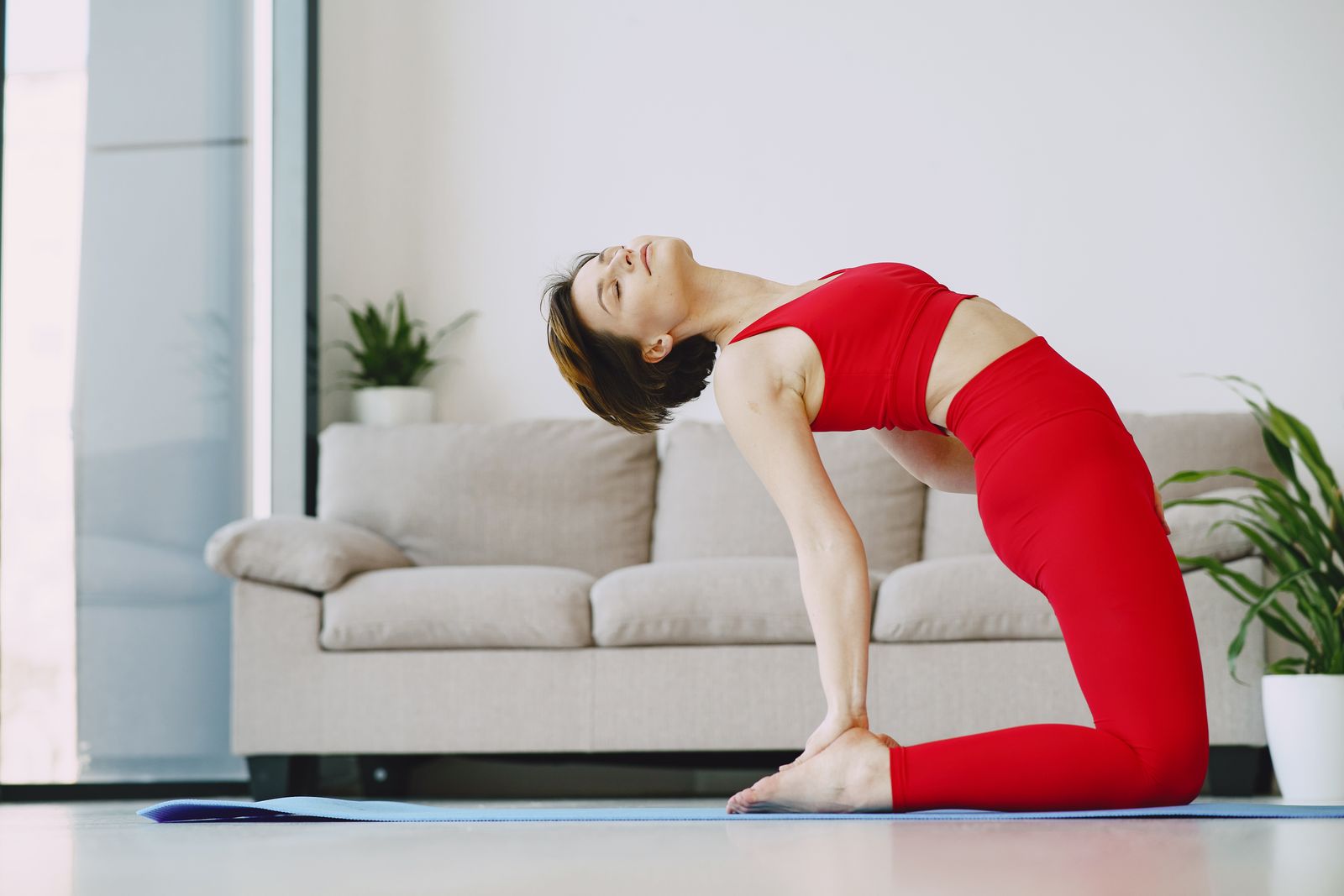
Ustrasana (Camel Pose)
A kneeling backbend that opens the chest and throat, camel pose is a favorite in yoga asanas for thyroid routines because it doesn’t require inverting the body, making it more accessible for beginners or people with neck sensitivity.
Setu Bandhasana (Bridge Pose)
Bridge pose offers a gentler alternative to full backbends, lifting the hips while the shoulders and feet stay grounded. It stretches the throat area mildly while strengthening the glutes and lower back, making it a good entry point before progressing to camel or fish pose, similar to how restorative yoga sequences build intensity gradually.
Thyroid Exercise in Yoga: Building a Weekly Routine
Thyroid exercise in yoga works best as a short, consistent daily or near-daily habit rather than an occasional long session. A practical weekly structure looks like this: begin with 5 minutes of gentle warm-up stretches and neck rolls, move into 15-20 minutes of the core asanas (shoulder stand, plough, fish, camel, bridge) held for 30-60 seconds each with rest between, and close with 5-10 minutes of pranayama and a few minutes of relaxation in Savasana. Practicing four to six days a week tends to produce more noticeable changes in energy and stress levels than sporadic sessions. If you’re new to structured routines, a broader overview like types of yoga can help you understand how a thyroid-focused sequence fits within the wider practice, and pairing it with vinyasa yoga or gentle hatha yoga on alternate days keeps the routine sustainable.
Pranayama and Breathing Techniques for Thyroid Health
Breathing practices are just as central to yoga for thyroid as the asanas themselves, because they work directly on the stress response that influences hormone regulation.
Ujjayi Pranayama (Victorious Breath)
This slow, audible breath, created by slightly constricting the back of the throat, is often taught specifically for thyroid support because the gentle throat engagement is thought to increase awareness and circulation in that area while also calming the nervous system.
Kapalabhati (Skull-Shining Breath)
A more energizing technique involving short, forceful exhales and passive inhales, kapalabhati is sometimes used to stimulate metabolism, though it should be practiced cautiously and is generally not recommended for people with hyperthyroidism, high blood pressure, or during pregnancy.
Anulom Vilom (Alternate Nostril Breathing)
This balancing breath alternates airflow between nostrils and is widely used to reduce stress and support the autonomic nervous system, which plays a role in regulating hormone-producing glands including the thyroid. It pairs well with a broader relaxation focus similar to the approach in yoga for hormonal imbalance, and is a core technique covered in most guides to pranayama breathing techniques.
Yoga for Hypothyroidism: What Changes in Your Practice
Yoga for hypothyroid patients typically emphasizes energizing, metabolism-supportive sequences, since low thyroid hormone often brings fatigue, weight gain, cold sensitivity, and sluggish digestion. Practice for yoga for hypothyroidism patients usually leans on backbends (camel, bridge, cobra), gentle inversions (shoulder stand, plough), and twists that stimulate digestion, combined with more active pranayama like kapalabhati where appropriate. Because hypothyroidism often coincides with slower metabolism and weight changes, many people combine this with a structured plan such as yoga for weight loss for a more complete approach to energy and body composition. Fatigue is another common companion symptom, and a gentler daily sequence like yoga for fatigue can be layered in on low-energy days. Consistency matters more than intensity here: 20-30 minutes most days will do more than an occasional 90-minute session.
Yoga for Hyperthyroidism: A Different Emphasis
Yoga for hyperthyroidism takes the opposite emphasis from hypothyroid-focused practice. Because an overactive thyroid already speeds up metabolism, heart rate, and the nervous system, the goal shifts toward calming, cooling practices rather than energizing ones. This generally means avoiding vigorous inversions and forceful breathing techniques like kapalabhati, and instead favoring restorative poses, longer holds, slow ujjayi breathing, and extended relaxation in Savasana. Gentle forward bends and supported poses that lower heart rate and reduce anxiety tend to be more appropriate than backbends held for long periods, in keeping with the general approach covered in yoga for anxiety. Anyone with hyperthyroidism or Graves’ disease should check with their doctor before adding inversions or intense breathwork to their routine, since some techniques can be overstimulating for an already overactive system.
Yoga for Thyroid Patients: Safety Guidelines Before You Start
Yoga for thyroid patients should always begin with a conversation with the prescribing doctor, especially if thyroid hormone levels are unstable or medication has recently changed. A few practical safety points apply broadly: avoid full inversions like shoulder stand and headstand if you have uncontrolled high blood pressure, glaucoma, or a recent neck injury; introduce new poses gradually rather than attempting a full sequence on day one; practice on an empty stomach or at least two to three hours after eating; and treat any sharp pain, dizziness, or unusual heart palpitations as a signal to stop immediately. Pregnant women and anyone recovering from neck or spine surgery should get specific modifications from a qualified instructor rather than following a general routine, similar to the tailored guidance covered in prenatal yoga.
How Long Before You Notice a Difference?
Most people practicing yoga for thyroid consistently report noticeable changes in stress levels, sleep, and general energy within two to four weeks, though changes in thyroid hormone levels themselves should only ever be tracked through blood tests ordered by a doctor, not by how you feel. Yoga is a slow-build practice: the physical flexibility to hold shoulder stand or camel pose comfortably often takes a few weeks of regular practice, and the calming effect on the nervous system compounds the more regularly it’s practiced, much like the gradual gains described in benefits of yoga. Setting a realistic expectation, this is a supportive daily habit measured in months, not a quick fix measured in days.
Combining Yoga with Diet and Lifestyle for Thyroid Support
Yoga for thyroid works best as one part of a broader lifestyle approach rather than in isolation. Adequate sleep, iodine and selenium intake appropriate to your specific diagnosis, regular movement beyond the mat, and stress management all interact with thyroid function. Because thyroid disorders are also linked with weight fluctuations, hormonal shifts, and metabolic changes, it’s common for people to look at related topics such as yoga for PCOS or yoga for hormonal imbalance alongside their thyroid routine, especially if multiple hormonal systems are affected at once. A one-on-one program that adapts pacing and poses to your specific diagnosis and energy levels, rather than a generic video series, tends to produce more sustainable results, an approach also emphasized in yoga for erectile dysfunction and other hormone-related programs that need individual pacing.
Thyroid Ke Liye Yoga: Practicing in a Guided, Structured Format
For many people searching in Hindi for thyroid ke liye yoga or thyroid ka yoga, the underlying need is the same: a clear, guided, step-by-step sequence rather than a long list of poses to figure out alone. A structured online class with live instructor feedback makes it easier to get the neck alignment right in poses like shoulder stand and plough, where poor form can strain the neck instead of helping the thyroid. If you’re searching for yoga for thyroid in Hindi content, look for instructors who explain both the Sanskrit and common name of each pose along with clear modifications for beginners, since alignment cues matter more in thyroid-focused sequences than in a general flexibility class. This same demand for guided, alignment-focused instruction is why searches for yoga asanas for thyroid and yoga for thyroid patients so often lead people toward live online classes rather than static pose lists.
Common Mistakes People Make with Thyroid Yoga
A few recurring mistakes reduce the benefit of yoga for thyroid or create unnecessary risk:
- Rushing into a full shoulder stand without building shoulder and core strength first, which often leads to neck strain.
- Holding the chin lock (jalandhara bandha) with a stiff, unsupported neck rather than a soft, gradual fold, causing discomfort that has nothing to do with the thyroid itself.
- Practicing vigorous breathing techniques like kapalabhati with unmanaged hyperthyroidism, which can overstimulate an already fast metabolism.
- Treating yoga as a substitute for thyroid medication rather than a complement to it — stopping or reducing prescribed medication because a yoga routine feels good is not supported by any credible medical guidance.
If you’re unsure where to start, working through the fundamentals in yoga for beginners before layering in thyroid-specific asanas reduces most of these risks.
Questions People Ask About Yoga for Thyroid
Can yoga cure thyroid problems completely?
No. Yoga is a supportive, complementary practice that may help manage symptoms, stress, and energy levels alongside medical treatment, but it does not cure hypothyroidism, hyperthyroidism, or autoimmune thyroid conditions like Hashimoto’s. Thyroid hormone levels should always be monitored through blood tests and managed with a doctor’s guidance.
Which yoga pose is best for thyroid?
Sarvangasana (shoulder stand) is the most commonly cited pose for thyroid health because it compresses the chin against the chest, which is traditionally believed to increase blood flow to the gland. Matsyasana (fish pose) and Ustrasana (camel pose) are also widely recommended, especially as more accessible alternatives for beginners.
Is yoga safe for people with hyperthyroidism?
Yes, with modifications. People with hyperthyroidism generally do better with calming, restorative practices rather than vigorous inversions or forceful breathing techniques like kapalabhati, since an already overactive thyroid can be further stimulated by intense practice. Always check with your doctor before starting, particularly if you have Graves’ disease.
How often should I practice yoga for thyroid health?
Most yoga therapists recommend four to six sessions a week of 20-30 minutes, prioritizing consistency over long, infrequent sessions. Daily short practice tends to produce steadier improvements in stress, sleep, and energy than occasional long sessions.
Can beginners do shoulder stand for thyroid health?
Beginners can work toward shoulder stand gradually, but it’s best learned with instructor guidance since improper alignment can strain the neck. Starting with bridge pose and fish pose to build strength and flexibility, then progressing to a supported shoulder stand with props, is a safer path than attempting a full pose immediately.
Does yoga help with thyroid-related weight gain?
Yoga can support weight management indirectly by reducing stress hormones, improving sleep, and encouraging more consistent movement, all of which affect metabolism. It works best when combined with medical treatment for the underlying thyroid condition and a broader movement and nutrition plan, such as the approach covered in yoga for weight loss.
Try This for Yourself
If you want a guided, structured approach to yoga for thyroid rather than piecing together poses on your own, a live one-on-one class lets an instructor check your alignment in poses like shoulder stand and camel pose, adjust the pace to your energy levels, and modify the routine for hypothyroidism, hyperthyroidism, or Hashimoto’s specifically. Book an online yoga class with FitStrot and build a thyroid-focused routine that fits your schedule and your specific diagnosis.
Related reading: yoga for weight loss, yoga for PCOS, yoga for hormonal imbalance, yoga for erectile dysfunction, yoga for anxiety, and FitStrot’s online yoga classes.