Yoga asanas are the physical postures practiced in yoga, ranging from simple seated and standing shapes to advanced arm balances and inversions, each designed to build strength, flexibility, balance, or stillness in the body. The word “asana” comes from Sanskrit and originally meant “seat,” referring to a stable, comfortable position for meditation, though it has come to describe the full range of poses used in modern practice. Asanas form the third of the eight limbs described in the Yoga Sutras of Patanjali, sitting between ethical grounding and breath control. Whether you’re holding Tadasana (Mountain Pose) for postural awareness or working toward an advanced backbend, every asana shares the same underlying goal: a steady, comfortable position that supports both physical health and mental focus.
What Does “Asana” Actually Mean?
Asana is a Sanskrit word most literally translated as “seat” or “sitting position.” In Patanjali’s Yoga Sutras, asana is defined simply as “sthira sukham asanam,” a posture that should be steady and comfortable at the same time. This definition is worth sitting with, because it reframes what an asana is supposed to feel like: not a contortion to be forced into, but a stable shape the body can hold with ease and the mind can stay calm within. Over centuries, the term expanded from describing meditation seats to covering the entire vocabulary of postures used in hatha yoga and its many modern descendants. Today, when people say “yoga asanas,” they generally mean the full physical practice: standing poses, seated poses, twists, backbends, forward folds, inversions, and balances alike.
What Are the Different Types of Yoga Asanas?
Yoga asanas are typically grouped by the shape and function of the body in each pose, which makes it easier to build a balanced practice rather than repeating the same movement pattern every session. The main categories include:
- Standing poses: Build leg strength, balance, and postural alignment; examples include Tadasana (Mountain Pose) and Virabhadrasana (Warrior Pose).
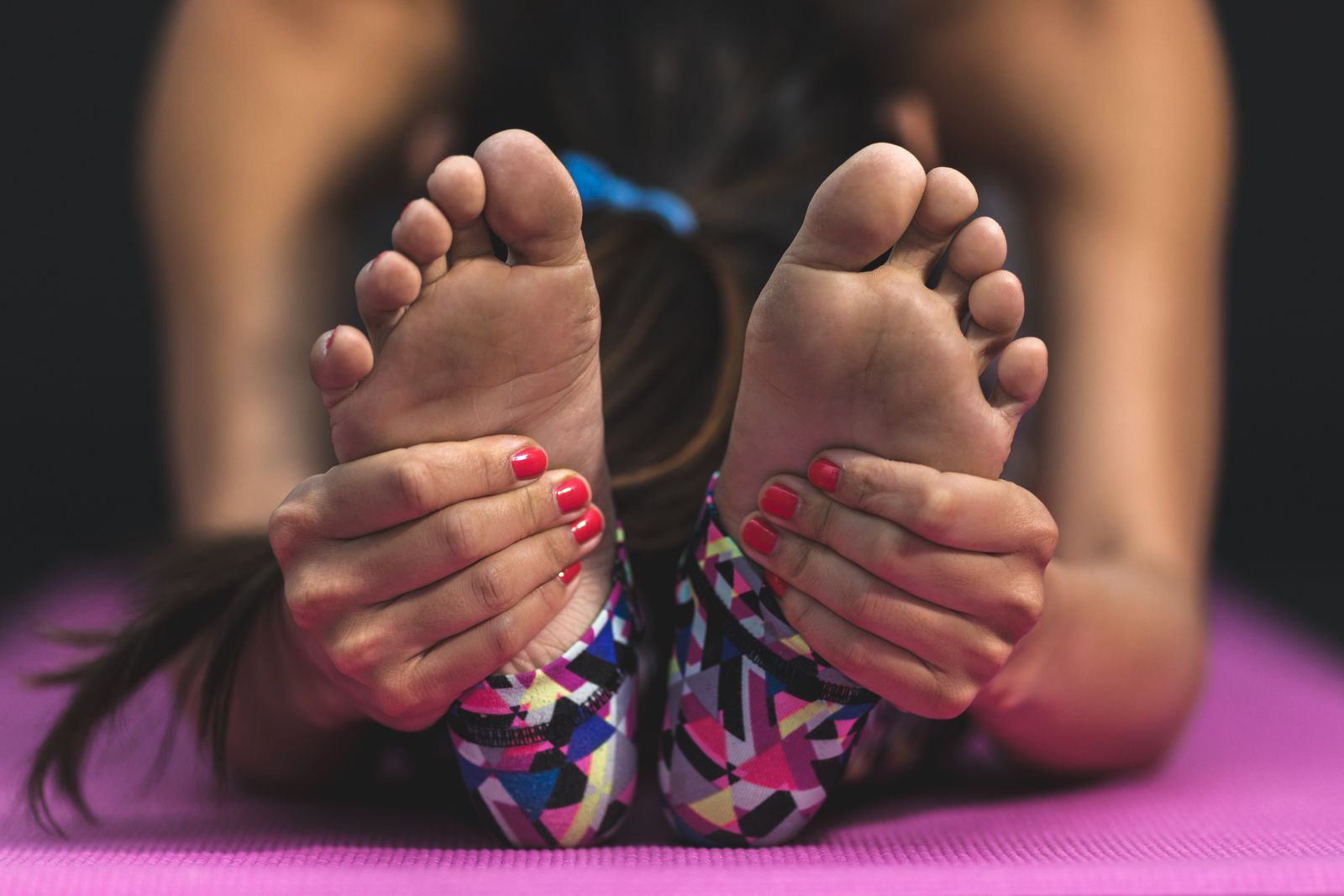
- Seated poses: Support hip flexibility and are often used for pranayama and meditation, such as Sukhasana (Easy Pose) and Paschimottanasana (Seated Forward Fold).
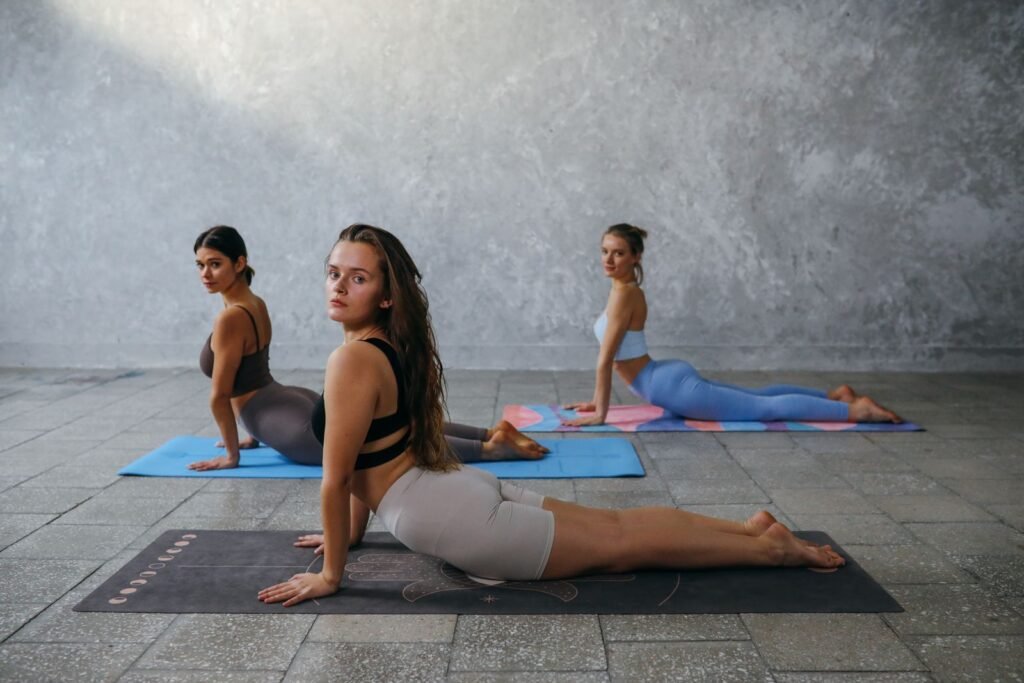
- Backbends: Open the chest and strengthen the spine’s supporting muscles, including Bhujangasana (Cobra Pose) and Ustrasana (Camel Pose).
- Forward folds: Stretch the hamstrings and lower back while calming the nervous system, such as Uttanasana (Standing Forward Fold).
- Twists: Improve spinal mobility and are commonly used to aid digestion, like Ardha Matsyendrasana (Half Lord of the Fishes Pose).
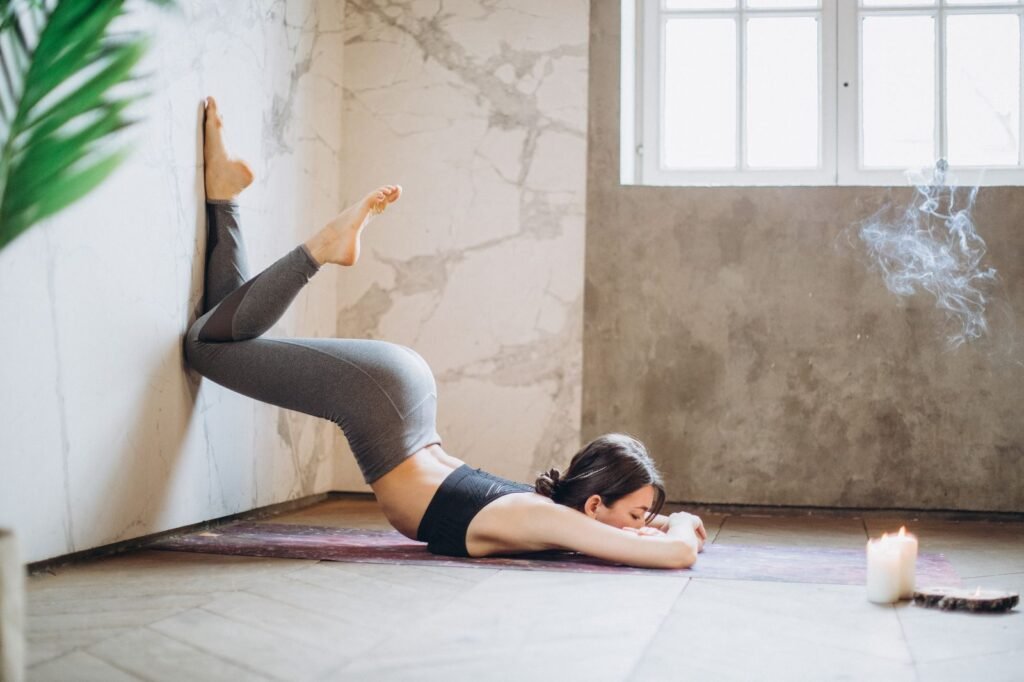
- Inversions: Reverse the usual relationship between head and heart, ranging from beginner-friendly Viparita Karani (Legs-Up-the-Wall) to advanced Sirsasana (Headstand).
- Balancing poses: Build core stability and concentration, such as Vrksasana (Tree Pose) and Bakasana (Crow Pose).
- Restorative and relaxation poses: Use props and gravity to release tension, most notably Savasana (Corpse Pose), which typically closes every class.
Understanding these categories helps explain why a well-rounded class or home routine touches several of them rather than staying in one family of movement. For a deeper look at how these poses fit into broader practice styles, see our guide to the types of yoga.
What Is the 84 Yoga Asanas List, and Where Does It Come From?
The number 84 shows up repeatedly in yoga tradition, most famously in the commonly cited legend that Lord Shiva, regarded in yogic lore as the first yogi, taught 8.4 million possible postures, with 84 considered the most significant for human practice. This figure is best understood as a traditional teaching device rather than a verified historical count. Classical texts like the Hatha Yoga Pradipika and later compilations such as the Gheranda Samhita reference 84 asanas as a symbolically complete set, though the specific poses named vary between texts.
In practice, very few modern practitioners work through a literal list of 84 named poses; most schools, whether hatha, Ashtanga, or vinyasa, draw on a working vocabulary of 30 to 50 commonly taught asanas. Treat any “84 yoga asanas list” you find online as a traditional reference point illustrating the historical scope of the practice, not a checklist to complete.
What Are the Easiest Yoga Asanas for Beginners?
Easy yoga asanas require minimal flexibility or strength to hold safely, making them the natural entry point for anyone new to the practice. A sensible beginner sequence includes Tadasana (Mountain Pose) for posture and grounding, Balasana (Child’s Pose) for gentle spinal release, Marjaryasana-Bitilasana (Cat-Cow Pose) for spinal mobility, Adho Mukha Svanasana (Downward-Facing Dog) for a full-body stretch, and Sukhasana (Easy Pose) for comfortable seated breathing. None demand advanced flexibility, and all can be modified with props like blocks or a folded blanket if the full expression feels out of reach at first.
The most useful habit for beginners isn’t memorizing pose names, it’s learning to distinguish a productive stretch from a warning sign of strain, since pushing too hard, too soon causes most early yoga injuries. Our beginner yoga poses guide walks through which poses to prioritize in your first few weeks.
What Are Some Simple Yoga Asanas You Can Practice Daily?
Simple yoga asanas suited to a short daily practice combine a standing pose, a seated pose, and a restorative pose so the body gets a balanced dose of strength, stretch, and calm in a compact routine. A practical 10-minute daily set might include Tadasana for grounding, Virabhadrasana I (Warrior I) for leg strength, Trikonasana (Triangle Pose) for a side-body stretch, Balasana for spinal release, and Savasana to close. This kind of short, repeatable sequence is far more sustainable than an ambitious hour-long routine that gets skipped on busy days.
Consistency matters more than duration when building a habit; five focused minutes practiced daily will do more for flexibility and stress reduction over a month than one long session squeezed in occasionally. Our morning yoga routine guide offers a template you can adapt to your own schedule.
What Are the Best Standing Yoga Asanas?
Standing yoga asanas form the backbone of most vinyasa and hatha classes because they build the leg strength, hip stability, and balance that support every other category of pose. Key standing asanas include:
- Tadasana (Mountain Pose): The foundational standing posture that teaches proper alignment from feet to crown of the head.
- Virabhadrasana I, II, and III (Warrior I, II, III): A family of lunge-based poses that build leg strength, hip opening, and balance in progressively more challenging variations.
- Trikonasana (Triangle Pose): A side-bending stretch that opens the hips, hamstrings, and side body simultaneously.
- Vrksasana (Tree Pose): A single-leg balance that develops focus and ankle, knee, and hip stability.
- Utkatasana (Chair Pose): An isometric squat-like hold that quickly fatigues the quadriceps and glutes.
- Ardha Chandrasana (Half Moon Pose): A more advanced balance combining a standing leg, a lifted leg, and a rotated torso.
Standing poses are often taught early in a class sequence because they warm the body and establish the alignment principles, like grounding through the feet and lengthening the spine, that carry through into more complex poses later. For a full breakdown of this category, see our guide to standing yoga poses.
What Are the Most Common Yoga Asanas With Their Names?
People searching for “yoga asanas with name” usually want to connect the Sanskrit terms they hear in class with the English pose names they already recognize. Frequently taught asanas, paired with both names, include Tadasana (Mountain Pose), Adho Mukha Svanasana (Downward-Facing Dog), Bhujangasana (Cobra Pose), Balasana (Child’s Pose), Paschimottanasana (Seated Forward Fold), Setu Bandhasana (Bridge Pose), Vrksasana (Tree Pose), Bakasana (Crow Pose), Dhanurasana (Bow Pose), and Halasana (Plow Pose).
Learning both names has practical value beyond trivia: Sanskrit names stay consistent across most yoga traditions worldwide, so knowing them makes it easier to follow a class taught by an instructor from a different lineage or country. Our full yoga poses names reference covers a wider list with pronunciation guidance.
What Are Advanced Yoga Asanas, and Who Should Attempt Them?
Advanced yoga asanas require a combination of strength, flexibility, balance, and body awareness typically built over months or years of consistent practice, and they carry meaningfully higher injury risk without that foundation. Common advanced poses include Sirsasana (Headstand), Pincha Mayurasana (Forearm Stand), Eka Pada Rajakapotasana (One-Legged King Pigeon Pose), Natarajasana (Dancer’s Pose) in its full expression, and deep backbends like Urdhva Dhanurasana (Wheel Pose) progressing toward Kapotasana.
Experienced teachers generally advise building the prerequisite strength and mobility in simpler poses first, rather than forcing an advanced shape before the body is ready. A student working toward Sirsasana, for example, typically spends weeks building shoulder and core strength through Dolphin Pose before ever lifting into a full headstand without a wall. Working with an experienced instructor, whether in person or through structured vinyasa or Ashtanga training, meaningfully reduces injury risk compared to attempting advanced poses from video alone.
What Are the Benefits of Yoga Asanas?
Yoga asanas and benefits go hand in hand, since the physical postures are designed to produce specific effects on strength, flexibility, and the nervous system, not just create an aesthetically pleasing shape.
- Improved flexibility and joint mobility: Regular practice gradually increases range of motion in the hips, shoulders, and spine.
- Increased strength: Many asanas use bodyweight resistance, building muscular endurance in the core, legs, and upper body.
- Better posture: Poses like Tadasana and Bhujangasana train postural alignment that carries over into daily sitting and standing.
- Stress reduction: The combination of movement and breath awareness activates the parasympathetic nervous system, supporting relaxation.
- Improved balance and coordination: Single-leg and balancing poses sharpen proprioception, which is particularly valuable as we age.
- Support for specific health goals: Twists are commonly associated with digestive support, forward folds with calming the mind, and backbends with counteracting the effects of prolonged sitting.
For a broader look at how these effects compare across yoga styles, our benefits of yoga guide covers the full picture beyond just the physical postures.
Can Yoga Asanas Help Reduce Belly Fat?
Yoga asanas can support a reduction in belly fat when combined with an overall active lifestyle and mindful eating, though no single pose or sequence “spot reduces” fat from the midsection specifically; that remains true across all forms of exercise, not just yoga. Asanas that engage the core intensely, such as Naukasana (Boat Pose), Dhanurasana (Bow Pose), and dynamic sequences of Surya Namaskar (Sun Salutations), build abdominal strength and can contribute to a higher overall calorie expenditure during practice, which supports fat loss as part of a broader calorie deficit.
The more realistic framing is that consistent asana practice supports the conditions that make fat loss achievable: better stress management (chronically high cortisol is linked to abdominal fat storage), improved sleep quality, and a stronger core that makes the midsection look more toned as overall body fat decreases. Pairing three to four sessions a week of core-focused asanas with attention to diet and general daily activity is a realistic approach, rather than expecting any single pose to target belly fat in isolation.
How Do You Practice Yoga Asanas Safely?
Safe asana practice starts with a proper warm-up, since moving into deep stretches or strength-intensive poses on cold muscles is a common cause of strains. A good warm-up includes a few rounds of Cat-Cow, gentle neck rolls, and a couple of easy Sun Salutations before attempting more demanding poses. Within each pose, the priority should always be maintaining Patanjali’s original definition, steady and comfortable, rather than chasing the deepest possible version of a shape.
Other practical safety principles include never forcing a stretch to the point of sharp pain, using props like blocks, straps, and bolsters to modify poses rather than skipping them entirely, and building advanced poses progressively rather than attempting them cold. Anyone with an existing injury, a chronic condition, or who is pregnant should consult a physician and consider styles built for their situation, such as prenatal yoga or restorative yoga, rather than a general vigorous class.
How Many Yoga Asanas Should a Beginner Learn First?
A beginner doesn’t need to learn dozens of poses before starting; a working vocabulary of 10 to 12 foundational asanas is enough to build a genuinely useful home practice. This starter set typically includes Tadasana, Adho Mukha Svanasana, Balasana, Bhujangasana, Marjaryasana-Bitilasana, Virabhadrasana II, Trikonasana, Vrksasana, Setu Bandhasana, Paschimottanasana, and Savasana. Once these feel familiar, most students are ready to explore twists, more advanced standing balances, and gentle inversions.
The order you learn poses in matters less than the quality of attention you bring to each one; spending an extra week getting comfortable in Downward-Facing Dog before moving on serves you better long-term than rushing through ten new poses in one session. Our guide to yoga for beginners lays out a more complete week-by-week progression.
How Do Yoga Asanas Fit Into a Complete Yoga Practice?
Asana is only the third of eight limbs described in Patanjali’s Yoga Sutras, following the ethical foundations of yama and niyama and preceding pranayama, or breath control. This sequencing isn’t arbitrary: the physical postures were traditionally meant to prepare the body to sit comfortably and steadily for the meditative limbs that follow, including pratyahara, dharana, dhyana, and ultimately samadhi. Many modern classes focus almost entirely on the physical postures, a legitimate practice in its own right, but understanding where asana sits within the larger eight-limbed path explains why classes traditionally end in Savasana rather than the most demanding pose.
If you’re interested in exploring beyond the physical postures, pairing your asana practice with basic pranayama techniques or reading about the eight limbs of yoga is a natural next step once the poses feel familiar.
How Should You Sequence Different Yoga Asanas in a Class?
A well-designed sequence of yoga asanas moves the body through a logical progression rather than jumping randomly between pose categories. A common structure starts with a gentle warm-up (Cat-Cow, easy twists), moves into Sun Salutations to build heat, progresses through standing poses for strength and balance, transitions to seated poses and forward folds to cool intensity, includes any backbends or inversions the practitioner is ready for, and closes with a short restorative segment ending in Savasana.
This sequencing matters because certain poses prepare the body for others; a few rounds of gentle backbending is far safer after the spine has already been warmed through standing poses than attempting a deep backbend cold. If you’re building your own home sequence, keeping this general arc in mind, warm-up, build, peak, cool down, rest, produces a safer, more satisfying practice than an unstructured collection of poses.
Questions People Ask About Yoga Asanas
What are yoga asanas?
Yoga asanas are the physical postures practiced in yoga, ranging from simple standing and seated poses to advanced balances, backbends, and inversions. The word “asana” is Sanskrit for “seat” and was originally used to describe a stable meditation position, though it now refers broadly to the entire vocabulary of poses used across modern yoga styles.
How many yoga asanas are there in total?
Traditional texts commonly cite 84 significant asanas, a number tied to a well-known legend involving the god Shiva, though this figure should be understood as a symbolic teaching reference rather than a precise historical count. In practice, most modern schools of yoga teach and regularly use a working vocabulary of roughly 30 to 50 common poses and their variations.
What is the easiest yoga asana for a complete beginner?
Tadasana, or Mountain Pose, is generally considered the easiest and most foundational yoga asana, since it simply involves standing with correct alignment and can be practiced by almost anyone regardless of fitness level. Balasana (Child’s Pose) and Sukhasana (Easy Pose) are also common first poses because they require minimal flexibility or strength.
Can yoga asanas help with weight loss?
Yoga asanas can support weight loss primarily through the calories burned during more vigorous sequences and the muscle they help build, which contributes to a healthier metabolism over time. They work best paired with attention to diet and overall activity levels rather than as a standalone weight-loss solution.
Do you need to learn Sanskrit names to practice yoga asanas?
No, Sanskrit names are helpful but not required to practice yoga safely and effectively. Many students practice for years using only English pose names. That said, learning the Sanskrit terms makes it easier to follow classes led by instructors from different training lineages, since Sanskrit names stay consistent across most yoga traditions worldwide.
How often should you practice yoga asanas to see results?
Most practitioners notice improved flexibility, strength, and stress levels within 4 to 8 weeks of practicing 3 to 4 times per week, though even a short daily practice of 10 to 15 minutes can produce noticeable benefits over time. Consistency across weeks matters more than the length or intensity of any single session.
Try This for Yourself
Reading through a list of yoga asanas only tells you so much, the real benefits, better flexibility, steadier balance, a calmer mind, only show up once you’re actually practicing the poses with proper guidance. FitStrot’s Online Yoga Classes give you instructor-led sessions with real-time cues and modifications, so you can build correct form from your very first practice, whether you’re just starting out or working toward more advanced asanas.
Related reading: Explore our full guide to yoga poses, learn the names of common yoga poses, build your foundation with standing yoga poses, or start from scratch with our yoga for beginners guide, and see the full picture in FitStrot’s Online Yoga Classes program.