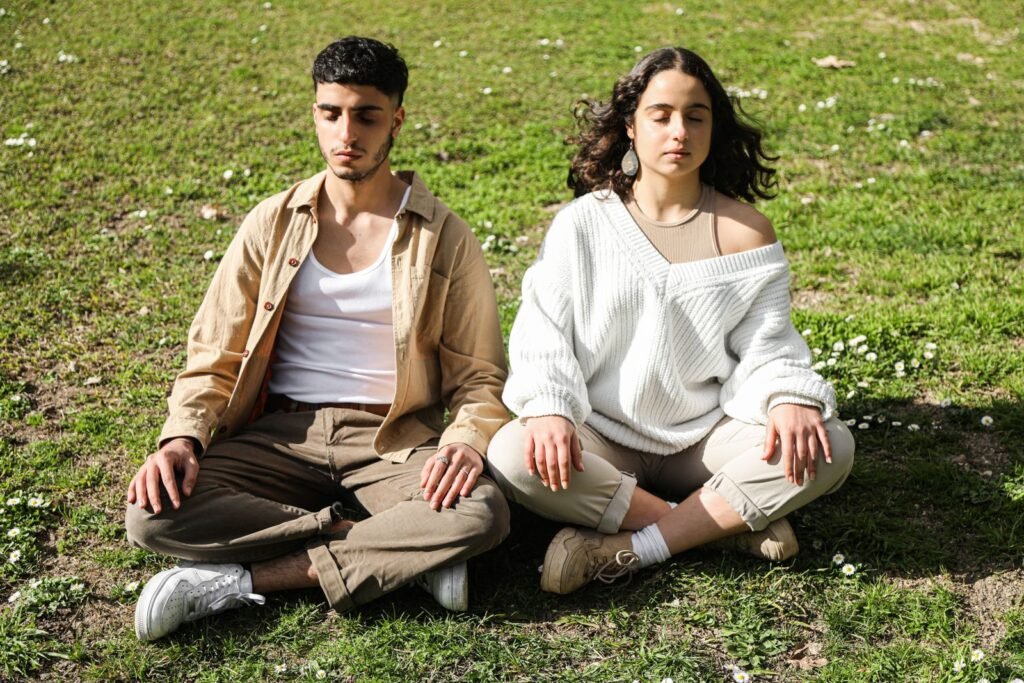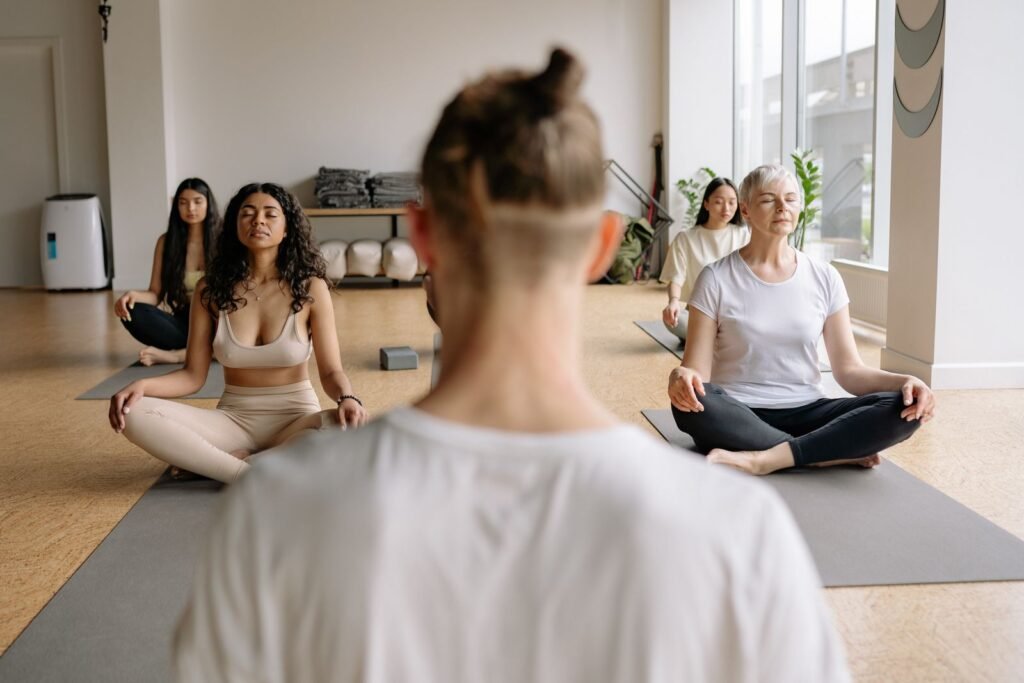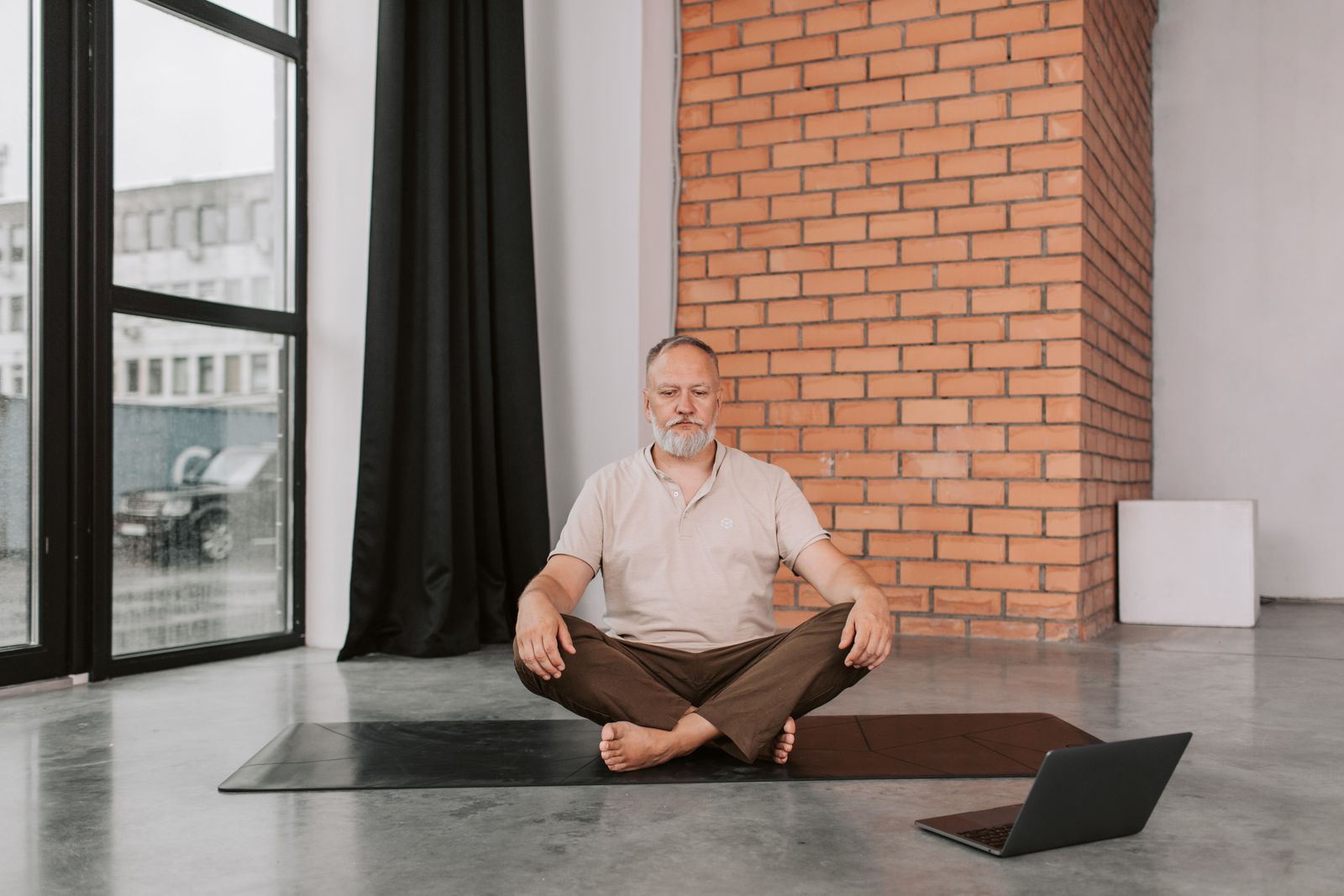
Kapalbhati is a yogic breathing technique (pranayama) that uses short, forceful exhales through the nose followed by passive inhales, performed while seated in a comfortable cross-legged position. The name comes from the Sanskrit words “kapal” (skull) and “bhati” (shining), and it is traditionally described as a practice that leaves the mind feeling clear and the head feeling light. It is widely practiced for its effects on breath control, core engagement, and mental alertness, and is one of the most searched pranayama techniques among yoga practitioners in India and abroad, popularized further by yoga teachers like Baba Ramdev.
What Is Kapalbhati Yoga?
Kapalbhati belongs to a group of six cleansing techniques in Hatha yoga known as the shatkarmas or shatkriyas. Unlike most pranayama practices, which emphasize slow, controlled breathing, kapalbhati is defined by rapid, active exhalations paired with completely passive inhalations. The abdominal muscles pump air out of the lungs in quick pulses, while the diaphragm relaxes and inhalation happens naturally in between. This makes kapalbhati more physically active than techniques like anulom vilom or bhramari pranayama, which are calmer and more meditative by comparison.
Some schools of yoga classify kapalbhati primarily as a cleansing kriya rather than a pranayama, since its main purpose is to clear the nasal passages and respiratory tract of stale air. Others teach it as a warm-up pranayama that prepares the lungs and nervous system for deeper practices such as breathing exercises and meditation. Either way, it is typically taught early in a yoga session, before asana practice or seated meditation begins.
How Do You Do Kapalbhati Yoga? (Step-by-Step)
Learning the correct technique matters more than speed when you are starting out. Here is a step-by-step approach for beginners:
- Sit in a comfortable cross-legged position such as Sukhasana, Padmasana, or Vajrasana, keeping your spine tall and your shoulders relaxed. If sitting on the floor is uncomfortable, you can sit on a chair with your feet flat on the ground.
- Rest your hands on your knees in a relaxed mudra, palms facing upward or downward, whichever feels natural.
- Close your eyes and take a few normal breaths to settle into the posture.
- Take one deep inhale through the nose to fill the lungs about 70-80 percent.
- Exhale forcefully and sharply through the nose by pulling your navel in towards the spine. This should be a quick, pumping action from the lower belly.
- Let the inhale that follows happen passively and naturally, without any effort, as the abdominal muscles release.
- Repeat this cycle of forceful exhale and passive inhale at a steady rhythm, starting with about one round per second.
- Begin with one round of 20-30 pumping breaths, rest, breathe normally, and then repeat for 2-3 rounds total.
Beginners are generally advised to start with short rounds of 20-30 breaths and gradually build up over several weeks of consistent pranayama practice, rather than attempting long, fast rounds immediately.
What Are the Benefits of Kapalbhati Yoga?
Kapalbhati is commonly practiced for a combination of respiratory, physical, and mental benefits. Several of these effects are described consistently across traditional yoga texts and modern yoga teaching, though individual results vary and kapalbhati should be viewed as a complementary practice alongside a balanced lifestyle rather than a standalone treatment for any condition.
Respiratory and Lung Benefits
The rapid, forceful exhalations in kapalbhati actively work the diaphragm and abdominal muscles, which can help improve the strength and efficiency of the breathing muscles over time. Many practitioners report that the nasal passages feel clearer after practice, since the forceful exhale helps push out trapped air and mucus from the airways.
Core and Abdominal Engagement
Because each exhale is powered by contracting the lower abdominal muscles, regular kapalbhati practice can serve as a subtle form of core conditioning. This is one reason the technique is sometimes discussed alongside physical fitness goals in addition to its traditional spiritual purpose.
Mental Clarity and Focus
The name “shining skull” reflects the traditional belief that this practice creates a sense of alertness and clarity in the mind. The quick, rhythmic breathing pattern is often described as energizing, which is why kapalbhati is traditionally practiced in the morning rather than in the evening before sleep.
Stress and Nervous System Effects
While kapalbhati itself is activating, many practitioners follow it with calming techniques like anulom vilom (alternate nostril breathing) to balance the nervous system afterward. This pairing of an energizing practice followed by a calming one is a common sequencing principle in pranayama for beginners routines.
What Is the Correct Kapalbhati Yoga Pose?
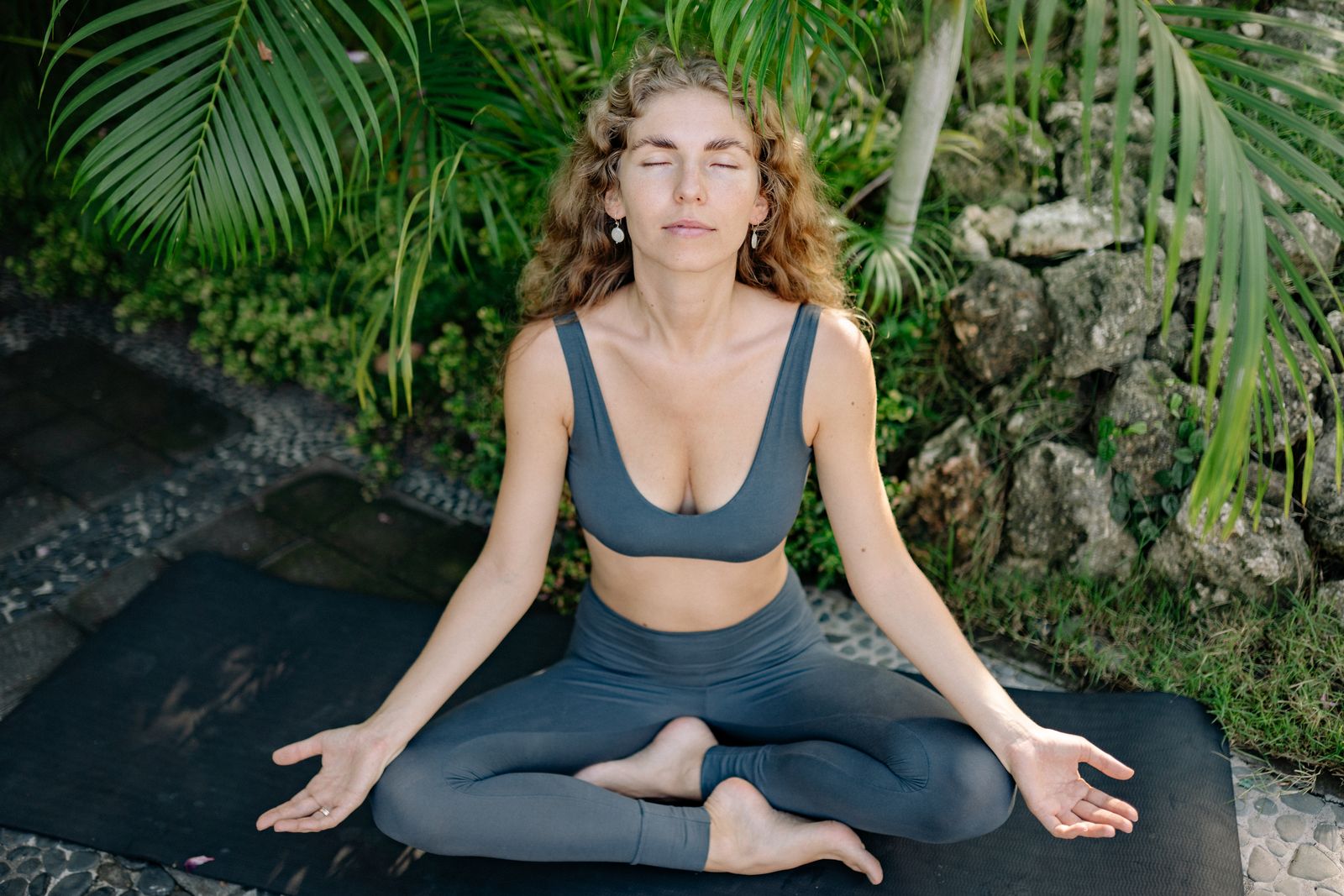
The seated posture for kapalbhati matters because a slouched spine restricts the diaphragm’s ability to move freely. The most commonly taught positions are:
- Sukhasana (Easy Pose): A simple cross-legged seat, ideal for beginners and those with limited hip flexibility.
- Padmasana (Lotus Pose): A more advanced cross-legged posture that provides a very stable base, generally suited to practitioners with more experience.
- Vajrasana (Thunderbolt Pose): Kneeling with the hips resting on the heels, sometimes preferred because it naturally keeps the spine erect.
Whichever posture you choose, the spine should remain straight and elongated throughout the practice, with the chest gently lifted and the shoulders relaxed away from the ears. This same postural principle applies broadly across seated practices, including meditation poses and other pranayama techniques.
How Is Kapalbhati Different From Other Pranayama Techniques?
Pranayama is a broad category that includes many distinct breathing patterns, and kapalbhati stands out because of its emphasis on active, forceful exhalation. In contrast, techniques like anulom vilom use slow, controlled breathing through alternating nostrils to calm the nervous system, and bhramari pranayama uses a humming exhale to create a soothing vibration effect. Ujjayi breath, often used during asana practice, involves a slight constriction at the back of the throat to create an audible, ocean-like sound on both the inhale and exhale. Kapalbhati is generally considered one of the more physically demanding pranayama techniques, and is often introduced only after a practitioner is comfortable with basic breathing exercises and diaphragmatic breathing.
Who Should Avoid Kapalbhati Yoga?
Kapalbhati is a forceful practice that increases intra-abdominal pressure, so it is not appropriate for everyone. It is commonly advised that the following groups avoid or modify the practice, and consult a qualified yoga teacher or physician before starting:
- Pregnant individuals, due to the increased pressure on the abdominal region
- People with high blood pressure or heart conditions
- Anyone with a hernia, recent abdominal surgery, or ulcers
- People with epilepsy, vertigo, or a history of stroke
- Individuals during menstruation, as some teachers recommend avoiding forceful abdominal work during this time
- Those with a detached retina or other significant eye conditions, since the internal pressure changes can affect the eyes
If you are new to pranayama or have any underlying health condition, it is always best to learn kapalbhati directly under the guidance of a certified online yoga classes instructor rather than from videos alone, so your form and pace can be corrected in real time.
How Kapalbhati Yoga Ke Fayde Are Traditionally Described (In Hindi Context)
In Hindi-language yoga teaching, kapalbhati ke fayde (the benefits of kapalbhati) are usually explained in terms of fefdon ki safai (cleansing of the lungs), pet ki charbi kam karna (reducing abdominal fat with consistent long-term practice), and dimag ko taiz karna (sharpening mental focus). This framing has been popularized widely through yoga camps and television programs led by teachers such as Baba Ramdev, who has taught kapalbhati as part of a broader daily pranayama sequence for general wellness. As with any traditional practice, these described benefits should be understood as commonly cited outcomes of consistent, correctly guided practice rather than guaranteed medical results.
How Kapalbhati Yoga Kaise Kiya Jata Hai (Common Beginner Instructions)
For Hindi-speaking beginners searching for “kapalbhati yoga kaise kiya jata hai,” the instruction typically follows the same core method described earlier: sit in a comfortable asana with a straight spine, take a normal breath in, and then exhale sharply through the nose by pulling the navel in towards the spine, letting the inhale happen on its own. Teachers commonly suggest practicing on an empty stomach, ideally first thing in the morning, and building up gradually from short rounds to longer ones as comfort and lung capacity increase.
How Many Rounds and How Often Should You Practice Kapalbhati?
Consistency and correct pace matter more than speed or duration when you are building a kapalbhati practice. A typical beginner-friendly structure looks like this:
- Weeks 1-2: 2-3 rounds of 20 pumping breaths each, with rest in between, once daily
- Weeks 3-4: 2-3 rounds of 40-50 pumping breaths each, once daily
- Beyond one month: Gradually increasing round length as guided by an experienced teacher, while continuing to prioritize correct form over speed
Practicing on an empty stomach, ideally in the early morning, is the most commonly recommended timing. This is also when many practitioners combine kapalbhati with other elements of a full morning yoga routine, including gentle warm-up stretches and a seated meditation to close the practice.
What Common Mistakes Should Beginners Avoid?
Several common errors can reduce the benefits of kapalbhati or make the practice uncomfortable:
Forcing the Inhale
The inhale in kapalbhati should always be passive and effortless. Beginners often mistakenly try to actively pull air in, which disrupts the natural rhythm and can cause dizziness.
Moving the Shoulders or Chest
The pumping action should come entirely from the lower abdomen. If your shoulders or chest are visibly moving up and down with each breath, the technique needs to be slowed down and refined.
Practicing Too Fast, Too Soon
Building speed before mastering the fundamental pumping action is a common cause of lightheadedness. It is far more effective to practice slowly and correctly for several weeks before increasing pace.
Practicing on a Full Stomach
Because kapalbhati involves strong abdominal contractions, practicing soon after a meal can cause discomfort or nausea. Most teachers recommend waiting at least 3-4 hours after eating.
How Does Kapalbhati Fit Into a Broader Pranayama and Meditation Practice?
Kapalbhati is rarely taught as an isolated exercise. In most traditional sequences, it is practiced early in a session because of its energizing, activating quality, and is often followed by calmer techniques to bring the nervous system back to balance. A typical sequence might begin with a few rounds of kapalbhati, move into anulom vilom for balance, and close with a calming practice like bhramari pranayama or a few minutes of silent meditation. Understanding where kapalbhati fits within this larger arc is part of what makes structured guidance, such as that offered by a 1-1 personal training or certified yoga instructor, valuable for building a sustainable daily practice rather than an isolated habit.
Many practitioners also use hand gestures, or yoga mudras, during the resting phase between rounds of kapalbhati to deepen focus and intention. Common choices include Gyan Mudra or Chin Mudra, both of which are simple to learn and widely used across seated pranayama and meditation practices.
Can Kapalbhati Support Weight Management Goals?
Kapalbhati is often mentioned alongside weight management because of its vigorous abdominal engagement, and some practitioners find it a useful addition to a broader fitness routine. However, it should not be treated as a replacement for structured exercise or a balanced diet. For meaningful, sustainable results, kapalbhati is best combined with strength-focused sessions such as one to one resistance training sessions, cardio-based classes, and a nutrition plan suited to your goals, rather than relied upon as a stand-alone solution.
Questions People Ask About Kapalbhati
Is Kapalbhati the Same as Pranayama?
Kapalbhati is one specific technique within the broader category of pranayama, though some yoga traditions classify it as a cleansing kriya rather than a true pranayama because its emphasis is on forceful exhalation rather than controlled, rhythmic breath regulation. Both classifications are used in different schools of yoga, and the practice itself remains the same regardless of the label used.
How Long Should a Beginner Practice Kapalbhati Each Day?
Beginners are generally advised to start with 2-3 rounds of about 20-30 pumping breaths each, once daily, with rest between rounds. This can gradually increase to longer rounds over several weeks as comfort, breath control, and core strength improve, ideally under the guidance of an experienced teacher.
Can Kapalbhati Be Practiced in the Evening?
Kapalbhati is traditionally practiced in the morning because of its energizing, activating effect on the mind and body. Practicing it late in the evening may make it harder to wind down for sleep, so most teachers recommend reserving calming practices like anulom vilom for the evening instead.
Does Kapalbhati Help With Sinus Issues?
Many practitioners report that kapalbhati helps clear the nasal passages because the forceful exhalation pushes air rapidly through the sinuses and nostrils. It is often mentioned alongside other cleansing practices for nasal comfort, though anyone with a diagnosed sinus condition should check with a physician before adding forceful breathing techniques to their routine.
What Should I Do If I Feel Dizzy During Kapalbhati?
If you feel dizzy or lightheaded while practicing, stop immediately, return to normal breathing, and rest in a seated or lying position until the sensation passes. Dizziness usually signals that the pace was too fast or the technique wasn’t yet suited to your current fitness level, so it’s best to slow down significantly and rebuild gradually with guidance.
Try This for Yourself
Reading about kapalbhati is a useful starting point, but the technique is best learned with real-time feedback on your posture, pace, and breath control. If you would like structured, guided instruction in kapalbhati alongside a full pranayama and asana practice, explore FitStrot’s online yoga classes and practice safely with an experienced instructor from the comfort of your home.
Related reading: Anulom Vilom Pranayama, Bhramari Pranayama Benefits, Breathing Exercises for Beginners, Yoga Mudras Explained, and FitStrot Online Yoga Classes.