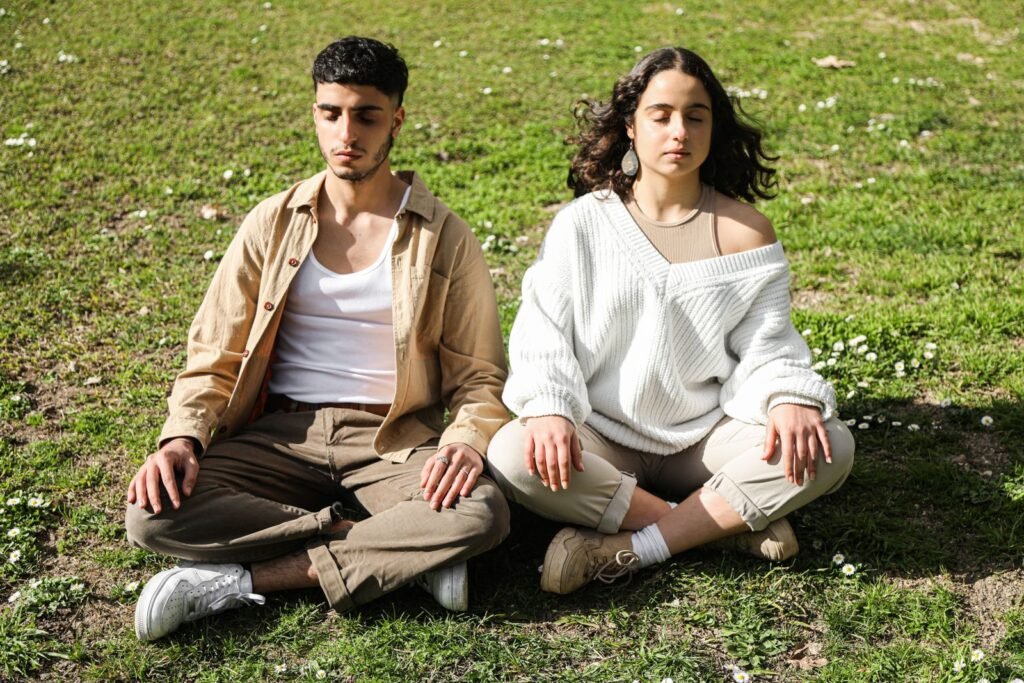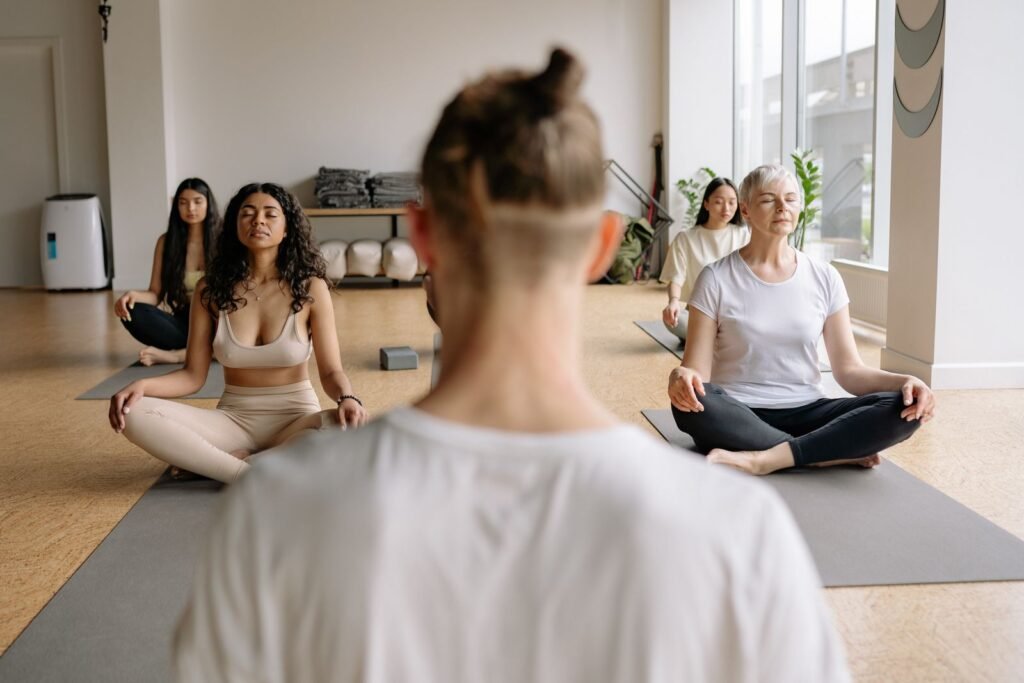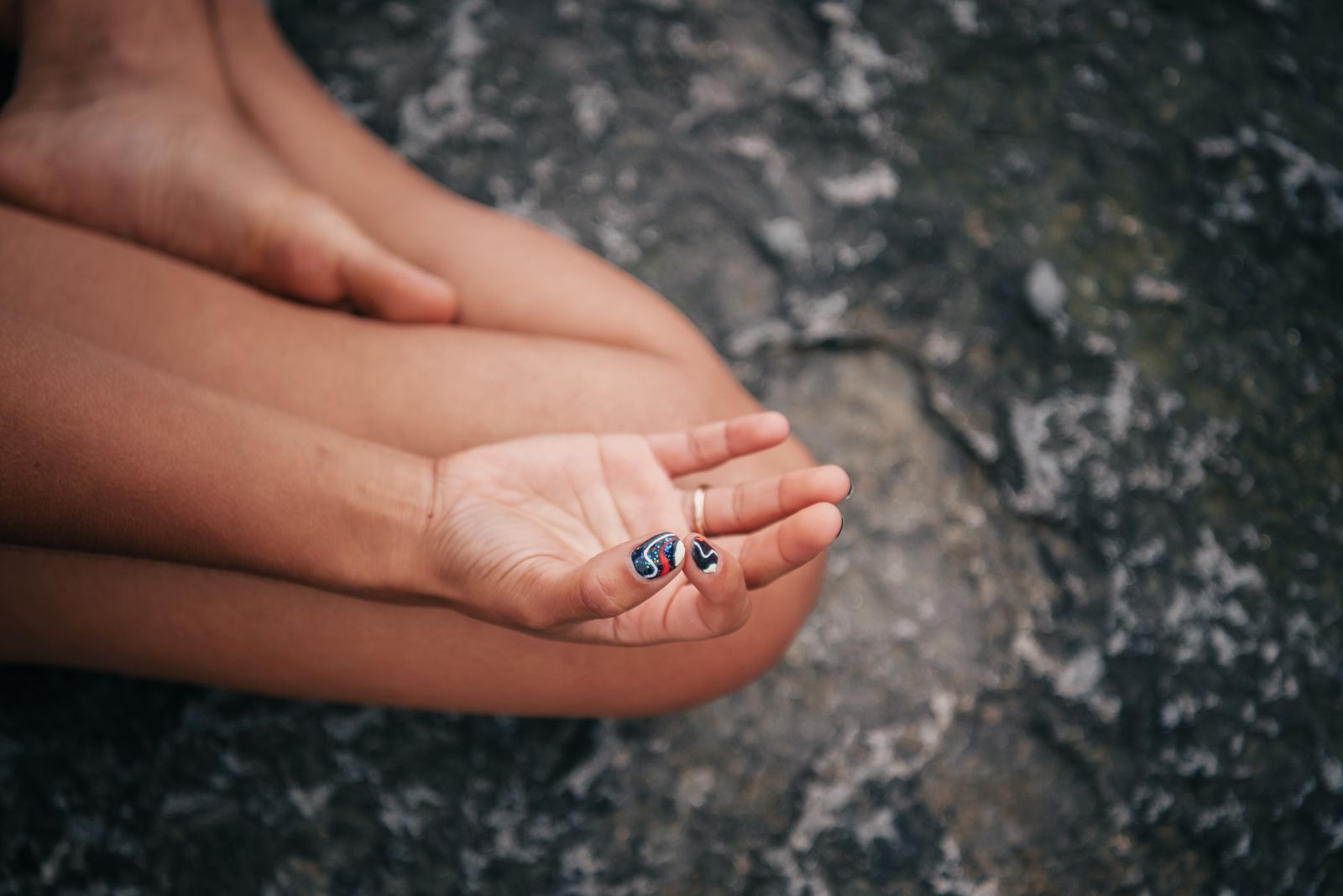
A yoga mudra is a symbolic hand or body gesture used in yoga and meditation to direct the flow of prana (life energy) through the body, calm the nervous system, and deepen focus during breathwork or seated practice. The word comes from Sanskrit and is commonly translated as “seal,” “gesture,” or “mark.” In practice, a mudra is formed by touching the fingertips together in specific patterns, each believed to correspond to one of the five elements — earth, water, fire, air, and space — that traditional yoga philosophy maps onto the fingers. Mudras can be as simple as joining the thumb and index finger in Gyan Mudra, or as involved as a full-body posture like Yoga Mudrasana. They are used across hatha yoga, pranayama, and meditation as a low-effort, high-focus tool that almost anyone can practice, seated anywhere, for as little as five minutes a day.
What Does “Mudra” Actually Mean in Yoga?
In the yogic tradition, mudra refers to a deliberate positioning of the hands, fingers, eyes, or whole body that is said to “seal” energy within the body rather than let it dissipate outward. Classical hatha yoga texts such as the Hatha Yoga Pradipika and Gheranda Samhita describe dozens of mudras, many combined with bandhas (internal energy locks) and pranayama (breath control). Modern yoga teaching has narrowed the popular use of the word mostly to hand gestures, or hasta mudras, because they are the easiest to practice anywhere — at a desk, on a commute, or during seated meditation. Whether or not you subscribe to the energetic framework, the physical act of holding a precise hand position does something measurable: it gives the mind a small, specific task to focus on, which is one reason mudra practice is often paired with breath awareness and used as a gateway into deeper meditation.
How Are Mudras Different from Asanas and Pranayama?
Asana refers to a physical posture, pranayama to breath regulation, and mudra to a gesture or seal — usually of the hands, though some mudras involve the whole body. The three are meant to work together rather than as separate practices. A typical seated meditation session might combine a comfortable asana like Sukhasana (easy pose), a pranayama technique such as Vayu Mudra-supported breathing, and a specific mudra to complete the loop. Where asana works the body and pranayama works the breath, mudra is often described as working the mind — a subtle anchor that keeps attention from wandering during long sits. This is why mudras appear so frequently in online yoga classes that focus on meditation and breathwork rather than vigorous movement.
What Is Yoga Mudrasana (The Psychic Union Pose)?
Yoga Mudrasana, sometimes called the Psychic Union Pose, is a seated forward-bending asana rather than a simple hand gesture — it is one of the few postures that carries “mudra” in its name because of its symbolic role in sealing energy at the base of the spine. To practice it, sit in Padmasana (lotus pose) or a comfortable cross-legged position, bring the arms behind the back, hold one wrist with the opposite hand, then exhale and fold forward until the forehead approaches the floor. It is commonly taught as a way to stimulate digestion, stretch the spine, and quiet the mind at the end of a seated sequence. Because it requires a folded-leg position and a spinal forward fold, it is generally avoided during pregnancy, with knee injuries, or with uncontrolled high blood pressure — anyone with these conditions should modify or skip the pose and consult a qualified teacher or physician first. For a broader look at how it fits alongside other seated postures, see our guide to mudras and their benefits.
What Are the Most Common Yoga Mudras and Their Meanings?
While traditional texts list many dozens of mudras, a handful are taught most often in modern classes because they are simple to learn and easy to sustain during meditation:
- Gyan Mudra (Mudra of Knowledge): thumb and index finger touch, other three fingers extended. Associated with focus, calm, and clarity; the most widely taught mudra in beginner classes. Read more in our dedicated Gyan Mudra guide.
- Vayu Mudra (Air Mudra): index finger folded to the base of the thumb, thumb pressed over it. Traditionally used to help settle excess “air element” in the body, often cited alongside bloating, gas, and joint discomfort. See our full Vayu Mudra breakdown.
- Prithvi Mudra (Earth Mudra): thumb and ring finger touch. Linked to grounding and stability.
- Prana Mudra (Life Mudra): thumb, ring finger, and little finger touch. Associated with vitality and revitalizing tired eyes and low energy.
- Apana Mudra: thumb touches the middle and ring fingers. Traditionally connected to elimination and detoxification.
- Shunya Mudra (Mudra of Emptiness/Sky): middle finger folds under the thumb. Sometimes used to address ringing in the ears.
- Surya Mudra (Sun Mudra): ring finger folds under the thumb. Associated with metabolism and warmth in the body.
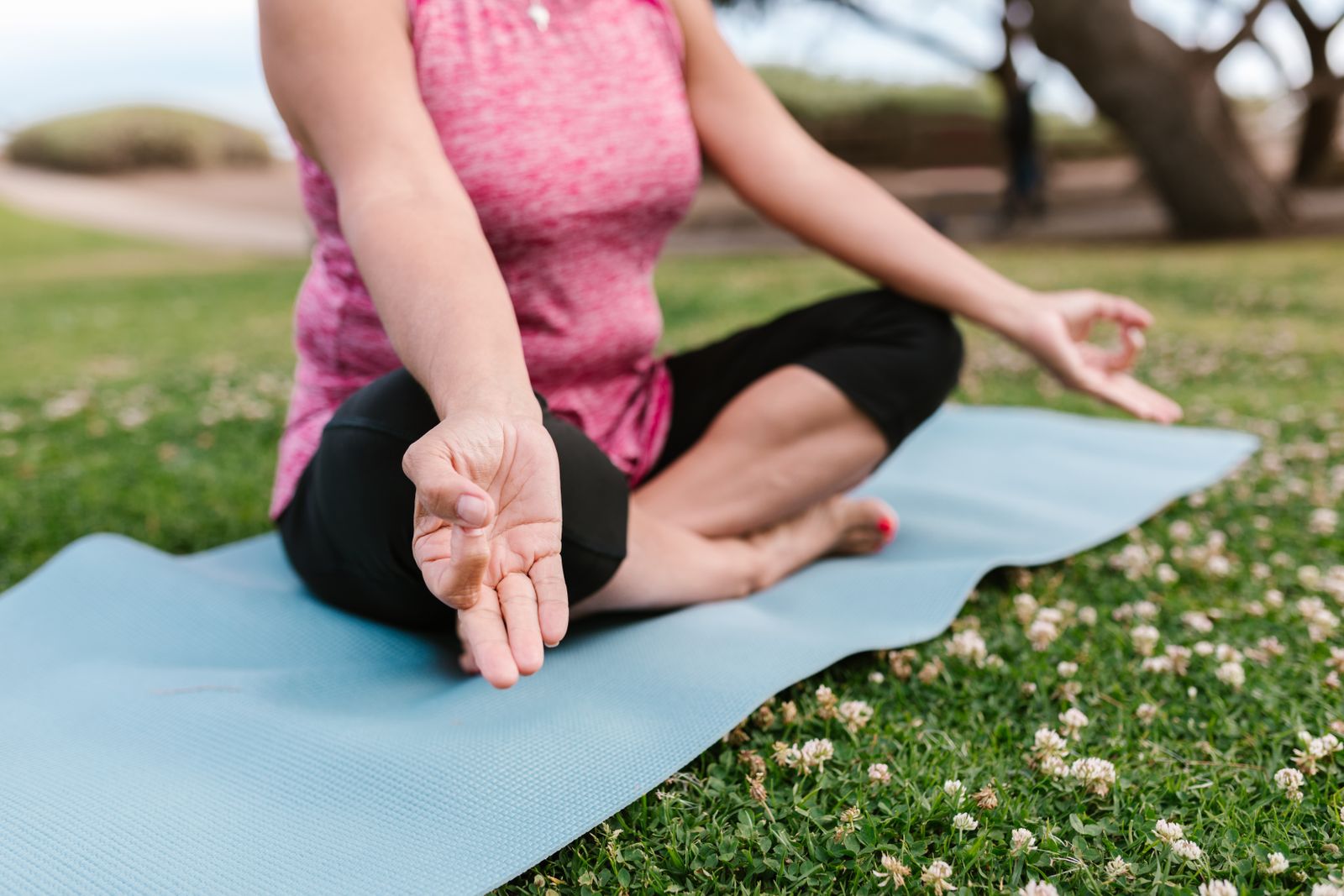
These are almost always practiced seated, with the hands resting on the knees, palms facing upward, while breathing slowly and evenly for several minutes at a time.
Is There a Yoga Mudra for Headaches?
Several mudras are traditionally recommended for headache and tension relief, most notably Mahasirsa Mudra (“Mudra of the Great Head”), which combines finger positions said to draw excess air and heat away from the head. It is typically practiced by folding specific fingers of both hands into a combined lock and holding the position for several minutes while breathing slowly through the nose in a quiet, seated position. Gyan Mudra and Prana Mudra are also commonly taught for tension headaches because of their calming, grounding association. It’s worth being clear-eyed here: these techniques are traditionally used as a complementary relaxation practice alongside rest, hydration, and normal headache care, not as a replacement for medical evaluation of frequent or severe headaches. If you experience recurring migraines or severe head pain, see a doctor rather than relying on mudra practice alone. For general stress-related tension, pairing a hand mudra with slow breathing and a few minutes in a quiet room is a reasonable low-risk addition to your routine, and it pairs well with practices covered in our guide to yoga for stress relief.
Can Yoga Mudras Help with Weight Loss?
Certain mudras — most often Surya Mudra and Apana Mudra — are traditionally associated with supporting metabolism and digestion, which is why they get searched alongside weight loss. There is no clinical evidence that holding a hand gesture burns calories or directly reduces body fat, and no mudra should be treated as a weight-loss method on its own. What mudra practice can reasonably contribute is a calmer relationship with stress-eating and better body awareness when it’s combined with an active lifestyle, since chronic stress is a well-documented factor in weight management difficulties. If weight loss is the goal, a mudra practice works best as a small addition alongside a full movement routine — see our guides on yoga for weight loss and vinyasa yoga for the physical-activity side of the equation, and consider it a mindset support rather than a mechanism.
What Does Lord Shiva’s Yoga Mudra Represent?
Images of Lord Shiva seated in deep meditation, often shown with hands in Gyan Mudra or Chin Mudra, are among the most searched visual references for yoga mudra because Shiva is traditionally regarded in Indian philosophy as Adiyogi — the first yogi — and the origin point of yogic knowledge. These depictions typically show Shiva seated in Padmasana with eyes half-closed, spine erect, and a specific hand mudra resting on the knee, symbolizing complete stillness of mind and mastery over the senses. The imagery is used widely in yoga studios and meditation spaces as a visual reminder of the meditative state mudra practice aims toward, rather than as a literal instructional guide. If you’re looking for reference images of specific hand positions to practice from, our mudras and benefits guide includes labeled photos of the major hand positions.
How Do You Practice Mudras Correctly?
Getting a mudra “right” is less about rigid precision and more about consistency and stillness. General guidance that applies across most hand mudras:
- Sit in a comfortable cross-legged position or on a chair with the spine upright — comfort matters more than a perfect lotus pose.
- Rest the backs of the hands on the knees or thighs, palms facing upward, unless the specific mudra calls for a different placement.
- Form the finger position gently — there should be light contact, not hard pressing.
- Keep the remaining fingers relaxed and extended rather than stiff.
- Breathe slowly through the nose and hold the mudra for at least 5 minutes; many traditional teachings suggest working up to 15–45 minutes for deeper effects, though even a few minutes daily is a reasonable starting point.
- Practice on an empty stomach or at least an hour after eating, ideally at the same time each day to build a habit.
Consistency matters far more than duration when you’re starting out. Five focused minutes daily will teach you more about the practice than one distracted 30-minute session.
Where Can You Find Yoga Mudra Images with Names?
Because mudras are visual and positional, most learners find labeled reference images more useful than text descriptions alone — it’s much easier to match your fingers to a photo than to parse “thumb touches the tip of the ring finger while the other three extend.” When looking for yoga mudra images with names, look for sources that show a clear, close-up hand photo alongside the Sanskrit name, the English translation, and the associated element or benefit. Our own mudras and benefits resource is organized this way, with each major hand position photographed and labeled so you can practice along without guessing. If you’re building a personal reference sheet, grouping mudras by the finger involved (thumb-to-index, thumb-to-middle, thumb-to-ring, thumb-to-little-finger) is a simple way to remember which is which.
Yoga Mudra Names and Meanings in Regional Languages
Mudra practice is taught and searched in many Indian languages beyond English, reflecting how deeply rooted this practice is across the subcontinent. In Hindi, “yoga mudra” is generally understood the same way — as “योग मुद्रा,” a hand or body gesture used in yoga and meditation to direct energy and support focus. The core concepts (Gyan Mudra, Vayu Mudra, Prana Mudra, and so on) carry the same Sanskrit-derived names across Hindi, Gujarati, and Tamil-speaking yoga communities, since Sanskrit is the root language for the terminology regardless of the regional language used to teach or describe it. In Gujarati and Tamil-language yoga instruction, teachers typically retain the Sanskrit mudra names while explaining the technique and benefits in the regional language, which is why searches for “yoga mudra in Hindi,” “yoga mudra in Gujarati,” and “yoga mudra in Tamil” are really searching for the same underlying practice explained in a familiar language rather than a different set of gestures. If your class is taught in a regional language, the hand positions themselves don’t change — only the spoken explanation does.
Is There a Reliable Yoga Mudra PDF or Reference Chart?
Many learners search for a yoga mudra PDF because a printed or downloadable chart is easier to keep beside a meditation cushion than switching between browser tabs mid-practice. A useful reference chart should include, at minimum: the Sanskrit name, a clear photo of the hand position, the associated element, the traditional benefit claim (phrased cautiously where evidence is limited), and a suggested holding duration. When evaluating any downloadable mudra guide, prioritize ones from established yoga teacher training programs or certified studios over unsourced graphics, since the space is full of exaggerated health claims. If you’d like a structured, studio-verified reference alongside guided instruction rather than a static document, our online yoga classes include guided mudra and pranayama sessions with a certified instructor.
How Do Mudras Fit into a Broader Meditation or Pranayama Practice?
Mudras are rarely taught as a standalone practice in a well-structured yoga curriculum — they’re most effective layered into an existing meditation or breathwork session. A typical sequence might begin with a few minutes of pranayama to settle the breath, move into a specific mudra held through several rounds of breathing, and close with silent meditation. This layering is part of why mudra practice shows up so often within broader pranayama, mudras and meditation teaching, rather than as an isolated topic. If you’re new to combining these elements, start simple: pick one mudra, hold it through ten slow breaths using a basic technique like Anulom Vilom or Bhramari Pranayama, and build from there rather than trying to learn several mudras and techniques at once.
Who Should Be Cautious with Mudra Practice?
Hand mudras are low-risk for almost everyone because they involve no strain, no forceful breathing, and no physical exertion — this is part of why they’re recommended even for people who cannot manage a full asana practice due to injury or mobility limits. The exceptions are mudras that are combined with more demanding elements: Yoga Mudrasana requires a seated forward fold and shouldn’t be attempted with acute back or knee injuries, and any pranayama paired with a mudra (like breath retention techniques) should be approached cautiously by people who are pregnant, have uncontrolled blood pressure, or have a respiratory condition. As with any wellness practice, if you have a diagnosed medical condition, check with your doctor before combining mudra work with breath-holding techniques, and consider learning from a certified instructor rather than an unverified online video when you’re starting out. Our guide to yoga for beginners covers how to introduce new techniques safely.
Questions People Ask About Yoga Mudra
What is mudra in yoga?
A mudra in yoga is a symbolic hand, finger, or body gesture used during meditation, pranayama, or asana practice to direct the body’s energy, deepen focus, and support a calm mental state. Most commonly it refers to touching specific fingertips together, though some mudras — like Yoga Mudrasana — involve the whole body. Each gesture is traditionally linked to one of the five elements and a corresponding physical or mental benefit.
What is mudra in yoga in Hindi?
In Hindi, mudra (मुद्रा) carries the same meaning as in the original Sanskrit: a gesture or “seal” formed with the hands or body during yoga and meditation practice. Yoga mudra (योग मुद्रा) is taught the same way across Hindi-speaking yoga communities as elsewhere — the Sanskrit names of individual mudras like Gyan Mudra or Vayu Mudra remain unchanged, with instruction simply delivered in Hindi.
How long should you hold a yoga mudra?
Most teachers recommend holding a mudra for at least 5 minutes to notice any calming effect, with traditional texts suggesting 15 to 45 minutes for deeper practice. Beginners should start with short, consistent daily sessions of 5 to 10 minutes rather than attempting long holds immediately, since consistency builds the habit and familiarity more effectively than occasional long sessions.
Can beginners practice yoga mudras without a teacher?
Yes — simple hand mudras like Gyan Mudra or Prithvi Mudra are safe for beginners to try independently since they involve no strain or forceful breathing. However, learning from a certified instructor helps with correct hand positioning, appropriate breathing pairing, and understanding which mudras suit your specific goals, especially before combining mudras with pranayama techniques that involve breath retention.
Is yoga mudra the same as a hand mudra?
Not exactly. “Yoga mudra” can refer broadly to any mudra practiced within yoga, but it is also the specific name of a seated forward-bending asana (Yoga Mudrasana). Most searches for “yoga mudra” are actually looking for hand mudras like Gyan or Vayu Mudra, which are simpler gestures than the full-body Yoga Mudrasana posture.
Try This for Yourself
Reading about mudras only gets you so far — the real benefit comes from sitting down, forming the gesture, and breathing through it consistently for a few weeks. If you’d like guided instruction from a certified teacher who can correct your hand position, pair the right pranayama technique, and build a sustainable daily practice, join a live online yoga class with FitStrot and start practicing mudras the right way from your first session.
Related reading: Mudras and Their Benefits | Gyan Mudra Explained | Vayu Mudra Explained | Types of Pranayama | Online Yoga Classes at FitStrot